

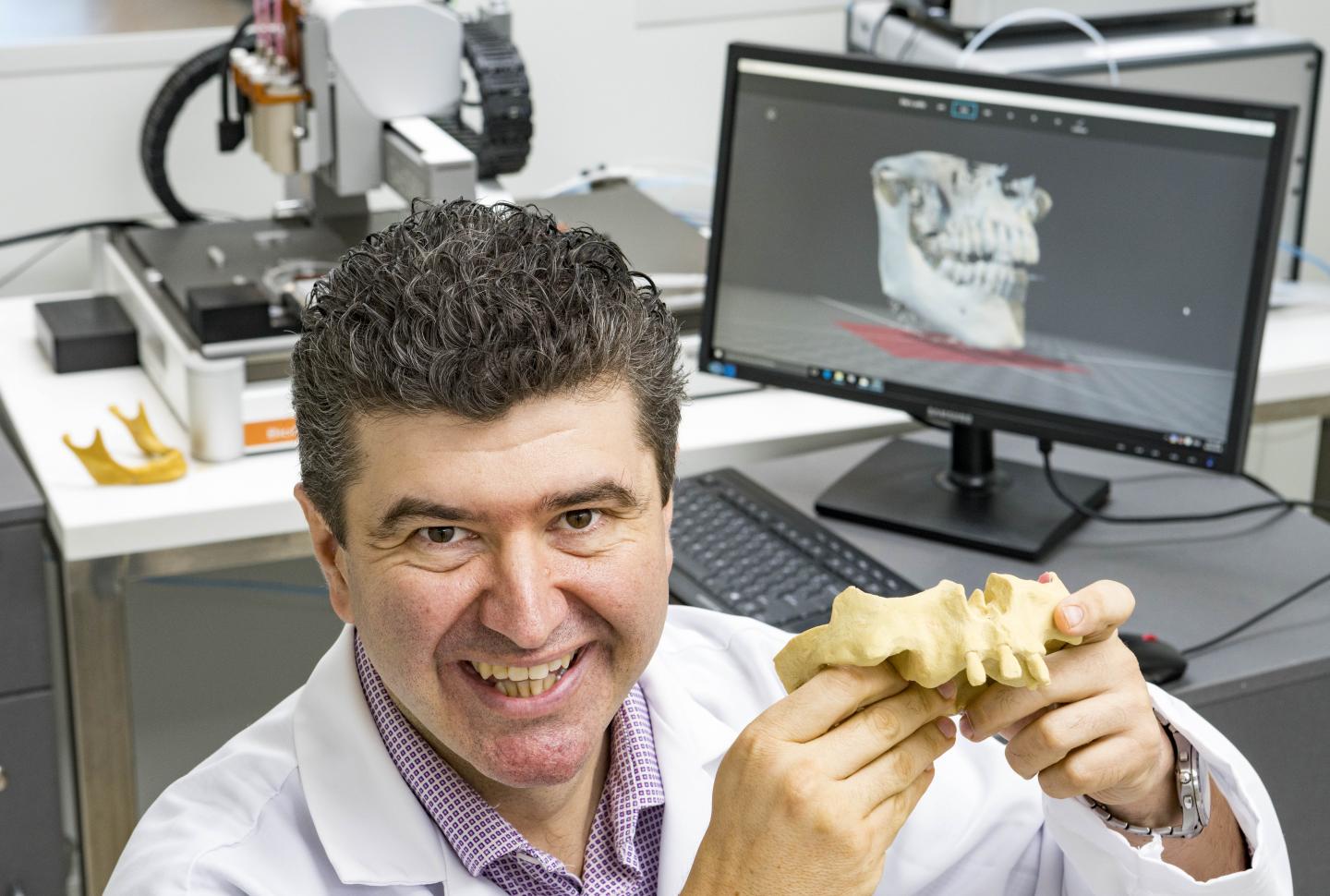
Professor Saso Ivanovski. The discomfort and stigma of loose or missing teeth could be a thing of the past as Griffith University researchers pioneer the use of 3D bioprinting to replace missing teeth and bone.

| Biotechnology | March 30, 2016 06:05 PM |
| Full story | 0 Comments | 8048 views |

| Biology | March 30, 2016 06:05 PM |
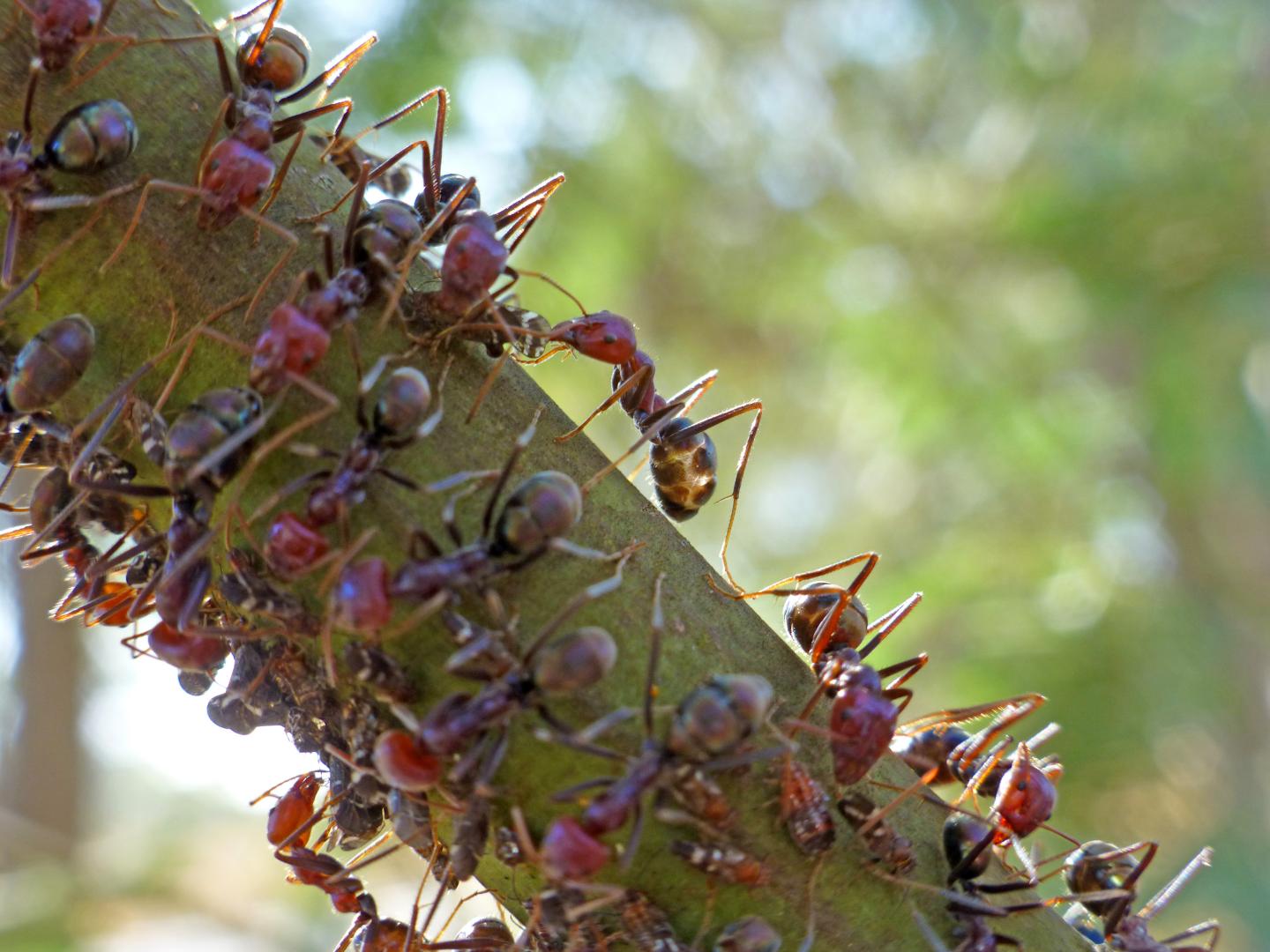
This image shows ants tending to some leave hoppers. University of Melbourne scientists have shone a new light into the complexities of ant communication, with the discovery that ants not only pick up information through their antennae, but also use them to convey social signals.
| Full story | 0 Comments | 7082 views |

| Health & Medicine | March 29, 2016 08:03 PM |
A University of Colorado Cancer study published today in the Journal of the American Medical Informatics Association (JAMIA) describes a new tool that interprets the raw data of whole exome tumor sequencing and then matches the cancer's unique genetics to FDA-approved targeted treatments.
| Full story | 0 Comments | 6304 views |

| Environment | March 29, 2016 08:03 PM |

Fishing boats at the harbor in Luderitz, Namibia. The small town is known for its crayfish industry. New groundbreaking research shows that with improved fishing approaches -- compared to business as usual -- the majority of the world's wild fisheries could be at healthy levels in just 10 years and global fish populations could double by 2050.
| Full story | 0 Comments | 7635 views |
| Biotechnology | March 29, 2016 08:03 PM |
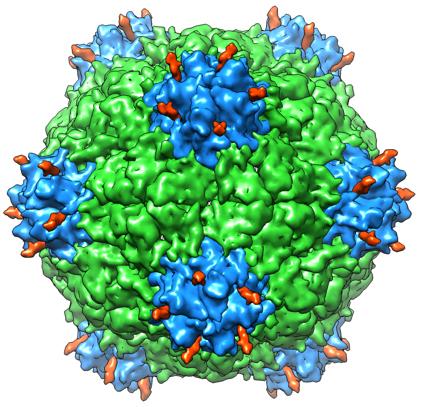
A new study shows that a hollowed-out version of cowpea mosaic virus could be useful in human therapies. Viruses aren't always bad. In fact, scientists can harness the capabilities of some viruses for good--modifying the viruses to carry drug molecules, for example.
| Full story | 0 Comments | 7947 views |

| Molecular & Cell Biology | March 29, 2016 08:03 PM |
A novel investigation of how enzymatic reactions can direct the motion and organization of microcapsules may point toward a new theory of how protocells - the earliest biological cells - could have organized into colonies and thus, could have ultimately formed larger, differentiated structures.
| Full story | 0 Comments | 5586 views |

| Microbiology | March 29, 2016 08:03 PM |
Bacteria are the most abundant form of life on Earth, and they are capable of living in diverse habitats ranging from the surface of rocks to the insides of our intestines. Over millennia, these adaptable little organisms have evolved a variety of specialized mechanisms to move themselves through their particular environments. In two recent Caltech studies, researchers used a state-of-the-art imaging technique to capture, for the first time, three-dimensional views of this tiny complicated machinery in bacteria.
| Full story | 0 Comments | 7550 views |
| Molecular & Cell Biology | March 29, 2016 12:02 AM |
According to epigenetics -- the study of inheritable changes in gene expression not directly coded in our DNA -- our life experiences may be passed on to our children and our children's children. Studies on survivors of traumatic events have suggested that exposure to stress may indeed have lasting effects on subsequent generations. But how exactly are these genetic "memories" passed on?
| Full story | 0 Comments | 6804 views |
| Molecular & Cell Biology | March 29, 2016 12:02 AM |
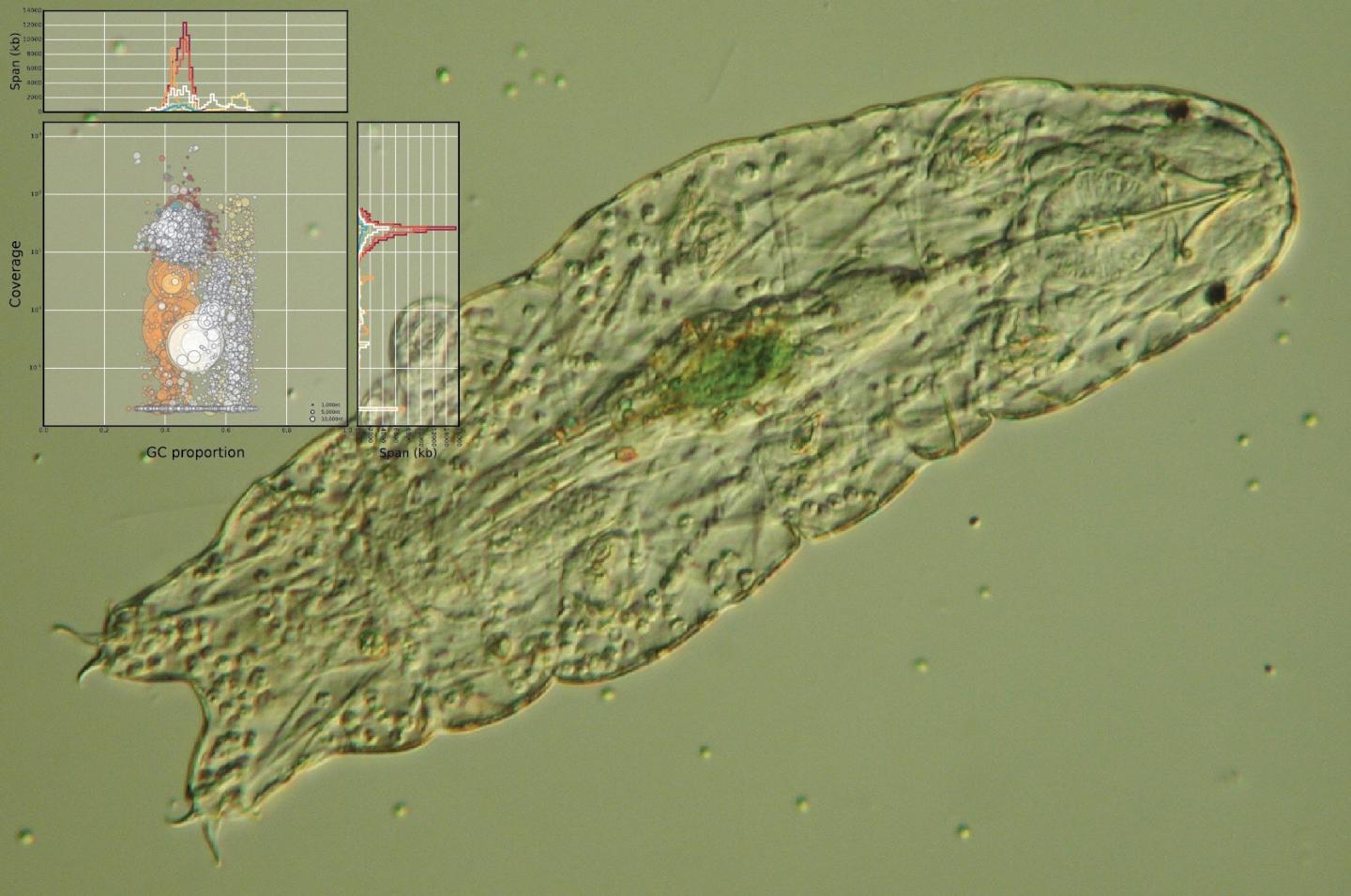
Tardigrades have not acquired a significant proportion of their DNA from other organisms, a new study shows. Tardigrades, also known as moss piglets or water bears, are eight-legged microscopic animals that have long fascinated scientists for their ability to survive extremes of temperature, pressure, lack of oxygen, and even radiation exposure.
| Full story | 0 Comments | 5588 views |
| Molecular & Cell Biology | March 29, 2016 12:02 AM |
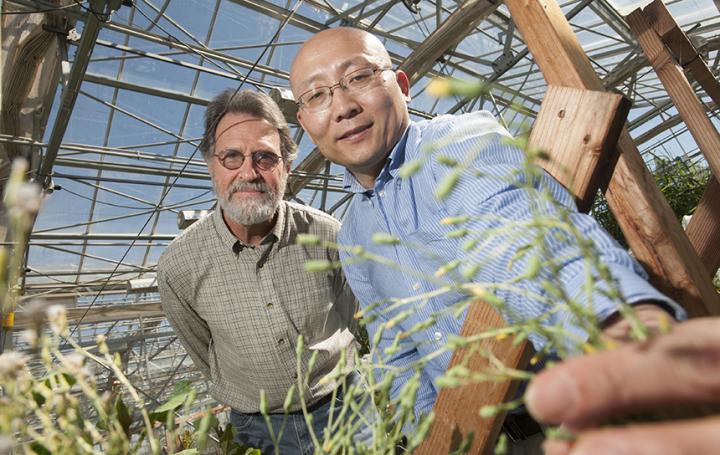
Kent Bradford, left, and Alfred Huo, seen here with a flowering lettuce plant, found that lettuce could be prevented from flowering by increasing the expression of a specific microRNA Like most annuals, lettuce plants live out their lives in quiet, three-act dramas that follow the seasons. Seed dormancy gives way to germination; the young plant emerges and grows; and finally in the climax of flowering, a new generation of seeds is produced. It's remarkably predictable, but the genetics that coordinates these changes with environmental cues has not been well understood.
| Full story | 0 Comments | 5052 views |
| Molecular & Cell Biology | March 29, 2016 12:02 AM |
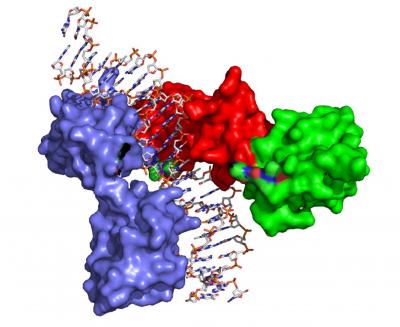
Space-filling model of Reb1 bound to DNA. In a study published on 28 March 2016 in the Proceedings of the National Academy of Sciences, researchers at the Medical University of South Carolina (MUSC) and Virginia Commonwealth University have resolved the first protein structure in a family of proteins called transcription terminators. The crystal structure of the protein, called Reb1, provides insight into aging and cancer, according to Deepak Bastia, Ph.D., Endowed Chair for Biomedical Research in the MUSC Department of Biochemistry and Molecular Biology and co-senior author of the study.
| Full story | 0 Comments | 5270 views |
| Health & Medicine | March 24, 2016 12:22 PM |
New research by Dr. Sylvie Lesage, scientist at Maisonneuve-Rosemont Hospital (CIUSSS- East Montreal) and associate research Professor at University of Montreal, just published in the prestigious international scientific journal Nature Genetics, has discovered that a common genetic defect in beta cells may underlie both known forms of diabetes.
| Full story | 0 Comments | 10679 views |
| Molecular & Cell Biology | March 23, 2016 07:05 PM |
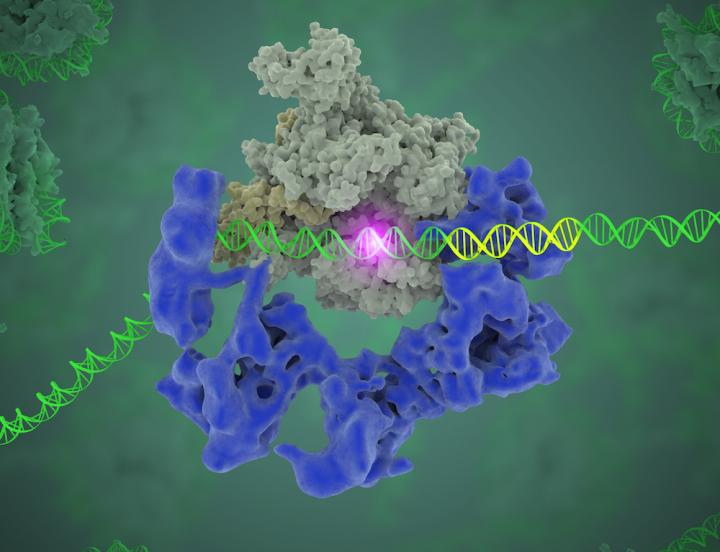
This image shows TFIID (blue) as it contacts the DNA and recruits the polymerase (grey) for gene transcription. The start of the gene is shown with a flash of light. Your DNA governs more than just what color your eyes are and whether you can curl your tongue. Your genes contain instructions for making all your proteins, which your cells constantly need to keep you alive. But some key aspects of how that process works at the molecular level have been a bit of a mystery--until now.
| Full story | 0 Comments | 6808 views |
| Molecular & Cell Biology | March 22, 2016 06:46 PM |
Think your DNA is all human? Think again. And a new discovery suggests it's even less human than scientists previously thought.
| Full story | 0 Comments | 10207 views |

| Bioinformatics | March 22, 2016 06:46 PM |
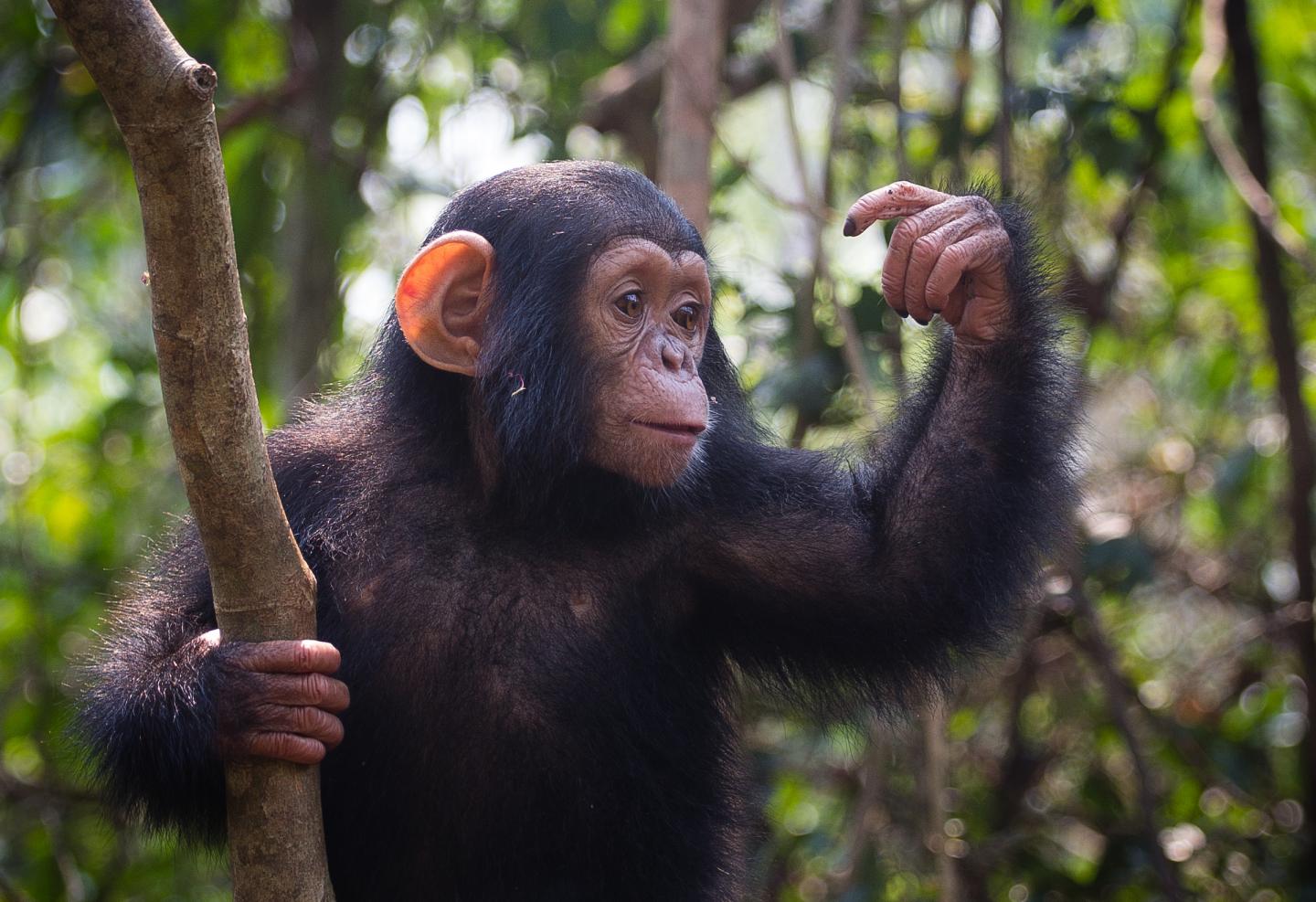
Female orphan chimpanzee are cared for at the Sanaga-Yong Chimpanzee Rescue Center. Understanding the origins of emerging diseases - as well as more established disease agents -- is critical to gauge future human infection risks and find new treatment and prevention approaches. This holds true for malaria, which kills more than 500,000 people a year. Symptoms, including severe anemia, pregnancy-associated malaria, and cerebral malaria, have been linked to the parasite's ability to cause infected red blood cells to bind to the inner lining of blood vessels.
| Full story | 0 Comments | 7675 views |
| Microbiology | March 22, 2016 06:46 PM |
In eLife today (22 March), Wellcome Trust Sanger Institute scientists show how the parasite responsible for the neglected tropical disease Black Fever (visceral leishmaniasis) can become resistant to drug treatment. Studying the whole genomes of more than 200 samples of Leishmania donovani revealed that the addition of just two bases of DNA to a gene known as LdAQP1 stops the parasite from absorbing antimonial drugs.
| Full story | 0 Comments | 7184 views |
| Health & Medicine | March 22, 2016 06:46 PM |
The cost of treating hepatitis C virus (HCV) could be cut up to 50 percent if mathematical models are used to predict when patients can safely stop taking direct-acting antiviral (DAA) medication, according to a new study by researchers at Loyola University Health System and Loyola University Chicago.
| Full story | 0 Comments | 7060 views |

| Stem Cell Research | March 21, 2016 08:05 PM |
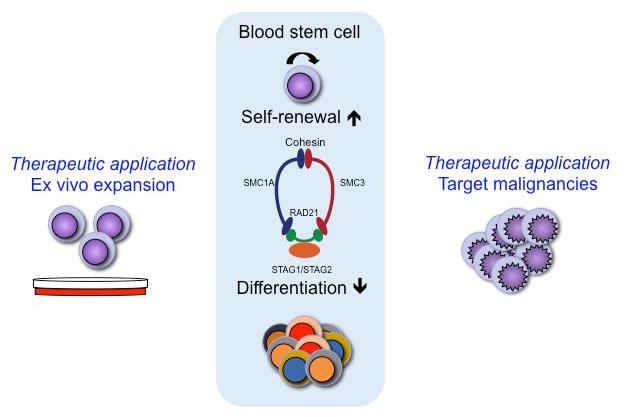
The authors investigated the effects of 15,000 genes on the balance between self-renewal and differentiation of the human blood stem cell (blue box). An important element in getting blood stem cells to multiply outside the body is to understand which of the approximately 20 000 genes in the human body control their growth. A research team at Lund University in Sweden has studied close to 15 000 of these genes alongside each other. The researchers have succeeded in identifying four key genes which, together, govern the growth and multiplication of the stem cells. The study is now being published in the journal Cell Reports.
| Full story | 0 Comments | 8237 views |
| Molecular & Cell Biology | March 21, 2016 08:05 PM |
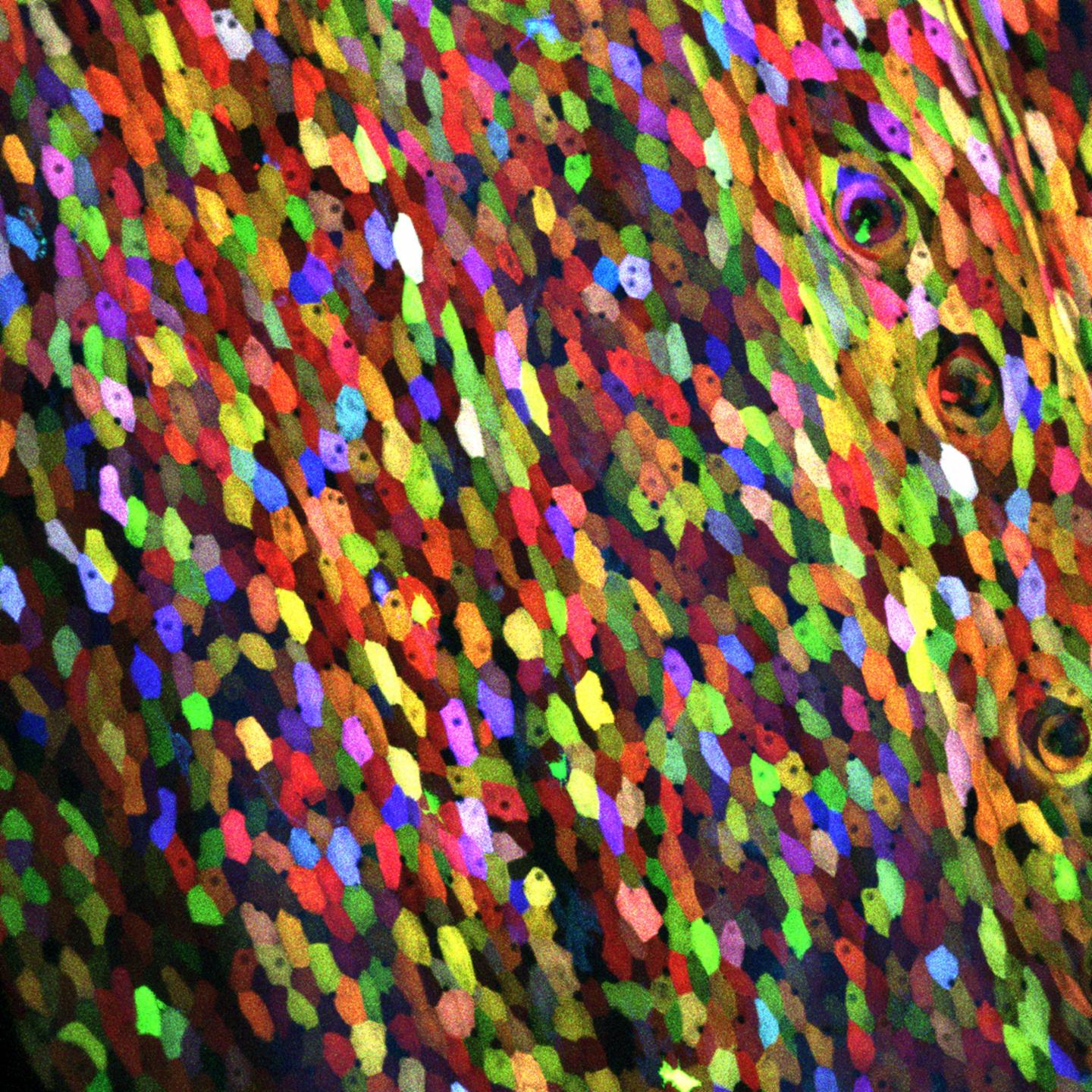
Every cell on the surface of this genetically engineered zebrafish expresses a unique combination of green, red and blue fluorescent proteins, resulting in over 70 different hues Scientists can now watch how hundreds of individual cells work together to maintain and regenerate skin tissue, thanks to a genetically engineered line of technicolor zebrafish.
| Full story | 0 Comments | 7050 views |
| Microbiology | March 16, 2016 06:58 PM |
In the microscopic life that thrives around coral reefs, San Diego State University researchers have discovered an interplay between viruses and microbes that defies conventional wisdom. As the density of microbes rises in an ecosystem, the number of viruses infecting those microbes rises with it. It has generally been assumed that this growing population of viruses, in turn, kills more and more microbes, keeping the microbial population in check. It's a model known as "kill-the-winner" -- the winners being the blooming microbial cells and the killers being the viruses (mostly bacteria-killing viruses known as bacteriophages) that infect them.
| Full story | 0 Comments | 8699 views |
| Biotechnology | March 16, 2016 06:58 PM |
Researchers have presented one of the first computerised tomography (CT) scans of a mummified individual from southern Africa, and also completed the first successful aDNA (ancient DNA) extraction from such remains. The mummy is estimated to have been about 300 years old.
| Full story | 0 Comments | 7622 views |
| Stem Cell Research | March 15, 2016 06:34 PM |
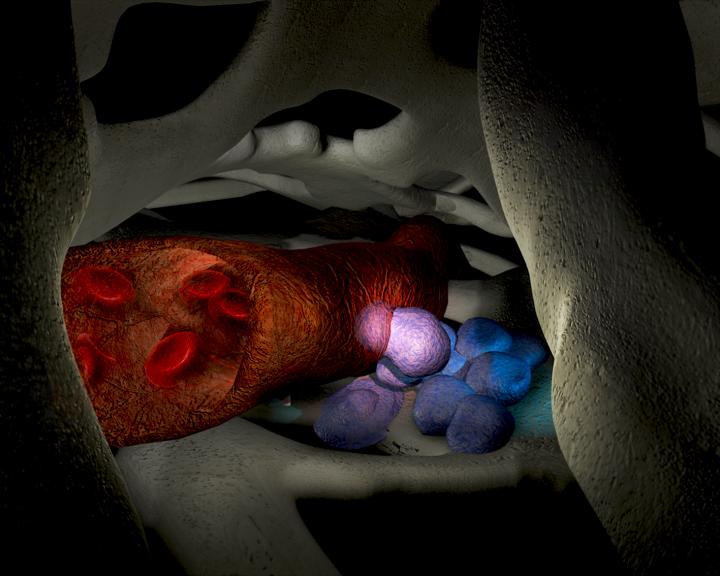
A hematopoietic stem cell (HSC) is being mobilized from the bone marrow microenvironment into a blood vessel. Australian scientists have developed a new method for harvesting stem cells, which is less invasive and reduces side effects for donors.
| Full story | 0 Comments | 7632 views |
| Molecular & Cell Biology | March 15, 2016 06:34 PM |
When we remember events which occurred recently, the hippocampus is activated. This area in the temporal lobe of the brain is a hub for learning and memory. But what happens, if we try to remember things that took place years or decades ago? Neuroscientists at the Ruhr-University Bochum and the Osaka University have been able to give some answers to this question. They reveal that the neural networks involved in retrieving very old memories are quite distinct from those used to remember recent events. The results of the study have now been published in the open source science journal eLIFE.
| Full story | 0 Comments | 7415 views |
| Molecular & Cell Biology | March 15, 2016 06:34 PM |
Plants grown in high-density or crowded populations often put more energy into growth and maintenance than reproduction. For example, flowering may be delayed as plants allocate resources to growing taller and escape competition for light. This sensitivity to crowding stress has been observed in some varieties of sweet corn, but other varieties show higher tolerance, producing high yields even in crowded conditions. A recent University of Illinois and USDA Agricultural Research Service study attempted to uncover the genetic mechanisms of crowding tolerance in sweet corn.
| Full story | 0 Comments | 6724 views |
| Bioinformatics | March 14, 2016 06:16 PM |

This image shows Yucca Brevifolia Tikaboo, June 2014. Scientists at the Donald Danforth Plant Science Center have teamed up with researchers at Willamette University, a liberal arts college in Salem Oregon, to develop genetic tools that could save the Joshua tree from extinction. Together with scientists from The University of Georgia and the University of British Columbia, and with the support of several Mojave Desert conservation organizations, researchers are inviting members of the public to help get the project off the ground by making donations at the crowdfunding site Experiment.com. In the past two weeks, more than 100 backers have donated more than $4,000 to The Joshua Tree Genome Project. The project aims to raise $8,500 by March 24th.
| Full story | 0 Comments | 6720 views |
| Molecular & Cell Biology | March 14, 2016 06:16 PM |
This is the cover of Protein & Cell. The human brain is extremely complex, containing billions of neurons forming trillions of synapses where thoughts, behavior and emotion arise. However, when an individual is performing a particular task, not many but only a few neural circuits are in action. The enormous cellular heterogeneity of the brain structure has made dissections of the molecular basis for neural circuitry function particularly challenging, because previous studies on genetic and epigenetic profiling using a block of brain tissues simply do not have the sufficient precision and accuracy to correspond to the activities of a few activated circuitries in the brain.
| Full story | 0 Comments | 5158 views |
| Biology | March 11, 2016 04:03 PM |
An international team of scientists, from three Brazilian universities and one UK university, have discovered a new fossil reptile that lived 250 million years ago in the state of Rio Grande do Sul, southernmost Brazil. The species has been identified from a mostly complete and well preserved fossil skull that the team has named Teyujagua paradoxa.
| Full story | 0 Comments | 8651 views |
| Health & Medicine | March 9, 2016 05:04 PM |
St. Jude Children's Research Hospital scientists have discovered how pieces of bacterial cell wall cross the placenta and enter developing neurons, altering fetal brain anatomy and cognitive functioning after birth. The study appears today in the scientific journal Cell Host & Microbe.
| Full story | 0 Comments | 6057 views |
| Bioinformatics | March 9, 2016 05:04 PM |
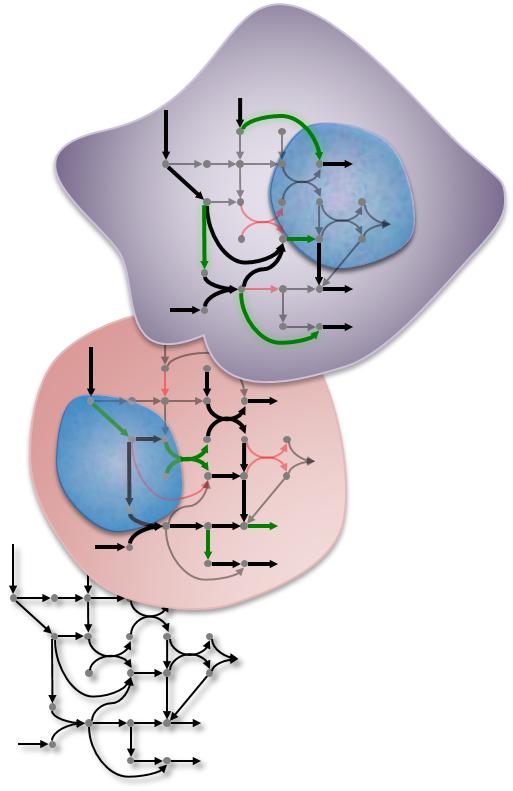
The same metabolic pathway can produce different results in different bodily tissues. A Rice University algorithm is designed to find those differences. Rice University bioengineers have introduced a fast computational method to model tissue-specific metabolic pathways. Their algorithm may help researchers find new therapeutic targets for cancer and other diseases.
| Full story | 0 Comments | 6555 views |
| Bioinformatics | March 9, 2016 05:04 PM |
Led by Drs John Postlethwait and Ingo Braasch from the Institute of Neuroscience, University of Oregon, US, in collaboration with the Broad Institute, the study of the Spotted Gar (Lepisosteus oculatus) genome reveals that it is small and manageable. Furthermore, it lacks much shuffling and duplication that occurred in the 'main' fish ancestral line; it conserved its genome.
| Full story | 0 Comments | 6709 views |
| Biotechnology | March 9, 2016 05:04 PM |

This graphic depicts a new inhibitor, 6S, locking up an enzyme (red) to block the production of hydrogen sulfide (yellow and white). Research teams separated by 14 hours and 9,000 miles have collaborated to advance prospective treatment for the world's second-leading cause of death.
| Full story | 0 Comments | 6558 views |
| Biology | March 8, 2016 04:44 PM |
In the first study to use new methods to track antibiotic resistance through the process of intensively farming and slaughtering cattle, scientists have discovered a "startling" lack of resistance genes in meat.
| Full story | 0 Comments | 6425 views |
| Biology | March 8, 2016 04:44 PM |
People are intuitive physicists, knowing from birth how objects under the influence of gravity are likely to fall, topple or roll. In a new study, scientists have found the brain cells apparently responsible for this innate wisdom.
| Full story | 0 Comments | 6101 views |
| Health & Medicine | March 7, 2016 06:37 PM |
Cancer cells are notorious for their ability to divide uncontrollably and generate hordes of new tumor cells. Most of the fuel consumed by these rapidly proliferating cells is glucose, a type of sugar.
| Full story | 0 Comments | 8329 views |
| Molecular & Cell Biology | March 7, 2016 06:37 PM |
A new study out today in the journal Nature Communications shows that cells normally associated with protecting the brain from infection and injury also play an important role in rewiring the connections between nerve cells. While this discovery sheds new light on the mechanics of neuroplasticity, it could also help explain diseases like autism spectrum disorders, schizophrenia, and dementia, which may arise when this process breaks down and connections between brain cells are not formed or removed correctly.
| Full story | 0 Comments | 6151 views |
| Stem Cell Research | March 3, 2016 06:13 PM |
Scientists at Michigan State University have discovered a new kind of stem cell, one that could lead to advances in regenerative medicine as well as offer new ways to study birth defects and other reproductive problems.
| Full story | 0 Comments | 6919 views |
| Molecular & Cell Biology | March 2, 2016 06:15 PM |
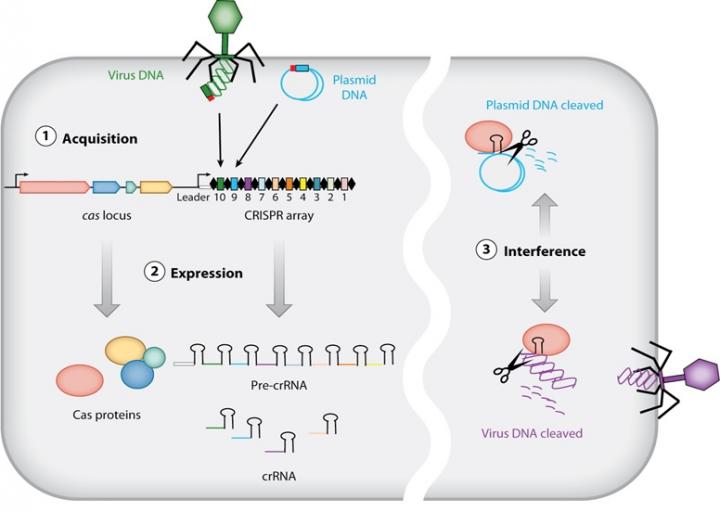
This is an illustration of how the CRISPR/Cas system works, courtesy of Devaki Bhaya, Michelle Davison, and Rodolphe Barrangou. You've probably seen news stories about the highly lauded, much-discussed genome editing system CRISPR/Cas9. But did you know the system was actually derived from bacteria, which use it to fight off foreign invaders such as viruses? It allows many bacteria to snip and store segments of DNA from an invading virus, which they can then use to "remember" and destroy DNA from similar invaders if they are encountered again. Recent work from a team of researchers including Carnegie's Devaki Bhaya demonstrates that some bacteria also use the CRISPR/Cas system to snip and recognize segments of RNA, not just DNA. It was published by Science.
| Full story | 0 Comments | 6194 views |
| Biotechnology | March 2, 2016 06:15 PM |
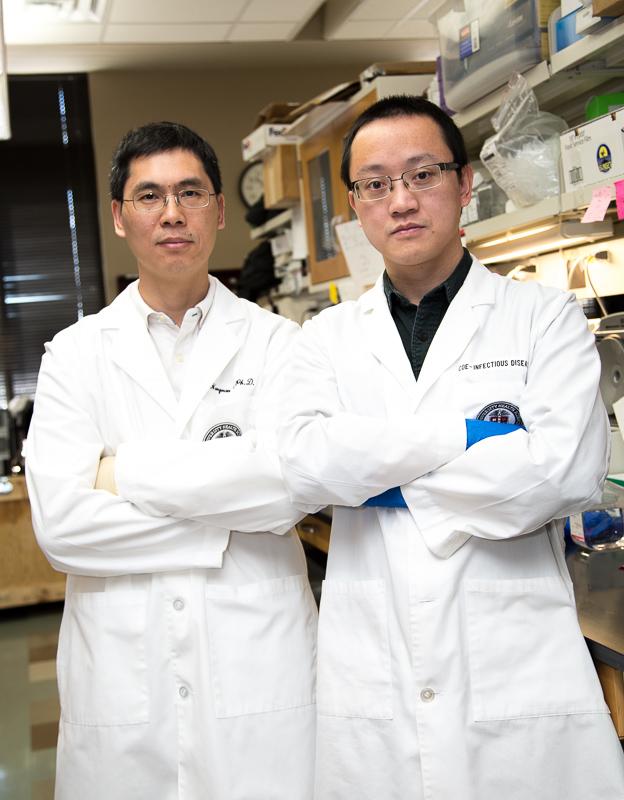
Haoquan Wu, Ph.D., left, and Ying Dang, Ph.D., right, have improved the gene editing technology CRISPR and enhanced its ability to target and knockout genes. Scientists have developed a process that improves the efficiency of CRISPR, an up-and-coming technology used to edit DNA.
| Full story | 0 Comments | 7235 views |
| Molecular & Cell Biology | March 2, 2016 06:15 PM |
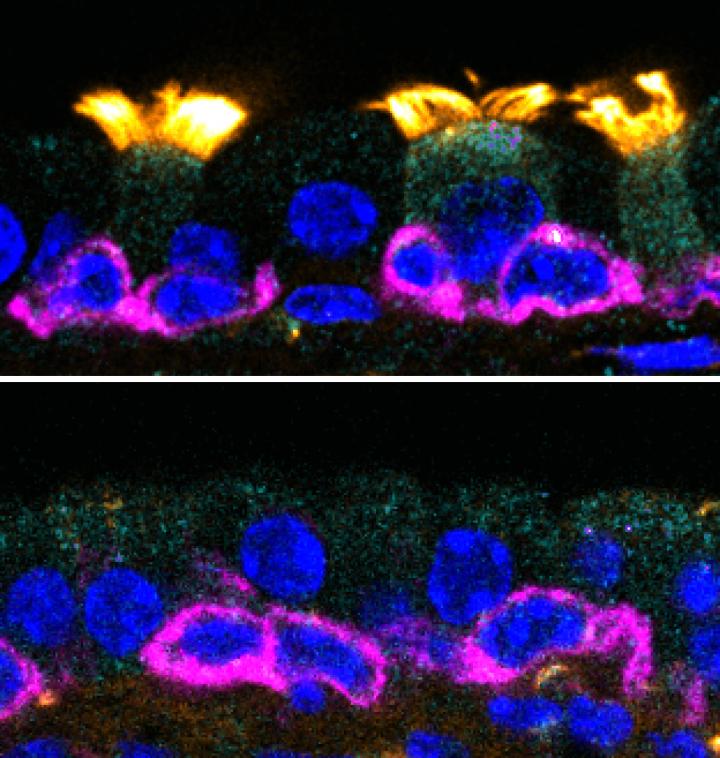
GEMC1 is required for the generation of multiciliated cells. Images of mouse tracheas. The genomic sequencing of hundreds of patients with diverse types of ciliopathies has revealed that "in many cases the gene responsible is not known", says Travis Stracker, head of the Genomic Instability and Cancer Lab at the IRB Barcelona. "So many people do not have a molecular diagnosis," stresses the researcher. "Our work seeks to contribute to bridging this knowledge gap".
| Full story | 0 Comments | 7472 views |

- In some genetic cases of microcephaly, stem cells fail to launch
- Yale team discovers how Zika virus causes fetal brain damage
- Scientists uncover the way a common cell enzyme alerts the body to invading bacteria
- Arctic gives clues on worst mass extinction of life
- Calcium channel blockers caught in the act at atomic level
Search Bio News Net
Free Biology Newsletter
- Flexibility That A.C.A. Lent to Work Force Is Threatened by...International Herald Tribune
- Bacteria Behind Legionnaires’ Disease Found at New York Police StationInternational Herald Tribune
- Prescription Price Crisis? 28 Million Americans See Spike in Drug...MSNBC.com: Health
- Seizing on Opioid Crisis, a Drug Maker Lobbies Hard for...International Herald Tribune
- Republicans are taking a big political risk on health careAP Health News
- Why We're So Divided Over Saving WolvesNational Geographic News