

For the first time, researchers from the Wellcome Trust Sanger Institute and their collaborators have been able to identify in human cancers two characteristic patterns of DNA damage caused by ionising radiation. These fingerprint patterns may now enable doctors to identify which tumours have been caused by radiation, and investigate if they should be treated differently.

Category: Health & Medicine
| Health & Medicine | September 8, 2016 07:41 PM |
In research published online today in Science, a team of scientists describe a new therapeutic strategy to target a hidden Achilles' heel shared by all known types of Ebola virus. Two antibodies developed with this strategy blocked the invasion of human cells by all five ebolaviruses, and one of them protected mice exposed to lethal doses of Ebola Zaire and Sudan, the two most dangerous. The team included scientists from Albert Einstein College of Medicine, U.S. Army Medical Research Institute of Infectious Diseases (USAMRIID), Integrated Biotherapeutics, Vanderbilt University Medical Center, and The Scripps Research Institute.
| Full article | 0 Comments | 487206 views |
| Health & Medicine | September 5, 2016 06:38 PM |
Biochemists at the University of California San Diego have uncovered patterns in the outer protein coat of group A Streptococcus that could finally lead to a vaccine against this highly infectious bacteria--responsible for more than 500,000 deaths a year, including toxic shock syndrome and necrotizing fasciitis or "flesh-eating disease."
| Full article | 0 Comments | 407523 views |
| Health & Medicine | August 22, 2016 06:24 PM |
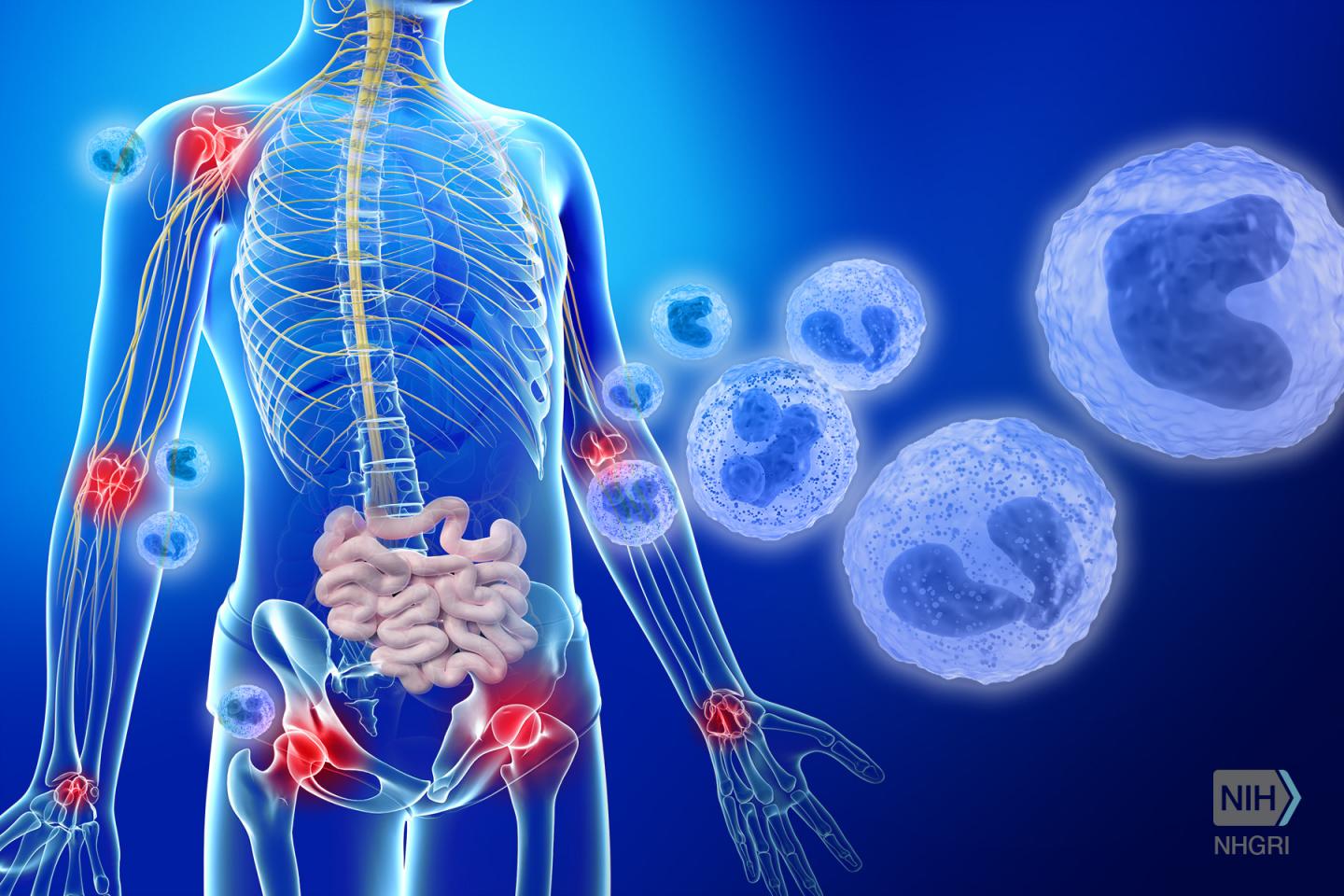
The just-discovered disease is a rare and sometimes lethal inflammatory disease that causes fever, skin rashes, diarrhea and joint pain in young children. National Institutes of Health researchers have discovered a rare and sometimes lethal inflammatory disease - otulipenia - that primarily affects young children. They have also identified anti-inflammatory treatments that ease some of the patients' symptoms: fever, skin rashes, diarrhea, joint pain and overall failure to grow or thrive.
| Full article | 0 Comments | 11990 views |
| Health & Medicine | August 18, 2016 06:02 PM |
In a new study, Yale researchers demonstrate Zika virus infection of cells derived from human placentas. The research provides insight into how Zika virus may be transmitted from expectant mother to fetus, resulting in infection of the fetal brain.
| Full article | 0 Comments | 14671 views |
| Health & Medicine | August 17, 2016 06:43 PM |
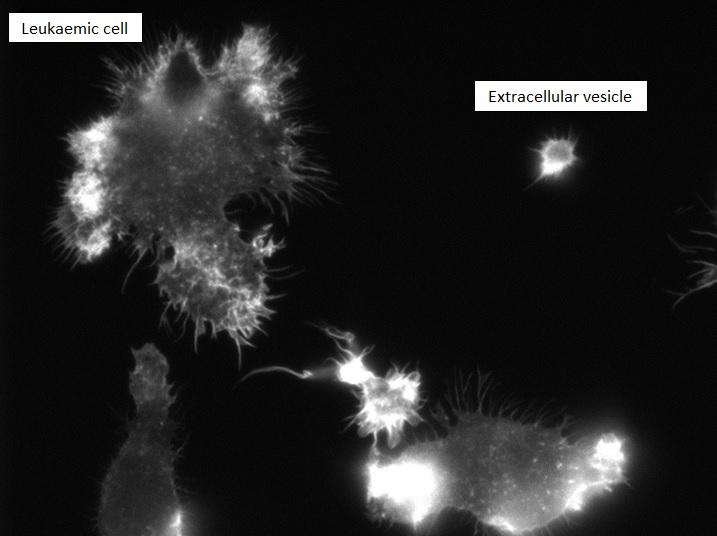
This image shows the presence of an extracellular vesicle. Researchers at The University of Manchester have unlocked the potential of a new test which could revolutionise the way doctors diagnose and monitor a common childhood Leukaemia.
| Full article | 0 Comments | 10234 views |
| Health & Medicine | August 11, 2016 06:30 PM |
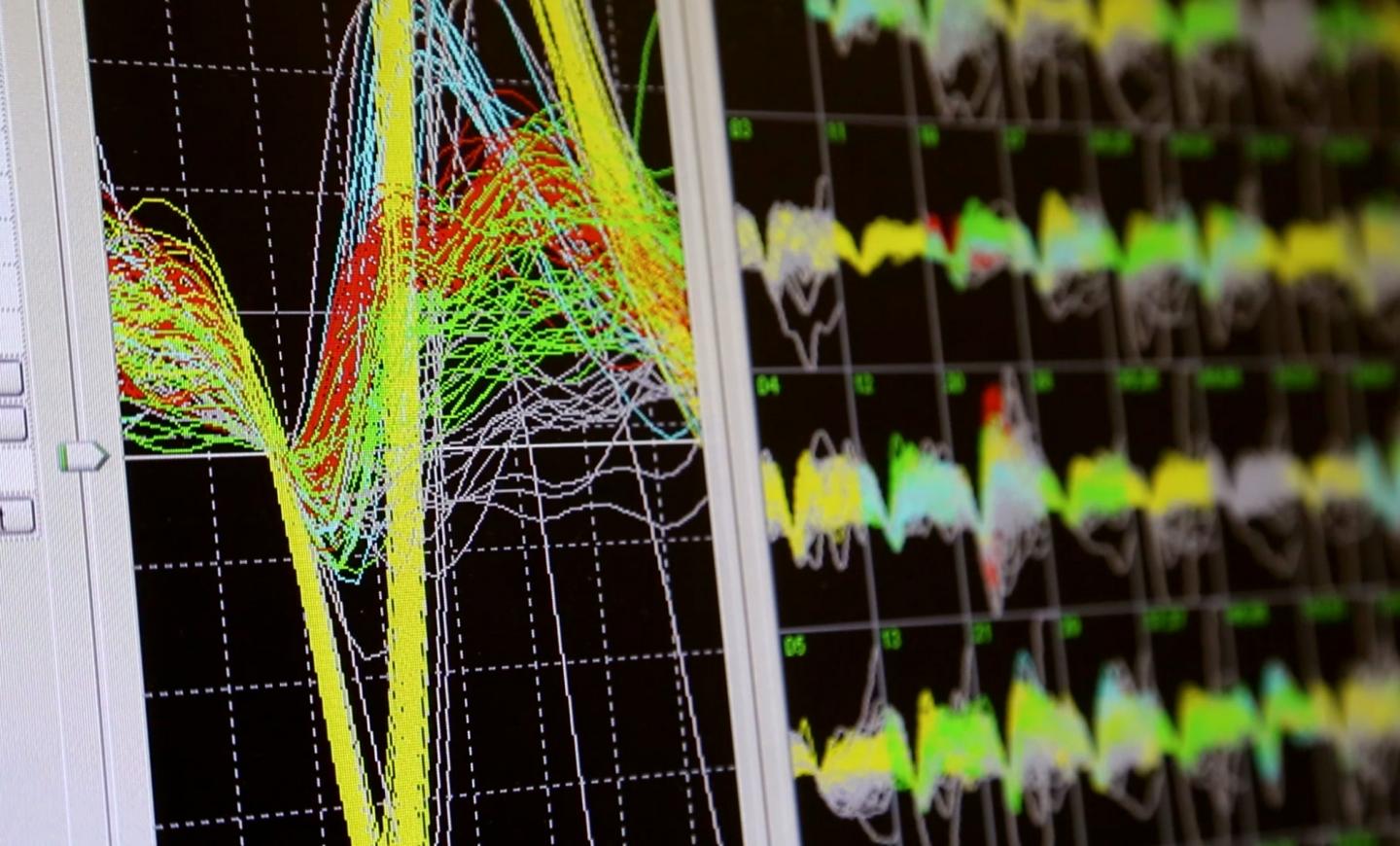
A computer monitor in the lab of Miguel Nicolelis, M.D., Ph.D., shows the brain activity of a monkey using a brain-machine interface. Eight people who have spent years paralyzed from spinal cord injuries have regained partial sensation and muscle control in their lower limbs after training with brain-controlled robotics, according to a study published Aug. 11 in Scientific Reports.
| Full article | 0 Comments | 12303 views |
| Health & Medicine | August 11, 2016 06:30 PM |
USC researchers have tracked down two Zika proteins potentially responsible for thousands of microcephaly cases in Brazil and elsewhere -- taking one small step toward preventing Zika-infected mothers from birthing babies with abnormally small heads.
| Full article | 0 Comments | 14471 views |
| Health & Medicine | August 4, 2016 06:02 PM |
A month after announcing that two promising vaccine candidates provided mice with complete protection against the Zika virus, a research team at Beth Israel Deaconess Medical Center (BIDMC), in collaboration with scientists at Walter Reed Army Institute of Research (WRAIR) and the University of São Paulo, now reports achieving complete protection against Zika virus in rhesus monkeys. The research team's findings were published online today in the journal Science.
| Full article | 0 Comments | 10213 views |
| Health & Medicine | August 3, 2016 04:41 PM |
Patients suffering from so-called immune-mediated neuropathies frequently have a long medical record. As there are no diagnostic tests available to reliably diagnose the disease, the diagnosis is frequently made belatedly and patients can be misdiagnosed. Accordingly, many years often pass before an effective therapy is started. However, not all patients respond to first-choice drugs even when treated immediately.
| Full article | 0 Comments | 9980 views |
| Health & Medicine | August 2, 2016 05:08 PM |
Cancer cells need oxygen to survive, as do most other life forms, but scientists had never tracked their search for oxygen in their early growth stages until now -- a step toward a deeper understanding of one way cancer spreads that could help treat the disease.
| Full article | 0 Comments | 7453 views |
| Health & Medicine | July 27, 2016 05:24 PM |
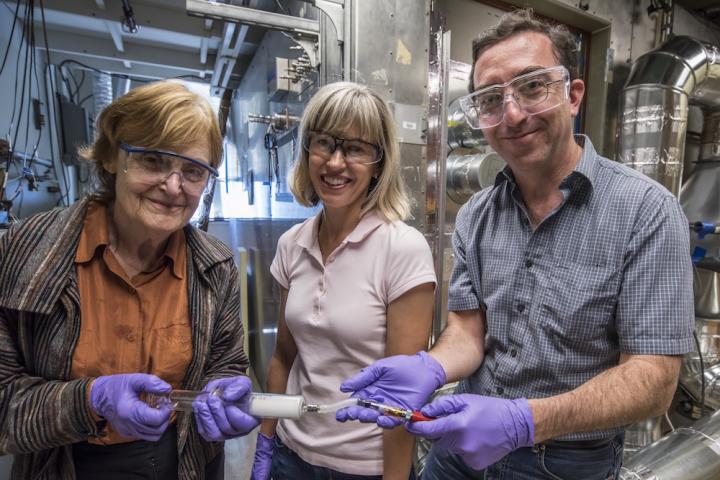
Berkeley Lab researchers (from left) Lara Gundel, Marion Russell, Hugo Destaillats demonstrate filling a glass syringe with vapor from an e-cigarette. While previous studies have found that electronic cigarettes emit toxic compounds, a new study from Lawrence Berkeley National Laboratory (Berkeley Lab) has pinpointed the source of these emissions and shown how factors such as the temperature, type, and age of the device play a role in emission levels, information that could be valuable to both manufacturers and regulators seeking to minimize the health impacts of these increasingly popular devices.
| Full article | 0 Comments | 6985 views |
| Health & Medicine | July 25, 2016 06:09 PM |
A study by researchers at Children's Hospital Los Angeles (CHLA), Brigham and Women's Hospital and the California Department of Public Health suggests that all babies with a known mutation for cystic fibrosis (CF) and second mutation called the 5T allele should receive additional screening in order to better predict the risk of developing CF later in life.
| Full article | 0 Comments | 6545 views |
| Health & Medicine | July 25, 2016 06:09 PM |
Full-term babies receive natural protection from their mothers that helps them fight off dangerous infections. However, babies born prematurely lack protective intestinal bacteria and often are unable to be nursed, causing their infection-fighting capabilities to be underdeveloped. Now, researchers at the University of Missouri School of Medicine have found that a manufactured form of lactoferrin, a naturally occurring protein in breast milk, can help protect premature infants from a type of staph infection.
| Full article | 0 Comments | 6011 views |
| Health & Medicine | July 14, 2016 05:11 PM |
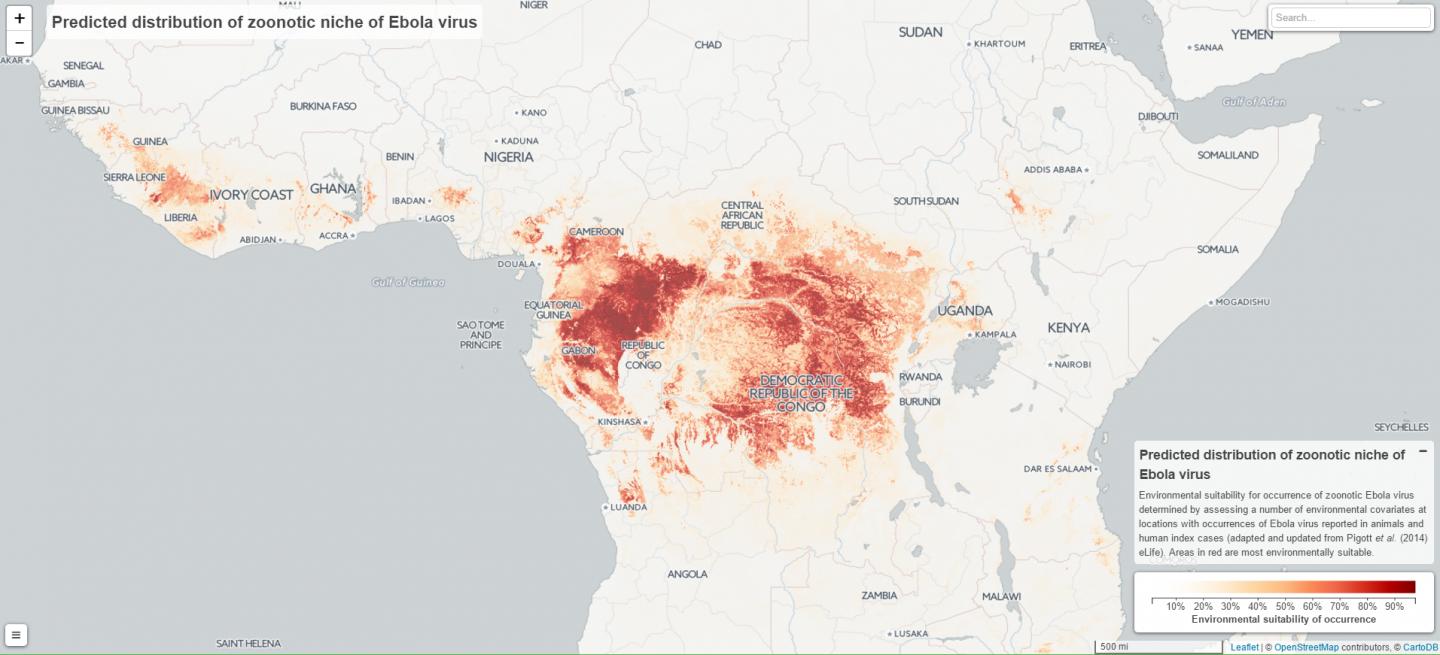
Updates to the zoonotic niche map of Ebola virus disease in Africa by David Pigott et al. Though the West African Ebola outbreak that began in 2013 is now under control, 23 countries remain environmentally suitable for animal-to-human transmission of the Ebola virus. Only seven of these countries have experienced cases of Ebola, leaving the remaining 16 countries potentially unaware of regions of suitability, and therefore underprepared for future outbreaks.
| Full article | 0 Comments | 6660 views |
| Health & Medicine | July 13, 2016 05:55 PM |
The microscopic organisms that live in our gut do more than help us digest food. A new study in rats bolsters a growing body of evidence that the complex mix of microorganisms found in the gut, known as gut microbiota, could influence a person's likelihood of developing colon cancer.
| Full article | 0 Comments | 6035 views |
| Health & Medicine | July 8, 2016 06:38 PM |
When cells die, whether through apoptosis or necrosis, the DNA and other molecules found in those cells don't just disappear. They wind up in the blood stream, where degraded bits and pieces can be extracted.
| Full article | 0 Comments | 5675 views |
| Health & Medicine | July 8, 2016 06:38 PM |
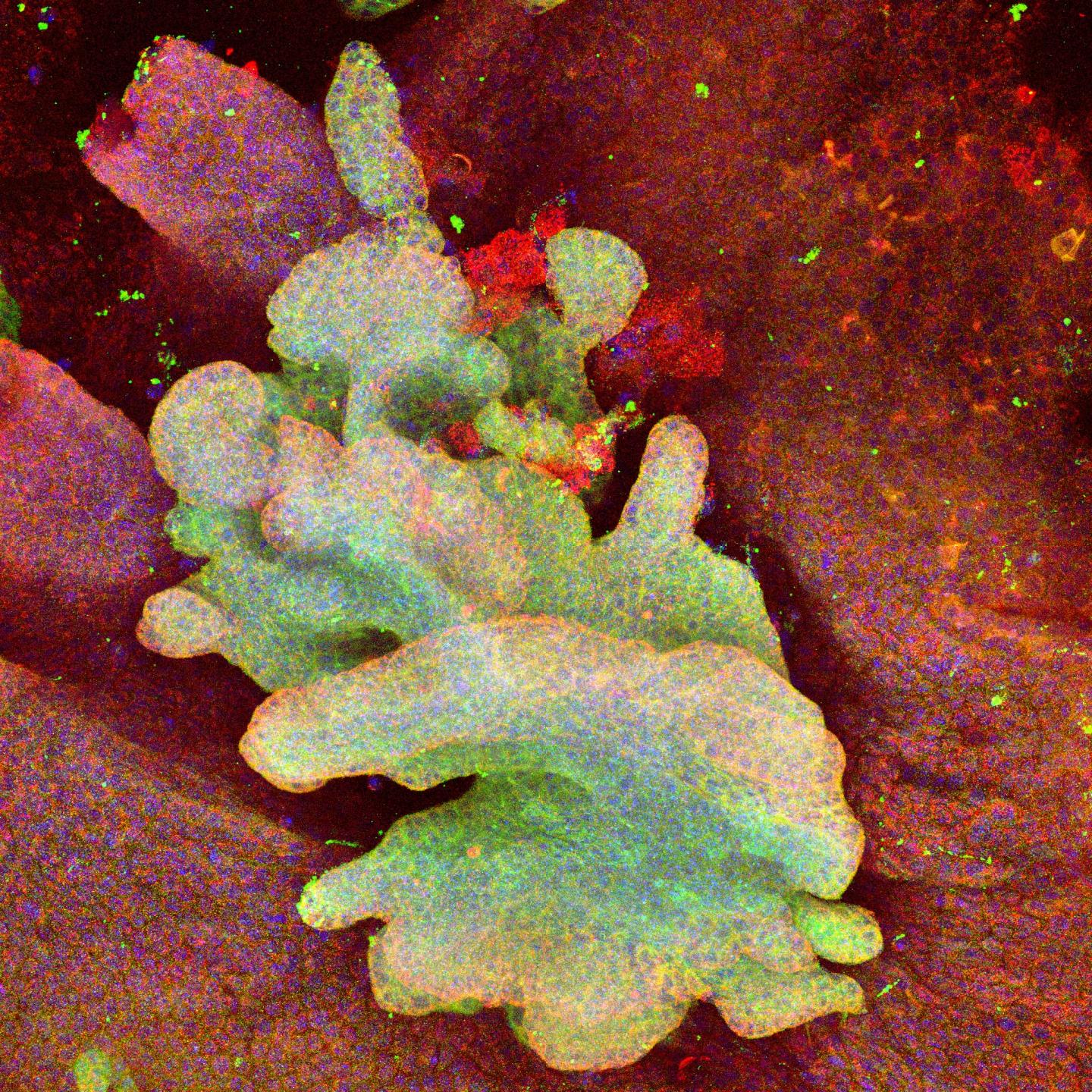
The green-labelled cells show a basal cell carcinoma in mouse tail epidermis derived from a single mutant stem cell and expanding out of the normal epidermis stained in red. Scientists have identified for the first time the 'cell of origin' - in other words, the first cell from which the cancer grows - in basal cell carcinoma, the most common form of skin cancer, and followed the chain of events that lead to the growth of these invasive tumours.
| Full article | 0 Comments | 6352 views |
| Health & Medicine | July 7, 2016 05:18 PM |
Since the 1970s, U.S. doctors have prescribed lithium to treat patients with bipolar disorder. While the drug has a good success rate, scientists are still unsure exactly how it achieves its beneficial effects.
| Full article | 0 Comments | 6363 views |
| Health & Medicine | July 6, 2016 05:31 PM |
Precise predictions of whether a tumor is likely to spread would help clinicians and patients choose the best course of treatment. But current methods fall short of the precision needed. New research reveals that profiling primary tumor samples using genomic technologies can improve the accuracy of breast cancer survival predictions compared to clinical information alone. The study was published in the journal GENETICS, a publication of the Genetics Society of America.
| Full article | 0 Comments | 5898 views |
| Health & Medicine | June 30, 2016 05:30 PM |
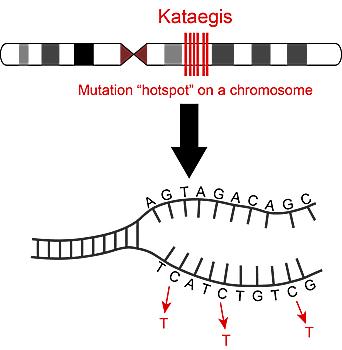
In kataegis, multiple mutations cluster in a few hotspots in a cancer genome. Here, cytosine (C) bases are commonly substituted with thymine (T) in the DNA strand. Kataegis is a recently discovered phenomenon in which multiple mutations cluster in a few hotspots in a genome. The anomaly was previously found in some cancers, but it has been unclear what role kataegis plays in tumor development and patient outcomes. Using a database of human tumor genomic data, researchers at the University of California San Diego School of Medicine and Moores Cancer Center have discovered that kataegis is actually a positive marker in breast cancer -- patients with these mutation hotspots have less invasive tumors and better prognoses.
| Full article | 0 Comments | 6302 views |
| Health & Medicine | June 30, 2016 05:30 PM |
Oral multikinase inhibitor regorafenib achieves significantly improved survival rates compared to placebo in patients with hepatocellular carcinoma, according to data from the phase III RESORCE trial (1), presented at the ESMO 18th World Congress of Gastrointestinal Cancer in Barcelona, Spain.
| Full article | 0 Comments | 5968 views |
| Health & Medicine | June 27, 2016 05:29 PM |
Physicians have been mystified by chronic fatigue syndrome, a condition where normal exertion leads to debilitating fatigue that isn't alleviated by rest. There are no known triggers, and diagnosis requires lengthy tests administered by an expert.
| Full article | 0 Comments | 7080 views |
| Health & Medicine | June 20, 2016 05:52 PM |
When we smoke cigarettes, dozens of genes important for immune defense are altered in the epithelial cells that line the respiratory tract. Several of these changes likely increase the risk of bacterial infections, viruses, and inflammation. Now, UNC School of Medicine scientists report that vaping electronic cigarettes alters those same genes and hundreds more that are important for immune defense in the upper airway.
| Full article | 0 Comments | 6534 views |
| Health & Medicine | June 20, 2016 05:52 PM |
The incidence of Parkinson's disease and parkinsonism increased significantly in 30 years from 1976 to 2005, Mayo Clinic researchers reported today in a study in JAMA Neurology. This trend was noted in particular for men age 70 and older. According to the researchers, this is the first study to suggest such an increasing trend.
| Full article | 0 Comments | 6103 views |
| Health & Medicine | June 15, 2016 05:37 PM |

A piece of art created by a study participant using both markers and modeling clay. Whether you're Van Gogh or a stick-figure sketcher, a new Drexel University study found that making art can significantly reduce stress-related hormones in your body.
| Full article | 0 Comments | 6163 views |
| Health & Medicine | June 15, 2016 05:37 PM |
In late 2015, former President Jimmy Carter announced that he was free of the metastatic melanoma that had spread to his liver and brain. In addition to surgery and radiation, Carter was treated with an immunotherapy drug, a new approach in cancer treatment that has a promising outlook.
| Full article | 0 Comments | 6258 views |
| Health & Medicine | June 14, 2016 06:03 PM |
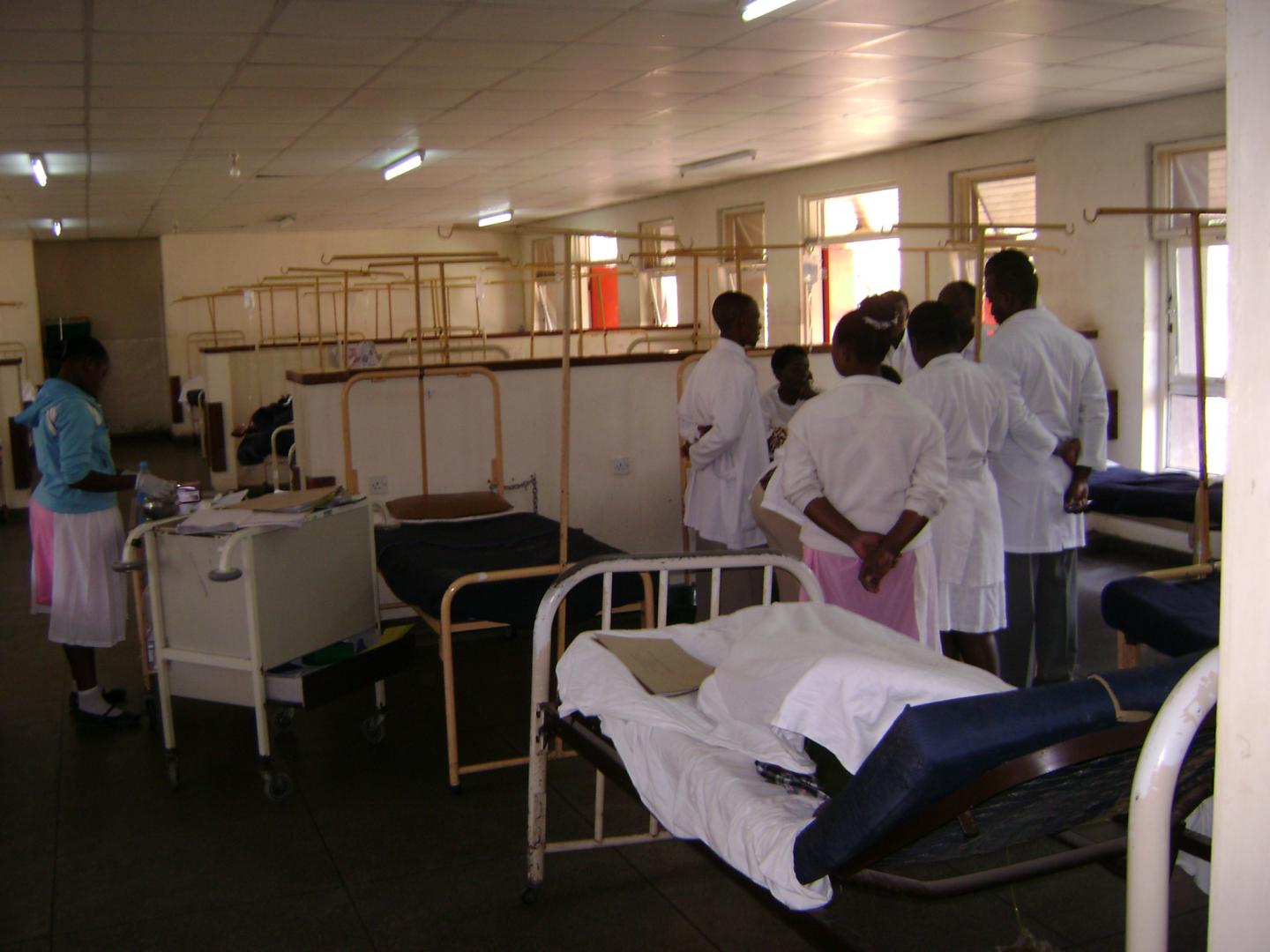
Hospital in Mbeya, Tanzania. The first days after HIV infection are very important because sexual partners are exposed to extremely high risks of infection due to the subsequent high viral load in the infected person. Additionally, this period of time determines the further course of HIV infection. DZIF scientists from the Department of Infectious Diseases and Tropical Medicine at the Medical Center of the University of Mu-nich (LMU) and DZIF African partner institutions in Tanzania participated in a pro-spective, multinational study which investigated virological and immunological changes due to HIV - prior to the onset of clinical symptoms and commercial HIV testing windows.
| Full article | 0 Comments | 7700 views |
| Health & Medicine | June 10, 2016 05:04 PM |

Dr. Douglas Antczak with Cayenne, who is not afflicted with sarcoid tumors. Sarcoid skin tumors are the most common form of cancer in horses, but little is known about why the papillomavirus behind them strikes some horses and not others. A new study by an international research group led by scientists at the Baker Institute for Animal Health at Cornell's College of Veterinary Medicine shows genetic differences in immune function between horses partly accounts for these differences. The study, published in the International Journal of Cancer, mirrors findings in humans, as some people have a genetic susceptibility to human papillomavirus, which can cause cervical and other cancers.
| Full article | 0 Comments | 5954 views |
| Health & Medicine | June 9, 2016 09:56 PM |
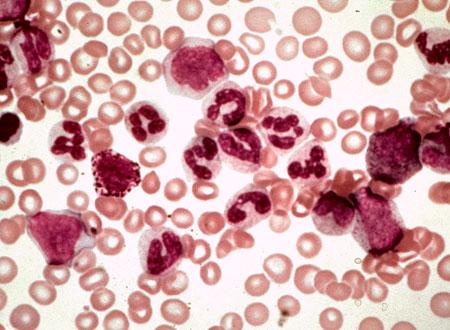
Chronic myeloid leukemia blood cells. Cancer stem cells are like zombies -- even after a tumor is destroyed, they can keep coming back. These cells have an unlimited capacity to regenerate themselves, making more cancer stem cells and more tumors. Researchers at University of California San Diego School of Medicine have now unraveled how pre-leukemic white blood cell precursors become leukemia stem cells. The study, published June 9 in Cell Stem Cell, used human cells to define the RNA editing enzyme ADAR1's role in leukemia, and find a way to stop it.
| Full article | 0 Comments | 7632 views |
Return to Biology News Net Homepage

- In some genetic cases of microcephaly, stem cells fail to launch
- Yale team discovers how Zika virus causes fetal brain damage
- Scientists uncover the way a common cell enzyme alerts the body to invading bacteria
- Arctic gives clues on worst mass extinction of life
- Calcium channel blockers caught in the act at atomic level
- Flexibility That A.C.A. Lent to Work Force Is Threatened by...International Herald Tribune
- Bacteria Behind Legionnaires’ Disease Found at New York Police StationInternational Herald Tribune
- Prescription Price Crisis? 28 Million Americans See Spike in Drug...MSNBC.com: Health
- Seizing on Opioid Crisis, a Drug Maker Lobbies Hard for...International Herald Tribune
- Republicans are taking a big political risk on health careAP Health News
- Why We're So Divided Over Saving WolvesNational Geographic News
Top Biology News about Health & Medicine
Biology Articles & News
Last 7 Days
Biology Articles & News
Most popular ever in Health & Medicine
- Study reveals how ionising radiation damages DNA and causes cancer (588001)
- New 'Trojan horse' antibody strategy shows promise against all Ebola viruses (487206)
- Biochemists' discovery could lead to vaccine against 'flesh-eating' bacteria (407523)
- Swimming with dolphins can alleviate depression (168579)
- Anti-cancer Compound In Beer Gaining Interest (132022)
- New male contraceptive clears hurdle (96579)
- Nuclear radiation affects baby gender (57114)