

A microscope about the size of a penny is giving scientists a new window into the everyday activity of cells within the spinal cord. The innovative technology revealed that astrocytes--cells in the nervous system that do not conduct electrical signals and were traditionally viewed as merely supportive--unexpectedly react to intense sensation.

| Gene Therapy | April 28, 2016 04:59 PM |
Pioneering gene therapy has restored some vision to patients with a rare form of genetic blindness for as long as four years, raising hopes it could be used to cure common causes of vision loss, new University of Oxford research published today shows.
| Full story | 0 Comments | 11691 views |

| Biology | April 28, 2016 04:59 PM |
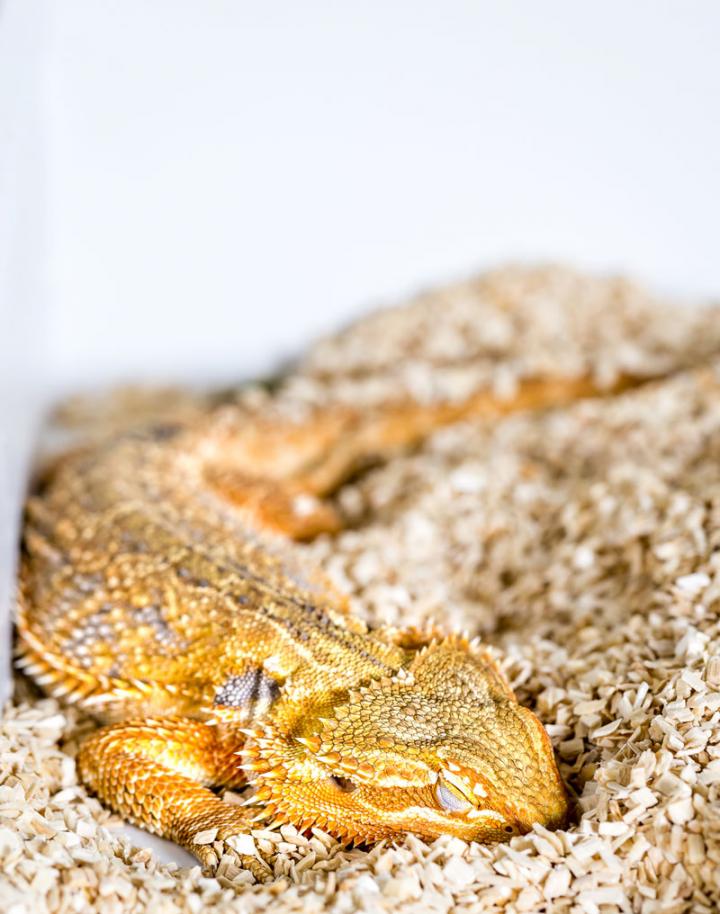
Sleeping bearded dragon (Pogona vitticeps). Behavioural sleep is ubiquitous among animals, from insects to man. In humans, sleep is also characterized by brain activity: periods of slow-wave activity are each followed by short phases of Rapid-Eye-Movement sleep (REM sleep). These electrical features of brain sleep, whose functions are not well understood, have so far been described only in mammals and birds, but not in reptiles, amphibians or fish. Yet, birds are reptiles--they are the feathered descendants of the now extinct dinosaurs. How then did brain sleep evolve? Gilles Laurent and members of his laboratory at the Max Planck Institute for Brain Research in Frankfurt, Germany, describe for the first time REM and slow-wave sleep in a reptile, the Australian dragon Pogona vitticeps. This suggests that brain sleep dates back at least to the evolution of the amniotes, that is, to the beginning of the colonization of terrestrial landmass by vertebrate animals.
| Full story | 0 Comments | 8248 views |

| Health & Medicine | April 28, 2016 04:59 PM |
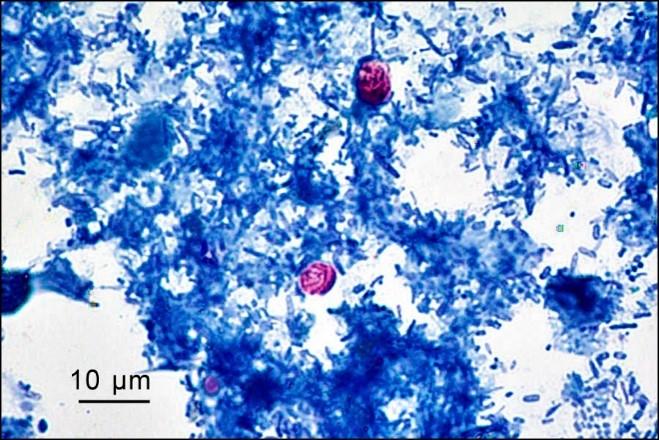
Optical microscopy showing ooscysts of Cryptosporidium sp (in red). An outbreak of an intestinal parasite common in the tropics, known as Cryptosporidium, has been identified for the first time in the Arctic. The discovery was made in Nunavik, Quebec, by a team from the Research Institute of the McGill University Health Centre (RI-MUHC), in collaboration with the Nunavik Department of Public Health, Institut National de Santé Publique du Québec and Health Canada. The discovery, which was documented in the journal PLoS Neglected Tropical Diseases, could have long-term implications for the health of children in Nunavik and Nunavut's communities.
| Full story | 0 Comments | 6567 views |
| Health & Medicine | April 27, 2016 04:45 PM |
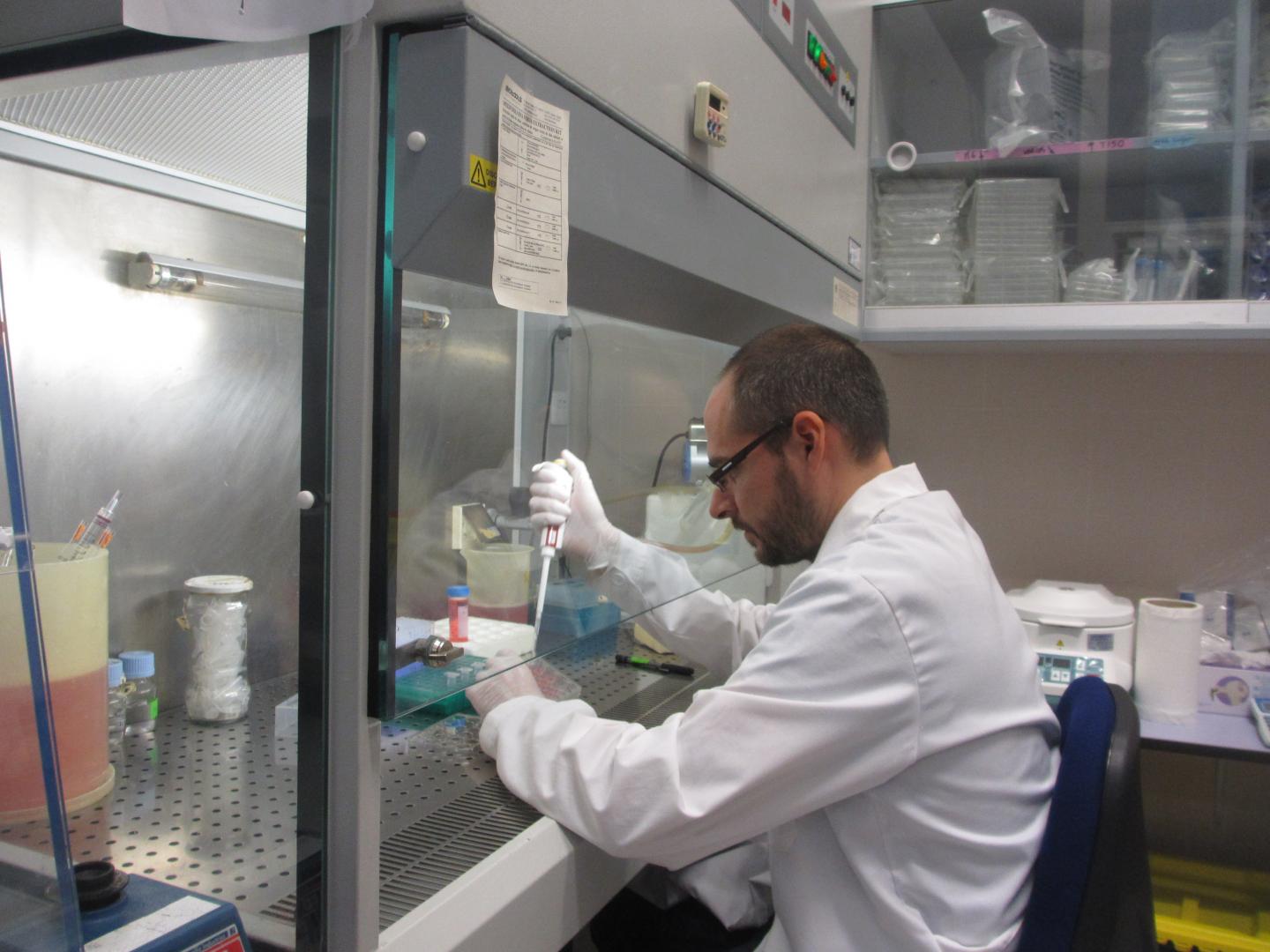
Researcher Juan Carlos Saiz from the Department of Biotechnology of the Instituto Nacional de Investigación y Tecnología Agraria y Alimentaria in Madrid studying the Zika virus. The constant emergence of viral outbreaks has become a permanent threat to human health. Last year, Zika virus infected thousands of people in the Americas. It is also associated to several cases of neurological disorders and has raised worldwide public health alerts. Now due to the urgency, researchers are detailing the characteristics of the virus to find solutions.
| Full story | 0 Comments | 8150 views |
| Biology | April 27, 2016 04:45 PM |
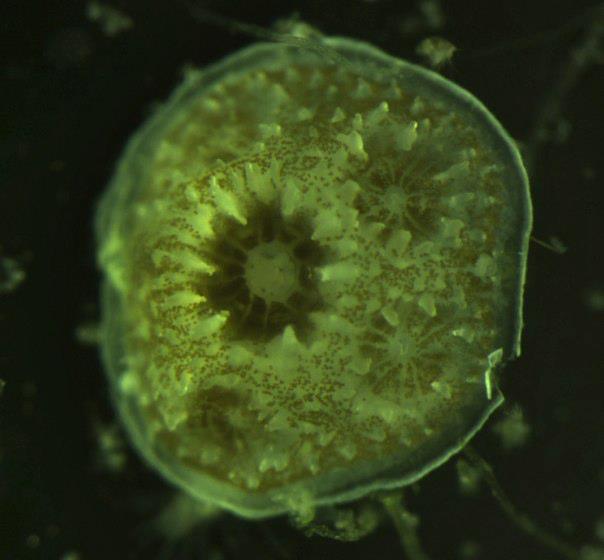
A juvenile lace coral (Pocillopora damicornis), with coral tissue and algal symbionts (brown dots within the tissue) covering the newly grown skeleton. In a study published today, researchers from the University of Hawai'i at Mānoa (UHM), Rutgers University, and the University of Haifa identified key and novel components of the molecular "toolkit" that allow corals to build their skeletons (called biomineralization) and described when -- in the transformation from floating larvae to coral skeleton -- these components are used.
| Full story | 0 Comments | 6814 views |
| Biology | April 27, 2016 04:45 PM |
Scientists have been studying how visual space is mapped in the cerebral cortex for many decades under the assumption that the map is equal for lights and darks. Surprisingly, recent work demonstrates that visual brain maps are dark-centric and that, just as stars rotate around black holes in the Universe, lights rotate around darks in the brain representation of visual space. The work was done by Jens Kremkow and collaborators in the laboratories of Jose Manuel Alonso at the State University of New York College of Optometry and will be published in the May 5, 2016 issue of Nature (advance online publication and press embargo lifted on April 27, 2016 at 1800 London time / 1300 US Eastern Time). A similar result will be reported in the same issue of Nature by Kuo-Sheng Lee et al. in the laboratories of David Fitzpatrick at the Max Planck Florida Institute for Neuroscience.
| Full story | 0 Comments | 5688 views |
| Health & Medicine | April 25, 2016 05:00 PM |
An international team of including the Lomonosov Moscow State University researchers discovered which enzyme enables Escherichia coli bacterium (E. coli) to breathe. The study is published in the Scientific Reports.
| Full story | 0 Comments | 7710 views |

| Microbiology | April 25, 2016 05:00 PM |
A group of researchers from Osaka University, Hosei University, and Nagoya University have revealed the molecular mechanism that Vibrio cholerae, the etiological agent of cholera, is attracted by bile. This group has also successfully detected the ligand binding to the bacteria chemoreceptor in vivo for the first time. These results may significantly advance research on mechanism and control of V. cholerae.
| Full story | 0 Comments | 6808 views |

| Molecular & Cell Biology | April 21, 2016 04:10 PM |
Scientists from Princeton University and Uppsala University in Sweden have identified a specific gene that within a year helped spur a permanent physical change in a finch species in response to a drought-induced food shortage. The findings provide a genetic basis for natural selection that, when combined with observational data, could serve as a comprehensive model of evolution.
| Full story | 0 Comments | 10618 views |
| Molecular & Cell Biology | April 21, 2016 04:10 PM |
A new study from the group of Holger Gerhardt (VIB/KU Leuven/Cancer Research UK/ MDC/BIH Berlin) in collaboration with Katie Bentley's Lab (Cancer Research UK/BIDMC-Harvard Medical School) addresses a long standing question in the wider field of developmental biology and tissue patterning in general, and in the vascular biology field in particular: 'What are the fundamental mechanisms controlling size and shape of tubular organ systems'. Whereas the most obvious way to grow a tube in size would be to add more building blocks (by proliferating cells) to enlarge its circumference, or to increase the size of the building blocks (the cells, hypertrophy), an alternative way would be to rearrange existing building blocks. Benedetta Ubezio, Raquel Blanco and colleagues under the direction of Holger Gerhardt and Katie Bentley now show that cell rearrangement is the way blood vessels switch from making new branches to increasing the size of a branch. The researchers also found that this switch is triggered by synchronization of cells under the influence of increasing levels of the growth factor VEGFA.
| Full story | 0 Comments | 5636 views |

| Bioinformatics | April 21, 2016 04:10 PM |
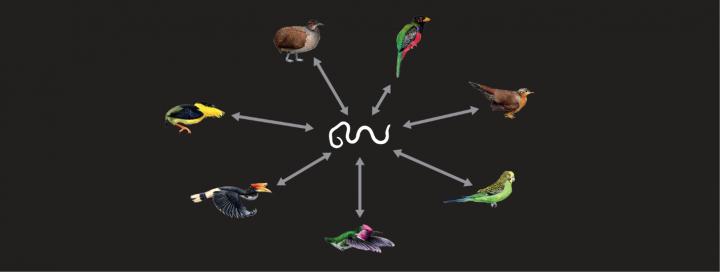
The researchers found DNA 'fossils' of parasitic nematodes in seven groups of birds (clockwise): trogons, mesites, parrots, hummingbirds, hornbills, manakins, tinamous. In rare instances, DNA is known to have jumped from one species to another. If a parasite's DNA jumps to its host's genome, it could leave evidence of that parasitic interaction that could be found millions of years later -- a DNA 'fossil' of sorts. An international research team led from Uppsala University has discovered a new type of so-called transposable element that occurred in the genomes of certain birds and nematodes.
| Full story | 0 Comments | 6647 views |
| Health & Medicine | April 21, 2016 04:10 PM |
Myopia, also known as short-sightedness or near-sightedness, is the most common disorder affecting the eyesight and it is on the increase. The causes are both genetic and environmental. The Consortium for Refractive Error and Myopia (CREAM) has now made important progress towards understanding the mechanisms behind the development of the condition. This international group of researchers includes scientists involved in the Gutenberg Health Study of the University Medical Center of Johannes Gutenberg University Mainz (JGU). The team has uncovered nine new genetic risk factors which work together with education-related behavior as the most important environmental factor causing myopia to generate the disorder. The results of the study "Genome-wide joint meta-analyses of genetic main effects and interaction with education level identify additional loci for refractive error: The CREAM Consortium" have recently been published in the scientific journal Nature Communications.
| Full story | 0 Comments | 5934 views |
| Health & Medicine | April 20, 2016 06:03 PM |
Targeted missiles that can enter cancer cells and deliver lethal cell toxins without harming surrounding healthy tissue. This has been a long-standing vision in cancer research, but it has proved difficult to accomplish. A research group at Lund University in Sweden has now taken some crucial steps in this direction.
| Full story | 0 Comments | 8111 views |

| Biotechnology | April 20, 2016 06:03 PM |
CRISPRainbow, a new technology using CRISPR/Cas9 developed by scientists at UMass Medical School, allows researchers to tag and track up to seven different genomic locations in live cells. This labeling system, details of which were published in Nature Biotechnology, will be an invaluable tool for studying the structure of the genome in real time.
| Full story | 0 Comments | 8034 views |
| Health & Medicine | April 20, 2016 06:03 PM |
Global travel and climate change increase the risk for epidemics of the mosquito-borne dengue virus, and potentially other climate-sensitive infectious diseases, spreading into temperate areas. This according to a doctoral dissertation at Umeå University in Sweden.
| Full story | 0 Comments | 6151 views |
| Biology | April 20, 2016 06:03 PM |
The work of University of Adelaide researchers is shedding new light on the evolution of what are believed to be the largest bears that ever walked the Earth.
| Full story | 0 Comments | 7002 views |
| Health & Medicine | April 20, 2016 06:03 PM |
Specific combinations of gut bacteria produce substances that affect myelin content and cause social avoidance behaviors in mice, according to a study conducted at the Icahn School of Medicine at Mount Sinai and published today in the medical journal eLife. This research suggests that targeting intestinal bacteria, or their metabolites, could be one way to treat debilitating psychiatric disorders and demyelinating diseases, like multiple sclerosis.
| Full story | 0 Comments | 5154 views |
| Health & Medicine | April 19, 2016 05:30 PM |
Children's genetic risks for obesity may be reduced by interventions that strengthen family communication and help children manage their emotions and feelings of satiety, according to a new review of research on the problem.
| Full story | 0 Comments | 5339 views |
| Molecular & Cell Biology | April 19, 2016 05:30 PM |
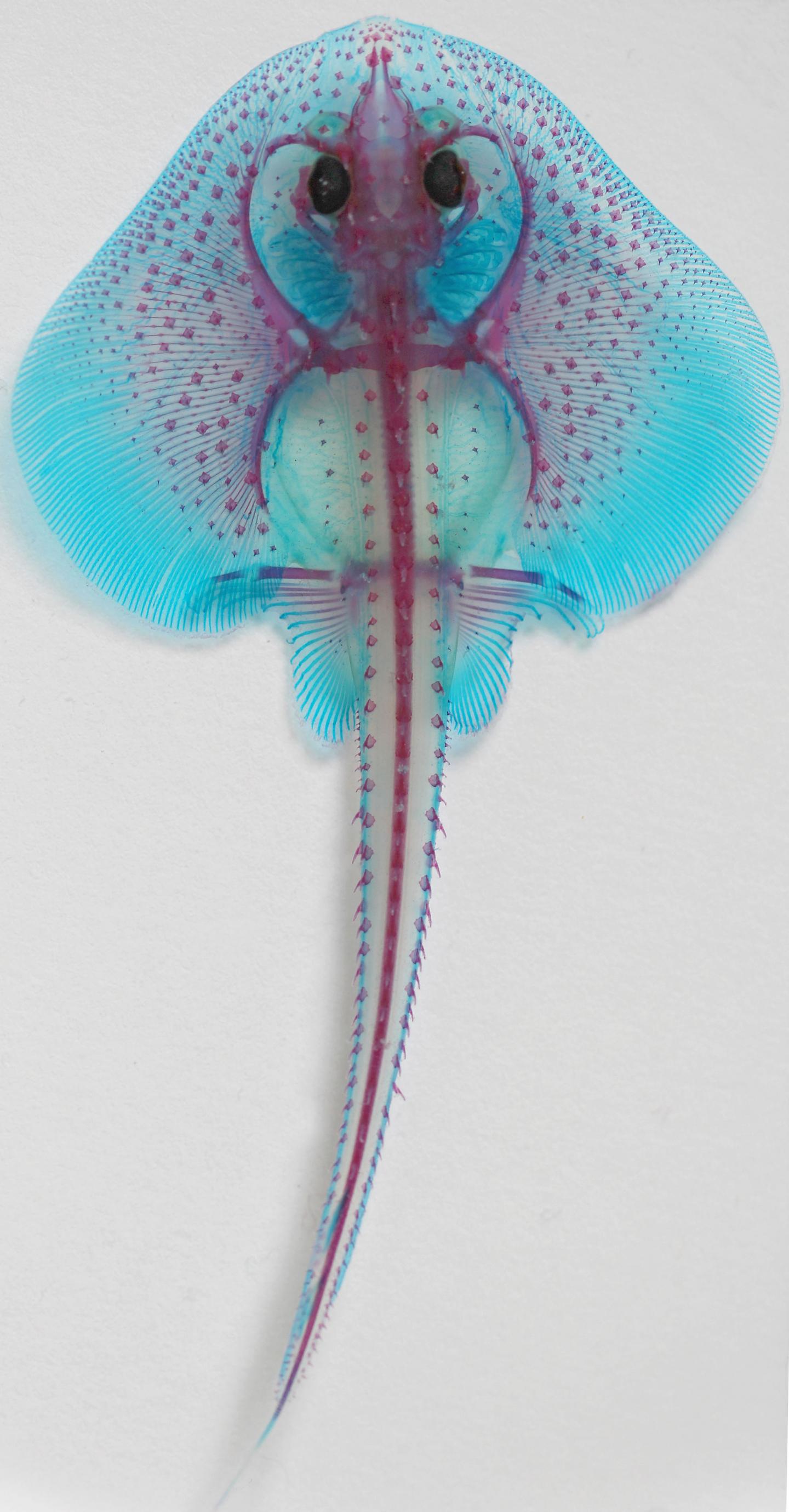
This is a skeletal preparation of a late stage skate embryo. Latest analysis shows that human limbs share a genetic programme with the gills of cartilaginous fishes such as sharks and skates, providing evidence to support a century-old theory on the origin of limbs that had been widely discounted.
| Full story | 0 Comments | 5476 views |
| Bioinformatics | April 18, 2016 06:13 PM |
Researchers at The University of Texas MD Anderson Cancer Center have announced a new method for detecting DNA mutations in a single cancer cell versus current technology that analyzes millions of cells which they believe could have important applications for cancer diagnosis and treatment. The results are published in the April 18 online issue of Nature Methods.
| Full story | 0 Comments | 6738 views |
| Molecular & Cell Biology | April 18, 2016 06:13 PM |
If genes form the body's blueprint, then the layer of epigenetics decides which parts of the plan get built. Unfortunately, many cancers hijack epigenetics to modulate the expression of genes, thus promoting cancer growth and survival. A team of researchers led by Tatiana Kutateladze, PhD, University of Colorado Cancer Center investigator and professor in the Department of Pharmacology at the University of Colorado School of Medicine, and Brian Strahl, PhD, professor in the Department of Biochemistry & Biophysics at the University of North Carolina School of Medicine, published a breakthrough report in the journal Nature Chemical Biology describing the essential role of YEATS domain proteins in reading epigenetic marks that regulate gene expression, DNA damage response, and other vital DNA-dependent cellular processes. This newly discovered player in epigenetic regulation is closely related to known cancer promoters, including the bromodomain proteins, a handful of which are targeted in current human clinical trials.
| Full story | 0 Comments | 4631 views |
| Health & Medicine | April 15, 2016 06:56 PM |
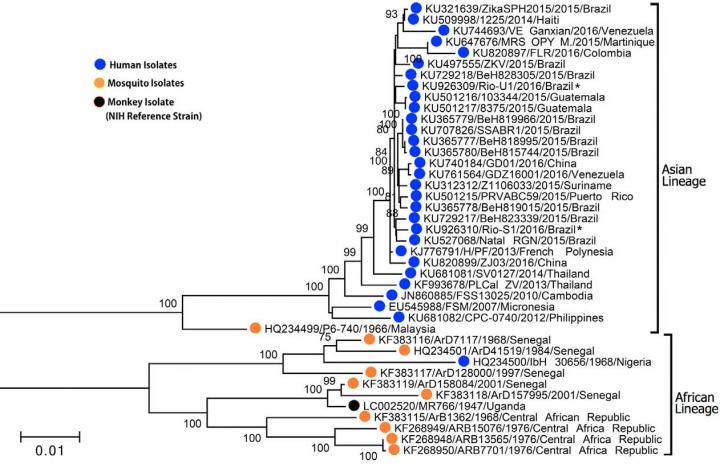
This is a phylogenetic tree constructed from nucleotide data from 41 viral complete ORF sequences of ZIKV strains An analysis comparing the individual differences between over 40 strains of Zika virus (30 isolated from humans, 10 from mosquitoes, and 1 from monkeys) has identified significant changes in both amino acid and nucleotide sequences during the past half-century. The data, published April 15 in Cell Host & Microbe, support a strong divergence between the Asian and African lineages as well as human and mosquito isolates of the virus, and will likely be helpful as researchers flush out how a relatively unknown pathogen led to the current outbreak.
| Full story | 0 Comments | 6531 views |
| Biology | April 15, 2016 06:56 PM |
Using cutting-edge imaging technology, University of California, Irvine biologists have determined that uncontrolled fluctuations (known at "noise) in the concentration of the vitamin A derivative Retinoic acid (RA) can lead to disruptions in brain organization during development.
| Full story | 0 Comments | 7082 views |
| Health & Medicine | April 15, 2016 06:56 PM |
A study by researchers from Inserm, the Paris Public Hospitals (Bichat Hospital, AP-HP), Aix-Marseille University, and the National Reference Centre for Arboviruses confirms that the ZIKA virus can be transmitted sexually. Their analyses have shown 100% genetic correlation between the form of the virus present in a man who contracted the virus in Brazil and that of a woman who had never travelled in the epidemic area, but who had sexual relations with him. These results are published in The New England Journal of medicine.
| Full story | 0 Comments | 5601 views |
| Bioinformatics | April 12, 2016 04:22 PM |
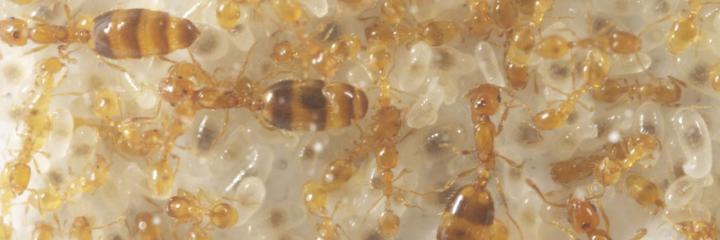
Queen and worker ants develop from the same sets of genes, but end up being structurally, behaviourally, and functionally different. Queen and worker ants develop from the same sets of genes, but perform completely different ecological roles. How the same genes result in two types of individuals is an ongoing mystery. In the past, scientists have only studied a small number of ant species at a time to try to understand the nature of queen-worker differences. However, a team from the Okinawa Institute of Science and Technology Graduate University (OIST) in tandem with the University of Helsinki and other collaborators from around the world, recently looked at a large data set with 16 species that provides insight into the differences between queen and worker ants.
| Full story | 0 Comments | 7967 views |
| Health & Medicine | April 12, 2016 04:22 PM |

Antibiotic genes are increasing and are just a plane ride away. Around the world, antibiotic use and resistance is increasing while the discovery of new antibiotics has nearly halted.
| Full story | 0 Comments | 7772 views |
| Biology | April 12, 2016 04:22 PM |
Studies in a group of tropical birds have revealed one of the fastest limb muscles on record for any animal with a backbone. The muscle, which can move the wing at more than twice the speeds required for flying, has evolved in association with extravagant courtship displays that involve rapid limb movements, according to a paper to be published in the journal eLife.
| Full story | 0 Comments | 6411 views |
| Biology | April 12, 2016 04:21 PM |
EPFL scientists propose a new way of understanding of how the brain processes unconscious information into our consciousness. According to the model, consciousness arises only in time intervals of up to 400 milliseconds, with gaps of unconsciousness in between.
| Full story | 0 Comments | 6319 views |
| Biology | April 12, 2016 04:21 PM |

Found throughout the Caribbean, the bananaquit has smaller flight muscles and longer legs on islands with fewer predators. In groundbreaking new work, Natalie Wright, a postdoctoral fellow at the University of Montana, has discovered a predictable trend in the evolution of bird shape.
| Full story | 0 Comments | 6231 views |
| Microbiology | April 11, 2016 06:54 PM |

This is a new and expanded view of the tree of life. The tree of life, which depicts how life has evolved and diversified on the planet, is getting a lot more complicated.
| Full story | 0 Comments | 7359 views |
| Health & Medicine | April 11, 2016 06:54 PM |
Despite having policies in place to prevent infections, staff at outpatient care facilities fail to follow recommendations for hand hygiene 37 percent of the time, and for safe injection practices 33 percent of the time, according to a study published in the April issue of the American Journal of Infection Control, the official publication of the Association for Professionals in Infection Control and Epidemiology (APIC).
| Full story | 0 Comments | 5582 views |
| Biotechnology | April 7, 2016 07:05 PM |
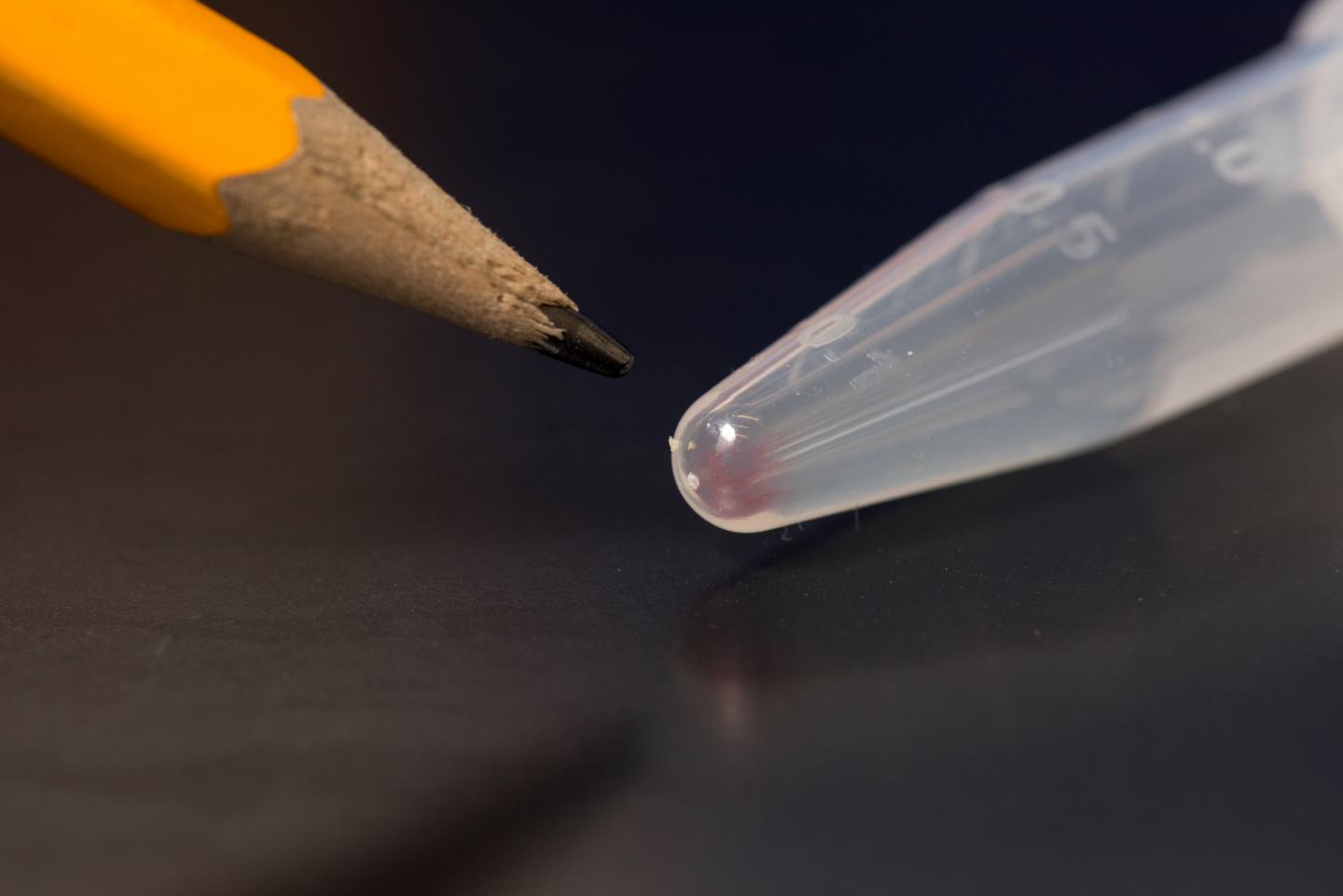
All the movies, images, emails and other digital data from more than 600 basic smartphones (10,000 gigabytes) can be stored in this faint pink smear of DNA. Technology companies routinely build sprawling data centers to store all the baby pictures, financial transactions, funny cat videos and email messages its users hoard.
| Full story | 0 Comments | 8876 views |
| Molecular & Cell Biology | April 7, 2016 07:05 PM |

Scientists from Penn Medicine and other institutions unlock a mystery about 'long non-coding RNAs'. A new genetic clue discovered by a team co-led by a researcher at the Perelman School of Medicine at the University of Pennsylvania is shedding light on the functions of the mysterious "long non-coding RNAs" (lncRNAs). These molecules are transcribed from genes and are often abundant in cells, yet they do not code for proteins. Their functions have been almost entirely unknown--and in recent years have attracted much research and debate.
| Full story | 0 Comments | 6445 views |
| Molecular & Cell Biology | April 7, 2016 07:05 PM |
The pace of evolution is typically measured in millions of years, as random, individual mutations accumulate over generations, but researchers at Cornell and Bar-Ilan Universities have uncovered a new mechanism for mutation in primates that is rapid, coordinated, and aggressive. The discovery raises questions about the accuracy of using the more typical mutation process as an estimate to date when two species diverged, as well as the extent to which this and related enzymes played a role in primate evolution.
| Full story | 0 Comments | 6870 views |
| Biotechnology | April 6, 2016 05:44 PM |
Researchers have developed a new and highly efficient method for gene transfer. The technique, which involves culturing and transfecting cells with genetic material on an array of carbon nanotubes, appears to overcome the limitations of other gene editing technologies.
| Full story | 0 Comments | 7735 views |
| Biotechnology | April 4, 2016 07:41 PM |
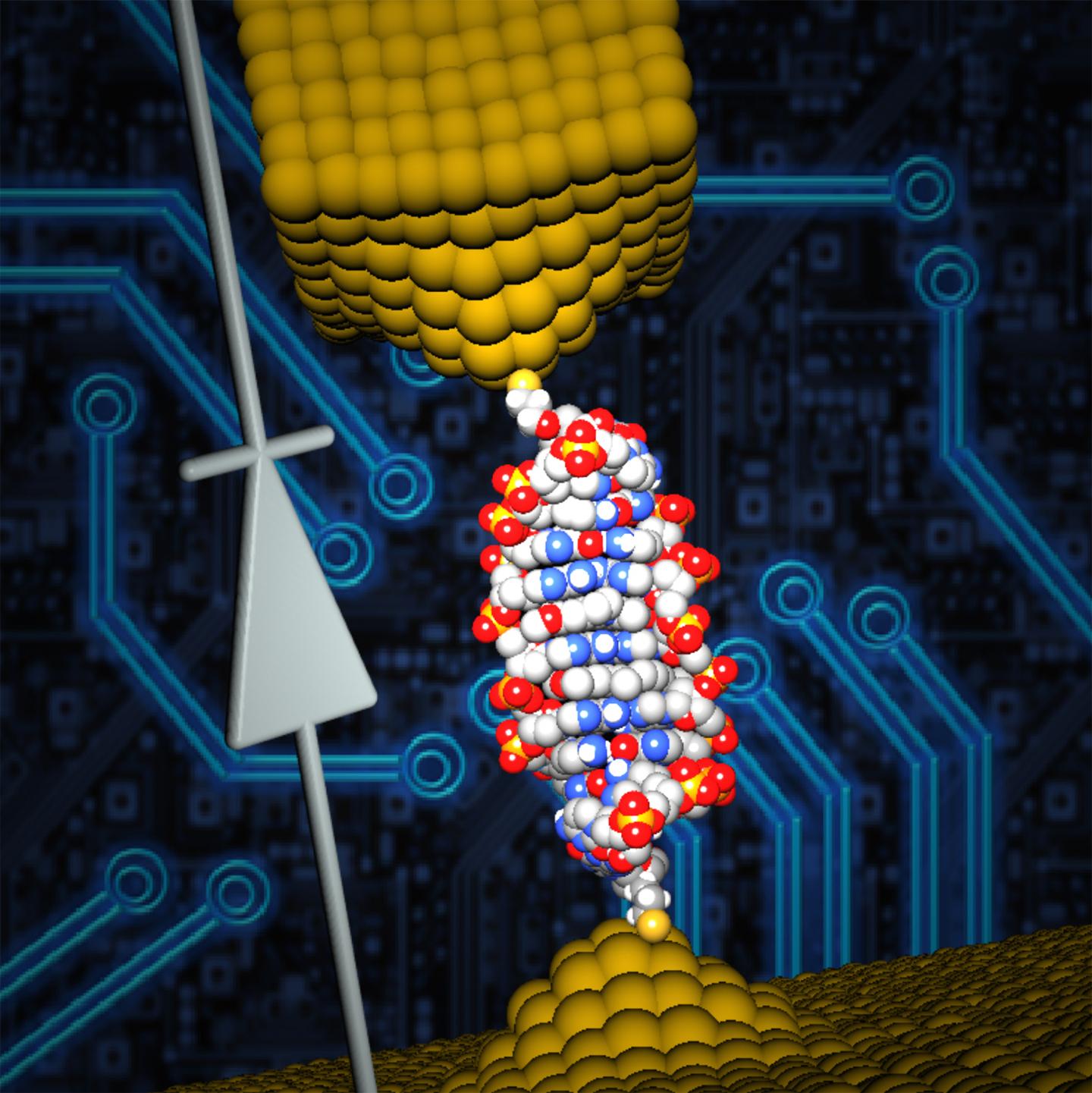
The University of Georgia and Ben-Gurion University research team site-specifically inserted a small molecule named coralyne into the DNA and were able to create a single-molecule diode Researchers at the University of Georgia and at Ben-Gurion University in Israel have demonstrated for the first time that nanoscale electronic components can be made from single DNA molecules. Their study, published in the journal Nature Chemistry, represents a promising advance in the search for a replacement for the silicon chip.
| Full story | 0 Comments | 8205 views |

| Stem Cell Research | April 4, 2016 07:41 PM |
A new stem cell therapy significantly improved long-term health outcomes in patients with severe and end-stage heart failure in a study presented at the American College of Cardiology's 65th Annual Scientific Session.
| Full story | 0 Comments | 10022 views |

| Environment | April 4, 2016 07:41 PM |
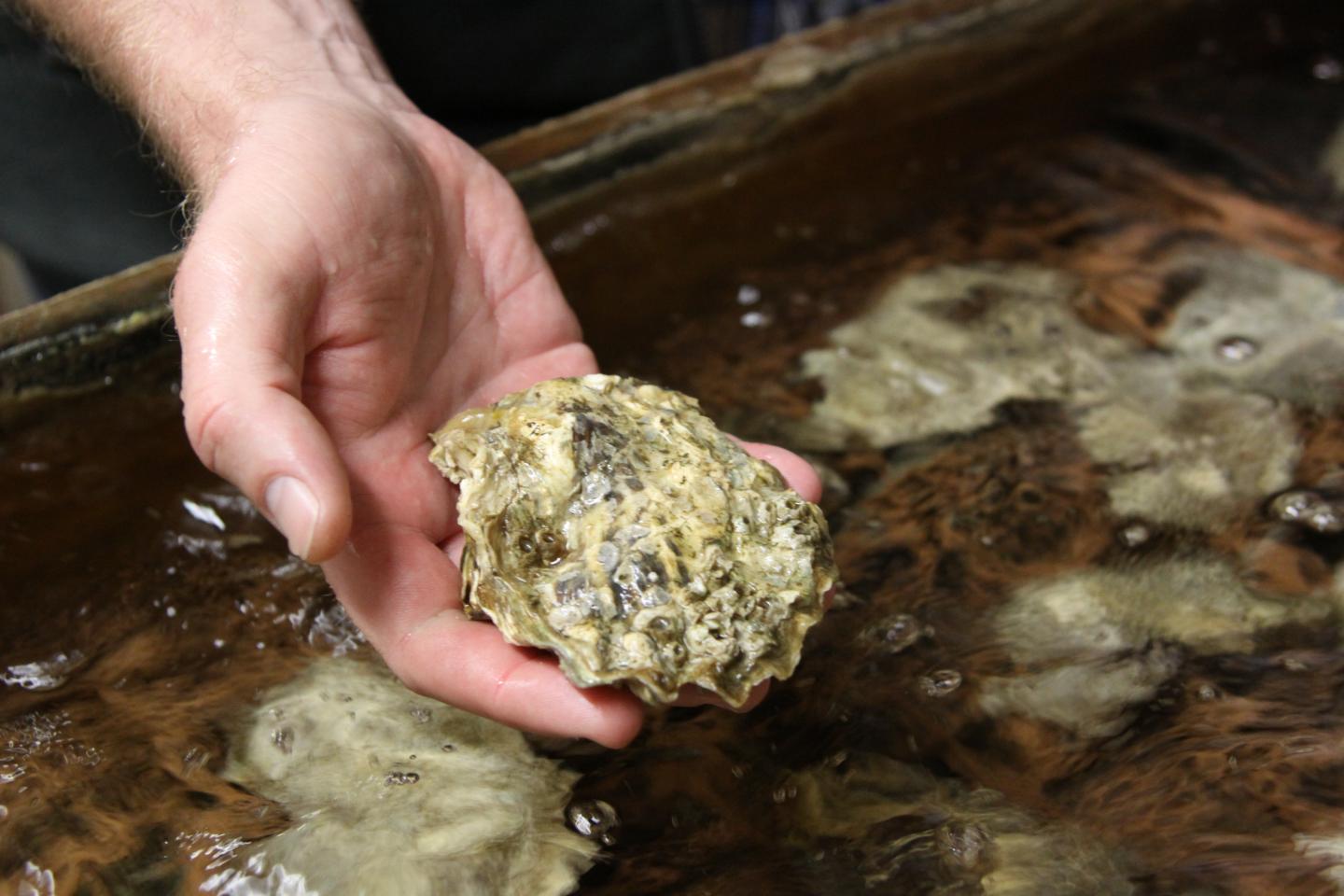
This is an oyster at Whiskey Creek Shellfish Hatchery in Netarts Bay, Oregon. The ocean chemistry along the West Coast of North America is changing rapidly because of global carbon dioxide emissions, and the governments of Oregon, California, Washington and British Columbia can take actions now to offset and mitigate the effects of these changes.
| Full story | 0 Comments | 6873 views |

- In some genetic cases of microcephaly, stem cells fail to launch
- Yale team discovers how Zika virus causes fetal brain damage
- Scientists uncover the way a common cell enzyme alerts the body to invading bacteria
- Arctic gives clues on worst mass extinction of life
- Calcium channel blockers caught in the act at atomic level
Search Bio News Net
Free Biology Newsletter
- Flexibility That A.C.A. Lent to Work Force Is Threatened by...International Herald Tribune
- Bacteria Behind Legionnaires’ Disease Found at New York Police StationInternational Herald Tribune
- Prescription Price Crisis? 28 Million Americans See Spike in Drug...MSNBC.com: Health
- Seizing on Opioid Crisis, a Drug Maker Lobbies Hard for...International Herald Tribune
- Republicans are taking a big political risk on health careAP Health News
- Why We're So Divided Over Saving WolvesNational Geographic News