

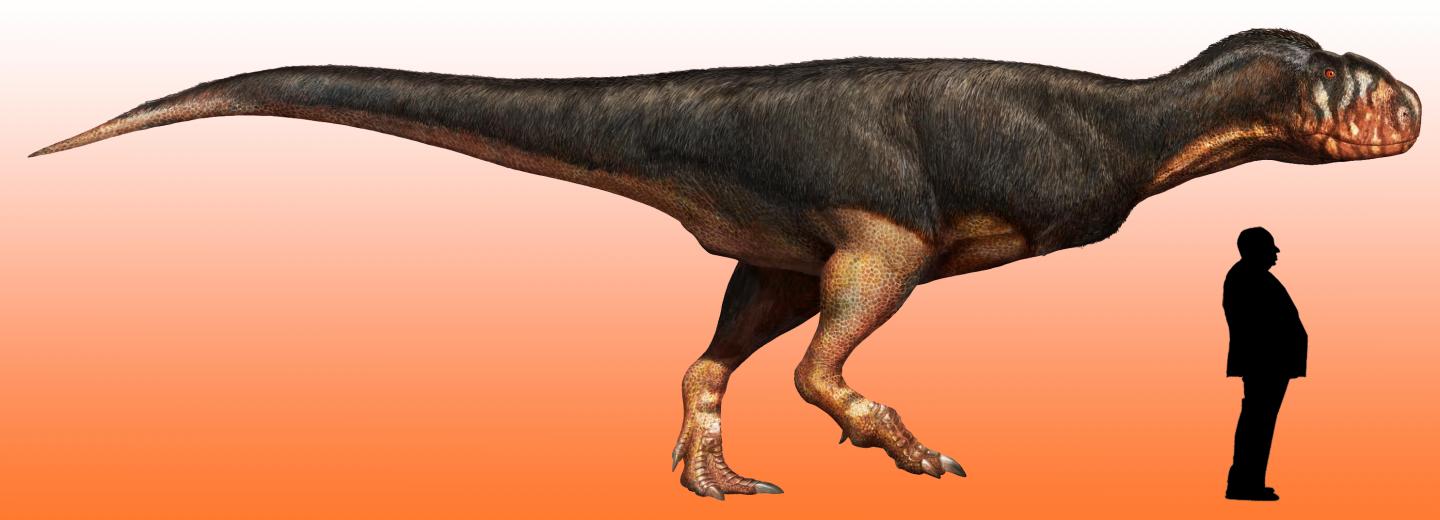
Here is an artist's drawing of the abelisaur. An unidentified fossilised bone in a museum has revealed the size of a fearsome abelisaur and may have solved a hundred-year old puzzle.

| Biology | February 29, 2016 06:43 PM |
| Full story | 0 Comments | 12098 views |

| Molecular & Cell Biology | February 29, 2016 06:43 PM |
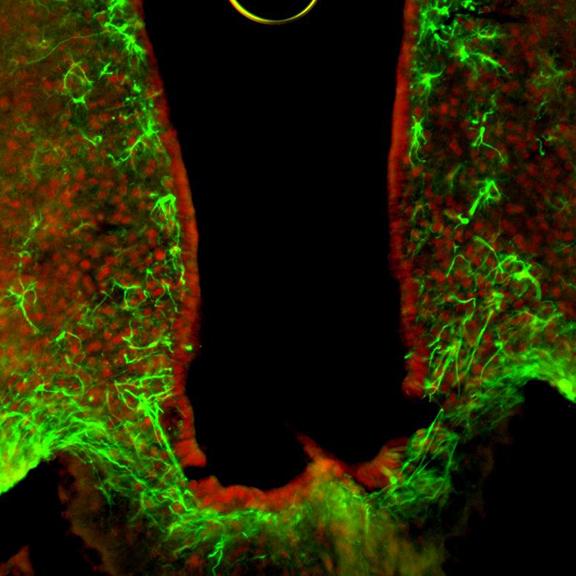
HDAC5 (red) is a key factor in neurons for the control of food intake, astrocytes are stained in green. Why do we get fat and why is it so difficult for so many people to keep off excess weight? Researchers in the Reseach Unit Neurobiology of Diabetes led by Dr. Paul Pfluger and at the Institute for Diabetes and Obesity led by Prof. Dr. Matthias Tschöp have now identified a new component in the complex fine-tuning of body weight and food intake. They found that the enzyme histone deacetylase 5 (HDAC5) has a significant influence on the effect of the hormone leptin*. This hormone plays a crucial role in triggering satiety and thus on how the body adapts to a changing food environment.
| Full story | 0 Comments | 6035 views |
| Biology | February 29, 2016 06:43 PM |
Sometimes evolution proceeds much more rapidly than we might think. Genetic analysis makes it possible to detect the earliest stages of species formation and to gain a better understanding of speciation processes. For example, a study just published in PLOS Genetics by researchers from Eawag and the University of Bern - investigating rapid speciation in threespine stickleback in and around Lake Constance - shows that a species can begin to diverge very rapidly, even when the two daughter species breed alongside one another simultaneously.
| Full story | 0 Comments | 6777 views |

| Biotechnology | February 29, 2016 06:43 PM |
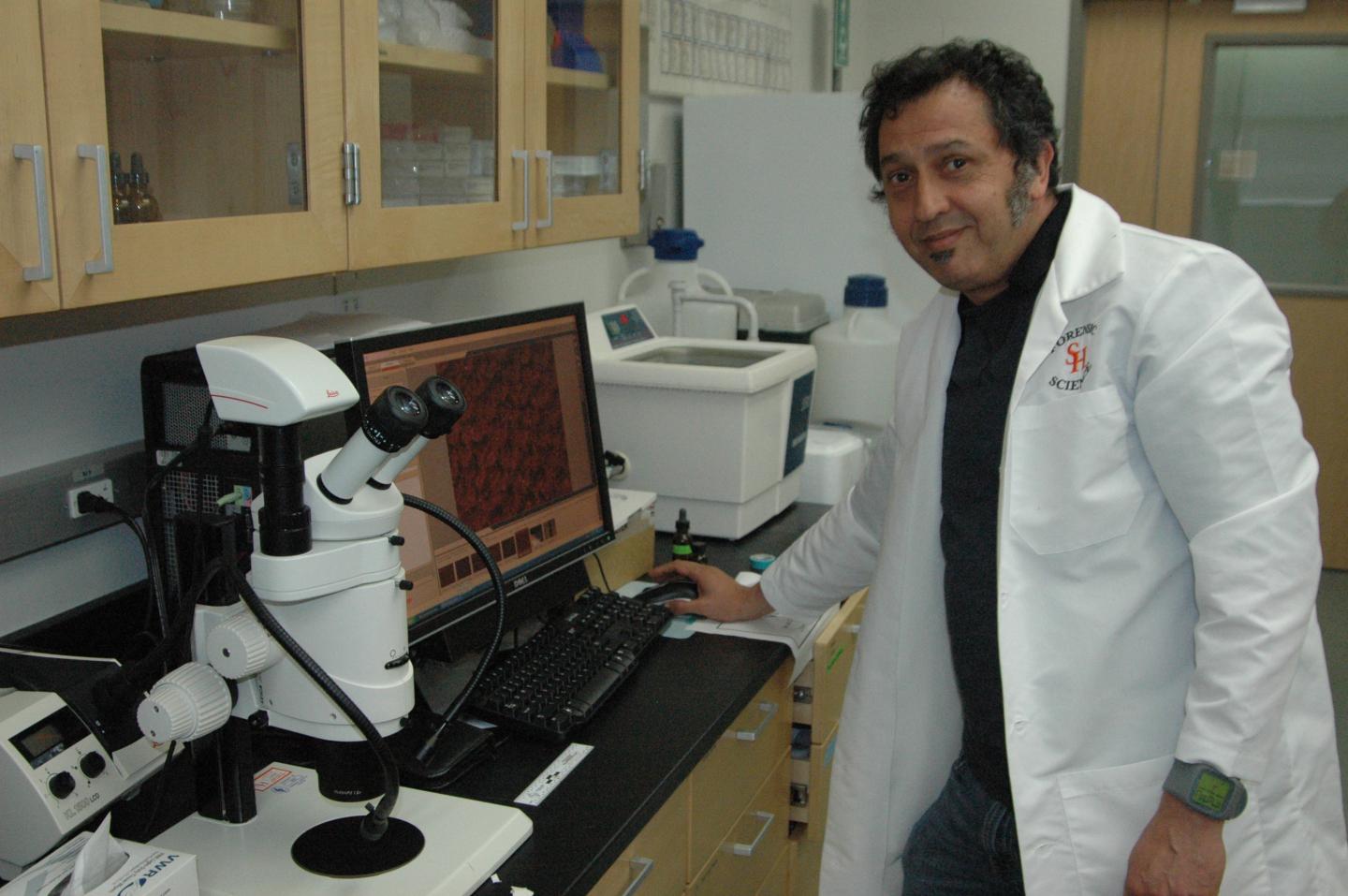
Dr. David Gangitano is an associate professor in the Department of Forensic Science at Sam Houston State University. Sam Houston State University is advancing the field of forensic botany with the publication of two recent studies that use marijuana DNA to link drug supplies and pollen DNA to aid in forensic investigations.
| Full story | 0 Comments | 7782 views |
| Biology | February 26, 2016 04:12 PM |
In a surprise result, James Cook University scientists have found female blacktip reef sharks and their young stay close to shore over long time periods, with adult males only appearing during the breeding season.
| Full story | 0 Comments | 7916 views |
| Biotechnology | February 26, 2016 04:12 PM |
A novel HIV-based lentiviral vector can introduce a gene to pancreatic tumor cells that makes them more sensitive to the chemotherapeutic drug gemcitabine, without integrating into cellular DNA. This integrase-defective lentiviral delivery system greatly reduces the risk of insertional mutagenesis and replication-competent lentivirus production, as describe in a new study published in Human Gene Therapy, a peer-reviewed journal from Mary Ann Liebert, Inc., publishers. The article is available free to read on the Human Gene Therapy website until March 31, 2016.
| Full story | 0 Comments | 6894 views |

| Health & Medicine | February 26, 2016 04:12 PM |
Understanding the scale and range of neurological disease associated with Zika virus infection is an urgent priority, warn researchers from the University of Liverpool's Institute of Infection and Global Health.
| Full story | 0 Comments | 6984 views |
| Molecular & Cell Biology | February 26, 2016 04:12 PM |
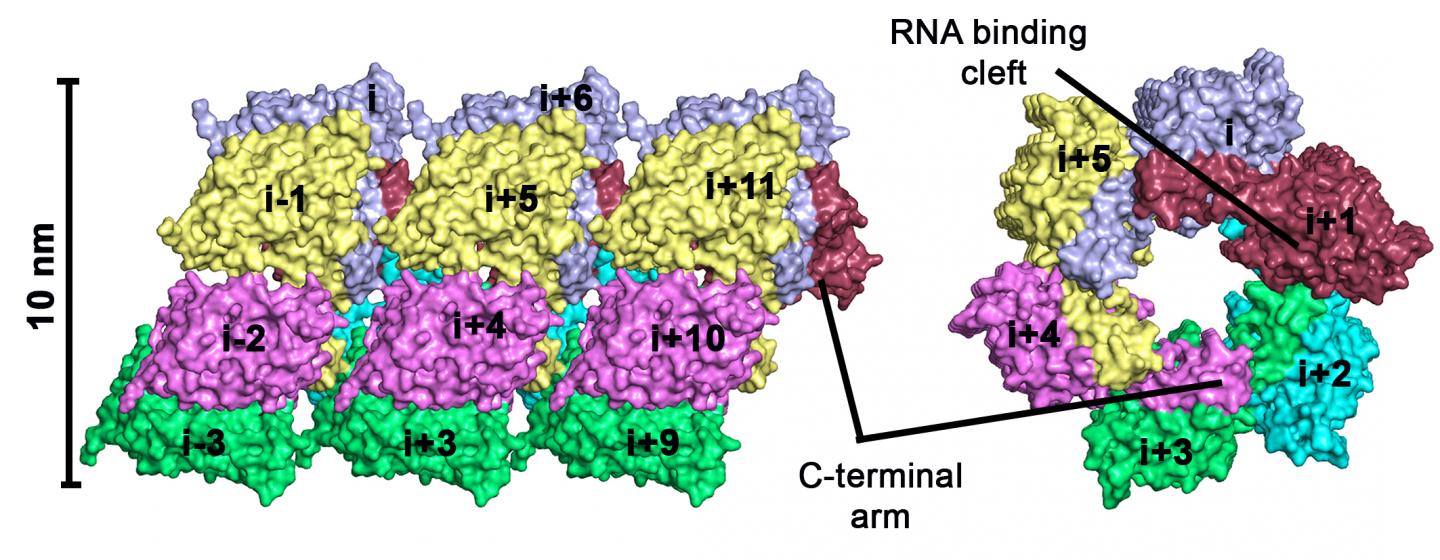
Left: Hexameric rings form a tube of viral capsid. Right: view from the other side of the protein oligomer. Bank voles are small rodents that are not dangerous by themselves, but their excreta can contain one of the dangerous hantaviruses. While bank voles are unaffected by the infection, hantaviruses can cause potentially fatal diseases in humans for which no treatments exist. In central and northern Europe, infection is accompanied by fever, headache, or even renal failure. The strain that occurs in East Asia -- the Hantaan virus -- is even more dangerous: up to five percent of infected patients die of hemorrhagic fever, renal failure, or severe respiratory disorders.
| Full story | 0 Comments | 5107 views |

| Microbiology | February 25, 2016 06:09 PM |
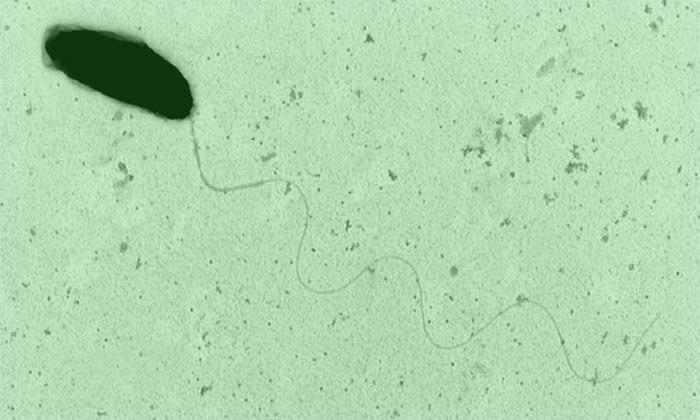
Electron micrograph of the marine bacteria Marinomonas mediterranea is shown. Scientists from The University of Texas at Austin, the Stanford University School of Medicine and two other institutions have discovered that bacteria have a system that can recognize and disrupt dangerous viruses using a newly identified mechanism involving ribonucleic acid (RNA). It is similar to the CRISPR/Cas system that captures foreign DNA. The discovery might lead to better ways to thwart viruses that kill agricultural crops and interfere with the production of dairy products such as cheese and yogurt.
| Full story | 0 Comments | 8120 views |
| Biotechnology | February 25, 2016 06:09 PM |
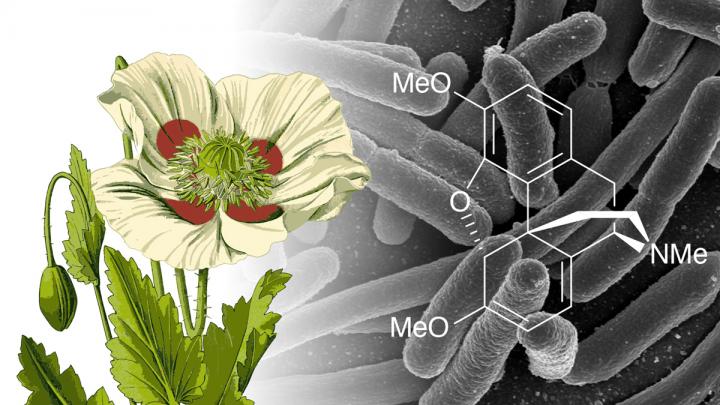
Japanese bioengineers have tweaked Escherichia coli genes so that they pump out thebaine, a morphine precursor that can be modified to make painkillers. A common gut microbe could soon be offering us pain relief. Japanese bioengineers have tweaked Escherichia coli genes so that they pump out thebaine, a morphine precursor that can be modified to make painkillers. The genetically modified E. coli produces 300 times more thebaine with minimal risk of unregulated use compared to a recently developed method involving yeast.
| Full story | 0 Comments | 6766 views |
| Biology | February 22, 2016 05:56 PM |
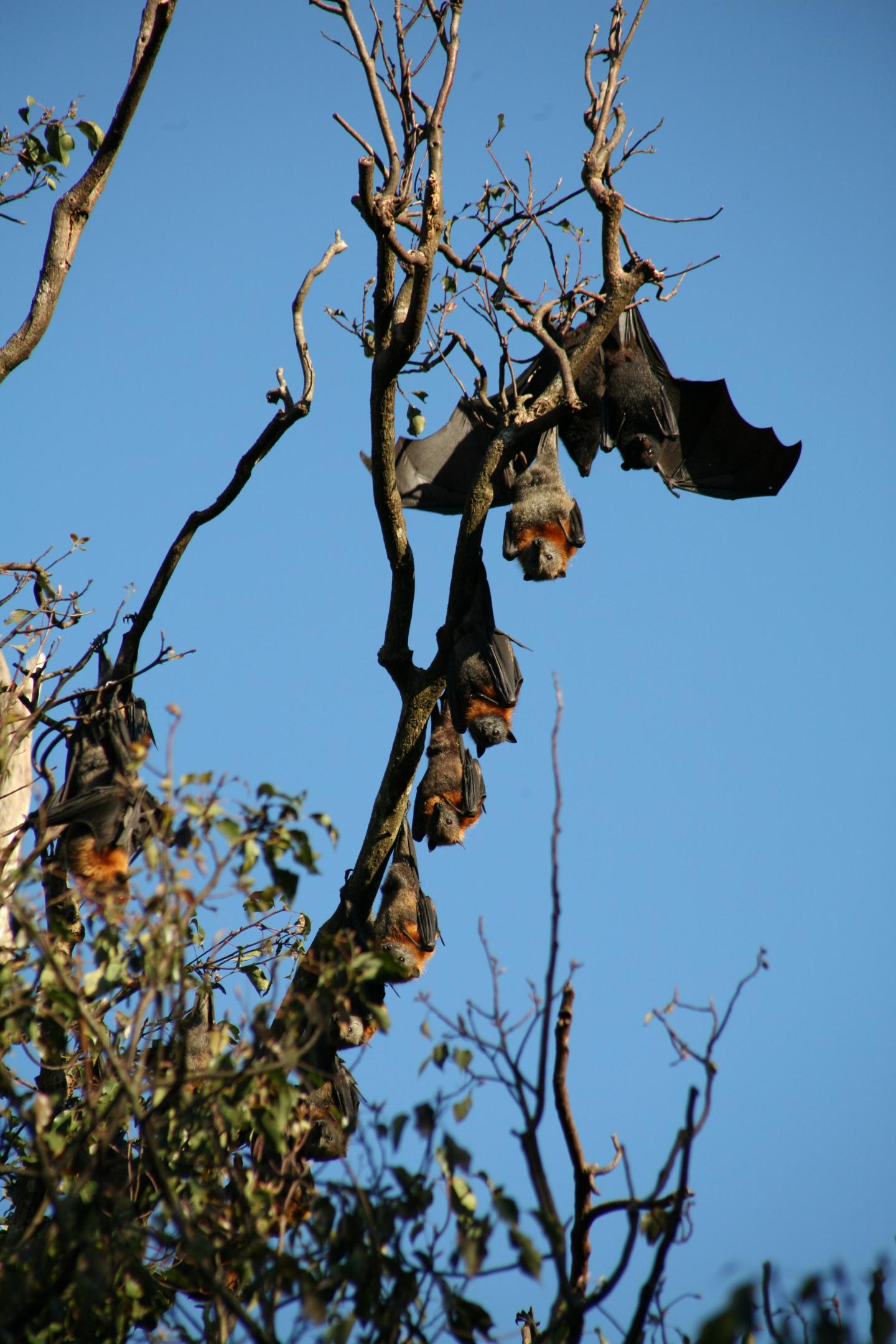
Black-headed flying fox amongst a grey-headed colony. For the first time researchers have uncovered a unique ability in bats which allows them to carry but remain unaffected by lethal diseases.
| Full story | 0 Comments | 9773 views |
| Microbiology | February 22, 2016 05:56 PM |
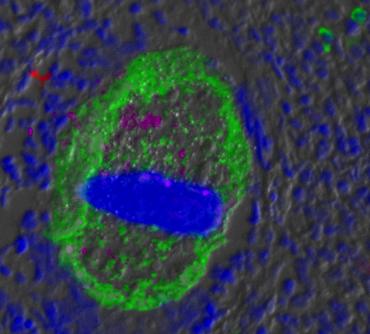
A parasite in a trout gill is coated with IgT, labeled green. IgT both responds to pathogens and appears to control the commensal bacteria in the gills. Oriol Sunyer, a professor at the University of Pennsylvania School of Veterinary Medicine, has described fish as "an open gut swimming." Their mucosal surfaces -- their skin, digestive tract and gills -- are in constant contact with water, including any pathogens that that water may contain.
| Full story | 0 Comments | 7226 views |

| AIDS & HIV | February 22, 2016 05:56 PM |
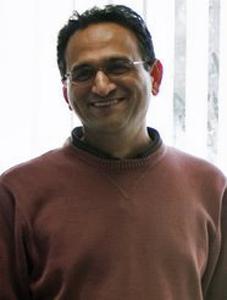
This is Tariq Rana, Ph.D. Researchers at University of California, San Diego School of Medicine have discovered that HIV infection of human immune cells triggers a massive increase in methylation, a chemical modification, to both human and viral RNA, aiding replication of the virus. The study, published February 22, 2016 in Nature Microbiology, identifies a new mechanism for controlling HIV replication and its interaction with the host immune system.
| Full story | 0 Comments | 33763 views |
| Molecular & Cell Biology | February 18, 2016 06:21 PM |
__IMAGE_1 The mitochondrion isn't the bacterium it was in its prime, say two billion years ago. Since getting consumed by our common single-celled ancestor the "energy powerhouse" organelle has lost most of its 2,000+ genes, likely to the nucleus. There are still a handful left--depending on the organism--but the question is why. One explanation, say a mathematician and biologist who analyzed gene loss in mitochondria over evolutionary time, is that mitochondrial DNA is too important to encode inside the nucleus and has thus evolved to resist the damaging environment inside of the mitochondrion. Their study appears February 18 in Cell Systems.
| Full story | 0 Comments | 8772 views |

| Bioinformatics | February 16, 2016 05:20 PM |
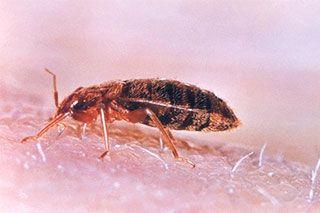
These bloodsuckers originally parasitized bats. The bed bug (Cimex lectularius) has been a familiar human parasite for more than 3,000 years. After a significant decrease in its population density in the middle of the last century, we have seen a dramatic increase again around the world over the past 20 years. In Australia, for instance, there is an increase of 4,500%.
| Full story | 0 Comments | 9151 views |

| Stem Cell Research | February 16, 2016 05:20 PM |
A team of researchers led by scientists at St. Jude Children's Research Hospital is looking at ways to improve how blood-forming stem cells can be used for therapeutic interventions. The work has uncovered a group of genes that regulate how hematopoietic stem cells start to grow and thrive in mice. The function of many of these genes was previously unknown. Reconstitution of a robust blood-forming system is essential for recovery from many catastrophic diseases as well as from chemotherapy treatments. A report on this study appears today in the Journal of Experimental Medicine.
| Full story | 0 Comments | 7130 views |
| Stem Cell Research | February 16, 2016 05:20 PM |
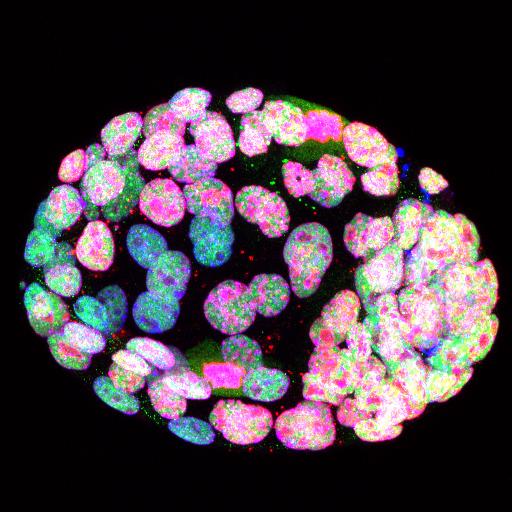
This is a dormant mouse blastocyst. After a gestation period of around ten months, fawns are born in early summer - when the weather is warm and food is plentiful for the mother. Six months would actually be enough for the embryo's development, but then offspring from mating in the later portion of summer would be born in winter. Therefore, nature prolongs the gestation period by a hormone-regulated pause in the development of the early embryos. Many animal species use this process, called diapause, to adjust their reproduction to environmental conditions.
| Full story | 0 Comments | 6714 views |
| Biology | February 16, 2016 05:20 PM |
The mechanism used by the National Institutes of Health (NIH) to allocate government research funds to scientists whose grants receive its top scores works essentially no better than distributing those dollars at random, new research suggests.
| Full story | 0 Comments | 6227 views |
| Biology | February 11, 2016 05:06 PM |
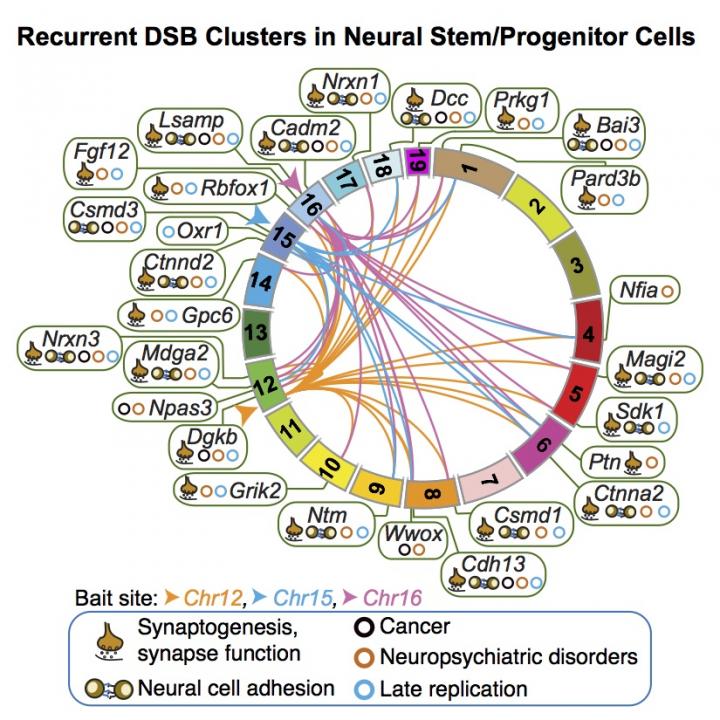
Recurrent DSB clusters in neural stem/progenitor cells are shown. The genome of developing brain cells harbors 27 clusters or hotspots where its DNA is much more likely to break in some places than others, researchers from the Program in Cellular and Molecular Medicine (PCMM) at Boston Children's Hospital, Harvard Medical School, and the Howard Hughes Medical Institute report in the journal Cell. Those hotspots appear in genes associated with brain tumors and a number of neurodevelopmental and neuropsychiatric conditions, raising new questions about these conditions' origins, as well as how the brain generates a diversity of circuitry during development.
| Full story | 0 Comments | 8884 views |

| Environment | February 11, 2016 05:06 PM |
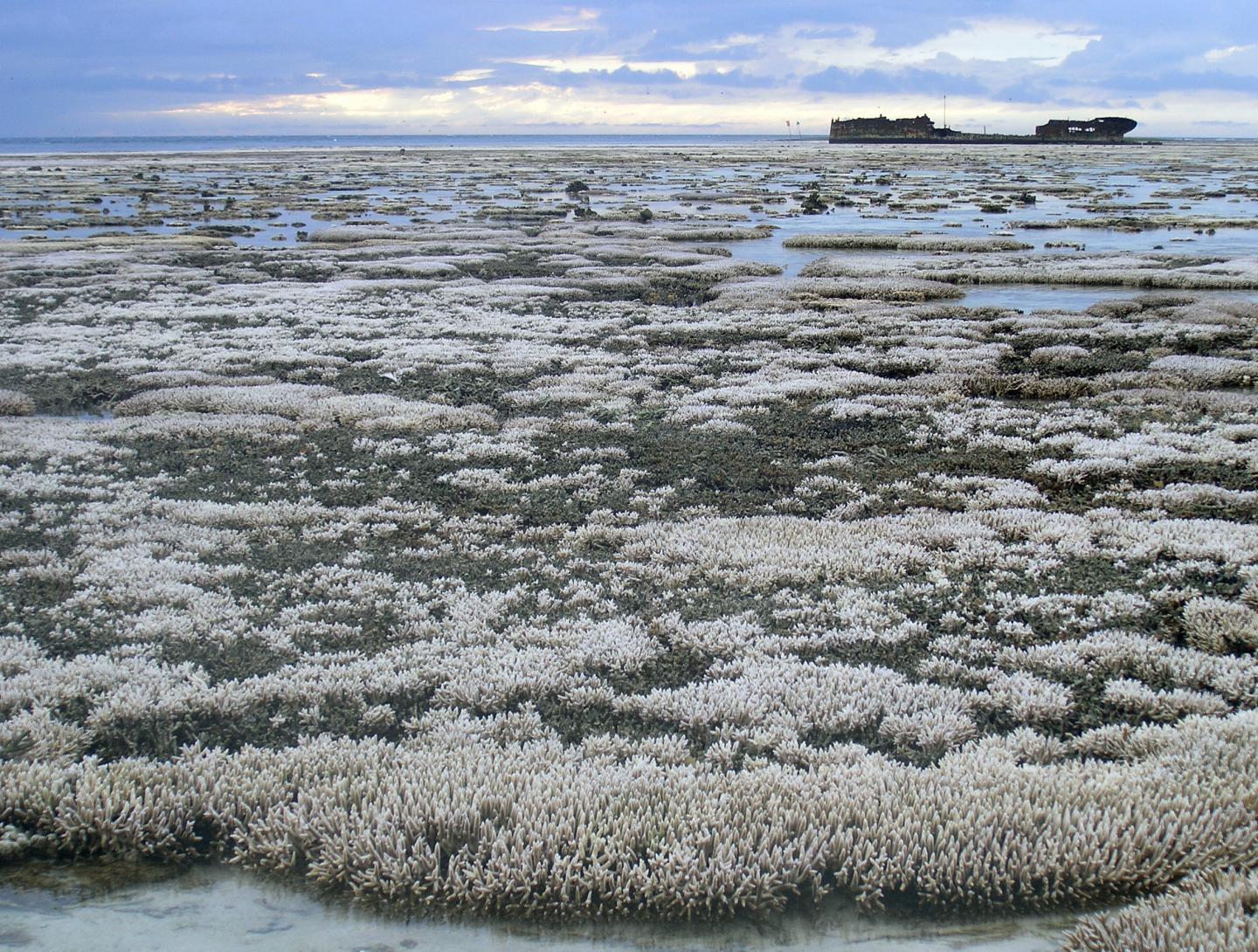
A major coral bleaching event took place on this part of the Great Barrier Reef in Australia. A study at Oregon State University has concluded that significant outbreaks of viruses may be associated with coral bleaching events, especially as a result of multiple environmental stresses.
| Full story | 0 Comments | 7799 views |
| Molecular & Cell Biology | February 11, 2016 05:06 PM |
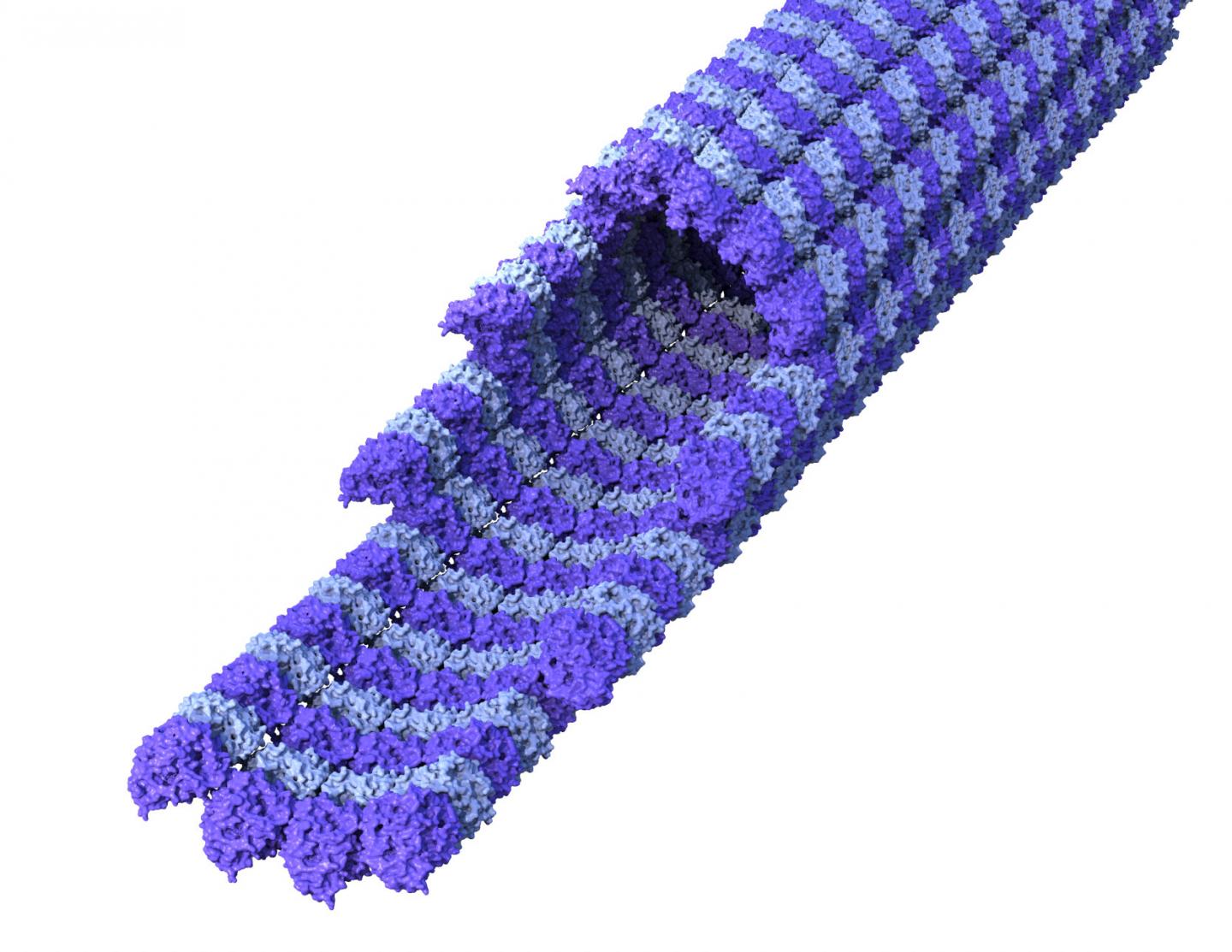
Graphic of microtubules, the 'railway network' within every cell of the human body Researchers from the University of Warwick have discovered how cells in the human body build their own 'railway networks', throwing light on how diseases such as bowel cancer work. The results have just been published in Nature Scientific Reports.
| Full story | 0 Comments | 6307 views |
| Molecular & Cell Biology | February 11, 2016 05:06 PM |
A new imaging technique has allowed researchers at North Carolina State University, the University of North Carolina at Chapel Hill, and the University of Pittsburgh to see how DNA loops around a protein that aids in the formation of a special structure in telomeres. The work provides new insights into the structure of telomeres and how they are maintained.
| Full story | 0 Comments | 5911 views |
| Molecular & Cell Biology | February 9, 2016 07:45 PM |
If you're fat, can you blame it on your genes? The answer is a qualified yes. Maybe. Under certain circumstances. Researchers are moving towards a better understanding of some of the roots of obesity.
| Full story | 0 Comments | 7331 views |
| Environment | February 9, 2016 07:45 PM |
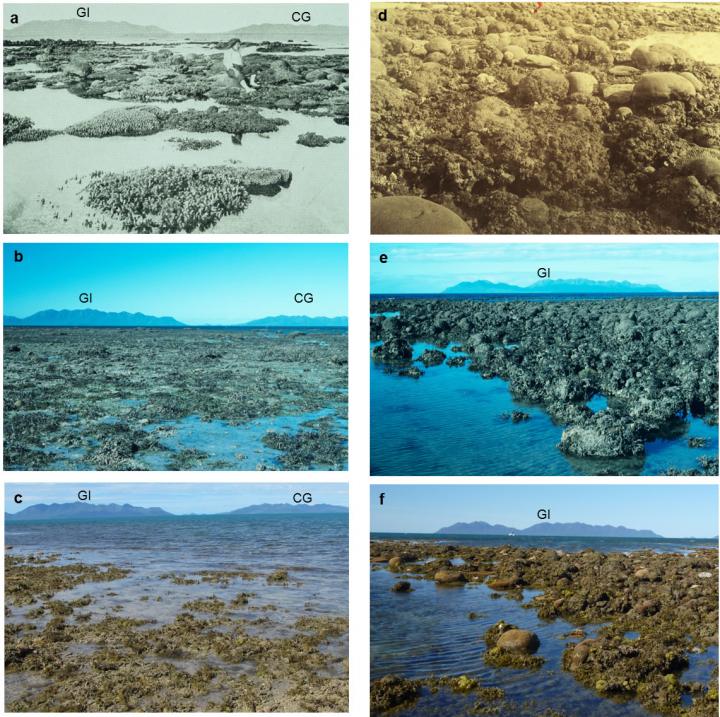
Historical and modern photographs of Stone Island taken in a) 1915 (photographer unknown); b) 1994 (photographer A. Elliot © Commonwealth of Australia GBRMPA); c) 2012 (photographer H. Markham); and Bramston Reef taken in d) c.1890 (W. Saville-Kent); e) 1994 (photographer A. Elliot © Commonwealth of Australia GBRMPA); f) 2012 (photographer T. Clark). Landscape features in the background of the images helped to locate the same sites: Gloucester Island (GI) and Cape Gloucester (CG).
Credit
Source: Clark et al. 2016. The timing of significant Great Barrier Reef coral loss captured by a series of historical photos has been accurately determined for the first time by a University of Queensland)-led study.
| Full story | 0 Comments | 7545 views |
| Bioinformatics | February 9, 2016 07:45 PM |
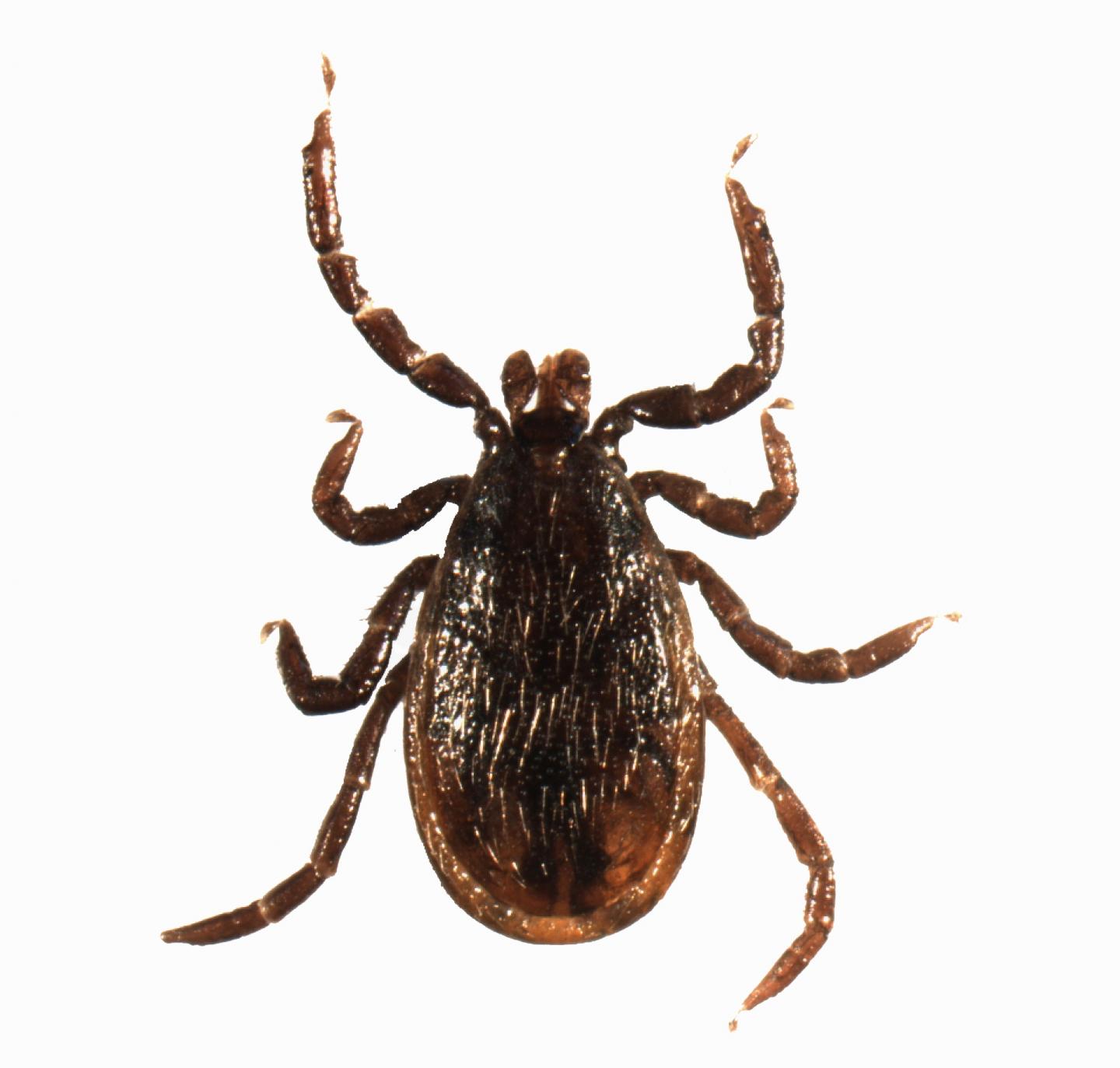
Researchers sequence the genome of the Lyme-disease-causing tick and find lots of duplicative elements. Researchers have sequenced the genetic blueprint of one of the most prolific pathogen-transmitting agents on the planet - the Lyme-disease-spreading tick (Ixodes scapularis) that bites humans. The findings could lead to advances in not only disrupting the tick's capacity to spread diseases but also in eradicating the pest.
| Full story | 0 Comments | 7708 views |
| Biology | February 9, 2016 07:45 PM |
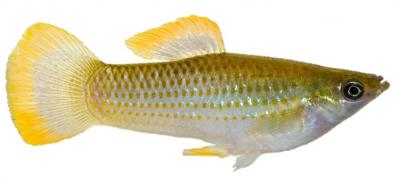
Biologists have found genetic mechanisms that let the Atlantic molly live in toxic, acidic water. A Washington State University biologist has found the genetic mechanisms that lets a fish live in toxic, acidic water. The discovery opens the door to new insights into the functioning of other "extremophiles" and how they adapt to their challenging environments.
| Full story | 0 Comments | 7264 views |
| Bioinformatics | February 8, 2016 04:12 PM |
Database searches for DNA sequences that can take biologists and medical researchers days can now be completed in a matter of minutes, thanks to a new search method developed by computer scientists at Carnegie Mellon University.
| Full story | 0 Comments | 8546 views |
| Health & Medicine | February 8, 2016 04:12 PM |
A research team led by St. Jude Children's Research Hospital scientists has discovered details of how the abnormal breakage and rearrangement of chromosomes in white blood cells triggers a particularly aggressive form of acute lymphoblastic leukemia (ALL). Such leukemias are cancers of white blood cells, in which genetic mutations trigger overproduction of immature cells, called lymphoblasts.
| Full story | 0 Comments | 6117 views |
| Health & Medicine | February 8, 2016 04:12 PM |
A concise "Five things to know about.... Zika virus infection" article for physicians highlights key points about this newly emerged virus in CMAJ (Canadian Medical Association Journal)
| Full story | 0 Comments | 9902 views |
| AIDS & HIV | February 2, 2016 04:38 PM |
New research findings published in the February 2016 issue of the Journal of Leukocyte Biology, suggest that a new therapeutic strategy for HIV may already be available by repurposing an existing prescription drug. The drug, an enzyme called adenosine deaminase, or ADA, ultimately may be able to activate the immune system against HIV and to help the immune system "remember" the virus to prevent or quickly eliminate future infection.
| Full story | 0 Comments | 33967 views |
| Biotechnology | February 2, 2016 04:38 PM |
Researchers from the General Physics Institute of the Russian Academy of Sciences (GPI RAS) and Moscow Institute of Physics and Technology (MIPT) have developed a new biosensor test system based on magnetic nanoparticles. It is designed to provide highly accurate measurements of the concentration of protein molecules (e.g. markers, which indicate the onset or development of a disease) in various samples, including opaque solutions or strongly coloured liquids.
| Full story | 0 Comments | 7197 views |
| Molecular & Cell Biology | February 2, 2016 04:38 PM |
Supposed "junk" DNA, found in between genes, plays a role in suppressing cancer, according to new research by Universities of Bath and Cambridge. The human genome contains around three metres of DNA, of which only about two per cent contains genes that code for proteins. Since the sequencing of the complete human genome in 2000, scientists have puzzled over the role of the remaining 98 per cent.
| Full story | 0 Comments | 9243 views |
| Stem Cell Research | February 1, 2016 04:08 PM |
Human stem cells that are capable of becoming any other kind of cell in the body have previously only been acquired and cultivated with difficulty. A team of European scientists including researchers from the University of Bath has now developed a method to detect such pluripotent cells in a cell culture and preserve them in the laboratory.
| Full story | 0 Comments | 7306 views |
| Microbiology | February 1, 2016 04:08 PM |
Scientists chase unicorns because if they could prove the existence of the magical beasts, the world would be a better place.
| Full story | 0 Comments | 8109 views |
| Stem Cell Research | February 1, 2016 04:08 PM |
A team of Rochester scientists has, for the first time, identified and isolated a stem cell population capable of skull formation and craniofacial bone repair in mice--achieving an important step toward using stem cells for bone reconstruction of the face and head in the future, according to a new paper in Nature Communications.
| Full story | 0 Comments | 7533 views |

- In some genetic cases of microcephaly, stem cells fail to launch
- Yale team discovers how Zika virus causes fetal brain damage
- Scientists uncover the way a common cell enzyme alerts the body to invading bacteria
- Arctic gives clues on worst mass extinction of life
- Calcium channel blockers caught in the act at atomic level
Search Bio News Net
Free Biology Newsletter
- Flexibility That A.C.A. Lent to Work Force Is Threatened by...International Herald Tribune
- Bacteria Behind Legionnaires’ Disease Found at New York Police StationInternational Herald Tribune
- Prescription Price Crisis? 28 Million Americans See Spike in Drug...MSNBC.com: Health
- Seizing on Opioid Crisis, a Drug Maker Lobbies Hard for...International Herald Tribune
- Republicans are taking a big political risk on health careAP Health News
- Why We're So Divided Over Saving WolvesNational Geographic News