

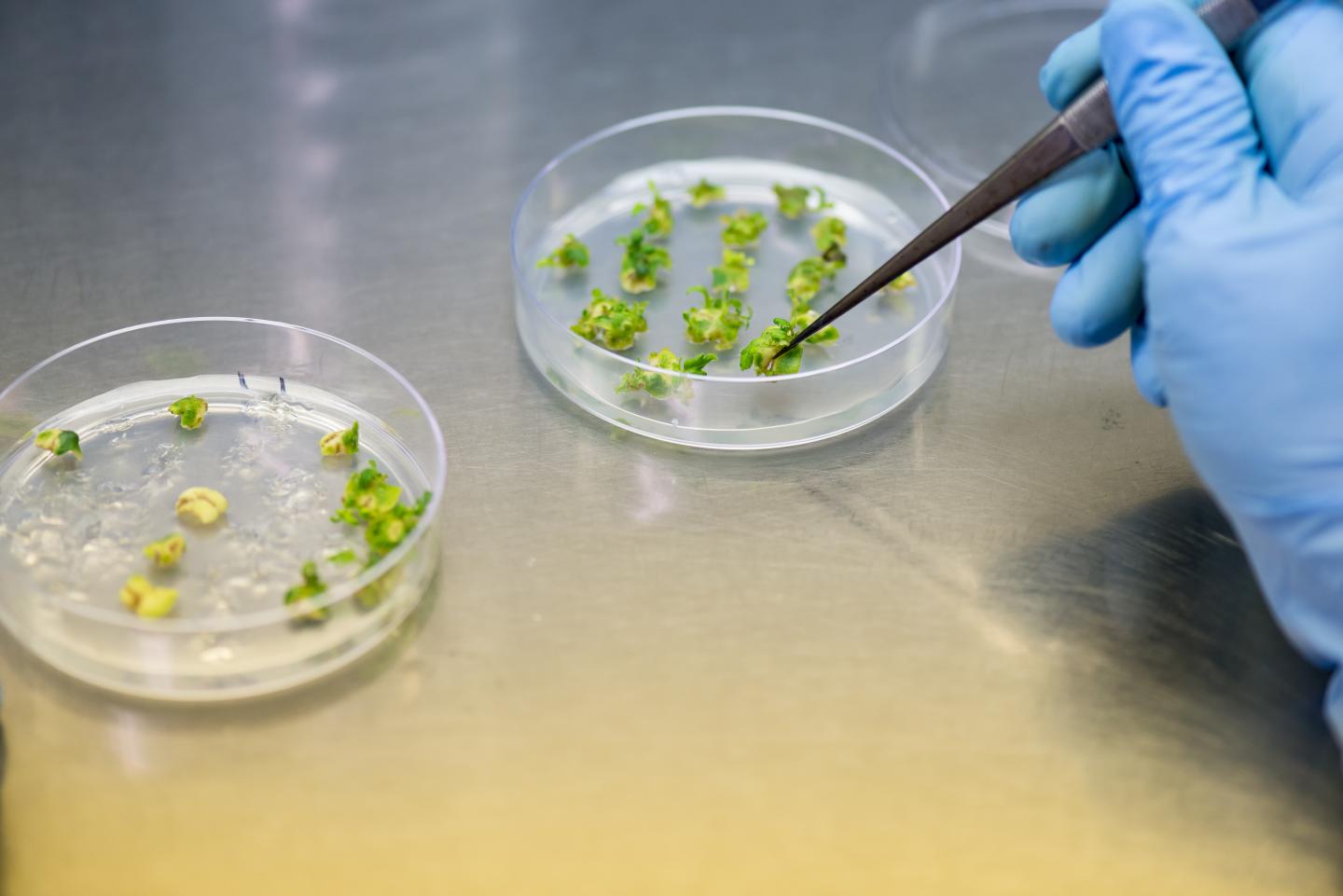
A researcher transfers tomato plantlets from a plate of regeneration medium. Tomatoes are already an ideal model species for plant research, but scientists at the Boyce Thompson Institute (BTI) just made them even more useful by cutting the time required to modify their genes by six weeks.

Category: Biotechnology
| Biotechnology | August 30, 2016 05:36 PM |
| Full article | 0 Comments | 408726 views |
| Biotechnology | August 29, 2016 06:12 PM |
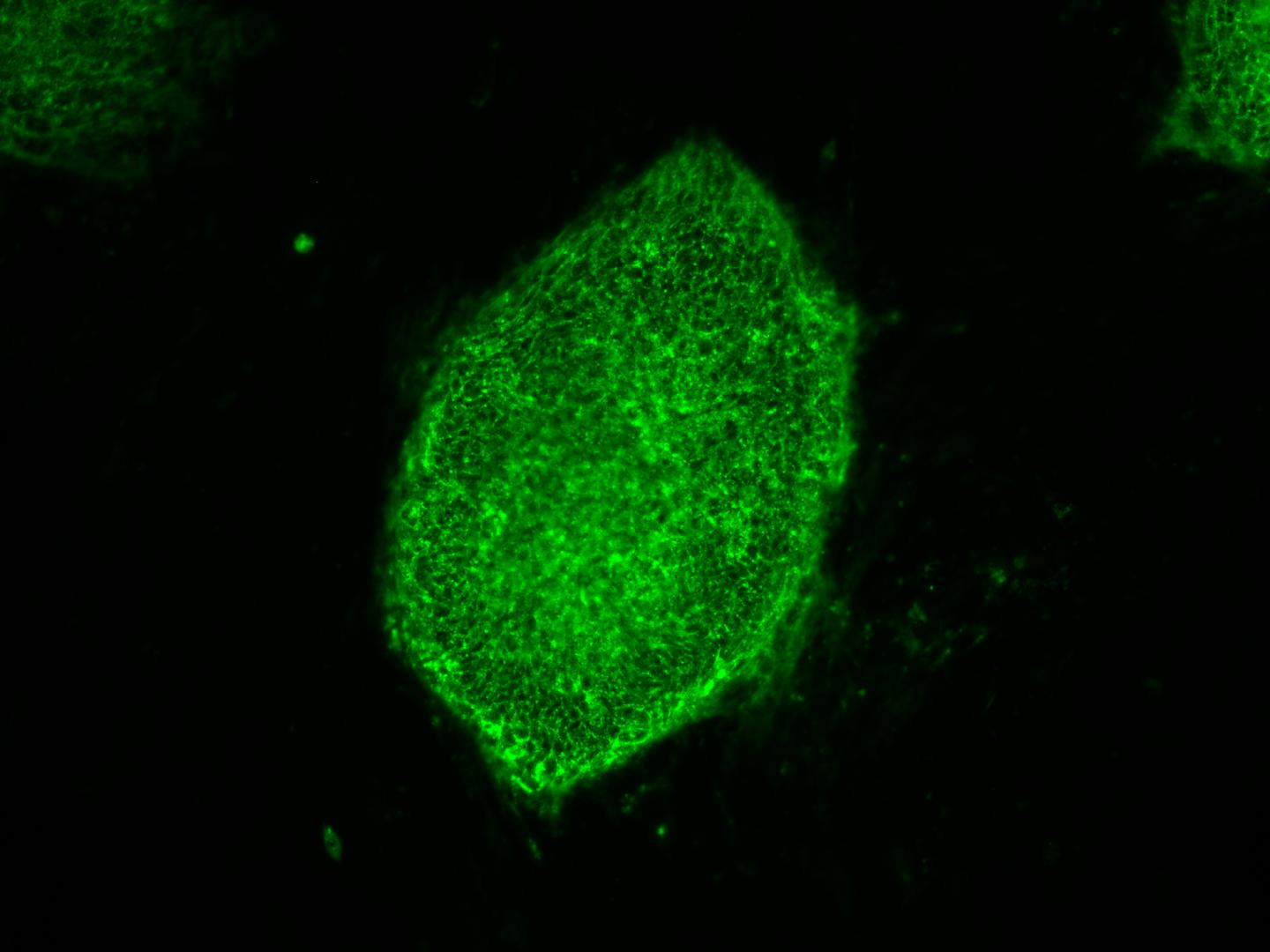
This image shows induced pluripotent stem cells expressing a characteristic cell surface protein called SSEA4 (green). A research team including developmental biologist Stephen A. Duncan, D. Phil., SmartStateTM Chair of Regenerative Medicine at the Medical University of South Carolina (MUSC), has found a better way to purify liver cells made from induced pluripotent stem cells (iPSCs). Their efforts, published August 25, 2016 in Stem Cell Reports, will aid studies of liver disease for the National Heart, Lung, and Blood Institute (NHLBI)'s $80 million Next Generation Genetic Association Studies (Next Gen) Program. The University of Minnesota (Minneapolis) and the Medical College of Wisconsin (Milwaukee) contributed to the study.
| Full article | 0 Comments | 58400 views |
| Biotechnology | August 23, 2016 06:09 PM |
Often described as the blueprint of life, DNA contains the instructions for making every living thing from a human to a house fly.
| Full article | 0 Comments | 29932 views |
| Biotechnology | August 17, 2016 06:43 PM |
CRISPR-Cas9 is the go-to technique for knocking out genes in human cell lines to discover what the genes do, but the efficiency with which it disables genes can vary immensely.
| Full article | 0 Comments | 15578 views |
| Biotechnology | August 15, 2016 06:29 PM |
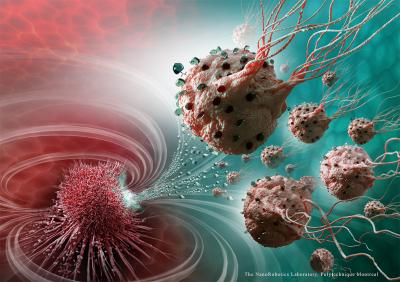
The legions of nanorobotic agents are actually composed of more than 100 million flagellated bacteria Researchers from Polytechnique Montréal, Université de Montréal and McGill University have just achieved a spectacular breakthrough in cancer research. They have developed new nanorobotic agents capable of navigating through the bloodstream to administer a drug with precision by specifically targeting the active cancerous cells of tumours. This way of injecting medication ensures the optimal targeting of a tumour and avoids jeopardizing the integrity of organs and surrounding healthy tissues. As a result, the drug dosage that is highly toxic for the human organism could be significantly reduced.
| Full article | 0 Comments | 15719 views |
| Biotechnology | August 15, 2016 06:29 PM |
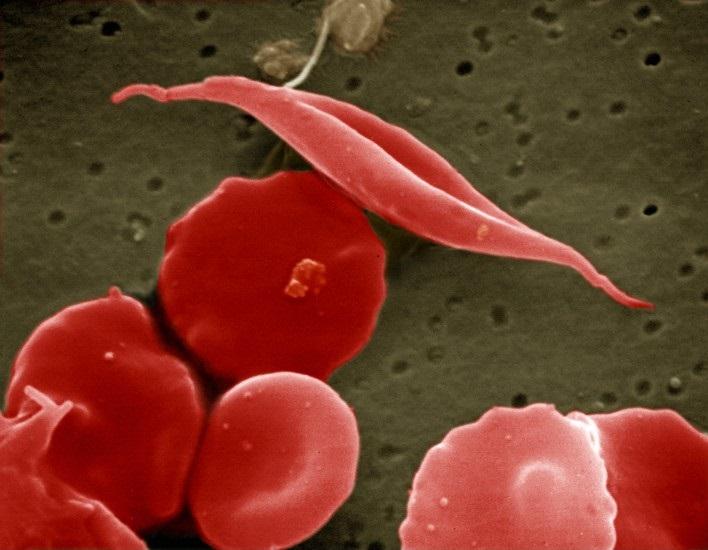
This is a scanning electron micrograph of sickled and other red blood cells. An international team of scientists led by researchers at St. Jude Children's Research Hospital has found a way to use CRISPR gene editing to help fix sickle cell disease and beta-thalassemia in blood cells isolated from patients. The study, which appears online today in Nature Medicine, provides proof-of-principle for a new approach to treat common blood disorders by genome editing.
| Full article | 0 Comments | 16930 views |
| Biotechnology | August 11, 2016 06:30 PM |
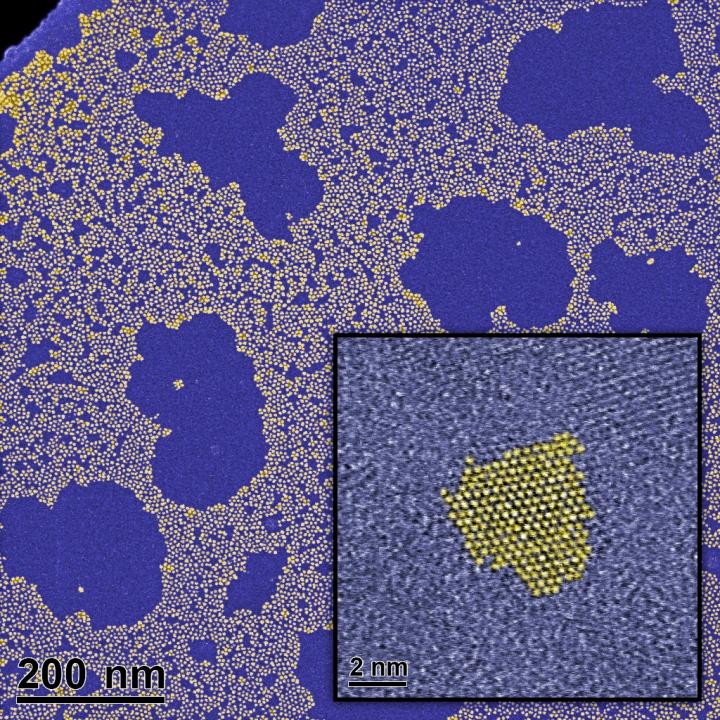
Images of ZnO quantum dots prepared by the Institute of Physical Chemistry of the Polish Academy of Sciences in Warsaw, taken by transmission electron microscopy. False colors. Unique optical features of quantum dots make them an attractive tool for many applications, from cutting-edge displays to medical imaging. Physical, chemical or biological properties of quantum dots must, however, be adapted to the desired needs. Unfortunately, up to now quantum dots prepared by chemical methods could be functionalized using copper-based click reactions with retention of their luminescence. This obstacle can be ascribed to the fact that copper ions destroy the ability of quantum dots to emit light. Scientists from the Institute of Physical Chemistry of the Polish Academy of Sciences (IPC PAS) in Warsaw and the Faculty of Chemistry of the Warsaw University of Technology (FC WUT) have shown, however, that zinc oxide (ZnO) quantum dots prepared by an original method developed by them, after modification by the click reaction with the participation of copper ions, fully retain their ability to emit light.
| Full article | 0 Comments | 15271 views |
| Biotechnology | August 11, 2016 06:30 PM |
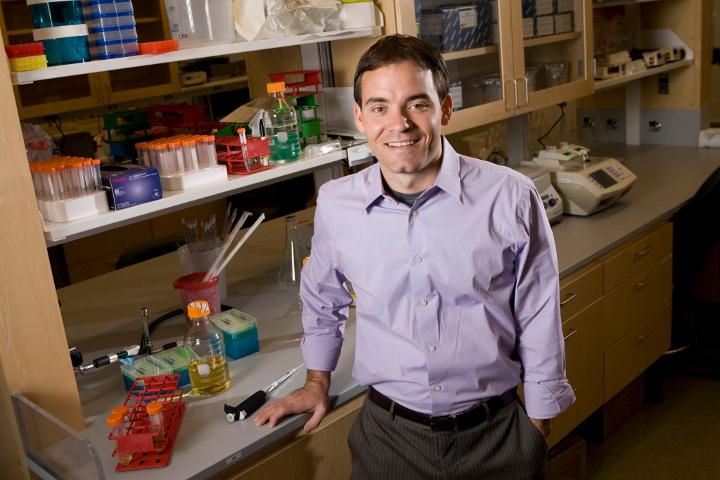
Charles Gersbach, the Rooney Family Associate Professor of Biomedical Engineering and director for the Center of Biomolecular and Tissue Engineering at Duke University. Researchers have used CRISPR -- a revolutionary new genetic engineering technique -- to convert cells isolated from mouse connective tissue directly into neuronal cells.
| Full article | 0 Comments | 14145 views |
| Biotechnology | August 8, 2016 05:16 PM |
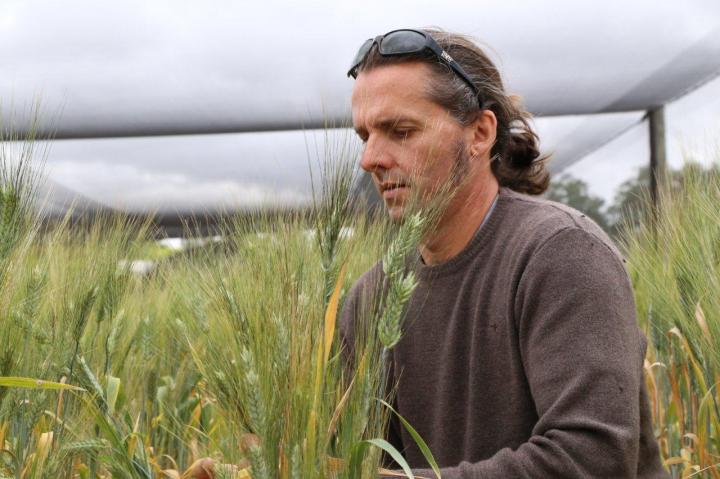
Associate Professor Jason Able with durum wheat in plant breeding trials. University of Adelaide researchers are rethinking plant breeding strategies to improve the development of new high-yielding, stress-tolerant cereal varieties.
| Full article | 0 Comments | 12617 views |
| Biotechnology | August 2, 2016 05:08 PM |
Using next-generation sequencing (NGS) methods to analyze cell-free DNA in the blood of patients with myelodysplastic syndrome (MDS) yields more accurate results than the current standard approach of Sanger sequencing. This finding, and the greater likelihood of detecting the genetic abnormality responsible for the disorder by analyzing cell-free DNA versus DNA extracted from a patient's blood cells, is reported in a new study published in Genetic Testing and Molecular Biomarkers, a peer-reviewed journal from Mary Ann Liebert, Inc., publishers. The article is available free on the Genetic Testing and Molecular Biomarkers website until August 30, 2016.
| Full article | 0 Comments | 11360 views |
| Biotechnology | July 25, 2016 06:09 PM |
Scientists at The University of Nottingham have demonstrated for the first time that it is possible to selectively sequence fragments of DNA in real time, greatly reducing the time needed to analyse biological samples.
| Full article | 0 Comments | 6151 views |
| Biotechnology | July 14, 2016 05:11 PM |
Dr. Gang Zheng and a team of biomedical researchers have discovered a "smart" organic, biodegradable nanoparticle that uses heat and light in a controlled manner to potentially target and ablate tumours with greater precision.
| Full article | 0 Comments | 6690 views |
| Biotechnology | July 11, 2016 05:01 PM |
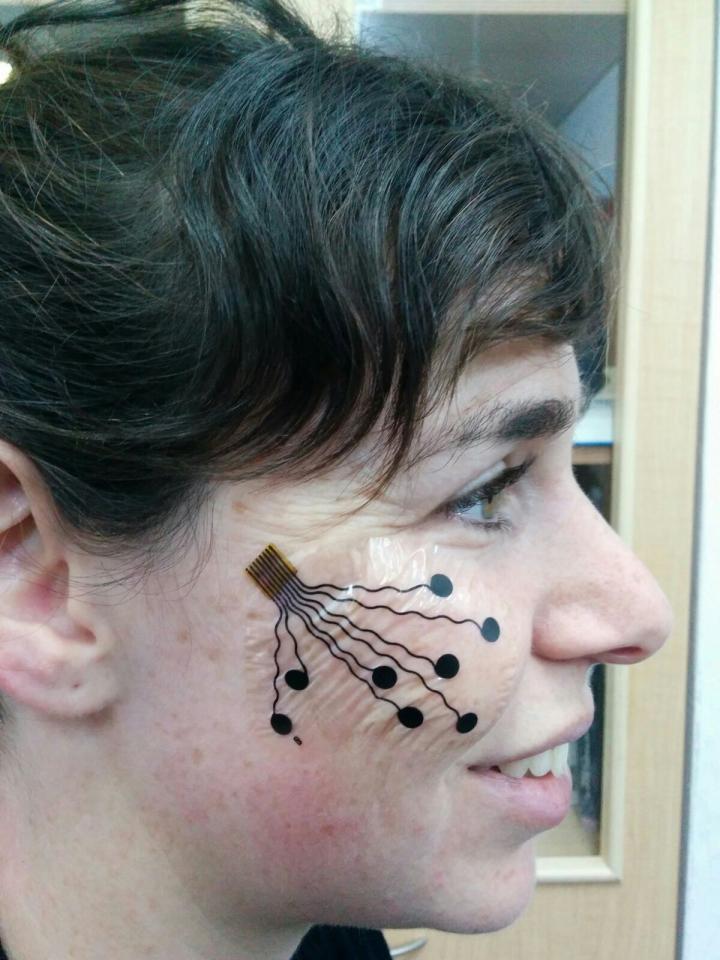
A nanotech "tattoo " was developed by Tel Aviv University. A new temporary "electronic tattoo" developed by Tel Aviv University that can measure the activity of muscle and nerve cells researchers is poised to revolutionize medicine, rehabilitation, and even business and marketing research.
| Full article | 0 Comments | 7140 views |
| Biotechnology | July 7, 2016 05:18 PM |
Researchers at McMaster University have established a way to harness DNA as the engine of a microscopic "machine" they can turn on to detect trace amounts of substances that range from viruses and bacteria to cocaine and metals.
| Full article | 0 Comments | 6274 views |
| Biotechnology | July 6, 2016 05:31 PM |
Ten years after its introduction, DNA origami, a fast and simple way to assemble DNA into potentially useful structures, is finally coming into its own.
| Full article | 0 Comments | 6769 views |
| Biotechnology | June 30, 2016 05:30 PM |

Protein microarrays like this allow the investigation of thousands of proteins in a single experiment. Microarrays are only a few centimeters in size and host thousands of individual test spots... Since the completion of the human genome an important goal has been to elucidate the function of the now known proteins: a new molecular method enables the investigation of the function for thousands of proteins in parallel. Applying this new method, an international team of researchers with leading participation of the Technical University of Munich (TUM) was able to identify hundreds of previously unknown interactions among proteins.
| Full article | 0 Comments | 7362 views |
| Biotechnology | June 29, 2016 04:50 PM |
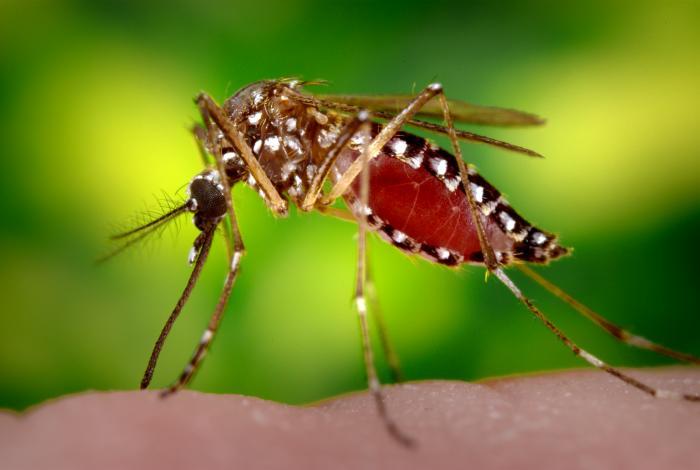
Gene drive technologies may one day help alleviate the burden caused by diseases transmitted by mosquitoes and other animal vectors. The BioScience Talks podcast features discussions of topical issues related to the biological sciences.
| Full article | 0 Comments | 6554 views |
| Biotechnology | June 27, 2016 05:29 PM |
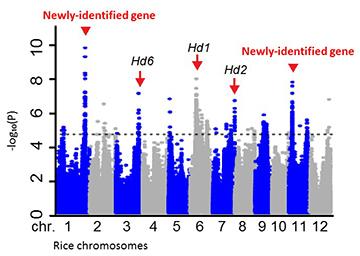
The GWAS results for genes that influence flowering dates. The known genes Hd1, Hd2, and Hd6 were located, together with two newly-identified genes that also affect flowering dates. A Japanese research team have applied a method used in human genetic analysis to rice and rapidly discovered four new genes that are potentially significant for agriculture. These findings could influence crop breeding and help combat food shortages caused by a growing population. The paper was published on June 21, 2016 (Japan Standard Time) in the online edition of Nature Genetics.
| Full article | 0 Comments | 6354 views |
| Biotechnology | June 23, 2016 04:55 PM |
The new stem cell-containing bio ink allows 3D printing of living tissue, known as bio-printing.
| Full article | 0 Comments | 6506 views |
| Biotechnology | June 20, 2016 05:52 PM |
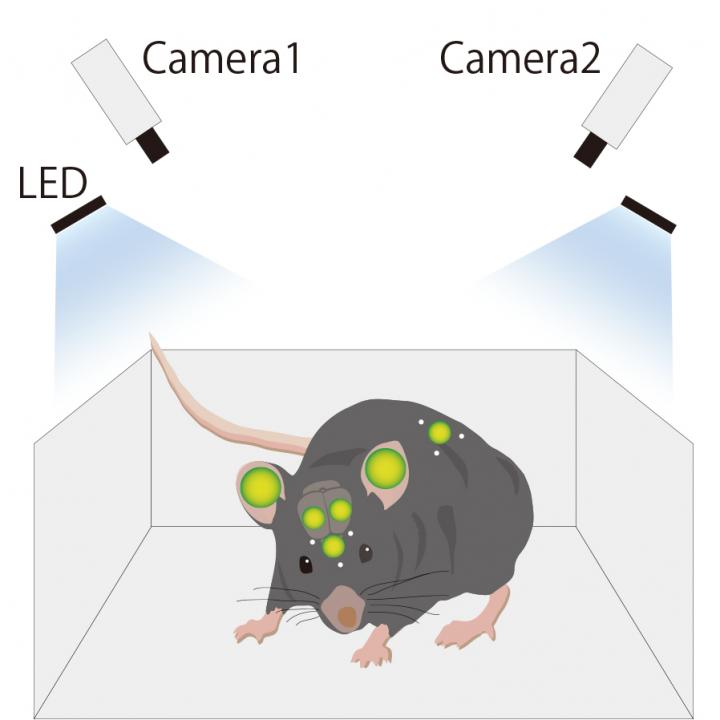
The system consists of two newly developed programs that automatically identify the 3-D positions of target areas based on the signals from the scintillators (shown as white dots), and determine... "Clock genes" turn on and off, or "Express", in rhythmic patterns throughout the body to regulate physiological conditions and behaviour. When and how these genes express, especially in tissues outside the brain, is still poorly understood. Until now, scientists have lacked sufficient means to simultaneously monitor gene rhythms in specific tissues in freely moving subjects.
| Full article | 0 Comments | 6720 views |
| Biotechnology | June 20, 2016 05:52 PM |
Lychnopholide, a substance isolated from a Brazilian plant, and formulated as part of "nanocapsules" cured more than half of a group of mice that had been infected experimentally with Chagas disease parasites. "Chagas disease affects millions of people, mainly in poor rural areas of 21 Latin American countries," said Marta de Lana, PhD. The research is published in online ahead of print June 20 in Antimicrobial Agents and Chemotherapy, a journal of the American Society for Microbiology.
| Full article | 0 Comments | 6047 views |
| Biotechnology | June 9, 2016 09:56 PM |
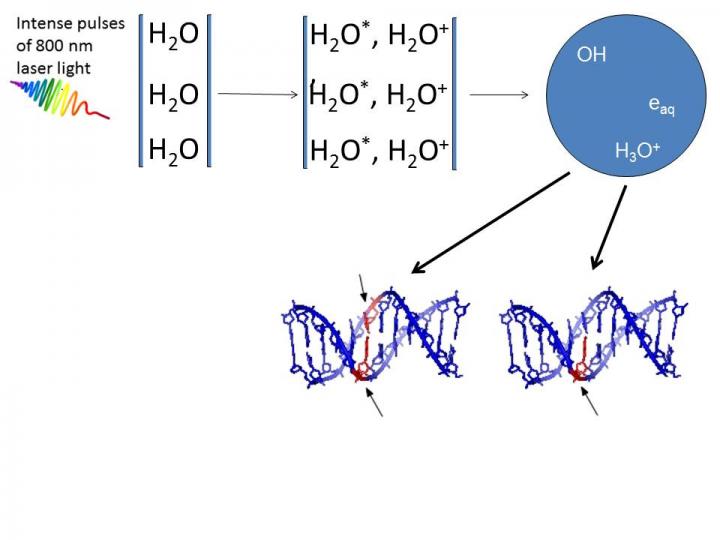
DNA damage caused by very low-energy electrons and OH-radicals formed upon irradiation of water by ultrashort pulses of very intense laser light. In a recent development, scientists at the Tata Institute of Fundamental Research report that damage to DNA can be induced by ultrashort pulses of high intensity laser light. Published in Scientific Reports, these findings have important implications in clinical conditions, especially in reducing collateral damage to tissues surrounding the real target of conventional radiotherapy.
| Full article | 0 Comments | 6596 views |
| Biotechnology | June 6, 2016 05:46 PM |
As a new tool in CRISPR genome editing, Cpf1 has sparked an explosion of interest for its attributes that differ from Cas9: It requires only a single RNA that CRISPR RNA assembly is simpler; its staggered cleavage patterns may facilitate substituting existing DNA with desired sequences; and it recognizes thymidine-rich DNA sequences, which has been less explored than the guanosine-rich sequences recognized by Cas9. In sum, Cpf1 is expected to broaden the scope of CRISPR genome editing target sites with enhanced efficiency. Despite Cpf1's vast potential as a powerful genome editing tool, little has been demonstrated as to how, specifically, the new tool finds its targets. In a series of two papers published online on June 6 in Nature Biotechnology, researchers at the IBS Center for Genome Editing in South Korea showed Cpf1 as a highly specific programmable tool that is suitable for precision genome editing and reported generation of mutant mice using CRISPR-Cpf1.
| Full article | 0 Comments | 7197 views |
| Biotechnology | May 31, 2016 06:05 PM |
Researchers from Bochum have engineered a hydrogen-producing enzyme in the test tube that works as efficiently as the original. The protein - a so-called hydrogenase from green algae - is made up of a protein scaffold and a cofactor. The latter is the reaction centre where the substances that react with each other dock. When the researchers added various chemically synthesised substances to the protein scaffold, the cofactor spontaneously assembled.
| Full article | 0 Comments | 6743 views |
| Biotechnology | May 31, 2016 06:05 PM |
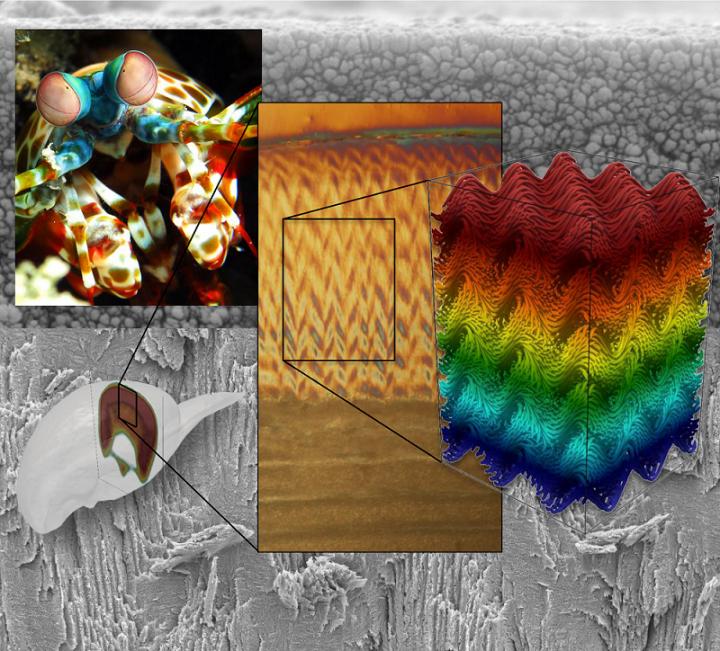
This is the herringbone structure of the outer layer (impact region) of the mantis shrimp dactyl club. The next generation of airplanes, body armor and football helmets crawled out from under a rock--literally.
| Full article | 0 Comments | 8412 views |
| Biotechnology | May 30, 2016 05:23 PM |
The use of next-generation gene sequencing in newborns in neonatal intensive care units (NICUs) may improve the diagnosis of rare diseases and deliver results more quickly to anxious families, according to new research in CMAJ (Canadian Medical Association Journal).
| Full article | 0 Comments | 6620 views |
| Biotechnology | May 11, 2016 05:54 PM |
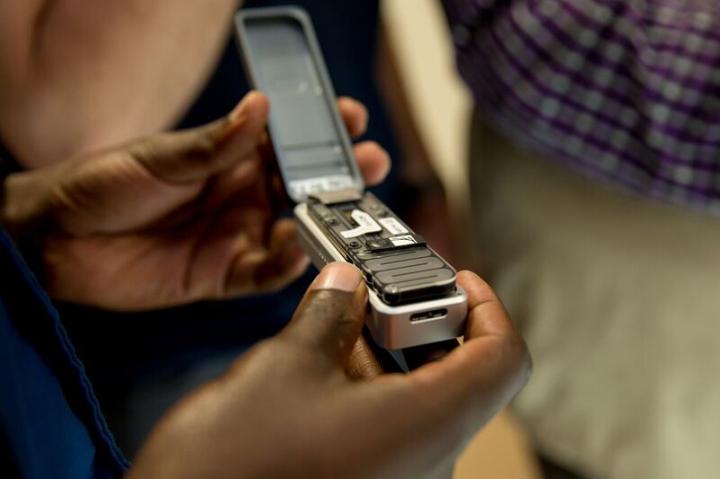
Close-up of the MinION handheld DNA sequencer. A team from the University of Leicester has been awarded a prize for their proposal to crack down on wildlife crime using a portable DNA sequencing device, the MinION - developed by Oxford Nanopore Technologies - to read the 'barcode genes' of animals affected by illegal trafficking.
| Full article | 0 Comments | 8051 views |
| Biotechnology | April 20, 2016 06:03 PM |
CRISPRainbow, a new technology using CRISPR/Cas9 developed by scientists at UMass Medical School, allows researchers to tag and track up to seven different genomic locations in live cells. This labeling system, details of which were published in Nature Biotechnology, will be an invaluable tool for studying the structure of the genome in real time.
| Full article | 0 Comments | 7936 views |
| Biotechnology | April 7, 2016 07:05 PM |
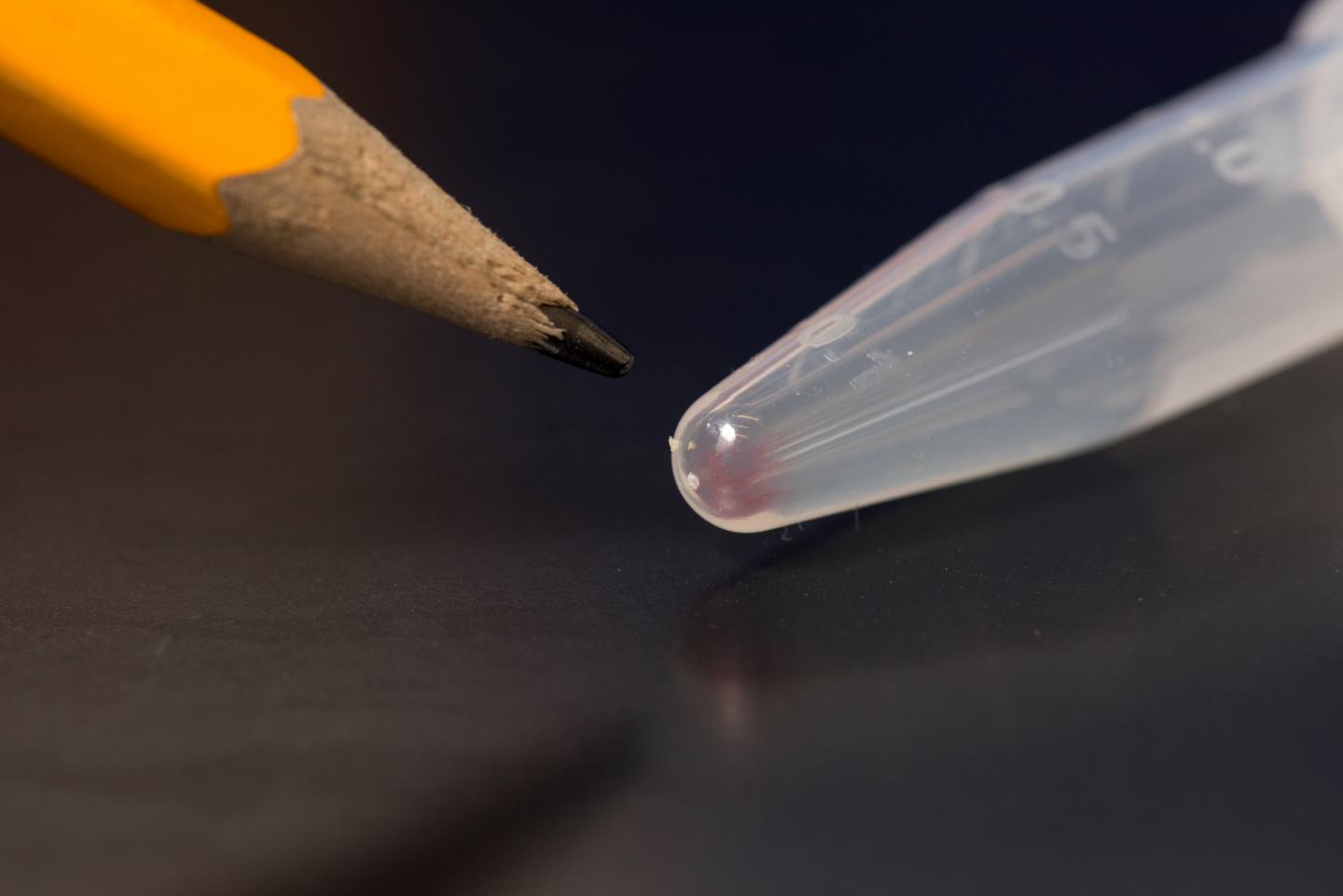
All the movies, images, emails and other digital data from more than 600 basic smartphones (10,000 gigabytes) can be stored in this faint pink smear of DNA. Technology companies routinely build sprawling data centers to store all the baby pictures, financial transactions, funny cat videos and email messages its users hoard.
| Full article | 0 Comments | 8782 views |
| Biotechnology | April 6, 2016 05:44 PM |
Researchers have developed a new and highly efficient method for gene transfer. The technique, which involves culturing and transfecting cells with genetic material on an array of carbon nanotubes, appears to overcome the limitations of other gene editing technologies.
| Full article | 0 Comments | 7649 views |
Return to Biology News Net Homepage

- In some genetic cases of microcephaly, stem cells fail to launch
- Yale team discovers how Zika virus causes fetal brain damage
- Scientists uncover the way a common cell enzyme alerts the body to invading bacteria
- Arctic gives clues on worst mass extinction of life
- Calcium channel blockers caught in the act at atomic level
- Flexibility That A.C.A. Lent to Work Force Is Threatened by...International Herald Tribune
- Bacteria Behind Legionnaires’ Disease Found at New York Police StationInternational Herald Tribune
- Prescription Price Crisis? 28 Million Americans See Spike in Drug...MSNBC.com: Health
- Seizing on Opioid Crisis, a Drug Maker Lobbies Hard for...International Herald Tribune
- Republicans are taking a big political risk on health careAP Health News
- Why We're So Divided Over Saving WolvesNational Geographic News
Top Biology News about Biotechnology
Biology Articles & News
Last 7 Days
Biology Articles & News
Most popular ever in Biotechnology
- More tomatoes, faster: Accelerating tomato engineering (408726)
- Roses are red, and now blue... with the help of CSIRO technology (92809)
- Purest yet liver-like cells generated from induced pluripotent stem cells (58400)
- An Alzheimer's vaccine in a nasal spray (53067)
- Engineering electrically conducting tissue for the heart (49226)
- Targeted virus compels cancer cells to eat themselves (44596)
- Boosting biogasoline production in microbes (38252)