

EPFL scientists have carried out a genomic and evolutionary study of a large and enigmatic family of human proteins, to demonstrate that it is responsible for harnessing the millions of transposable elements in the human genome. The work reveals the largely species-specific gene-regulatory networks that impact all of human biology, in both health and disease.

Category: Molecular & Cell Biology
| Molecular & Cell Biology | September 12, 2016 06:22 PM |
In a first-of-its-kind look at human kidney development, researchers at The Saban Research Institute of Children's Hospital Los Angeles have isolated human nephron progenitor (NP) cells. Their results, published online in the journal Stem Cell Translational Medicine, will help scientists understand how these progenitor cells become renal cells in the developing fetus, and possibly offer a future way to foster renal regeneration after chronic kidney failure or acute injury.
| Full article | 0 Comments | 533655 views |
| Molecular & Cell Biology | August 24, 2016 07:26 PM |
Biomedical investigators at Cedars-Sinai have identified an enzyme found in all human cells that alerts the body to invading bacteria and jump-starts the immune system.
| Full article | 0 Comments | 39904 views |
| Molecular & Cell Biology | August 24, 2016 07:26 PM |
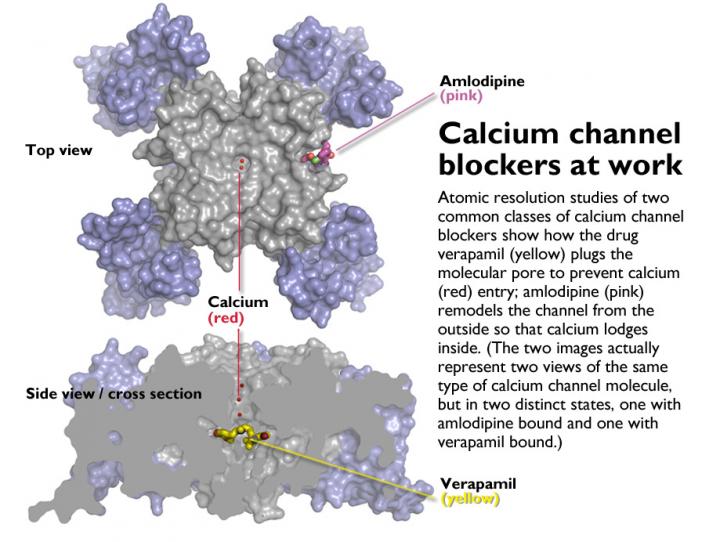
Atomic resolution studies of two common calcium channel blockers, one that treats irregular heart beats, and another that controls high blood pressure and angina An atomic level analysis has revealed how two classes of calcium channel blockers, widely prescribed for heart disease patients, produce separate therapeutic effects through their actions at different sites on the calcium channel molecule.
| Full article | 0 Comments | 42390 views |
| Molecular & Cell Biology | August 22, 2016 06:24 PM |
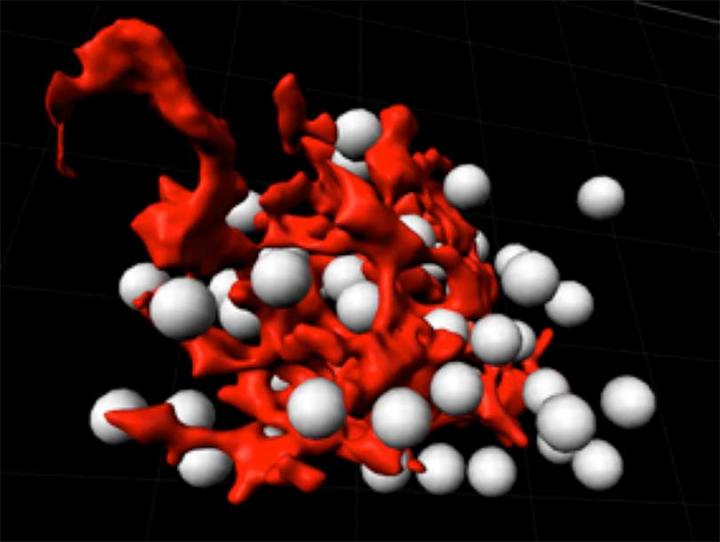
A single thymic epithelial cell (red) in contact with developing T cells (white). Researchers at the universities of Basel and Oxford have for the first time identified all genes regulated by the protein Foxn1. The results show that Foxn1 not only plays a crucial role in development of the thymus in the embryo, but it also regulates vital functions in the developed, postnatal organ. The decryption of the protein's functions is important in the understanding and treatment of autoimmune diseases, vaccination responses in old age and defense against tumor cells. The study was published in the journal Nature Immunology.
| Full article | 0 Comments | 21007 views |
| Molecular & Cell Biology | August 18, 2016 06:02 PM |
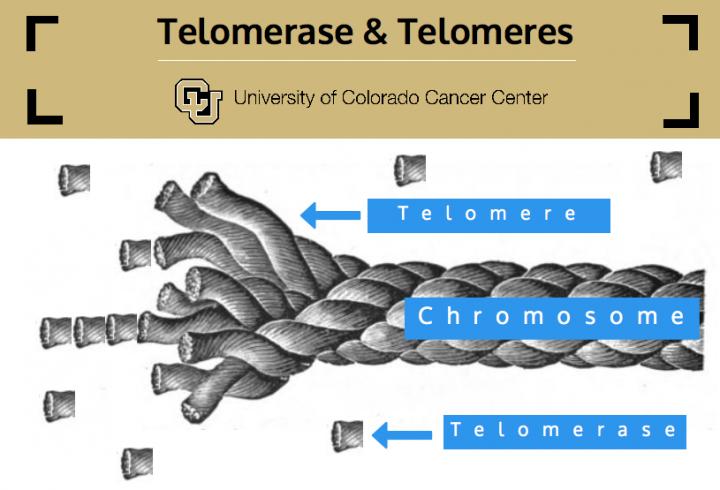
Protective telomeres are augmented by freely diffusing telomerase. As the rope of a chromosomes replicates, it frays at the ends. No problem: A chromosome's ends have extra twine so that fraying doesn't reach into the body of the rope where the important information resides. This extra twine is called a "telomere". Over time and across replications, this telomere twine breaks down until the chromosome loses its protective ends and this "fraying" reaches into the rope, wrecking the chromosome and resulting in the death of the cell.
| Full article | 0 Comments | 21764 views |
| Molecular & Cell Biology | August 17, 2016 06:43 PM |
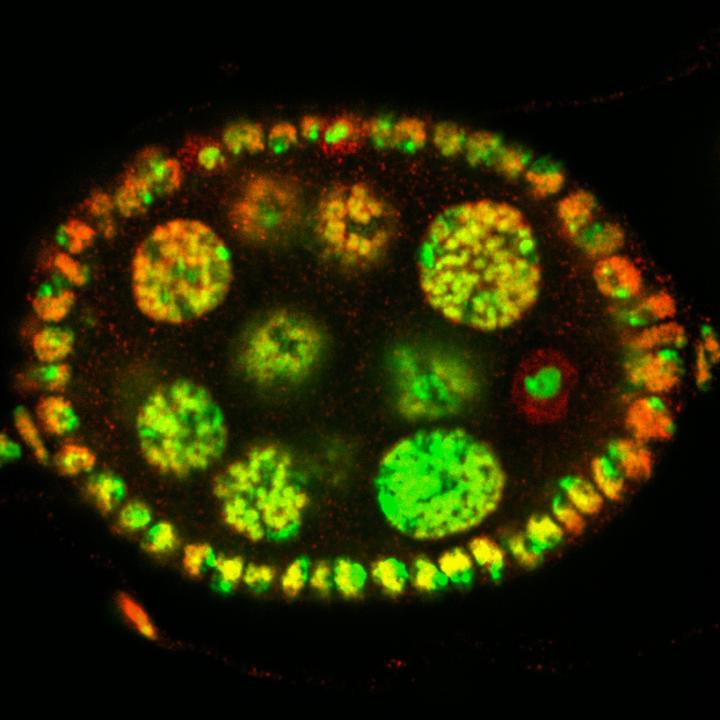
Ovarian follicle of fruit fly, with chromosomes stained in green and dKDM5 protein stained in red. At the start of reproductive life an ovary contains, on average, several thousands of immature ovules in a resting state that can last for several decades. But how does each resting ovule know that it is time to prepare for ovulation? In a study published in the latest issue of Nature Communications*, researchers at Instituto Gulbenkian de Ciencia (IGC; Portugal), at University of Algarve (Portugal), and at University at Albany (USA) discovered in the fruit fly a molecular "alarm clock" that tells resting ovules when is the right time to wake up. Defects in this alarm clock result in female fertility problems.
| Full article | 0 Comments | 19696 views |
| Molecular & Cell Biology | August 10, 2016 05:54 PM |
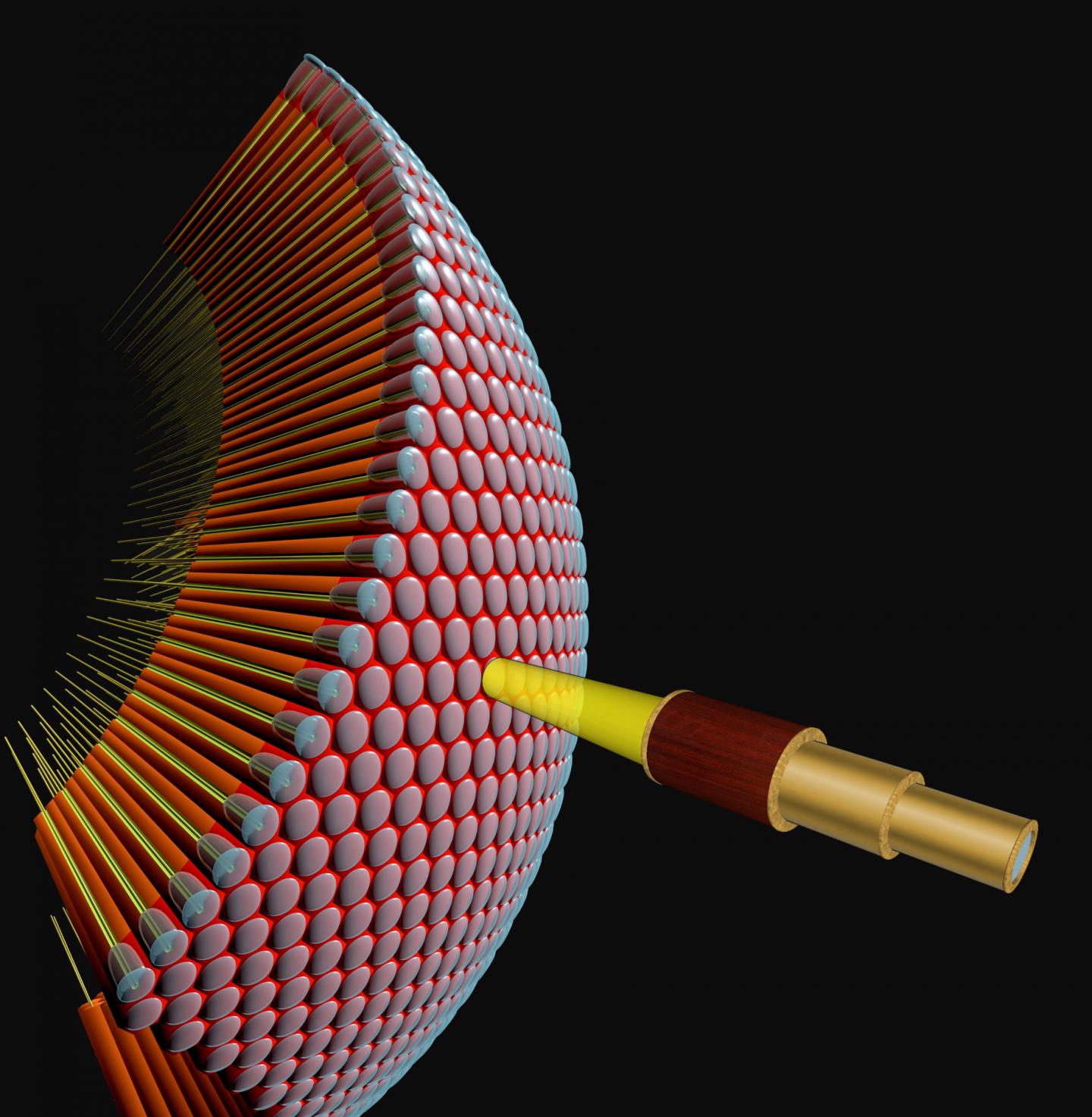
The fly brain recognizes and processes movements very quickly and accurately. As indicated by their name, photoreceptor cells in the eye respond to light: is an image point bright or dark? They do not indicate the direction of a movement. This perception only arises in the brain through the comparative computations of light signals coming from adjacent image points. Engineers, physicists and neurobiologists have been debating the exact nature of these computations for around 50 years. Scientists from the Max Planck Institute of Neurobiology have now combined two theories about these computations, which were previously considered to be alternative hypotheses - and discovered that they are carried out in a single neuron.
| Full article | 0 Comments | 18254 views |
| Molecular & Cell Biology | August 8, 2016 05:16 PM |

3-D reconstruction of a GluMI cell at the ultrastructural level showing its input (magenta puncta) and output (yellow puncta) obtained using serial block face scanning electron microscopy. In the retina of mice, a new type of neuron that falls outside century-old classifications has been discovered.
| Full article | 0 Comments | 18144 views |
| Molecular & Cell Biology | August 4, 2016 06:02 PM |
Duke Health-led researchers have discovered new information about the signaling mechanism of cells that could one day help guide development of more specific drug therapies.
| Full article | 0 Comments | 18655 views |
| Molecular & Cell Biology | August 4, 2016 06:02 PM |
Proteins that bind DNA or RNA are usually put in different categories, but researchers at Umeå University in Sweden and Inserm in France recently showed how the p53 protein has the capacity to bind both and how this controls gene expression on the levels of both transcription (RNA synthesis) and mRNA translation (protein synthesis). The discovery was presented in the July issue of the journal Oncogene.
| Full article | 0 Comments | 7604 views |
| Molecular & Cell Biology | August 2, 2016 05:08 PM |
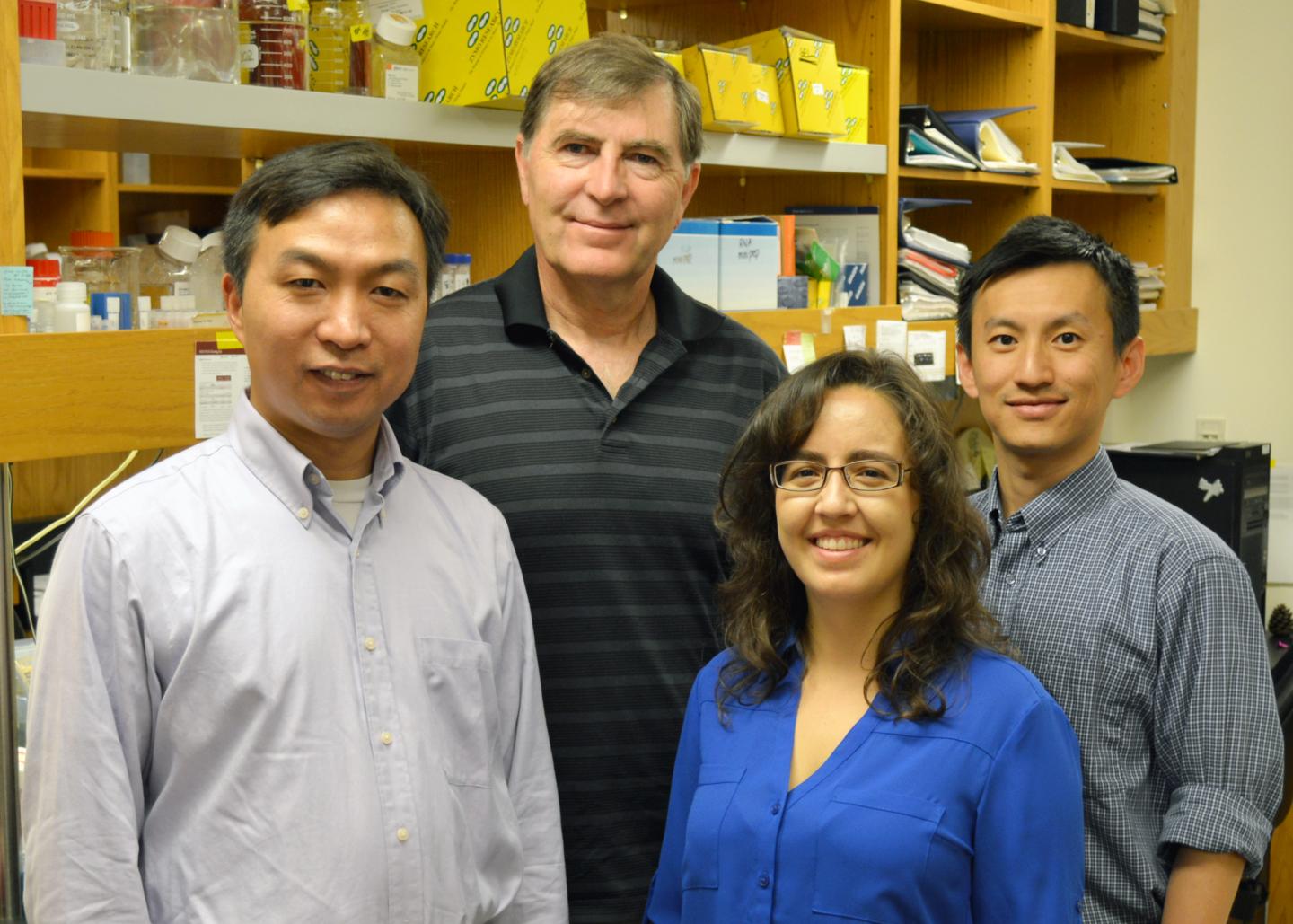
Authors of the new paper include (left to right) Changchun Xiao, David Nemazee, Alicia Gonzalez Martin and Maoyi Lai of The Scripps Research Institute. A new study, led by scientists at The Scripps Research Institute (TSRI), reveals a surprising twist in immune biology.
| Full article | 0 Comments | 7030 views |
| Molecular & Cell Biology | July 26, 2016 03:43 PM |
Roundworms (Caenorhabditis elegans) with a disabled eri-1 gene can lose their ability to control repetitive DNA. In the absence of eri-1, even two age-matched siblings can look dramatically different. 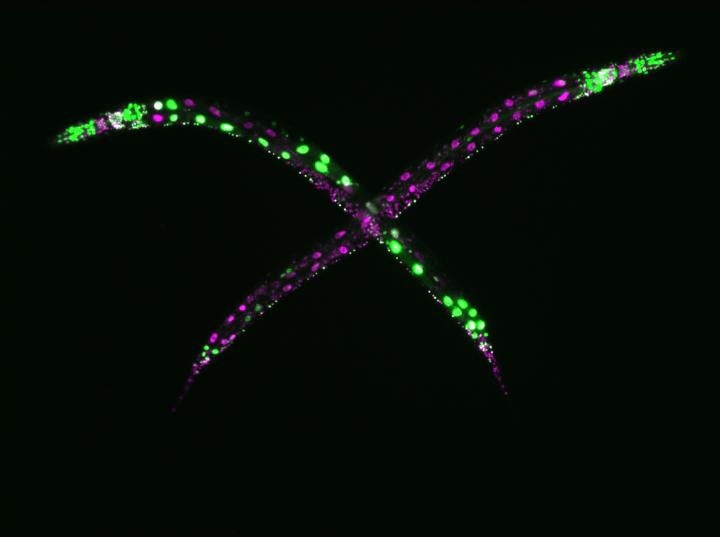
| Full article | 0 Comments | 6537 views |
| Molecular & Cell Biology | July 14, 2016 05:11 PM |
Atomic force microscopy image of the pore. The best hiding place often lies behind enemy lines, as many bacteria such as the pathogens responsible for tuberculosis or typhoid have realized. They invade immune cells and can survive there, well hidden, for some time. To eliminate such invaders, the host macrophages can initiate a suicide program. Together with researchers at the Novartis Institute for Biomedical Research and ETH Zurich, the team led by Prof. Sebastian Hiller from the Biozentrum at the University of Basel has shown for the first time that a "death protein" perforates the cell membrane, resulting in macrophage bursting open. The re-exposed pathogens can then again be fought by the immune system.
| Full article | 0 Comments | 6930 views |
| Molecular & Cell Biology | July 14, 2016 05:11 PM |
A powerful new technology that maps the "social network" of proteins in breast cancer cells is providing detailed understanding of the disease at a molecular level and could eventually lead to new treatments, Australian scientists say.
| Full article | 0 Comments | 6313 views |
| Molecular & Cell Biology | July 13, 2016 05:55 PM |
A common feature of cancer and aging is cells' reduced ability to respond to stress-induced damage to DNA or cellular structures. Specifically, changes occur in the protective processes of apoptosis and cellular senescence, whose roles in cancer and aging are thoroughly reviewed by Cerella et al. in Current Drug Targets (Bentham Science Publishers). The authors outline the evidence that these processes are regulated by separate but intertwined pathways. Understanding the precise mechanisms, they conclude, could lead to combination therapies for cancer and aging able to harness the benefits of both apoptosis and senescence, while limiting the drawbacks of either.
| Full article | 0 Comments | 6220 views |
| Molecular & Cell Biology | July 13, 2016 05:55 PM |
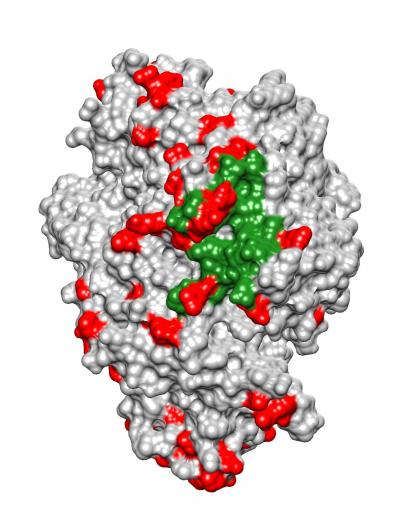
Aminopeptidase N is a protein that acts as a receptor for coronaviruses, the family of viruses behind recent epidemics of SARS and MERS, among others. BETHESDA, MD - The constant battle between pathogens and their hosts has long been recognized as a key driver of evolution, but until now scientists have not had the tools to look at these patterns globally across species and genomes. In a new study, researchers apply big-data analysis to reveal the full extent of viruses' impact on the evolution of humans and other mammals.
| Full article | 0 Comments | 6309 views |
| Molecular & Cell Biology | July 11, 2016 05:01 PM |
Every cancer starts with a single cell, and Jackson Laboratory (JAX) researchers have found a precise and reliable way -- whole-genome profiling of open chromatin -- to identify the kind of cell that leads to a given case of leukemia, a valuable key to cancer prognosis and outcome.
| Full article | 0 Comments | 6173 views |
| Molecular & Cell Biology | July 7, 2016 05:18 PM |
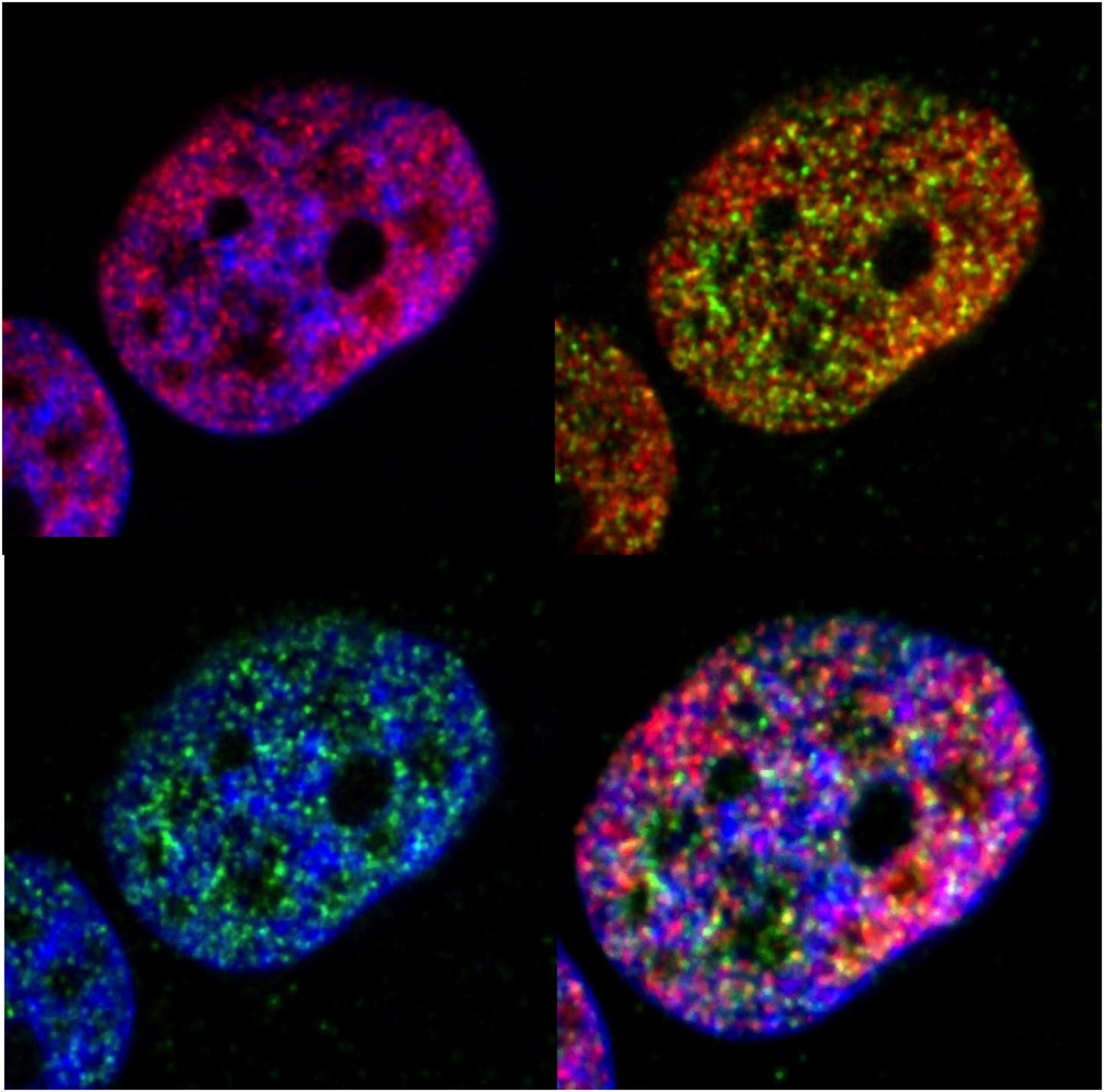
Immunofluorescent breast cancer cells used in this study. Sometimes, the silencing of a gene is as important as its activation. Nonetheless, up to now, most studies on hormone-mediated gene regulation have focused on researching the factors that influence the activation of certain genes. Little attention has been paid to gene silencing.
| Full article | 0 Comments | 6099 views |
| Molecular & Cell Biology | June 27, 2016 05:29 PM |
Infertility affects about 15 percent of couples around the world. A couple's fertility depends on both the female's and male's ability to reproduce, which relies on thousands of genes working properly. In the male mouse, more than 1,000 genes are predominantly expressed in the testis, but their particular functions in reproduction are still a mystery. In a report published today in the Proceedings of the National Academy of Sciences, researchers from Baylor College of Medicine, Osaka University, University of Oulu and the Wellcome Trust Sanger Institute have discovered that 54 of the mouse testis-enriched genes, that also are expressed in humans, are not necessary for male fertility.
| Full article | 0 Comments | 5912 views |
| Molecular & Cell Biology | June 23, 2016 04:55 PM |
A molecule that enables strong communication between our brain and muscles appears to also aid essential communication between our neurons, scientists report.
| Full article | 0 Comments | 6224 views |
| Molecular & Cell Biology | June 13, 2016 05:20 PM |
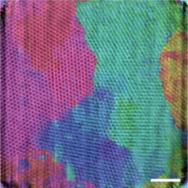
When you look very close up at a butterfly wing, you can see this patchwork map of lattices with slightly different orientations (colors added to illustrate the domains). Scientists used X-rays to discover what creates one butterfly effect: how the microscopic structures on the insect's wings reflect light to appear as brilliant colors to the eye.
| Full article | 0 Comments | 7088 views |
| Molecular & Cell Biology | June 13, 2016 05:20 PM |
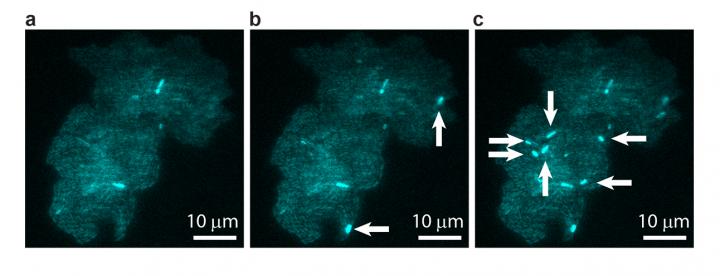
A bacterial colony showing individual cells undergoing transposable element events, resulting in blue fluorescence. "Jumping genes" are ubiquitous. Every domain of life hosts these sequences of DNA that can "jump" from one position to another along a chromosome; in fact, nearly half the human genome is made up of jumping genes. Depending on their specific excision and insertion points, jumping genes can interrupt or trigger gene expression, driving genetic mutation and contributing to cell diversification. Since their discovery in the 1940s, researchers have been able to study the behavior of these jumping genes, generally known as transposons or transposable elements (TE), primarily through indirect methods that infer individual activity from bulk results. However, such techniques are not sensitive enough to determine precisely how or why the transposons jump, and what factors trigger their activity.
| Full article | 0 Comments | 6005 views |
| Molecular & Cell Biology | June 13, 2016 05:20 PM |
Biologically speaking, we carry the outside world within us. The food we ingest each day and the trillions of microbes that inhabit our guts pose a constant risk of infection--and all that separates us from these foreign entities is a delicate boundary made of a single layer of cells.
| Full article | 0 Comments | 6291 views |
| Molecular & Cell Biology | June 10, 2016 05:04 PM |
Northwestern Medicine and University of Wisconsin-Madison (UW) scientists have identified a gene that causes severe glaucoma in children. The finding, published in The Journal of Clinical Investigation, validates a similar discovery made by the scientists in mice two years ago and suggests a target for future therapies to treat the devastating eye disease that currently has no cure.
| Full article | 0 Comments | 6746 views |
| Molecular & Cell Biology | June 2, 2016 06:38 PM |
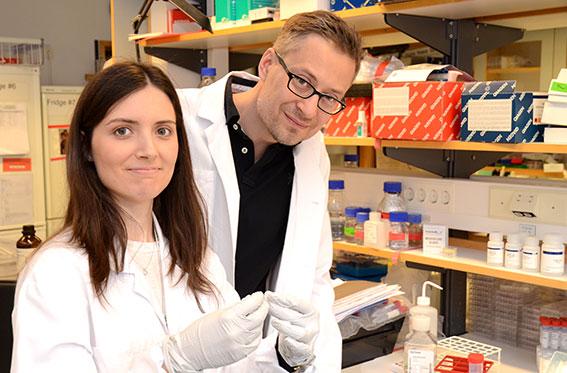
Johan Flygare and Sandra Capellera. Eight days. That's how long it takes for skin cells to reprogram into red blood cells. Researchers at Lund University in Sweden, together with colleagues at Center of Regenerative Medicine in Barcelona, have successfully identified the four genetic keys that unlock the genetic code of skin cells and reprogram them to start producing red blood cells instead.
| Full article | 0 Comments | 6729 views |
| Molecular & Cell Biology | June 2, 2016 06:38 PM |
For a long time dismissed as "junk DNA", we now know that also the regions between the genes fulfil vital functions. Mutations in those DNA regions can severely impair development in humans and may lead to serious diseases later in life. Until now, however, regulatory DNA regions have been hard to find. Scientists around Prof. Julien Gagneur, Professor for Computational Biology at the Technical University of Munich (TUM) and Prof. Patrick Cramer at the Max Planck Institute (MPI) for Biophysical Chemistry in Göttingen have now developed a method to find regulatory DNA regions which are active and controlling genes.
| Full article | 0 Comments | 6773 views |
| Molecular & Cell Biology | June 1, 2016 05:30 PM |
New identification of a gene involved in the fracture healing process could lead to the development of new therapeutic treatments for difficult-to-heal injuries.
| Full article | 0 Comments | 7224 views |
| Molecular & Cell Biology | May 31, 2016 06:05 PM |
New research by Steven Laviolette's research team at Western University is contributing to a better understanding of the ways opiate-class drugs modify brain circuits to drive the addiction cycle. Using rodent models of opiate addiction, Dr. Laviolette's research has shown that opiates affect pathways of associative memory formation in multiple ways, both at the level of anatomy (connections between neurons) and at the molecular levels (how molecules inside the brain affect these connections). The identification of these opiate-induced changes offers the best hope for developing more effective pharmacological targets and therapies to prevent or reverse the effect of opiate exposure and addiction. These results were presented at the 10th Annual Canadian Neuroscience Meeting, taking place May 29 to June 1 2016, in Toronto, Canada.
| Full article | 0 Comments | 6353 views |
| Molecular & Cell Biology | May 30, 2016 05:23 PM |
Scientists at the University of Birmingham are a step closer to understanding the role of the gene BRCA1. Changes in this gene are associated with a high risk of developing breast and ovarian cancer.
| Full article | 0 Comments | 5907 views |
Return to Biology News Net Homepage

- In some genetic cases of microcephaly, stem cells fail to launch
- Yale team discovers how Zika virus causes fetal brain damage
- Scientists uncover the way a common cell enzyme alerts the body to invading bacteria
- Arctic gives clues on worst mass extinction of life
- Calcium channel blockers caught in the act at atomic level
- Flexibility That A.C.A. Lent to Work Force Is Threatened by...International Herald Tribune
- Bacteria Behind Legionnaires’ Disease Found at New York Police StationInternational Herald Tribune
- Prescription Price Crisis? 28 Million Americans See Spike in Drug...MSNBC.com: Health
- Seizing on Opioid Crisis, a Drug Maker Lobbies Hard for...International Herald Tribune
- Republicans are taking a big political risk on health careAP Health News
- Why We're So Divided Over Saving WolvesNational Geographic News
Top Biology News about Molecular & Cell Biology
Biology Articles & News
Last 7 Days
Biology Articles & News
Most popular ever in Molecular & Cell Biology
- Human kidney progenitors isolated, offering new clues to cell renewal (533655)
- The proteins that domesticated our genomes (411154)
- Fragments of tRNA suggest a novel mechanism for cancer progression (102618)
- Rochester biologist modifies theory of cells' engines (55414)
- Calcium channel blockers caught in the act at atomic level (42390)
- Scientists uncover the way a common cell enzyme alerts the body to invading bacteria (39904)
- Study of complete RNA collection of fruit fly uncovers unprecedented complexity (32632)