

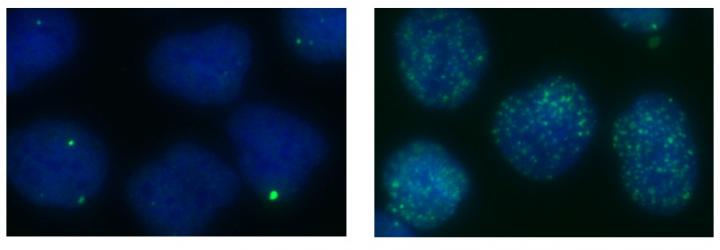
The scientists found that genome instability increases in cells as XPG levels decrease. The green spots mark locations of DNA double-strand breaks. If you have a soft spot for unsung heroes, you'll love a DNA repair protein called XPG. Scientists from the U.S. Department of Energy's Lawrence Berkeley National Laboratory (Berkeley Lab) discovered that XPG plays a previously unknown and critical role helping to maintain genome stability in human cells. Their findings also raise the possibility that the protein helps prevent breast, ovarian, and other cancers associated with defective BRCA genes.

| Molecular & Cell Biology | January 28, 2016 08:54 PM |
| Full story | 0 Comments | 7427 views |

| Biology | January 28, 2016 08:54 PM |
In the brain, the visual cortex processes visual information and passes it from lower to higher areas of the brain. However, information also flows in the opposite direction, e.g. to direct attention to particular stimuli. But how does the brain know which path the information should take? Researchers at the Ernst Strüngmann Institute (ESI) for Neuroscience in Frankfurt in Cooperation with Max Planck Society have now demonstrated that the visual cortex of human subjects uses different frequency channels depending on the direction in which information is being transported. Their findings were only possible thanks to previous research with macaque monkeys. They might help to understand the cause of psychiatric illnesses in which the two channels appear to be mixed up.
| Full story | 0 Comments | 7781 views |
| Molecular & Cell Biology | January 28, 2016 08:54 PM |
It is well known that a predisposition to adiposity lies in our genes. A new study by researchers at the Max Planck Institute of Immunobiology and Epigenetics in Freiburg now shows that it is also crucial how these genes are regulated. The scientists led by Andrew Pospisilik discovered a novel regulatory, epigenetic switch, which causes individuals with identical genetic material, such as monozygotic twins, to either be lean or obese. Interestingly, much like a classical light switch there are only two discrete outcomes -- ON and OFF, or rather obese and not obese -- not continuous increments as with a dimmer. These new insights fundamentally alter our understanding of how epigenetics influences gene outcomes.
| Full story | 0 Comments | 6427 views |

| AIDS & HIV | January 28, 2016 08:54 PM |
HIV drug resistance to tenofovir, an antiretroviral drug vital to most modern HIV treatment and prevention strategies, is surprisingly and worryingly common according to a large study led by UCL (University College London) and funded by the Wellcome Trust.
| Full story | 0 Comments | 31226 views |
| Biology | January 25, 2016 04:50 PM |

Aegean wall lizard resting on rock Resting out in the open on rocks can be a risky business for Aegean wall lizards. Out in these habitats they have nowhere to hide and their backs, which show varying shades of green and brown between individuals, are dangerously exposed to birds hunting in the skies above.
| Full story | 0 Comments | 9292 views |
| Molecular & Cell Biology | January 25, 2016 04:50 PM |
A team of scientists has uncovered greater intricacy in protein signaling than was previously understood, shedding new light on the nature of genetic production.
| Full story | 0 Comments | 6636 views |

| Stem Cell Research | January 25, 2016 04:50 PM |
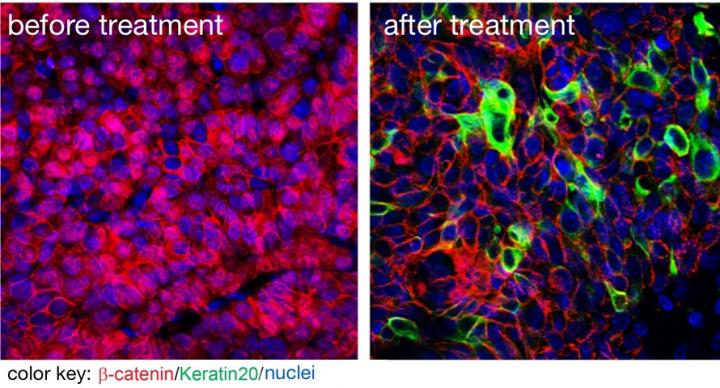
A new inhibitor suppresses tumor growth and cancer stem cells. The image on the left shows beta catenin (red) in cell nuclei indicating that these are cancer stem cells. All tumor cells are the offspring of a single, aberrant cell, but they are not all alike. Only a few retain the capacity of the original cell to create an entire tumor. Such cancer stem cells can migrate to other tissues and become fatal metastases. To fully cure a patient's cancer, it is crucial to find and eliminate all of these cells because any that escape can regenerate the tumor and trigger its spread through the body.
| Full story | 0 Comments | 8305 views |
| Molecular & Cell Biology | January 23, 2016 03:39 AM |
The immune system exercises constant vigilance to protect the body from external threats--including what we eat and drink. A careful balancing act plays out as digested food travels through the intestine. Immune cells must remain alert to protect against harmful pathogens like Salmonella, but their activity also needs to be tempered since an overreaction can lead to too much inflammation and permanent tissue damage.
| Full story | 0 Comments | 7259 views |

| Health & Medicine | January 23, 2016 03:39 AM |
One of the most common genetic disorders is a condition called neurofibromatosis, which causes brown spots on the skin and benign tumors on the brain, spinal cord and other parts of the nervous system.
| Full story | 0 Comments | 8908 views |
| Molecular & Cell Biology | January 23, 2016 03:39 AM |
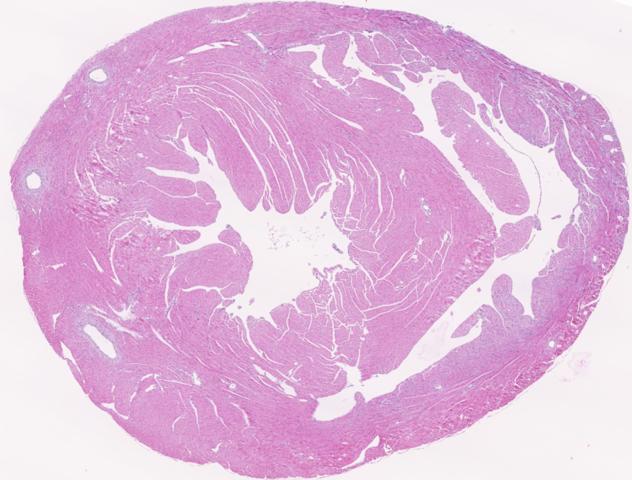
A histological section of a heart. Researchers at the Centro Nacional de Investigaciones Cardiovasculares Carlos III (CNIC) have identified how two proteins control the growth of the heart and its adaptation to high blood pressure (hypertension). Lead investigator Dr. Guadalupe Sabio explains that the results, described in Nature Communications, not only increase our understanding of the mechanisms used by cardiac cells to grow and adapt, but could also help in the design of new strategies to treat heart failure caused by excessive growth of the heart. The study, carried out by Dr. Sabio and CNIC investigator Bárbara Gonzalez-Terán, shows for the first time that two proteins, p38 gamma and p38 delta, control heart growth.
| Full story | 0 Comments | 5828 views |

| Biotechnology | January 23, 2016 03:39 AM |
In a discovery that may lead to ways to prevent frost on airplane parts, condenser coils, and even windshields, a team of researchers led by Virginia Tech has used chemical micropatterns to control the growth of frost caused by condensation.
| Full story | 0 Comments | 7281 views |
| Molecular & Cell Biology | January 23, 2016 03:39 AM |
This meeting will focus on the genetics, biochemistry, and biology of Krüppel-like factors (KLFs) as well as their structurally and functionally related, Specificity Proteins (Sps) along with their impact on human diseases. Significant efforts will be given to discussing the application of KLF/SP-based tools to gene editing and cell-based therapies for regenerative medicine (iPS cells). KLFs/SP proteins constitute a single family of zinc finger-containing transcription factors that exhibit homology to the Drosophila gap gene product, Krüppel. There are at least 18 KLFs and 9 Sp proteins, with a multitude of important functions including regulation of proliferation, differentiation, inflammation/immunity, metabolism, and carcinogenesis. Dysregulation of KLF/SP-mediated pathways contributes to pathological states such as obesity, cancer, and inflammatory conditions. Recent studies indicate that many of these transcription factors have the ability to reprogram somatic cells to inducible pluripotent stem (iPS) cells, and to maintain the pluripotent state of embryonic stem cells; interestingly, several members can substitute for one another in establishing and/or maintaining pluripotency. This transformational discovery has elicited the attention of investigators and medical practitioners from the field of Regenerative Medicine. Molecular insights derived from zinc finger-DNA interactions, which have been derived and most thoroughly validated from work on Sp/KLF proteins has given rise to a new area of research that is growing exponentially, namely gene-editing by artificial KLF-like zinc finger proteins that allow for in vivo gene mutation, mutation repair, deletions, insertion and other type of engineering for both research and medical practice. Thus, the scope and the impact of our 2016 meeting, we will have investigators that discuss the use of Zinc finger nucleases, TALENS, and CAS/CRISPR systems. Lastly, many additional and novel roles for various Sp/KLFs in normal and disease states are only now being fully studied and explored. We expect that through the interaction fostered in this meeting will fuel subsequent collaborations, lead to the design of new diagnostic and therapeutic approaches for broad array diseases. This is truly and international meeting which counts with a confirmed list of speakers from USA, Canada, Europe, and Asia. A large number of oral presentations will be selected from the abstracts, and the selected talks, poster presentations, and recreational activities will provide students and postdoctoral fellows opportunities to exchange ideas and formulate new collaborations.
| Full story | 0 Comments | 5864 views |
| Biotechnology | January 23, 2016 03:39 AM |
Bethesda, MD - Genome engineering is a rapidly growing discipline that seeks to develop new technologies for the precise manipulation of genes and genomes in cellula and in vivo. In addition to its utility for advancing our understanding of basic biology, genome engineering has numerous real-world applications, ranging from correction of disease-causing mutations in humans to engineering plants that better provide fuel, food and industrial raw materials. The first clinical trials and patient treatments using genome engineering approaches are now a reality. The scope of this meeting is expansive, encompassing multiple approaches for modifying genomes - from transgenesis and gene targeting to the creation of synthetic genomes. The experimental models featured include bacteria, fungi, model organisms (e.g.-- Drosophila, C. elegans, zebrafish, mice, rats), plants, humans, and animals including livestock. We anticipate that this diversity of approaches and experimental systems will create a stimulating meeting environment that will enable new insights and advance the field.
| Full story | 0 Comments | 6854 views |
| Biology | January 19, 2016 03:57 PM |
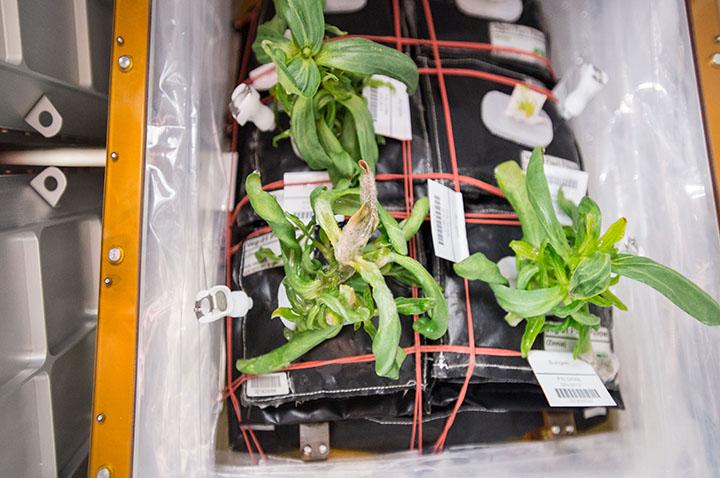
Mold growth initially grew on the plant in pillow E in the bottom left corner of the plant mat. When Scott Kelly tweeted a picture of moldy leaves on the current crop of zinnia flowers aboard the International Space Station, it could have looked like the science was doomed. In fact, science was blooming stronger than ever. What may seem like a failure in systems is actually an exceptional opportunity for scientists back on Earth to better understand how plants grow in microgravity, and for astronauts to practice doing what they'll be tasked with on a deep space mission: autonomous gardening.
| Full story | 0 Comments | 8385 views |

| Bioinformatics | January 19, 2016 03:57 PM |
A team of scientists from Germany, USA, and Russia, including Dr. Mark Borodovsky, a Chair of the Department of Bioinformatics at MIPT, have proposed an algorithm to automate the process of searching for genes, making it more efficient. The new development combines the advantages of the most advanced tools for working with genomic data. The new method will enable scientists to analyse DNA sequences faster and more accurately and identify the full set of genes in a genome.
| Full story | 0 Comments | 7437 views |

| Environment | January 19, 2016 03:57 PM |
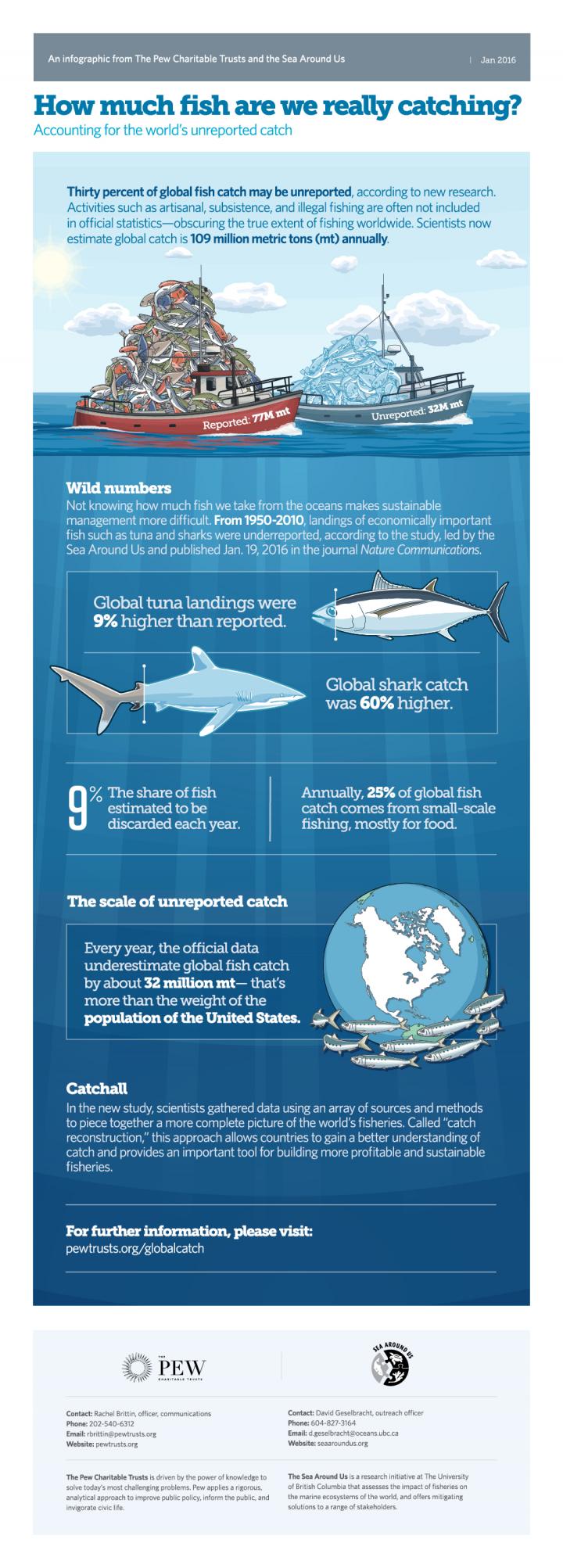
Thirty percent of global fish catch may be unreported, according to new research. Countries drastically underreport the number of fish caught worldwide, according to a new study, and the numbers obscure a significant decline in the total catch .
| Full story | 0 Comments | 7153 views |
| Molecular & Cell Biology | January 18, 2016 06:33 PM |
Cancers evolve over time in patterns governed by the same natural laws that drive physical and chemical processes as diverse as the flow of rivers or the brightness of stars, a new study reports.
| Full story | 0 Comments | 7166 views |
| Molecular & Cell Biology | January 18, 2016 06:33 PM |
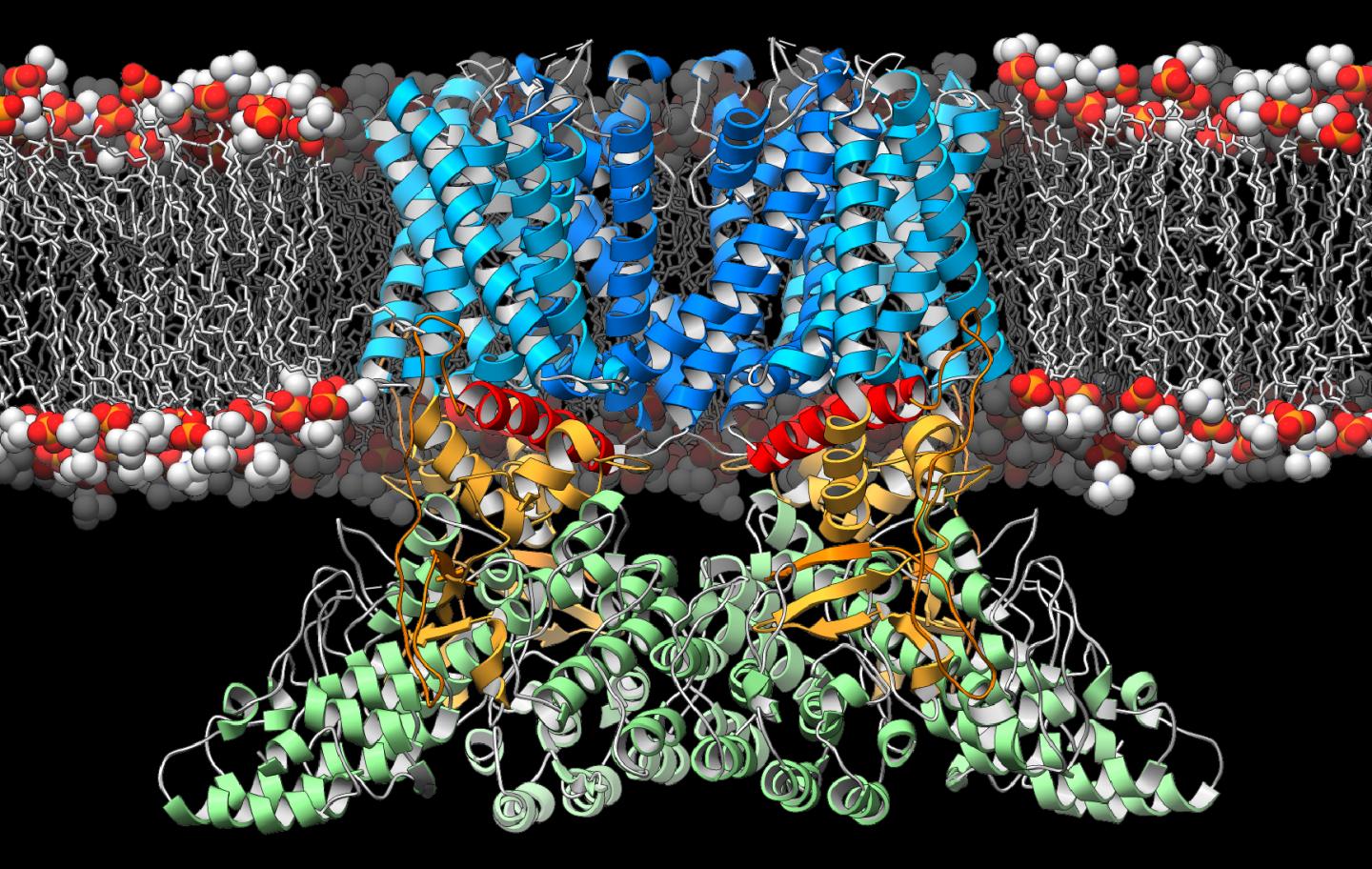
A new study from The Scripps Research Institute and Duke University Medical Center reveals the three-dimensional structure of a crucial ion channel Many cells have microscopic gates, called ion channels, which open to allow the flow of ions across the cell membrane. Thanks to these gates, cells can detect stimuli such as heat, pain, pressure and even spicy food.
| Full story | 0 Comments | 5155 views |

| Microbiology | January 15, 2016 06:26 PM |
The Zika virus, possibly linked to serious birth defects in Brazil, has the potential to spread within the Americas, including parts of the United States, according to an international team of researchers who track the spread of infectious diseases.
| Full story | 0 Comments | 11160 views |
| Biology | January 15, 2016 06:26 PM |

This image shows a range of wing pattern combinations in various Heliconius butterfly species. Clockwise from top left: elevatus; contigua; rosina; meriana; malleti. New research on butterfly genomes has revealed that the genetic components that produce different splotches of colour on wings can be mixed up between species by interbreeding to create new patterns, like a "genetic paint-box".
| Full story | 0 Comments | 8240 views |
| Biology | January 15, 2016 06:26 PM |

Two chimpanzees interact in Gombe National Park, Tanzania. Spending time in close contact with others often means risking catching germs and getting sick. But being sociable may also help transmit beneficial microbes, finds a multi-institutional study of gut microbiomes in chimpanzees.
| Full story | 0 Comments | 7679 views |
| Microbiology | January 15, 2016 06:26 PM |
While scientists have known for years that African trypanosomes cause sleeping sickness, they've been left scratching their heads as to how these tiny single-celled organisms communicate. A University of Georgia study, published Jan. 14 in the journal Cell, helps solve this mystery.
| Full story | 0 Comments | 6208 views |
| Molecular & Cell Biology | January 15, 2016 06:26 PM |
When it comes to genes associated with cancer, none have been studied more extensively than p53, a tumor suppressor gene that serves as the guardian of our genetic information. More than half of all cancers have mutations of p53, meaning that this particular gene must often be suppressed in order for a cancer to grow and spread.
| Full story | 0 Comments | 5502 views |
| Biotechnology | January 13, 2016 07:35 PM |
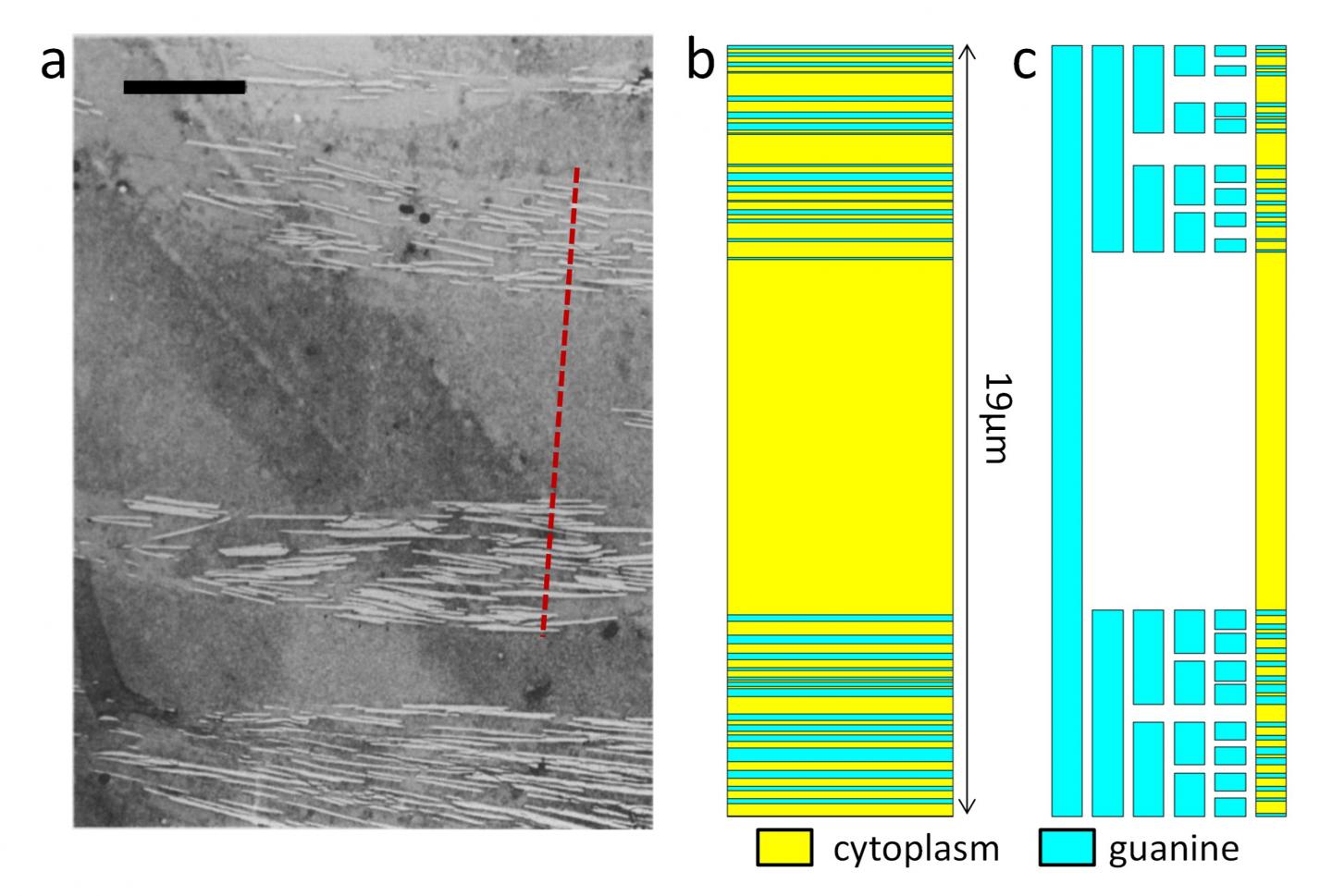
A transmission electron microscope image of ribbonfish skin shows random arrangements of crystalline quinine embedded in cytoplasm (a). The arrangement of crystal layers reflects light across a broad spectrum. A nature-inspired method to model the reflection of light from the skin of silvery fish and other organisms may be possible, according to Penn State researchers.
| Full story | 0 Comments | 7861 views |
| Health & Medicine | January 13, 2016 07:35 PM |
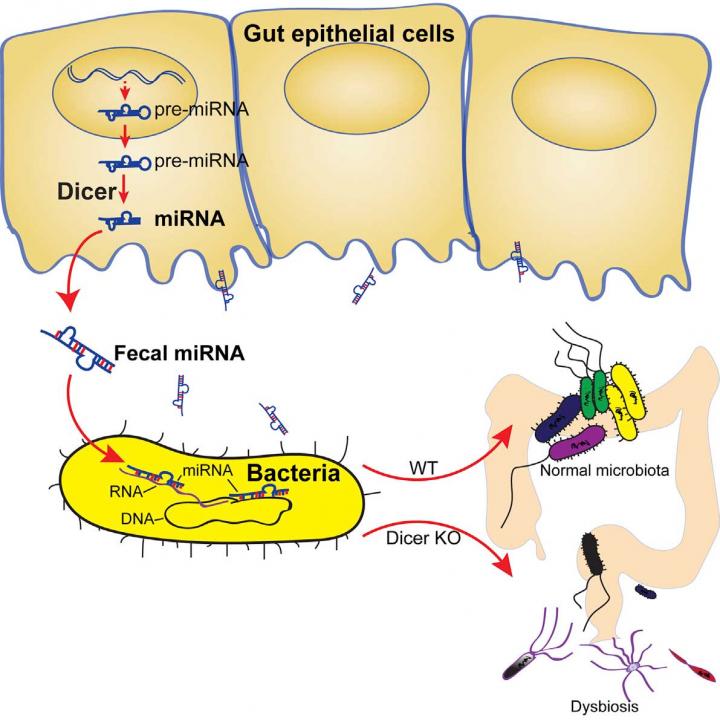
How the host shapes the microbiota is
unclear. Gut microbes are well known to contribute to health and disease, but what has been less clear is how the host controls gut microbes. A study published January 13 in Cell Host & Microbe now reveals that mice and humans produce small molecules (microRNAs) from their GI tract, which are shed in feces, to regulate the composition of gut microbes and thereby protect against intestinal diseases such as colitis.
| Full story | 0 Comments | 6424 views |
| Molecular & Cell Biology | January 12, 2016 06:32 PM |
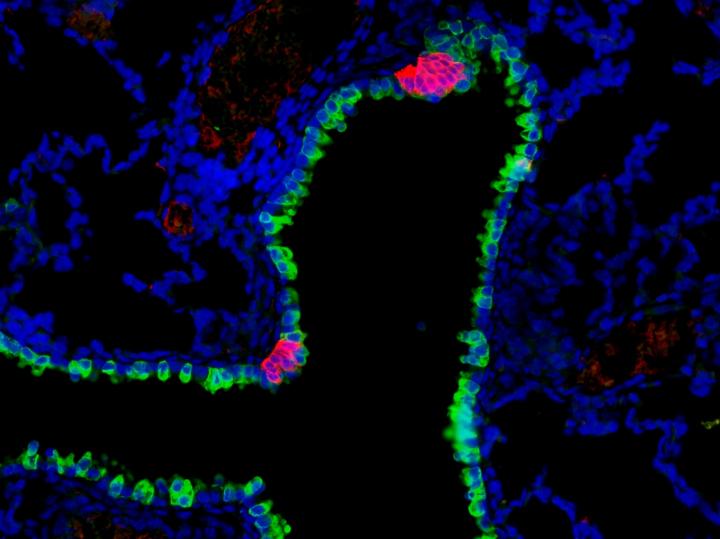
Pulmonary neuroendocrine cells (red) are rare cells found in clusters along the mammalian airway, where they act as sensors, sending information to the central nervous system. These clusters are found... An uncommon and little-studied type of cell in the lungs has been found to act like a sensor, linking the pulmonary and central nervous systems to regulate immune response in reaction to environmental cues.
| Full story | 0 Comments | 5406 views |
| Health & Medicine | January 12, 2016 06:32 PM |
Individuals addicted to cocaine may have difficulty in controlling their addiction because of a previously-unknown 'back door' into the brain, circumventing their self-control, suggests a new study led by the University of Cambridge.
| Full story | 0 Comments | 7137 views |
| Environment | January 12, 2016 06:32 PM |

In terms of evolutionary history, less than a quarter of wrasse species receive minimum protection levels. Marine scientists are calling for a re-think of how marine protected areas (MPAs) are planned and coordinated, following a global assessment of the conservation of tropical corals and fishes.
| Full story | 0 Comments | 5886 views |
The Institut Pasteur in French Guiana publishes the first complete genome sequence of the Zika virus |
| Microbiology | January 11, 2016 05:41 PM |
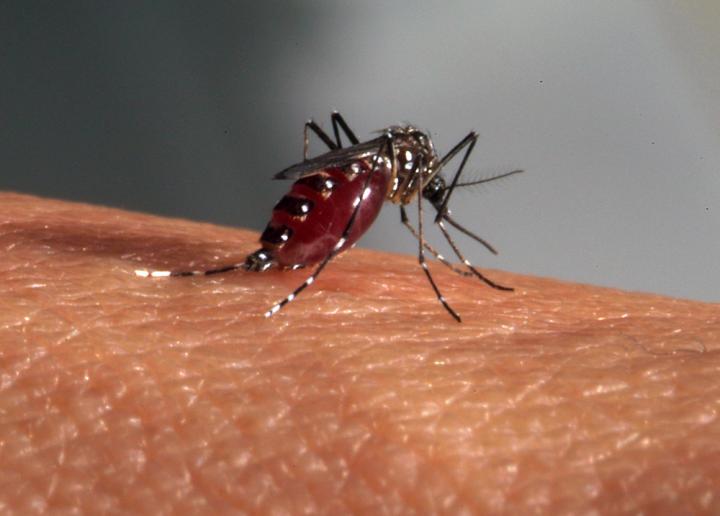
This is an Aedes aegypti mosquito. Having confirmed the first cases of infection in Suriname then in French Guiana, the Institut Pasteur in French Guiana has sequenced the complete genome of the Zika virus, which is responsible for an unprecedented epidemic currently sweeping through the tropical regions of the Americas. Published in The Lancet medical journal, the analysis of this sequence shows almost complete homology with the strains responsible for the epidemic that occurred in the Pacific in 2013 and 2014.
| Full story | 0 Comments | 7126 views |
| Health & Medicine | January 11, 2016 05:41 PM |
Physicians treating patients with metastatic melanoma -- one of the most aggressive forms of skin cancer -- may soon have a superior tool in their efforts to closely track the disease.
| Full story | 0 Comments | 5918 views |
| Biology | January 6, 2016 07:56 PM |
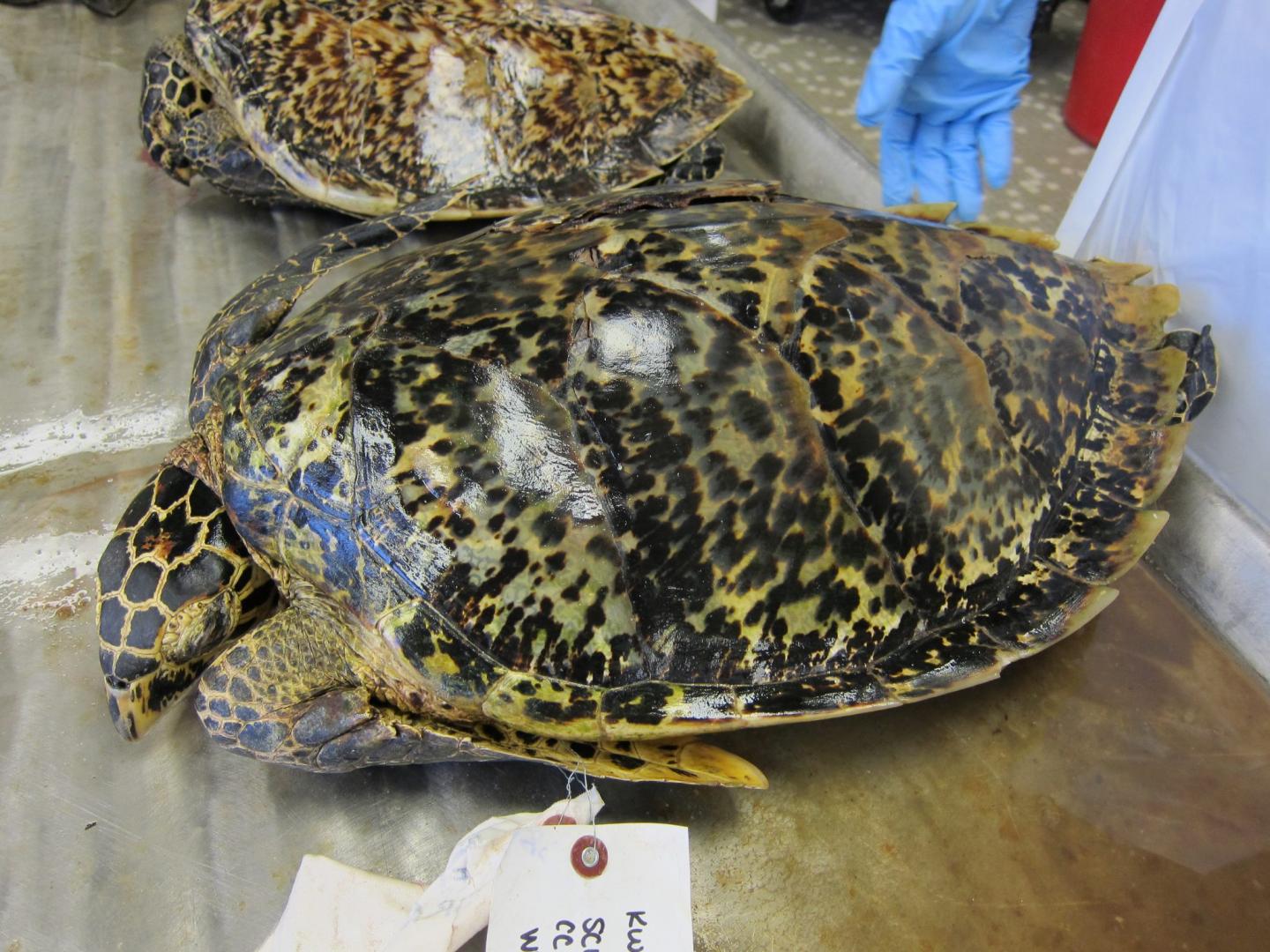
In addition to their natural beauty, the shells of two deceased specimens of Hawksbill sea turtles hold clues to the growth rates and sexual maturity of the endangered species. Radiocarbon dating of atomic bomb fallout found in sea turtle shells can be used to reliably estimate the ages, growth rates and reproductive maturity of sea turtle populations in the wild, a new study led by Duke University and NOAA researchers finds.
| Full story | 0 Comments | 9628 views |
| Health & Medicine | January 6, 2016 07:55 PM |
A study recently published in the American Journal of Managed Care found that more than half of primary care providers reported that they made what they considered unnecessary referrals to a specialist because patients requested it. Many physicians said they yielded to patient requests for brand-name drug prescriptions when cheaper generics were available. This study was conducted by Sapna Kaul, assistant professor of health economics in The University of Texas Medical Branch at Galveston department of preventive medicine and community health, in collaboration with researchers from the Massachusetts General Hospital and Harvard Medical School.
| Full story | 0 Comments | 6224 views |
| Molecular & Cell Biology | January 6, 2016 07:55 PM |
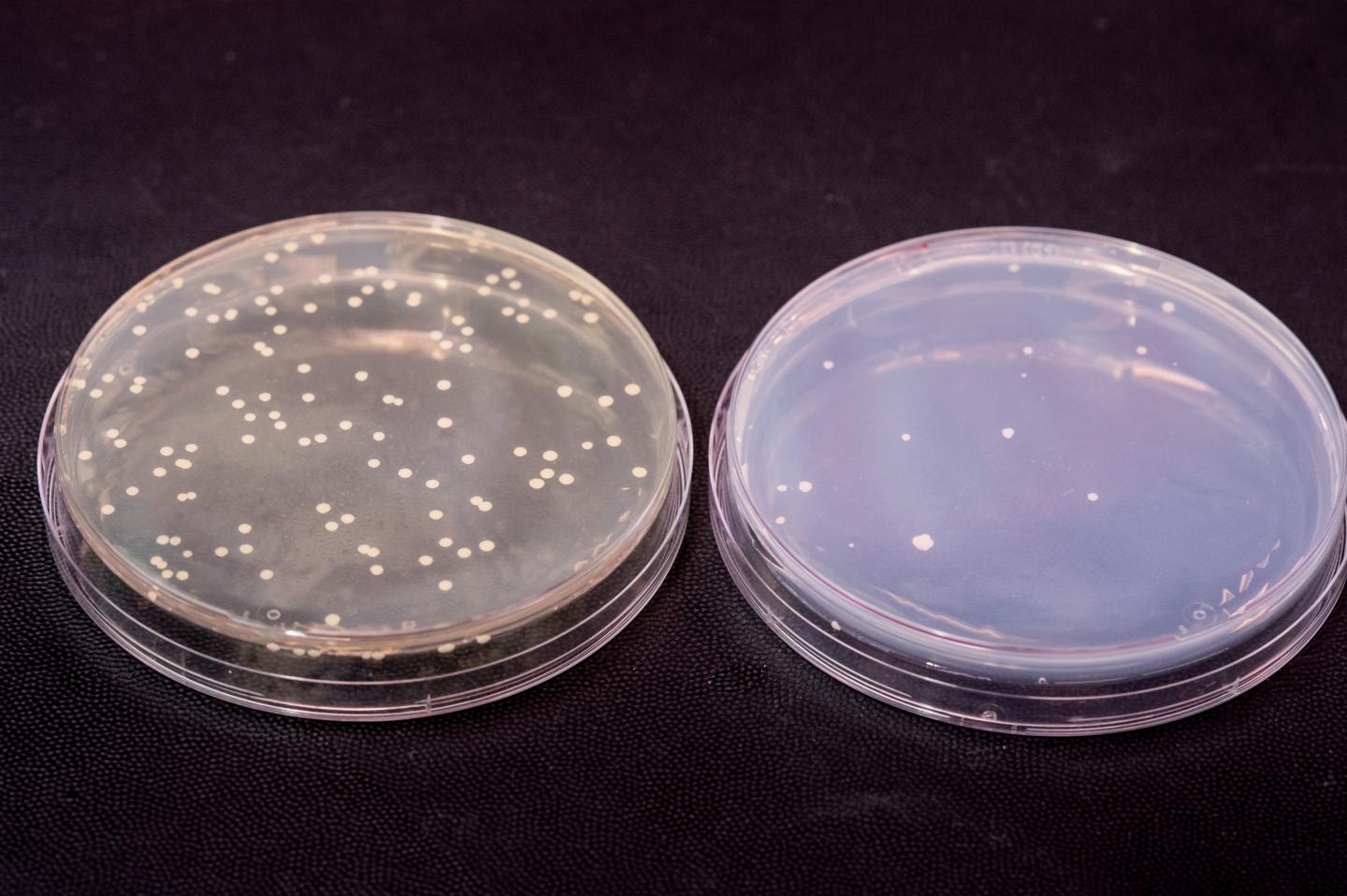
Researchers counted cells in plates, using different solutions in each plate, to determine changes in cells. A team of researchers from Colorado State University has been studying DNA damage in living cells to learn more about how genetic abnormalities arise. It has long been known that DNA molecules in every cell get constantly damaged by things from the outside environment, like sunlight, cigarette smoke and radiation. However, more recently researchers have discovered that sources from within the cell itself can sometimes be even more damaging.
| Full story | 0 Comments | 7142 views |
| Bioinformatics | January 6, 2016 07:55 PM |
In October, an interdisciplinary group of scientists proposed forming a Unified Microbiome Initiative (UMI) to explore the world of microorganisms that are central to life on Earth and yet largely remain a mystery. An article in the journal ACS Nano describes the tools scientists will need to understand how microbes interact with each other and with us.
| Full story | 0 Comments | 6834 views |
| Biology | January 4, 2016 04:01 PM |
Widespread failure to reproduce research results has triggered a crisis of confidence in research findings, eroding public trust in scientific methodology. In response, PLOS Biology is launching on January 4th, 2016, a new Meta-Research Section devoted to research on research.
| Full story | 0 Comments | 8458 views |
| Biology | January 4, 2016 04:01 PM |
Chameleons are known for sticking their tongues out at the world fast and far, but until a new study by Brown University biologist Christopher Anderson, the true extent of this awesome capability had been largely overlooked. That's because the smallest species hadn't been measured.
| Full story | 0 Comments | 8383 views |
| Health & Medicine | January 4, 2016 04:01 PM |
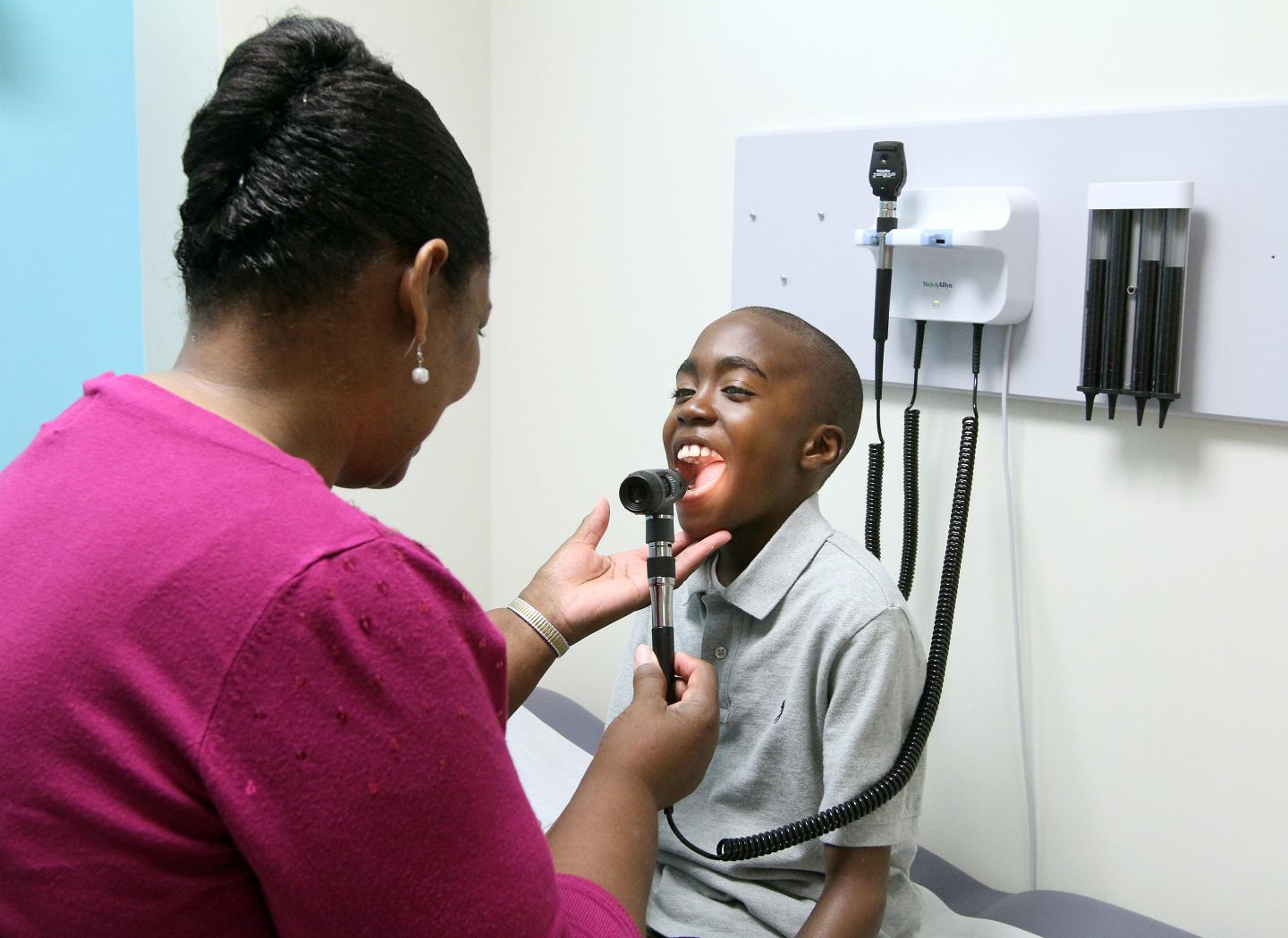
Pediatric/hematologist Dr. Sherron Jackson of the Medical University of South Carolina examines a patient with sickle cell disease. "It was a privilege to be a part of this well-designed and executed study. Russell Ware presented the results at the ASH meeting, and 18 years ago, almost to the day, I presented the STOP study results to the same meeting," said Robert J. Adams, M.D., study principal investigator, MUSC professor of neurosciences and director of the South Carolina Stroke Center of Economic Excellence. "That study showed how effective transcranial Doppler risk stratification, followed by regular red cell transfusions in those with high risk blood flow, can be in the prevention of stroke in these children. This became known as the STOP protocol and its wide adoption has been associated with a sharp drop in ischemic strokes in children with sickle cell disease. The drawback of indefinite transfusions however, was a limitation to wider use of the STOP protocol. This study shows that some children can be moved from transfusion to medication after at least a year. The combined understanding and evidence from these two studies brings us closer to achieving the National Institutes' goal of a 'stroke free generation' in sickle cell disease."
| Full story | 0 Comments | 6611 views |

- In some genetic cases of microcephaly, stem cells fail to launch
- Yale team discovers how Zika virus causes fetal brain damage
- Scientists uncover the way a common cell enzyme alerts the body to invading bacteria
- Arctic gives clues on worst mass extinction of life
- Calcium channel blockers caught in the act at atomic level
Search Bio News Net
Free Biology Newsletter
- Flexibility That A.C.A. Lent to Work Force Is Threatened by...International Herald Tribune
- Bacteria Behind Legionnaires’ Disease Found at New York Police StationInternational Herald Tribune
- Prescription Price Crisis? 28 Million Americans See Spike in Drug...MSNBC.com: Health
- Seizing on Opioid Crisis, a Drug Maker Lobbies Hard for...International Herald Tribune
- Republicans are taking a big political risk on health careAP Health News
- Why We're So Divided Over Saving WolvesNational Geographic News