

Princeton University researchers have captured among the first recordings of neural activity in nearly the entire brain of a free-moving animal. The three-dimensional recordings could provide scientists with a better understanding of how neurons coordinate action and perception in animals.

| Bioinformatics | December 28, 2015 06:40 PM |
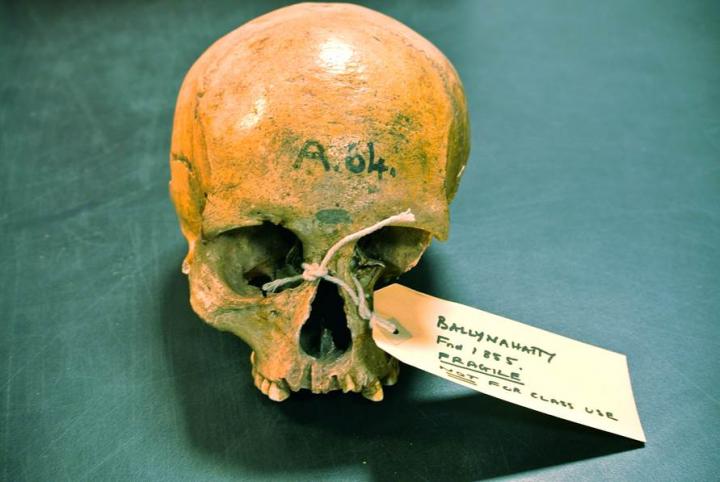
Excavated near Belfast in 1855, she had lain in a Neolithic tomb chamber for 5,000 years; subsequently curated in Queens University Belfast. A team of geneticists from Trinity College Dublin and archaeologists from Queen's University Belfast has sequenced the first genomes from ancient Irish humans, and the information buried within is already answering pivotal questions about the origins of Ireland's people and their culture.
| Full story | 0 Comments | 9927 views |

| Biology | December 28, 2015 06:40 PM |
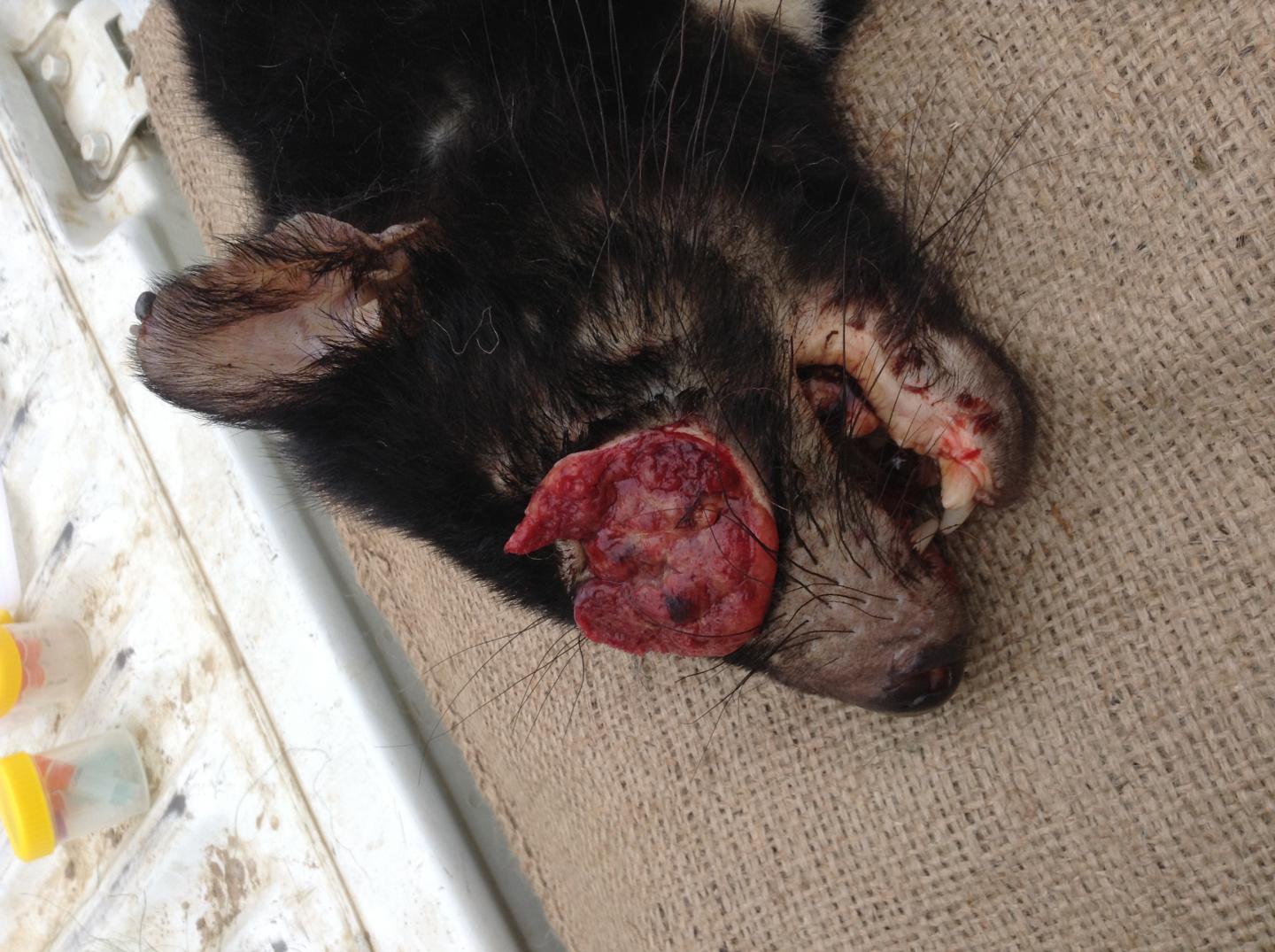
This is a photograph of a Tasmanian Devil with facial tumor. Transmissible cancers -- cancers which can spread between individuals by the transfer of living cancer cells -- are believed to arise extremely rarely in nature. One of the few known transmissible cancers causes facial tumours in Tasmanian devils, and is threatening this species with extinction. Today, scientists report the discovery of a second transmissible cancer in Tasmanian devils. The discovery, published in the journal Proceedings of the National Academy of Science, calls into question our current understanding of the processes that drive cancers to become transmissible.
| Full story | 0 Comments | 9706 views |

| Molecular & Cell Biology | December 28, 2015 06:40 PM |
Molecular biologists at UT Southwestern Medical Center have identified a gene called NORAD that helps maintain the proper number of chromosomes in cells, and that when inactivated, causes the number of chromosomes in a cell to become unstable, a key feature of cancer cells.
| Full story | 0 Comments | 6832 views |

| Health & Medicine | December 25, 2015 05:08 PM |

Australian scientists have for the first time revealed how malaria parasites cause an inflammatory reaction that sabotages our body's ability to protect itself against the disease. Australian scientists have for the first time revealed how malaria parasites cause an inflammatory reaction that sabotages our body's ability to protect itself against the disease.
| Full story | 0 Comments | 8038 views |
| Molecular & Cell Biology | December 25, 2015 05:08 PM |
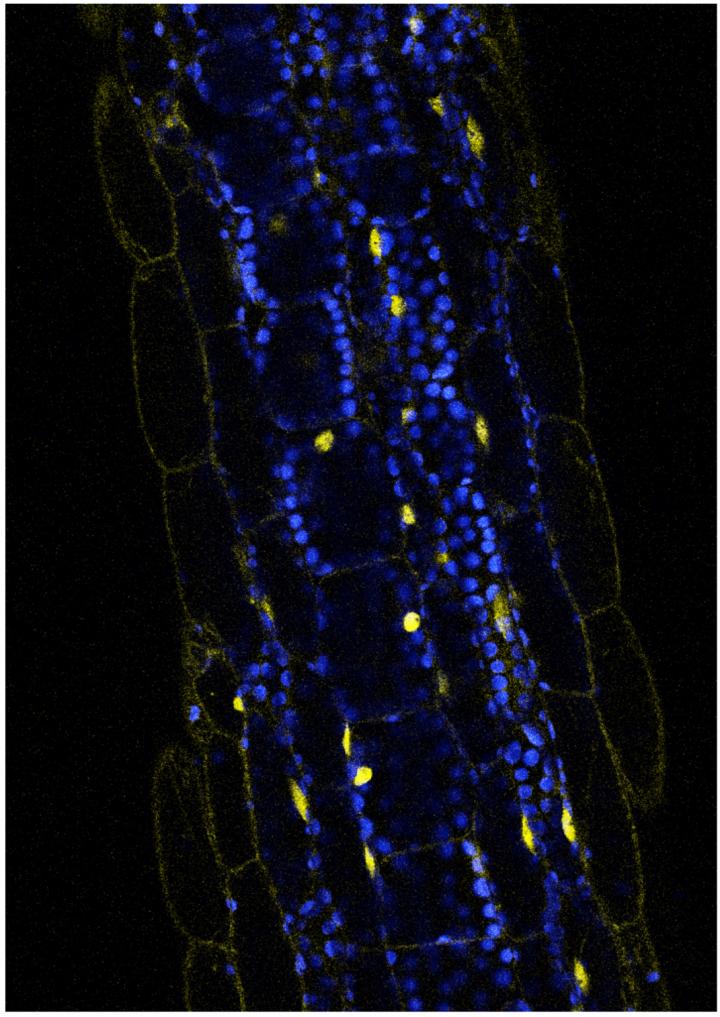
In the stem of the Arabidopsis plant, the light-sensitive receptor CRY2 (yellow) spurs a plant to begin a growth cycle and avoid shade. Despite seeming passive, plants wage wars with each other to outgrow and absorb sunlight. If a plant is shaded by another, it becomes cut off from essential sunlight it needs to survive.
| Full story | 0 Comments | 8035 views |
| Molecular & Cell Biology | December 23, 2015 04:13 AM |
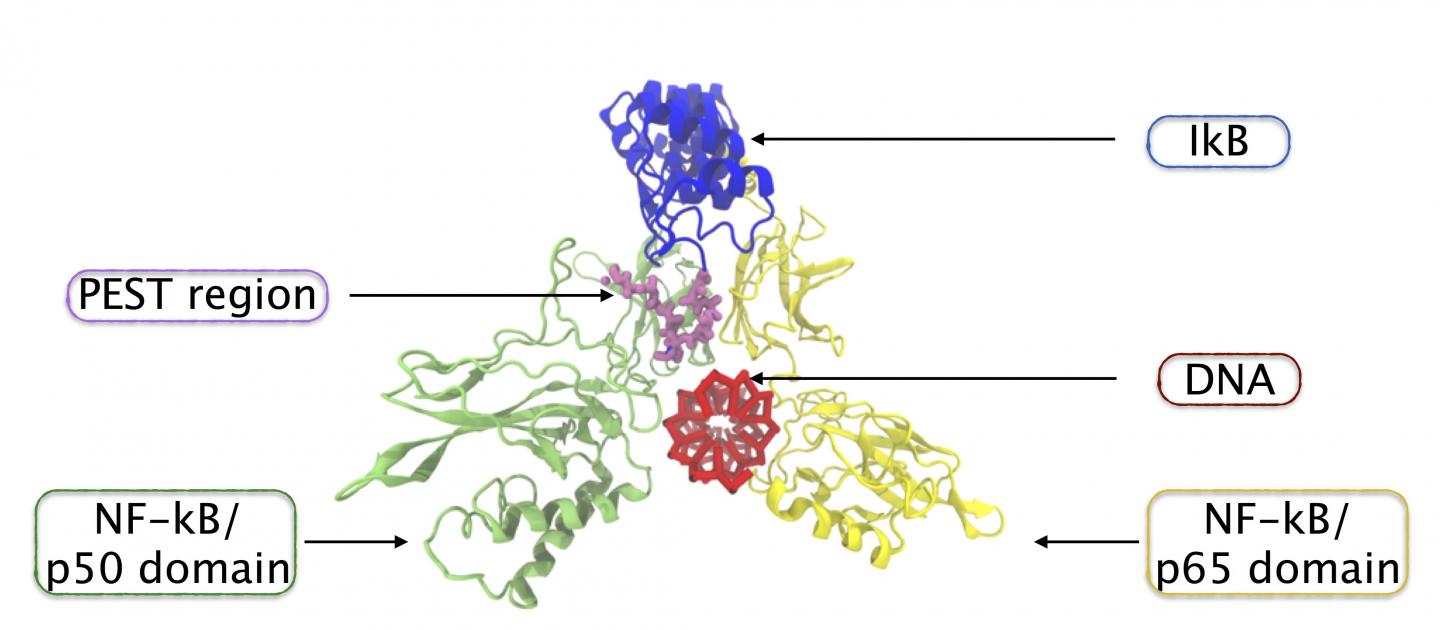
The genetic switch known as NFkB-DNA-IkB. Rice University researchers discovered details of its molecular stripping mechanism through computer models of its energetic transformation. Rice University researchers have a new twist for those clinging to old ideas about a basic biological process.
| Full story | 0 Comments | 8373 views |
| Biology | December 23, 2015 04:13 AM |
The diversity of mammals on Earth exploded straight after the dinosaur extinction event, according to UCL researchers. New analysis of the fossil record shows that placental mammals, the group that today includes nearly 5000 species including humans, became more varied in anatomy during the Paleocene epoch - the 10 million years immediately following the event.
| Full story | 0 Comments | 8979 views |
| Bioinformatics | December 23, 2015 04:13 AM |
Researchers long have known that some portion of the risk of developing cancer is hereditary and that inherited genetic errors are very important in some tumors but much less so in others.
| Full story | 0 Comments | 9808 views |
| Molecular & Cell Biology | December 23, 2015 04:13 AM |
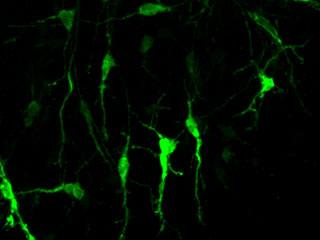
When the researchers reduced the activity of TET enzymes in developing granule cells, it impaired the cells' ability to form connections. From before birth through childhood, connections form between neurons in the brain, ultimately making us who we are. So far, scientists have gained a relatively good understanding of how neural circuits become established, but they know less about the genetic control at play during this crucial developmental process.
| Full story | 0 Comments | 6226 views |
| Health & Medicine | December 23, 2015 04:13 AM |
The largest study of survivors of the largest recorded outbreak of Ebola Virus Disease found they commonly reported complications such as vision, hearing and joint pain problems up to months after they were discharged from an Ebola treatment facility.
| Full story | 0 Comments | 7295 views |

| Biotechnology | December 18, 2015 05:01 AM |
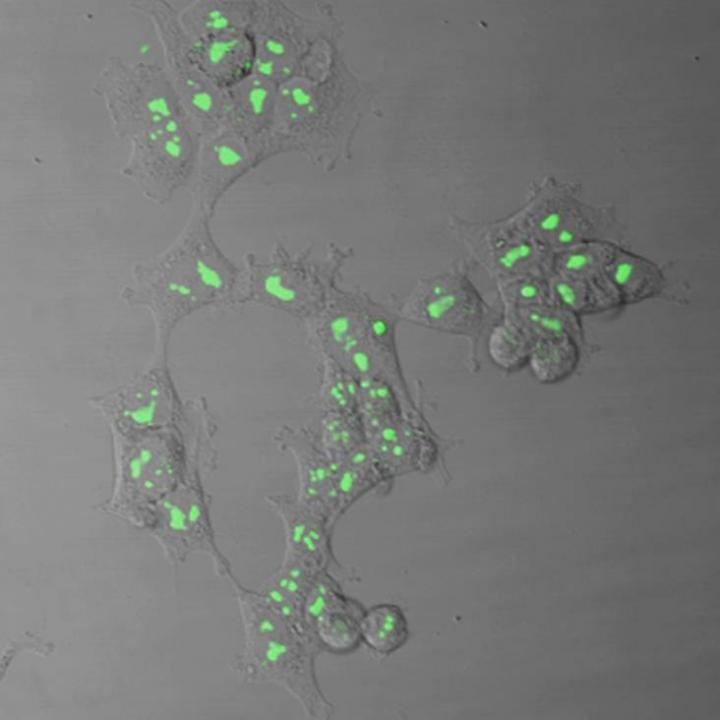
Green spots observed in cells indicate successful insertion of the foreign fluorescent protein gene by the PITCh system. A streamlined protocol for an alternative gene insertion method using genome editing technologies, the PITCh (Precise Integration into Target Chromosome) system, has been reported in Nature Protocols by Specially Appointed Lecturer Tetsushi Sakuma, Professor Takashi Yamamoto, Specially Appointed Associate Professor Ken-Ichi T Suzuki, and their colleagues at Hiroshima University, Japan.
| Full story | 0 Comments | 9612 views |
| Biology | December 18, 2015 05:01 AM |
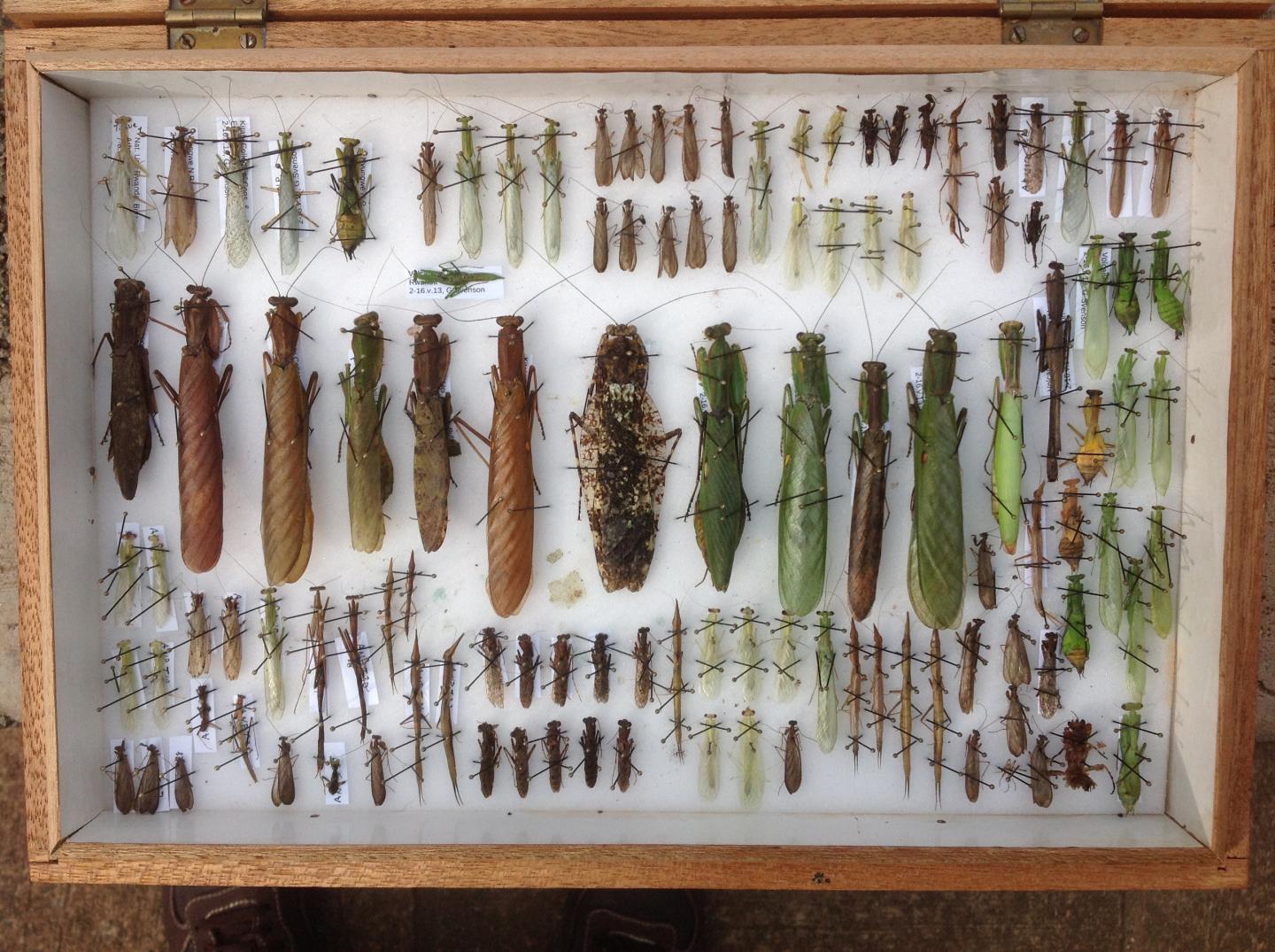
These are specimens collected in Rwanda in 2013 by The Cleveland Museum of Natural History during the first formal praying mantis survey conducted in the African country. A college student working at The Cleveland Museum of Natural History was lead author on the first formal survey of praying mantises in Rwanda, which revealed a 155 percent increase in praying mantis species diversity for the African country. Riley Tedrow, a Case Western Reserve University graduate student pursuing field research for the Museum, participated in two surveys across four locations in Rwanda, including three national parks. The survey was published Oct. 1, 2015 in the journal Zootaxa.
| Full story | 0 Comments | 8376 views |
| Molecular & Cell Biology | December 18, 2015 05:01 AM |
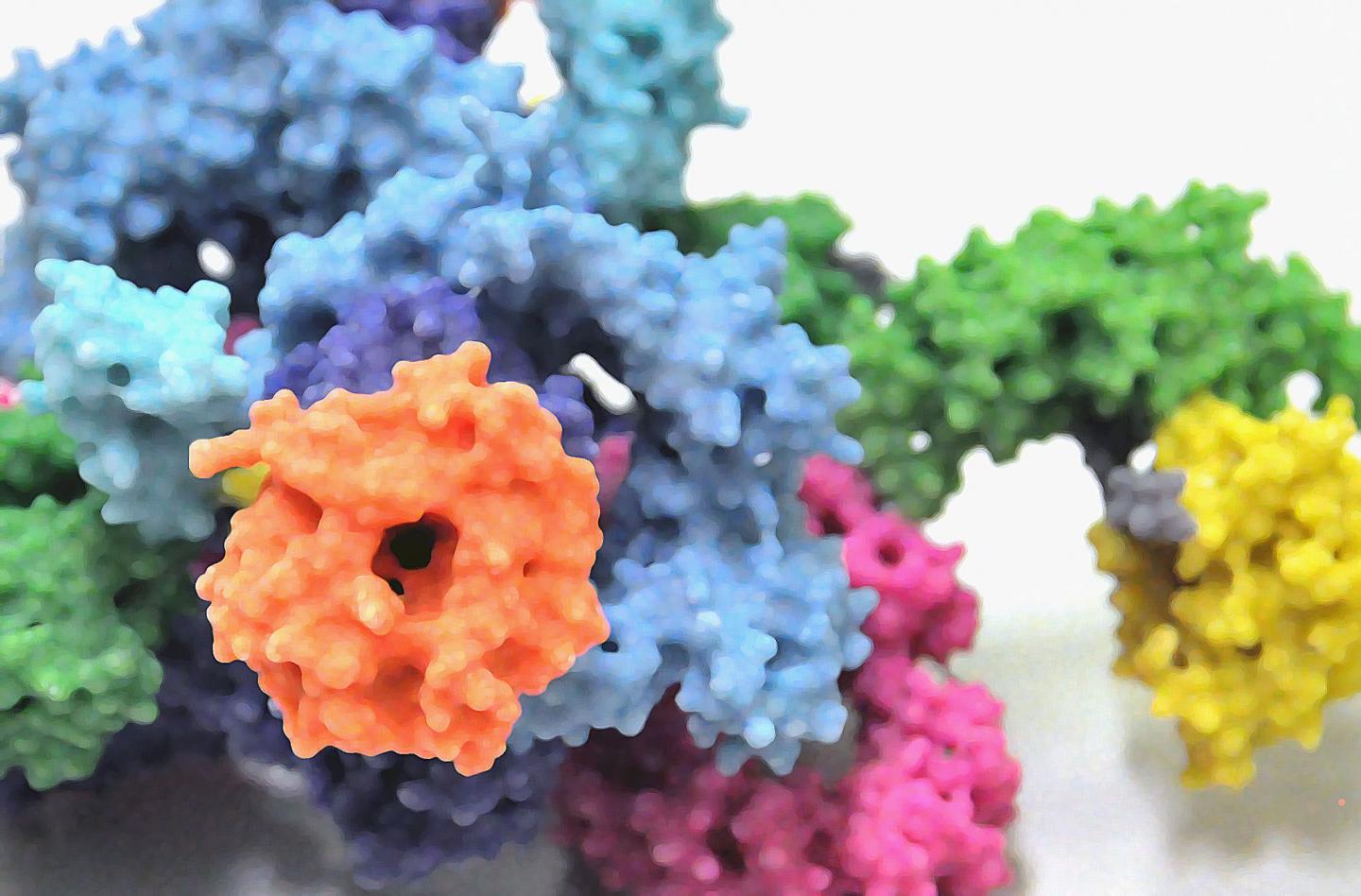
This is a 3-D model of the protein complex mTORC1. For a long time it has been known that the protein TOR - Target of Rapamycin - controls cell growth and is involved in the development of diseases such as cancer and diabetes. Researchers at the University of Basel's Biozentrum together with scientists from ETH Zurich have now examined the structure of mammalian TOR complex 1 (mTORC1) in more detail. The scientists have revealed its unique architecture in their latest publication in "Science".
| Full story | 0 Comments | 7844 views |
| Molecular & Cell Biology | December 18, 2015 05:01 AM |
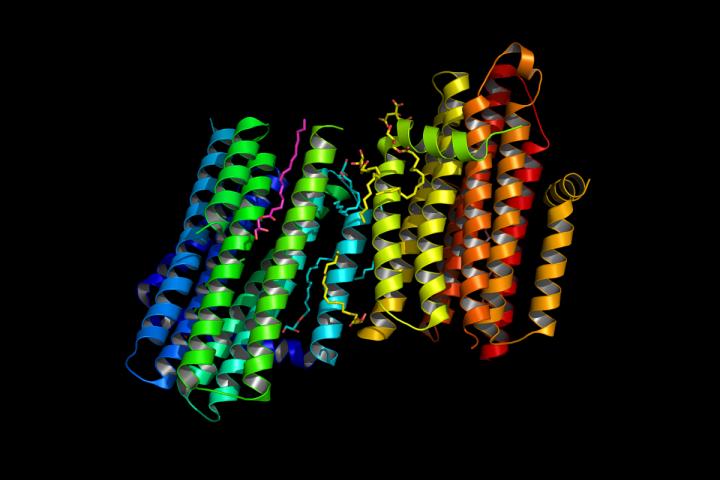
Graphic shows the structure of diacylglycerol kinase (DgkA) determined with the Free Electron Laser (FEL) in Stanford, Ca. Scientists have drawn up molecular blueprints of a tiny cellular 'nanomachine', whose evolution is an extraordinary feat of nature, by using one of the brightest X-ray sources on Earth.
| Full story | 0 Comments | 5949 views |
| Bioinformatics | December 9, 2015 06:53 PM |
Oncologists are increasingly using information obtained from investigations of the tumor genome in order to find individualized therapies for patients. They specifically search the hereditary information of cancer cells for mutations that drive malignant growth. By now, targeted drugs against many of these cancer-typical cellular alterations have become available.
| Full story | 0 Comments | 11568 views |
| Health & Medicine | December 9, 2015 06:53 PM |
Biologists at UC San Diego have found that a method they developed to identify and characterize new antibiotics can be employed to screen natural products quickly for compounds capable of controlling antibiotic resistant bacteria.
| Full story | 0 Comments | 8445 views |
| Bioinformatics | December 9, 2015 06:53 PM |
Scientists have performed the first comprehensive genomic analysis of Ebola virus sequences from Liberia, one of three countries widely affected by the devastating outbreak that began in 2013 in Western Africa. Their work, published today in Cell Host & Microbe, traces the introduction and spread of the virus in Liberia and also sheds light on how the virus moved between the neighboring countries of Guinea and Sierra Leone.
| Full story | 0 Comments | 9918 views |

| Microbiology | December 9, 2015 06:53 PM |
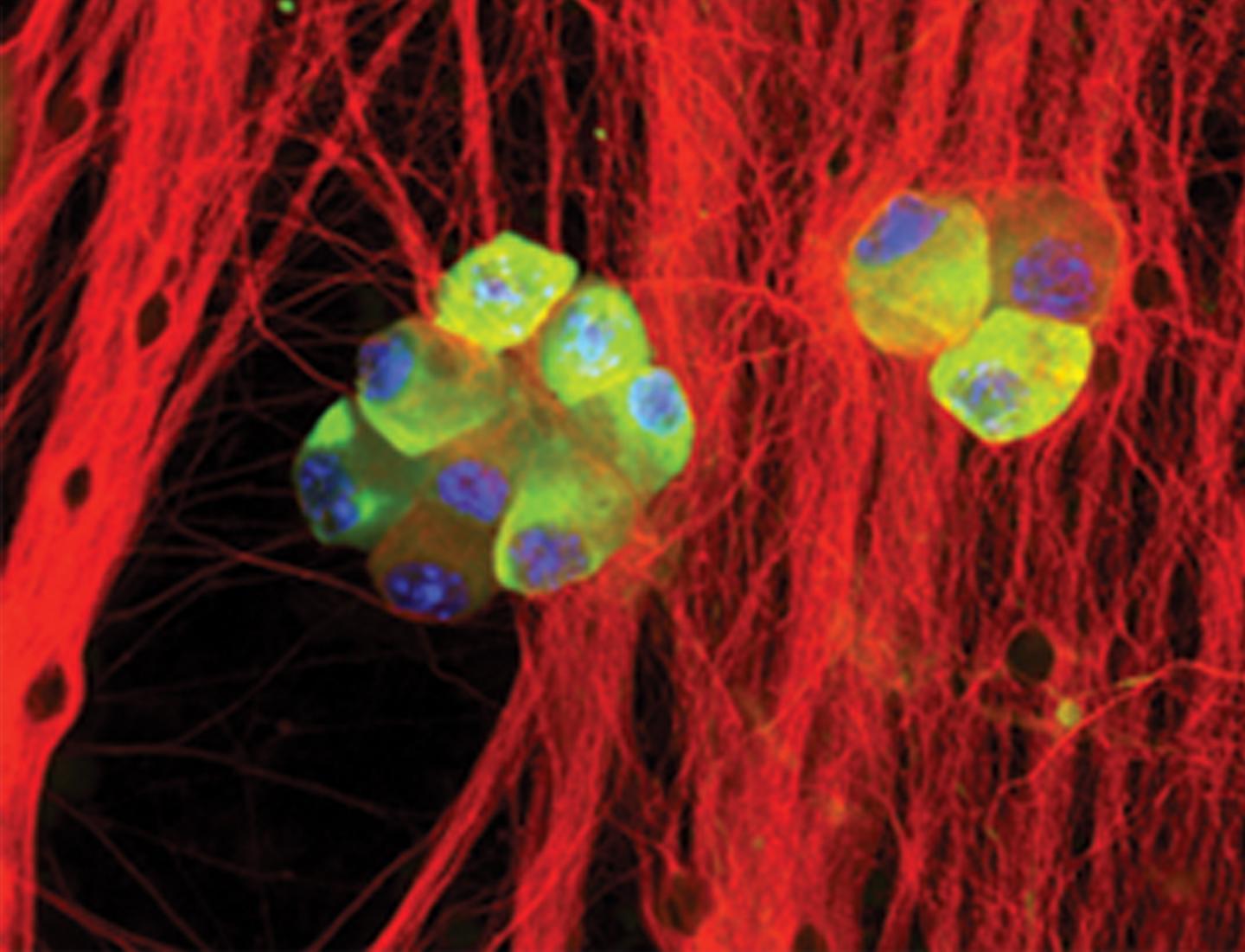
Green fluorescent protein-tagged herpes simplex virus is reactivating from cultures of neurons. When we get cold sores, the reason is likely related to stress. In particular, the neurons in which the herpes simplex virus (HSV) reside, are under stress. For the first time, researchers at the University of North Carolina School of Medicine discovered a cellular mechanism that allows the virus to reactivate. They also found how brain cells are duped into allowing bits of virus to escape the very repressive environment in neurons and cause disease.
| Full story | 0 Comments | 8234 views |
| Molecular & Cell Biology | December 9, 2015 06:53 PM |
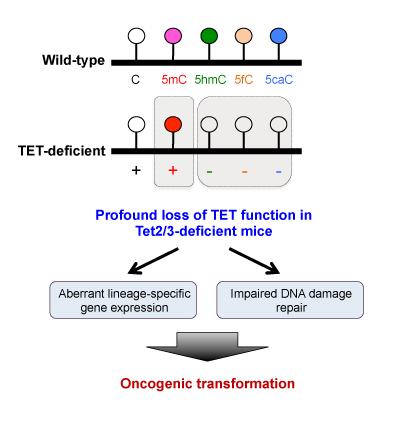
Loss of TET function contributes to skewing blood stem cells in favor of forming myeloid cells over other blood cell types by regulating the expression of lineage-specific genes. Members of the TET (short for ten-eleven translocation) family have been known to function as tumor suppressors for many years, but how they keep a lid on the uncontrolled cell proliferation of cancer cells had remained uncertain. Now, researchers at the La Jolla Institute for Allergy and Immunology demonstrate that TET proteins collectively constitute a major class of tumor suppressors and are required to maintain genome instability.
| Full story | 0 Comments | 6940 views |

| Stem Cell Research | December 9, 2015 06:53 PM |
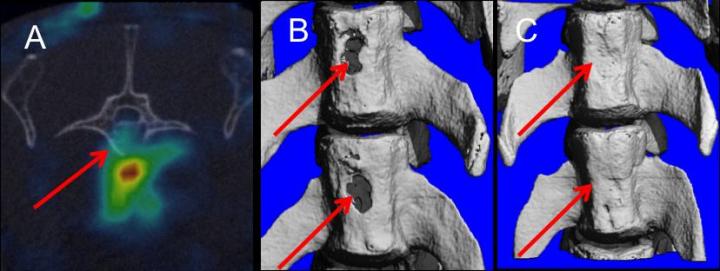
A- Labeled stem cells target spinal bone fracture; B- Two spinal bone fractures; C- Complete healing of spinal bone fractures eight weeks post treatment with stem cells and PTH. A combination of adult stem cells and parathyroid hormone significantly increased new bone formation in laboratory animals and may speed the healing process for human bone fractures caused by osteoporosis, a new study shows.
| Full story | 0 Comments | 9281 views |
| Bioinformatics | December 9, 2015 07:25 AM |

"Would you rather have $20 now, or can I mail you $40 in a few weeks? " Opting for smaller rewards immediately instead of waiting for bigger payoffs later is associated with problems such as impulsivity and addiction to food, drugs and alcohol. Now, new research indicates that such decision-making tendencies have a genetic link to brain pathways that underlie these disorders.
| Full story | 0 Comments | 8075 views |
| Health & Medicine | December 9, 2015 07:25 AM |
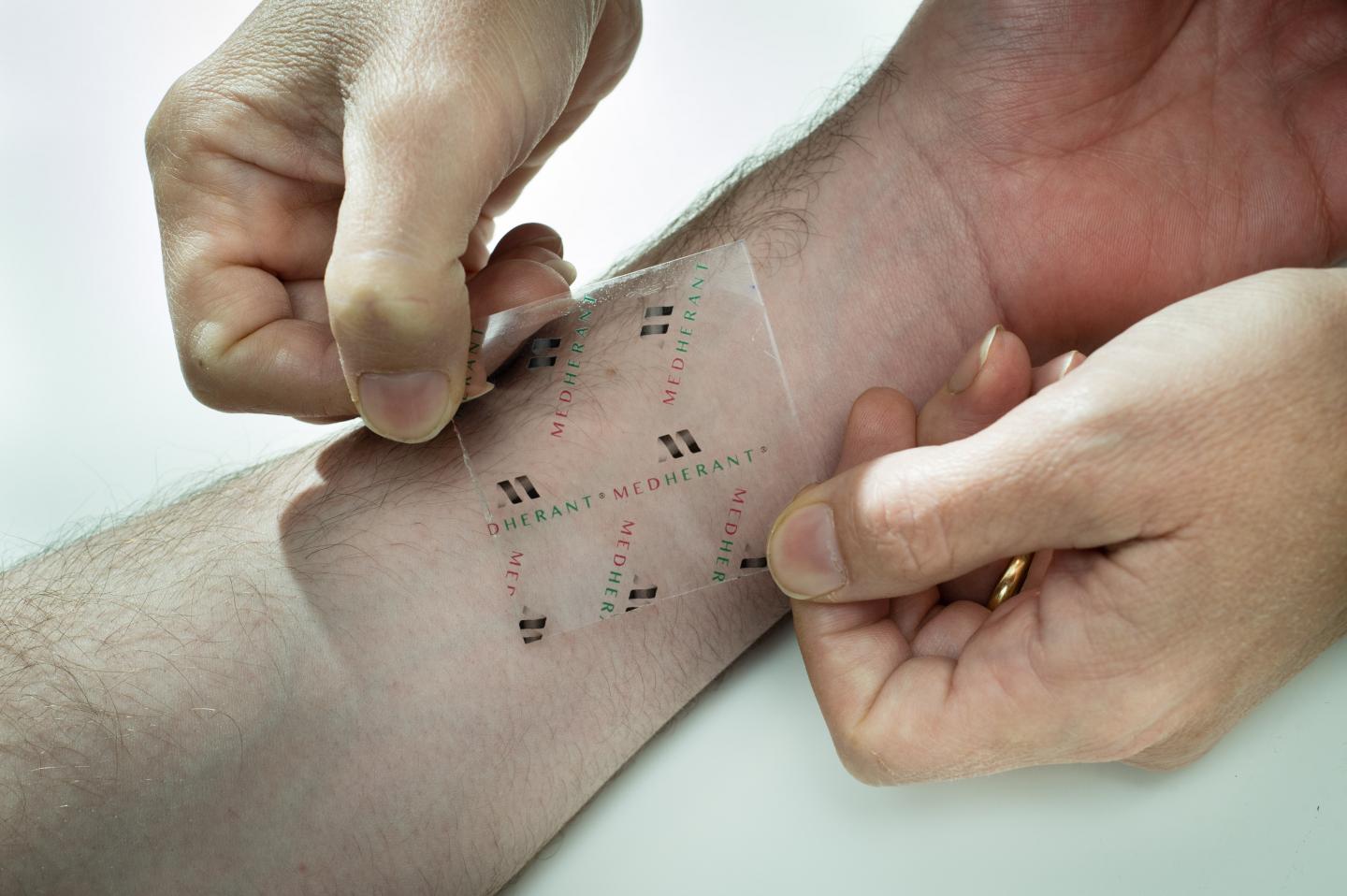
Researchers create world's first ibuprofen patch. Researchers at the University of Warwick have worked with Coventry-based Medherant, a Warwick spinout company, to produce and patent the World's first ever ibuprofen patch delivering the drug directly through skin to exactly where it is needed at a consistent dose rate.
| Full story | 0 Comments | 8174 views |
| Microbiology | December 7, 2015 05:51 PM |
Want to make a virus? It's easy: combine one molecule of genomic nucleic acid, either DNA or RNA, and a handful of proteins, shake, and in a fraction of a second you'll have a fully-formed virus.
| Full story | 0 Comments | 11024 views |
| Health & Medicine | December 2, 2015 07:14 PM |
The stonefish is one of the world's ugliest and deadliest fish. You'll know if you step on one; the fish protects itself using 13 razor sharp venom filled spines capable of slicing through reef shoes. The resulting pain is crippling, can last for days and may result in amputation of a limb or death.
| Full story | 0 Comments | 9180 views |
| Health & Medicine | December 2, 2015 07:14 PM |
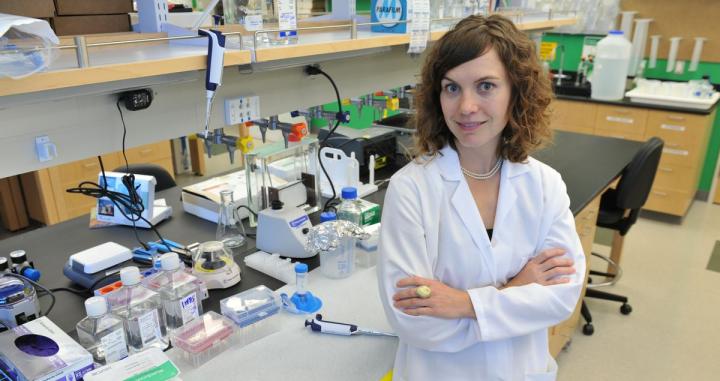
This is Amy Rowat in her UCLA laboratory. Scientists have previously established that many types of cancer cells are squishier and more pliable than normal, healthy cells. Now, researchers led by UCLA's Amy Rowat have developed a screening method that utilizes this information to classify many more different types of cancer cells and that could ultimately lead to better treatments for cancer, diabetes, malaria and other diseases.
| Full story | 0 Comments | 8292 views |
| Molecular & Cell Biology | December 2, 2015 07:14 PM |
When researchers looked at different areas within an individual rectal cancer sample, they found cases in which each area contained different genetic mutations. The findings could have significant implications for treatment recommendations.
| Full story | 0 Comments | 7168 views |
| Biotechnology | December 1, 2015 07:53 PM |
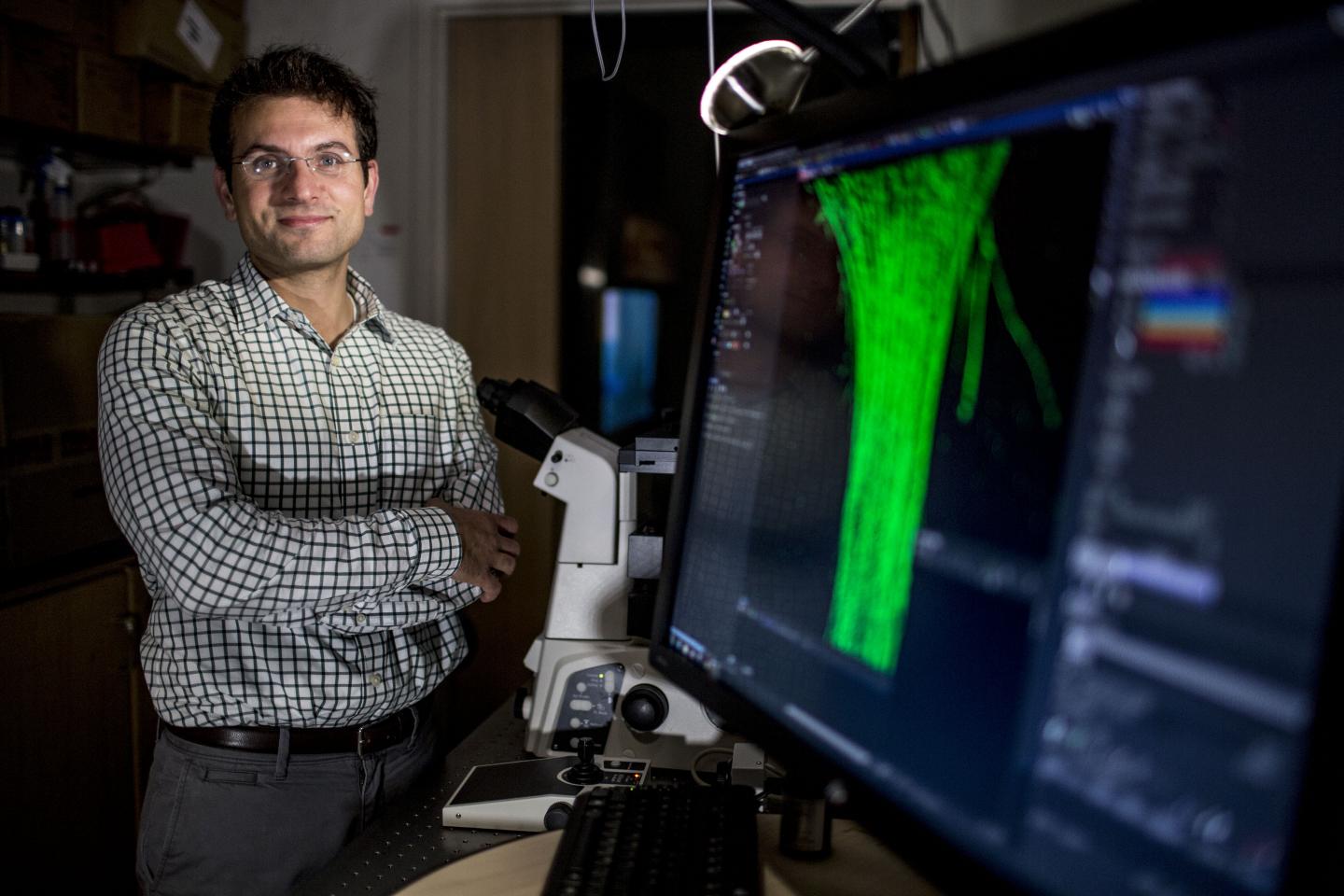
'Ours is the first rolling DNA motor, making it far faster and more robust,' says Khalid Salaita, the Emory University chemist who led he research. Physical chemists have devised a rolling DNA-based motor that's 1,000 times faster than any other synthetic DNA motor, giving it potential for real-world applications, such as disease diagnostics. Nature Nanotechnology is publishing the finding.
| Full story | 0 Comments | 9099 views |

| AIDS & HIV | December 1, 2015 07:53 PM |
Antiretroviral therapies, or ART, have enabled people with HIV and AIDS to live much longer lives, transforming what was considered a death sentence into a chronic condition. Yet concerns for these patients remain. Up to half of people with HIV on these drug regimens have some sort of cognitive impairment, such as memory loss or problems with executive functioning, despite the virus being almost undetectable in their bodies.
| Full story | 0 Comments | 32421 views |
| Biotechnology | December 1, 2015 07:53 PM |
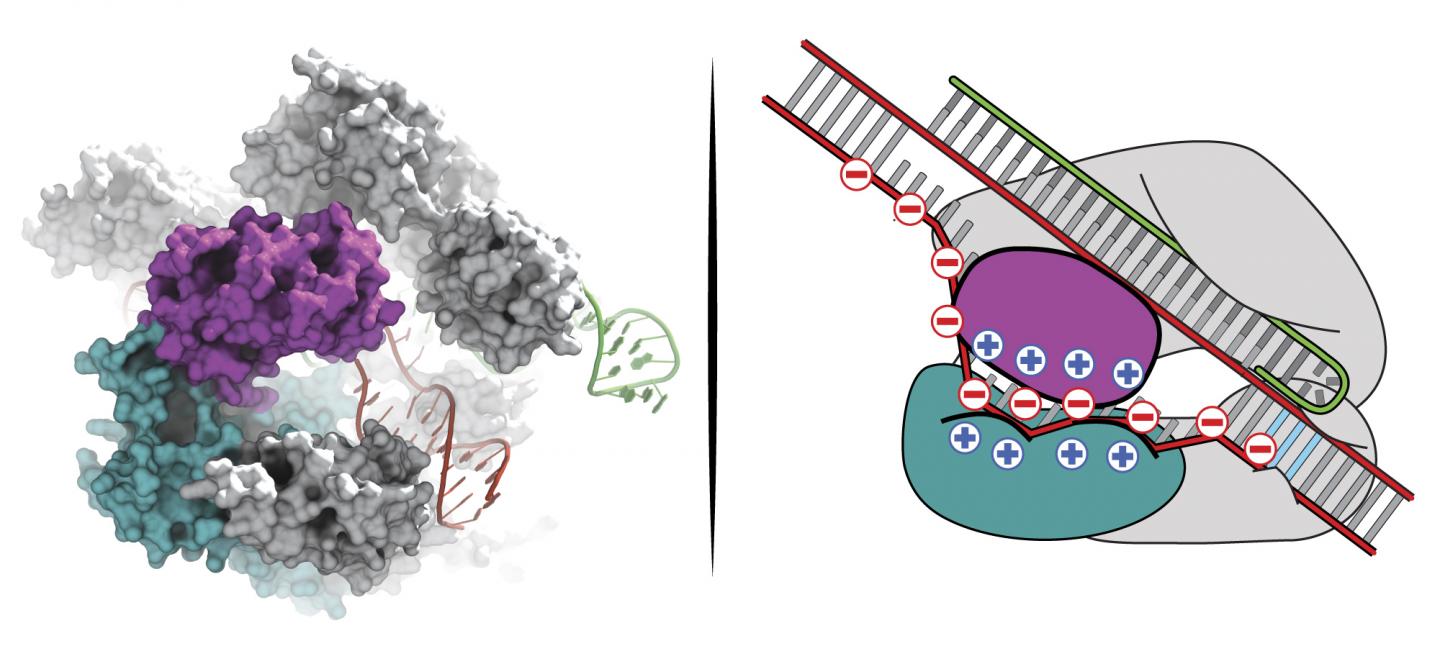
Slaymaker and Gao et al. used structural knowledge of Cas9 to guide engineering of a highly specific genome editing tool. Researchers at the Broad Institute of MIT and Harvard and the McGovern Institute for Brain Research at MIT have engineered changes to the revolutionary CRISPR-Cas9 genome editing system that significantly cut down on "off-target" editing errors. The refined technique addresses one of the major technical issues in the use of genome editing.
| Full story | 0 Comments | 9243 views |

- In some genetic cases of microcephaly, stem cells fail to launch
- Yale team discovers how Zika virus causes fetal brain damage
- Scientists uncover the way a common cell enzyme alerts the body to invading bacteria
- Arctic gives clues on worst mass extinction of life
- Calcium channel blockers caught in the act at atomic level
Search Bio News Net
Free Biology Newsletter
- Flexibility That A.C.A. Lent to Work Force Is Threatened by...International Herald Tribune
- Bacteria Behind Legionnaires’ Disease Found at New York Police StationInternational Herald Tribune
- Prescription Price Crisis? 28 Million Americans See Spike in Drug...MSNBC.com: Health
- Seizing on Opioid Crisis, a Drug Maker Lobbies Hard for...International Herald Tribune
- Republicans are taking a big political risk on health careAP Health News
- Why We're So Divided Over Saving WolvesNational Geographic News