

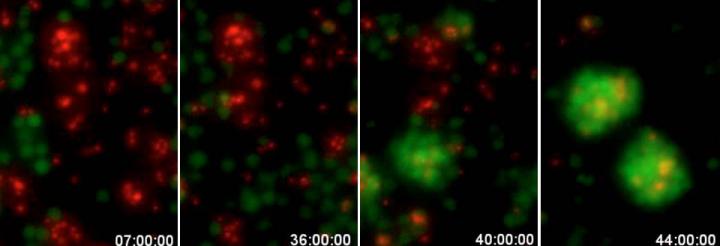
Stills from time-lapse video showing transdifferentiation of pre-B cells into yeast-eating macrophages. All it takes is one molecule to reprogram an antibody-producing B cell into a scavenging macrophage. This transformation is possible, new evidence shows, because the molecule (C/EBPa, a transcription factor) "short-circuits" the cells so that they re-express genes reserved for embryonic development. The findings appear July 30 in Stem Cell Reports, the journal of the International Society for Stem Cell Research.

| Molecular & Cell Biology | July 31, 2015 05:07 AM |
| Full story | 0 Comments | 7076 views |

| Environment | July 31, 2015 05:07 AM |
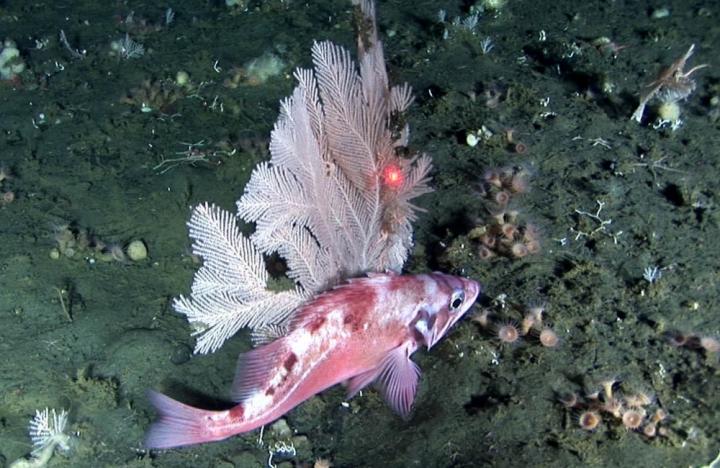
Coral habitats in the Bering Sea are home to a plethora of fish and marine mammals. North of the Aleutian Islands, submarine canyons in the cold waters of the eastern Bering Sea contain a highly productive "green belt" that is home to deep-water corals as well as a plethora of fish and marine mammals.
| Full story | 0 Comments | 7574 views |

| Biology | July 31, 2015 05:07 AM |

A golden jackal (Canis aureus) from Israel. Based on genomic results, the researchers suggest this animal, the Eurasian golden jackal, is distinct from Canis anthus Despite their remarkably similar appearance, the "golden jackals" of East Africa and Eurasia are actually two entirely different species. The discovery, based on DNA evidence and reported in the Cell Press journal Current Biology on July 30, increases the overall biodiversity of the Canidae--the group including dogs, wolves, foxes, and jackals--from 35 living species to 36.
| Full story | 0 Comments | 6995 views |

| Stem Cell Research | July 31, 2015 05:06 AM |
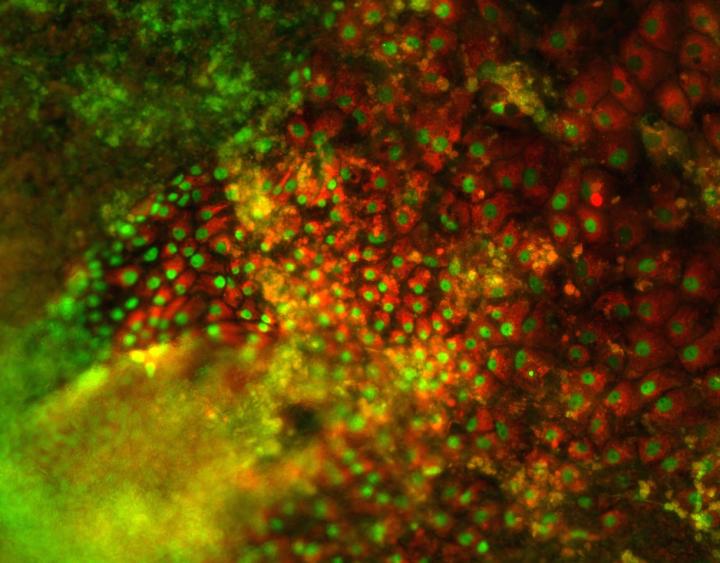
This image shows stem cell-derived hepatocytes emerging. The liver plays a critical role in human metabolism. As the gatekeeper of the digestive track, this massive organ is responsible for drug breakdown and is therefore the first to be injured due to overdose or misuse. Evaluating this drug-induced liver injury is a critical part of pharmaceutical drug discovery and must be carried out on human liver cells. Regretfully, human liver cells, called hepatocytes, are in scarce supply as they can only be isolated from donated organs.
| Full story | 0 Comments | 7503 views |

| Biotechnology | July 31, 2015 05:06 AM |
The concept of walking on water might sound supernatural, but in fact it is a quite natural phenomenon. Many small living creatures leverage water's surface tension to maneuver themselves around. One of the most complex maneuvers, jumping on water, is achieved by a species of semi-aquatic insects called water striders that not only skim along water's surface but also generate enough upward thrust with their legs to launch themselves airborne from it.
| Full story | 0 Comments | 6701 views |

| AIDS & HIV | July 31, 2015 05:06 AM |
In cells with latent HIV infection, the virus is dormant, and such cells are therefore not attacked by the immune system or by standard antiretroviral therapy. To eradicate the virus from the human body and truly cure a patient, reservoirs of latently infected cells need to be activated and eliminated "the so-called "kick-and-kill" approach. Two studies published on July 30th in PLOS Pathogens report encouraging results on the use of a combination of several drugs to efficiently reactivate HIV in cells with latent infection.
| Full story | 0 Comments | 5920 views |
| Biology | July 31, 2015 05:06 AM |
In research that could lead to protective probiotics to fight the "chytrid" fungus that has been decimating amphibian populations worldwide, Jenifer Walke, PhD, a postdoctoral researcher at Virginia Tech University, Blacksburg, and her collaborators have grown bacterial species from the skin microbiome of four species of amphibians. The research appears July 10 in Applied and Environmental Microbiology, a journal of the American Society for Microbiology.
| Full story | 0 Comments | 5608 views |

| Microbiology | July 28, 2015 05:13 PM |
Are the same regions and even the same cells of the brain area called hippocampus involved in encoding and retrieving memories or are different areas of this structure engaged? This question has kept neuroscientists busy for a long time. Researchers at the Mercator Research Group "Structure of Memory" at RUB have now found out that the same brain cells exhibit activity in both processes. They have published their results in the journal "Hippocampus".
| Full story | 0 Comments | 5486 views |
| Molecular & Cell Biology | July 28, 2015 05:13 PM |
Since mice share 90 percent of our genes they play an important role in understanding human genetics. The European Mouse Disease Clinic (EUMODIC) brought together scientists from across Europe to investigate the functions of 320 genes in mice. Over half of these genes had no previously known role, and the remaining genes were poorly understood.
| Full story | 0 Comments | 5688 views |
| Molecular & Cell Biology | July 28, 2015 05:13 PM |
By studying the yeast used in beer- and bread-making, researchers at the University of Pittsburgh School of Medicine have uncovered the mechanism by which ancient proteins repair DNA damage and how their dysfunction could lead to the development of tumors. The findings, published online today in Nature Communications, could lead to new ways to tailor cancer therapies.
| Full story | 0 Comments | 5709 views |

| Bioinformatics | July 27, 2015 04:22 PM |
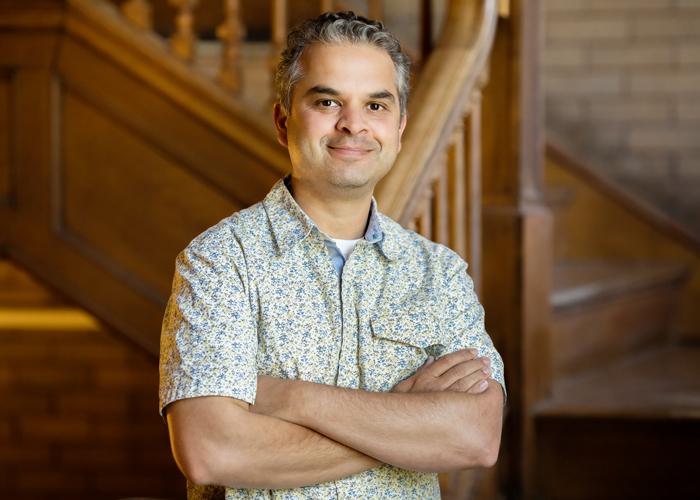
Associate Professor of Anthropology Ripan Malhi was a senior coauthor among an international team of researchers, who clarified the history of early migration to the Americas The first human inhabitants of the Americas lived in a time thousands of years before the first written records, and the story of their transcontinental migration is the subject of ongoing debate and active research. A study by multi-institutional, international collaboration of researchers, published this week in Science (DOI: 10.1126/science.aab3884) presents strong evidence, gleaned from ancient and modern DNA samples, that the ancestry of all Native Americans can be traced back to a single migration event, with subsequent gene flow between some groups and populations that are currently located in East Asia and Australia.
| Full story | 0 Comments | 6324 views |

| Health & Medicine | July 27, 2015 04:22 PM |
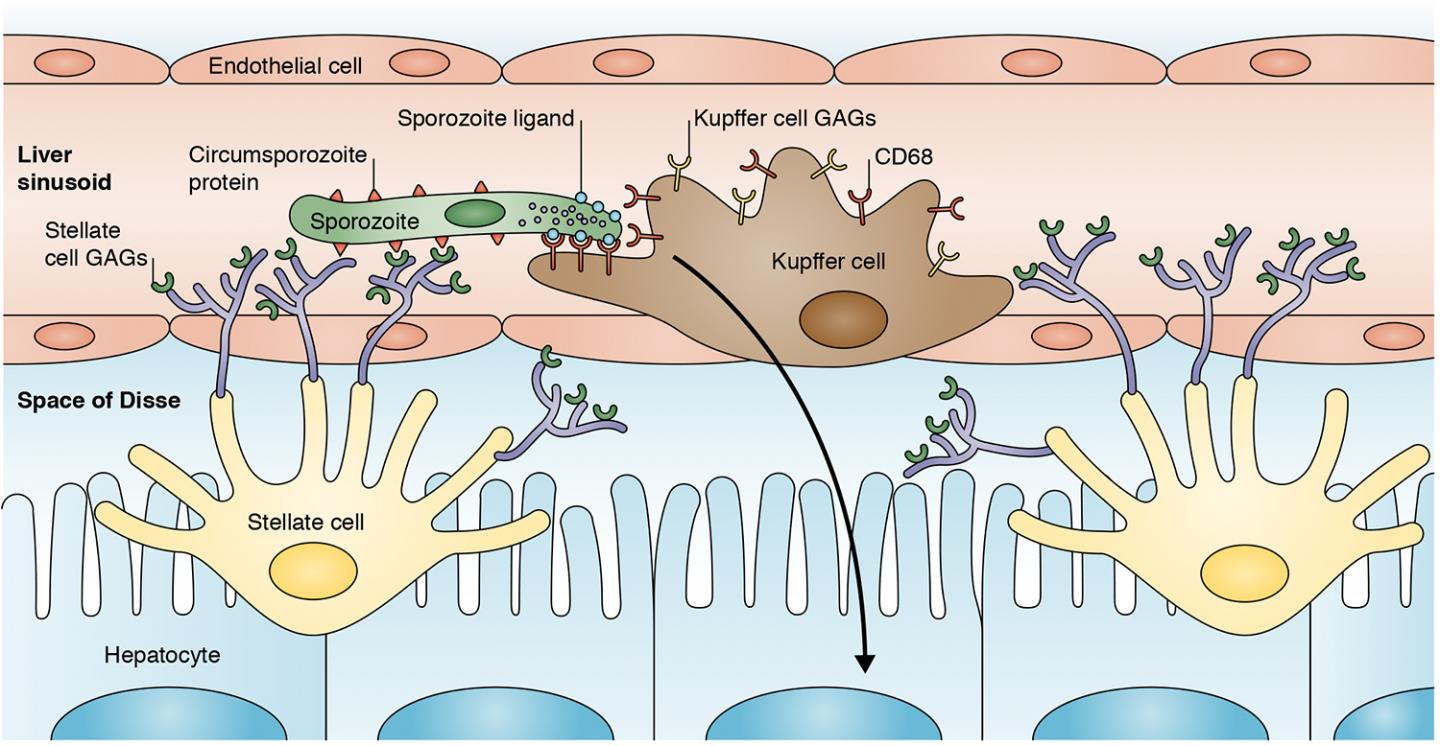
This illustration shows how the protein receptor CD68 acts as a gateway for a malaria parasite (sporozoite) to enter the liver through a Kupffer cell, as revealed by Cha et... Scientists uncover a port of liver entry for malaria parasites in a report published in The Journal of Experimental Medicine. If these results hold up in humans, drugs that target this entry protein might help prevent the spread of disease.
| Full story | 0 Comments | 4939 views |
| Health & Medicine | July 27, 2015 04:22 PM |
Cancer can be caused solely by protein imbalances within cells, a study of ovarian cancer has found.
| Full story | 0 Comments | 5202 views |
| Molecular & Cell Biology | July 27, 2015 04:22 PM |
A multidisciplinary team at Yale, led by Yale Cancer Center members, has defined a subgroup of genetic mutations that are present in a significant number of melanoma skin cancer cases. Their findings shed light on an important mutation in this deadly disease, and may lead to more targeted anti-cancer therapies.
| Full story | 0 Comments | 5883 views |
| Biotechnology | July 23, 2015 06:30 PM |
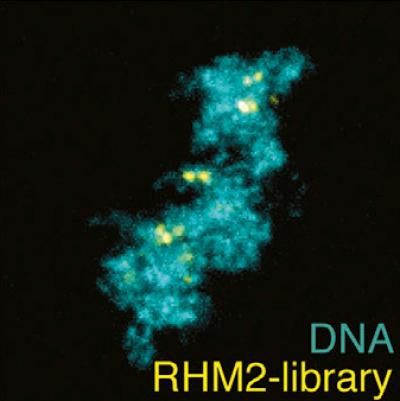
Some DNA sequences appear multiple times in the genome. Here, an RNA guide probe labels repetitive regions in the nucleus of a Xenopus laevis sperm. University of California, Berkeley, researchers have discovered a much cheaper and easier way to target a hot new gene editing tool, CRISPR-Cas9, to cut or label DNA.
| Full story | 0 Comments | 7528 views |
| Molecular & Cell Biology | July 23, 2015 06:30 PM |
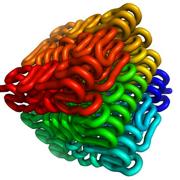
This is an example of hierarchical folded package of globule. A group of researchers from the Lomonosov Moscow State University tried to address one of the least understood issues in the modern molecular biology, namely, how do strands of DNA pack themselves into the cell nucleus. Scientists concluded that packing of the genome in a special state called "fractal globule", apart from other known advantages of this state, allows the genetic machinery of the cell to operate with maximum speed due to comperatively rapid thermal diffusion. The article describing their results was published in Physical Review Letters.
| Full story | 0 Comments | 5914 views |
| Molecular & Cell Biology | July 23, 2015 06:30 PM |
Pharmaceutical sciences researchers at Washington State University have discovered a protein's previously unknown role in cell division.
| Full story | 0 Comments | 4836 views |
| Bioinformatics | July 21, 2015 06:49 PM |
Researchers at the Babraham Institute and Cambridge Systems Biology Centre, University of Cambridge have shown that yeast can modify their genomes to take advantage of an excess of calories in the environment and attain optimal growth.
| Full story | 0 Comments | 5835 views |
| Molecular & Cell Biology | July 21, 2015 06:49 PM |
Swedish researchers at Uppsala University and the Karolinska Institute have found that genes that control the biological clocks in cells throughout the body are altered after losing a single night of sleep, in a study that is to be published in the Journal of Clinical Endocrinology and Metabolism.
| 0 Comments | 5124 views |
| Molecular & Cell Biology | July 21, 2015 06:49 PM |
Researchers have shown that the levels of two proteins present in blood and cerebrospinal fluid increase significantly at different time points following traumatic brain injury (TBI), confirming their potential value as biomarkers of trauma-related brain damage. The researchers linked the changes in circulating UCH-L1 and GFAP proteins in rats to brain tissue damage and neuronal degeneration seen on examination of the rat brains and present their findings in an article published in Journal of Neurotrauma, a peer-reviewed journal from Mary Ann Liebert, Inc., publishers. The article is available free on the Journal of Neurotrauma website.
| Full story | 0 Comments | 5050 views |
| Molecular & Cell Biology | July 20, 2015 06:26 PM |
Research findings obtained over the past decades increasingly indicate that stored memories are coded as permanent changes of neuronal communciation and the strength of neuronalinterconnections. The learning process evokes a specific pattern of electrical activity in these cells, which influences the response behavior to incoming signals, the expression of genes and the cellular morphology beyond the learning process itself.
| Full story | 0 Comments | 7437 views |
| Molecular & Cell Biology | July 20, 2015 06:26 PM |
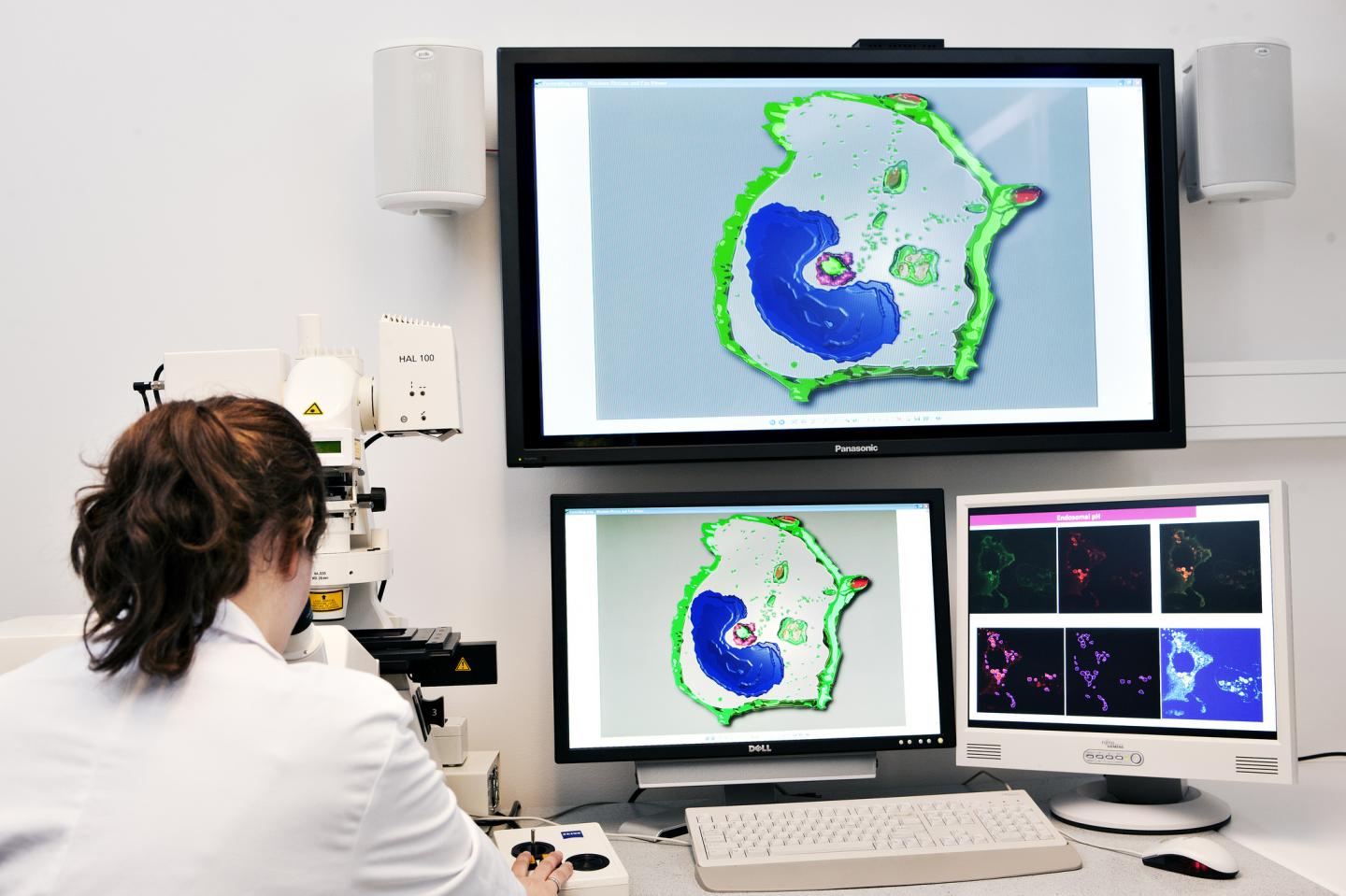
Researcher Marie Hjelmseth Aune at CEMIR, the Centre of Molecular Inflammation Research at the Norwegian University of Science and Technology, looks at a macrophage engulfing an invading bacterium. The human immune system is a powerful and wonderful creation. If you cut your skin, your body mobilizes a series of different proteins and cells to heal the cut. If you are infected by a virus or bacteria, your immune system responds with a series of cells that attack the invader and neutralize it.
| Full story | 0 Comments | 5046 views |
| Molecular & Cell Biology | July 20, 2015 06:26 PM |
DNA, the molecular foundation of life, has new tricks up its sleeve. The four bases from which it is composed snap together like jigsaw pieces and can be artificially manipulated to construct endlessly varied forms in two and three dimensions. The technique, known as DNA origami, promises to bring futuristic microelectronics and biomedical innovations to market.
| Full story | 0 Comments | 5428 views |
| Biotechnology | July 16, 2015 06:43 PM |

CRISPR/Cas9 is a gene-editing tool that can target a particular segment of DNA in living cells and replace it with a new genetic sequence. Researchers at Harvard University and the University of California, San Diego, have developed a new user-friendly resource to accompany the powerful gene editing tool called CRISPR/Cas9, which has been widely adopted to make precise, targeted changes in DNA. This breakthrough has the potential to facilitate new discoveries in gene therapies and basic genetics research. The research was published in the July 13 issue of Nature Methods.
| Full story | 0 Comments | 7804 views |
| Health & Medicine | July 16, 2015 06:42 PM |
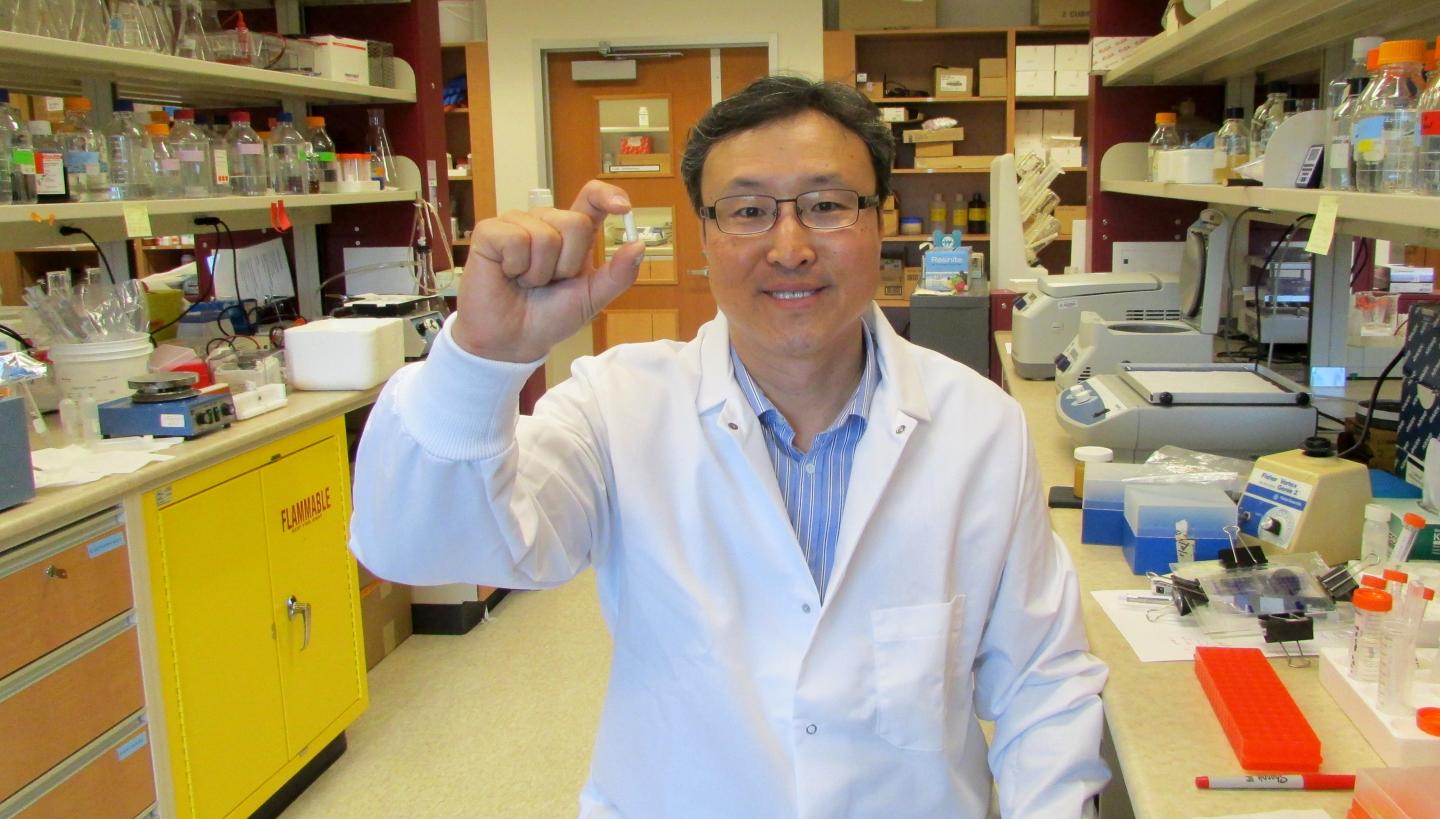
Hoon Sunwoo holds a sample of the antibody supplement he developed with colleague Jeong Sim. University of Alberta researchers may have found a way to help people with celiac disease enjoy the wide variety of foods they normally have to shun.
| Full story | 0 Comments | 11857 views |
| Biotechnology | July 16, 2015 06:42 PM |
A simple, lower-cost new method for DNA profiling of human hairs developed by the University of Adelaide should improve opportunities to link criminals to serious crimes.
| Full story | 0 Comments | 7790 views |
| Health & Medicine | July 16, 2015 06:42 PM |
Previously identified associations between TV viewing and a less healthful diet may stem from exposure to advertisements of high calorie foods and 'distracted eating' rather than the activity of sitting itself, although sitting time remains an independent risk factor requiring public health focus. These findings are according to a new study by American Cancer Society investigators conducted in collaboration with the Gretchen Swanson Center for Nutrition and the University of Texas School of Public Health. For their study, published in Preventive Medicine, researchers examined sedentary time based on data using an objective measure (accelerometers), and found that sedentary time was not linked to poorer diets among US adults.
| Full story | 0 Comments | 5632 views |
| Biology | July 16, 2015 06:42 PM |
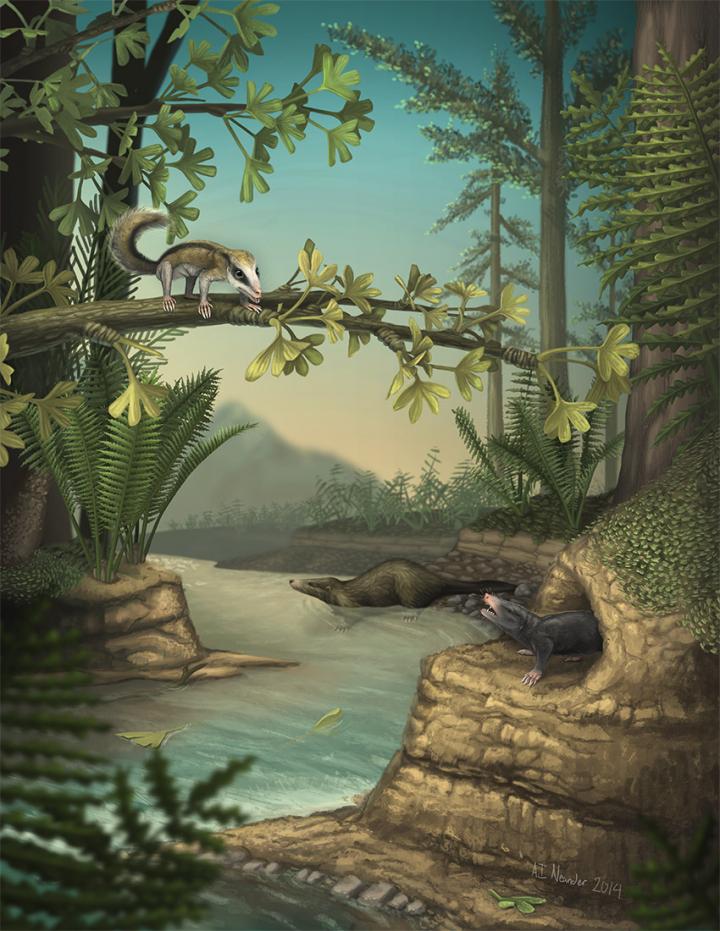
Research led by Oxford University scientists shows that mammals were evolving up to ten times faster in the middle of the Jurassic Mammals were evolving up to ten times faster in the middle of the Jurassic than they were at the end of the period, coinciding with an explosion of new adaptations, new research shows.
| Full story | 0 Comments | 6676 views |
| Environment | July 15, 2015 06:43 PM |
Research has suggested yellow perch grow more rapidly during the short winters resulting from climate change, but a new study shows warmer water temperatures can lead to the production of less hardy eggs and larvae that have trouble surviving these early stages of life in Lake Erie.
| Full story | 0 Comments | 7114 views |
| Health & Medicine | July 15, 2015 06:43 PM |
Oxford University doctors and scientists are performing the second phase of clinical studies of an experimental Ebola vaccine regimen. The study is part of the EBOVAC2 project, a collaborative programme involving the University of Oxford, French Institute of Health and Medical Research (INSERM) as project coordinator, London School of Hygiene & Tropical Medicine (LSHTM), Le Centre Muraz (CM), Inserm Transfert (IT) and the Janssen Pharmaceutical Companies of Johnson & Johnson (Janssen).
| Full story | 0 Comments | 5069 views |
| Molecular & Cell Biology | July 15, 2015 06:43 PM |
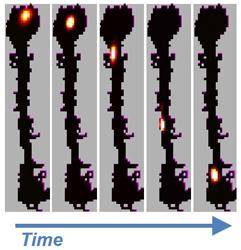
Each of the five panels shows a memory snapshot created by hundreds of place cells while the rat was physically stationary at the top of the 1.8 m track By using electrode implants to track nerve cells firing in the brains of rats as they plan where to go next, Johns Hopkins scientists say they have learned that the mammalian brain likely reconstructs memories in a way more like jumping across stepping stones than walking across a bridge. A summary of their experiments, published in the journal Science on July 10, sheds light on what memories are and how they form, and gives clues about how the system can fail.
| Full story | 0 Comments | 4453 views |
| Biotechnology | July 15, 2015 06:43 PM |
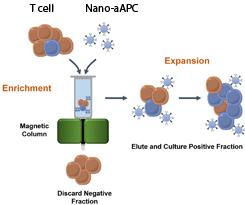
This is a graphic showing a process for producing large numbers of activated, customized T cells using magnetic nanoparticles and a column. In recent years, researchers have hotly pursued immunotherapy, a promising form of treatment that relies on harnessing and training the body's own immune system to better fight cancer and infection. Now, results of a study led by Johns Hopkins investigators suggests that a device composed of a magnetic column paired with custom-made magnetic nanoparticles may hold a key to bringing immunotherapy into widespread and successful clinical use. A summary of the research, conducted in mouse and human cells, appears online July 14 in the journal ACS Nano.
| Full story | 0 Comments | 5393 views |
| Health & Medicine | July 15, 2015 06:43 PM |
If you can't tell a smile from a scowl, you're probably not getting enough sleep.
| Full story | 0 Comments | 5055 views |
| AIDS & HIV | July 15, 2015 06:43 PM |
A Canadian research team at the IRCM in Montreal, led by molecular virologist Eric A. Cohen, PhD, made a significant discovery on how HIV escapes the body's antiviral responses. The team uncovered how an HIV viral protein known as Vpu tricks the immune system by using its own regulatory process to evade the host's first line of defence. This breakthrough was published yesterday in the scientific journal PLOS Pathogens and will be presented at the upcoming IAS 2015 conference in Vancouver. The findings pave the way for future HIV prevention or cure strategies.
| Full story | 0 Comments | 5569 views |
| Environment | July 15, 2015 06:43 PM |
The growing consumer demand for protein--and the lack of new farmland to raise more livestock--could make insects an attractive alternative to traditional protein sources, according to a July 13 symposium at IFT15: Where Science Feeds Innovation hosted by the Institute of Food Technologists (IFT) in Chicago.
| Full story | 0 Comments | 5008 views |
| Microbiology | July 15, 2015 06:43 PM |
For decades, researchers have worked to improve cacao fermentation by controlling the microbes involved. Now, to their surprise, a team of Belgian researchers has discovered that the same species of yeast used in production of beer, bread, and wine works particularly well in chocolate fermentation. The research was published ahead of print July 6th in Applied and Environmental Microbiology, a publication of the American Society for Microbiology.
| Full story | 0 Comments | 6783 views |
| Health & Medicine | July 15, 2015 06:43 PM |
Epidural electrostimulation is a medical technique that has been used for several years now to help patients affected by paralysis due to a spinal cord injury. It involves implanting electrodes over the dorsal nerve roots (which convey incoming "sensory" inputs) of the spinal cord below the level of the trauma and applying electrical stimuli of varying intensity and frequency. This technique, which produces or helps produce activation patterns of the motor nerves (ventral, outgoing) has shown promising results, and the scientists hope that one day it will be able to help paralysed people, for example, to stand and take a few steps, as well as restoring sphincter control and sexual function.
| Full story | 0 Comments | 4427 views |
| Biotechnology | July 14, 2015 07:18 PM |
A group led by Assistant Professor Dan Ohtan Wang from Kyoto University's Institute for Integrated Cell-Material Sciences (iCeMS) in Japan successfully visualized RNA behavior and its response to drugs within the living tissue brain of live mice by labeling specific RNA molecules with fluorescent probes. Their study, published in Nucleic Acids Research, can potentially lead to faster, and more accurate screening processes for the discovery and development of new drugs.
| Full story | 0 Comments | 4526 views |
| Stem Cell Research | July 14, 2015 07:18 PM |
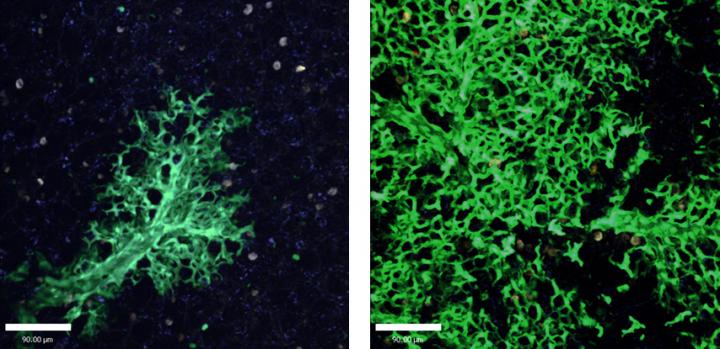
New lung cells are continuously created to replace the damaged ones: Lung tissue six weeks after stem cell transplantation (left) and 16 weeks after transplantation (right). Collectively, such diseases of the airways as emphysema, bronchitis, asthma and cystic fibrosis are the second leading cause of death worldwide. More than 35 million Americans alone suffer from chronic respiratory disease. Weizmann Institute scientists have now proposed a new direction that could, in the future, lead to the development of a method for alleviating some of their suffering. The study's findings, which appeared today in Nature Medicine, show how it might be possible to use embryonic stem cells to repair damaged lung tissue.
| Full story | 0 Comments | 6456 views |
| Health & Medicine | July 14, 2015 07:18 PM |
University of Leicester psychologist describes unique case as new to science
| Full story | 0 Comments | 4375 views |

- In some genetic cases of microcephaly, stem cells fail to launch
- Yale team discovers how Zika virus causes fetal brain damage
- Scientists uncover the way a common cell enzyme alerts the body to invading bacteria
- Arctic gives clues on worst mass extinction of life
- Calcium channel blockers caught in the act at atomic level
Search Bio News Net
Free Biology Newsletter
- Flexibility That A.C.A. Lent to Work Force Is Threatened by...International Herald Tribune
- Bacteria Behind Legionnaires’ Disease Found at New York Police StationInternational Herald Tribune
- Prescription Price Crisis? 28 Million Americans See Spike in Drug...MSNBC.com: Health
- Seizing on Opioid Crisis, a Drug Maker Lobbies Hard for...International Herald Tribune
- Republicans are taking a big political risk on health careAP Health News
- Why We're So Divided Over Saving WolvesNational Geographic News