

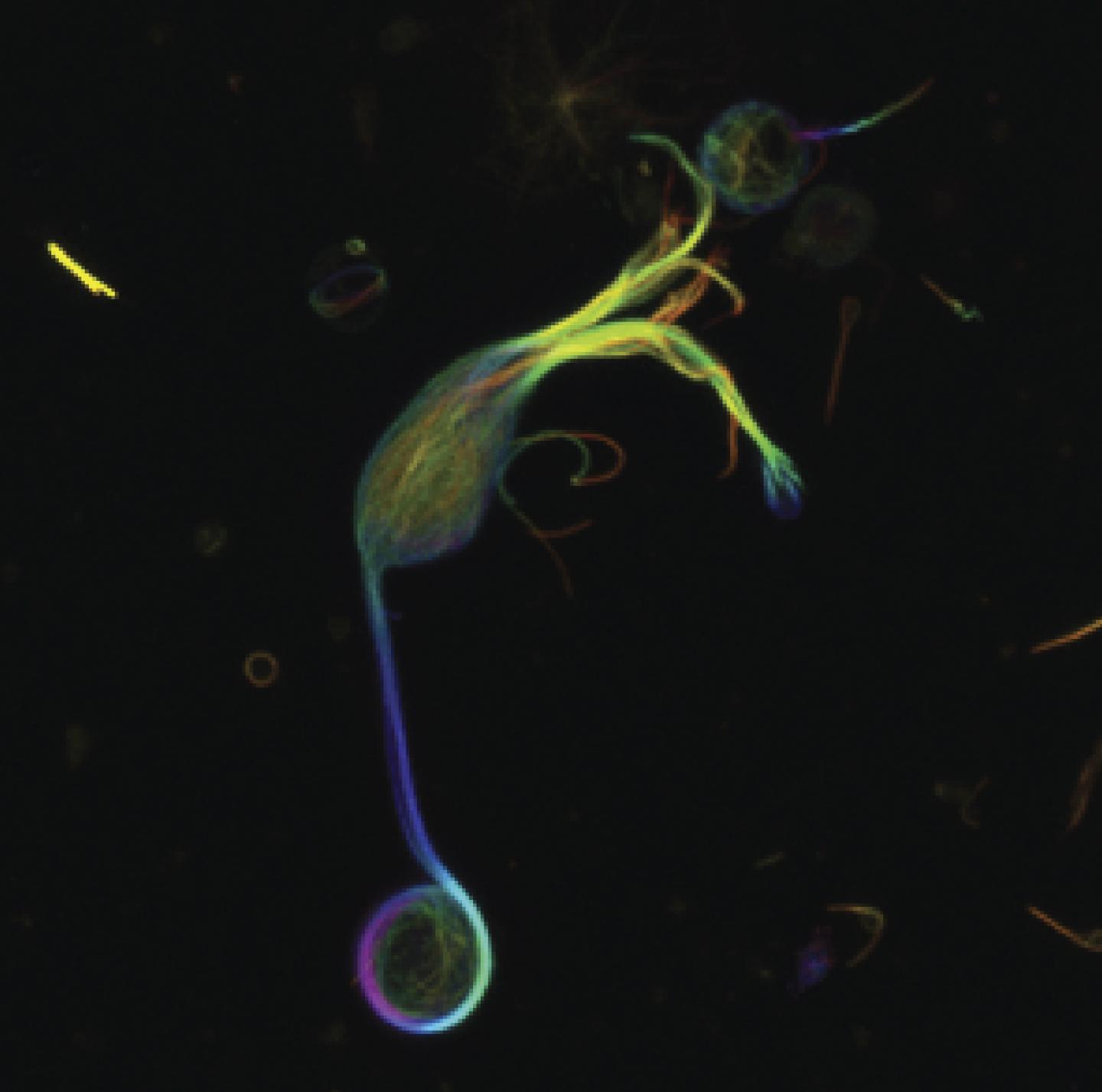
Fluorescently labeled microtubules extend from the tips of the dendrites (top) into the axon and down into the giant synaptic terminal (bottom) of a single isolated goldfish retinal bipolar cell. A loop of microtubules encircles the inner plasma membrane of the terminal and anchors mitochondria. Researchers have discovered a thick band of microtubules in certain neurons in the retina that they believe acts as a transport road for mitochondria that help provide energy required for visual processing. The findings appear in the July issue of The Journal of General Physiology.

| Molecular & Cell Biology | June 29, 2015 06:10 PM |
| Full story | 0 Comments | 6326 views |

| Biology | June 29, 2015 06:10 PM |

University of Washington researchers have discovered a link between floral scent release and circadian rhythms in the common garden petunia. Good timing is a matter of skill. You would certainly dress up for an afternoon business meeting, but not an evening session of binge-watching Netflix. If you were just a few hours off in your wardrobe timing, your spouse might wonder why you slipped into a stiff business suit to watch "House of Cards."
| Full story | 0 Comments | 8257 views |

| Health & Medicine | June 29, 2015 06:10 PM |
Laboratories that test chemicals for neurological toxicity could reduce their use of laboratory mice and rats by replacing these animal models with tiny aquatic flatworms known as freshwater planarians.
| Full story | 0 Comments | 5754 views |
| Molecular & Cell Biology | June 26, 2015 05:24 PM |
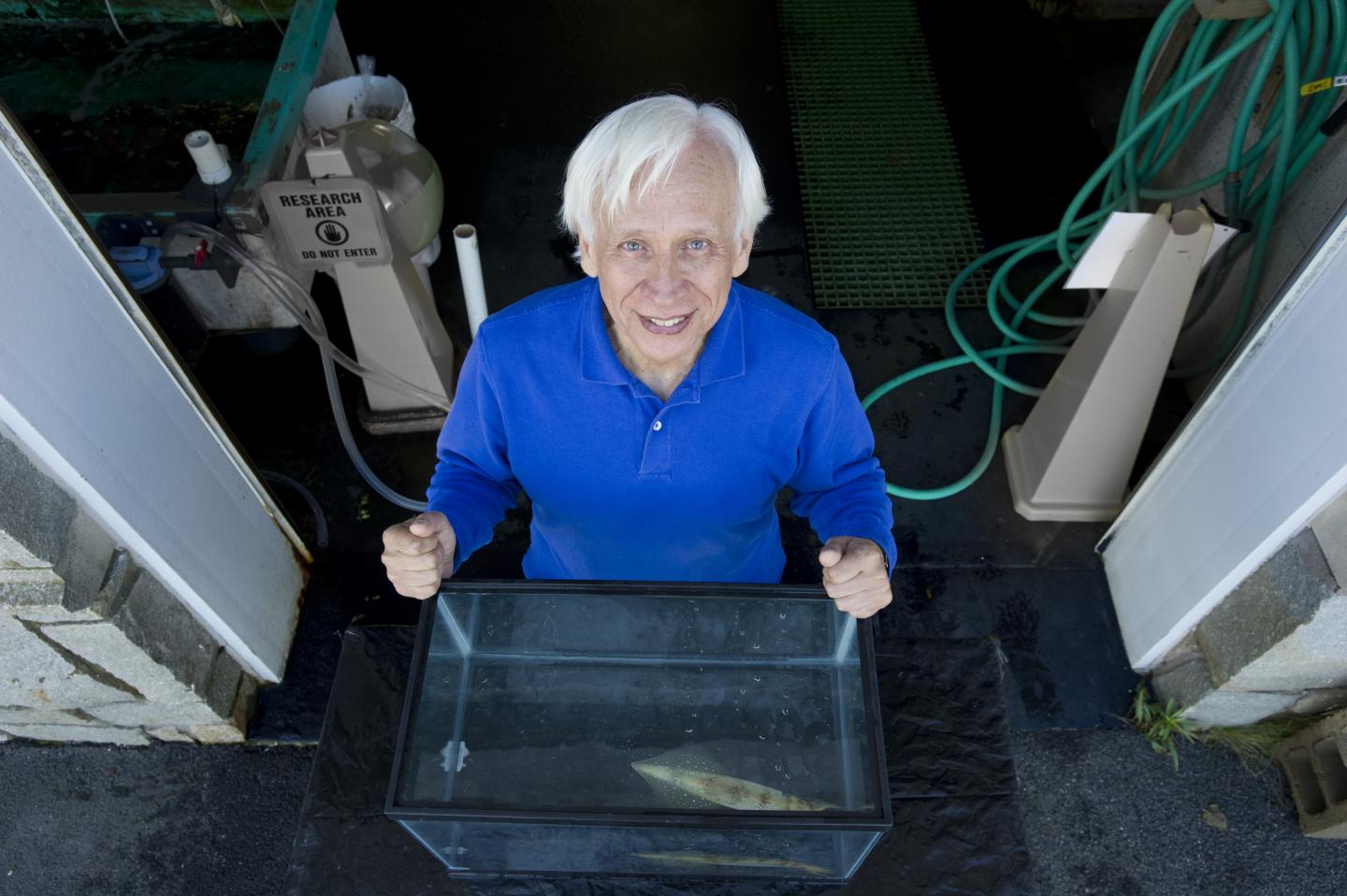
Rodolfo Llinás of New York University School of Medicine at the MBL, Woods Hole, where he spends each summer as a Whitman Center iInvestigator. Sleep seems simple enough, a state of rest and restoration that almost every vertebrate creature must enter regularly in order to survive. But the brain responds differently to stimuli when asleep than when awake, and it is not clear what brain changes happen during sleep. "It is the same brain, same neurons and similar requirements for oxygen and so on, so what is the difference between these two states?" asks Rodolfo Llinás, a professor of neuroscience at New York University School of Medicine and a Whitman Center Investigator at the Marine Biological Laboratory (MBL) in Woods Hole. In a recent paper, Choi, Yu, Lee, and Llinás announced that a specific calcium channel plays a crucial role in healthy sleep, a key step toward understanding both normal and abnormal waking brain functions.
| Full story | 0 Comments | 10585 views |
| Molecular & Cell Biology | June 26, 2015 05:24 PM |
The flu virus can be lethal. But what is often just as dangerous is the body's own reaction to the invader. This immune response consists of an inflammatory attack, meant to kill the virus. But if it gets too aggressive, this counterattack can end up harming the body's own tissues, causing damage that can lead to death.
| Full story | 0 Comments | 7339 views |

| Biotechnology | June 23, 2015 06:49 PM |
In what may be a major leap forward in the quest for new treatments of the most common form of cardiovascular disease, scientists at Johns Hopkins report they have found a way to halt and reverse the progression of atherosclerosis in rodents by loading microscopic nanoparticles with a chemical that restores the animals' ability to properly handle cholesterol.
| Full story | 0 Comments | 6741 views |
| Molecular & Cell Biology | June 23, 2015 06:49 PM |
Stanford University researchers studying how the brain controls movement in people with paralysis, related to their diagnosis of Lou Gehrig's disease, have found that groups of neurons work together, firing in complex rhythms to signal muscles about when and where to move.
| Full story | 0 Comments | 6191 views |
| Health & Medicine | June 17, 2015 07:10 AM |
For decades, American travelers to international destinations have been plagued by acute gastrointestinal illnesses that can arise from travel to other countries. The Center for Disease Control (CDC) warns that depending on the destination, between 30 to 70 percent of travelers can expect to experience gastrointestinal distress from ingesting foreign or pathogenic bacteria that can be present in poorly sanitized water or food.
| Full story | 0 Comments | 7679 views |

| Bioinformatics | June 17, 2015 07:10 AM |

The mSet algorithm by Oliver Stegle at EMBL-EBI makes large-scale, complex genome analyses easier. Researchers at EMBL-EBI have developed a new approach to studying the effect of multiple genetic variations on different traits. The new algorithm, published in Nature Methods, makes it possible to perform genetic analysis of up to 500,000 individuals - and many traits - at the same time.
| Full story | 0 Comments | 6720 views |

| Microbiology | June 17, 2015 07:10 AM |
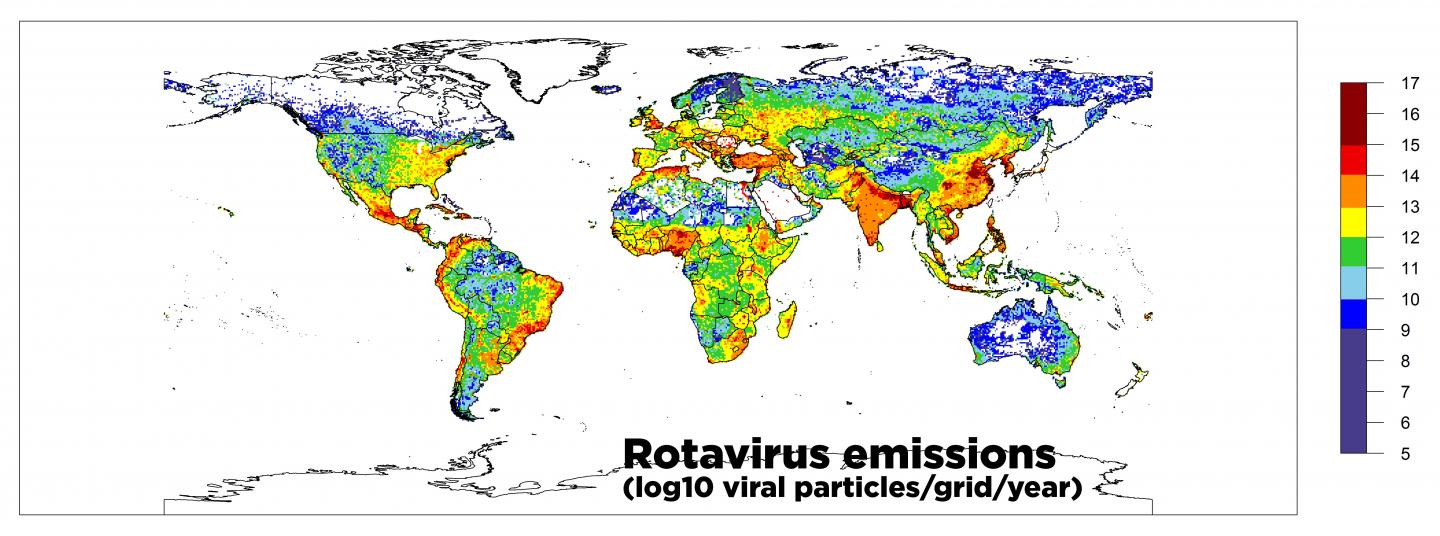
This is a map of fecal viruses across the globe. Red shades indicate severe concentrations of the deadly rotavirus (based on data from approximately year 2010). Humans aren't the only ones who like to cruise along the waterways, so do viruses. For the first time, a map of fecal viruses traveling our global waterways has been created using modeling methods to aid in assessing water quality worldwide.
| Full story | 0 Comments | 6895 views |
| Biotechnology | June 17, 2015 07:10 AM |
Scientists have developed a new tissue 'scaffold' technology that could one day enable the engineering of large organs.
| Full story | 0 Comments | 8197 views |
| Health & Medicine | June 11, 2015 08:06 PM |
Stem cells are especially sensitive to oxygen radicals and antioxidants shows new research from the group of Anu Wartiovaara in the Molecular Neurology Research Program of University of Helsinki. The research led by researcher Riikka Martikainen was published in Cell Reports -journal May 28th 2015.
| Full story | 0 Comments | 7566 views |
| Health & Medicine | June 11, 2015 08:06 PM |
Pregnant women can improve their health and even reduce the risk of complications during childbirth by maintaining a healthy weight through diet and exercise. Research has shown that gaining too much weight during pregnancy increases the risk of gestational diabetes, high blood pressure, large babies, and delivery by caesarean section; and newborns with large birth weights are at risk of childhood obesity.
| Full story | 0 Comments | 6802 views |
| Molecular & Cell Biology | June 11, 2015 08:06 PM |
Researchers at the University of Toronto have uncovered how Gram-negative bacteria -- a broad class of bugs that cause diseases ranging from gonorrhea to diarrhea and pneumonia -- can trigger a reaction from our immune system. This discovery could lead to new therapies and treatments that use the immune system to fight infections instead of antibiotics.
| Full story | 0 Comments | 6558 views |
| Molecular & Cell Biology | June 11, 2015 08:06 PM |

This is a Darling Downs funnel-web spider. Its venom evolved from an insulin-like hormone. Funnel-web spider venom contains powerful neurotoxins that instantly paralyze prey (usually insects). Millions of years ago, however, this potent poison was just a hormone that helped ancestors of these spiders regulate sugar metabolism, similar to the role of insulin in humans. Surprisingly, this hormone's weaponization--described on June 11 in the journal Structure--occurred in arachnids as well as centipedes, but in different ways.
| Full story | 0 Comments | 6860 views |
| Microbiology | June 11, 2015 08:06 PM |
Researchers have identified two critical mutations allowing the deadly Middle East Respiratory Syndrome (MERS) virus to transmit from bats to humans. The findings were published in the most recent edition of the Journal of Virology.
| Full story | 0 Comments | 6136 views |

| AIDS & HIV | June 11, 2015 08:06 PM |
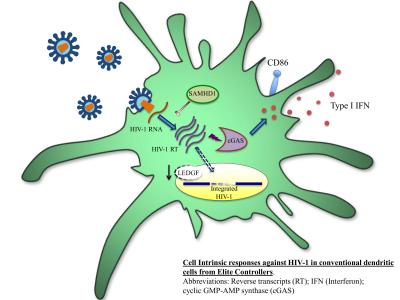
This image shows cell intrinsic responses against HIV-1 in conventional dendritic cells from Elite Controllers. Elite controllers (EC) are a small group of HIV-infected individuals who are able to suppress the virus in the absence of antiretroviral therapy. EC demonstrate that the human immune system, in principle, is capable of rendering HIV harmless. A study published on June 11th in PLOS Pathogens shows that dendritic cells (DC) of EC are supersensitive to early signs of HIV infection, and contribute to a stronger immune response than that seen in individuals who fail to control the virus in the long term.
| Full story | 0 Comments | 6014 views |
| Molecular & Cell Biology | June 9, 2015 05:48 PM |
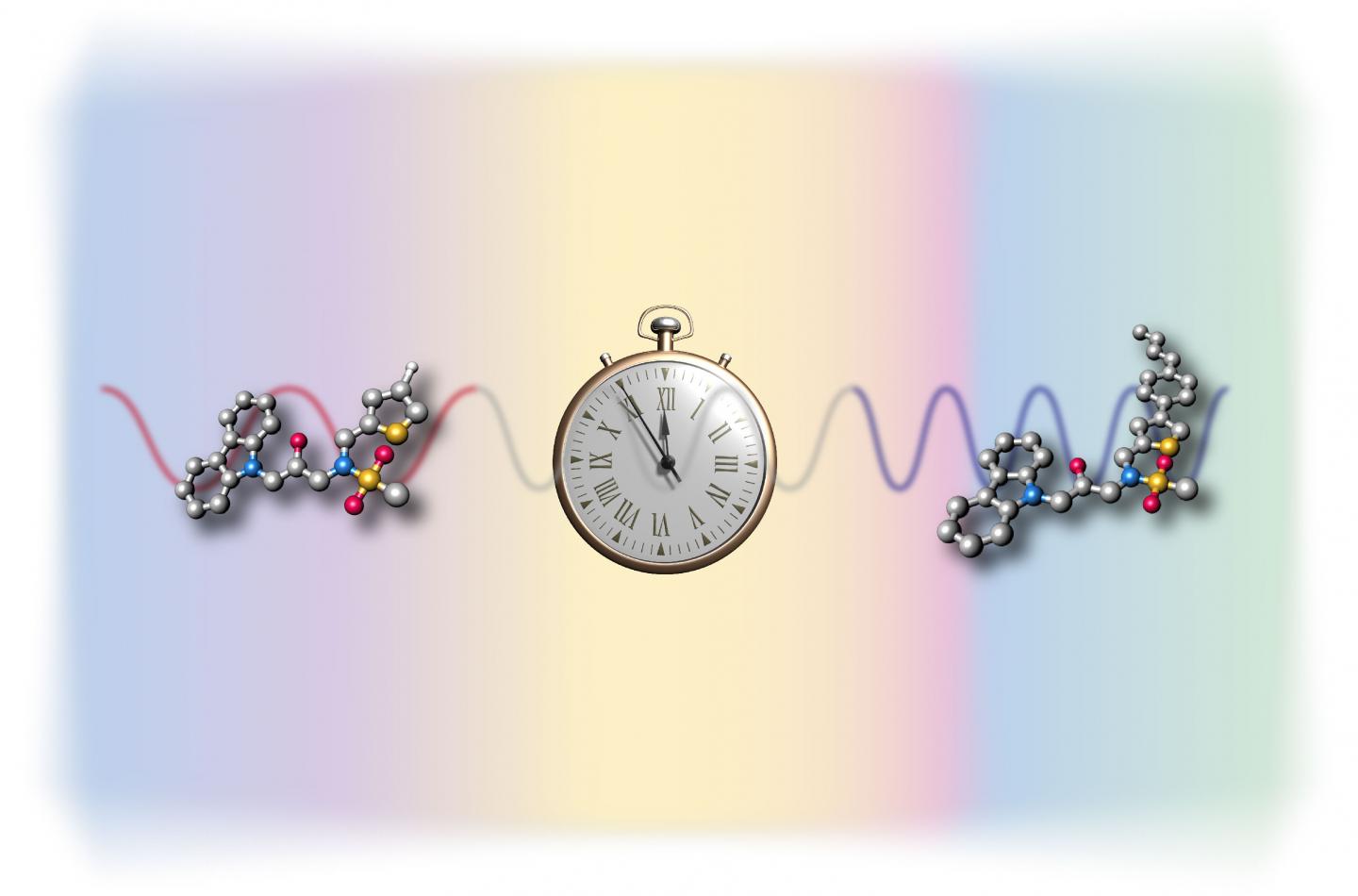
Period-lengthening/-shortening molecules can change the biological clock rhythm. A team of chemists and biologists at the Institute of Transformative Bio-Molecules (ITbM), Nagoya University have succeeded in finding new molecules that change the circadian rhythm in mammals by applying synthetic chemistry methods, which makes use of highly selective metal catalysts.
| Full story | 0 Comments | 6250 views |
| Molecular & Cell Biology | June 9, 2015 05:48 PM |
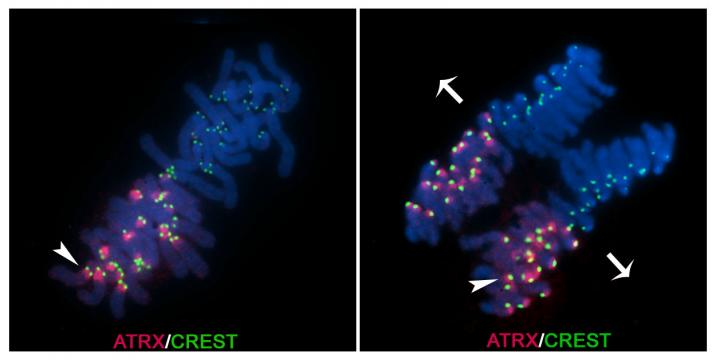
Fluorescence microscopy of maternal and paternal chromosomes is shown at the first mitosis during the oocyte to embryo transition in the mouse. Researchers in the University of Georgia's Regenerative Bioscience Center are visually capturing the first process of chromosome alignment and separation at the beginning of mouse development. The findings could lead to answers to questions concerning the mechanisms leading to birth defects and chromosome instability in cancer cells.
| Full story | 0 Comments | 4801 views |
| Bioinformatics | June 5, 2015 03:52 AM |
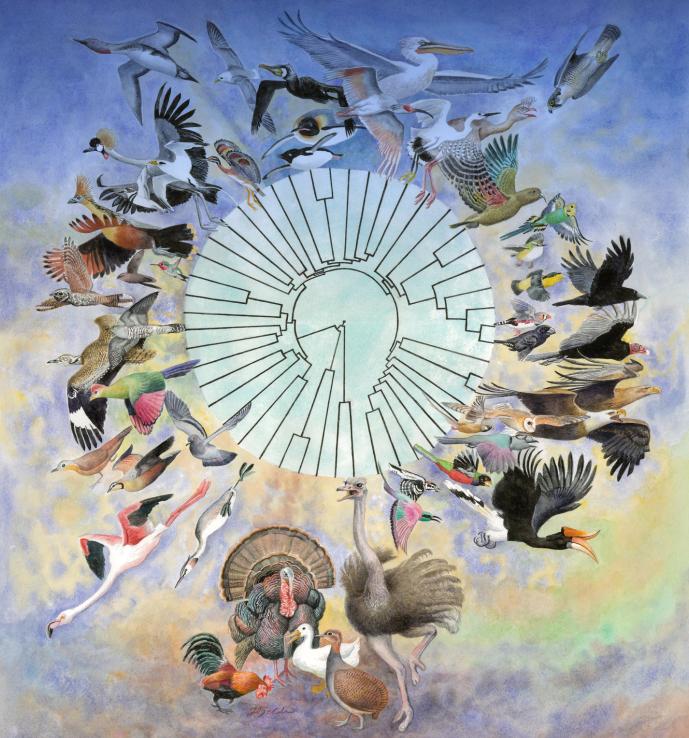
The new avian family tree based on whole genomes of 48 bird species representing all 30 neoavian orders and two galloanserae orders and two palaeognathae orders. The Avian Phylogenomics Consortium formally announces the launch of the Bird 10,000 genomes (B10K) project, an initiative to generate representative draft genome sequences from all extant bird species within the next five years. This will be the first attempt to sequence the genomes of all living species of a vertebrate class. The establishment of this project is built on the success of the previous ordinal level project, which provided the first proof of concept for carrying out large-scale sequencing of multiple representative species across a vertebrate class and a window into the types of discoveries that can be made with such genomes (1). The announcement of the B10K project is published online today in Nature.
| Full story | 0 Comments | 6818 views |
| Molecular & Cell Biology | June 5, 2015 03:52 AM |
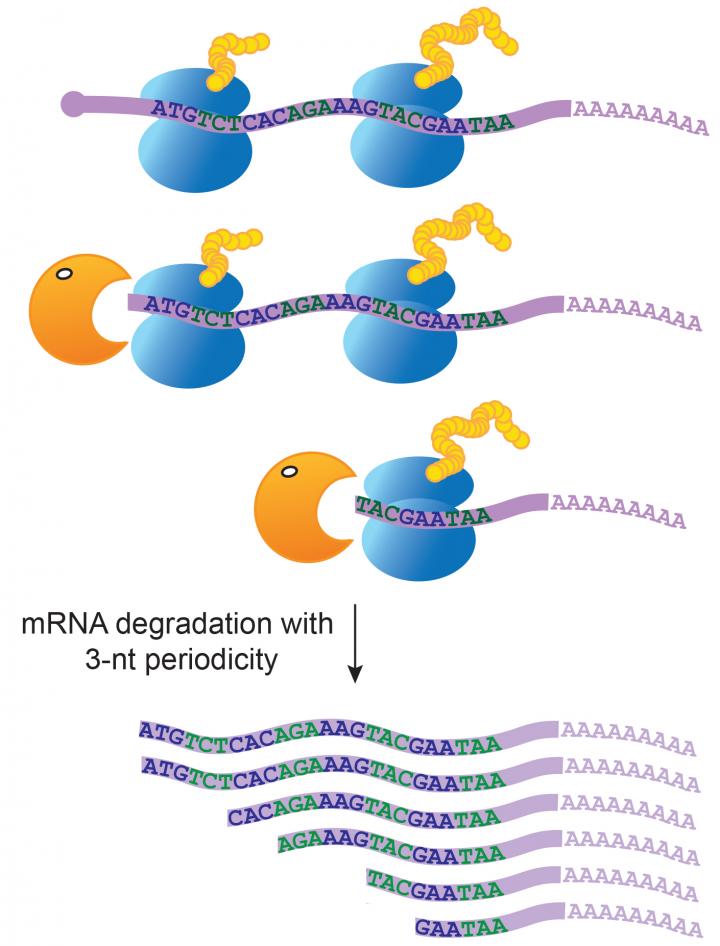
The enzyme that degrades messenger RNA follows the ribosomes and stops every 3 nucleotides. Once messenger RNA (mRNA) has done its job - conveying the information to produce the proteins necessary for a cell to function - it is no longer required and is degraded. Scientists have long thought that the decay started after translation was complete and that decaying RNA molecules provided little biological information.
| Full story | 0 Comments | 7269 views |
| Microbiology | June 5, 2015 03:52 AM |
From a single drop of blood, researchers can now simultaneously test for more than 1,000 different strains of viruses that currently or have previously infected a person. Using a new method known as VirScan, researchers from Brigham and Women's Hospital (BWH) and Harvard Medical School tested for evidence of past viral infections, detecting on average 10 viral species per person. The new work sheds light on the interplay between a person's immunity and the human virome -- the vast array of viruses that can infect humans - with implications both for the clinic and for the field of immunology. The team reports its findings in Science on June 5.
| Full story | 0 Comments | 6409 views |
| Molecular & Cell Biology | June 5, 2015 03:52 AM |
The process that allows our brains to learn and generate new memories also leads to degeneration as we age, according to a new study by researchers at MIT.
| Full story | 0 Comments | 6725 views |
| Microbiology | June 5, 2015 03:52 AM |
At its annual assembly in Geneva last week, the World Health Organization approved a radical and far-reaching plan to slow the rapid, extensive spread of antibiotic resistance around the world. The plan hopes to curb the rise caused by an unchecked use of antibiotics and lack of new antibiotics on the market.
| Full story | 0 Comments | 6775 views |
| Biology | June 3, 2015 06:53 PM |

Drilling deep into the night: The team of researchers headed by Christian Hallmann and Katherine French took elaborate precautions to keep their samples clean Contaminated samples have evidently created some confusion in the timetable of life. On the basis of ultra-clean analyses, an international team, including scientists from the Max Planck Institute for Biogeochemistry, has disproved supposed evidence that eukaryotes originated 2.5 to 2.8 billion years ago. In contrast to prokaryotes such as bacteria, eukaryotes have a nucleus. Some researchers thought they had discovered molecular remnants of living organisms in rock samples up to 2.8 billion years old. However, as the current study shows, these molecular traces were introduced by contamination. The oldest evidence for the existence of eukaryotes is now provided by microfossils that are ca. 1.5 billion years old.
| Full story | 0 Comments | 8663 views |
| Biology | June 3, 2015 06:53 PM |
Scientists at the German Center for Neurodegenerative Diseases (DZNE) and the University of Bonn led by Prof. Stefan Remy report on this in the journal "Neuron". Their investigations give new insights into the workings of spatial memory. Furthermore, they could also help improve our understanding of movement related symptoms associated with Parkinson's disease.
| Full story | 0 Comments | 6341 views |
| Biotechnology | June 2, 2015 06:32 PM |
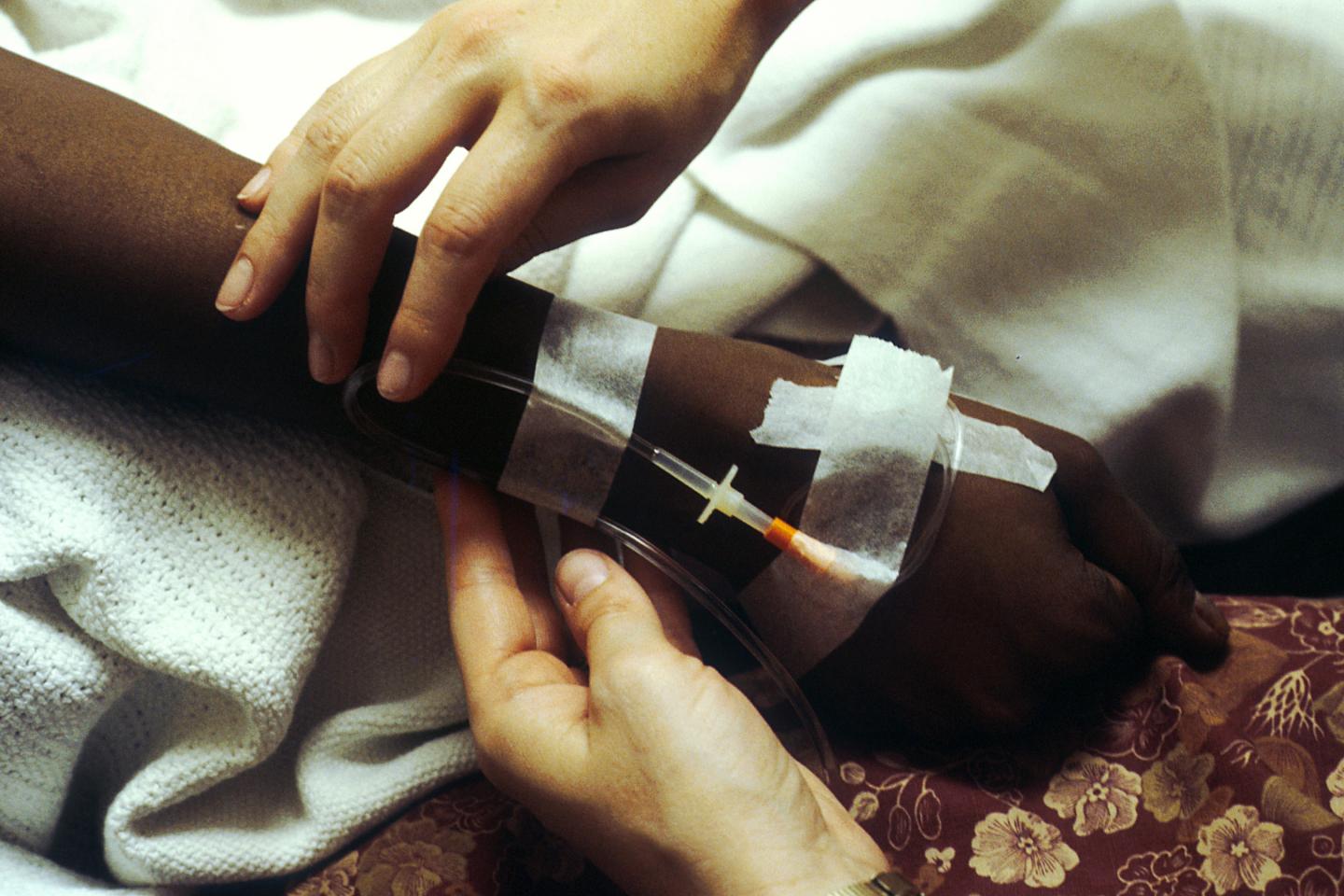
This image shows two hands manipulating an IV for chemotherapy administration to a patient. A new study published in IOP Publishing's journal 2D Materials has proposed using graphene as an alternative coating for catheters to improve the delivery of chemotherapy drugs.
| Full story | 0 Comments | 6106 views |
| AIDS & HIV | June 2, 2015 06:32 PM |
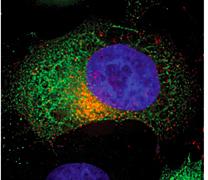
Probing HIV Env's incorporation into viral particles could inform design of virus-like particle vaccines. Virologists at Emory University School of Medicine, Yerkes National Primate Research Center, and Children's Healthcare of Atlanta have uncovered a critical detail explaining how HIV assembles its infectious yet stealthy clothing.
| Full story | 0 Comments | 5681 views |

| Environment | June 2, 2015 06:32 PM |
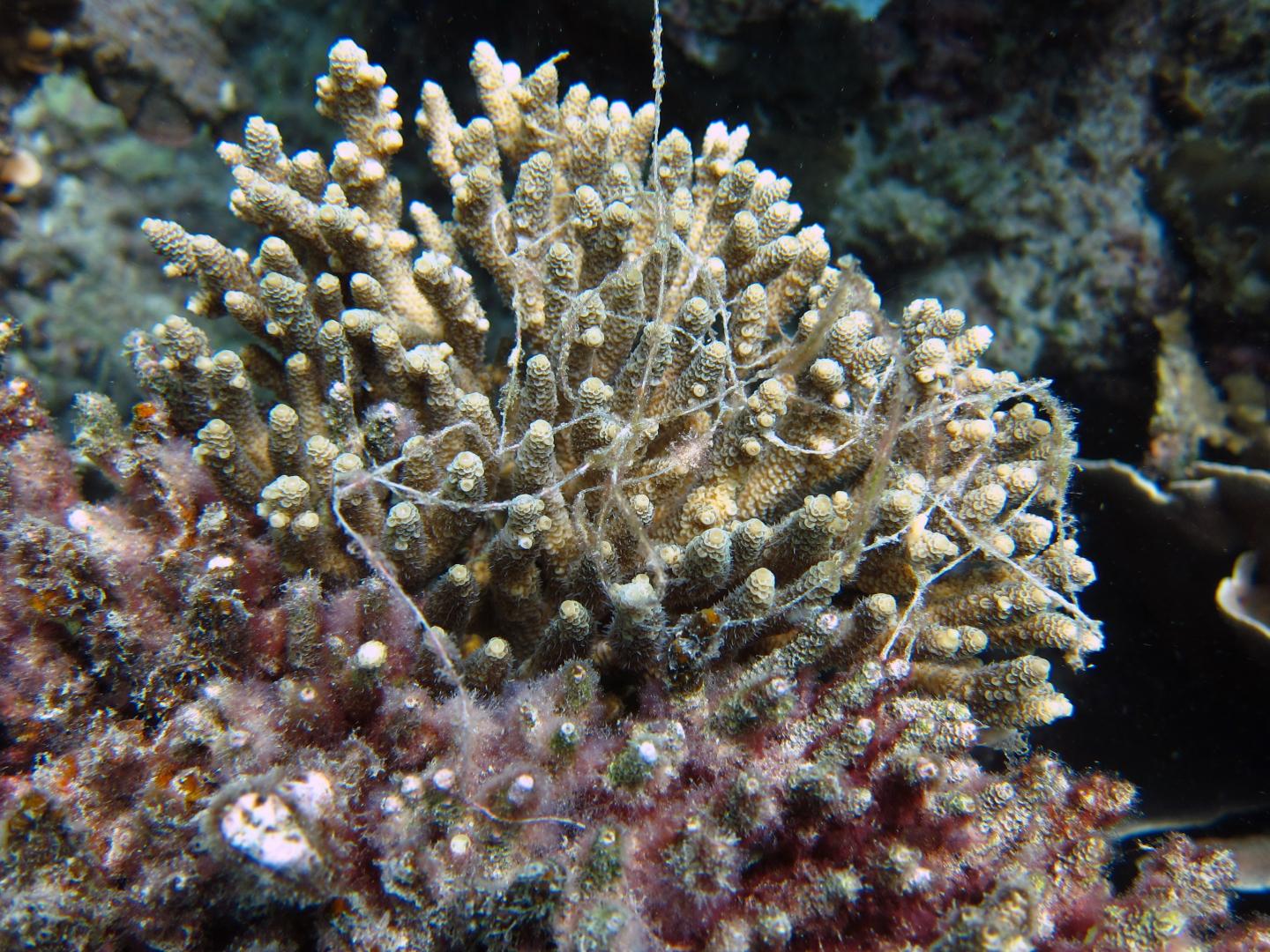
Abandoned fishing line can injure corals. A new and significant role for marine reserves on the Great Barrier Reef has been revealed, with researchers finding the reserves reduce the prevalence of coral diseases.
| Full story | 0 Comments | 5423 views |
| Microbiology | June 2, 2015 06:32 PM |
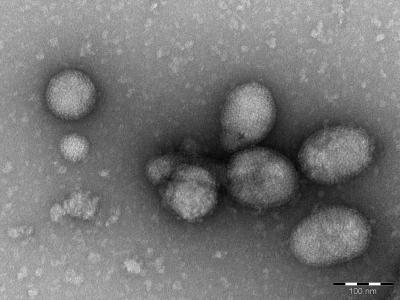
Ferak is a fantasy figure, a plant/animal hybrid creature. The genome of the virus has similarities to bunyaviruses from both plants and animals. Researchers at the University of Bonn and the German Center for Infection Research (DZIF) have discovered two new groups of viruses within the Bunyavirus family in the tropical forest of Ivory Coast. Previously only five groups responsible for serious illnesses in humans and animals were known. Most are spread through blood-feeding insects. Based on the discovered viruses researchers conclude that the ancester to all bunyaviruses must have existed in arthropods such as insects. The results are now being published in the "Proceedings of the National Academy of Sciences" (PNAS).
| Full story | 0 Comments | 5481 views |
| Biology | June 2, 2015 06:32 PM |

The restoration of formerly endangered species is raising conflict in some places. A study of marine mammals and other protected species finds that several once endangered species, including the iconic humpback whale, the northern elephant seal and green sea turtles, have recovered and are repopulating their former ranges.
| Full story | 0 Comments | 6680 views |
| Molecular & Cell Biology | June 2, 2015 06:32 PM |
Senescence, a phenomenon in which cells cease to divide and grow, can be caused by everything from natural DNA damage to treatment with chemotherapy. However, several mechanisms allow for cells to bypass senescence and grow out of control, eventually becoming cancerous. Now, scientists at The Wistar Institute have identified how a specific variant of a key protein complex found in human cells called condensin can reorganize a cell's genetic architecture in such a way as to promote senescence, making it an important facilitator in a cell's anticancer ability.
| Full story | 0 Comments | 4525 views |
| Microbiology | June 1, 2015 06:02 PM |
The effort to identify new ways of fighting infections has taken a step forward now that scientists have identified a key protein involved in the host's response to strep infections. This protein, called "NFAT," appears to play a key role in the body's inflammatory response to an infection, which when uncontrolled, can be as bad, if not worse, than the infection itself. Furthermore, this discovery was made using streptococcal bacteria, which are responsible for a wide range of human illnesses, ranging from sore throat and pink eye to meningitis and bacterial pneumonia. This discovery was published in the June 2015 issue of the Journal of Leukocyte Biology
| Full story | 0 Comments | 5603 views |
| Microbiology | June 1, 2015 06:02 PM |
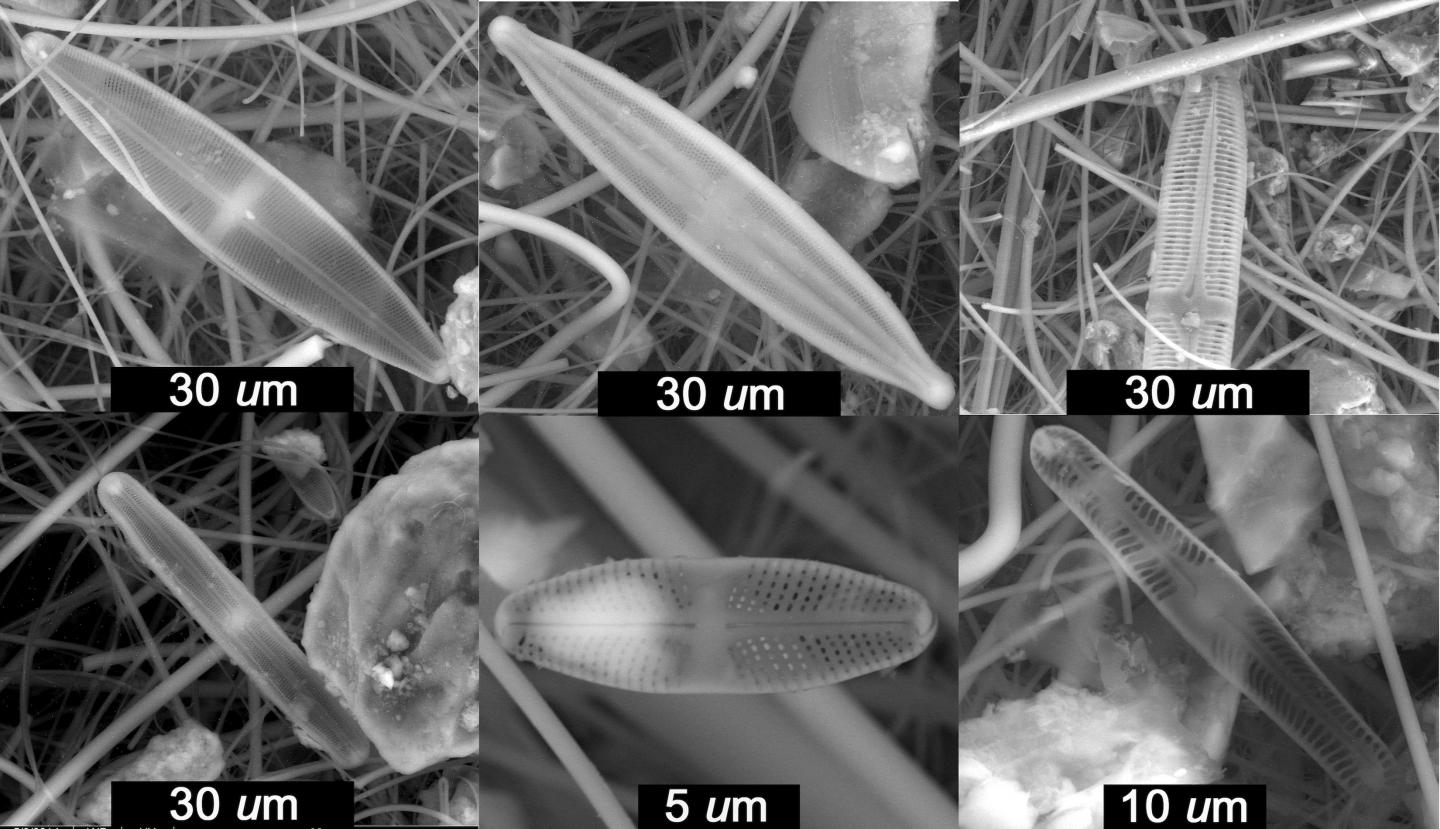
Pennate (elongated) diatoms found in an ice core from the Quelccaya Summit Dome Glacier were among many samples identified by scientists. The remains of tiny creatures found deep inside a mountaintop glacier in Peru are clues to the local landscape more than a millennium ago, according to a new study by Rice University, the University of Nebraska-Lincoln and Ohio State University.
| Full story | 0 Comments | 4918 views |
| Bioinformatics | June 1, 2015 06:02 PM |
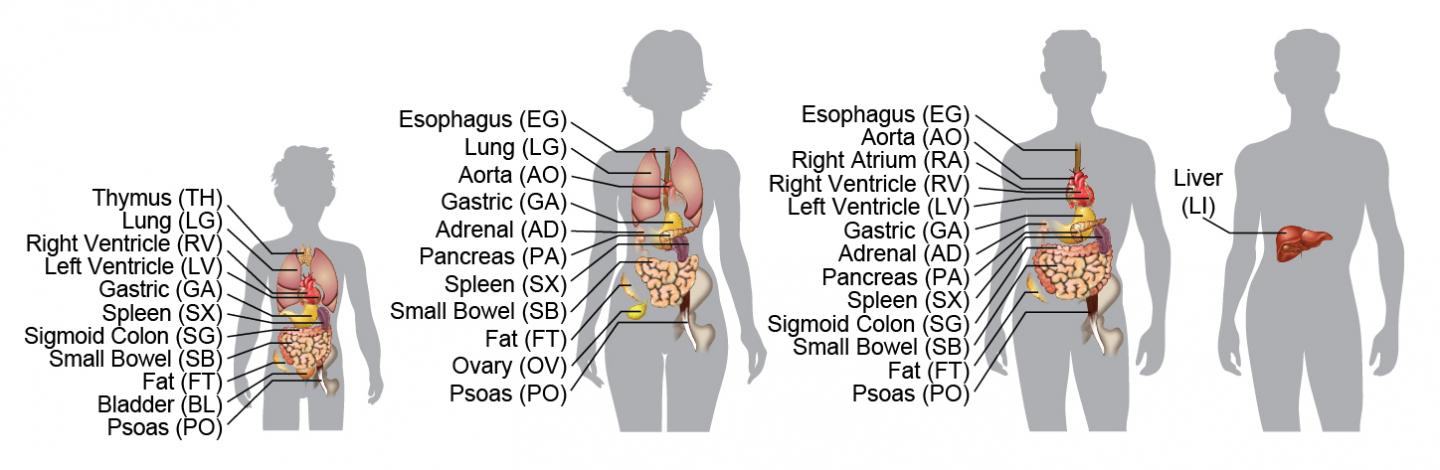
A team at the Salk Institute mapped comprehensive epigenomes of several organs and tissue types from four different donors, which could help better understand health and disease. For more than a decade, scientists have had a working map of the human genome, a complete picture of the DNA sequence that encodes human life. But new pages are still being added to that atlas: maps of chemical markers called methyl groups that stud strands of DNA and influence which genes are repressed and when.
| Full story | 0 Comments | 4849 views |
| Biology | June 1, 2015 06:02 PM |
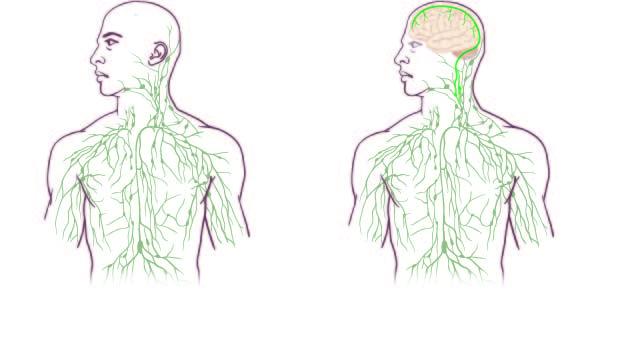
Maps of the lymphatic system: old (left) and updated to reflect UVA's discovery.
- Vessels directly connecting brain, lymphatic system exist despite decades of doctrine that they don't
- Finding may have substantial implications for major neurological diseases
- Game-changing discovery opens new areas of research, transforms existing ones
- Major gap in understanding of the human body revealed
- 'They'll have to change the textbooks'
| Full story | 0 Comments | 8668 views |

- In some genetic cases of microcephaly, stem cells fail to launch
- Yale team discovers how Zika virus causes fetal brain damage
- Scientists uncover the way a common cell enzyme alerts the body to invading bacteria
- Arctic gives clues on worst mass extinction of life
- Calcium channel blockers caught in the act at atomic level
Search Bio News Net
Free Biology Newsletter
- Flexibility That A.C.A. Lent to Work Force Is Threatened by...International Herald Tribune
- Bacteria Behind Legionnaires’ Disease Found at New York Police StationInternational Herald Tribune
- Prescription Price Crisis? 28 Million Americans See Spike in Drug...MSNBC.com: Health
- Seizing on Opioid Crisis, a Drug Maker Lobbies Hard for...International Herald Tribune
- Republicans are taking a big political risk on health careAP Health News
- Why We're So Divided Over Saving WolvesNational Geographic News