

Mice lacking the protein retGC1, which is deficient in humans suffering Leber congenital amaurosis-1 (LCA1), a disorder that causes severe visual impairment beginning in infancy, received gene therapy to replace retGC1 and showed fully restored visual function that persisted for at least 6 months. The success of this approach strongly support clinical testing of a gene therapy targeted to the retinas of LCA1 patients, conclude the authors of the study published in Human Gene Therapy. The article is available free on the Human Gene Therapy website until September 30, 2015.

| Molecular & Cell Biology | August 31, 2015 02:34 PM |
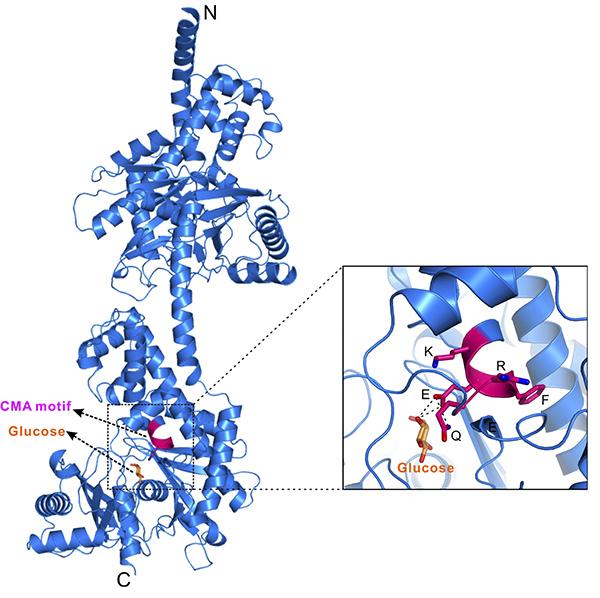
Eliminating HK2 (shown here), which is a key enzyme for glucose metabolism, may be a way to prevent cancer cells from surviving, A study published in The Journal of Cell Biology describes a way to force cancer cells to destroy a key metabolic enzyme they need to survive.
| Full story | 0 Comments | 5762 views |

| Biology | August 31, 2015 02:34 PM |
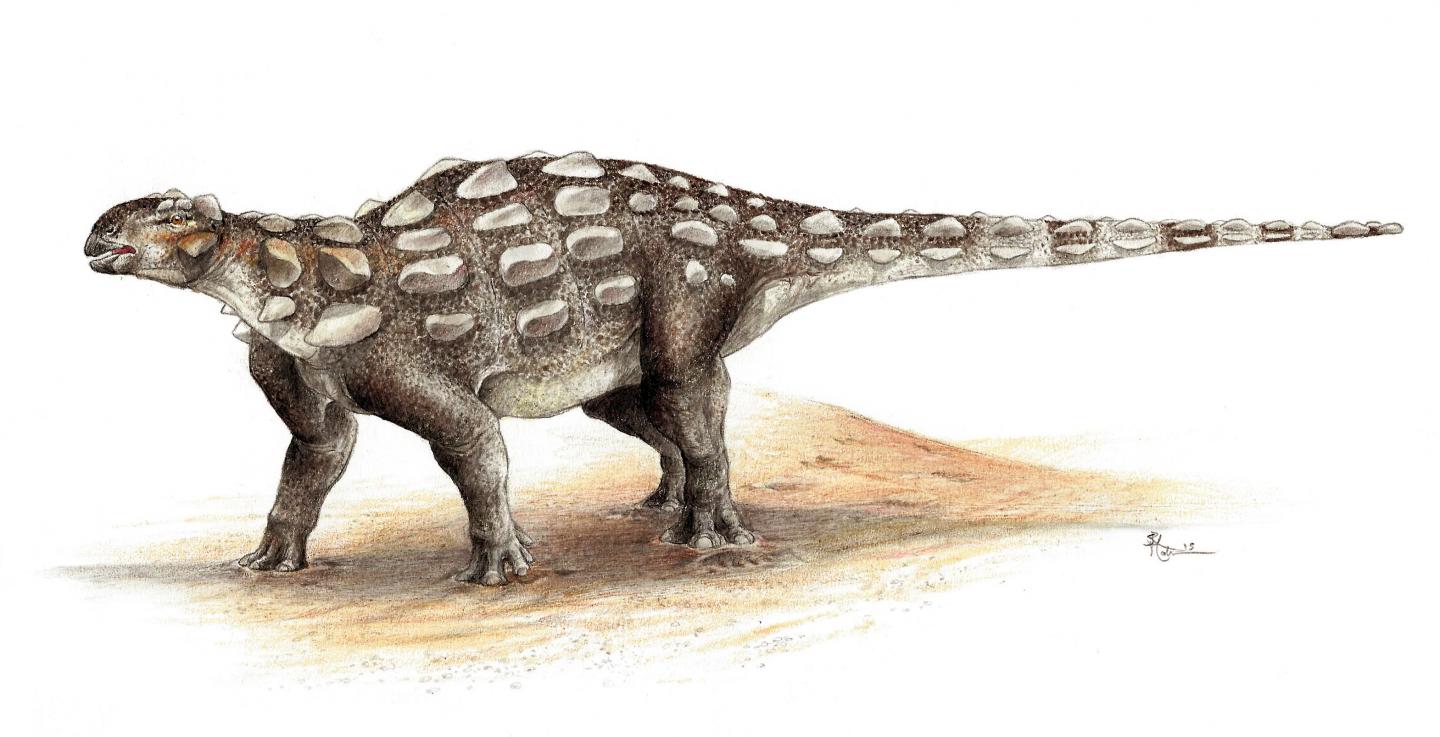
Life illustration of Gobisaurus, an ankylosaur with a stiff tail but no knob of bone at the end. How did the ankylosaur get its tail club? According to research from North Carolina State University and the North Carolina Museum of Natural Sciences that traces the evolution of the ankylosaur's distinctive tail, the handle arrived first on the scene, and the knot at the end of the tail followed.
| Full story | 0 Comments | 7190 views |
| Molecular & Cell Biology | August 31, 2015 02:34 PM |
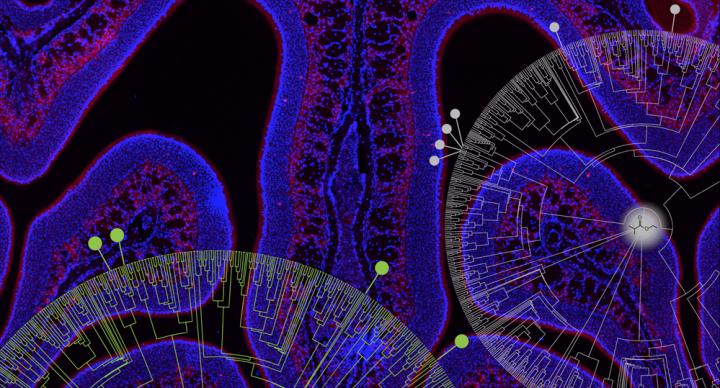
Olfactory signatures corresponding to specific odorants. In the background, an olfactory sensory neuroepithelium. In animals, numerous behaviors are governed by the olfactory perception of their surrounding world. Whether originating in the nose of a mammal or the antennas of an insect, perception results from the combined activation of multiple receptors located in these organs. Identifying the full repertoire of receptors stimulated by a given odorant would represent a key step in deciphering the code that mediates these behaviors. To this end, a tool that provides a complete olfactory receptor signature corresponding to any specific smell was developed in the Faculties of Science and Medicine of the University of Geneva (UNIGE), Switzerland. Published in the journal Nature Neuroscience, this approach allows to identify thousands of chemosensory receptors, among which, potentially, those able to trigger predetermined behaviors in mammals or in insects, such as pests, disease vectors or parasites.
| Full story | 0 Comments | 4355 views |
| Molecular & Cell Biology | August 31, 2015 02:34 PM |
It was long believed that acquired immunity--a type of immunity mediated by T- and B-cells--had memory, meaning that it could learn from new pathogens, making subsequent reactions more effective, whereas innate immunity--which is mediated by macrophages and other types of cells that react to certain molecules typically associated with pathogens--did not. However, it gradually became clear that things were not so simple. Plants and insects, which only have innate immunity, also seem to have immunological memory. Further, it has been reported that herpes virus infection increases the resistance against bacteria in vertebrates. These phenomena suggest that innate immunity also has memory, but researchers have been reluctant to accept the hypothesis given the lack of a mechanism Now, in research published in Nature Immunology, a research team led by Keisuke Yoshida and Shunsuke Ishii of the RIKEN Molecular Genetics Laboratory has revealed that epigenomic changes induced by pathogen infections, mediated by a transcription factor called ATF7, are the underlying mechanism of the memory of innate immunity.
| Full story | 0 Comments | 4320 views |

| Biotechnology | August 31, 2015 02:34 PM |
A UCSF-led team has developed a technique to build tiny models of human tissues, called organoids, more precisely than ever before using a process that turns human cells into a biological equivalent of LEGO bricks. These mini-tissues in a dish can be used to study how particular structural features of tissue affect normal growth or go awry in cancer. They could be used for therapeutic drug screening and to help teach researchers how to grow whole human organs.
| Full story | 0 Comments | 5445 views |

| Environment | August 27, 2015 04:31 PM |
A study by the University of Liverpool has found that the genetic diversity of wild plant species could be altered rapidly by anthropogenic climate change.
| Full story | 0 Comments | 9031 views |
| Molecular & Cell Biology | August 27, 2015 04:31 PM |
Every organism--from a seedling to a president--must protect its DNA at all costs, but precisely how a cell distinguishes between damage to its own DNA and the foreign DNA of an invading virus has remained a mystery.
| Full story | 0 Comments | 7254 views |

| AIDS & HIV | August 27, 2015 04:31 PM |
Researchers led by the UCLA Fielding School of Public Health examined HIV testing trends among adults ages 50 through 64 both before and after 2006, when the Centers for Disease Control and Prevention (CDC) recommended that most doctors automatically screen all patients for HIV regardless of whether they have symptoms.
| Full story | 0 Comments | 5974 views |
| Molecular & Cell Biology | August 27, 2015 04:31 PM |
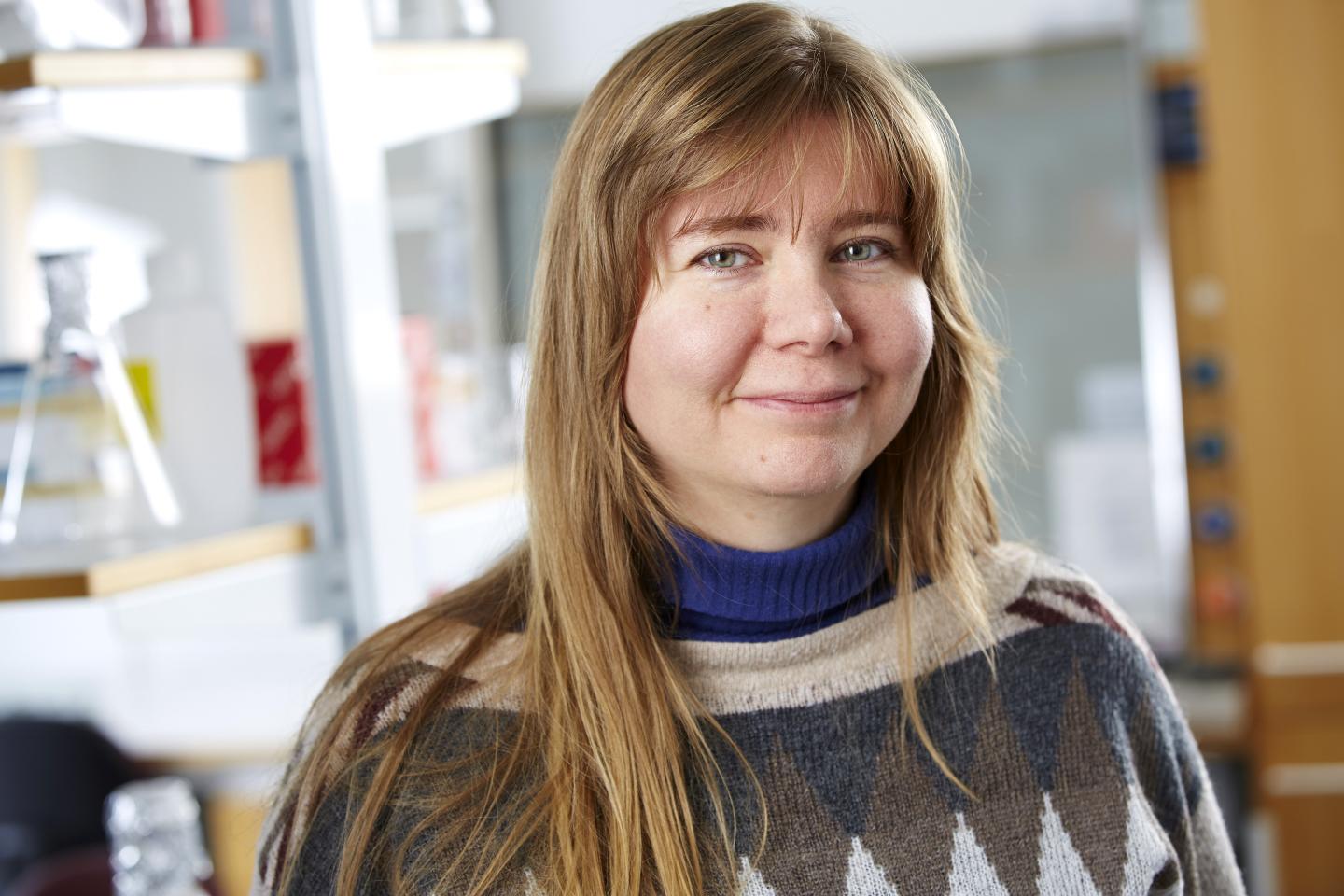
Dr. Anita Göndör and her colleagues at Karolinska Institutet show that circadian genes 'take a nap' everyday at the periphery of the nucleus. Mobility between different physical environments in the cell nucleus regulates the daily oscillations in the activity of genes that are controlled by the internal biological clock, according to a study that is published in the journal Molecular Cell. Eventually, these findings may lead to novel therapeutic strategies for the treatment of diseases linked with disrupted circadian rhythm.
| Full story | 0 Comments | 5348 views |
| AIDS & HIV | August 27, 2015 04:31 PM |
Researchers from the Gladstone Institutes have revealed that HIV does not cause AIDS by the virus's direct effect on the host's immune cells, but rather through the cells' lethal influence on one another.
| Full story | 0 Comments | 6631 views |
| Molecular & Cell Biology | August 27, 2015 04:31 PM |
Florida State University researchers have taken a big step forward in the fight against cancer with a discovery that could open up the door for new research and treatment options.
| Full story | 0 Comments | 5405 views |

| Gene Therapy | August 27, 2015 04:31 PM |
Degenerating neurons in patients with Alzheimer's disease (AD) measurably responded to an experimental gene therapy in which nerve growth factor (NGF) was injected into their brains, report researchers at University of California, San Diego School of Medicine in the current issue of JAMA Neurology.
| Full story | 0 Comments | 9044 views |
| Molecular & Cell Biology | August 26, 2015 05:25 PM |

These are plant cells stretching within the artificial scaffold. Miniscule artificial scaffolding units made from nano-fibre polymers and built to house plant cells have enabled scientists to see for the first time how individual plant cells behave and interact with each other in a three-dimensional environment.
| Full story | 0 Comments | 5483 views |

| Health & Medicine | August 26, 2015 05:25 PM |
The American Gastroenterological Association (AGA), in partnership with the Crohn's & Colitis Foundation of America (CCFA) and Janssen Biotech, Inc. (Janssen), announced today that Theresa Alenghat, VMD, PhD, from Cincinnati Children's Hospital Medical Center, OH, was awarded with the 2015 AGA-CCFA-Janssen Research Award in Inflammatory Bowel Disease (IBD) Epigenetics Research.
| Full story | 0 Comments | 4793 views |

| Microbiology | August 26, 2015 05:25 PM |
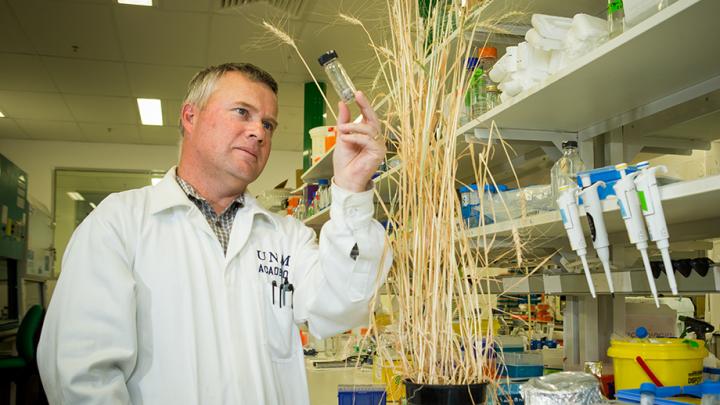
This is Associate Professor Solomon in the wheat biosecurity lab at the Research School of Biology. Researchers have unraveled the mystery cause of the emerging wheat disease White Grain Disorder.
| Full story | 0 Comments | 5401 views |
| Environment | August 26, 2015 05:25 PM |
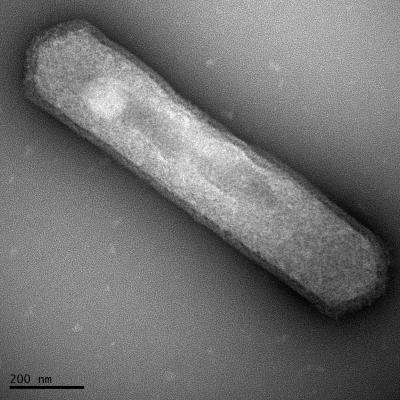
The study looked at Thaumarchaeota archaea, which are found throughout the world's oceans. These single-celled organisms have one membrane sac that encloses their bodies. Understanding the planet's history is crucial if we are to predict its future. While some records are preserved in ice cores or tree rings, other records of the climate's ancient past are buried deep in the seafloor.
| Full story | 0 Comments | 5422 views |
| Microbiology | August 25, 2015 05:34 PM |
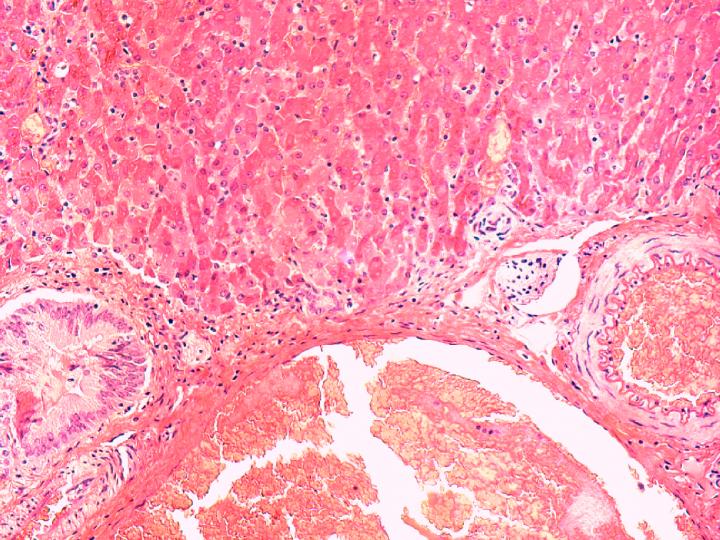
Seal liver infected with novel hepatitis A-like virus was dubbed phopivirus. Scientists in the Center for Infection and Immunity at Columbia University's Mailman School of Public Health have discovered a new virus in seals that is the closest known relative of the human hepatitis A virus. The finding provides new clues on the emergence of hepatitis A. The research appears in the July/August issue of mBio, the online open-access journal of the American Society for Microbiology.
| Full story | 0 Comments | 5965 views |
| Biology | August 25, 2015 05:34 PM |
In early August, biologist Peter Ward returned from the South Pacific with news that he encountered an old friend, one he hadn't seen in over three decades. The University of Washington professor had seen what he considers one of the world's rarest animals, a remote encounter that may become even more infrequent if illegal fishing practices continue.
| Full story | 0 Comments | 6094 views |

| Bioinformatics | August 25, 2015 05:34 PM |

Barley is one of the world's most important cereal crops. Barley, a widely grown cereal grain commonly used to make beer and other alcoholic beverages, possesses a large and highly repetitive genome that is difficult to fully sequence. Now a team led by scientists at the University of California, Riverside has reached a new milestone in its work, begun in 2000, on sequencing the barley genome. The researchers have sequenced large portions of the genome that together contain nearly two-thirds of all barley genes.
| Full story | 0 Comments | 5818 views |
| Biology | August 24, 2015 05:15 PM |
We humans have been using self-medication to cure the illnesses since the dawn of our species. There is some evidence that also other animals can exhibit this type of behavior, but the evidence has been hard to come by.
| Full story | 0 Comments | 7049 views |
| Health & Medicine | August 24, 2015 05:15 PM |
Antibiotic-resistant bacteria are a concern for the health and well-being of both humans and farm animals. One of the most common and costly diseases faced by the dairy industry is bovine mastitis, a potentially fatal bacterial inflammation of the mammary gland (IMI). Widespread use of antibiotics to treat the disease is often blamed for generating antibiotic-resistant bacteria. However, researchers investigating staphylococcal populations responsible for causing mastitis in dairy cows in South Africa found that humans carried more antibiotic-resistant staphylococci than the farm animals with which they worked. The research is published in the Journal of Dairy Science®
| Full story | 0 Comments | 5299 views |
| Health & Medicine | August 24, 2015 05:15 PM |
By teasing apart the structure of an enzyme vital to the infectious behavior of the parasites that cause toxoplasmosis and malaria, Whitehead Institute scientists have identified a potentially 'drugable' target that could prevent parasites from entering and exiting host cells.
| Full story | 0 Comments | 4912 views |
| Environment | August 20, 2015 06:01 PM |

This image shows an abnormally low lake level at Horseshoe Lake in the high-elevation Mammoth Lakes Basin, Sierra Nevada Mountains, This photo was taken June 2015. A new study says that global warming has measurably worsened the ongoing California drought. While scientists largely agree that natural weather variations have caused a lack of rain, an emerging consensus says that rising temperatures may be making things worse by driving moisture from plants and soil into the air. The new study is the first to estimate how much worse: as much as a quarter. The findings suggest that within a few decades, continually increasing temperatures and resulting moisture losses will push California into even more persistent aridity. The study appears this week in the journal Geophysical Research Letters.
| Full story | 0 Comments | 7882 views |
| Molecular & Cell Biology | August 20, 2015 06:01 PM |
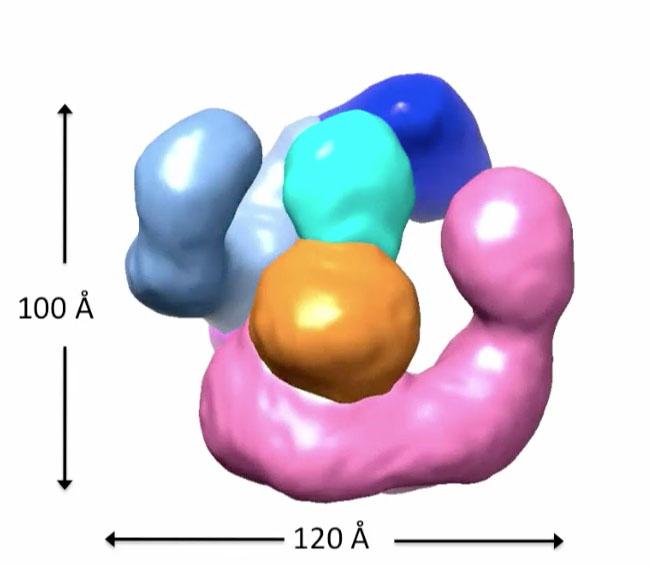
UC Davis researchers show how four proteins come together to make the machine that assembles tubulin, the building block of microtubules. When they think about how cells put together the molecules that make life work, biologists have tended to think of assembly lines: Add A to B, tack on C, and so on. But the reality might be more like a molecular version of a 3-D printer, where a single mechanism assembles the molecule in one go.
| Full story | 0 Comments | 5968 views |
| AIDS & HIV | August 20, 2015 06:01 PM |
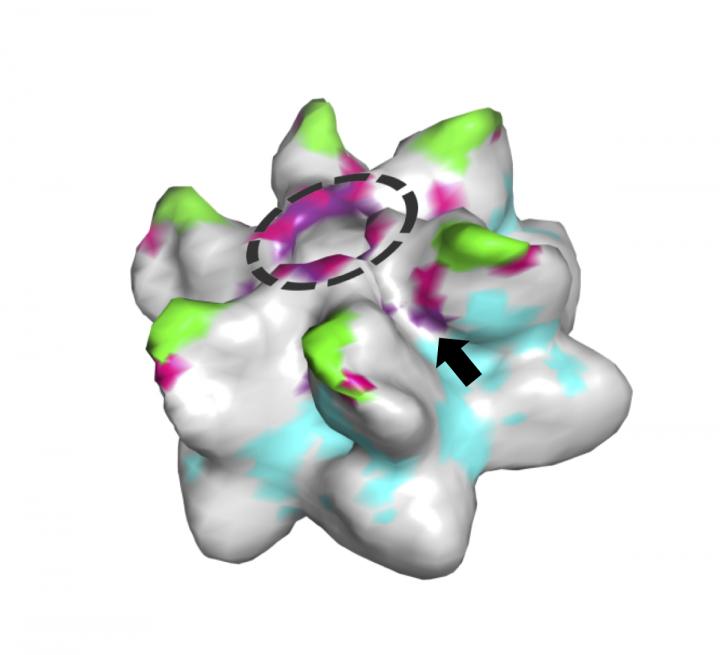
This is a model of a retrovirus capsid hexamer, showing the conserved beta-hairpin domains common to most kinds of retroviruses (circled) and a pocket containing additional sites thought to affect... Disease-causing viruses engage their hosts in ongoing arms races: positive selection for antiviral genes increases host fitness and survival, and viruses in turn select for mutations that counteract the antiviral host factors. Studying such adaptive mutations can provide insights into the distant history of host-virus interactions. A study published on August 20th in PLOS Pathogens of antiviral gene sequences in African monkeys suggests that lentiviruses closely related to HIV have infected primates in Africa as far back as 16 million years.
| Full story | 0 Comments | 6442 views |
| Biotechnology | August 19, 2015 06:23 PM |
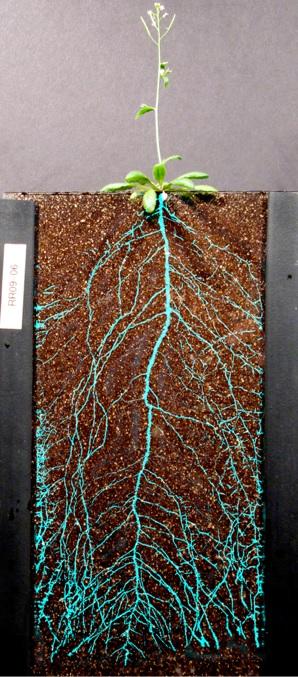
This is a composite image of a growing experimental mustard plant, Arabidopsis thaliana, along with a luminescence-based image of the root system of the same plant. Plants form a vast network of below-ground roots that search soil for needed resources. The structure and function of this root network can be highly adapted to particular environments such as desert soils where plants like Mesquite develop tap roots capable of digging 50 meters deep to capture precious water resources. Excavation of root systems reveals these kinds of adaptations but is laborious, time consuming, and does not provide information on how growing roots behave.
| Full story | 0 Comments | 7580 views |
| Biology | August 17, 2015 05:55 PM |
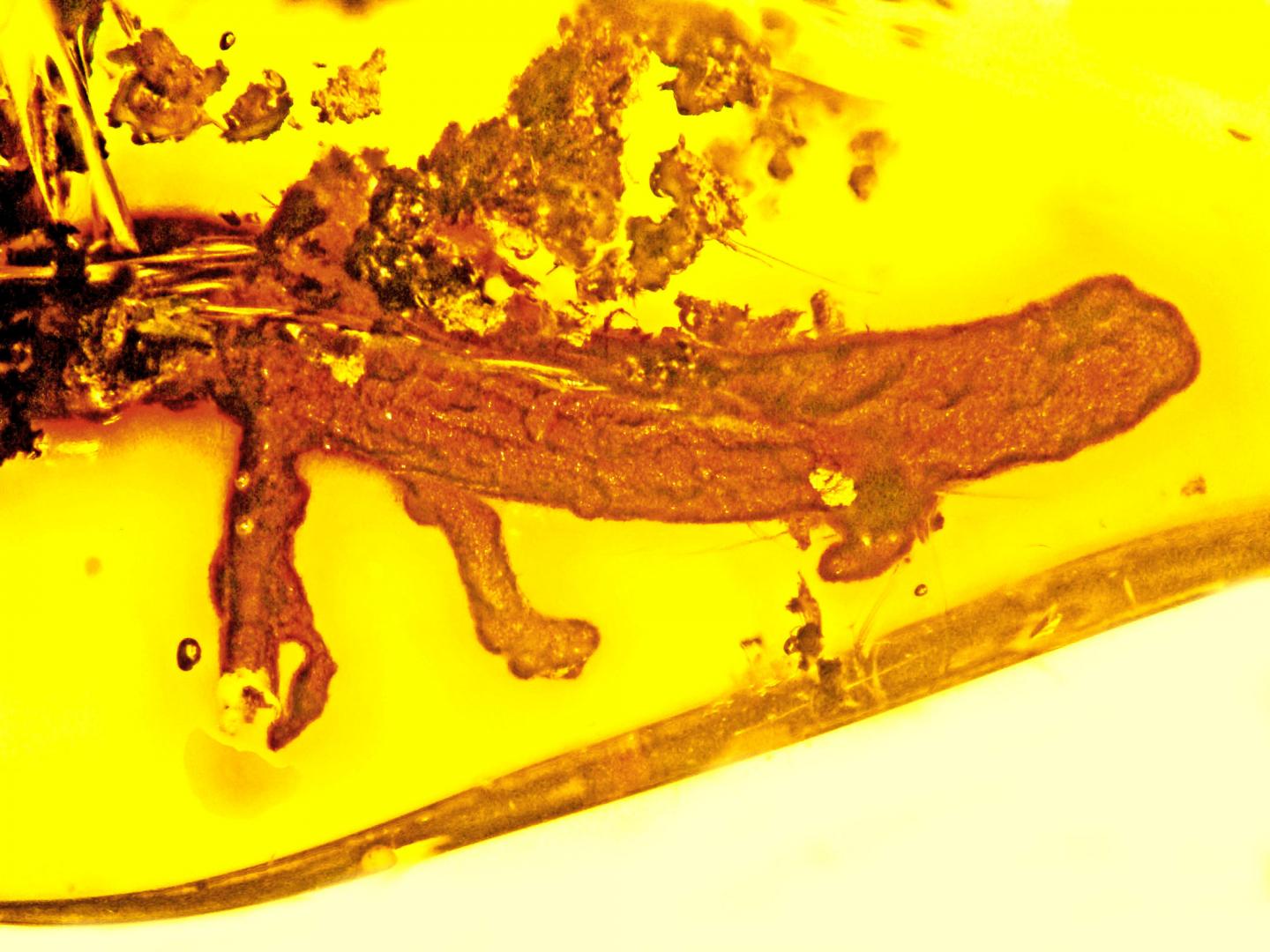
This is the first-ever discovery of a salamander preserved in amber, from an unlikely spot -- the Dominican Republic, where all salamanders are now extinct. More than 20 million years ago, a short struggle took place in what is now the Dominican Republic, resulting in one animal getting its leg bitten off by a predator just before it escaped. But in the confusion, it fell into a gooey resin deposit, to be fossilized and entombed forever in amber.
| Full story | 0 Comments | 8796 views |
| Health & Medicine | August 17, 2015 05:55 PM |
Over a 10 year period, the time that babies receive genetic testing after being diagnosed with diabetes has fallen from over four years to under two months. Pinpointing the exact genetic causes of sometimes rare forms of diabetes is revolutionising healthcare for these patients.
| Full story | 0 Comments | 6140 views |
| Molecular & Cell Biology | August 17, 2015 05:55 PM |
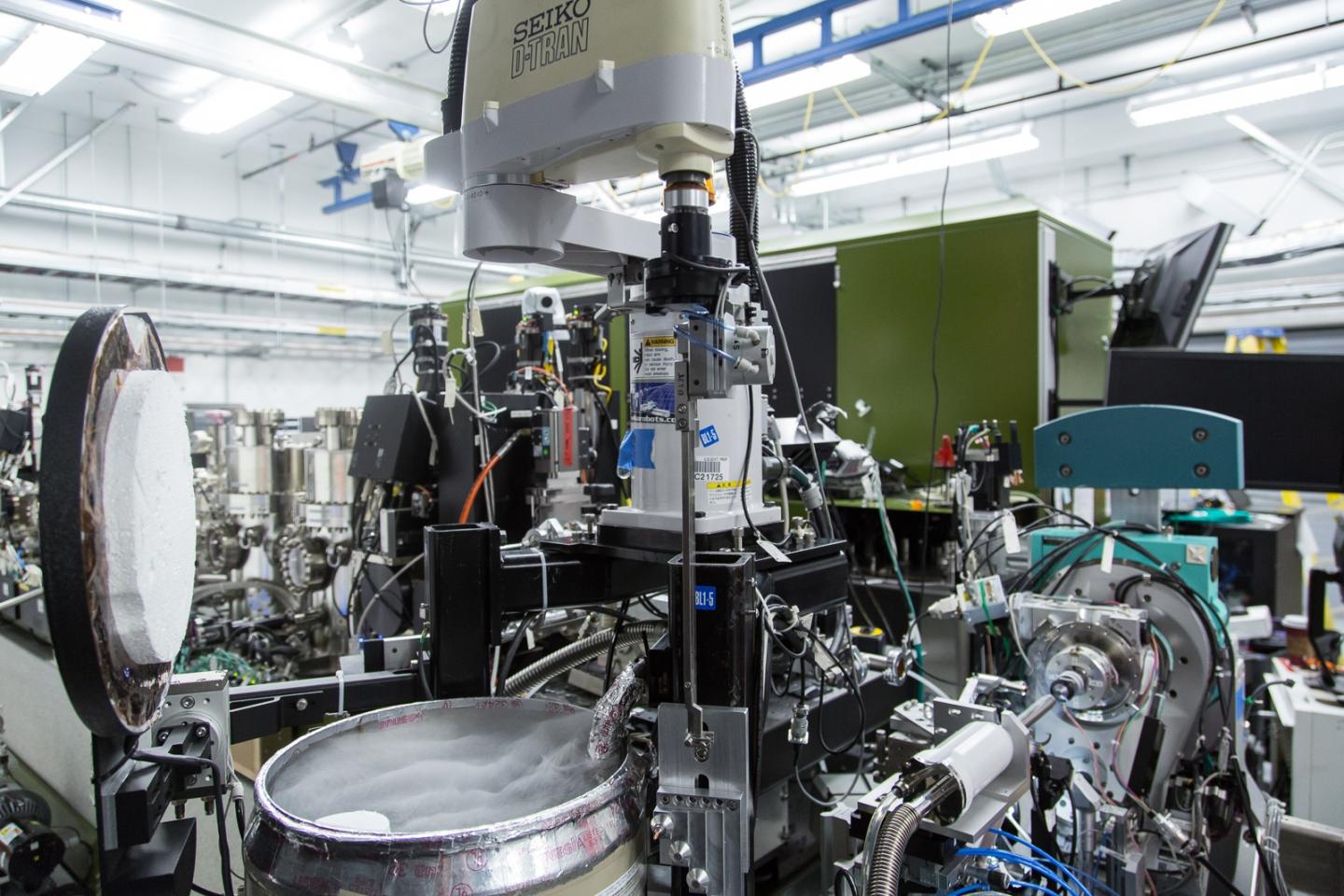
This image shows equipment used in a highly automated, robotic X-ray crystallography system at SLAC's Linac Coherent Light Source X-ray laser. Scientists have revealed never-before-seen details of how our brain sends rapid-fire messages between its cells. They mapped the 3-D atomic structure of a two-part protein complex that controls the release of signaling chemicals, called neurotransmitters, from brain cells. Understanding how cells release those signals in less than one-thousandth of a second could help launch a new wave of research on drugs for treating brain disorders.
| Full story | 0 Comments | 6294 views |
| Microbiology | August 13, 2015 06:01 PM |
Advances in the field of statistics are helping to unlock the mysteries of the human microbiome--the vast collection of microorganisms living in and on the bodies of humans, said Katherine Pollard, a statistician and biome expert, during a session today at the 2015 Joint Statistical Meetings (JSM 2015) in Seattle.
| Full story | 0 Comments | 44282 views |
| Biology | August 13, 2015 06:01 PM |
Early humans were the dominant cause of the extinction of a variety of species of giant beasts, new research has revealed.
| Full story | 0 Comments | 7673 views |
| Biotechnology | August 13, 2015 06:01 PM |
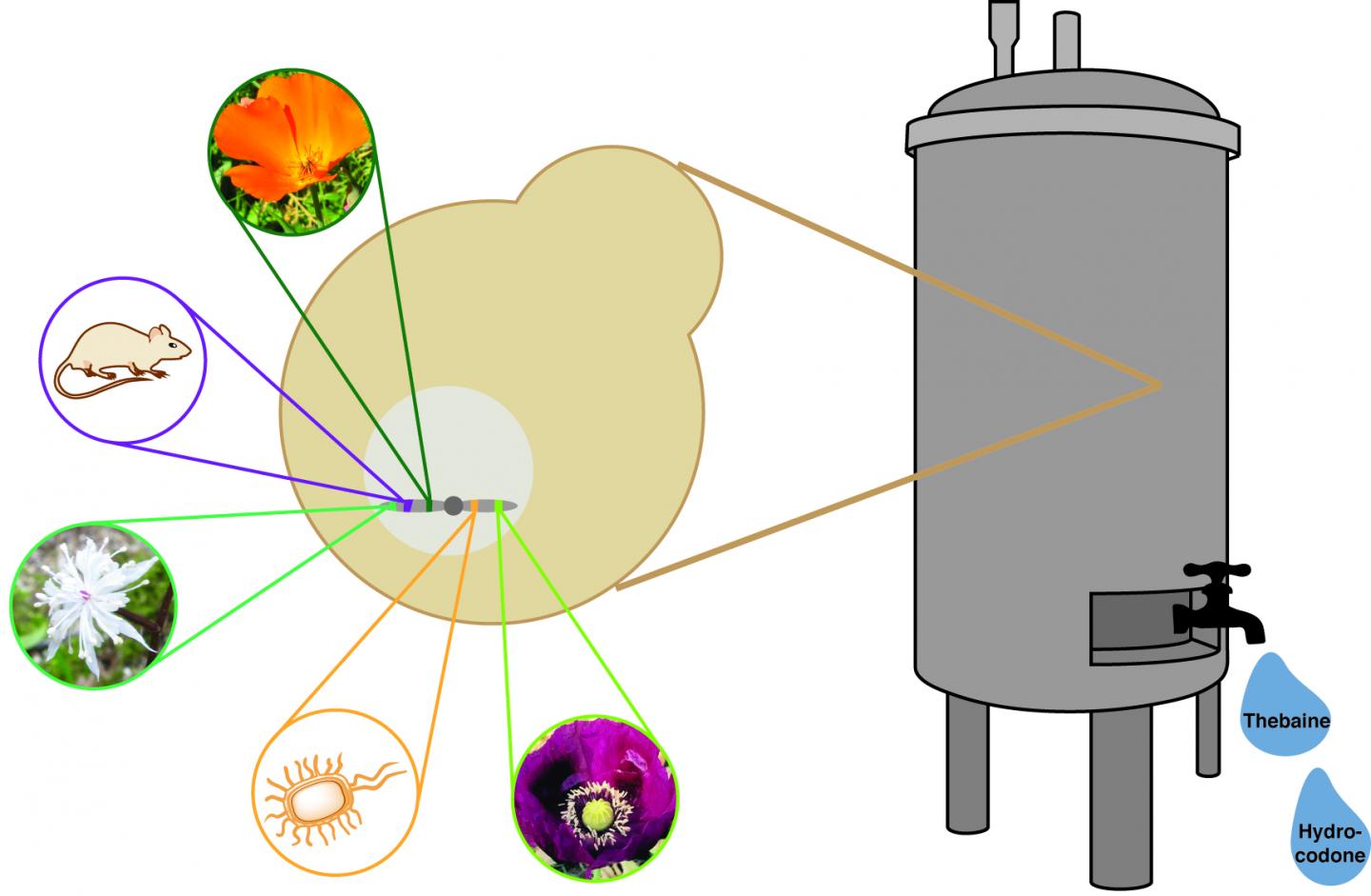
After a decade's work a team led by Stanford bioengineer Christina Smolke succeeded in finding more than 20 genes from five different organisms and engineering them into the genome of... For thousands of years, people have used yeast to ferment wine, brew beer and leaven bread.
| Full story | 0 Comments | 7291 views |
| Microbiology | August 13, 2015 06:01 PM |
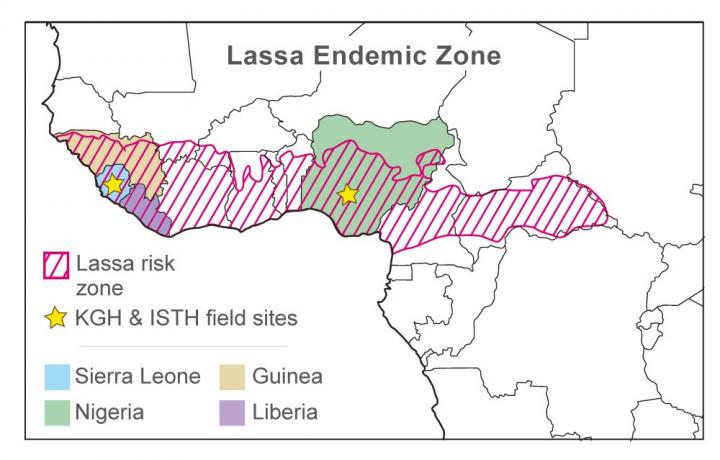
Lassa fever is endemic to West Africa. An international team of researchers has developed the largest genomic data set in the world on Lassa virus (LASV). The new genomic catalog contains nearly 200 viral genomes collected from patient samples in Sierra Leone and Nigeria, as well as field samples from the major animal reservoir, or host, of Lassa virus--the rodent Mastomys natalensis, also called the multimammate rat. The researchers show that LASV strains cluster into four major groups based on geographic location, with three in Nigeria and one in Sierra Leone, Guinea and Liberia. Although Lassa fever was first described in modern-day Nigeria in 1969, the current study also suggests that these four LASV strains originated from a common ancestral virus more than 1,000 years ago and spread across West Africa within the last several hundred years.
| Full story | 0 Comments | 5559 views |
| Molecular & Cell Biology | August 13, 2015 06:01 PM |
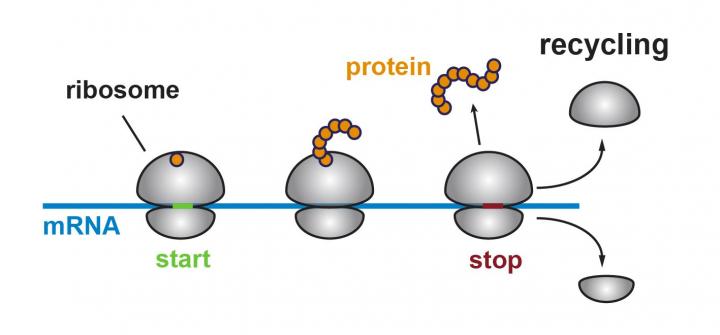
A ribosome (gray) creates a protein by translating the genetic code within an mRNA molecule (blue). In what appears to be an unexpected challenge to a long-accepted fact of biology, Johns Hopkins researchers say they have found that ribosomes -- the molecular machines in all cells that build proteins -- can sometimes do so even within the so-called untranslated regions of the ribbons of genetic material known as messenger RNA (mRNA).
| Full story | 0 Comments | 5947 views |
| Bioinformatics | August 12, 2015 06:29 PM |
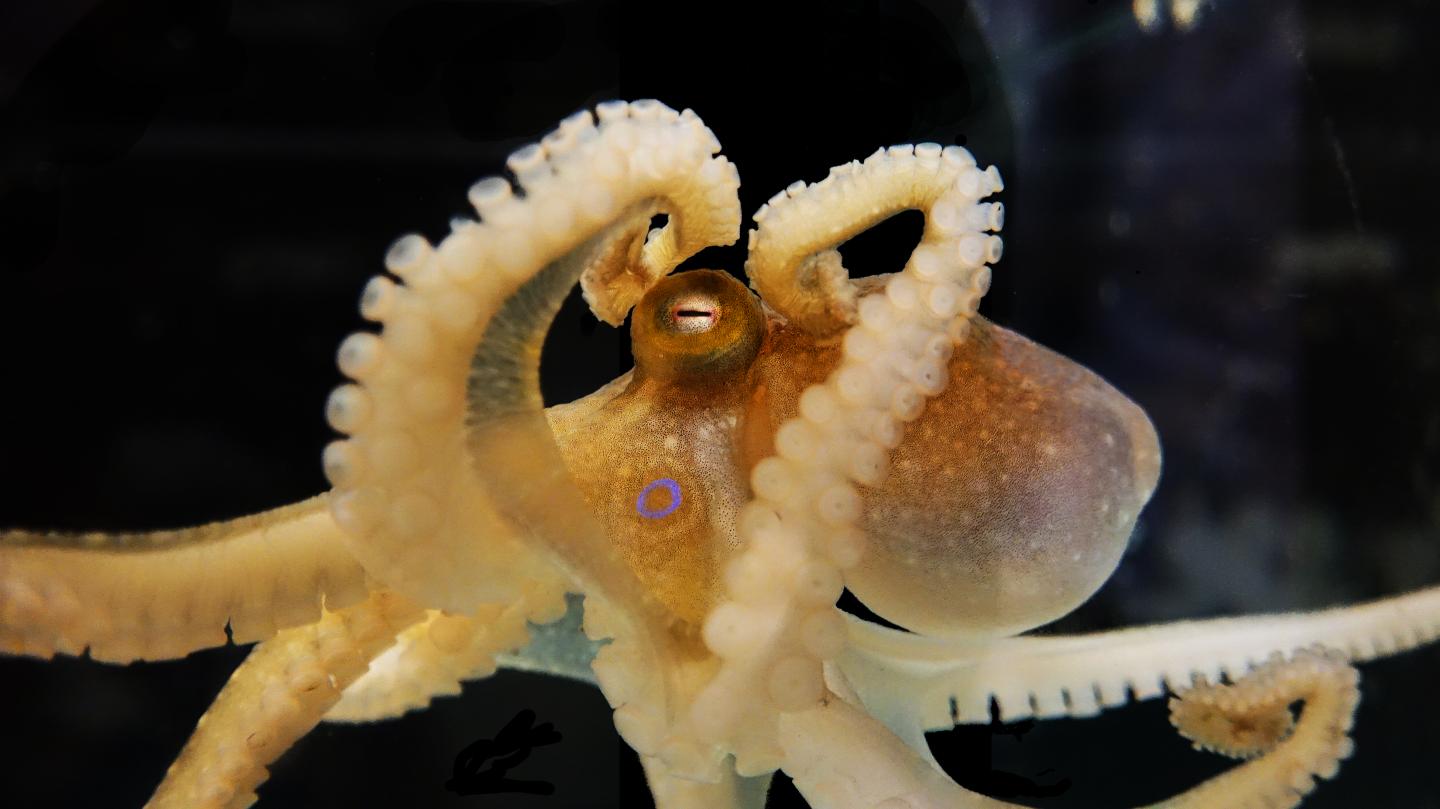
Researchers from UC Berkeley, the Okinawa Institute of Science and Technology Graduate University and the University of Chicago have sequenced and annotated the first cephalopod genome An international team of scientists has sequenced the genome of an octopus, bringing researchers closer to discovering the genes involved in the creature's unusual biology, including its ability to change skin color and texture and a distributed brain that allows its eight arms to move independently.
| Full story | 0 Comments | 7849 views |
| AIDS & HIV | August 11, 2015 05:26 PM |
New research on monkeys vaccinated against HIV's relative SIV calls into question an idea that has driven AIDS vaccine work for years. The assumption: a protective vaccine only needs to stimulate moderate levels of antibodies that neutralize the virus.
| Full story | 0 Comments | 7278 views |
| Molecular & Cell Biology | August 11, 2015 05:26 PM |
Until now only known for role in polyglutamine diseases, such as Huntington's.
| Full story | 0 Comments | 5356 views |
| Environment | August 11, 2015 05:26 PM |
Nutrient-rich water from melting Antarctic glaciers nourishes the ocean food chain, creating feeding "hot spots" in large gaps in the sea ice, according to a new study.
| Full story | 0 Comments | 7872 views |
| Biology | August 5, 2015 04:50 AM |
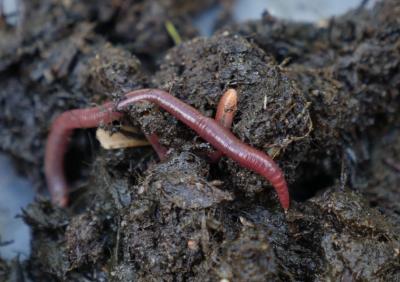
Earthworms in rich organic soil. As they burrow, the worms consume soil in order to remove nutrients from decaying organic matter such as leaves and roots. Scientists have discovered how earthworms can digest plant material, such as fallen leaves, that would defeat most other herbivores.
| Full story | 0 Comments | 8795 views |

- In some genetic cases of microcephaly, stem cells fail to launch
- Yale team discovers how Zika virus causes fetal brain damage
- Scientists uncover the way a common cell enzyme alerts the body to invading bacteria
- Arctic gives clues on worst mass extinction of life
- Calcium channel blockers caught in the act at atomic level
Search Bio News Net
Free Biology Newsletter
- Flexibility That A.C.A. Lent to Work Force Is Threatened by...International Herald Tribune
- Bacteria Behind Legionnaires’ Disease Found at New York Police StationInternational Herald Tribune
- Prescription Price Crisis? 28 Million Americans See Spike in Drug...MSNBC.com: Health
- Seizing on Opioid Crisis, a Drug Maker Lobbies Hard for...International Herald Tribune
- Republicans are taking a big political risk on health careAP Health News
- Why We're So Divided Over Saving WolvesNational Geographic News