

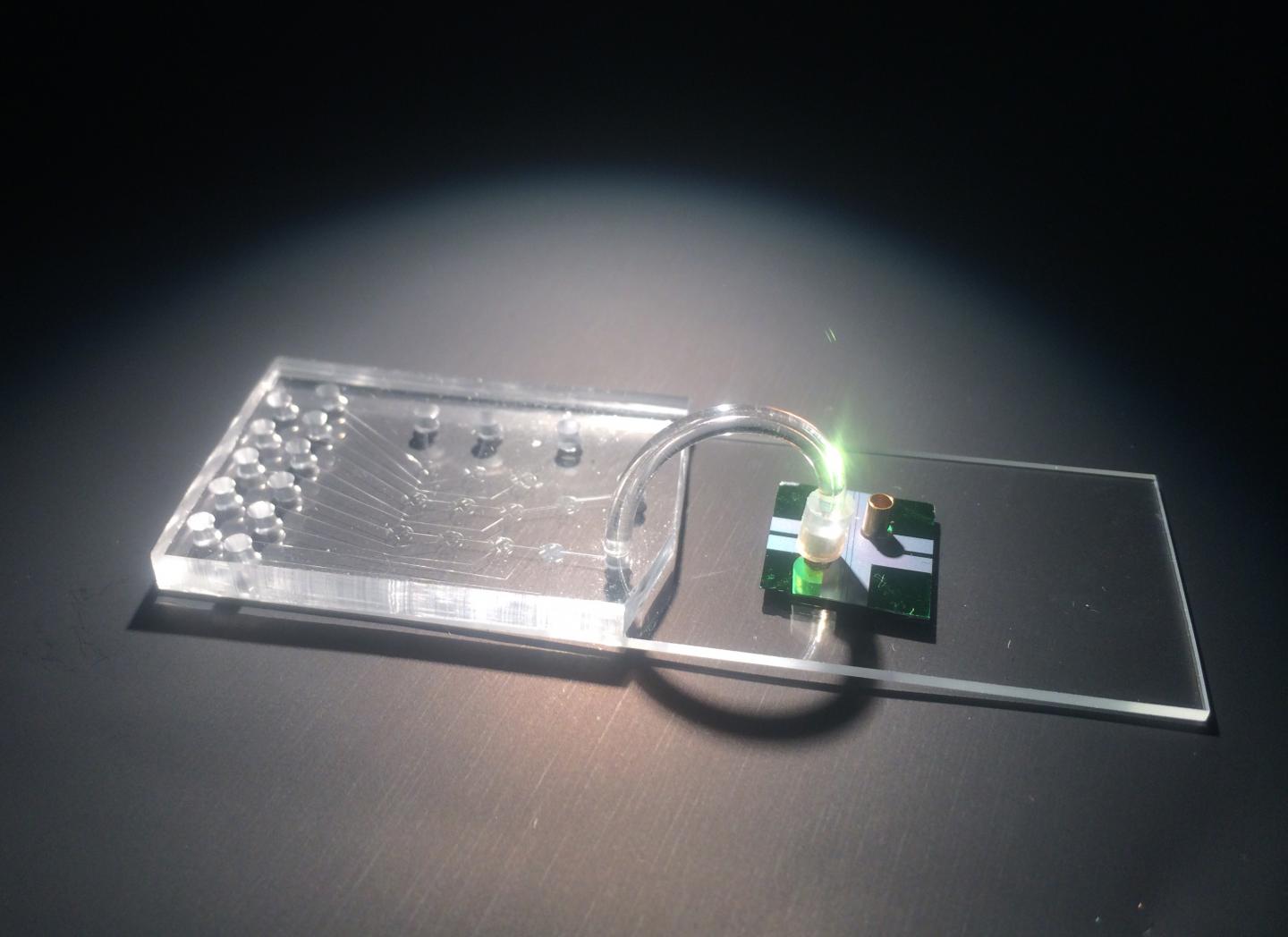
This hybrid device integrates a microfluidic chip for sample preparation and an optofluidic chip for optical detection of individual molecules of viral RNA. A team led by researchers at UC Santa Cruz has developed chip-based technology for reliable detection of Ebola virus and other viral pathogens. The system uses direct optical detection of viral molecules and can be integrated into a simple, portable instrument for use in field situations where rapid, accurate detection of Ebola infections is needed to control outbreaks.

| Biotechnology | September 26, 2015 03:17 AM |
| Full story | 0 Comments | 8961 views |

| Molecular & Cell Biology | September 26, 2015 03:17 AM |
A group of researchers, led by Prof. MATOZAKI Takashi and Associate Prof. MURATA Yoji at the Kobe University Graduate School of Medicine Division of Molecular and Cellular Signaling, were the first to demonstrate the role of stomach cancer-associated protein tyrosine phosphatase (SAP)-1 in the pathogenesis and prevention of Crohn's disease, ulcerative colitis, and other inflammatory bowel disorders. Their findings, published online ahead of print on July 20, 2015, by the Proceedings of the National Academy of Sciences of the United States of America, are expected to accelerate the development of targeted therapies for inflammatory gastrointestinal diseases.
| Full story | 0 Comments | 6936 views |
| Biotechnology | September 26, 2015 03:17 AM |
The ultra-stable properties of the proteins that allow deep-diving whales to remain active while holding their breath for up to two hours could help Rice University biochemist John Olson and his colleagues finish a 20-year quest to create lifesaving synthetic blood for human trauma patients.
| Full story | 0 Comments | 8398 views |

| Health & Medicine | September 20, 2015 03:37 AM |
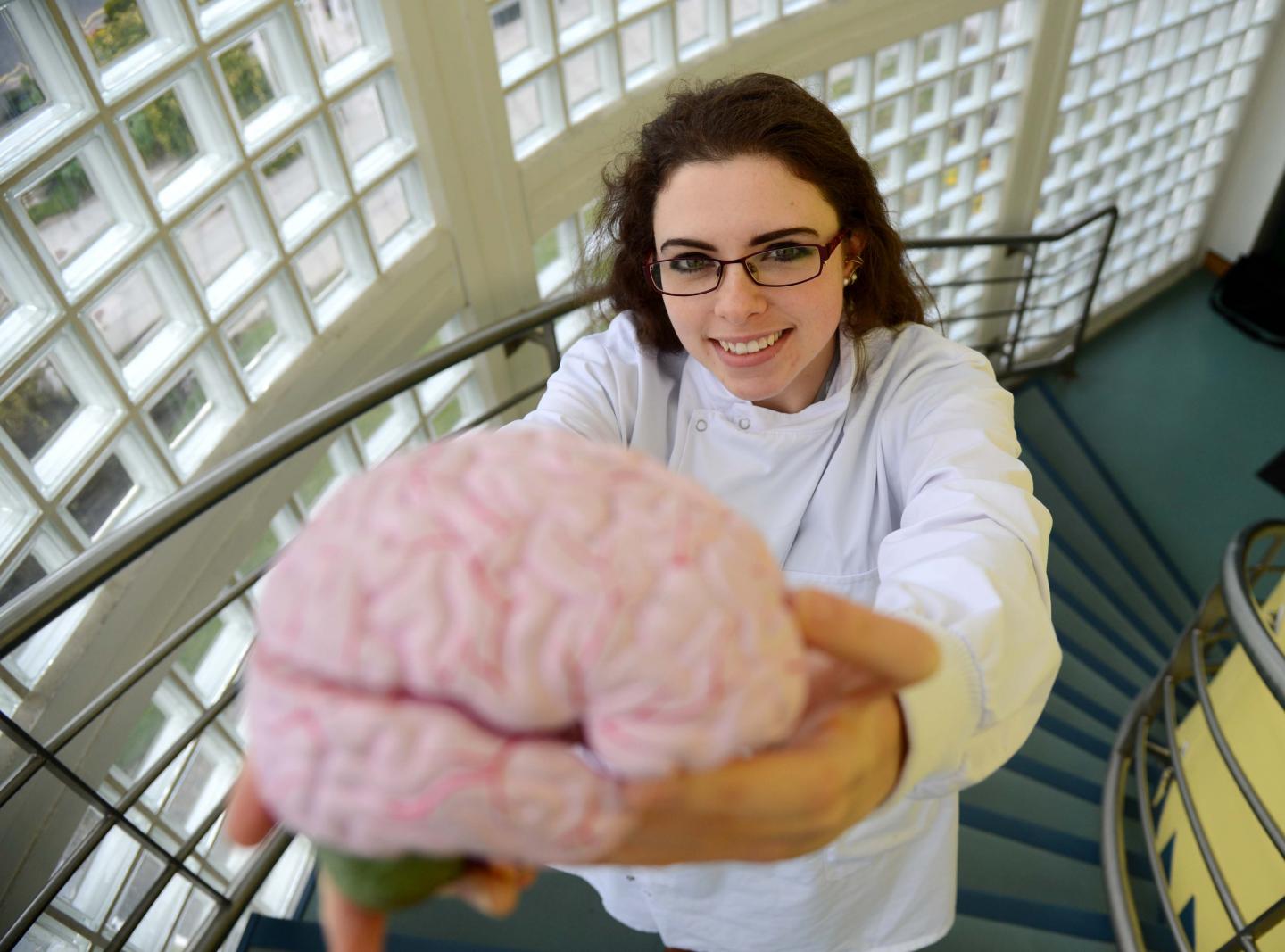
The Dublin Brain Bank, established in 2008, provides neuroscience research tissue to different research groups in Ireland and further afield. Scientists at Trinity College Dublin have shed light on a fundamental mechanism underlying the development of Alzheimer's disease, which could lead to new forms of therapy for those living with the condition.
| Full story | 0 Comments | 10887 views |

| Biology | September 20, 2015 03:37 AM |
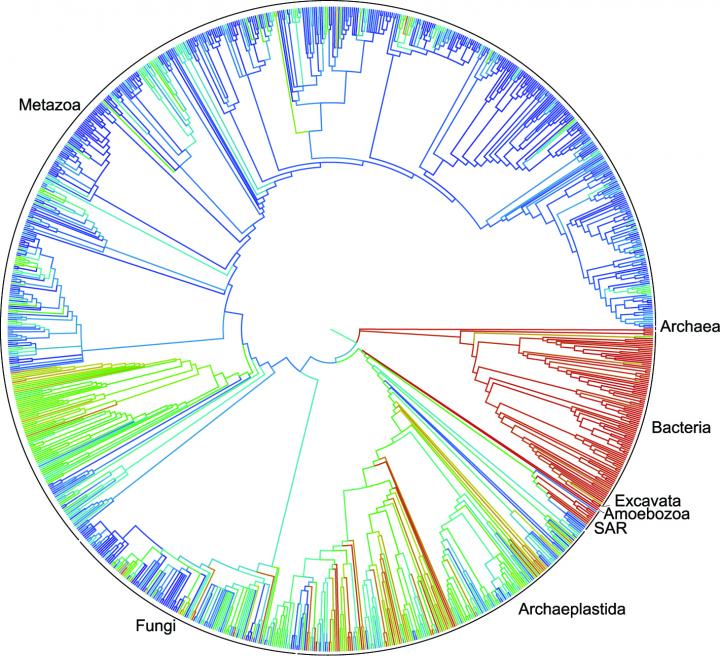
This circular family tree of Earth's lifeforms is considered a first draft of the 3.5-billion-year history of how life evolved and diverged. A first draft of the "tree of life" for the roughly 2.3 million named species of animals, plants, fungi and microbes -- from platypuses to puffballs -- has been released.
| Full story | 0 Comments | 10053 views |

| Bioinformatics | September 20, 2015 03:37 AM |
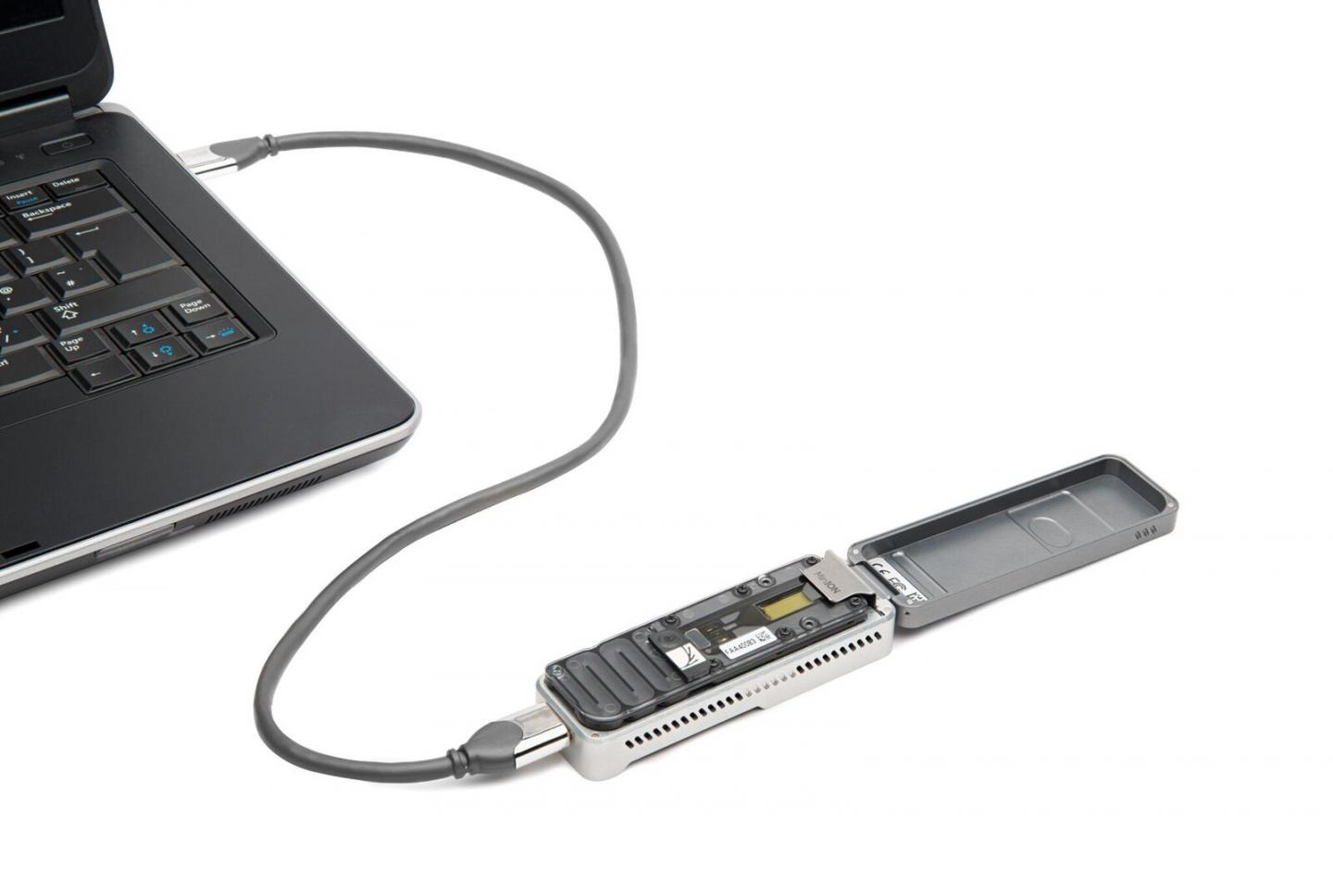
Urinary tract infections (UTIs) could be treated more quickly and efficiently using a DNA sequencing device the size of a USB stick -- according to research from the University of... Urinary tract infections (UTIs) could be treated more quickly and efficiently using a DNA sequencing device the size of a USB stick - according to research from the University of East Anglia.
| Full story | 0 Comments | 8701 views |
| Biology | September 15, 2015 04:05 PM |

This is a vaquita photo taken from the Secretaria de Medio Ambiente y Recursos Naturales (SEMARNAT), within a natural protected area subject to special management. A new method of teasing information from scarce and highly degraded genetic samples is helping NOAA Fisheries and Mexican scientists unravel the genetic heritage of the enigmatic vaquita, the most endangered marine mammal on Earth.
| Full story | 0 Comments | 9346 views |
| Molecular & Cell Biology | September 15, 2015 04:05 PM |
Salk scientists have developed a new way to selectively activate brain, heart, muscle and other cells using ultrasonic waves. The new technique, dubbed sonogenetics, has some similarities to the burgeoning use of light to activate cells in order to better understand the brain.
| Full story | 0 Comments | 8657 views |
| Health & Medicine | September 15, 2015 04:05 PM |
A new study by University of California, Berkeley, researchers establishes for the first time a link between infection with the bovine leukemia virus and human breast cancer.
| Full story | 0 Comments | 11321 views |
| Biology | September 14, 2015 06:32 PM |
A new study from researchers at Uppsala University shows that variation in genome size may be much more important than previously believed. It is clear that, at least sometimes, a large genome is a good genome.
| Full story | 0 Comments | 9143 views |

| Environment | September 14, 2015 06:32 PM |
The globe's forests have shrunk by three per cent since 1990 - an area equivalent to the size of South Africa - despite significant improvements in conservation over the past decade.
| Full story | 0 Comments | 10763 views |
| Bioinformatics | September 14, 2015 06:32 PM |
Using extensive genetic data compiled by the UK10K project, an international team of researchers led by Dr. Brent Richards of the Lady Davis Institute at the Jewish General Hospital has identified a genetic variant near the gene EN1 as having the strongest effect on bone mineral density (BMD) and fracture identified to date. The findings are published in the forthcoming issue of the prestigious journal Nature.
| Full story | 0 Comments | 8319 views |
| Biology | September 10, 2015 06:45 PM |
The discovery of a new species of human relative was announced today, 10 September 2015, by the University of the Witwatersrand (Wits University), the National Geographic Society and the Department of Science and Technology (DST) and the National Research Foundation of South Africa (NRF).
| Full story | 0 Comments | 10644 views |
| Health & Medicine | September 10, 2015 06:45 PM |
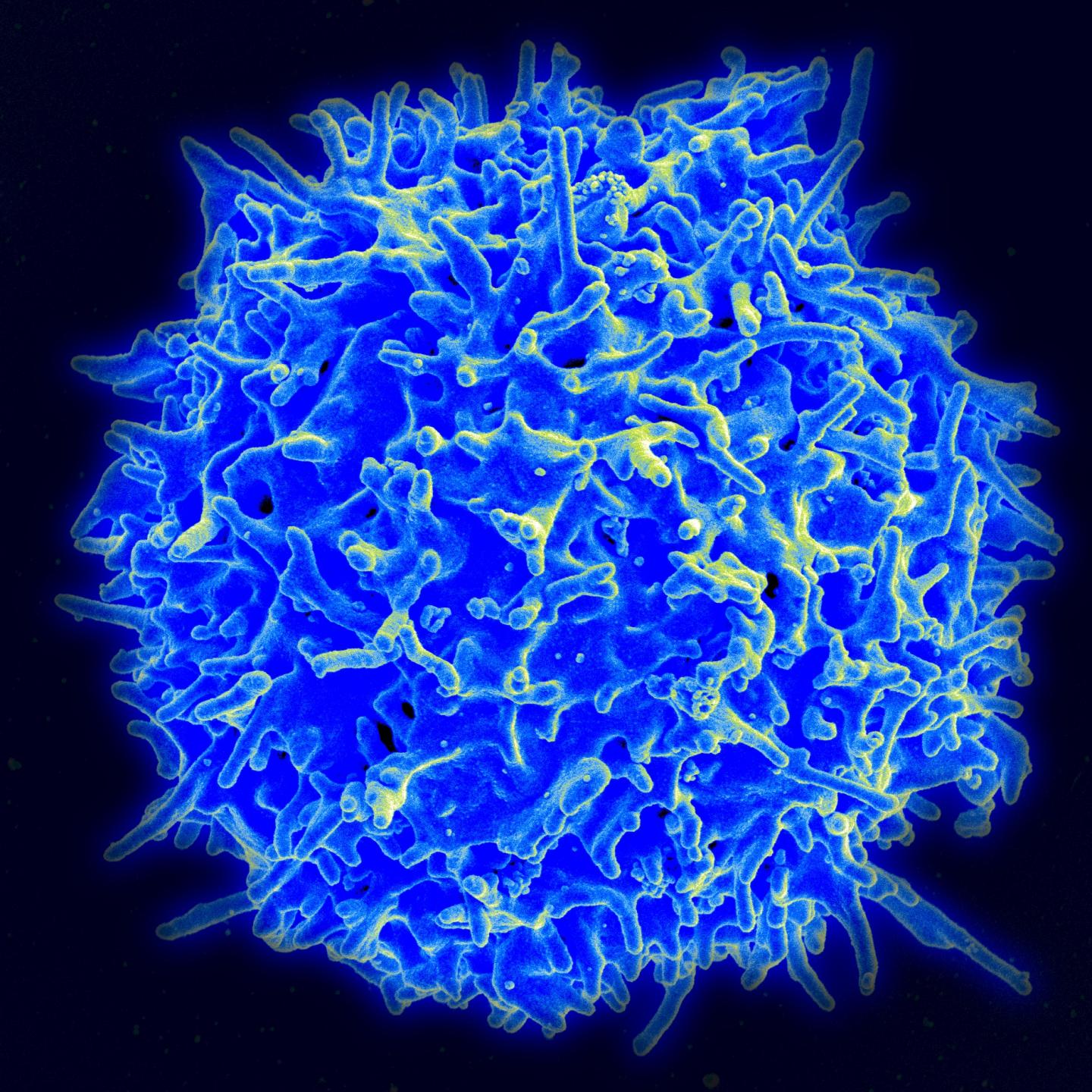
This is a scanning electron micrograph of a human T lymphocyte from the immune system of a healthy donor. Sometimes when the immune system makes small mistakes, the body amplifies its response in a big way: Editing errors in the DNA of developing T and B cells can cause blood cancers. Now, researchers from the Perelman School of Medicine, University of Pennsylvania have shown that when the enzyme key to cutting and pasting segments of DNA hits so-called "off-target" spots on a chromosome, the development of immune cells can lead to cancer in animal models. Knowing the exact nature of these editing errors will be helpful in designing therapeutic enzymes based on these molecular scissors. The Penn team's findings appear online this week in Cell Reports ahead of the print issue.
| Full story | 0 Comments | 7797 views |
| Biology | September 10, 2015 06:45 PM |
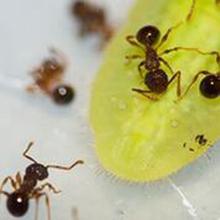
The ants become aggressive in response to the elongated projections (spotted patterns) of the larvae. Project Assistant Professor HOJO Masaru of Kobe University, Graduate School of Science, and joint research groups at the University of the Ryukyus and Harvard University have discovered that lycaenid butterfly larvae, which are in a symbiotic relationship with ants, can control the effect of dopamine by supplying the ants with nectar. The results of this study provide novel insight into the phenomenon of symbiosis and give clues about the physiological functions of dopamine. The study was published in Current Biology on July 31.
| Full story | 0 Comments | 8559 views |
| Molecular & Cell Biology | September 9, 2015 04:52 PM |
Most people are familiar with the double-helix shape that allows genetic information to be packed into a molecule of human DNA. Less well-known is how all this information - which, if laid end-to-end, would stretch some three meters - is packed into the cellular nucleus. The secret of how this crush of genetic code avoids chaos - remaining untangled, correctly compartmentalized, and available for accurate DNA replication - has recently been revealed.
| Full story | 0 Comments | 6279 views |
| Biology | September 8, 2015 07:08 PM |

This is a funnel-web spider. Scientists studying funnel-web spiders at Booderee National Park near Jervis Bay on the New South Wales south coast have found a large example of an unexpected funnel-web species.
| Full story | 0 Comments | 9701 views |
| Health & Medicine | September 8, 2015 07:08 PM |
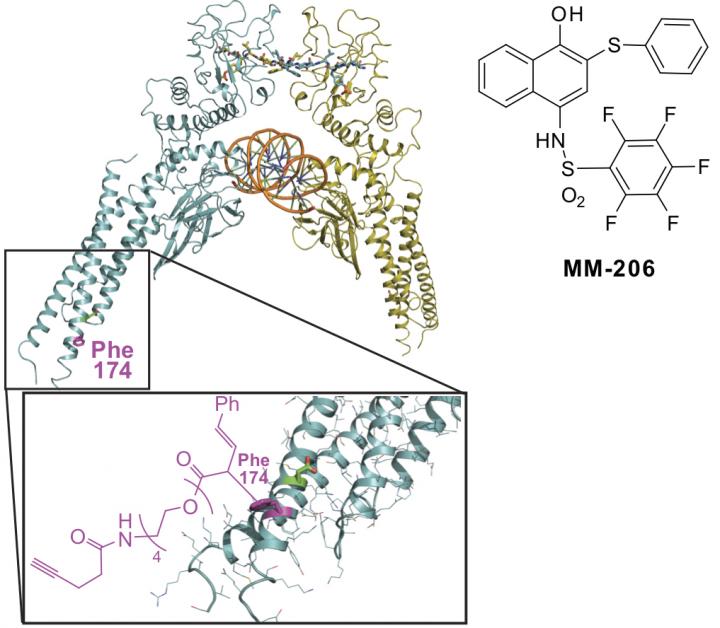
An illustration shows a molecule, MM-206, synthesized at Rice University and where it binds to a site on the coiled coil of a STAT3 protein. A protein domain once considered of little importance may be key to helping patients who are fighting acute myeloid leukemia (AML) avoid a relapse.
| Full story | 0 Comments | 6516 views |
| Molecular & Cell Biology | September 8, 2015 07:08 PM |
Inside the trillions of cells that make up the human body, things are rarely silent. Molecules are constantly being made, moved, and modified--and during these processes, mistakes are sometimes made. Strands of DNA, for instance, can break for any number of reasons, such as exposure to UV radiation, or mechanical stress on the chromosomes into which our genetic material is packaged.
| Full story | 0 Comments | 6683 views |
| Molecular & Cell Biology | September 7, 2015 02:16 PM |
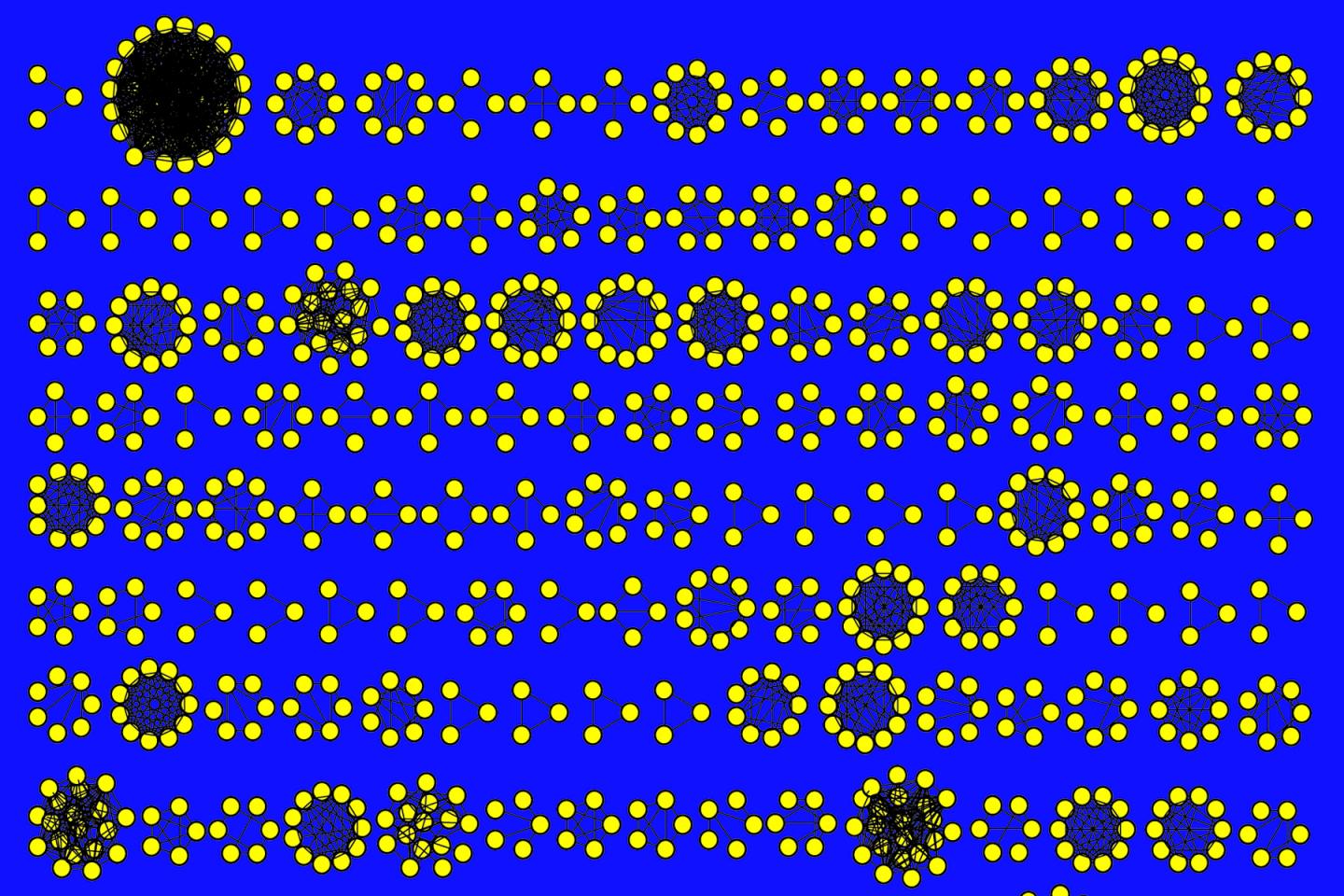
Scientists have uncovered tens of thousands of new protein interactions, accounting for about a quarter of all estimated protein contacts in a cell. A multinational team of scientists have sifted through cells of vastly different organisms, from amoebae to worms to mice to humans, to reveal how proteins fit together to build different cells and bodies.
| Full story | 0 Comments | 6749 views |
| Bioinformatics | September 7, 2015 02:16 PM |
A 'gene signature' that could be used to predict the onset of diseases, such as Alzheimer's, years in advance has been developed in research published in the open access journal Genome Biology.
| Full story | 0 Comments | 7751 views |
| Biotechnology | September 7, 2015 02:16 PM |
The CRISPR-Cas9 system has been in the limelight mainly as a revolutionary genome engineering tool used to modify specific gene sequences within the vast sea of an organism's DNA. Cas9, a naturally occurring protein in the immune system of certain bacteria, acts like a pair of molecular scissors to precisely cut or edit specific sections of DNA. More recently, however, scientists have also begun to use CRISPR-Cas9 variants as gene regulation tools to reversibly turn genes on or off at whim.
| Full story | 0 Comments | 8459 views |
| Molecular & Cell Biology | September 7, 2015 02:16 PM |
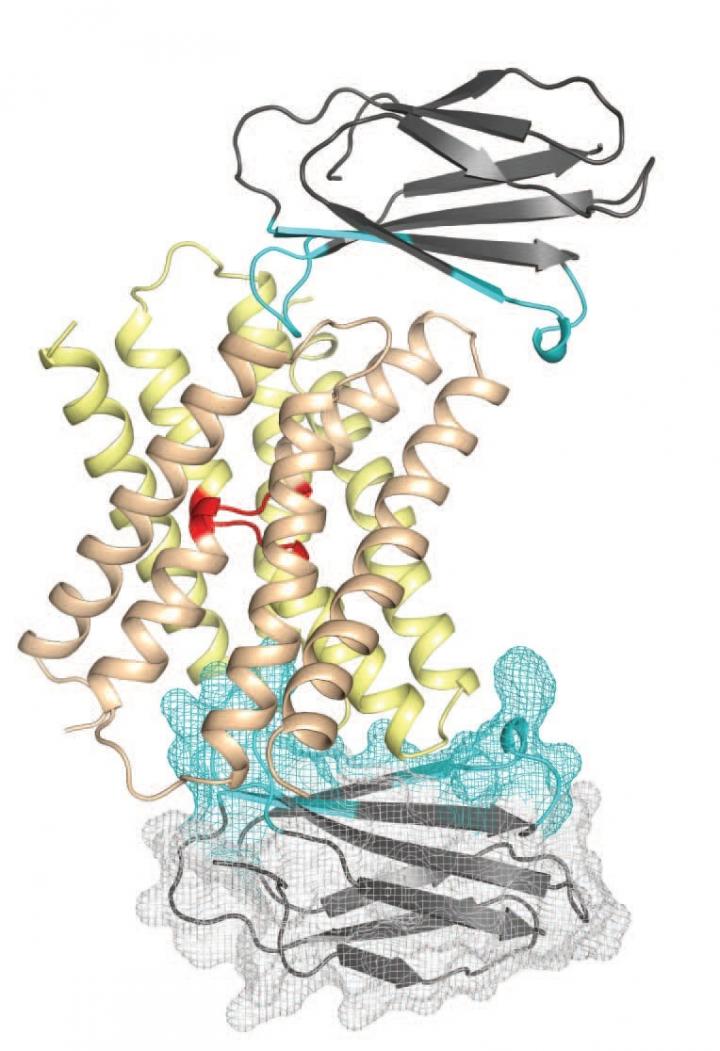
This is a representation of the fluoride ion channel (center) with monobodies attached (top and bottom). Although present almost everywhere - food, soil, toothpaste and especially tap water -, the fluoride ion is highly toxic to microorganisms and cells. To avoid death, cells must remove fluoride that has accumulated inside them, a process accomplished via ion channels - protein tunnels through the cell membrane that only allow specific substances to pass through.
| Full story | 0 Comments | 5386 views |
| Health & Medicine | September 3, 2015 04:44 PM |
Researchers involved in an international collaboration across six institutions, including the University of Copenhagen and the National Aquarium of Denmark (Den Blå Planet), have successfully identified the exact composition of sea snake venom, which makes the future development of synthetic antivenoms more realistic. Currently, sea snake anitvenom costs nearly USD 2000, yet these new findings could result in a future production of synthetic antivenoms for as little as USD 10-100.
| Full story | 0 Comments | 6657 views |
| Biology | September 3, 2015 04:44 PM |
A sophisticated imaging technique has allowed scientists to virtually peer inside a 10-million-year-old sea urchin, uncovering a treasure trove of hidden fossils.
| Full story | 0 Comments | 7913 views |
| Environment | September 3, 2015 04:44 PM |
Data scientists at the University of Warwick are starting a new project using innovative visualisation techniques, which they believe could transform how evidence is used to inform climate change adaptation initiatives.
| Full story | 0 Comments | 6258 views |

| Stem Cell Research | September 3, 2015 04:44 PM |
An international team of scientists led from Sweden's Karolinska Institutet has for the first time mapped all the genes that are activated in the first few days of a fertilized human egg. The study, which is being published in the journal Nature Communications, provides an in-depth understanding of early embryonic development in human - and scientists now hope that the results will help finding for example new therapies against infertility.
| Full story | 0 Comments | 6841 views |
| Health & Medicine | September 3, 2015 04:44 PM |
The trillions of bacteria in your digestive system play a major role in your metabolism, and they're linked to your risks of type 2 diabetes, obesity and the related conditions that make up "metabolic syndrome," which has become a global health epidemic. Humans and animal models with diabetes and obesity have different gut bacteria than those who don't, and when scientists transfer microbiota from obese humans or animals to germ-free animals, the recipients are more likely to become obese or diabetic.
| Full story | 0 Comments | 6437 views |
| Molecular & Cell Biology | September 3, 2015 04:44 PM |
In the breast, cancer stem cells and normal stem cells can arise from different cell types but tap into distinct yet related stem cell programs, according to Whitehead Institute researchers. The differences between these stem cell programs may be significant enough to be exploited by future therapeutics.
| Full story | 0 Comments | 7545 views |
| Molecular & Cell Biology | September 2, 2015 04:39 PM |
Altering the protein recycling complexes in human cells, including cancer cells, allows the cells to resist treatment with a class of drugs known as proteasome inhibitors, according to Whitehead Institute scientists.
| Full story | 0 Comments | 5474 views |
| Biotechnology | September 2, 2015 04:39 PM |
Advances in 3-D printing have led to new ways to make bone and some other relatively simple body parts that can be implanted in patients. But finding an ideal bio-ink has stalled progress toward printing more complex tissues with versatile functions -- tissues that can be loaded with pharmaceuticals, for example. Now scientists, reporting in the journal ACS Biomaterials Science & Engineering, have developed a silk-based ink that could open up new possibilities toward that goal.
| Full story | 0 Comments | 6779 views |
| Biology | September 2, 2015 04:39 PM |
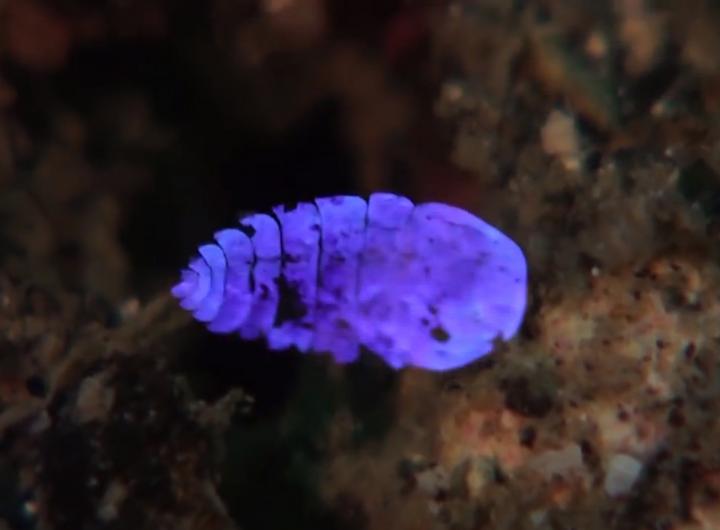
Tiny sea sapphires' iridescence, created by a regular array of thin transparent crystal plates, is also the secret of their "disappearance. " Tiny ocean creatures known as sea sapphires perform a sort of magic trick as they swim: One second they appear in splendid iridescent shades of blue, purple or green, and the next they may turn invisible (at least the blue ones turn completely transparent). How do they get their bright colors and what enables them to "disappear?" New research at the Weizmann Institute has solved the mystery of these colorful, vanishing creatures, which are known scientifically as Sapphirinidae. The findings, which recently appeared in the Journal of the American Chemical Society, could inspire the development of new optical technologies.
| Full story | 0 Comments | 8387 views |
| Bioinformatics | September 2, 2015 04:39 PM |
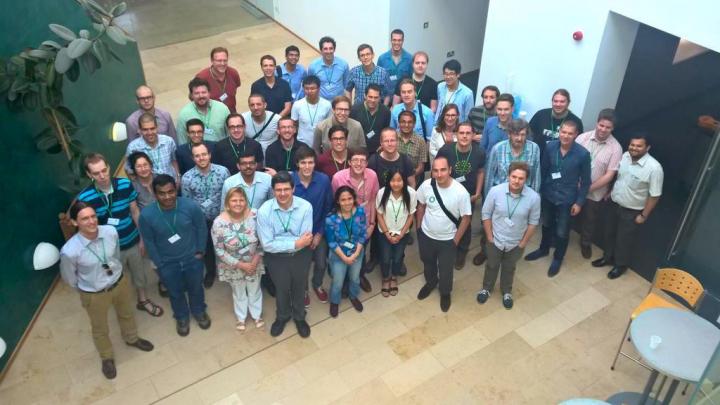
BioJS conference group is shown. Drawing upon reusable components to visualise and analyse biological data on the web, BioJS data is freely available to users and developers where they can modify, extend and redistribute the software with few restrictions, at no cost. With a vision for 'every online biological dataset in the world should be visualised with BioJS tools', the community hopes to achieve the largest, most comprehensive repository of JavaScript tools to visualise online biological data, available for all.
| Full story | 0 Comments | 5745 views |
| Biotechnology | September 1, 2015 05:59 PM |
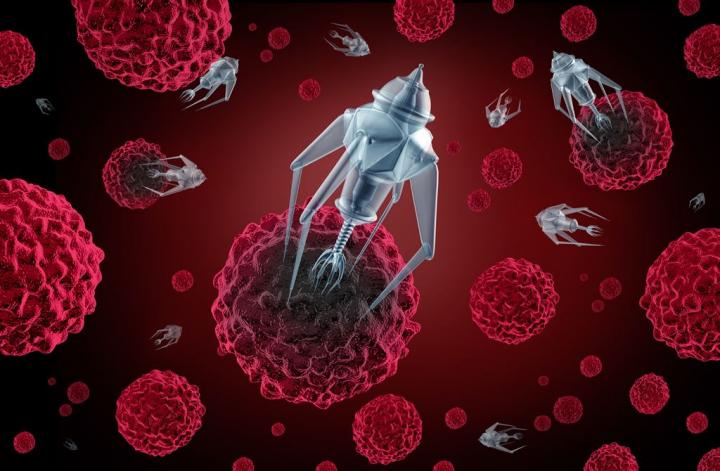
Scientists have developed a method, using a double layer of lipids, which facilitates the assembly of DNA origami units, bringing us one-step closer to DNA nanomachines. Scientists have been studying ways to use synthetic DNA as a building block for smaller and faster devices. DNA has the advantage of being inherently "coded". Each DNA strand is formed of one of four "codes" that can link to only one complementary code each, thus binding two DNA strands together. Scientists are using this inherent coding to manipulate and "fold" DNA to form "origami nanostructures": extremely small two- and three-dimensional shapes that can then be used as construction material to build nanodevices such as nanomotors for use in targeted drug delivery inside the body.
| Full story | 0 Comments | 7869 views |
| Biotechnology | September 1, 2015 05:59 PM |
The study, published today at Nature Methods (the most prestigious journal for the presentation of results in methods development), proposes the use of two plant protein epitopes, named inntags, as the most innocuous and stable tagging tools in the study of physical and functional interactions of proteins.
| Full story | 0 Comments | 5713 views |
| Biology | September 1, 2015 05:59 PM |
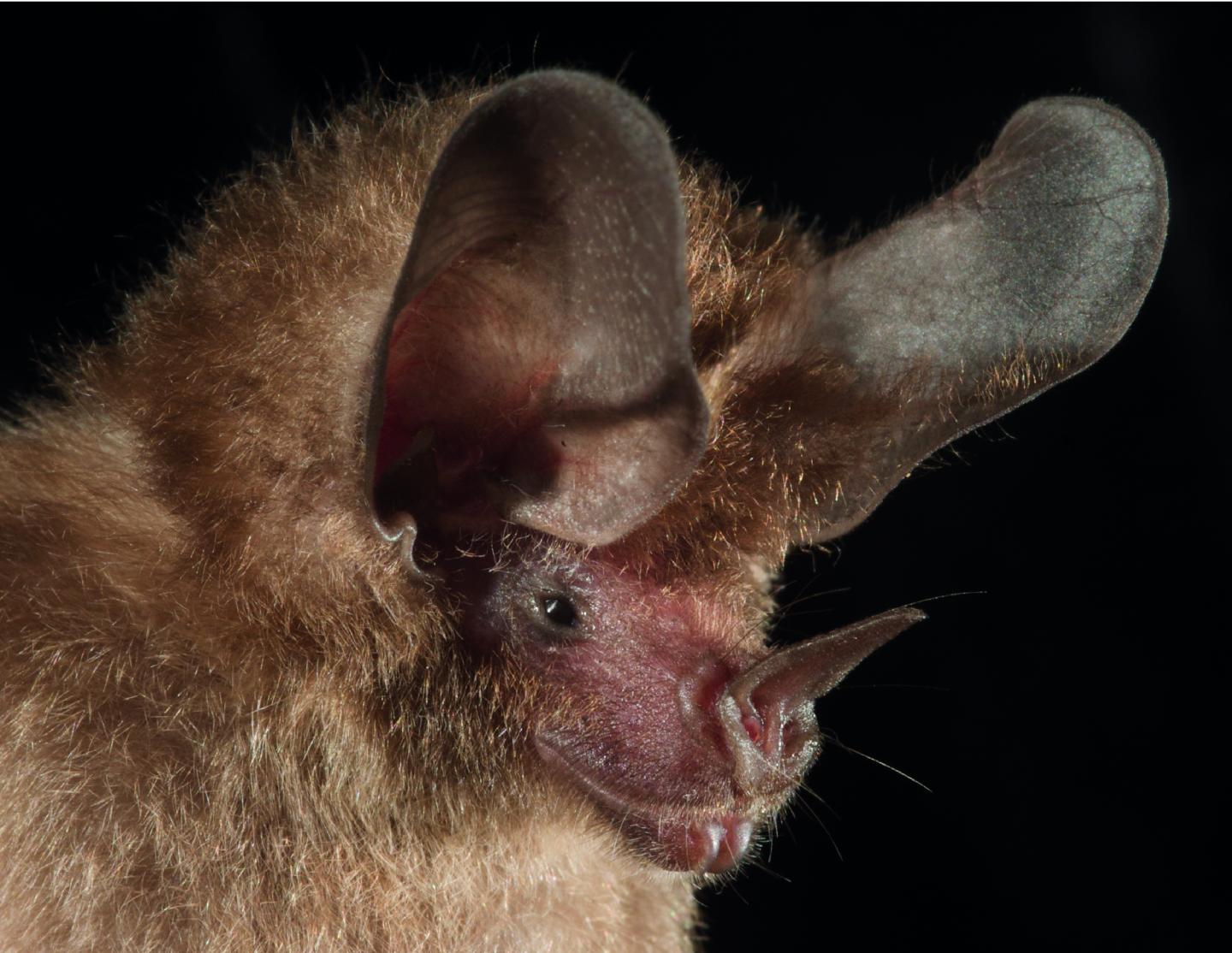
Elite hunter from bat world has previously unknown cues at its disposal. The ability of some bats to spot motionless prey in the dark has baffled experts until now. By creating the first visual images from echolocation, researchers reveal we have been missing how bats sense their world.
| Full story | 0 Comments | 6348 views |

- In some genetic cases of microcephaly, stem cells fail to launch
- Yale team discovers how Zika virus causes fetal brain damage
- Scientists uncover the way a common cell enzyme alerts the body to invading bacteria
- Arctic gives clues on worst mass extinction of life
- Calcium channel blockers caught in the act at atomic level
Search Bio News Net
Free Biology Newsletter
- Flexibility That A.C.A. Lent to Work Force Is Threatened by...International Herald Tribune
- Bacteria Behind Legionnaires’ Disease Found at New York Police StationInternational Herald Tribune
- Prescription Price Crisis? 28 Million Americans See Spike in Drug...MSNBC.com: Health
- Seizing on Opioid Crisis, a Drug Maker Lobbies Hard for...International Herald Tribune
- Republicans are taking a big political risk on health careAP Health News
- Why We're So Divided Over Saving WolvesNational Geographic News