

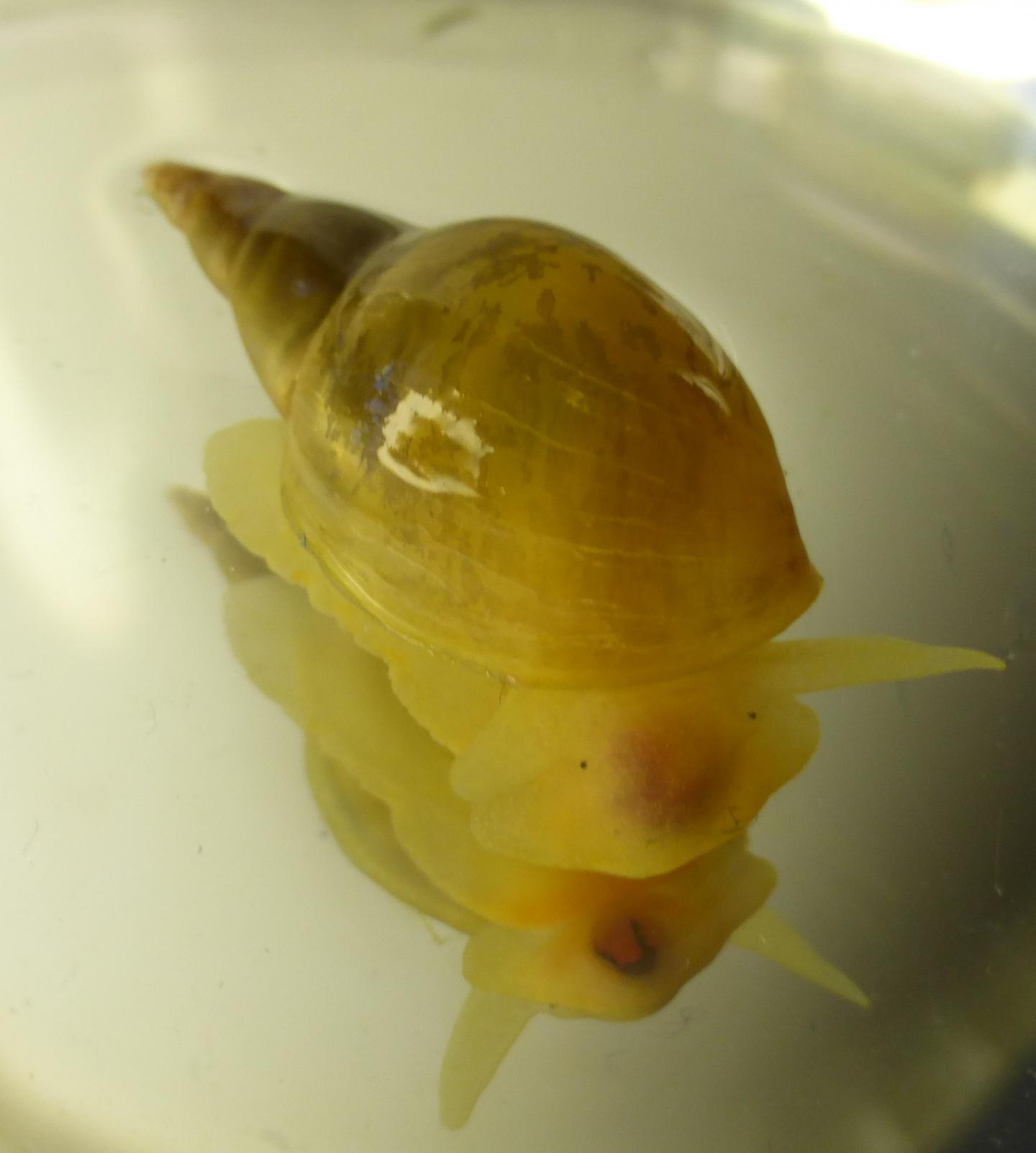
Pond snails used in the experiment, Lymnaea stagnalis, have been used for over 25 years to study learning and memory. Animals, like humans, excel at some tasks but not others according to a new study published in the journal Scientific Reports.

| Biology | May 27, 2015 06:52 PM |
| Full story | 0 Comments | 6985 views |

| Molecular & Cell Biology | May 27, 2015 06:52 PM |
Surveys of the genomic terrain of cancer have turned up a curious phenomenon in some tumor cells: a massive rearrangement of DNA in one or a few chromosomes, thought to be produced during a single cell cycle. In a new study, scientists at Dana-Farber Cancer Institute demonstrate how this sudden, isolated shuffling of genetic material - known as chromothripsis - can occur.
| Full story | 0 Comments | 5811 views |

| Bioinformatics | May 27, 2015 06:52 PM |
Millions of genetic variants have been discovered over the last 25 years, but interpreting the clinical impact of the differences in a person's genome remains a major bottleneck in genomic medicine. In a paper published in The New England Journal of Medicine on May 27, a consortium including investigators from Brigham and Women's Hospital (BWH) and Partners HealthCare present ClinGen, a program to evaluate the clinical relevance of genetic variants for use in precision medicine and research.
| Full story | 0 Comments | 5375 views |
| Biology | May 26, 2015 06:51 AM |

Shown here is a panther chameleon. Madagascar is home to extraordinary biodiversity, but in the past few decades, the island's forests and associated biodiversity have been under greater attack than ever. Rapid deforestation is affecting the biotopes of hundreds of species, including the panther chameleon, a species with spectacular intra-specific colour variation. A new study by Michel Milinkovitch, professor of genetics, evolution, and biophysics at the University of Geneva (UNIGE), led in close collaboration with colleagues in Madagascar, reveals that this charismatic reptilian species, which is only found in Madagascar, is actually composed of eleven different species. The results of their research appear in the latest issue of the Molecular Ecology journal. They also discuss the urgent need to protect Madagascar's habitats.
| Full story | 0 Comments | 6863 views |
| Biology | May 21, 2015 06:51 PM |
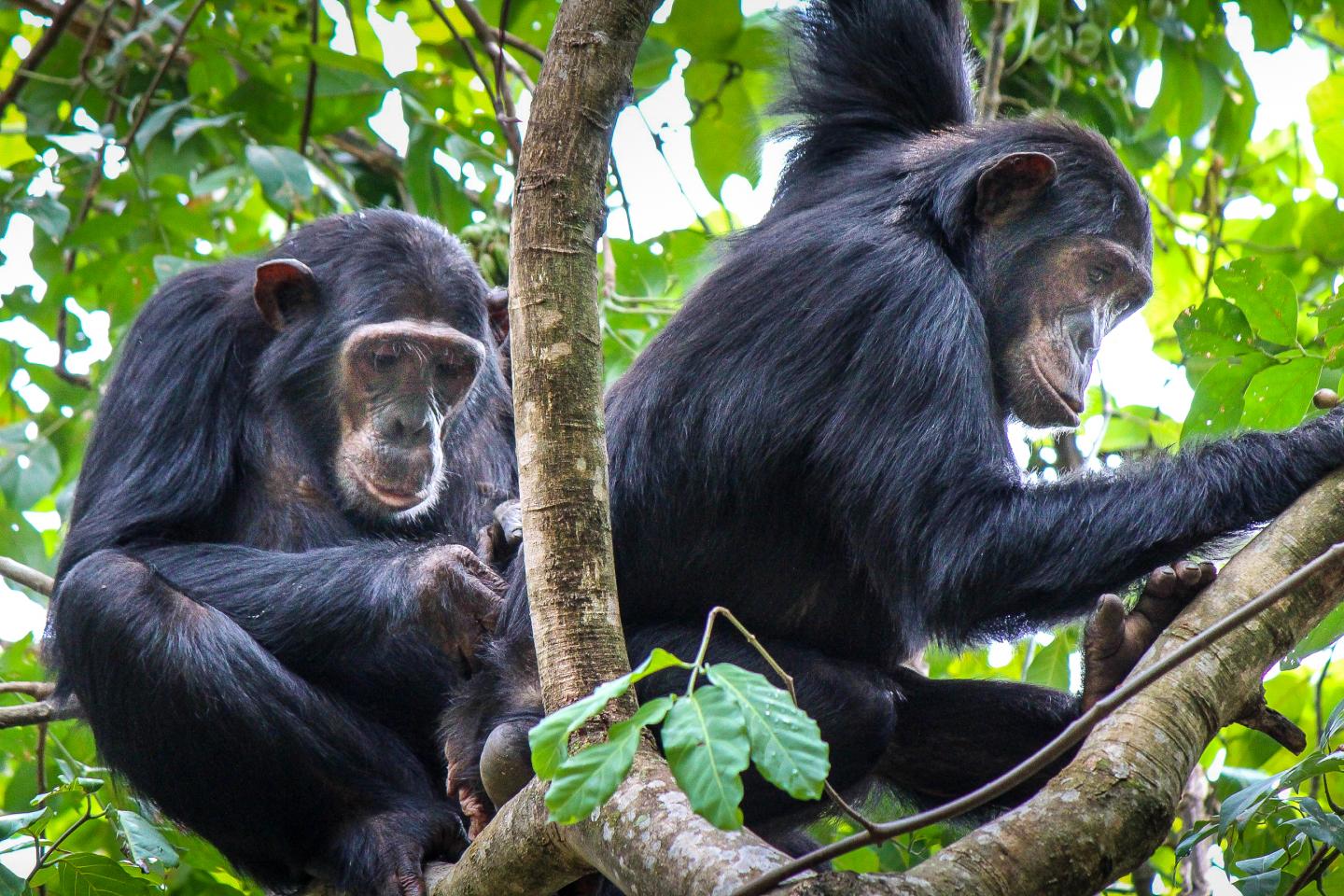
Chema and Rumumba, two low-ranking immigrant female chimpanzees, take turns grooming each other in Gombe National Park, Tanzania. Low-ranking "new girl" chimpanzees seek out other gal pals with similar status, finds a new study of social relationships in the wild apes.
| Full story | 0 Comments | 8787 views |
| Biology | May 21, 2015 06:51 PM |
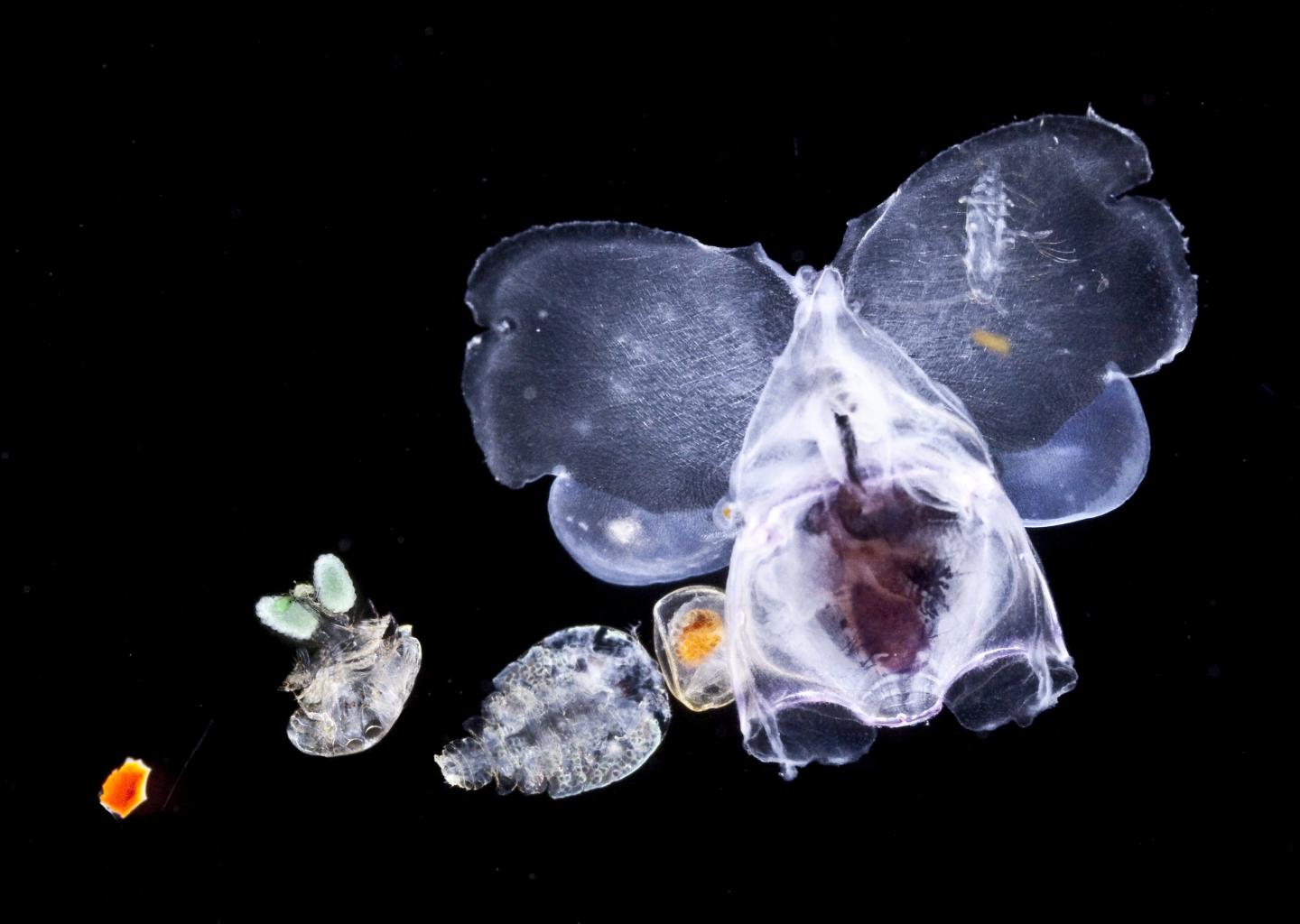
The Tara Oceans expedition collected these small zooplanktonic animals in the Indian Ocean: a molluscan pteropod on the right, and 2 crustacean copepods. On the left is a fragment of... In five related reports in this issue of the journal Science, a multinational team of researchers who spent three and a half years sampling the ocean's sunlit upper layers aboard the schooner Tara unveil the first officially reported global analyses of the Tara Oceans consortium. Planktonic life in the ocean is far more diverse than scientists knew, these reports show. They provide new resources for cataloguing the ocean's numerous planktonic organisms, which -- though critical to life on Earth, providing half the oxygen generated annually through photosynthesis, for example -- have largely been uncharacterized. The reports also reveal how planktonic life is distributed and how planktonic species interact, and they suggest that these organisms' interactions, more so than environmental conditions, help explain their community structures.
| Full story | 0 Comments | 6797 views |

| Microbiology | May 21, 2015 06:51 PM |
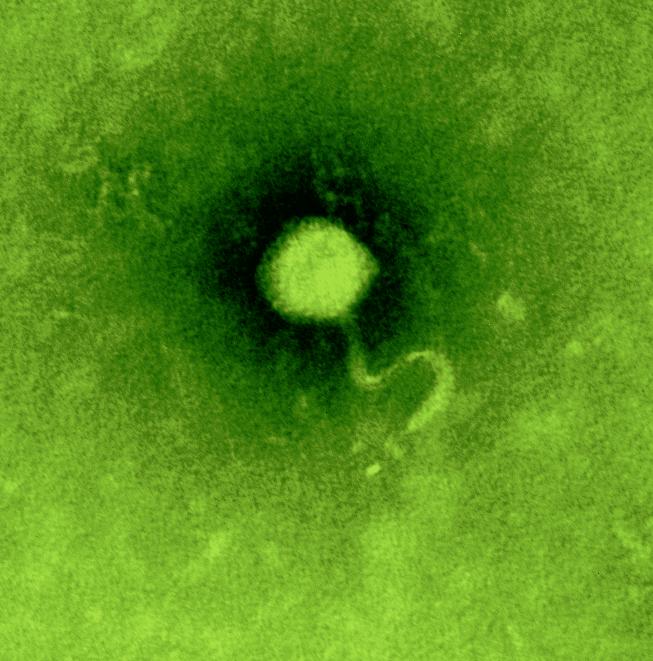
Phages infect bacteria and are able to transfer genes during this process. Bacteria resistant to antibiotics are on the rise. There are different explanations for how resistances are transferred. Researchers from the Vetmeduni Vienna found phages in chicken meat that are able to transfer antimicrobial resistance to bacteria. Phages are viruses that exclusively infect bacteria. They can contribute to the spread of antimicrobial resistance. The findings may also be relevant for clinical settings. The study was published in the journal Applied and Environmental Microbiology.
| Full story | 0 Comments | 6968 views |
| Biology | May 21, 2015 06:51 PM |
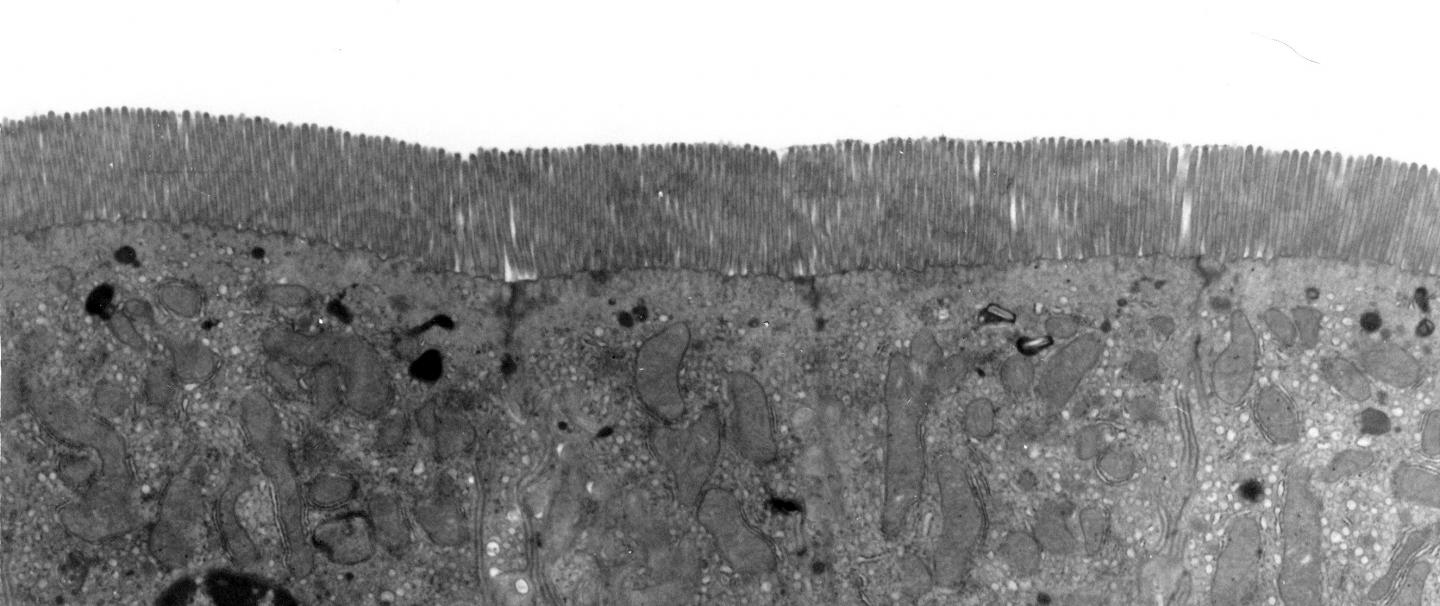
This image shows the epithelial lining of the gut. Scientists and clinicians on the Norwich Research Park have carried out the first detailed study of how our intestinal tract changes as we age, and how this determines our overall health.
| Full story | 0 Comments | 6458 views |
| Biology | May 21, 2015 06:51 PM |
A cartwheeling spider, a bird-like dinosaur and a fish that wriggles around on the sea floor to create a circular nesting site are among the species identified by the SUNY College of Environmental Science and Forestry (ESF) as the Top 10 New Species for 2015.
| Full story | 0 Comments | 5730 views |
| Molecular & Cell Biology | May 19, 2015 06:24 PM |
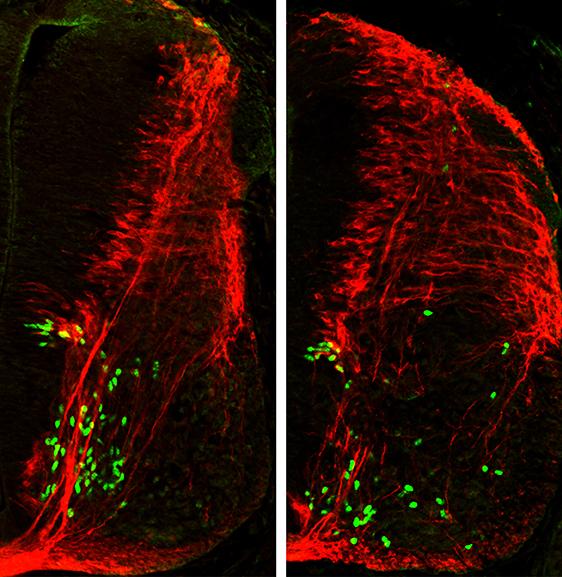
Axons in red and neuronal cell bodies in green show cell bodies following the red axons When nerve cells form in an embryo they do not start off in the right place but have to be guided to their final position by navigating a kind of molecular and cellular "map" in order to function properly. In a recent research study published in Nature Communications neurobiologist Sara Wilson, Umeå University, found that during embryonic development different parts of the nerve cell are important for guiding other nerve cells into their physical positions.
| Full story | 0 Comments | 7152 views |
| Molecular & Cell Biology | May 19, 2015 06:24 PM |
Using nature for inspiration, a team of Northwestern University scientists is the first to develop an entirely artificial molecular pump, in which molecules pump other molecules. This tiny machine is no small feat. The pump one day might be used to power other molecular machines, such as artificial muscles.
| Full story | 0 Comments | 5443 views |

| AIDS & HIV | May 19, 2015 06:24 PM |
Antiretroviral therapy (ART) has proven lifesaving for people infected with HIV; however, the medications are a lifelong necessity for most HIV-infected individuals and present practical, logistical, economic and health-related challenges. A primary research goal is to find an HIV cure that either clears the virus from an infected person's body or enables HIV-infected individuals to suppress virus levels and replication to extremely low levels without the need for daily ART.
| Full story | 0 Comments | 6554 views |
| Microbiology | May 19, 2015 06:24 PM |
It's no wonder that giant pandas are always chewing and eating, say Chinese researchers: their gut bacteria are not the type for efficiently digesting bamboo.
| Full story | 0 Comments | 6987 views |
| Biology | May 18, 2015 05:27 PM |

In a study using functional magnetic resonance imaging, Virginia Tech Carilion Research Institute scientists found that our inherent risk-taking preferences affect how we view and act on information from other... The hottest hairstyle, the latest extreme sport, the newest viral stunt -- trends happen for a reason and now scientists have a better understanding of why.
| Full story | 0 Comments | 6699 views |
| Bioinformatics | May 18, 2015 05:27 PM |
Cancer research leaders at the Ontario Institute for Cancer Research, Oregon Health & Science University, Sage Bionetworks, the distributed DREAM (Dialog for Reverse Engineering Assessment and Methods) community and The University of California Santa Cruz published the first findings of the ICGC-TCGA-DREAM Somatic Mutation Calling (SMC) Challenge (The Challenge: https:/
| Full story | 0 Comments | 5165 views |

| Health & Medicine | May 18, 2015 05:27 PM |
Streptococcus pneumoniae is a major human pathogen and is known to be associated with increased risk of fatal heart complications including heart failure and heart attacks.
| Full story | 0 Comments | 5358 views |
| Microbiology | May 18, 2015 05:27 PM |
A seven-year scientific study has revealed that microbial communities in urban waterways has the potential to play an important role in cleansing Singapore's waterways and also act as raw water quality indicators.
| Full story | 0 Comments | 7268 views |
| Biology | May 18, 2015 05:27 PM |
Duke and MIT scientists have discovered an area of the brain that is sensitive to the timing of speech, a crucial element of spoken language.
| Full story | 0 Comments | 6751 views |
| Biology | May 14, 2015 04:37 PM |
The evolutionary age of grass has been hotly contested. Scientists have previously dated the earliest grasses to 55 million years ago; after the dinosaurs went extinct. Now, a new 100-million-year-old specimen of amber from Myanmar potentially pushes back grass evolution to the Late Cretaceous.
| Full story | 0 Comments | 7406 views |
| Health & Medicine | May 14, 2015 04:37 PM |
Millions of people afflicted by irritable bowel syndrome can now be diagnosed quickly and accurately with two simple blood tests developed by a Cedars-Sinai gastroenterologist.
| Full story | 0 Comments | 8304 views |

| Biotechnology | May 14, 2015 04:37 PM |
UNSW Australia researchers have shown that changing just a single letter of the DNA of human red blood cells in the laboratory increases their production of oxygen-carrying haemoglobin - a world-first advance that could lead to a cure for sickle cell anaemia and other blood disorders.
| Full story | 0 Comments | 8698 views |
| Bioinformatics | May 14, 2015 04:37 PM |
Researchers at Columbia University's Mailman School of Public Health and Leiden University in the Netherlands found that children whose mothers were malnourished at famine levels during the first 10 weeks of pregnancy had changes in DNA methylation known to suppress genes involved in growth, development, and metabolism documented at age 59. This is the first study to look at prenatal nutrition and genome-wide DNA patterns in adults exposed to severe under-nutrition at different periods of gestation. Findings are published in the International Journal of Epidemiology.
| Full story | 0 Comments | 5316 views |
| Bioinformatics | May 14, 2015 04:37 PM |

A color plot showing the expression level during the day in early (larks) and late (owls) strains of Drosophila.
- Researchers identify fly strains that exhibit morning- and evening-like behaviour.
- Team identifies nearly 80 genes associated with different types of behaviour
- Study could pave way to better diagnostics, and ultimately personal medicine, where larks and owls will receive their tailored therapies
| Full story | 0 Comments | 5689 views |
| Health & Medicine | May 14, 2015 04:37 PM |
Army scientists working to support the Ebola virus outbreak response in West Africa have established the first genomic surveillance capability in Liberia, enabling them to monitor genetic changes in the virus within one week of sample collection. An article describing their work was recently published ahead of print in the online edition of Emerging Infectious Diseases.
| Full story | 0 Comments | 4909 views |
| Biology | May 12, 2015 05:42 PM |

In many of the more than 100 recognized species of lemurs, females run the show. Here, a crowned lemur female hogs a sprig of honeysuckle from her mate. Lemur girls behave more like the guys, thanks to a little testosterone, according to a new study.
| Full story | 0 Comments | 7087 views |
| Microbiology | May 12, 2015 05:42 PM |
A multidisciplinary group of US-based researchers has shown that the mixture of species found within natural bacterial communities in the environment can accurately predict the presence of contaminants such as uranium, nitrate, and oil. The findings, published this week in mBio, the online open-access journal of the American Society for Microbiology, show that the rapid sequencing of microbiomes in place at environmental sites can be used to monitor damage caused by human activity.
| Full story | 0 Comments | 6119 views |

| Environment | May 12, 2015 05:42 PM |

Historically, expansion of cattle pastures has driven deforestation in the Brazilian Amazon, where these pastures cover about two-thirds of all the deforested land. Expansion of cattle pastures has led to the destruction of huge swaths of rain forest in Brazil, home to the world's largest herd of commercial beef cattle. But a new study led by the University of Wisconsin-Madison's Holly Gibbs shows that market-driven "zero deforestation agreements" have dramatically influenced the behavior of ranchers and the slaughterhouses to which they sell.
| Full story | 0 Comments | 6104 views |
| Molecular & Cell Biology | May 12, 2015 05:42 PM |
A molecular switch that seems to be essential for embryonic heart cells to grow into more mature, adult-like heart cells has been discovered.
| Full story | 0 Comments | 5033 views |
| Molecular & Cell Biology | May 8, 2015 03:10 AM |
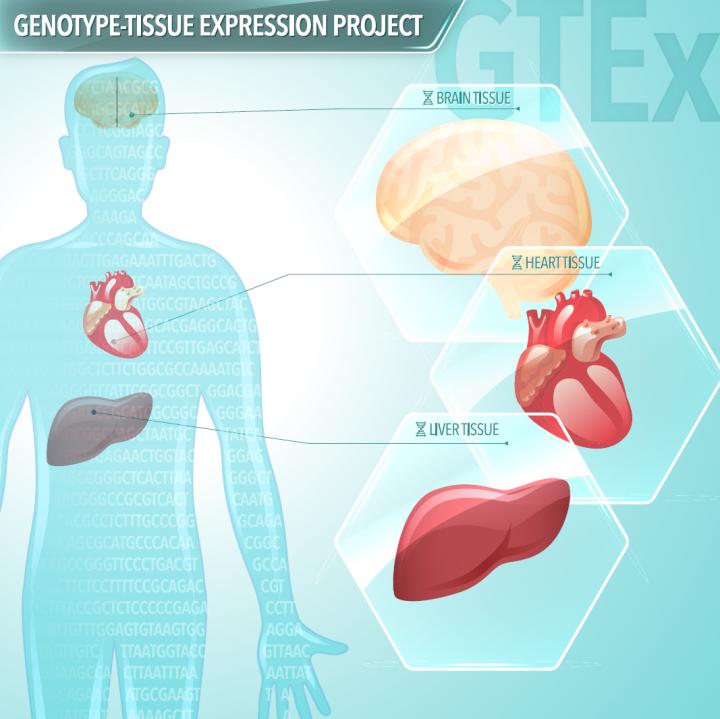
GTEx findings reveal new insights into how DNA differences influence gene activity, disease susceptibility. Researchers funded by the National Institutes of Health Genotype-Tissue Expression (GTEx) project have created a new and much-anticipated data resource to help establish how differences in an individual's genomic make-up can affect gene activity and contribute to disease. The new resource will enable scientists to examine the underlying genomics of many different human tissues and cells at the same time, and promises to open new avenues to the study and understanding of human biology.
| Full story | 0 Comments | 5921 views |
| Molecular & Cell Biology | May 8, 2015 03:10 AM |
For years, scientists have been puzzled by the presence of short stretches of genetic material floating inside a variety of cells, ranging from bacteria to mammals, including humans. These fragments are pieces of the genetic instructions cells use to make proteins, but are too short a length to serve their usual purpose. Reporting in this week's Cell, researchers at Rockefeller have discovered a major clue to the role these fragments play in the body -- and in the process, may have opened up a new frontier in the fight against breast cancer.
| Full story | 0 Comments | 102590 views |
| Biology | May 8, 2015 03:10 AM |
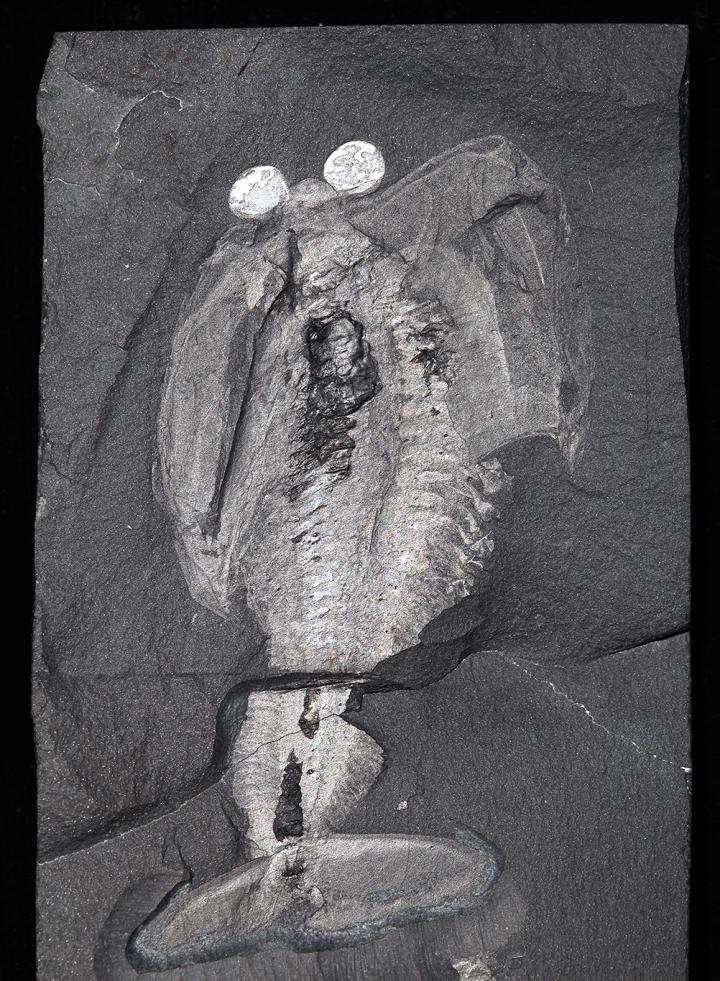
This is Odaraia alata, an arthropod resembling a submarine from the middle Cambrian Burgess Shale. A new study from the University of Cambridge has identified one of the oldest fossil brains ever discovered - more than 500 million years old - and used it to help determine how heads first evolved in early animals. The results, published today (7 May) in the journal Current Biology, identify a key point in the evolutionary transition from soft to hard bodies in early ancestors of arthropods, the group that contains modern insects, crustaceans and spiders.
| Full story | 0 Comments | 6892 views |
| Health & Medicine | May 8, 2015 03:10 AM |
The United States makes up less than five percent of the world's population but consumes 80 percent of the global opioid supply and approximately 99 percent of all hydrocodone--the most commonly prescribed opioid in the world. And, according to the authors of a new literature review in the May issue of The Journal of the American Academy of Orthopaedic Surgeons, orthopaedic surgeons are the third highest prescribers of opioid prescriptions among physicians in the United States--behind primary care physicians and internists.
| Full story | 0 Comments | 6279 views |
| Biotechnology | May 8, 2015 03:10 AM |
Researchers have customized and refined a technique derived from the immune system of bacteria to develop the CRISPR-Cas9 genome engineering system, which enables targeted modifications to the genes of virtually any organism. The discovery and development of CRISPR-Cas9 technology, its wide range of potential applications in the agriculture/food industry and in modern medicine, and emerging regulatory issues are explored in a Review article published in OMICS: A Journal of Integrative Biology. The article is available free on the OMICS website until June 5, 2015.
| Full story | 0 Comments | 6686 views |
| Microbiology | May 8, 2015 03:10 AM |
Researchers at Harvard T. H. Chan School of Public Health and the Broad Institute have identified a protein on the surface of human red blood cells that serves as an essential entry point for invasion by the malaria parasite. The presence of this protein, called CD55, was found to be critical to the Plasmodium falciparum parasite's ability to attach itself to the red blood cell surface during invasion. This discovery opens up a promising new avenue for the development of therapies to treat and prevent malaria.
| Full story | 0 Comments | 5736 views |
| Health & Medicine | May 8, 2015 03:10 AM |
The measles virus is known to cast a deadly shadow upon children by temporarily suppressing their immune systems. While this vulnerability was previously thought to have lasted a month or two, a new study shows that children may actually live in the immunological shadow of measles for up to three years - leaving them highly susceptible to a host of other deadly diseases.
| Full story | 0 Comments | 4477 views |
| Molecular & Cell Biology | May 5, 2015 07:59 PM |
New research from the University of Eastern Finland and Kuopio University Hospital can help explain the prevalence of widespread syndromes such as carpal tunnel syndrome and sciatica. According to the results, neural movements can be measured by using non-invasive techniques, which are also applicable in diagnostics and rehabilitation planning.
| Full story | 0 Comments | 6023 views |
| Molecular & Cell Biology | May 5, 2015 07:59 PM |
Using proteomics techniques to study injured optic nerves, researchers at Boston Children's Hospital have identified previously unrecognized proteins and pathways involved in nerve regeneration. Adding back one of these proteins--the oncogene c-myc--they achieved unprecedented optic nerve regeneration in mice when combined with two other known strategies. The findings were published online April 30 by the journal Neuron.
| Full story | 0 Comments | 4805 views |
| Molecular & Cell Biology | May 5, 2015 07:59 PM |
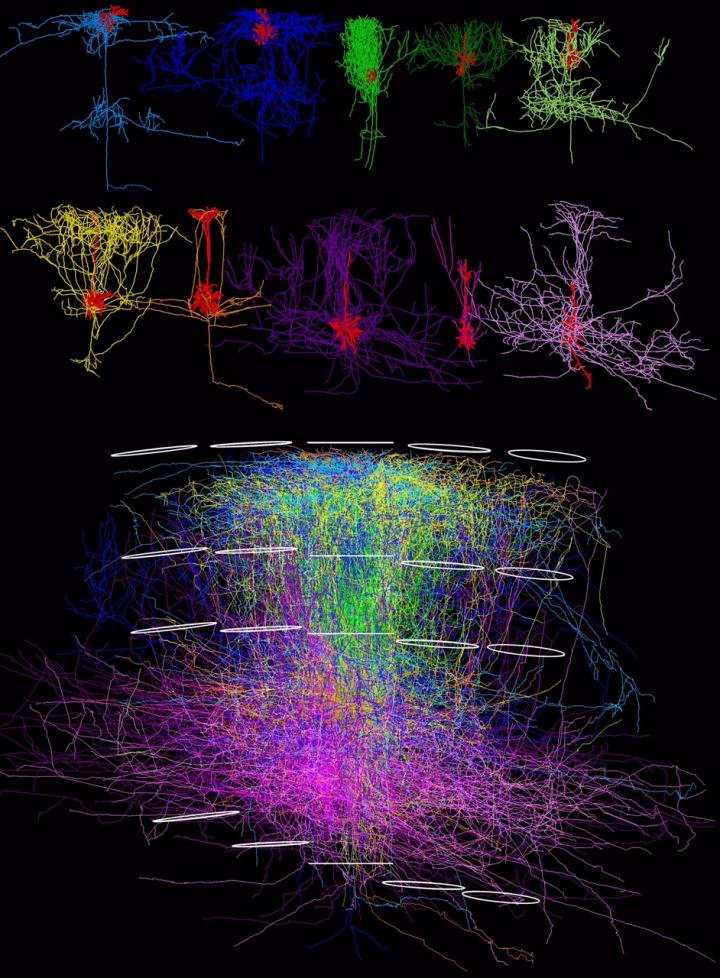
Top: Exemplary neuron reconstructions for each of the 10 major cell types of the vibrissal part of rat sensory cortex (dendrites, the part of a neuron that receives information from... Researchers at the Max Planck Institute for Biological Cybernetics (Germany), VU University Amsterdam (Netherlands) and Max Planck Florida Institute for Neuroscience (USA) succeed in reconstructing the neuronal networks that interconnect the elementary units of sensory cortex - cortical columns.
| Full story | 0 Comments | 5665 views |
| Molecular & Cell Biology | May 4, 2015 07:35 PM |
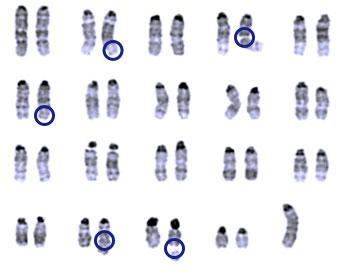
Remnants of viruses, called retrotransposons, jumped around more frequently within the genomes of cells lacking the histone variant H3.3. A family of proteins known as histones provides support and structure to DNA, but for years, scientists have been puzzling over occasional outliers among these histones, which appear to exist for specific, but often mysterious reasons. Now, researchers have uncovered a new purpose for one such histone variant: preventing genetic mutations by keeping certain so-called "jumping genes" in place.
| Full story | 0 Comments | 5629 views |
| Biology | May 4, 2015 07:35 PM |
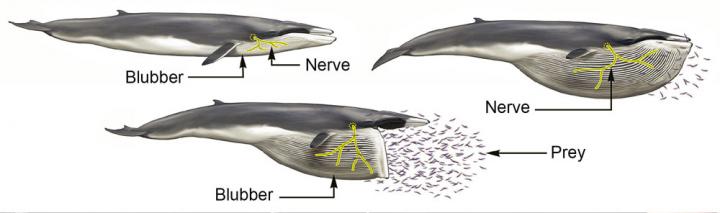
To eat, rorqual whales open their mouths and lunge while their tongues invert and their mouths fill like giant water balloons full of floating prey. Nerves aren't known for being stretchy. In fact, "nerve stretch injury" is a common form of trauma in humans. But researchers reporting in the Cell Press journal Current Biology on May 4 have discovered that nerves in the mouths and tongues of rorqual whales can more than double their length with no trouble at all.
| Full story | 0 Comments | 5827 views |

- In some genetic cases of microcephaly, stem cells fail to launch
- Yale team discovers how Zika virus causes fetal brain damage
- Scientists uncover the way a common cell enzyme alerts the body to invading bacteria
- Arctic gives clues on worst mass extinction of life
- Calcium channel blockers caught in the act at atomic level
Search Bio News Net
Free Biology Newsletter
- Flexibility That A.C.A. Lent to Work Force Is Threatened by...International Herald Tribune
- Bacteria Behind Legionnaires’ Disease Found at New York Police StationInternational Herald Tribune
- Prescription Price Crisis? 28 Million Americans See Spike in Drug...MSNBC.com: Health
- Seizing on Opioid Crisis, a Drug Maker Lobbies Hard for...International Herald Tribune
- Republicans are taking a big political risk on health careAP Health News
- Why We're So Divided Over Saving WolvesNational Geographic News