

The spread of exotic and aggressive strains of a plant fungus is presenting a serious threat to wheat production in the UK, according to research published in Genome Biology. The research uses a new surveillance technique that could be applied internationally to respond to the spread of a wide variety of plant diseases.

| Biology | February 26, 2015 07:59 PM |
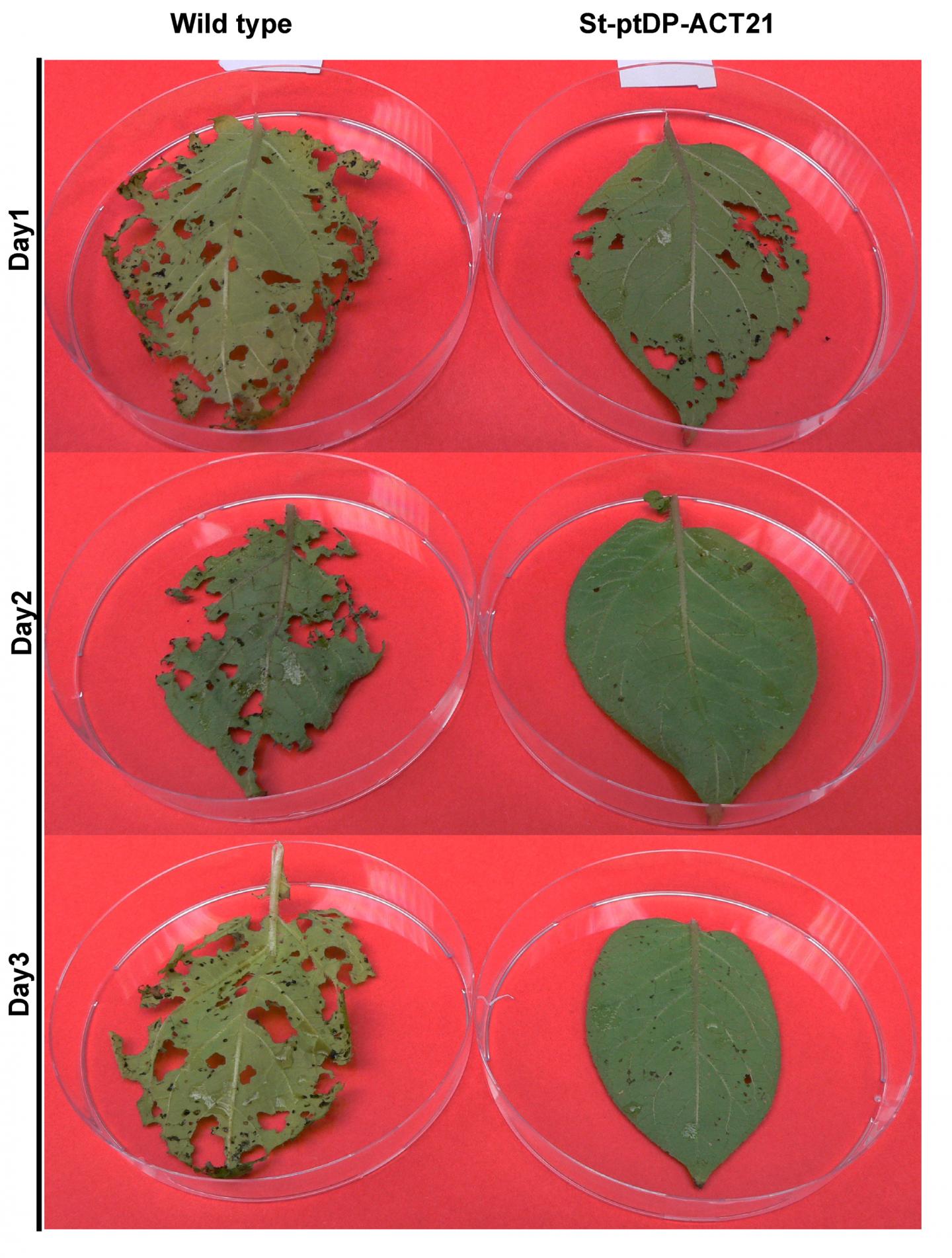
Feeding experiment with different potato leaves: Detached leaves of unmodified plants were compared to plants with an altered chloroplast genome. Colorado potato beetles are a dreaded pest of potatoes all over the world. Since they do not have natural enemies in most potato producing regions, farmers try to control them with pesticides. However, this strategy is often ineffective because the pest has developed resistances against nearly all insecticides. Now, scientists from the Max Planck Institutes of Molecular Plant Physiology in Potsdam-Golm and Chemical Ecology in Jena have shown that potato plants can be protected from herbivory using RNA interference (RNAi). They genetically modified plants to enable their chloroplasts to accumulate double-stranded RNAs (dsRNAs) targeted against essential beetle genes. (Science, February 2015).
| Full story | 0 Comments | 14732 views |
| Biology | February 26, 2015 07:59 PM |
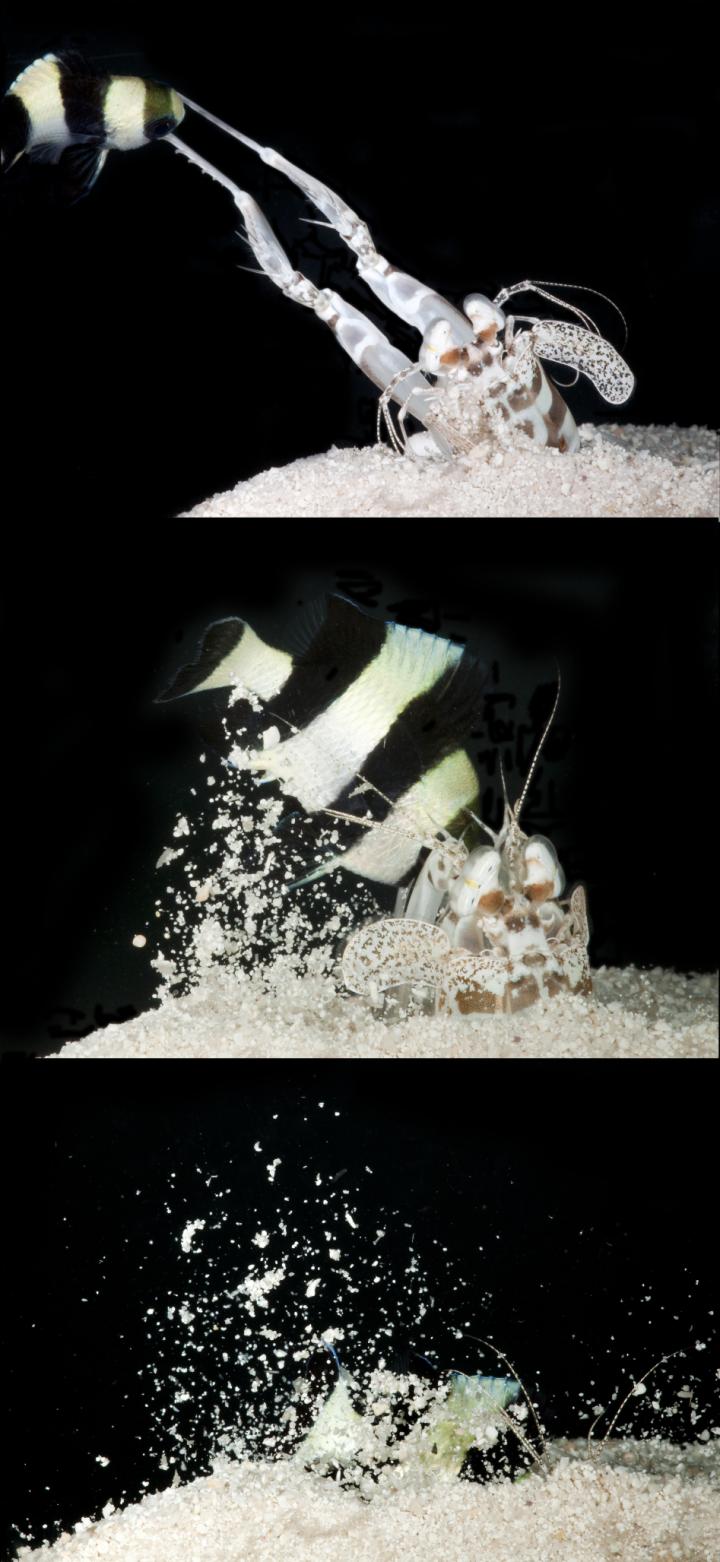
Mantis shrimp attack their dinners with the help of spring-loaded claws. DURHAM, N.C. -- The miniweight boxing title of the animal world belongs to the mantis shrimp, a cigar-sized crustacean whose front claws can deliver an explosive 60-mile-per-hour blow akin to a bullet leaving the barrel of a gun.
| Full story | 0 Comments | 7082 views |

| Molecular & Cell Biology | February 25, 2015 06:29 PM |
U.S. and Australian scientists have found the mechanism a novel gene uses to affect brain function and elicit behavior related to neuropsychiatric disease.
| Full story | 0 Comments | 7994 views |

| Microbiology | February 25, 2015 06:29 PM |
A new study demonstrates that sewage is an effective means to sample the fecal bacteria from millions of people. Researchers say the information gleaned from the work provides a unique opportunity to monitor, through gut microbes, the public health of a large population without compromising the privacy of individuals.
| Full story | 0 Comments | 6544 views |

| Bioinformatics | February 24, 2015 06:22 PM |
Scientists and breeders working with poultry and livestock species will get a new set of tools from an international project that includes the University of California, Davis.
| Full story | 0 Comments | 6432 views |

| Environment | February 24, 2015 06:22 PM |
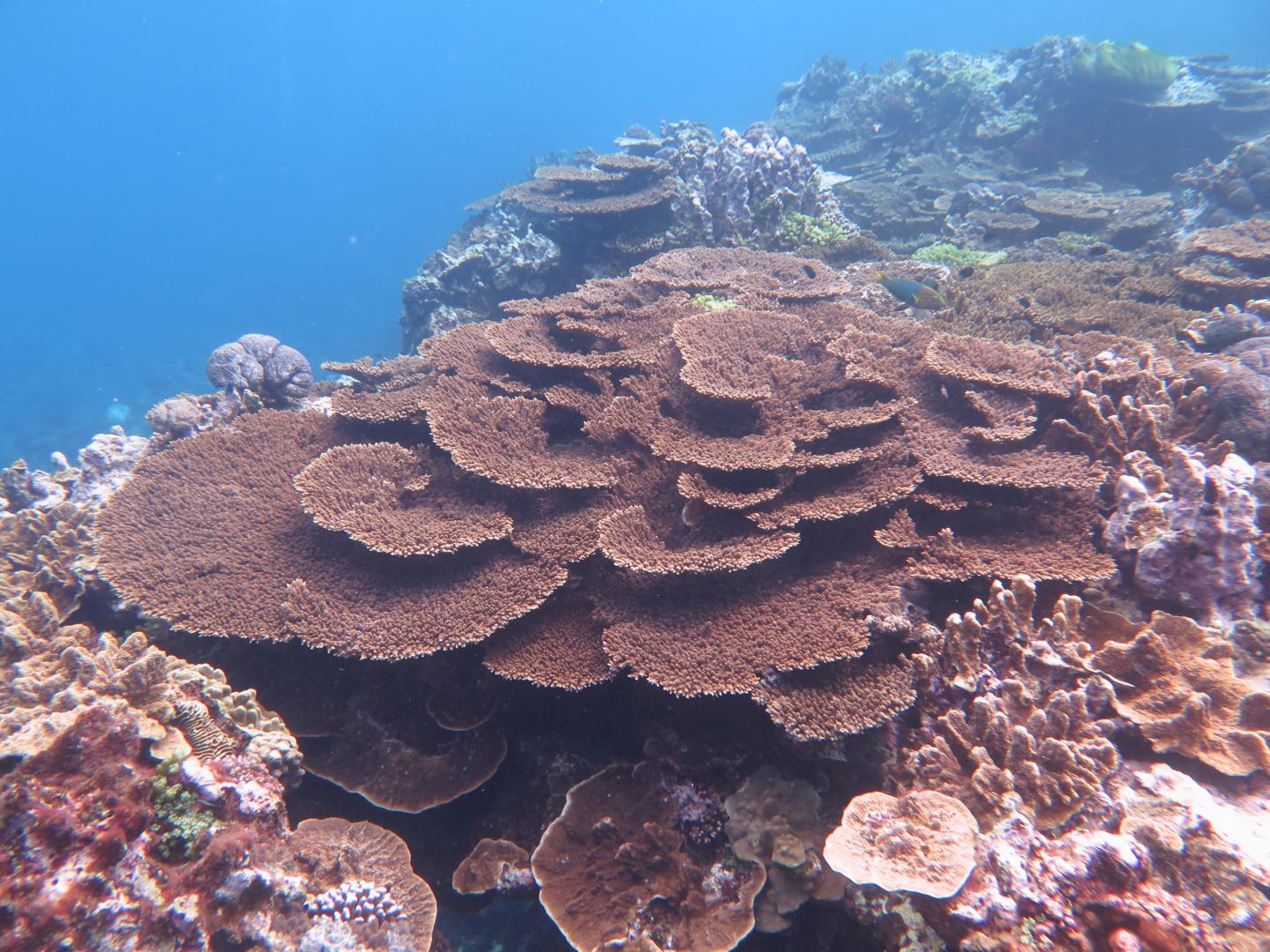
These are corals on the Great Barrier Reef. Researchers in Australia have found that corals commonly found on the Great Barrier Reef will eat micro-plastic pollution.
| Full story | 0 Comments | 9892 views |

| Health & Medicine | February 24, 2015 04:27 AM |
When diagnosing a case of Ebola, time is of the essence. However, existing diagnostic tests take at least a day or two to yield results, preventing health care workers from quickly determining whether a patient needs immediate treatment and isolation.
| Full story | 0 Comments | 7709 views |
| Biology | February 24, 2015 04:27 AM |
With apologies to the poet John Donne, and based on recent work from the U.S. Department of Energy Joint Genome Institute (DOE JGI), a DOE Office of Science user facility, it can be said that no plant is an island, entire of itself. Unseen by the human eye, plants interact with many species of fungi and other microbes in the surrounding environment, and these exchanges can impact the plant's health and tolerance to stressors such as drought or disease, as well as the global carbon cycle.
| Full story | 0 Comments | 5861 views |
| Health & Medicine | February 24, 2015 04:27 AM |
A large Australian study of more than 200,000 people has provided independent confirmation that up to two in every three smokers will die from their habit if they continue to smoke.
| Full story | 0 Comments | 7282 views |
| Health & Medicine | February 19, 2015 06:33 PM |
Single-letter genetic variations within parts of the genome once dismissed as 'junk DNA' can increase cancer risk through wormhole-like effects on far-off genes, new research shows.
| Full story | 0 Comments | 10039 views |
| Molecular & Cell Biology | February 19, 2015 06:33 PM |
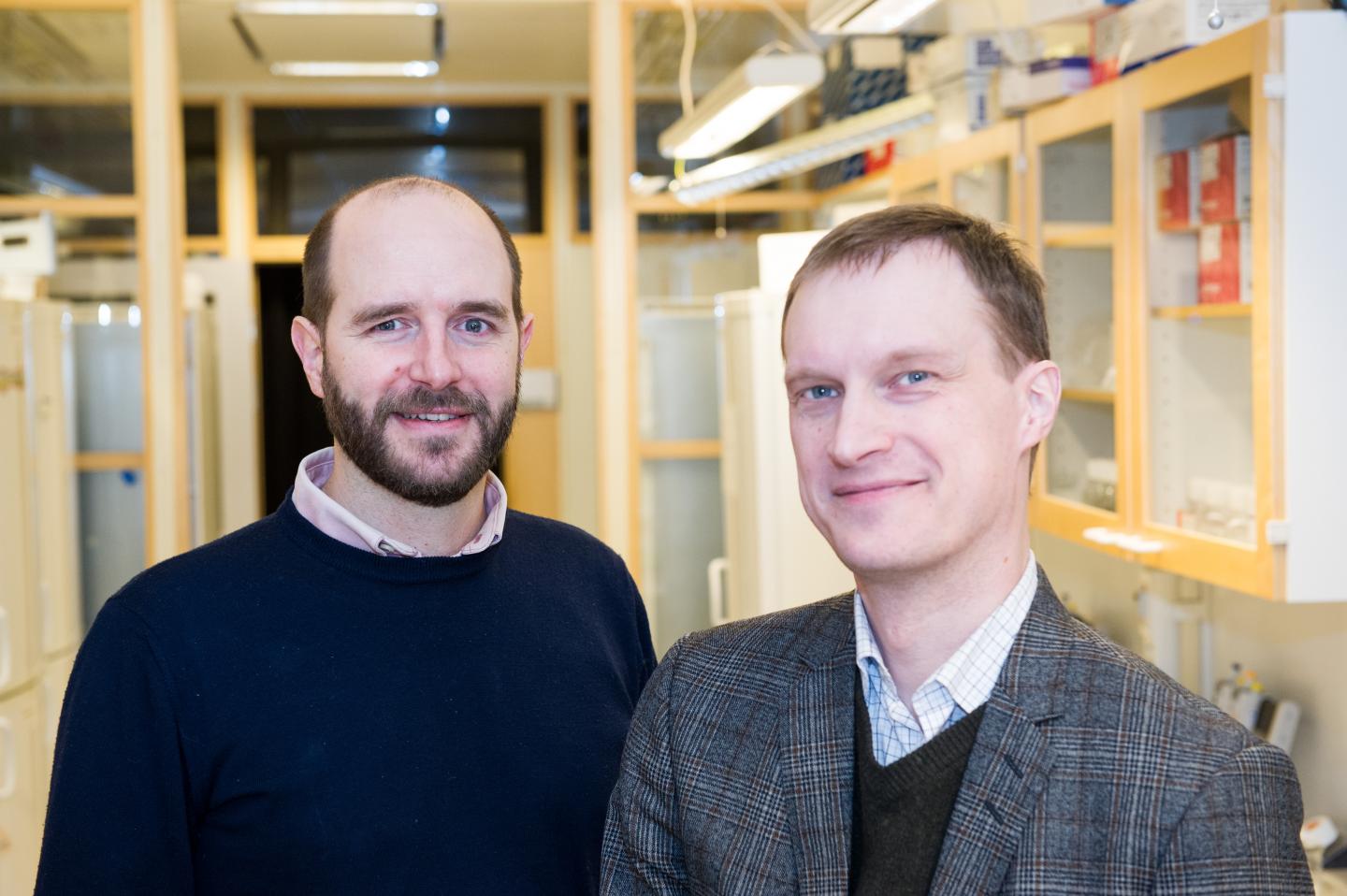
Jens Hjerling-Leffler and Sten Linnarsson are principal investigators at the Department of Medical Biochemistry and Biophysics at Karolinska Institutet in Sweden. Using a process known as single cell sequencing, scientists at Karolinska Institutet have produced a detailed map of cortical cell types and the genes active within them. The study, which is published in the journal 'Science', marks the first time this method of analysis has been used on such a large scale on such complex tissue. The team studied over three thousand cells, one at a time, and even managed to identify a number of hitherto unknown types.
| Full story | 0 Comments | 7550 views |
| Bioinformatics | February 18, 2015 06:07 PM |
While genomics is the study of all of the genes in a cell or organism, epigenomics is the study of all the genomic add-ons and changes that influence gene expression but aren't encoded in the DNA sequence. A variety of new epigenomic information is now available in a collection of studies published Feb. 19 in Nature by the National Institutes of Health (NIH) Roadmap Epigenomics Program. This information provides a valuable baseline for future studies of the epigenome's role in human development and disease.
| Full story | 0 Comments | 8255 views |
| Health & Medicine | February 17, 2015 06:18 PM |
Scientists at the Centre for Addiction and Mental Health (CAMH) have discovered a promising new approach to treat multiple sclerosis (MS). In a new study, they've identified a previously unknown change in the spinal cord related to MS, and a way to alter this change to reduce the nerve cell damage that occurs with the disease.
| Full story | 0 Comments | 9458 views |
| Biology | February 16, 2015 06:33 PM |
A University of Michigan-led study of penguin genetics has concluded that the flightless aquatic birds lost three of the five basic vertebrate tastes--sweet, bitter and the savory, meaty taste known as umami--more than 20 million years ago and never regained them.
| Full story | 0 Comments | 9177 views |
| Health & Medicine | February 16, 2015 06:33 PM |
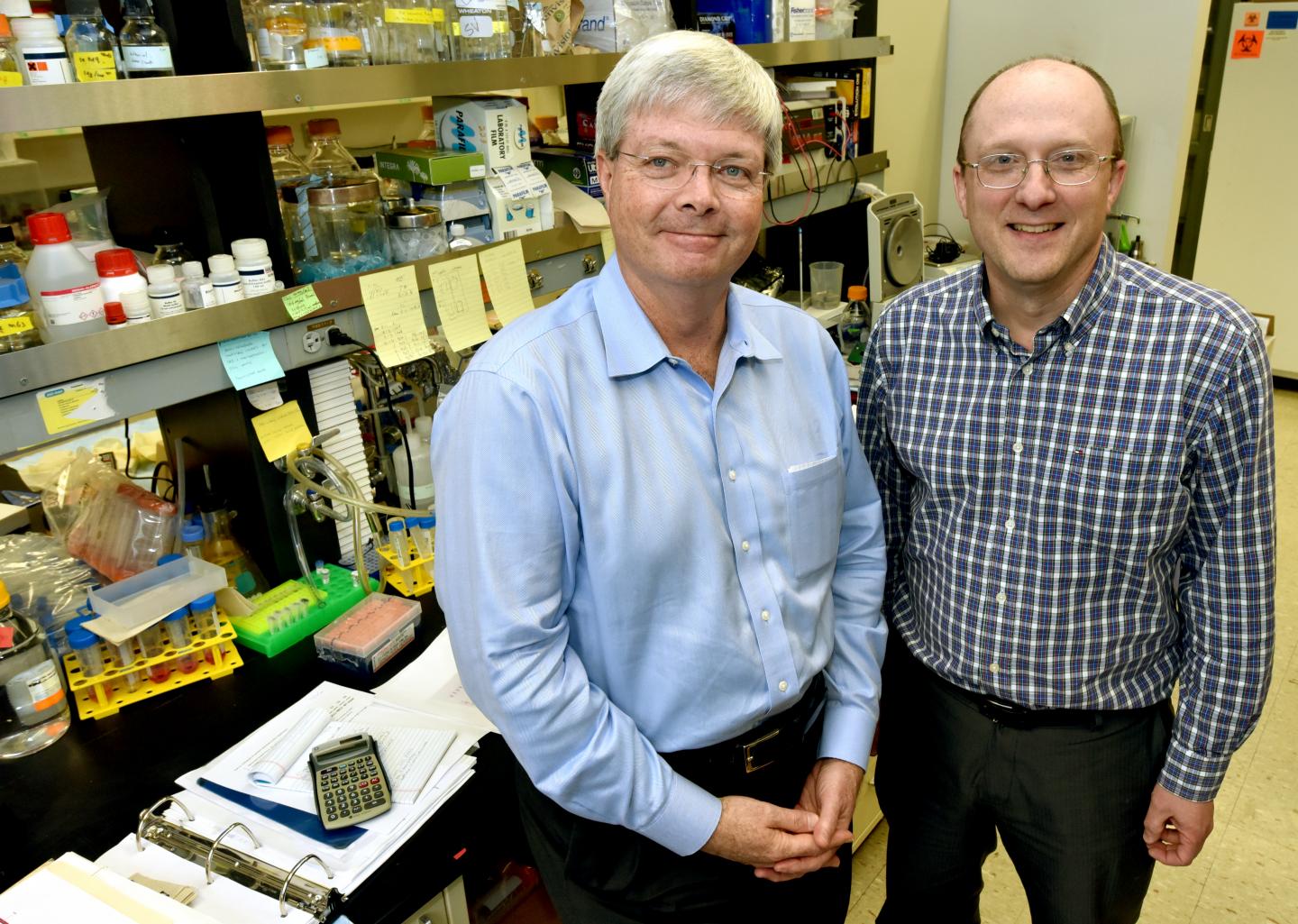
Herbert W. Virgin, MD, PhD (left), and Thad Stappenbeck, MD, PhD, have shown that mothers can pass a trait to their offspring through the DNA of bacteria. It's a firmly established fact straight from Biology 101: Traits such as eye color and height are passed from one generation to the next through the parents' DNA.
| Full story | 0 Comments | 9566 views |

| AIDS & HIV | February 12, 2015 05:45 PM |
Engaging in unprotected sex with multiple partners increases the risk of contracting multiple strains of HIV, the virus that causes AIDS. Once inside a host, these strains can recombine into a new variant of the virus. One such recombinant variant observed in patients in Cuba appears to be much more aggressive than other known forms of HIV. Patients progress to AIDS within three years of infection - so rapidly that they may not even realise they were infected.
| Full story | 0 Comments | 8707 views |
| Environment | February 12, 2015 05:45 PM |
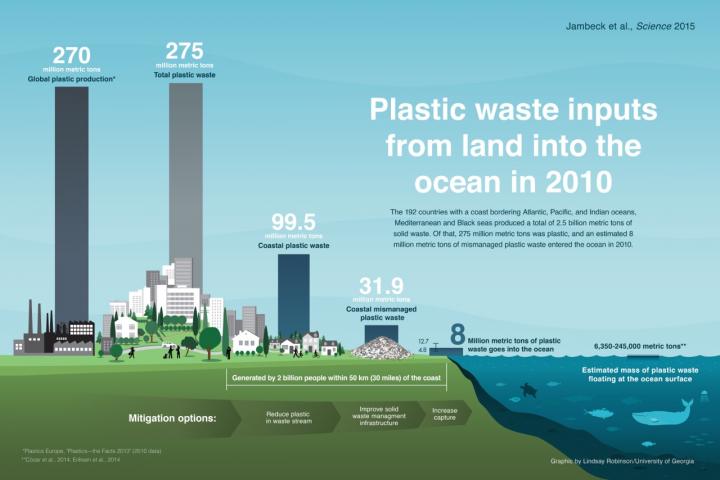
The 192 countries with a coast bordering the Atlanta, Pacific and Indian oceans, Mediterranean and Black seas produced a total of 2.5 billion metric tons of solid waste. Of that,... A plastic grocery bag cartwheels down the beach until a gust of wind spins it into the ocean. In 192 coastal countries, this scenario plays out over and over again as discarded beverage bottles, food wrappers, toys and other bits of plastic make their way from estuaries, seashores and uncontrolled landfills to settle in the world's seas.
| Full story | 0 Comments | 7342 views |
| Health & Medicine | February 12, 2015 05:45 PM |
Genomic profiling of cancer of an unknown primary site (CUP) found at least one clinically relevant genomic alteration in most of the samples tested, an indication of potential to influence and personalize therapy for this type of cancer, which responds poorly to nontargeted chemotherapy treatments, according to a study published online by JAMA Oncology.
| Full story | 0 Comments | 5702 views |
| Molecular & Cell Biology | February 12, 2015 05:45 PM |
Stating that sleep is an essential biological process seems as obvious as saying that the sun rises every morning. Yet, researchers' understanding of the molecular mechanisms underlying the effects of sleep loss is still in its earliest stages. The risk for a host of metabolic disorders, including weight gain, diabetes, obesity, and cardiovascular disease, associated with reduced sleep is driving basic investigations on the topic.
| Full story | 0 Comments | 5905 views |
| Biology | February 11, 2015 06:22 PM |

In the Room of DOOM (Dissolved Oxygen Oyster Mortality), oyster tanks mimic the day-night oxygen swings that oysters experience in shallow Bay waters. In shallow waters around the world, where nutrient pollution runs high, oxygen levels can plummet to nearly zero at night. Oysters living in these zones are far more likely to pick up the lethal Dermo disease, a team of scientists from the Smithsonian Environmental Research Center discovered. Their findings were published Wednesday in the journal PLOS ONE.
| Full story | 0 Comments | 7861 views |
| Environment | February 11, 2015 06:22 PM |
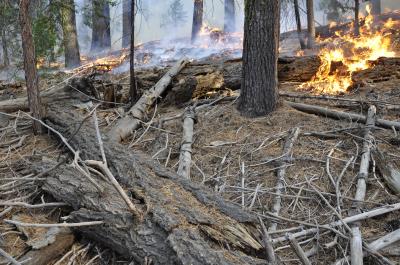
Forest managers must balance concerns for wildlife habitat with reducing the chance for damaging wildfires. Healthy forest ecosystems need dead wood to provide important habitat for birds and mammals, but there can be too much of a good thing when dead wood fuels severe wildfires. A scientist with the U.S. Forest Service's Pacific Southwest Research Station (PSW) compared historic and recent data from a forest in California's central Sierra Nevada region to determine how logging and fire exclusion have changed the amounts and sizes of dead wood over time. Results were recently published in Forest Ecology and Management.
| Full story | 0 Comments | 6978 views |
| Health & Medicine | February 11, 2015 06:22 PM |
Physicians at Henry Ford Hospital successfully suctioned a cancerous tumor from a major vein in a patient with metastatic kidney cancer, clearing the way for him to undergo a minimally-invasive kidney removal. This allowed him to participate in a clinical trial using genetic material from his tumor to produce a vaccine to help fight his metastatic disease.
| Full story | 0 Comments | 12732 views |

| Biotechnology | February 10, 2015 06:25 PM |
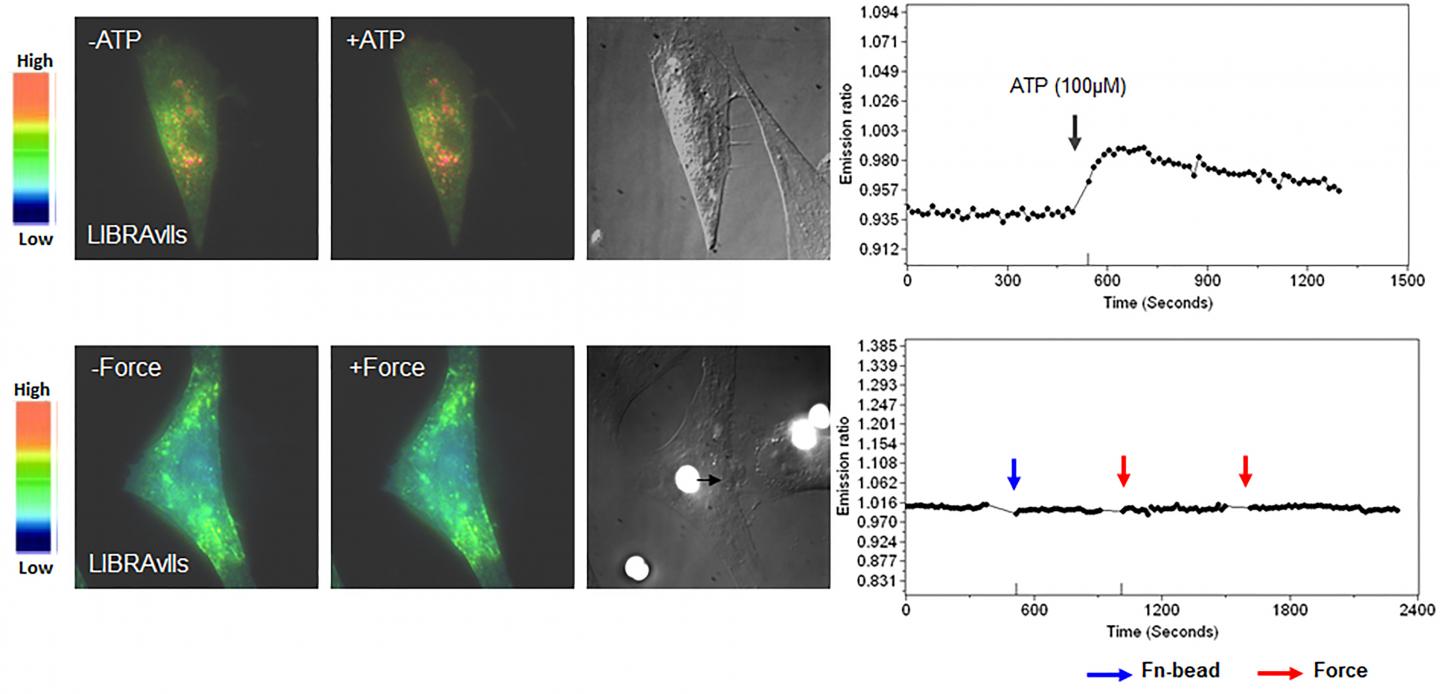
Inside the cell, calcium ions are released from a structure called the endoplasmic reticulum (ER). Forces applied to the bead cause ion channels in the ER to open mechanically (shown... After using optical tweezers to squeeze a tiny bead attached to the outside of a human stem cell, researchers now know how mechanical forces can trigger a key signaling pathway in the cells.
| Full story | 0 Comments | 8172 views |
| Health & Medicine | February 10, 2015 06:25 PM |
Scientists protected 75 percent of rhesus monkeys infected with Ebola virus that were treated with a compound targeting the expression of VP24, a single Ebola virus protein--suggesting that VP24 may hold the key to developing effective therapies for the deadly disease.
| Full story | 0 Comments | 9692 views |
| Microbiology | February 10, 2015 06:25 PM |
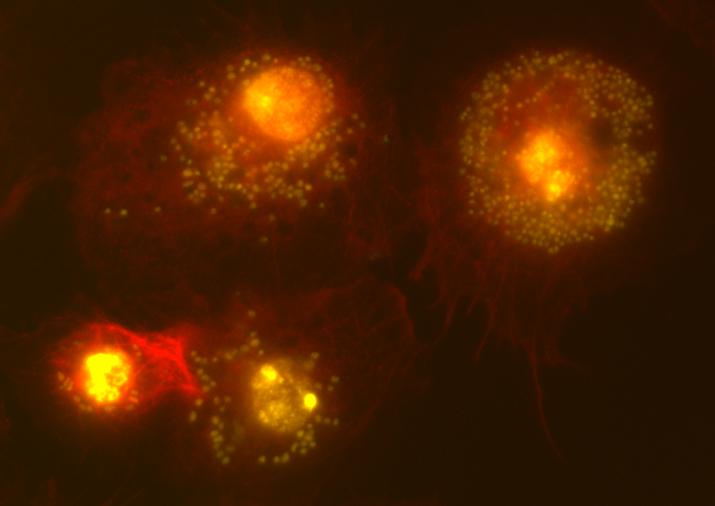
This image shows small yellow dots surrounding bright yellow cell nuclei in each cell are Wolbachia. The cytoskeleton (in red) allows seeing the shape of the cells. We, as most animals, host many different beneficial bacteria. Being beneficial to the host often pays off for the bacteria, as success of the host determines the survival and spread of the microbe. But if bacteria grow too much they may become deadly. In a new study published in the latest edition of the scientific journal PLOS Biology*, a research team from Instituto Gulbenkian de Ciencia (IGC; Portugal) found that a single genomic change can turn beneficial bacteria into pathogenic bacteria, by boosting bacterial density inside the host.
| Full story | 0 Comments | 7125 views |
| Molecular & Cell Biology | February 9, 2015 06:17 PM |
Nova Southeastern University (NSU) researchers recently discovered that, contrary to prior belief, tissues of different mammalian organs have very different abilities to repair damage to their DNA.
| Full story | 0 Comments | 6543 views |
| AIDS & HIV | February 4, 2015 06:40 PM |
Researchers who conducted VOICE, a major HIV prevention trial involving more than 5,000 women in Africa, describe the study's primary results in this week's issue of the New England Journal of Medicine (NEJM), outlining in detail how the three products tested were safe but overall not effective in preventing HIV.
| Full story | 0 Comments | 7718 views |
| Biology | February 3, 2015 06:34 PM |
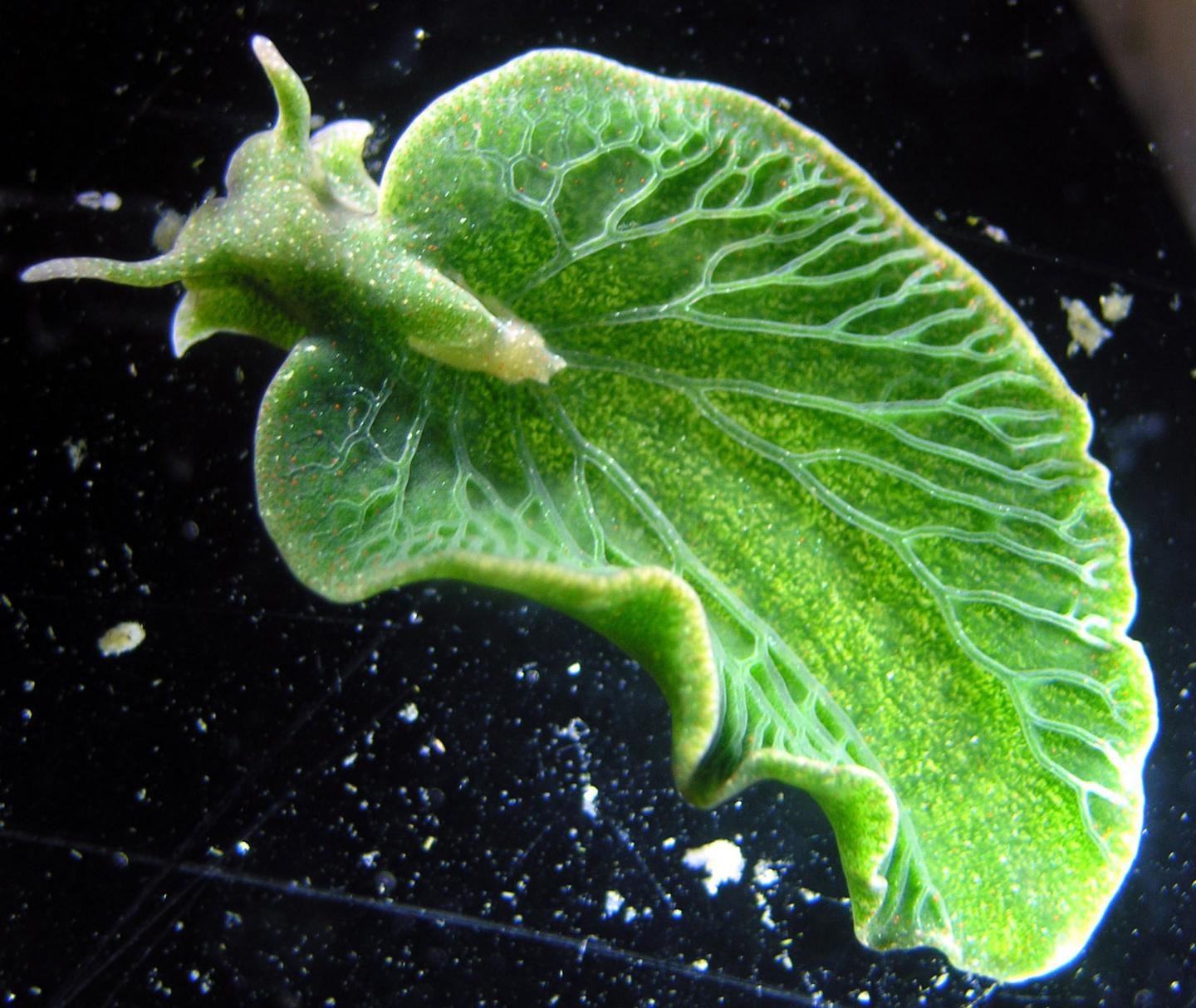
The rich green color of the photosynthesizing sea slug, Elysia chlorotica, helps to camouflage it on the ocean floor. How a brilliant-green sea slug manages to live for months at a time "feeding" on sunlight, like a plant, is clarified in a recent study published in The Biological Bulletin.
| Full story | 0 Comments | 13122 views |
| Bioinformatics | February 3, 2015 06:34 PM |
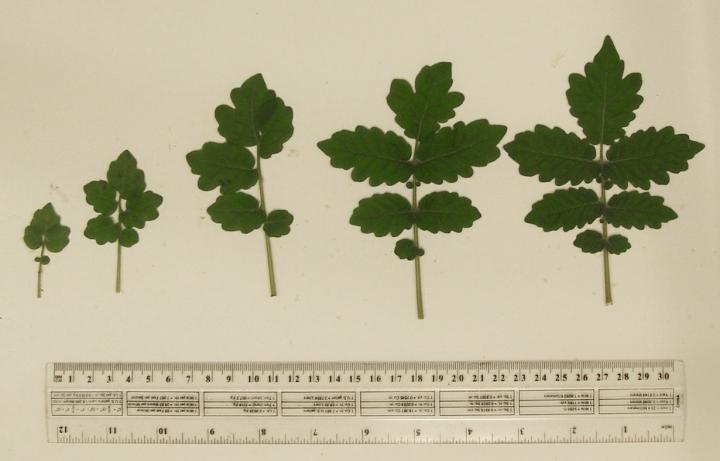
Maloof and Sinha analyzed the effects of various light environments on leaf development for both the wild and cultivated tomato species. Plant biologist Julin Maloof met fellow researcher Neelima Sinha while beginning his career at the University of California, Davis. Both interested in plant morphology and natural variation, the two first collaborated on a proposal more than six years ago and continue to work together to examine how plants thrive in disparate environments.
| Full story | 0 Comments | 8081 views |
| AIDS & HIV | February 3, 2015 06:34 PM |
While antiretroviral therapies have significantly improved and extended the lives of many HIV patients, another insidious and little discussed threat looms for aging sufferers - HIV-associated neurocognitive disorders (HAND). The disorders, which strike more often in HIV patients over age 50, can result in cognitive impairment, mild to severe, making everyday tasks a challenge.
| Full story | 0 Comments | 7123 views |
| Health & Medicine | February 2, 2015 06:33 PM |
IVF only has around a 25% success rate, largely due to the high rates of failure when embryos try to implant. Some women suffer from recurrent implantation failure, where the embryo is transferred but fails to attach to the endometrium - the mucus membrane of the uterine wall. This is a significant cause of the failure of IVF as most embryo losses occur at this early stage.
| Full story | 0 Comments | 6080 views |
| AIDS & HIV | February 2, 2015 06:33 PM |
Although it is known that HIV can enter the brain early during infection, causing inflammation and memory/cognitive problems, exactly how this occurs has been largely unknown. A new research report appearing in the February 2015 issue of the Journal of Leukocyte Biology solves this mystery by showing that HIV relies on proteins expressed by a type of immune cell, called "mature monocytes," to enter the brain. These proteins are a likely drug target for preventing HIV from reaching brain cells. Although not a direct focus of this research, these proteins might also shed light on novel mechanisms for helping drugs penetrate the blood-brain barrier.
| Full story | 0 Comments | 7871 views |
| Molecular & Cell Biology | February 2, 2015 06:33 PM |
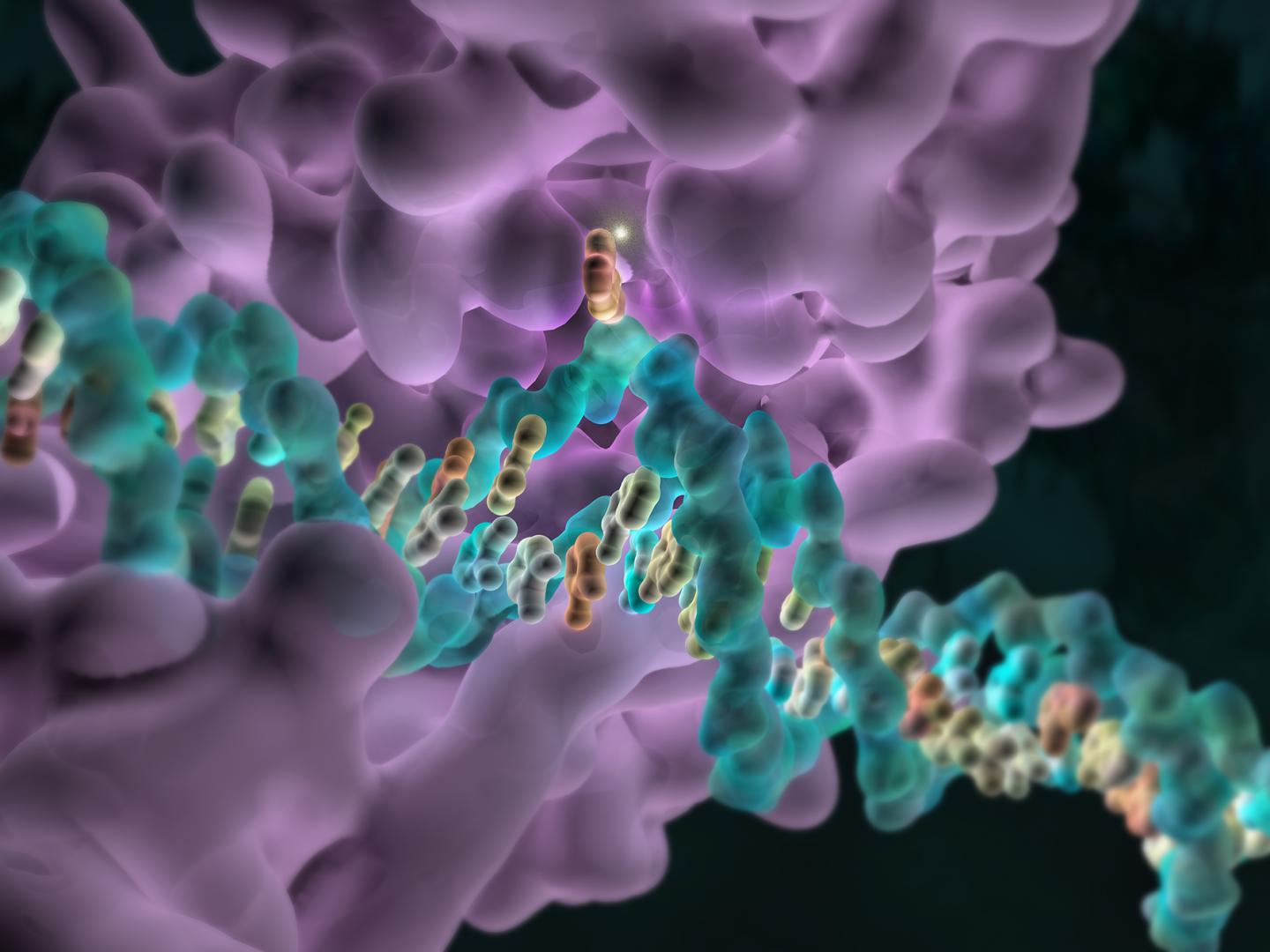
The methylating enzyme DNMT (purple) cradles the DNA molecule as a methyl group is added to DNA. The new study, published in Nature Communications, compares the breast cancer DNA 'methylome' with that of healthy individuals. The methylome provides a new picture of the genome and shows how it is epigenetically 'decorated' with methyl groups, a process known as DNA 'methylation'.
| Full story | 0 Comments | 6221 views |

- In some genetic cases of microcephaly, stem cells fail to launch
- Yale team discovers how Zika virus causes fetal brain damage
- Scientists uncover the way a common cell enzyme alerts the body to invading bacteria
- Arctic gives clues on worst mass extinction of life
- Calcium channel blockers caught in the act at atomic level
Search Bio News Net
Free Biology Newsletter
- Flexibility That A.C.A. Lent to Work Force Is Threatened by...International Herald Tribune
- Bacteria Behind Legionnaires’ Disease Found at New York Police StationInternational Herald Tribune
- Prescription Price Crisis? 28 Million Americans See Spike in Drug...MSNBC.com: Health
- Seizing on Opioid Crisis, a Drug Maker Lobbies Hard for...International Herald Tribune
- Republicans are taking a big political risk on health careAP Health News
- Why We're So Divided Over Saving WolvesNational Geographic News