

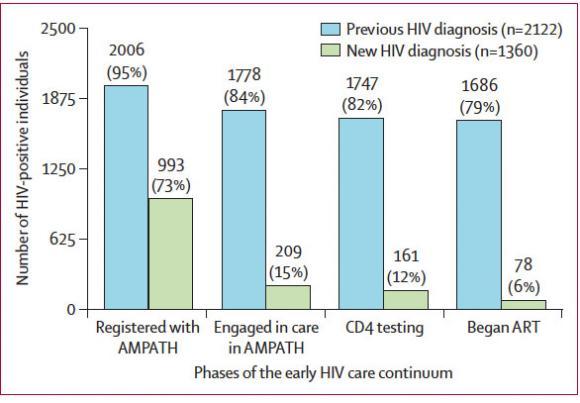
Fewer newly diagnosed adults seek HIV care, possibly because they do not yet feel sick. Between December 2009 and February 2011, health workers with the AMPATH Consortium sought to test and counsel every adult resident in the Bunyala subcounty of Kenya for HIV. A study in the journal Lancet HIV reports that the campaign yielded more than 1,300 new positive diagnoses, but few of those new patients sought health care.

| AIDS & HIV | January 29, 2015 06:35 PM |
| Full story | 0 Comments | 7459 views |

| Molecular & Cell Biology | January 29, 2015 06:35 PM |
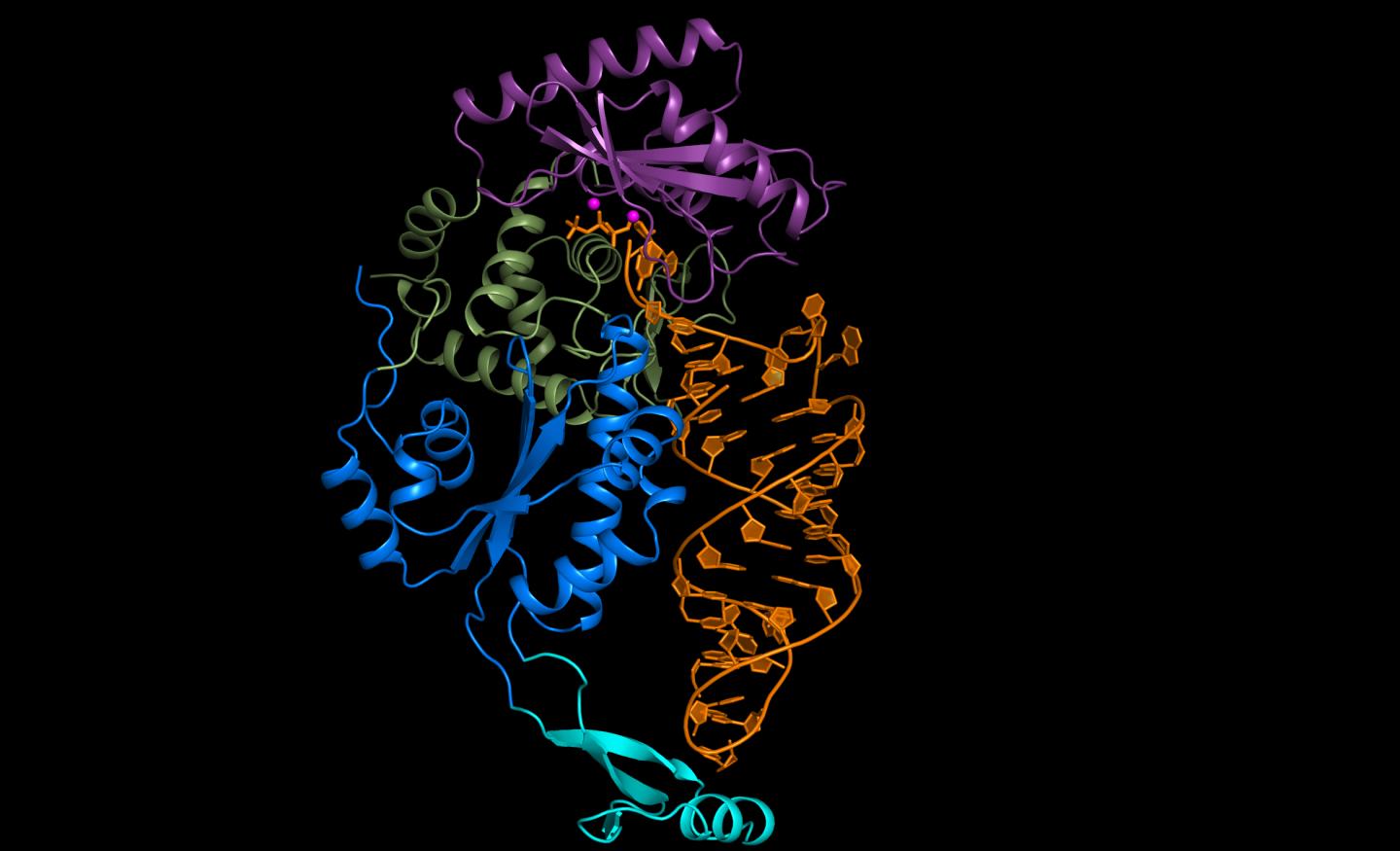
Researchers at Cold Spring Harbor Laboratory have uncovered a remarkable, new proofreading mechanism. In general, enzymatic machines are responsible for weeding out and correcting errors. Cold Spring Harbor, NY - Building a protein is a lot like a game of telephone: information is passed along from one messenger to another, creating the potential for errors every step of the way. There are separate, specialized enzymatic machines that proofread at each step, ensuring that the instructions encoded in our DNA are faithfully translated into proteins. Scientists at Cold Spring Harbor Laboratory (CSHL) have uncovered a new quality control mechanism along this path, but in a remarkable role reversal, the proofreading isn't done by an enzyme. Instead, one of the messengers itself has a built-in mechanism to prevent errors along the way.
| Full story | 0 Comments | 6608 views |

| Biology | January 29, 2015 06:35 PM |

Research by scientists and conservationists from the Wildlife Conservation Society, the Zoological Society of London, and other groups published today in PLOS ONE shows that critically endangered Saharan cheetahs exist... Research by scientists and conservationists from the Wildlife Conservation Society, the Zoological Society of London, and other groups published today in PLOS ONE shows that critically endangered Saharan cheetahs exist at incredibly low densities and require vast areas for their conservation. The research also offers some of the world's only photographs of this elusive big cat.
| Full story | 0 Comments | 8635 views |
| Molecular & Cell Biology | January 28, 2015 06:07 PM |
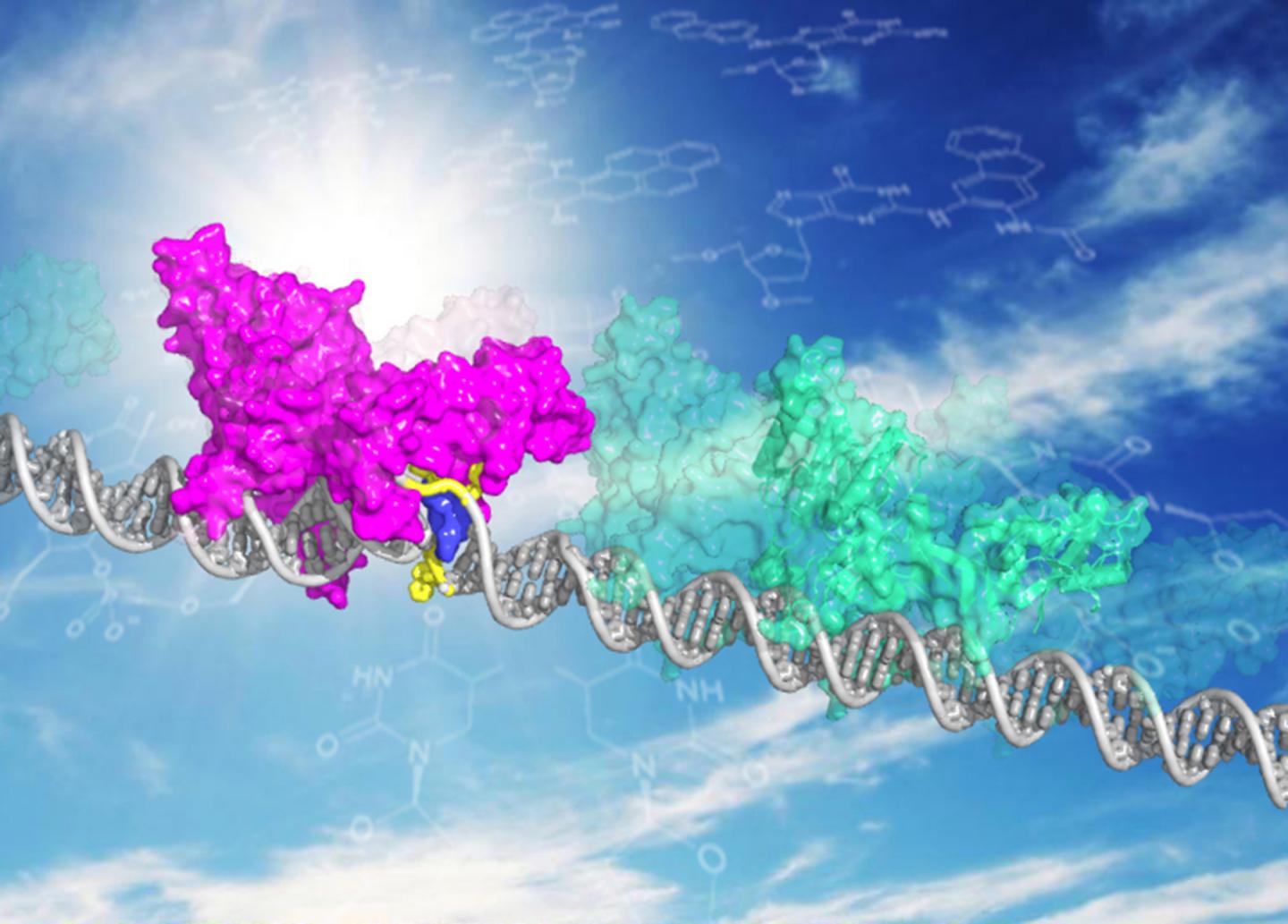
XPC DNA repair protein shown in two modes, patrolling undamaged DNA (in green) and bound to DNA damage site (magenta, with blue XPC insert opening the site). Sites where DNA is damaged may cause a molecule that slides along the DNA strand to scan for damage to slow on its patrol, delaying it long enough to recognize and initiate repair. The finding suggests that the delay itself may be the key that allows the protein molecule to find its target, according to researchers at the University of Illinois at Chicago.
| Full story | 0 Comments | 7627 views |
| Molecular & Cell Biology | January 27, 2015 06:56 PM |
Scientists have shed light on how naturally occurring mutations can be introduced into our DNA.
| Full story | 0 Comments | 8682 views |

| Bioinformatics | January 27, 2015 06:56 PM |
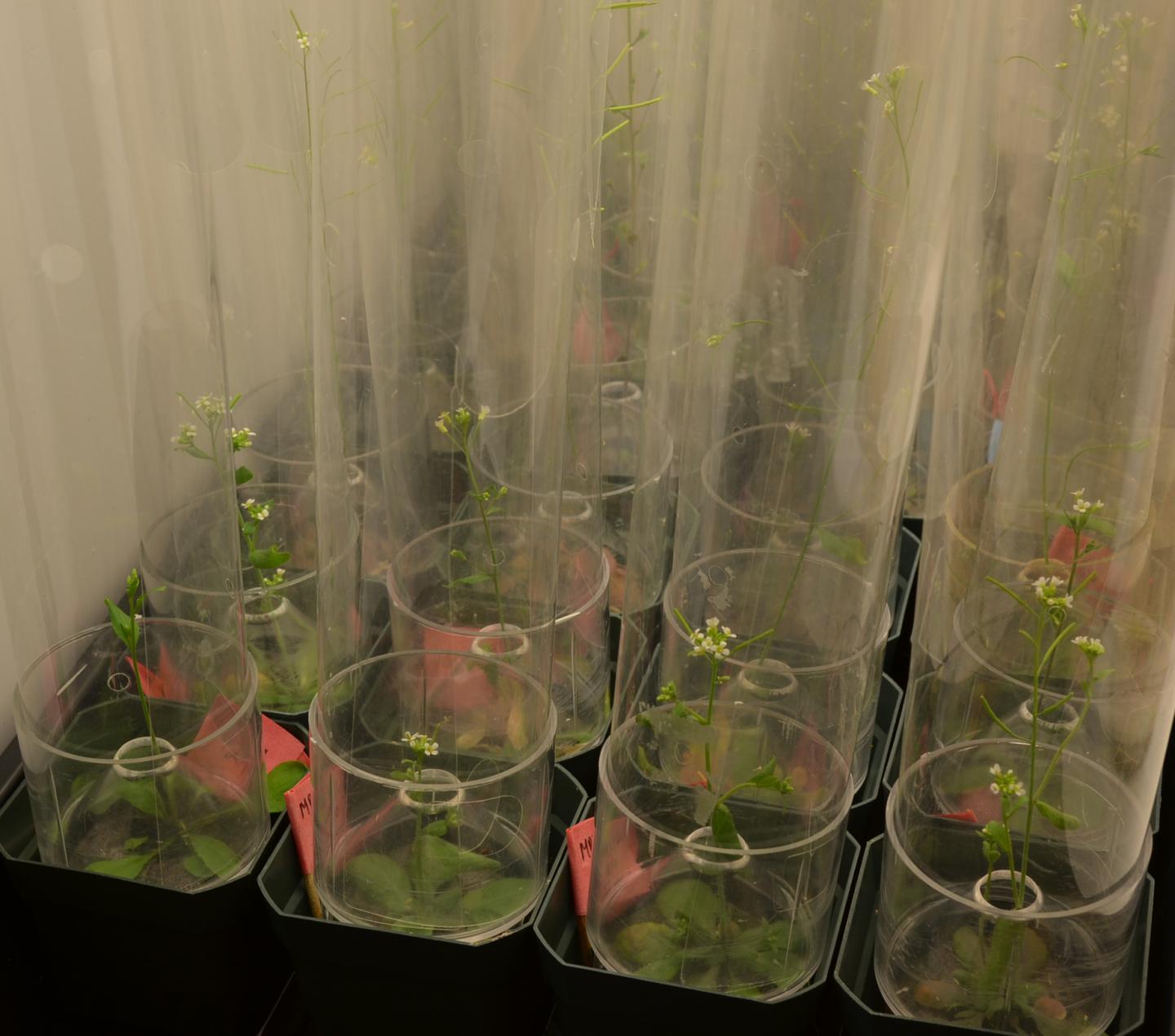
Scientists took a computational approach using the Stampede and Lonestar supercomputers to compare lab data with reference genomes of over a thousand strains of Arabidopsis sampled throughout Europe and Asia. Scientists using supercomputers found genes sensitive to cold and drought in a plant help it survive climate change. These findings increase basic understanding of plant adaptation and can be applied to improve crops.
| Full story | 0 Comments | 6614 views |
| Molecular & Cell Biology | January 26, 2015 06:41 PM |
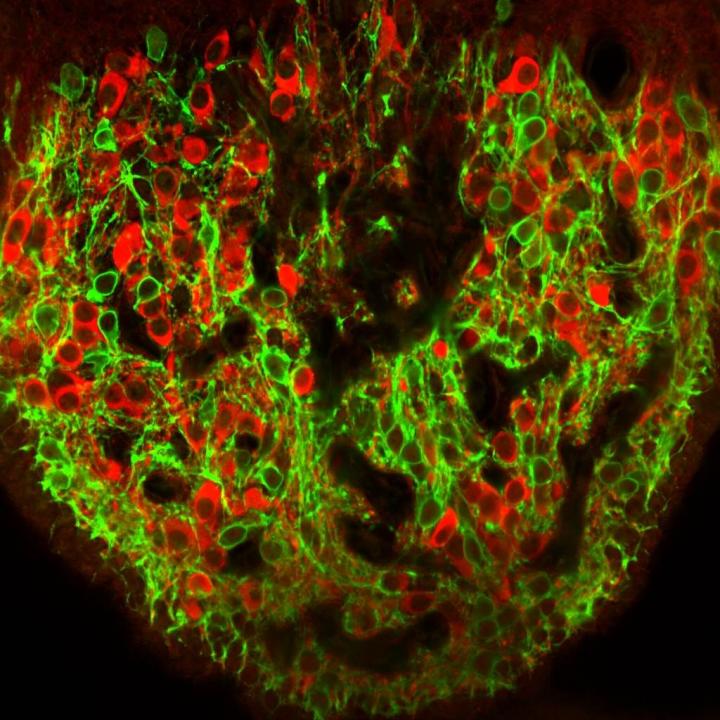
This image of a mouse brain shows the two neurons, CAMKII (in red) that triggers thirst and VGAT (in green) that inhibit thirst. NEW YORK, NY (January 26, 2015)--Neurons that trigger our sense of thirst--and neurons that turn it off--have been identified by Columbia University Medical Center neuroscientists. The paper was published today in the online edition of Nature.
| Full story | 0 Comments | 8022 views |
| Molecular & Cell Biology | January 22, 2015 07:19 PM |
Scientists have identified a gene that helps regulate how well nerves of the central nervous system are insulated, researchers at Washington University School of Medicine in St. Louis report.
| Full story | 0 Comments | 7634 views |
| Molecular & Cell Biology | January 22, 2015 07:19 PM |
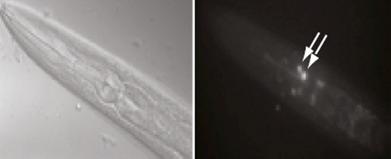
A study conducted in C. elegans worms (left) revealed genes involved in forming long-term memories. A new study has identified genes involved in long-term memory in the worm as part of research aimed at finding ways to retain cognitive abilities during aging.
| Full story | 0 Comments | 7093 views |
| Bioinformatics | January 20, 2015 05:56 PM |
Positional cloning is a genetic mapping technique used to pinpoint the location of specific traits of interest, such as disease-causing genes or mutations, within the genome. Very simply, this map-based technique involves crossing mutant individuals with wild-type individuals and examining the offspring in order to localize a candidate region in the genome for the mutation. By identifying genetic markers that are linked to the trait, progressively more precise areas on a chromosome are defined until the gene is identified.
| Full story | 0 Comments | 7637 views |
| Bioinformatics | January 20, 2015 05:56 PM |
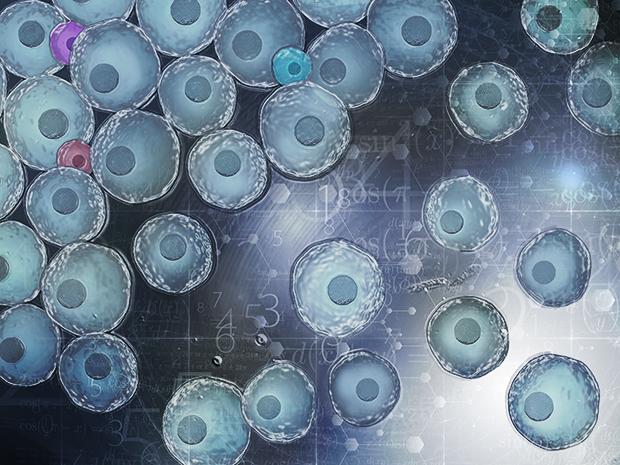
A new method helps scientists create a more accurate picture of gene expression in different cell types, and reveals hidden subtypes of cells. A new method for analysing RNA sequence data allows researchers to identify new subtypes of cells, creating order out of seeming chaos. Published in Nature Biotechnology, the novel technique developed by scientists at The European Molecular Biology Laboratory's European Bioinformatics Institute (EMBL-EBI) represents a major step forward for single-cell genomics.
| Full story | 0 Comments | 8988 views |
| Biology | January 19, 2015 04:49 PM |
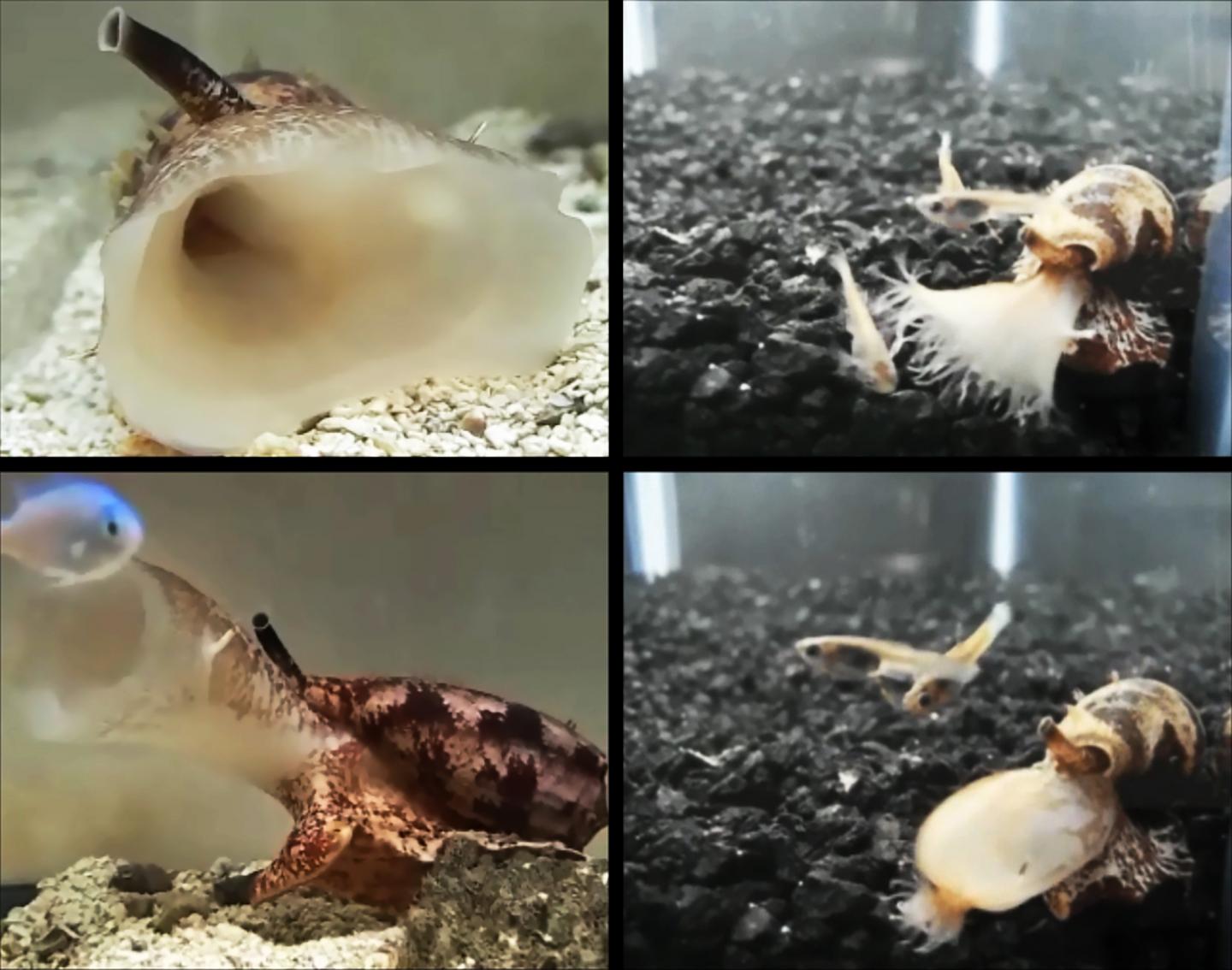
The images show two species of cone snail, Conus geographus (left) and Conus tulipa (right) attempting to capture their fish prey. As they approach potential prey, the snails release a... As predators go, cone snails are slow-moving and lack the typical fighting parts. They've made up for it by producing a vast array of fast-acting toxins that target the nervous systems of prey. A new study reveals that some cone snails add a weaponized form of insulin to the venom cocktail they use to disable fish.
| Full story | 0 Comments | 10544 views |
| Molecular & Cell Biology | January 19, 2015 04:49 PM |
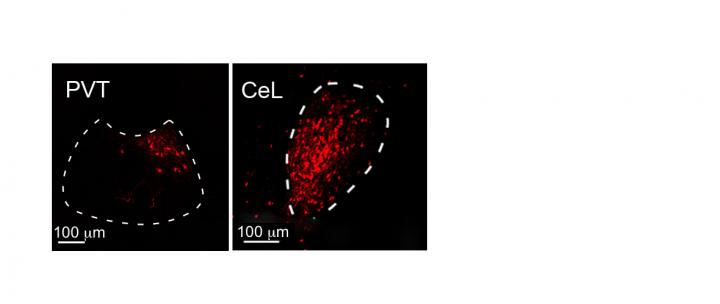
A team of researchers at CSHL has discovered a novel circuit in the mouse brain that controls fear. The red cells are neurons identified by a "trans-synaptic tracing technique" Some people have no fear, like that 17-year-old kid who drives like a maniac. But for the nearly 40 million adults who suffer from anxiety disorders, an overabundance of fear rules their lives. Debilitating anxiety prevents them from participating in life's most mundane moments, from driving a car to riding in an elevator. Today, a team of researchers at Cold Spring Harbor Laboratory (CSHL) describes a new pathway that controls fear memories and behavior in the mouse brain, offering mechanistic insight into how anxiety disorders may arise.
| Full story | 0 Comments | 8105 views |
| Biology | January 15, 2015 06:00 PM |
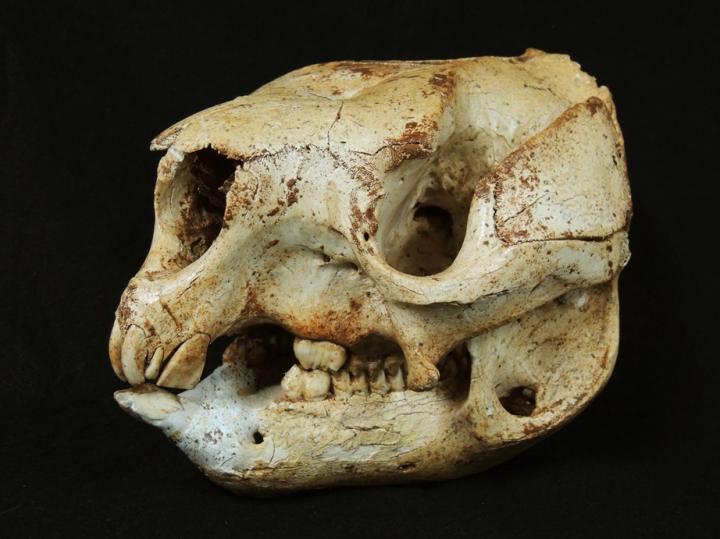
This is the skull of an extinct short-faced kangaroo (Simosthenurus occidentalis). Ancient DNA from these animals reveals they are a highly distinct evolutionary lineage. Scientists have finally managed to extract DNA from Australia's extinct giant kangaroos - the mysterious marsupial megafauna that roamed Australia over 40,000 years ago.
| Full story | 0 Comments | 9586 views |

| Health & Medicine | January 15, 2015 06:00 PM |
Eczema wreaks havoc on its sufferers' lives with health problems that are more than skin deep. Adults who have eczema -- a chronic itchy skin disease that often starts in childhood -- have higher rates of smoking, drinking alcoholic beverages and obesity and are less likely to exercise than adults who don't have the disease, reports a new Northwestern Medicine® study.
| Full story | 0 Comments | 7172 views |

| Stem Cell Research | January 15, 2015 06:00 PM |
A new device that can rapidly concentrate and extract young cells from irrigation fluid used during orthopaedic surgery holds promise for improving the delivery of stem cell therapy in cases of non-healing fractures. UC Davis surgeons plan to launch a "proof-of-concept" clinical trial to test the safety and efficacy of the device in the coming months.
| Full story | 0 Comments | 8588 views |
| Biology | January 14, 2015 05:32 PM |
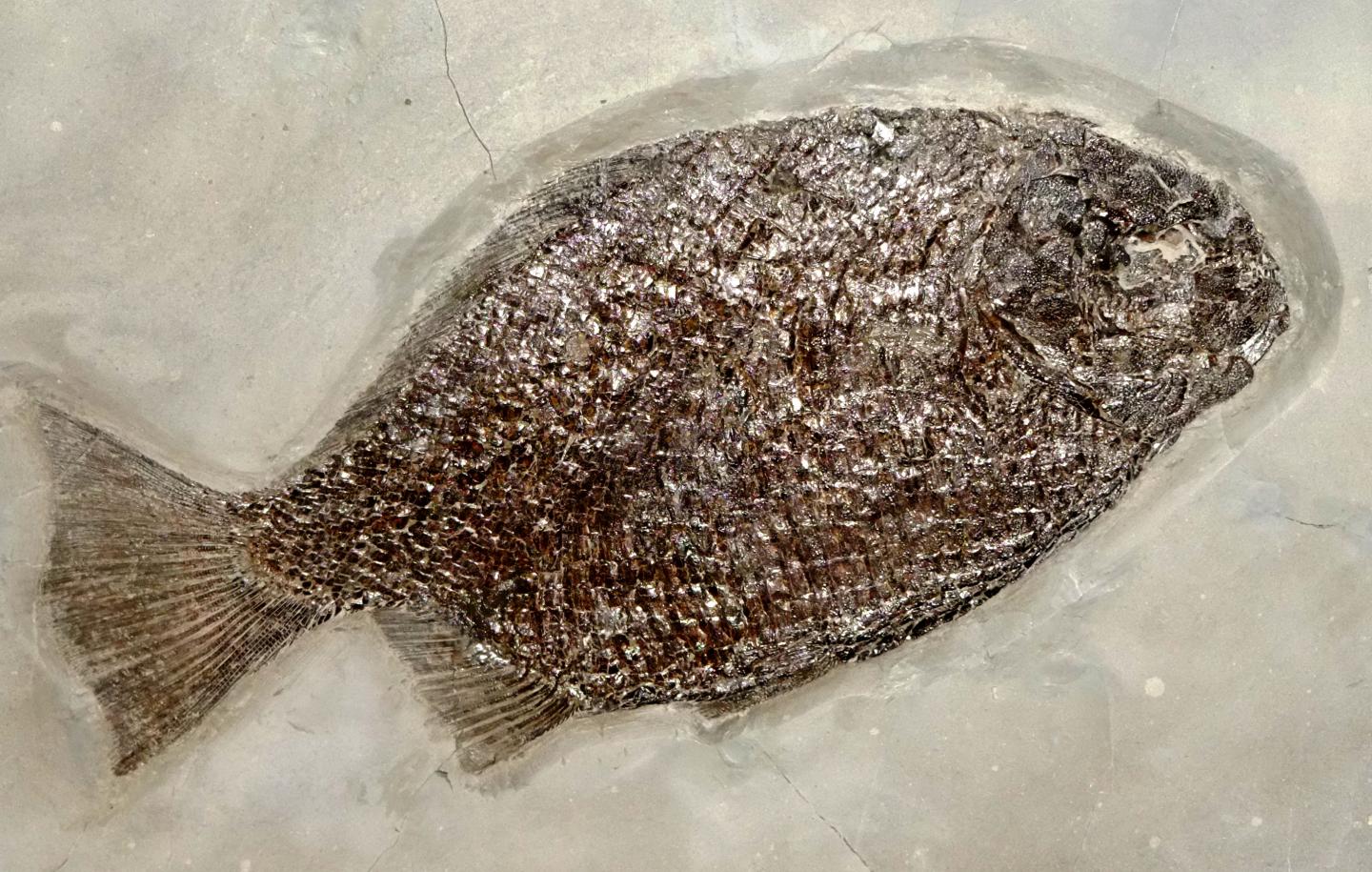
This image shows a perfectly preserved example of the Lower Jurassic fish Dapedium from Lyme Regis, Dorset. Perfectly preserved specimens such as this allow us to calculate the biomechanical function... The feeding habits of an unusual 200-million-year-old fish have been uncovered by a University of Bristol undergraduate in a groundbreaking study which has been published in Palaeontology, a leading scientific journal, this week - a rare achievement for an undergraduate student.
| Full story | 0 Comments | 7844 views |

| Biotechnology | January 14, 2015 05:32 PM |

Nanoengineers at the University of California, San Diego have tested a temporary tattoo that both extracts and measures the level of glucose in the fluid in between skin cells. Nanoengineers at the University of California, San Diego have tested a temporary tattoo that both extracts and measures the level of glucose in the fluid in between skin cells. This first-ever example of the flexible, easy-to-wear device could be a promising step forward in noninvasive glucose testing for patients with diabetes.
| Full story | 0 Comments | 13339 views |
| Molecular & Cell Biology | January 12, 2015 03:47 PM |
A new study from Lund University in Sweden indicates that inherited viruses that are millions of years old play an important role in building up the complex networks that characterise the human brain.
| Full story | 0 Comments | 10333 views |
| Biotechnology | January 12, 2015 03:47 PM |
23andMe, Inc., the leading personal genetics company, today announced an agreement with Pfizer Inc. that will provide Pfizer with access to 23andMe's research platform, including services and Research Portal analysis of 23andMe's genotyped population of over 800,000 individuals, of which more than 80 percent have consented to participate in research. 23andMe's Research Portal enables qualified and approved scientists outside of 23andMe the opportunity to leverage the company's unique research model while still protecting the privacy and security of 23andMe's customers. Researchers can now fully benefit from the largest dataset of its kind, running queries in minutes across more than 1,000 different diseases, conditions and traits. With this information researchers can identify new associations between genes and diseases and traits more quickly than ever before.
| Full story | 0 Comments | 7944 views |
| Health & Medicine | January 12, 2015 03:47 PM |
Interbreeding of two malaria mosquito species in the West African country of Mali has resulted in a "super mosquito" hybrid that's resistant to insecticide-treated bed nets.
| Full story | 0 Comments | 6696 views |
| Health & Medicine | January 11, 2015 04:09 PM |
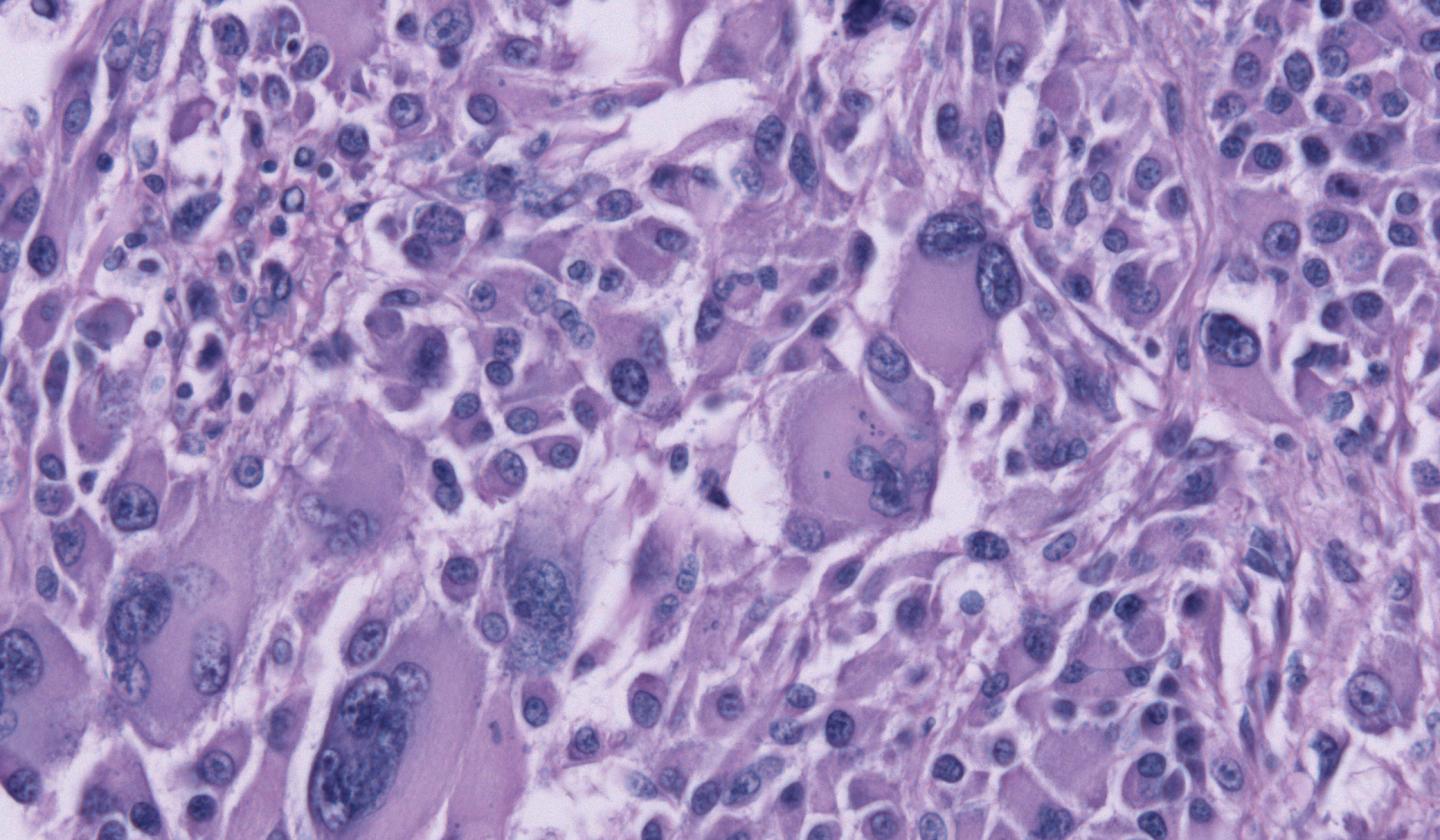
Glioblastoma is a notoriously difficult-to-treat brain cancer with an often poor prognosis. Virginia Tech Carilion Research Institute scientists are developing innovative cross-disciplinary therapies to treat the cancer. At the Virginia Tech Carilion Research Institute, three scientists are planning to create a virus capable of destroying brain cancer.
| Full story | 0 Comments | 9727 views |
| Molecular & Cell Biology | January 11, 2015 04:09 PM |
In order to develop new anti-cancer treatments, researchers need to identify target molecules that are responsible for controlling tumour growth. Two such molecules are JNK and p38, which both regulate cell multiplication and cell death.
| Full story | 0 Comments | 6492 views |
| Health & Medicine | January 11, 2015 04:09 PM |
A new study identifies a gene that is especially active in aggressive subtypes of breast cancer. The research suggests that an overactive BCL11A gene drives triple-negative breast cancer development and progression.
| Full story | 0 Comments | 6483 views |
| Health & Medicine | January 11, 2015 03:49 PM |
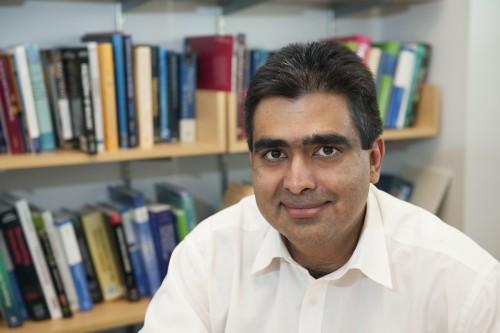
Dr. Jalees Rehman is an associate professor of medicine and pharmacology, UIC College of Medicine. Researchers at the University of Illinois at Chicago have discovered a novel molecular mechanism that tightens the bonds between the cells that line blood vessels to form a leak-proof barrier. The mechanism presents a potential new target to treat acute respiratory distress syndrome (ARDS), an often fatal condition in which fluid leaks out of blood vessels into the lungs.
| Full story | 0 Comments | 5160 views |

- In some genetic cases of microcephaly, stem cells fail to launch
- Yale team discovers how Zika virus causes fetal brain damage
- Scientists uncover the way a common cell enzyme alerts the body to invading bacteria
- Arctic gives clues on worst mass extinction of life
- Calcium channel blockers caught in the act at atomic level
Search Bio News Net
Free Biology Newsletter
- Flexibility That A.C.A. Lent to Work Force Is Threatened by...International Herald Tribune
- Bacteria Behind Legionnaires’ Disease Found at New York Police StationInternational Herald Tribune
- Prescription Price Crisis? 28 Million Americans See Spike in Drug...MSNBC.com: Health
- Seizing on Opioid Crisis, a Drug Maker Lobbies Hard for...International Herald Tribune
- Republicans are taking a big political risk on health careAP Health News
- Why We're So Divided Over Saving WolvesNational Geographic News