

New research from the University of Toronto has scientists re-thinking how a lethal fungus grows and kills immune cells. The study hints at a new approach to therapy for Candida albicans, one of the most common causes of bloodstream infections.

| Microbiology | March 31, 2015 06:43 PM |

The scientists used the deep submergence vehicle Alvin to retrieve sea-floor samples. The intraterrestrials, they might be called. Strange creatures live in the deep sea, but few are odder than the viruses that inhabit deep ocean methane seeps and prey on single-celled microorganisms called archaea.
| Full story | 0 Comments | 6408 views |

| Bioinformatics | March 30, 2015 03:24 PM |
Coast redwoods are famous for being the tallest trees in the world, but their height is not the only thing that sets them apart. Unlike most conifer trees, coast redwoods can reproduce by sprouting from cut stumps, fallen logs, and roots. Researchers from the University of California, Berkeley, are uncovering important information about patterns of coast redwood clones with a new DNA analysis method that could help forest management and preservation efforts.
| Full story | 0 Comments | 6615 views |

| Environment | March 30, 2015 03:24 PM |
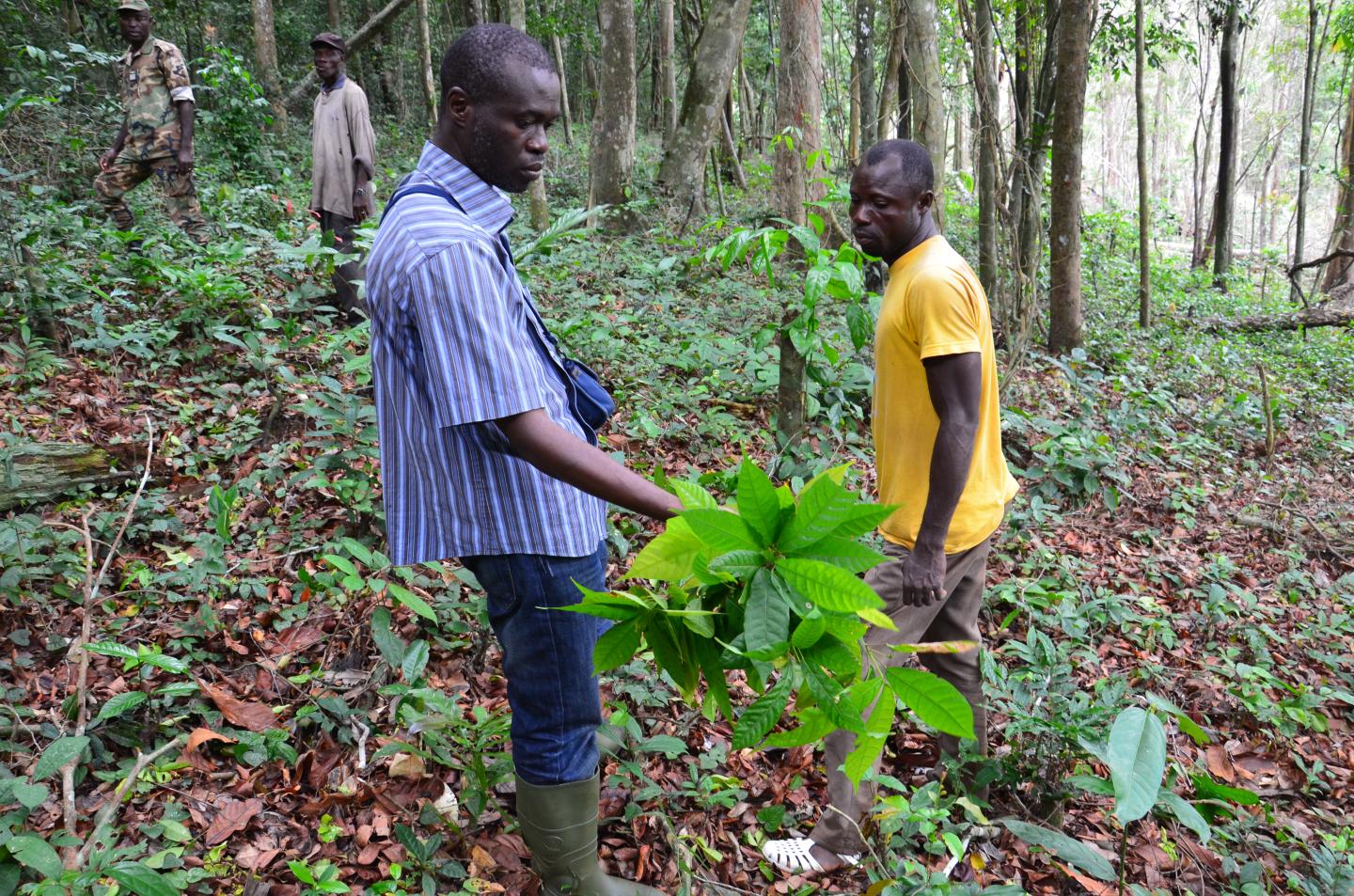
Study co-author Gonedele Sere, on left, holds a cocoa plant found at an illegal farm in the Dassioko Forest Reserve in Ivory Coast. Researchers surveying for endangered primates in national parks and forest reserves of Ivory Coast found, to their surprise, that most of these protected areas had been turned into illegal cocoa farms, a new study reports.
| Full story | 0 Comments | 7207 views |

| Molecular & Cell Biology | March 30, 2015 03:24 PM |
Researchers have been fascinated for a long time by learning and memory formation, and many questions are still open. Bochum-based neuroscientists Prof Dr Denise Manahan-Vaughan and Dr Hardy Hagena have discovered a key building block for this complex process. A particular neurotransmitter receptor, namely the metabotropic glutamate receptor 5, is a switch for activating opposing forms of plasticity in the hippocampus, a brain region vital for memory forming. They reported in the current edition of "The Journal of Neuroscience".
| Full story | 0 Comments | 5983 views |

| Health & Medicine | March 26, 2015 07:53 PM |
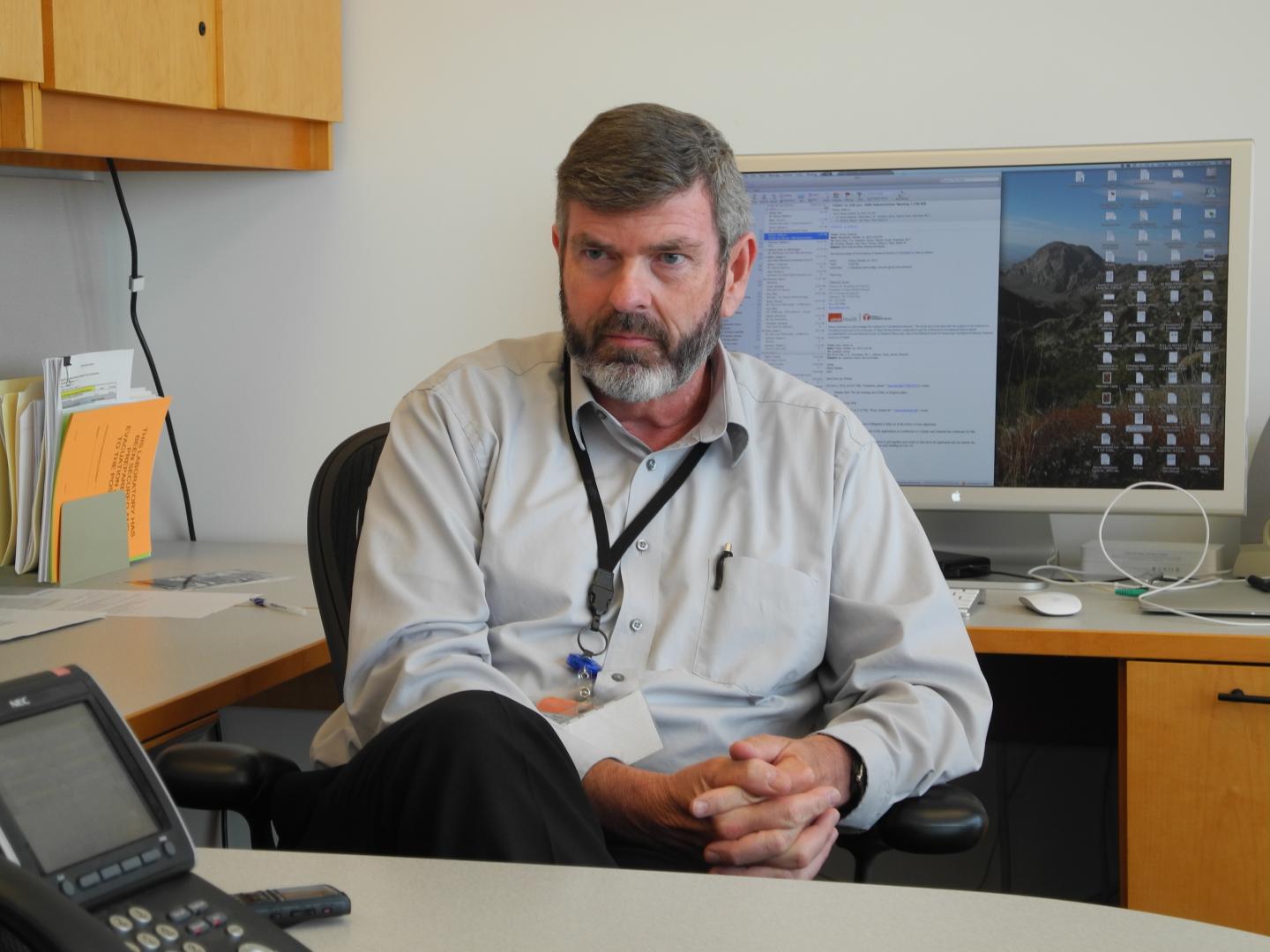
The University of Texas Medical Branch at Galveston's Scott Weaver, globally recognized for his expertise in mosquito-borne diseases, has been studying chikungunya for more than 15 years. The mosquito-borne chikungunya virus has been the subject of increasing attention as it spreads throughout South America, Central America, the Caribbean and Mexico. This painful and potentially debilitating disease is predicted to soon spread to the U.S.
| Full story | 0 Comments | 8234 views |
| Molecular & Cell Biology | March 26, 2015 07:53 PM |
Scientists have revealed a brand new function for one of the first cancer genes ever discovered - the retinoblastoma gene - in a finding that could open up exciting new approaches to treatment.
| Full story | 0 Comments | 6787 views |

| AIDS & HIV | March 26, 2015 07:53 PM |
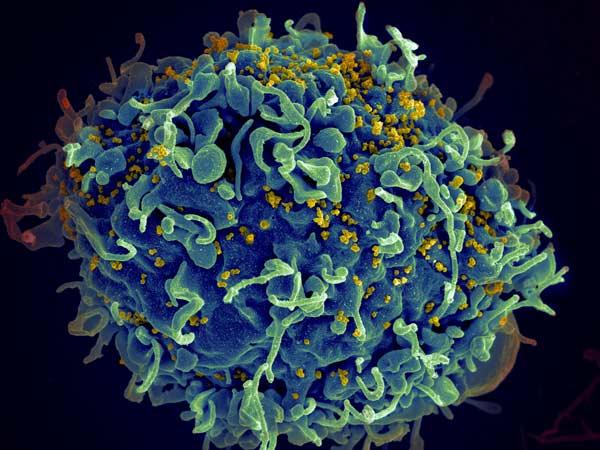
This photo shows HIV, the AIDS virus (yellow), infecting a human immune cell. The AIDS virus can genetically evolve and independently replicate in patients' brains early in the illness process, researchers funded by the National Institutes of Health have discovered. An analysis of cerebral spinal fluid (CSF), a window into brain chemical activity, revealed that for a subset of patients HIV had started replicating within the brain within the first four months of infection. CSF in 30 percent of HIV-infected patients tracked showed at least transient signs of inflammation - suggesting an active infectious process - or viral replication within the first two years of infection. There was also evidence that the mutating virus can evolve a genome in the central nervous system that is distinct from that in the periphery.
| Full story | 0 Comments | 8307 views |

| Biology | March 26, 2015 07:53 PM |
Foraging bats obey their own set of 'traffic rules', chasing, turning and avoiding collisions at high speed according to new research publishing in PLOS Computational Biology.
| Full story | 0 Comments | 6583 views |
| Molecular & Cell Biology | March 26, 2015 07:53 PM |
New research shows bacteria can use tiny magnetic particles to effectively create a 'natural battery.' According to work published in journal Science on 27 March, the bacteria can load electrons onto and discharge electrons from microscopic particles of magnetite. This discovery holds out the potential of using this mechanism to help clean up environmental pollution, and other bioengineering applications. The European Association of Geochemistry is highlighting this work as especially interesting.
| Full story | 0 Comments | 5838 views |
| Biology | March 26, 2015 07:53 PM |
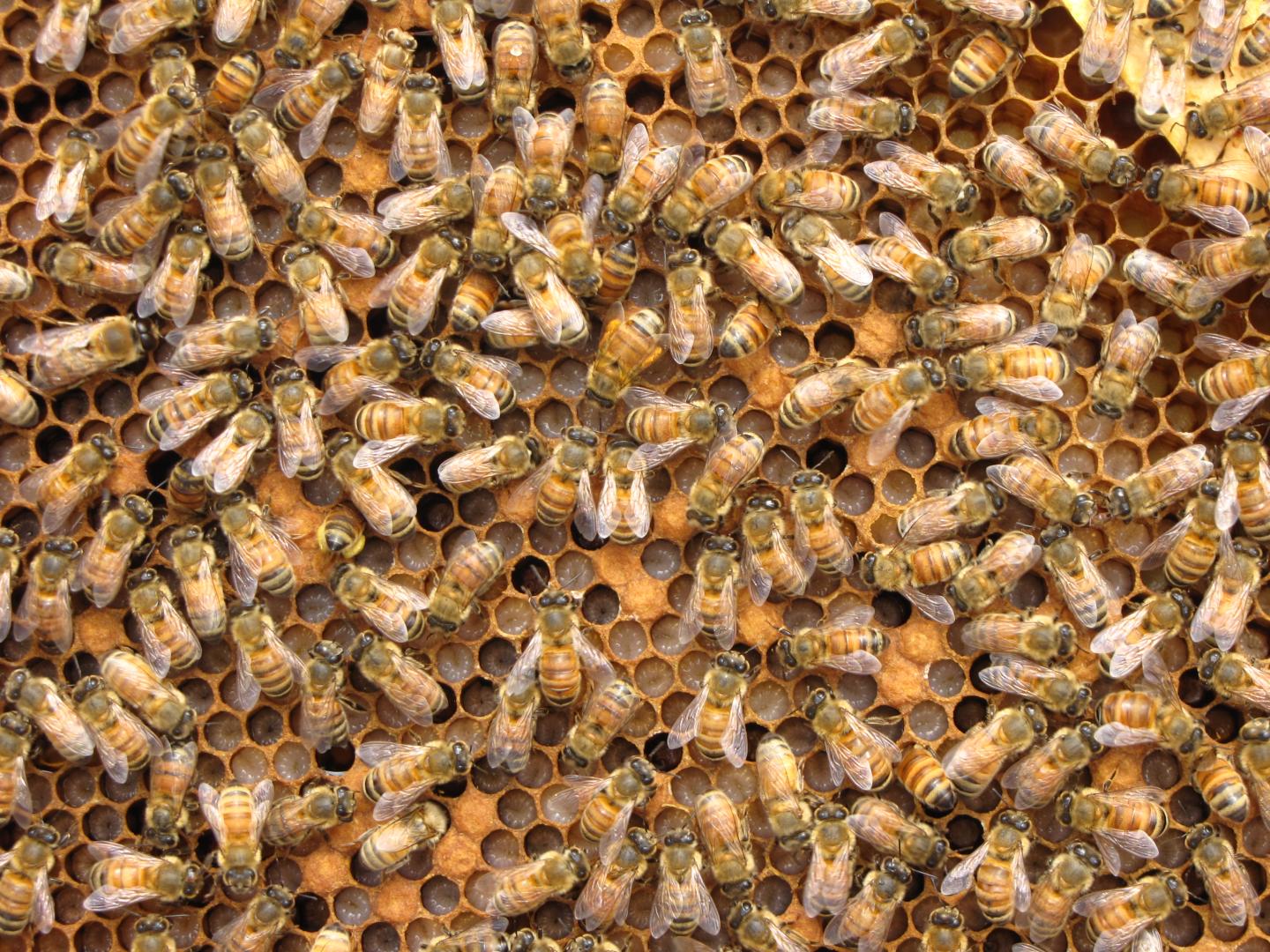
These are bees on a hive. Honey bees use different sets of genes, regulated by two distinct mechanisms, to fight off viruses, bacteria and gut parasites, according to researchers at Penn State and the Georgia Institute of Technology.
| Full story | 0 Comments | 6541 views |
| Molecular & Cell Biology | March 25, 2015 07:47 PM |
Researchers at the University of California, San Diego School of Medicine have discovered a control switch for the unfolded protein response (UPR), a cellular stress relief mechanism drawing major scientific interest because of its role in cancer, diabetes, inflammatory disorders and several neural degenerative disorders, including Alzheimer's disease, Parkinson's disease, and amyotrophic lateral sclerosis (ALS), otherwise known as Lou Gehrig's disease.
| Full story | 0 Comments | 5852 views |
| Microbiology | March 25, 2015 07:47 PM |
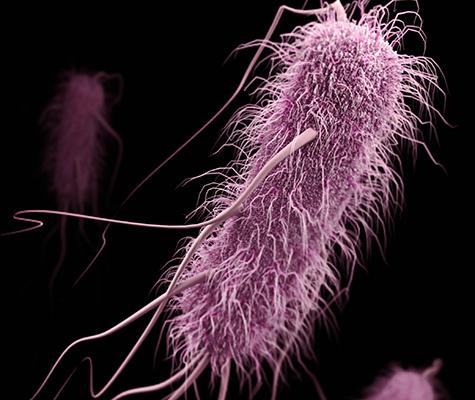
Bacteria that cause many hospital-associated infections are ready to quickly share genes that allow them to resist powerful antibiotics. The illustration, based on electron micrographs and created by the Centers... Antibiotic resistance is poised to spread globally among bacteria frequently implicated in respiratory and urinary infections in hospital settings, according to new research at Washington University School of Medicine in St. Louis.
| Full story | 0 Comments | 7113 views |
| Biology | March 25, 2015 07:47 PM |
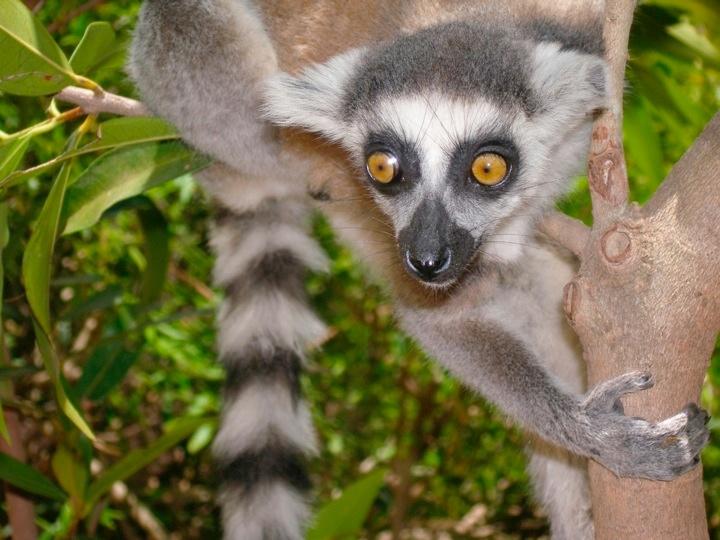
This is a ring-tailed lemur (Lemur catta) indigenous only to Madagascar. UC's Brooke Crowley is researching lemurs' geographic mobility. Out of the mouths of lemurs come many answers to old mysteries about Madagascar's unique fauna. What were their origins, and how and why did they move around?
| Full story | 0 Comments | 5617 views |

| Biotechnology | March 24, 2015 07:44 PM |
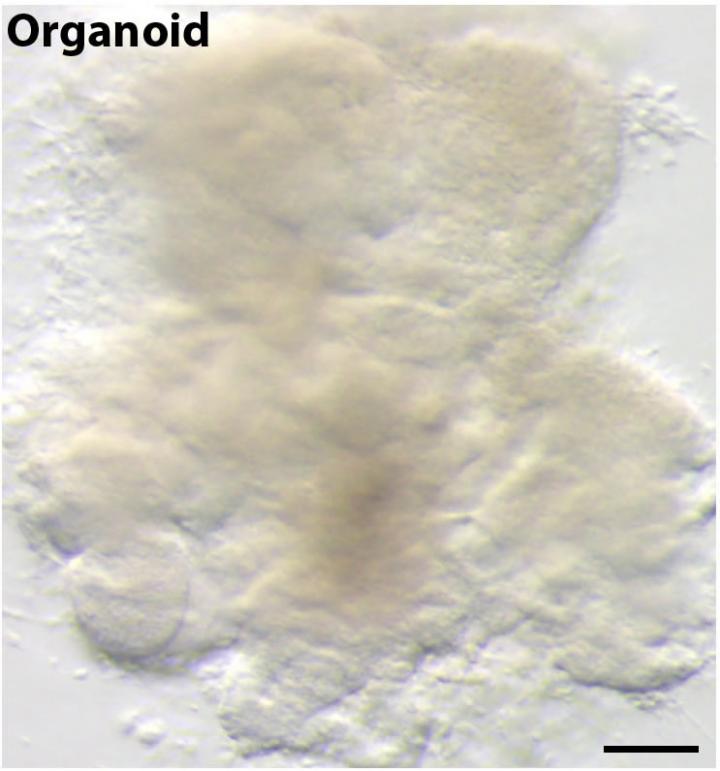
Scientists, led by the University of Michigan Medical School, coax stem cells to form mini lungs, 3-D structures that mimic human lungs and survived in the lab for 100 days. Scientists have coaxed stem cells to grow the first three-dimensional mini lungs.
| Full story | 0 Comments | 8812 views |
| Molecular & Cell Biology | March 23, 2015 06:55 PM |
Figure 1 shows hydrogel-aptamer capture and release. The hydrogel can be made sensitive to environmental variables. In the current study, changes in solution pH cause the hydrogel to either swell...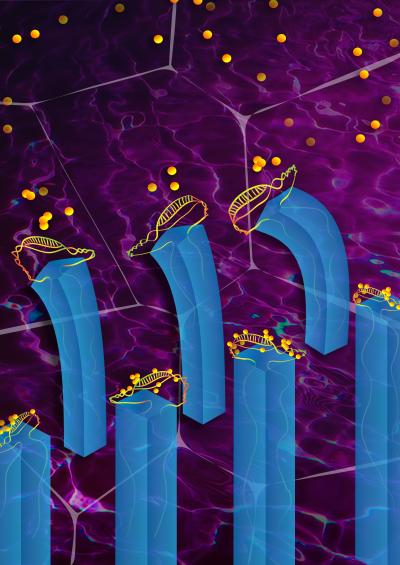
| Full story | 0 Comments | 5218 views |
| Bioinformatics | March 23, 2015 06:55 PM |
Scientists have for the first time used DNA sequencing to trace the fatal spread of multidrug-resistant tuberculosis between patients in the UK.
| Full story | 0 Comments | 5860 views |
| Microbiology | March 23, 2015 06:55 PM |

This is an abstract representation of virus inducing enzyme to produce lipid envelope. More than 60 percent of the world's population is infected with a type of herpes virus called human cytomegalovirus. The virus replicates by commandeering the host cell's metabolism but the details of this maneuver are unclear.
| Full story | 0 Comments | 5216 views |
| Biology | March 18, 2015 07:09 PM |
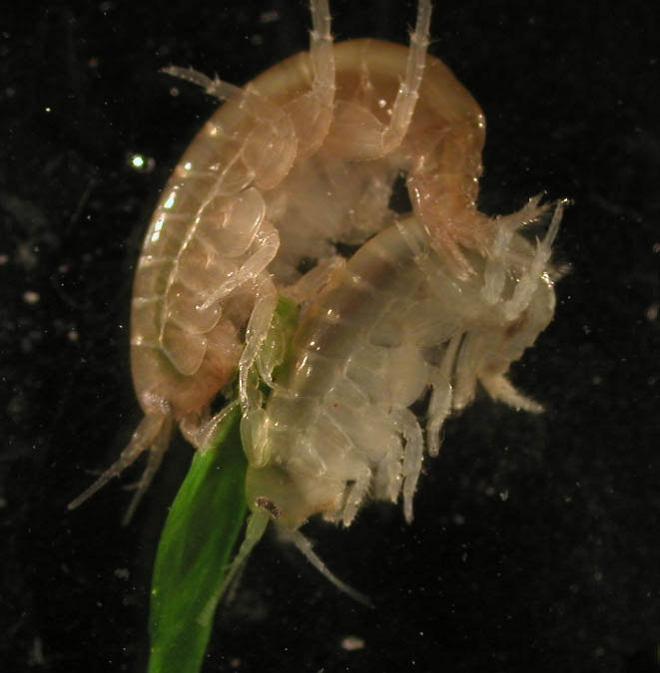
This image shows a Gammarus duebeni celticus pair. Parasites can play an important role in driving cannibalism, according to a new study.
| Full story | 0 Comments | 9531 views |
| Biology | March 18, 2015 07:09 PM |
New research shows that courtship rituals evolve very fast in cichlid fish in Lake Malawi. Whenever species evolve to feed at different depths, their courtship evolves as well. In the shallows where the light is good, males build sand castles to attract females. Males of deep-dwelling species dig less elaborate pits and compensate with longer swimming displays. The results are published in the open-access journal Frontiers in Ecology and Evolution.
| Full story | 0 Comments | 7408 views |
| Biology | March 16, 2015 08:06 PM |
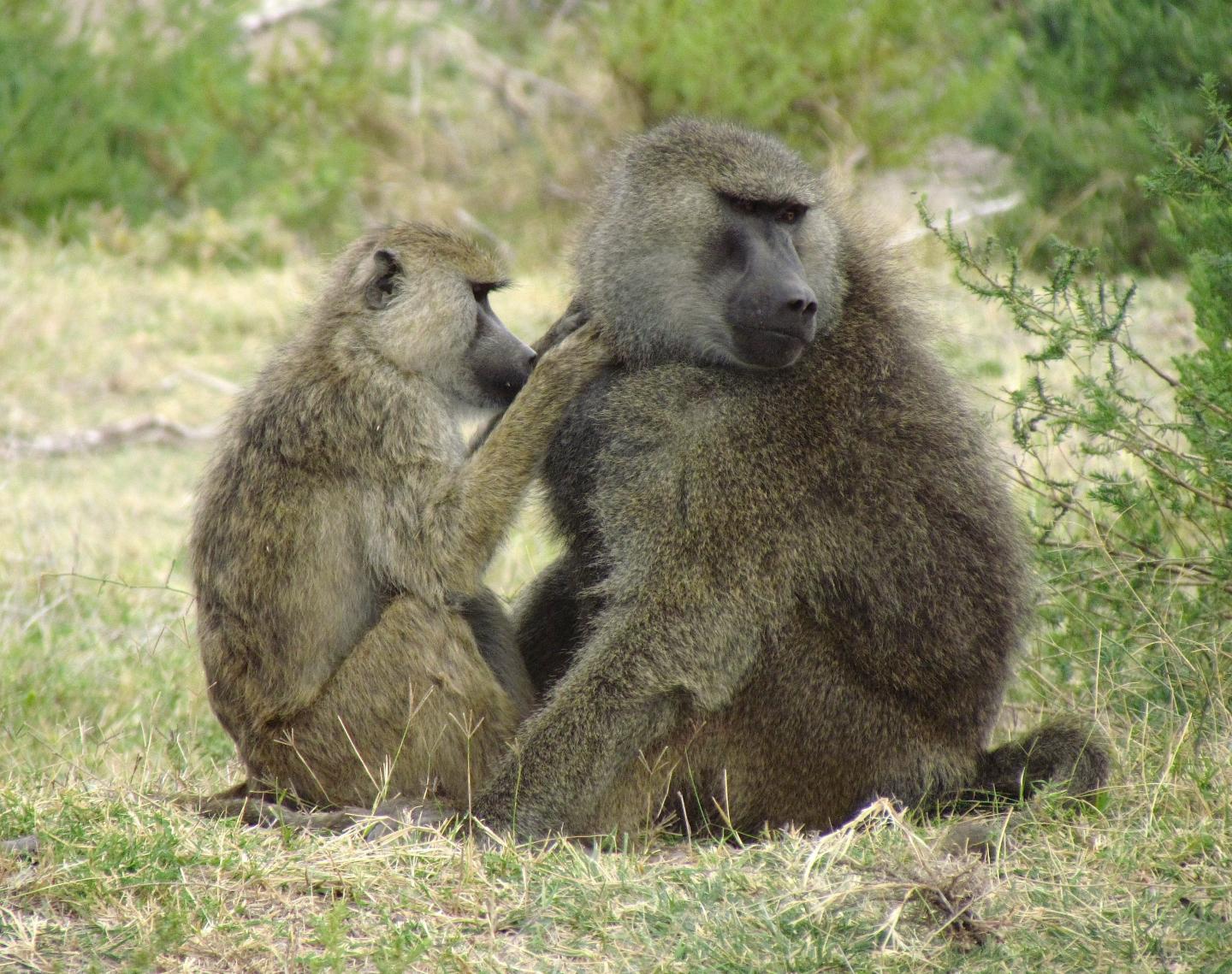
Baboons take turns grooming each other to make friends and cement social bonds. A new study finds that baboon friendships influence the microscopic bacteria in their guts. The warm soft folds of the intestines are teeming with thousands of species of bacteria. Collectively known as the gut microbiome, these microbes help break down food, synthesize vitamins, regulate weight and resist infection.
| Full story | 0 Comments | 8249 views |
| Biotechnology | March 13, 2015 07:49 PM |
Almost all patients with a group of blood cancers called B-cell malignancies have two prominent "fingerprints" on the surface of leukemia and lymphoma cancers, called CD22 and CD19, Vallera explained. To develop the drug, Vallera and colleagues chose two antibody fragments that each selectively bind to CD19 and CD22. They used genetic engineering to attach these two antibodies to a potent toxin, the bacterial diphtheria toxin. When the antibody fragments bind to the two targets on the cancer cell, the entire drug enters the cell, and the toxin kills the cell.
| Full story | 0 Comments | 8570 views |
| Molecular & Cell Biology | March 13, 2015 07:49 PM |
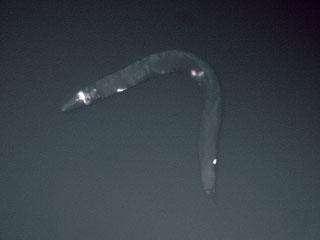
All the neurons within this microscopic roundworm are highlighted, with the large cluster at one end representing the brain. Even worms have free will. If offered a delicious smell, for example, a roundworm will usually stop its wandering to investigate the source, but sometimes it won't. Just as with humans, the same stimulus does not always provoke the same response, even from the same individual. New research at Rockefeller University, published online today (March 12) in Cell, offers a new neurological explanation for this variability, derived by studying a simple three-cell network within the roundworm brain.
| Full story | 0 Comments | 8018 views |
| Biotechnology | March 12, 2015 07:06 PM |
A new "app" for finding and mapping chromosomal loci using multicolored versions of CRISPR/Cas9, one of the hottest tools in biomedical research today, has been developed by scientists at the University of Massachusetts Medical School. This labeling system, details of which were published in PNAS and first presented at the American Society for Cell Biology/International Federation for Cell Biology annual meeting in Philadelphia in December, could be a key to understanding the spatial and temporal regulation of gene expression by allowing researchers to measure the precise linear distance between two known points on different chromosomes or two locations on the same chromosome in live human cells.
| Full story | 0 Comments | 8956 views |
| Bioinformatics | March 12, 2015 07:06 PM |
An extensive database identifying immune traits, such as how immune cell function is regulated at the genetic level in healthy people, is reported by researchers from the National Institutes of Health (NIH) and their collaborators in the journal Cell. While many genetic risk factors have been linked to various diseases, including autoimmune disorders, how a genetic change causes susceptibility to a disease is not always clear. By studying healthy people, researchers from the National Institute of Allergy and Infectious Diseases (NIAID) Vaccine Research Center, part of the NIH, and colleagues from King's College London have created a reference resource for other scientists.
| Full story | 0 Comments | 12519 views |
| Environment | March 11, 2015 07:21 PM |
The human-dominated geological epoch known as the Anthropocene probably began around the year 1610, with an unusual drop in atmospheric carbon dioxide and the irreversible exchange of species between the New and Old Worlds, according to new research published today in Nature.
| Full story | 0 Comments | 7460 views |
| Health & Medicine | March 11, 2015 07:21 PM |
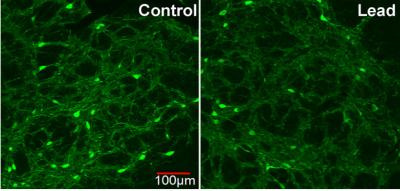
Rats exposed to lead had a lower cell density of parvalbumin-positive neurons compared with controls. A study of the brains of rats exposed to lead has uncovered striking similarities with what is known about the brains of human schizophrenia patients, adding compelling evidence that lead is a factor in the onset of schizophrenia.
| Full story | 0 Comments | 9443 views |
| Molecular & Cell Biology | March 10, 2015 07:33 PM |
McGill researchers have discovered, for the first time, the importance of a key epigenetic regulator in the development of the hippocampus, a part of the brain associated with learning, memory and neural stem cells. Epigenetic regulators change the way specific genes function without altering their DNA sequence. By working with mutant mice as models, the research team, led by Prof. Xiang-Jiao Yang, of McGill's Goodman Cancer Center & Department of Medicine, McGill University Health Center, was able to link the importance of a specific epigenetic regulator known as BRPF1 to the healthy development of a region in the hippocampus called the dentate gyrus.
| Full story | 0 Comments | 7720 views |
| Microbiology | March 10, 2015 07:33 PM |
Proteins from salt-loving, halophilic, microbes could be the key to cleaning up leaked radioactive strontium and caesium ions from the Fukushima Dai-ichi Nuclear Power Plant incident in Japan. The publication of the X-ray structure of a beta-lactamase enzyme from one such microbe, the halophile Chromohalobacter sp. 560, reveals it to have highly selective cesium binding sites.
| Full story | 0 Comments | 7652 views |
| Biology | March 10, 2015 07:33 PM |
A study of a recently discovered fossil published by LMU zoologists reveals the specimen to be the oldest known crab larva: The fossil is 150 million years old, but looks astonishingly modern.
| Full story | 0 Comments | 6838 views |
| Biotechnology | March 9, 2015 08:21 PM |
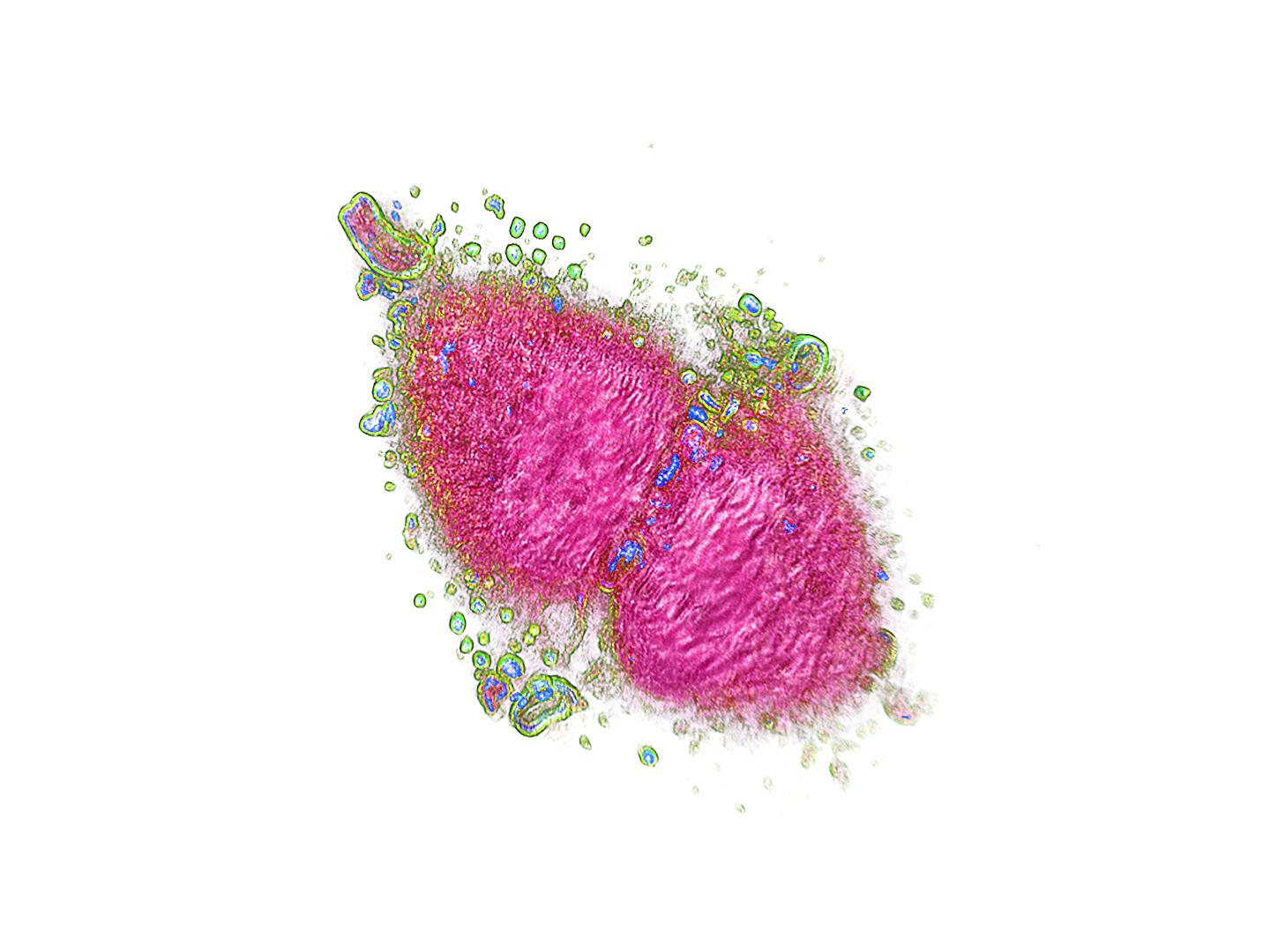
NanoLive, an EPFL spin-off, has brought to the market a new MRI-like microscope that can "see " into living cells without any previous processing. The major limitation of microscopy is light itself: if we want to see an object smaller than the wavelength of visible light, we cannot use conventional optics. When it comes to imaging cells, the problems compound, since cells often require chemical processing beforehand in order to make them suitable for viewing under a microscope. This processing essentially kills the cell in order to preserve it. An EPFL spin-off company, NanoLive, has developed the 3D Cell Explorer first-ever microscope that allows users to see inside living cells without any prior sample preparation, by using MRI-like technology and proprietary software that uses holographic algorithms.
| Full story | 0 Comments | 9500 views |
| Biology | March 9, 2015 08:21 PM |
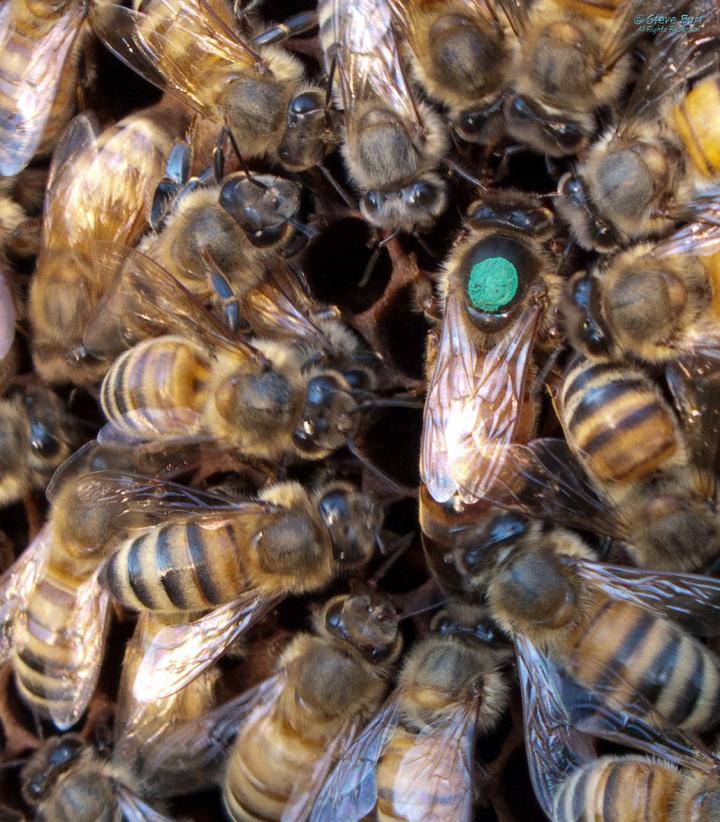
Researchers used a painted dot to track queen bees. An Indiana University researcher and collaborators have published the first comprehensive analysis of the gut bacteria found in queen bees.
| Full story | 0 Comments | 7032 views |
| Biology | March 5, 2015 07:02 PM |
Older brains may be more similar to younger brains than previously thought.
| Full story | 0 Comments | 8946 views |
| Biotechnology | March 5, 2015 07:02 PM |
For the first time, CRISPR-Cas9 gene-editing technology has been employed in a whole organism model to systematically target every gene in the genome. A team of scientists at the Broad Institute and MIT's David H. Koch Institute for Integrative Cancer Research have pioneered the use of this technology to "knock out," or turn off, all genes across the genome systematically in an animal model of cancer, revealing genes involved in tumor evolution and metastasis and paving the way for similar studies in other cell types and diseases. The work appears online March 5 in Cell.
| Full story | 0 Comments | 7554 views |
| Microbiology | March 5, 2015 07:02 PM |
The composition of intestinal bacteria and other micro-organisms--called the gut microbiota--changes over time in unhealthy ways in black men who are prediabetic, a new study finds. The results will be presented Friday at the Endocrine Society's 97th annual meeting in San Diego.
| Full story | 0 Comments | 6029 views |
| Biotechnology | March 4, 2015 06:40 PM |
When it comes to gene expression - the process by which our DNA provides the recipe used to direct the synthesis of proteins and other molecules that we need for development and survival - scientists have so far studied one single gene at a time. A new approach developed by Harvard geneticist George Church, Ph.D., can help uncover how tandem gene circuits dictate life processes, such as the healthy development of tissue or the triggering of a particular disease, and can also be used for directing precision stem cell differentiation for regenerative medicine and growing organ transplants.
| Full story | 0 Comments | 8180 views |
| Biology | March 3, 2015 06:39 PM |
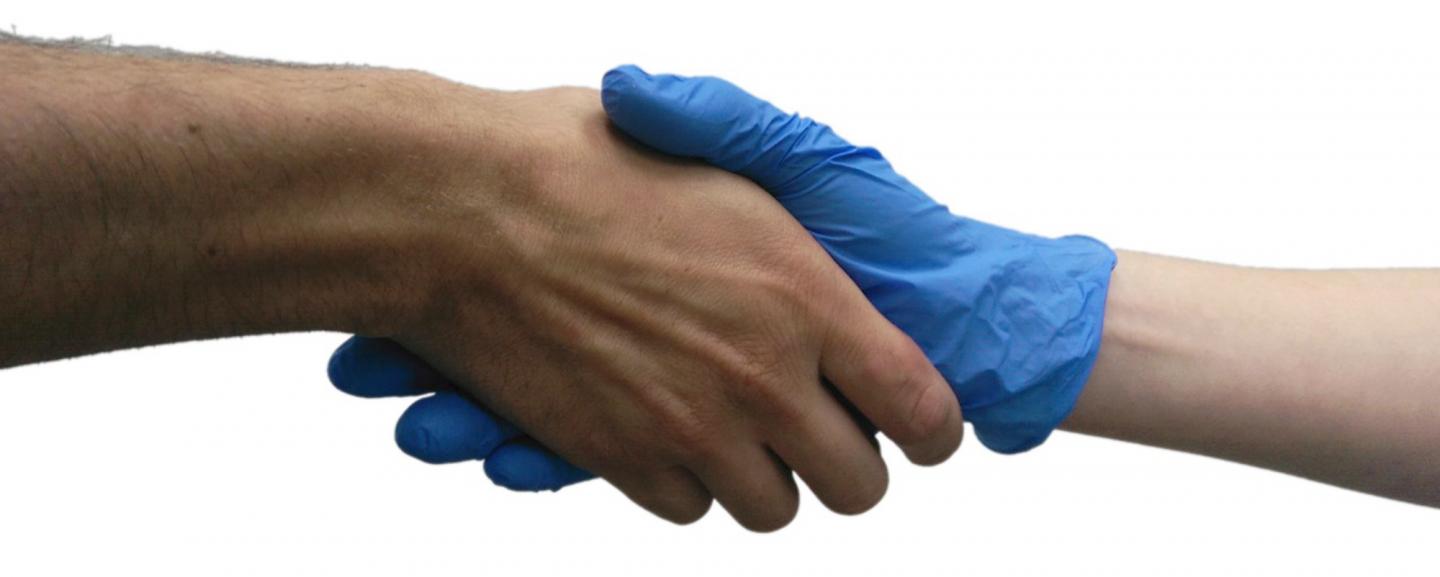
Scientists find that people use the touch of a handshake to sample and sniff signaling molecules. A sterile glove was used to identify signaling molecules transmitted via a handshake. Limp or firm, your handshake conveys subliminal social cues. Now, research reveals it also transmits chemical signals that could explain why the greeting evolved in the first place.
| Full story | 0 Comments | 8596 views |
| Molecular & Cell Biology | March 3, 2015 06:39 PM |
Scientists at the USC Leonard Davis School of Gerontology have discovered a new hormone that fights the weight gain caused by a high-fat Western diet and normalizes the metabolism - effects commonly associated with exercising.
| Full story | 0 Comments | 7169 views |
| Biology | March 3, 2015 06:39 PM |
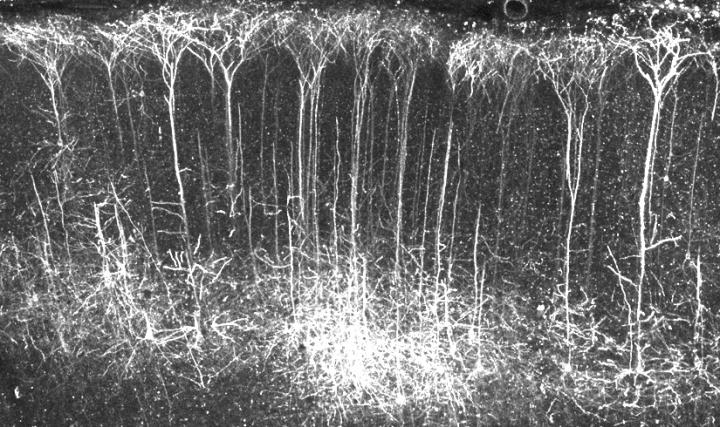
Scientists mapped and read sound memories in rat brains. Lights, sound, action: we are constantly learning how to incorporate outside sensations into our reactions in specific situations. In a new study, brain scientists have mapped changes in communication between nerve cells as rats learned to make specific decisions in response to particular sounds. The team then used this map to accurately predict the rats' reactions. These results add to our understanding of how the brain processes sensations and forms memories to inform behavior.
| Full story | 0 Comments | 5347 views |
| Biology | March 2, 2015 06:03 PM |
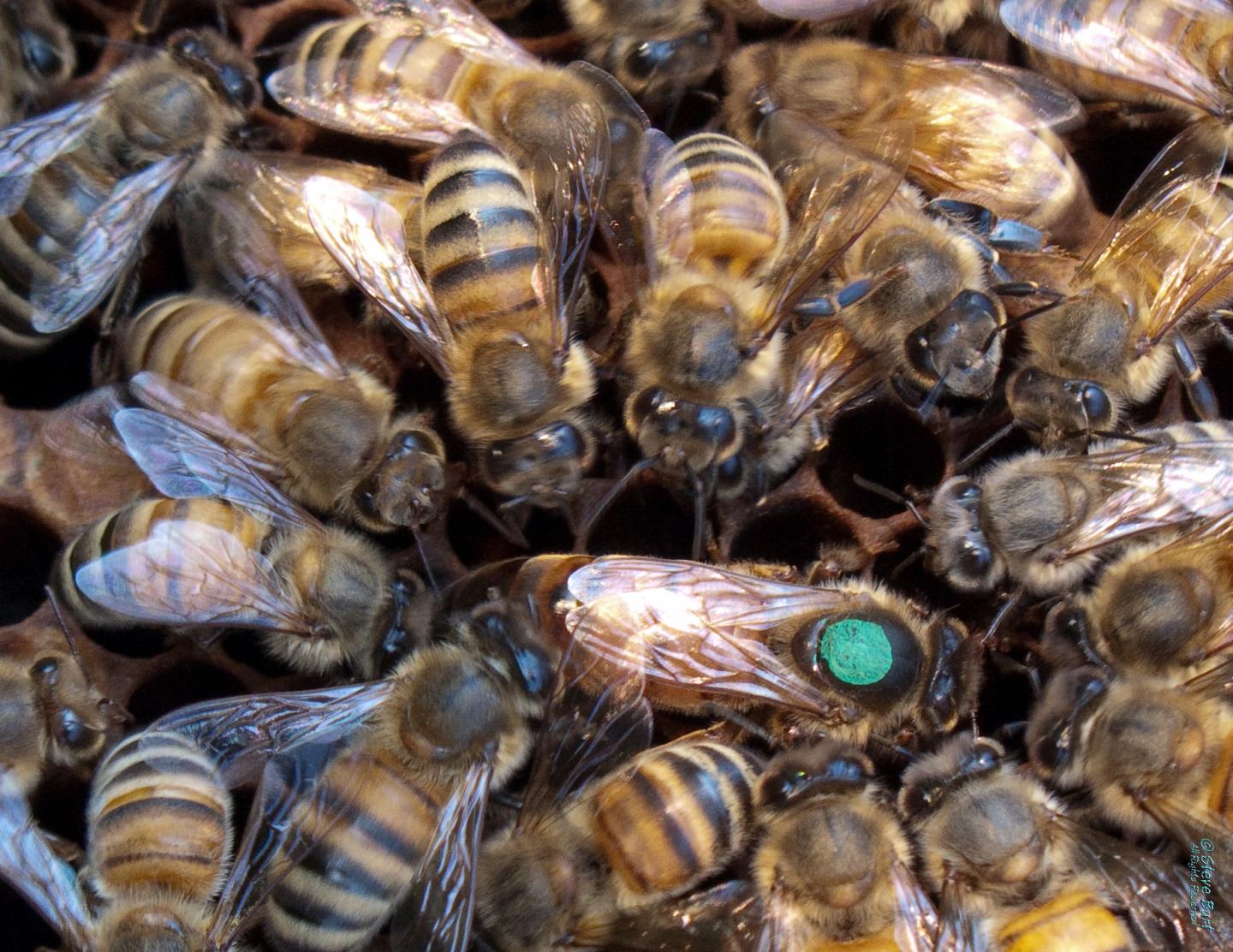
The queen bee in this image is marked with a green dot. Researchers from North Carolina State University, Indiana University and Wellesley College have characterized the gut microbiome of honey bee queens. This is the first thorough census of the gut microbiome - which consists of all the microorganisms that live in the gut of the organism - in queen bees.
| Full story | 0 Comments | 7257 views |

- In some genetic cases of microcephaly, stem cells fail to launch
- Yale team discovers how Zika virus causes fetal brain damage
- Scientists uncover the way a common cell enzyme alerts the body to invading bacteria
- Arctic gives clues on worst mass extinction of life
- Calcium channel blockers caught in the act at atomic level
Search Bio News Net
Free Biology Newsletter
- Flexibility That A.C.A. Lent to Work Force Is Threatened by...International Herald Tribune
- Bacteria Behind Legionnaires’ Disease Found at New York Police StationInternational Herald Tribune
- Prescription Price Crisis? 28 Million Americans See Spike in Drug...MSNBC.com: Health
- Seizing on Opioid Crisis, a Drug Maker Lobbies Hard for...International Herald Tribune
- Republicans are taking a big political risk on health careAP Health News
- Why We're So Divided Over Saving WolvesNational Geographic News