

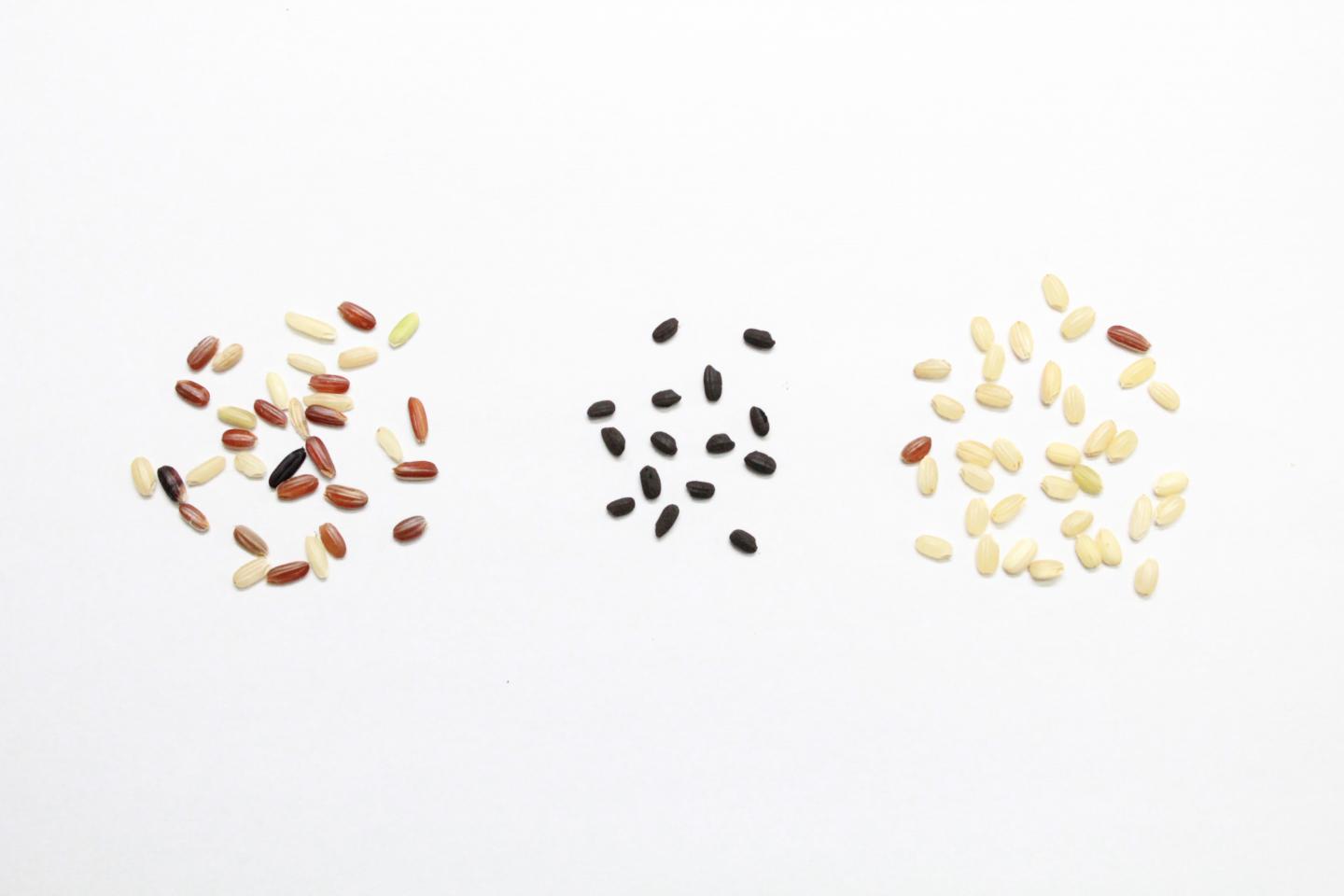
This is a comparison of ancient rice remains and modern rice. Rice, or Oryza sativa as its scientifically known, feeds more than a third of the globe. Yet the majority of rice crops that supply 90 percent of the world come from just two domesticated varieties, japonica and indica.

| Bioinformatics | July 27, 2016 05:24 PM |
| Full story | 0 Comments | 15425 views |

| Microbiology | July 27, 2016 05:24 PM |
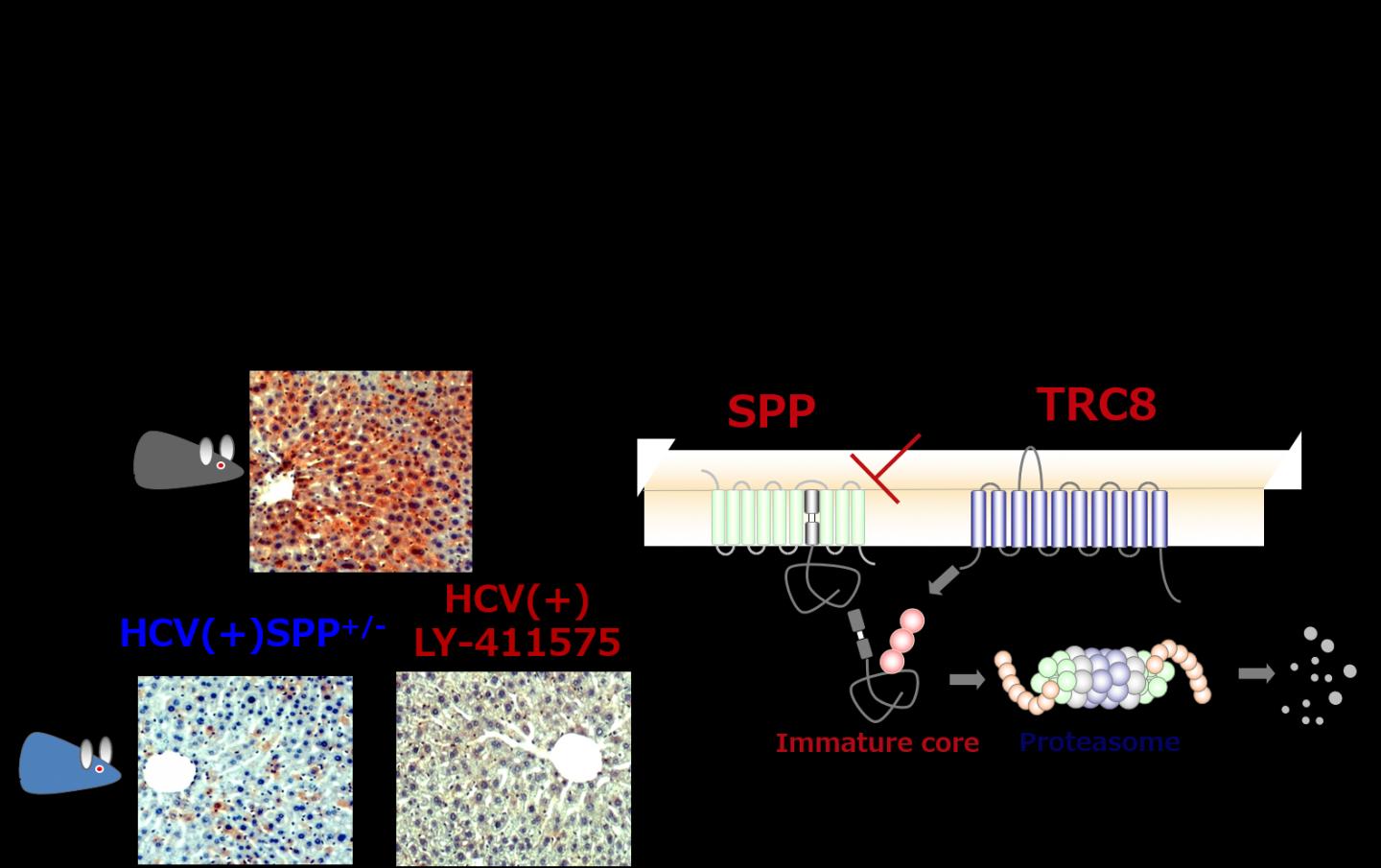
SPP inhibition reduces production of infectious HCV particles and pathogenesis, Researchers at Osaka University, Japan uncovered the mechanisms that suppress the propagation of the hepatitis C virus (HCV) with the potential of improving pathological liver conditions. Using model mice, they confirmed that when a certain enzyme is inhibited, HCV particle production is reduced leading to an improvement of pathological liver conditions. They thereby identified a new drug target for the development of new HCV drugs.
| Full story | 0 Comments | 37062 views |

| Gene Therapy | July 27, 2016 05:24 PM |
Eye diseases such as diabetic retinopathy and age-related macular degeneration are among the leading causes of irreversible vision loss and blindness worldwide. Currently, gene therapy can be administered to treat these conditions -- but this requires an injection. Now researchers report in the journal ACS Applied Materials & Interfaces a new way to deliver the treatment topically, without a needle.
| Full story | 0 Comments | 10984 views |
| Gene Therapy | July 27, 2016 05:24 PM |
A discovery by Washington State University scientist Dan Rodgers and collaborator Paul Gregorevic could save millions of people suffering from muscle wasting disease.
| Full story | 0 Comments | 10421 views |

| Health & Medicine | July 27, 2016 05:24 PM |
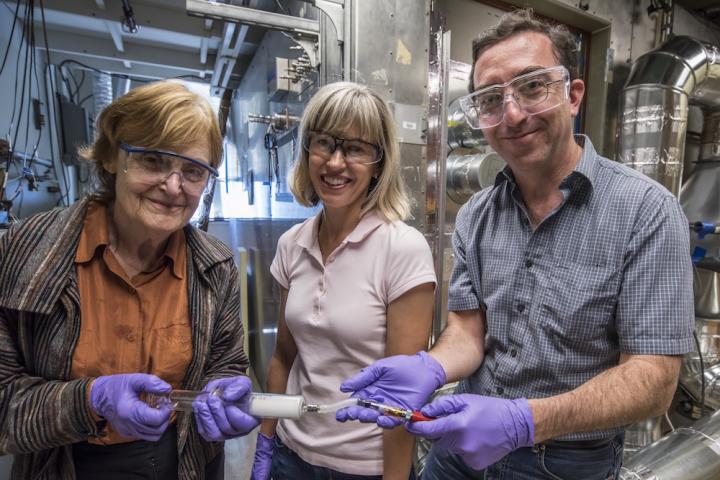
Berkeley Lab researchers (from left) Lara Gundel, Marion Russell, Hugo Destaillats demonstrate filling a glass syringe with vapor from an e-cigarette. While previous studies have found that electronic cigarettes emit toxic compounds, a new study from Lawrence Berkeley National Laboratory (Berkeley Lab) has pinpointed the source of these emissions and shown how factors such as the temperature, type, and age of the device play a role in emission levels, information that could be valuable to both manufacturers and regulators seeking to minimize the health impacts of these increasingly popular devices.
| Full story | 0 Comments | 6813 views |

| Environment | July 27, 2016 05:24 PM |

Researchers surveyed 75 plant species to identify top performing enzymes that will help increase the yields of staple food crops such as wheat. Plant scientists at Lancaster University, with support from the University of Illinois, have made an important advance in understanding the natural diversity of a key plant enzyme which could help us address the looming threat of global food security.
| Full story | 0 Comments | 10539 views |
| Microbiology | July 27, 2016 05:24 PM |
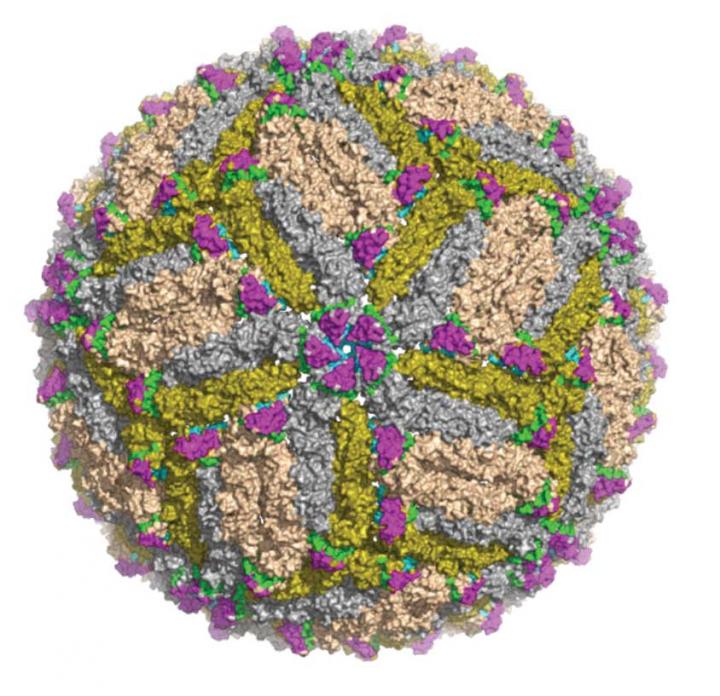
This image shows the mapping of the three distinct Zika virus DIII epitopes onto the mature virion. Antibodies that specifically protect against Zika infection have been identified in mice, report Washington University School of Medicine in St. Louis researchers on July 27 in Cell. This is the second publication in recent weeks (another paper showing human Zika antibodies appeared in Science on July 14, DOI: 10.1126/science.aaf8505) that explores the surfaces that the antibodies target on the virus. The information will help inform the development of vaccines, diagnostics, and antibody-based prophylactic and therapeutic agents.
| Full story | 0 Comments | 36017 views |
| Microbiology | July 26, 2016 03:43 PM |
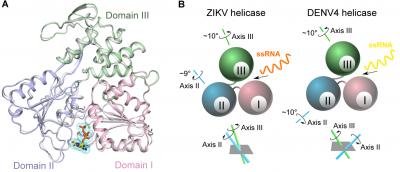
This is the structure of the ZIKV helicase in complex with RNA. Zika virus has now become a household word. It can cause microcephaly, a birth defect where a baby's head is smaller than usual. Additionally, it is associated with Guillain-Barré syndrome, a neurological disorder that could lead to paralysis and even death. However, how this microbe replicates in the infected cells remains a mystery. Now, an international team led by researchers from Tianjin University and Nankai University has unraveled the puzzle of how Zika virus replicates and published their finding in Springer's journal Protein & Cell.
| Full story | 0 Comments | 36857 views |

| Molecular & Cell Biology | July 26, 2016 03:43 PM |
Roundworms (Caenorhabditis elegans) with a disabled eri-1 gene can lose their ability to control repetitive DNA. In the absence of eri-1, even two age-matched siblings can look dramatically different. 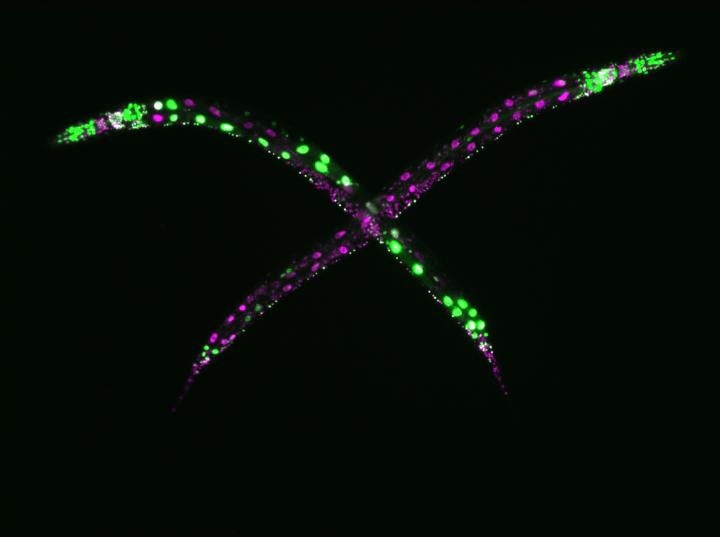
| Full story | 0 Comments | 6370 views |
| Health & Medicine | July 25, 2016 06:09 PM |
A study by researchers at Children's Hospital Los Angeles (CHLA), Brigham and Women's Hospital and the California Department of Public Health suggests that all babies with a known mutation for cystic fibrosis (CF) and second mutation called the 5T allele should receive additional screening in order to better predict the risk of developing CF later in life.
| Full story | 0 Comments | 6385 views |
| Health & Medicine | July 25, 2016 06:09 PM |
Full-term babies receive natural protection from their mothers that helps them fight off dangerous infections. However, babies born prematurely lack protective intestinal bacteria and often are unable to be nursed, causing their infection-fighting capabilities to be underdeveloped. Now, researchers at the University of Missouri School of Medicine have found that a manufactured form of lactoferrin, a naturally occurring protein in breast milk, can help protect premature infants from a type of staph infection.
| Full story | 0 Comments | 5864 views |

| Biotechnology | July 25, 2016 06:09 PM |
Scientists at The University of Nottingham have demonstrated for the first time that it is possible to selectively sequence fragments of DNA in real time, greatly reducing the time needed to analyse biological samples.
| Full story | 0 Comments | 6153 views |
| Bioinformatics | July 25, 2016 06:09 PM |
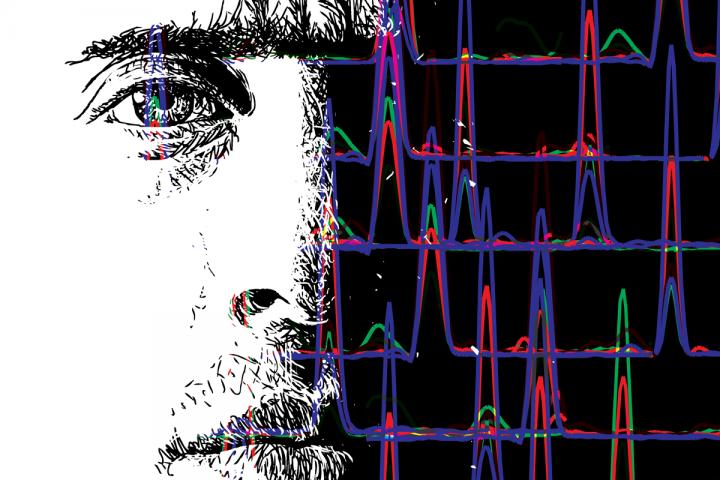
This is an illustration of SRM peaks and a human face. Reporting in the journal Cell, Senior Research Scientist Dr. Ulrike Kusebauch, of Institute for Systems Biology (ISB), describes the results of a collaboration between scientists at ISB, ETH Zurich and a number of other contributing institutes to develop the Human SRMAtlas, a compendium of proteomic assays for any human protein. The Human SRMAtlas is a compendium of highly specific mass spectrometry assays for the targeted identification and reproducible quantification of any protein in the predicted human proteome, including assays for many spliced variants, non-synonymous mutations and post-translational modifications. Using the technique called selected reaction monitoring, assays were developed with the use of 166,174 well-characterized, chemically synthesized proteotypic peptides. The SRMAtlas resource is freely publicly available at http://www.
| Full story | 0 Comments | 13963 views |

| Stem Cell Research | July 25, 2016 06:09 PM |
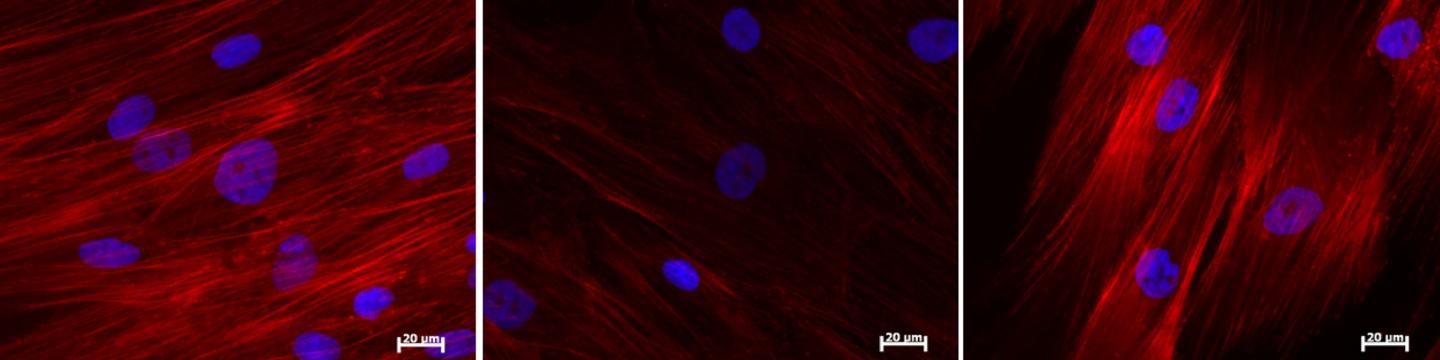
The images above show, from left to right, functioning stem cells, stem cells no longer functioning due to Hutchinson-Gilford Progeria syndrome (HGPS), and stem cells previously not functioning The fountain of youth may reside in an embryonic stem cell gene named Nanog.
| Full story | 0 Comments | 7910 views |
| Environment | July 25, 2016 06:09 PM |
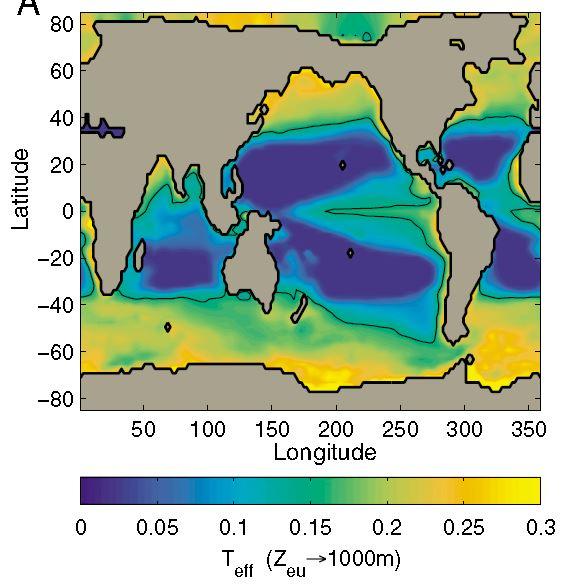
Results show that the transfer efficiency of organic carbon from the surface to the deep ocean About the same amount of atmospheric carbon that goes into creating plants on land goes into the bodies of tiny marine plants known as plankton. When these plants die and sink, bacteria feed on their sinking corpses and return their carbon to the seawater. When plankton sink deep enough before being eaten, this carbon is taken out of circulation as a greenhouse gas to remain trapped in the deep ocean for centuries.
| Full story | 0 Comments | 9571 views |
| Stem Cell Research | July 21, 2016 05:12 PM |
A key gene enables the repair of injured muscle throughout life. This is the finding of a study in mice led by researchers at NYU Langone Medical Center and the University of Colorado at Boulder, and published online July 21 in Cell Reports.
| Full story | 0 Comments | 9073 views |
| Bioinformatics | July 18, 2016 06:59 PM |
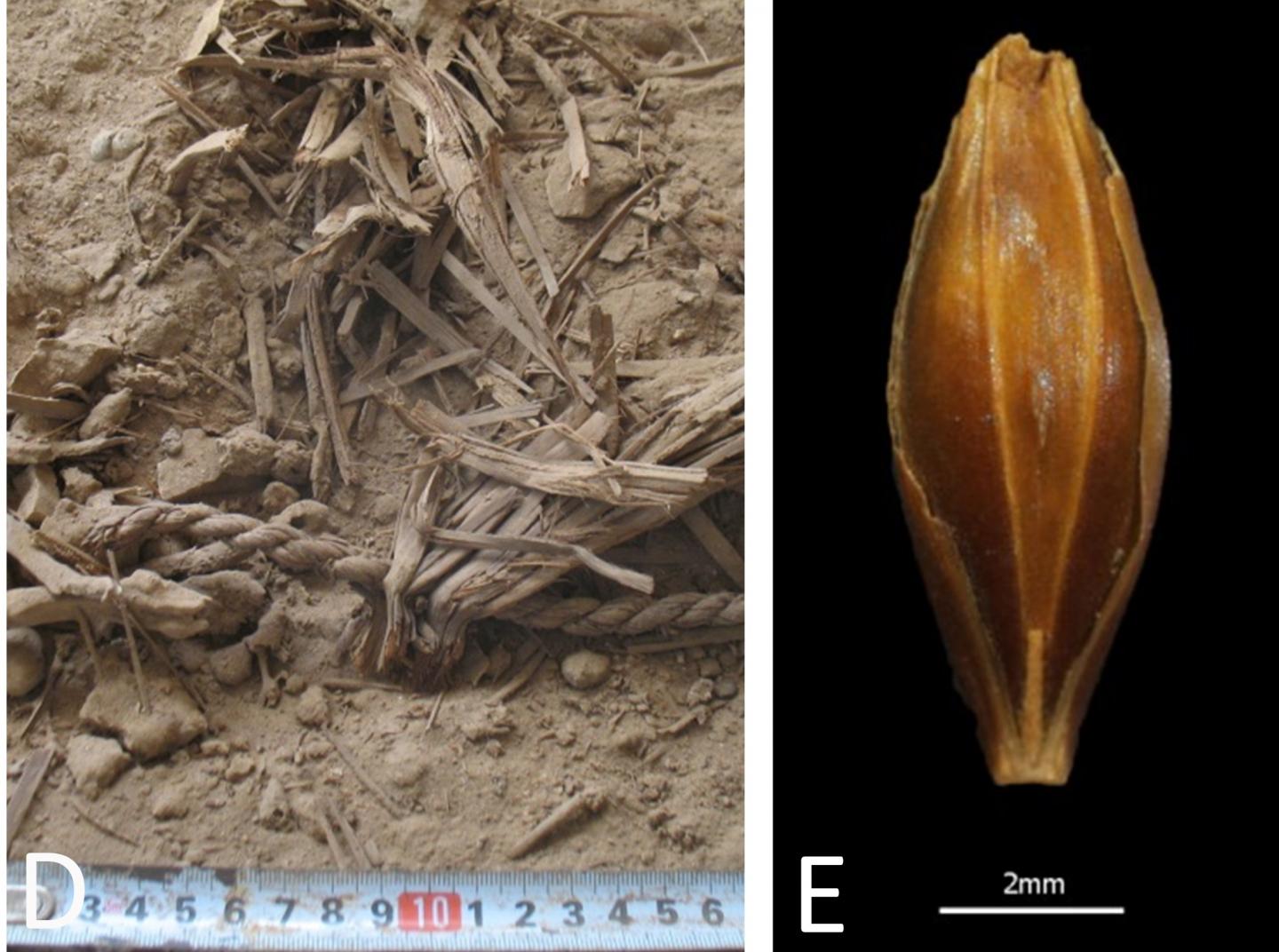
Right: Photograph during excavation exhibiting excellent dry preservation of plant remains
Left: A well-preserved, desiccated barley grain found at Yoram Cave An international team of researchers has succeeded for the first time in sequencing the genome of Chalcolithic barley grains. This is the oldest plant genome to be reconstructed to date. The 6,000-year-old seeds were retrieved from Yoram Cave in the southern cliff of Masada fortress in the Judean Desert in Israel, close to the Dead Sea. Genetically, the prehistoric barley is very similar to present-day barley grown in the Southern Levant, supporting the existing hypothesis of barley domestication having occurred in the Upper Jordan Valley.
| Full story | 0 Comments | 14152 views |

| AIDS & HIV | July 18, 2016 06:59 PM |
Investigators from the National Institutes of Health have discovered that cells from HIV-infected people whose virus is suppressed with treatment harbor defective HIV DNA that can nevertheless be transcribed into a template for producing HIV-related proteins. This finding may affect scientists' understanding of the long-term effects of HIV infection and what a cure would require.
| Full story | 0 Comments | 30541 views |
| Microbiology | July 18, 2016 06:59 PM |
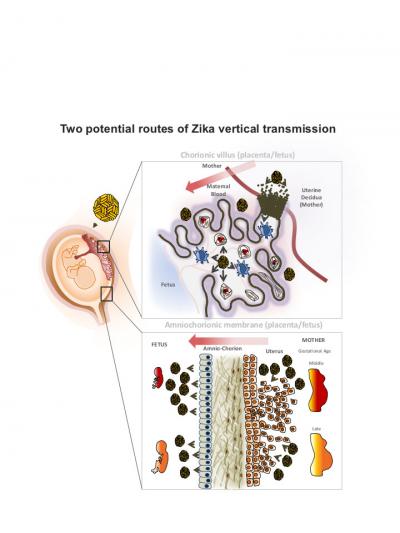
Zika virus infects numerous primary cell types and explants of the human placenta, suggesting placental and paraplacental routes of virus transmission. Zika virus can infect numerous cell types in the human placenta and amniotic sac, according to researchers at UC San Francisco and UC Berkeley who show in a new paper how the virus travels from a pregnant woman to her fetus. They also identify a drug that may be able to block it.
| Full story | 0 Comments | 36126 views |
| Health & Medicine | July 14, 2016 05:11 PM |
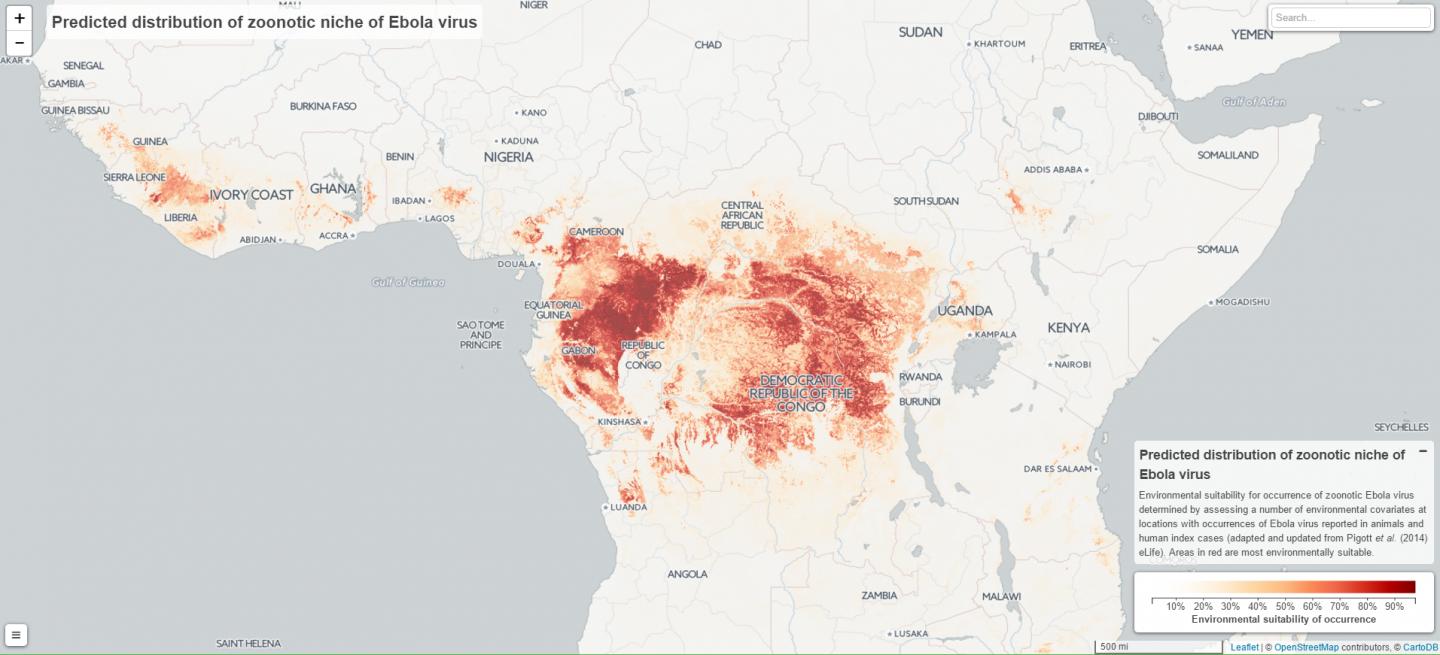
Updates to the zoonotic niche map of Ebola virus disease in Africa by David Pigott et al. Though the West African Ebola outbreak that began in 2013 is now under control, 23 countries remain environmentally suitable for animal-to-human transmission of the Ebola virus. Only seven of these countries have experienced cases of Ebola, leaving the remaining 16 countries potentially unaware of regions of suitability, and therefore underprepared for future outbreaks.
| Full story | 0 Comments | 6518 views |
| Biotechnology | July 14, 2016 05:11 PM |
Dr. Gang Zheng and a team of biomedical researchers have discovered a "smart" organic, biodegradable nanoparticle that uses heat and light in a controlled manner to potentially target and ablate tumours with greater precision.
| Full story | 0 Comments | 6691 views |
| Molecular & Cell Biology | July 14, 2016 05:11 PM |
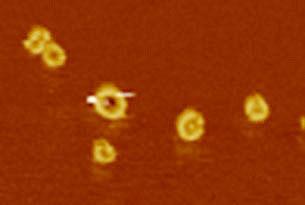
Atomic force microscopy image of the pore. The best hiding place often lies behind enemy lines, as many bacteria such as the pathogens responsible for tuberculosis or typhoid have realized. They invade immune cells and can survive there, well hidden, for some time. To eliminate such invaders, the host macrophages can initiate a suicide program. Together with researchers at the Novartis Institute for Biomedical Research and ETH Zurich, the team led by Prof. Sebastian Hiller from the Biozentrum at the University of Basel has shown for the first time that a "death protein" perforates the cell membrane, resulting in macrophage bursting open. The re-exposed pathogens can then again be fought by the immune system.
| Full story | 0 Comments | 6722 views |
| Molecular & Cell Biology | July 14, 2016 05:11 PM |
A powerful new technology that maps the "social network" of proteins in breast cancer cells is providing detailed understanding of the disease at a molecular level and could eventually lead to new treatments, Australian scientists say.
| Full story | 0 Comments | 6137 views |

| Biology | July 14, 2016 05:11 PM |
The discovery of a theropod dinosaur with Tyrannosaurus rex-like arms suggests that these unusual forelimbs may have evolved multiple times, according to a study published July 13, 2016 in the open-access journal PLOS ONE by Sebastián Apesteguía from the Universidad Maimónides, Argentina, and colleagues.
| Full story | 0 Comments | 7194 views |
| Stem Cell Research | July 13, 2016 05:56 PM |
Scientists have discovered a new method of creating human stem cells which could solve the big problem of the large-scale production needed to fully realise the potential of these remarkable cells for understanding and treating disease.
| Full story | 0 Comments | 8909 views |
| Molecular & Cell Biology | July 13, 2016 05:55 PM |
A common feature of cancer and aging is cells' reduced ability to respond to stress-induced damage to DNA or cellular structures. Specifically, changes occur in the protective processes of apoptosis and cellular senescence, whose roles in cancer and aging are thoroughly reviewed by Cerella et al. in Current Drug Targets (Bentham Science Publishers). The authors outline the evidence that these processes are regulated by separate but intertwined pathways. Understanding the precise mechanisms, they conclude, could lead to combination therapies for cancer and aging able to harness the benefits of both apoptosis and senescence, while limiting the drawbacks of either.
| Full story | 0 Comments | 6038 views |
| Health & Medicine | July 13, 2016 05:55 PM |
The microscopic organisms that live in our gut do more than help us digest food. A new study in rats bolsters a growing body of evidence that the complex mix of microorganisms found in the gut, known as gut microbiota, could influence a person's likelihood of developing colon cancer.
| Full story | 0 Comments | 5858 views |
| Molecular & Cell Biology | July 13, 2016 05:55 PM |
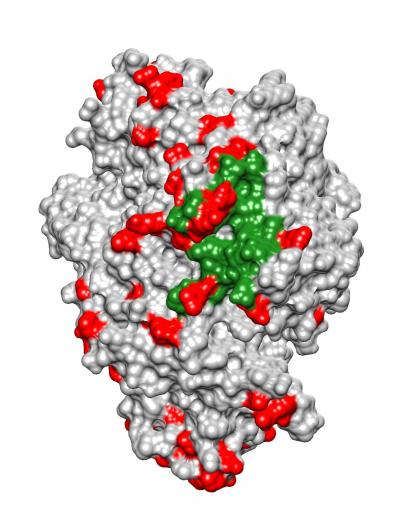
Aminopeptidase N is a protein that acts as a receptor for coronaviruses, the family of viruses behind recent epidemics of SARS and MERS, among others. BETHESDA, MD - The constant battle between pathogens and their hosts has long been recognized as a key driver of evolution, but until now scientists have not had the tools to look at these patterns globally across species and genomes. In a new study, researchers apply big-data analysis to reveal the full extent of viruses' impact on the evolution of humans and other mammals.
| Full story | 0 Comments | 6155 views |
| Microbiology | July 13, 2016 05:55 PM |
Scientists from the Institut Pasteur and the CNRS have identified two new strains of the HTLV-4 virus in two hunters who were bitten by gorillas in Gabon. These findings, published in the journal Clinical Infectious Diseases, support the notion that gorillas represent a major source of infectious agents that can be passed on to humans.
| Full story | 0 Comments | 35073 views |
| Biology | July 13, 2016 05:55 PM |
Ants, it turns out, are extremely good at estimating the concentration of other ants in their vicinity. This ability appears to play a role in several communal activities, particularly in the voting procedure whereby an ant colony selects a new nest.
| Full story | 0 Comments | 6143 views |
| Environment | July 12, 2016 05:24 PM |
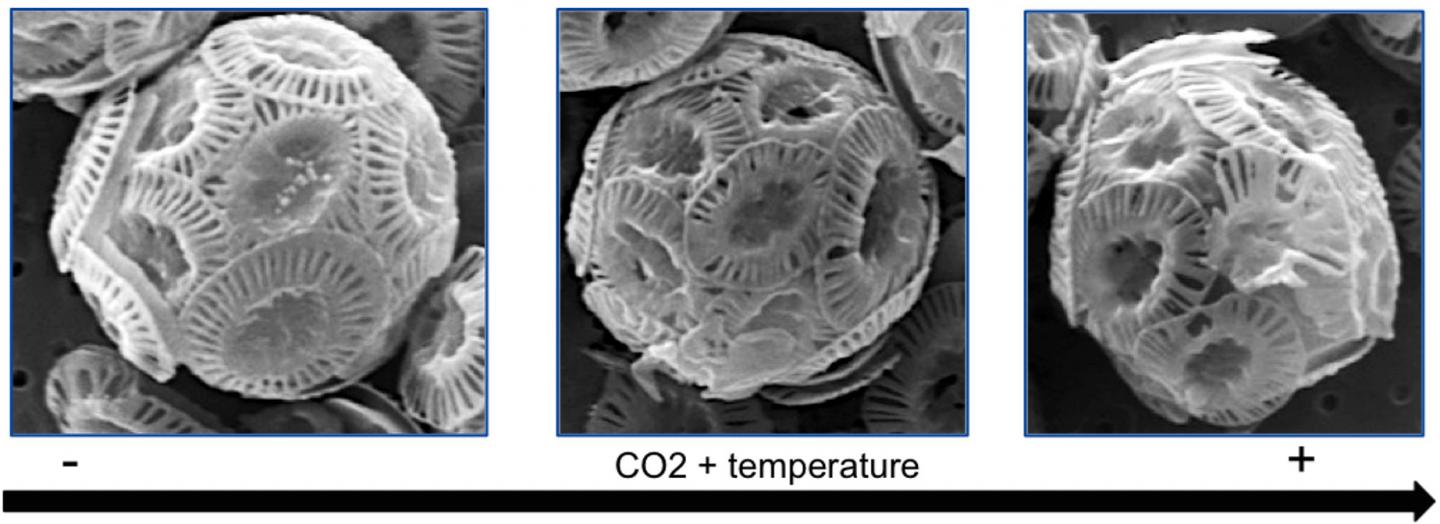
Coccolith morphology is shown as acidification and warming increases in the culture experiment. Two new studies recently published in Limnology & Oceanography and Biogeosciences report that ocean warming may exacerbate the impacts of ocean acidification on calcareous phytoplankton, and its evolutionary success and physiological performance will be hampered.
| Full story | 0 Comments | 9204 views |
| AIDS & HIV | July 12, 2016 05:24 PM |
A new study has found that neither gay men nor heterosexual people with HIV transmit the virus to their partner, provided they are on suppressive antiretroviral treatment.
| Full story | 0 Comments | 31020 views |
| Environment | July 12, 2016 05:24 PM |
Algae that live in and under the sea ice play a much greater role for the Arctic food web than previously assumed. In a new study, biologists of the Alfred Wegener Institute, Helmholtz Centre for Polar and Marine Research (AWI) showed that not only animals that live directly under the ice thrive on carbon produced by so-called ice algae. Even species that mostly live at greater depth depend to a large extent on carbon from these algae. This also means that the decline of the Arctic sea ice may have far-reaching consequences for the entire food web of the Arctic Ocean. Their results have been published online now in the journal Limnology & Oceanography.
| Full story | 0 Comments | 9460 views |
| Molecular & Cell Biology | July 11, 2016 05:01 PM |
Every cancer starts with a single cell, and Jackson Laboratory (JAX) researchers have found a precise and reliable way -- whole-genome profiling of open chromatin -- to identify the kind of cell that leads to a given case of leukemia, a valuable key to cancer prognosis and outcome.
| Full story | 0 Comments | 5999 views |
| Bioinformatics | July 11, 2016 05:01 PM |
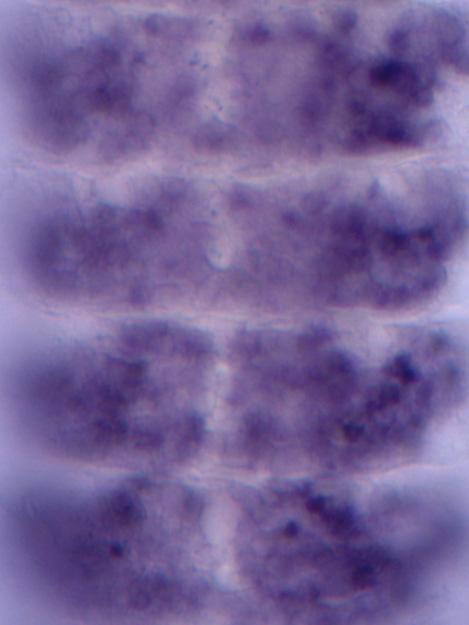
A microscope image shows a four-segment section of the nervous system of an Aedes aegypti mosquito embryo. The dark purple indicates areas where a gene called "short gastrulation " is being... Scientists are using machine learning to identify important sequences of DNA within the mosquito genome that regulate how the insect's cells develop and behave.
| Full story | 0 Comments | 14253 views |
| Biotechnology | July 11, 2016 05:01 PM |
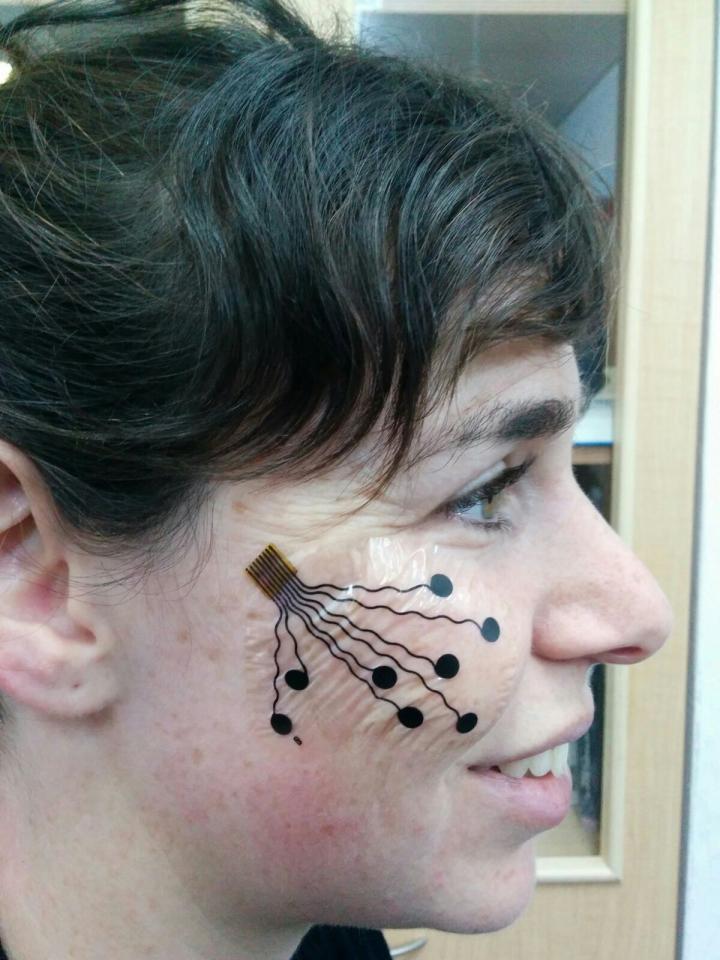
A nanotech "tattoo " was developed by Tel Aviv University. A new temporary "electronic tattoo" developed by Tel Aviv University that can measure the activity of muscle and nerve cells researchers is poised to revolutionize medicine, rehabilitation, and even business and marketing research.
| Full story | 0 Comments | 7142 views |
| Bioinformatics | July 8, 2016 06:38 PM |
There are thousands of scientific papers dedicated to a particular type of tumor, a particular gene, a type of specific molecular lesion or the effect of a particular drug. However, there are very few examples of publications that integrate these four concepts (type of tumor, gene alteration and drug) in a significant amount of samples. An article published in Cell, in collaboration with the group of Dr. Manel Esteller, Director of the Epigenetics and Cancer Biology Program at the Bellvitge Biomedical Research Institute (IDIBELL), ICREA researcher and Professor of Genetics at the University of Barcelona, provides us with this important source of information.
| Full story | 0 Comments | 13598 views |
| Biology | July 8, 2016 06:38 PM |
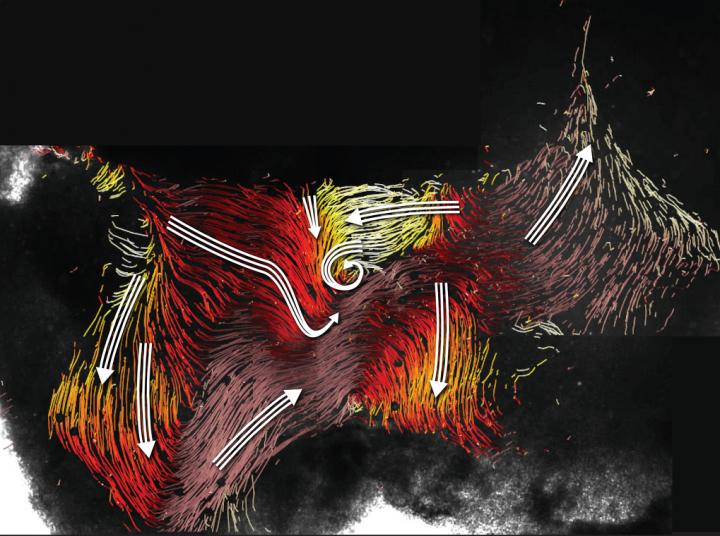
Flow map in the third ventricle of the mouse brain. We have all bumped our heads at some point, and such incidents are usually harmless. This is thanks to fluid-filled chambers in our brain that offset minor knocks and jolts and provide padding for sensitive components of our nervous system. Cerebral fluid, however, has more than just a protective function: It removes cellular waste, supplies our nervous tissue with nutrients, and transports important messenger substances. How these messenger substances are actually being delivered to their destination in the brain, however, was unclear until now. Göttingen-based Max Planck researchers have now discovered that tiny cilia on the surface of specialized cells could lead the way. Through synchronized beating movements, they create a complex network of dynamic flows that act like conveyor belts transporting molecular "freight". The results obtained by the scientists suggest that these flows send messenger substances directly to where they are needed.
| Full story | 0 Comments | 7158 views |
| Health & Medicine | July 8, 2016 06:38 PM |
When cells die, whether through apoptosis or necrosis, the DNA and other molecules found in those cells don't just disappear. They wind up in the blood stream, where degraded bits and pieces can be extracted.
| Full story | 0 Comments | 5518 views |
| Health & Medicine | July 8, 2016 06:38 PM |
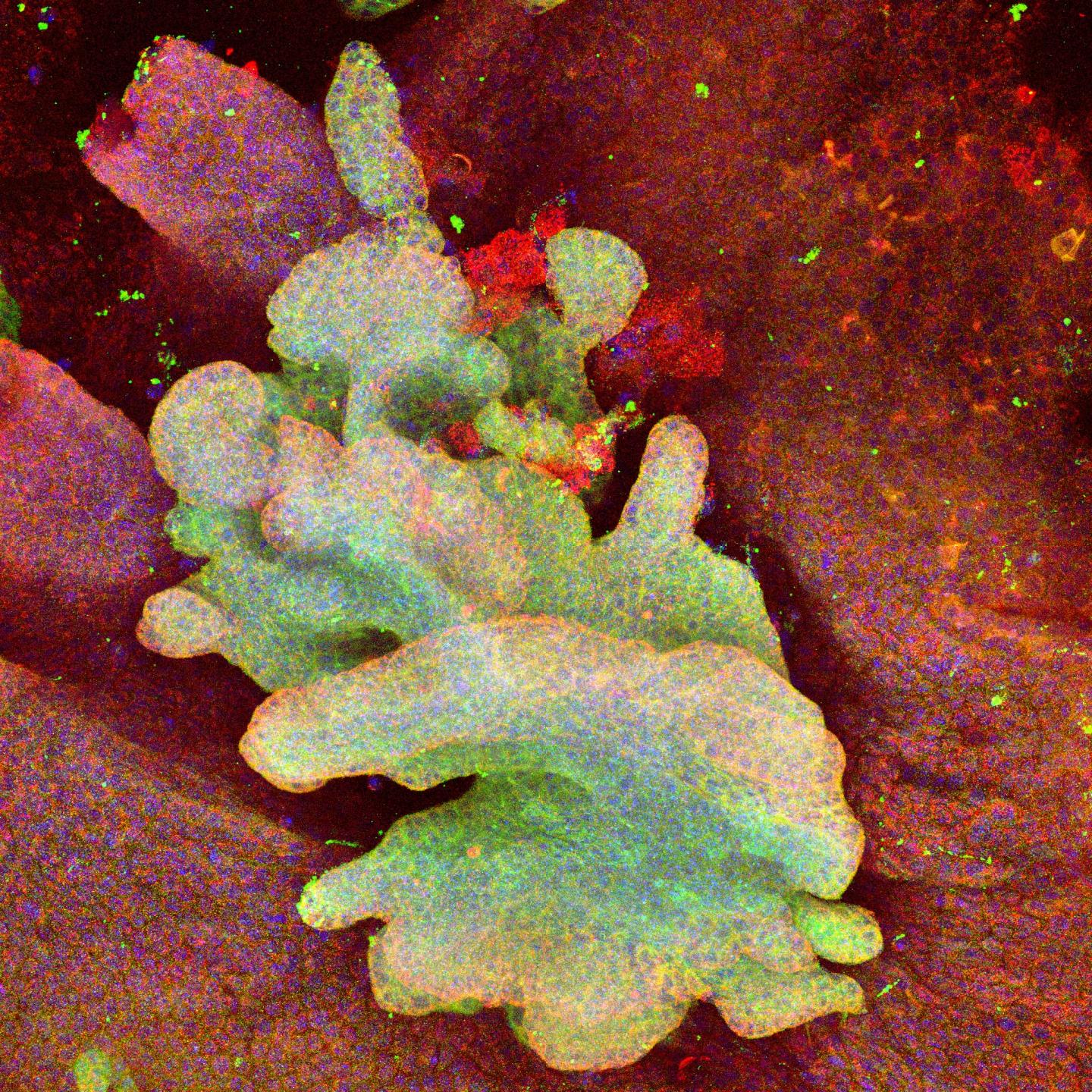
The green-labelled cells show a basal cell carcinoma in mouse tail epidermis derived from a single mutant stem cell and expanding out of the normal epidermis stained in red. Scientists have identified for the first time the 'cell of origin' - in other words, the first cell from which the cancer grows - in basal cell carcinoma, the most common form of skin cancer, and followed the chain of events that lead to the growth of these invasive tumours.
| Full story | 0 Comments | 6122 views |

- In some genetic cases of microcephaly, stem cells fail to launch
- Yale team discovers how Zika virus causes fetal brain damage
- Scientists uncover the way a common cell enzyme alerts the body to invading bacteria
- Arctic gives clues on worst mass extinction of life
- Calcium channel blockers caught in the act at atomic level
Search Bio News Net
Free Biology Newsletter
- Flexibility That A.C.A. Lent to Work Force Is Threatened by...International Herald Tribune
- Bacteria Behind Legionnaires’ Disease Found at New York Police StationInternational Herald Tribune
- Prescription Price Crisis? 28 Million Americans See Spike in Drug...MSNBC.com: Health
- Seizing on Opioid Crisis, a Drug Maker Lobbies Hard for...International Herald Tribune
- Republicans are taking a big political risk on health careAP Health News
- Why We're So Divided Over Saving WolvesNational Geographic News