

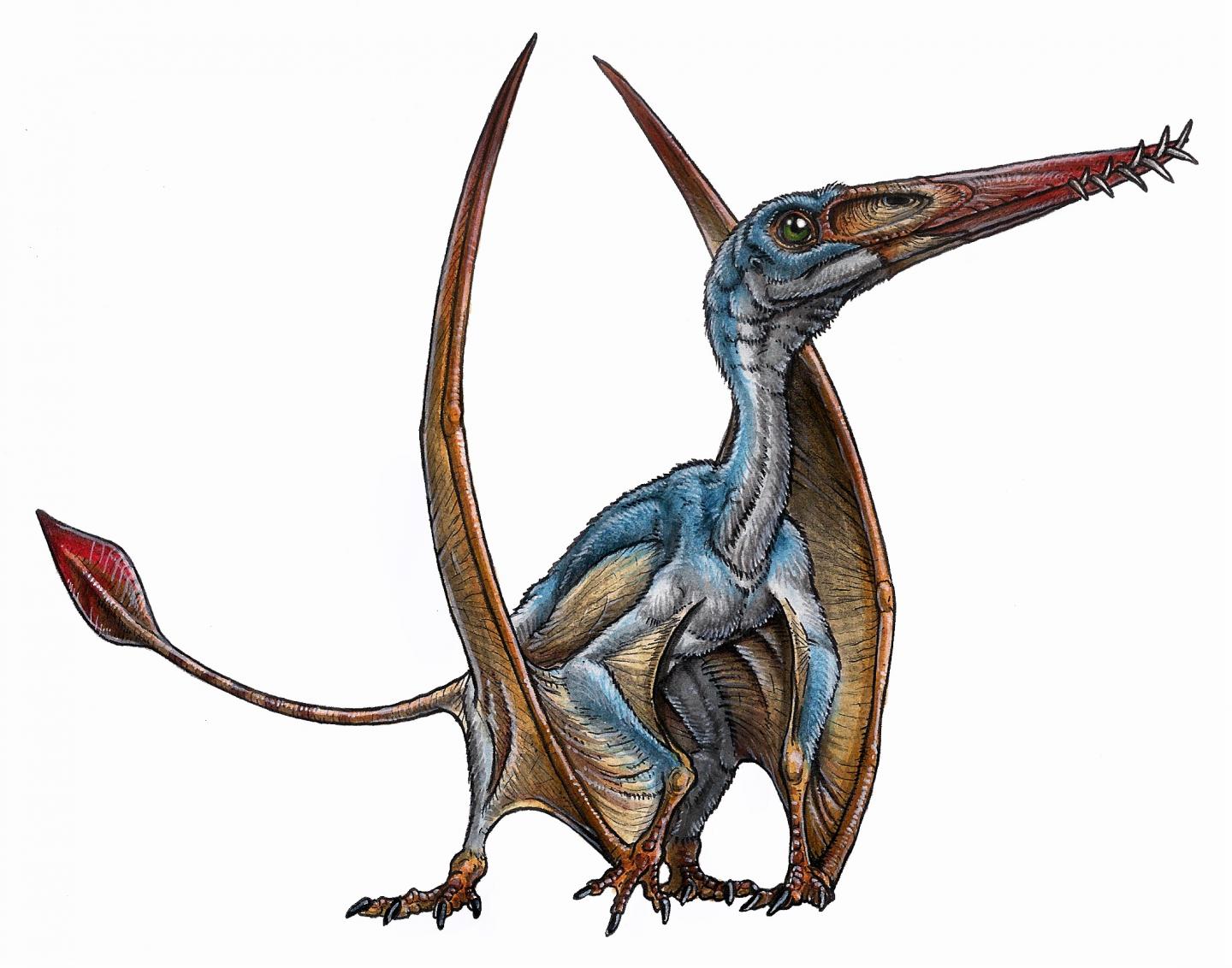
This is a paleoartist's reconstruction of a ptesosaur. Scientists today announced the discovery of a new species of pterosaur from the Patagonia region of South America. The cranial remains were in an excellent state of preservation and belonged to a new species of pterosaur from the Early Jurassic. The researchers have named this new species 'Allkauren koi' from the native Tehuelche word 'all' for 'brain', and 'karuen' for 'ancient'.

| Biology | August 30, 2016 05:36 PM |
| Full story | 0 Comments | 414295 views |

| Biotechnology | August 30, 2016 05:36 PM |
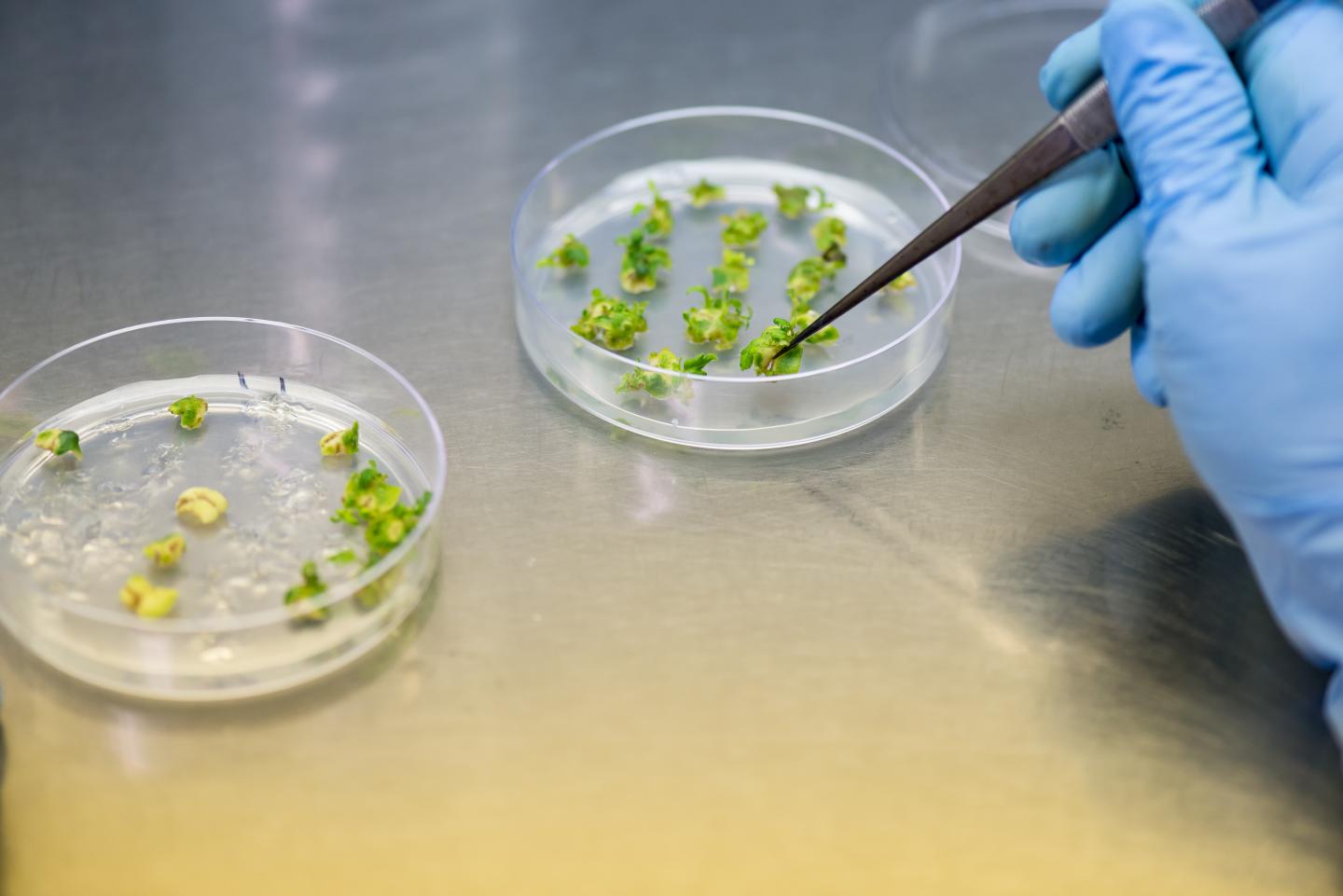
A researcher transfers tomato plantlets from a plate of regeneration medium. Tomatoes are already an ideal model species for plant research, but scientists at the Boyce Thompson Institute (BTI) just made them even more useful by cutting the time required to modify their genes by six weeks.
| Full story | 0 Comments | 409310 views |
| Biology | August 29, 2016 06:12 PM |
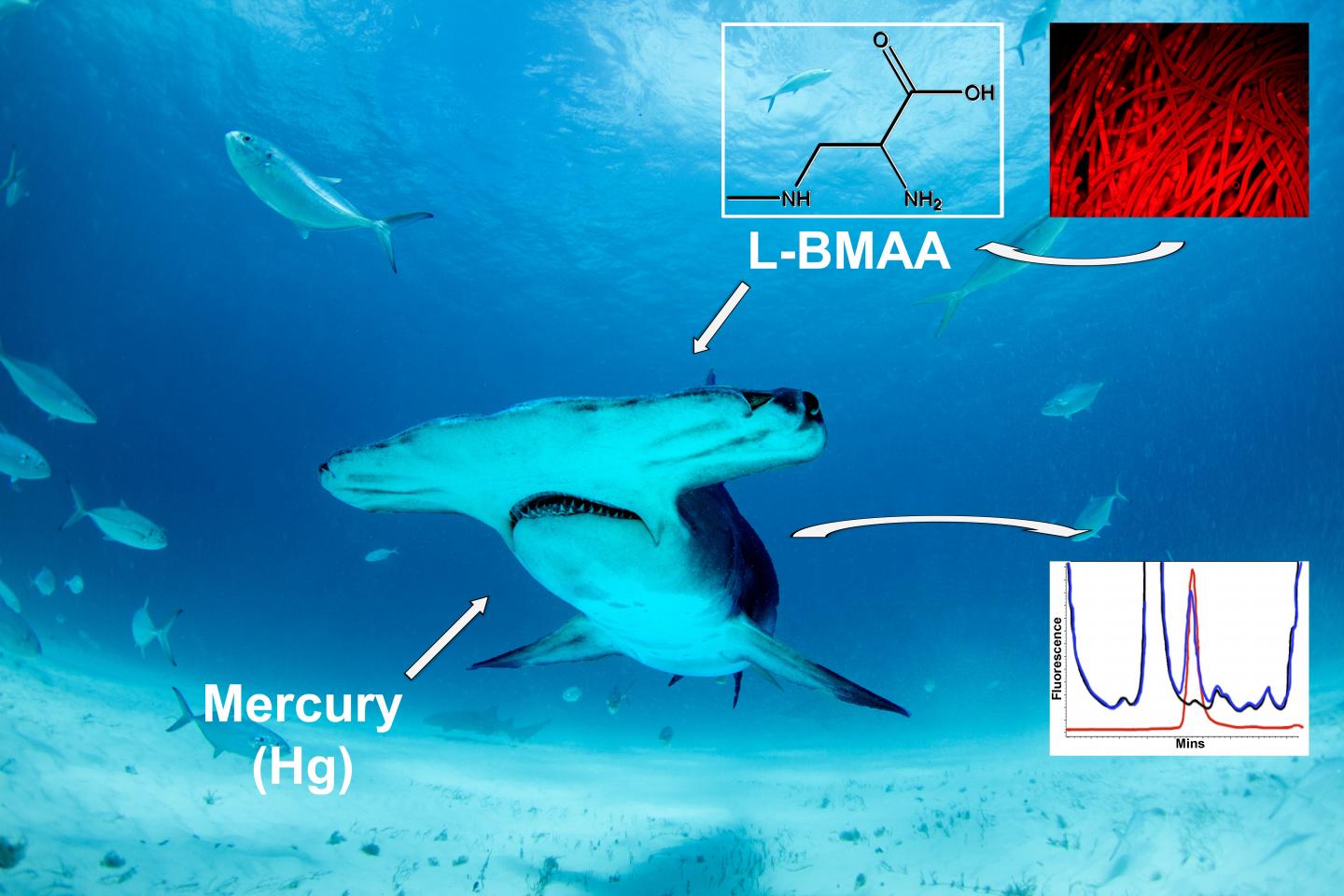
Cyanobacterial neurotoxin β-N-methylamino-L-alanine (BMAA) and Mercury are detected in sharks from the Atlantic and Pacific Oceans. In a new study, University of Miami (UM) scientists found high concentrations of toxins linked to neurodegenerative diseases in the fins and muscles of 10 species of sharks. The research team suggests that restricting consumption of sharks can have positive health benefits for consumers and for shark conservation, since several of the sharks analyzed in the study are threatened with extinction due to overfishing.
| Full story | 0 Comments | 208030 views |

| Bioinformatics | August 29, 2016 06:12 PM |
Researchers at Houston Methodist have developed an artificial intelligence (AI) software that reliably interprets mammograms, assisting doctors with a quick and accurate prediction of breast cancer risk. According to a new study published in Cancer (early online Aug. 29), the computer software intuitively translates patient charts into diagnostic information at 30 times human speed and with 99 percent accuracy.
| Full story | 0 Comments | 65165 views |
| Biotechnology | August 29, 2016 06:12 PM |
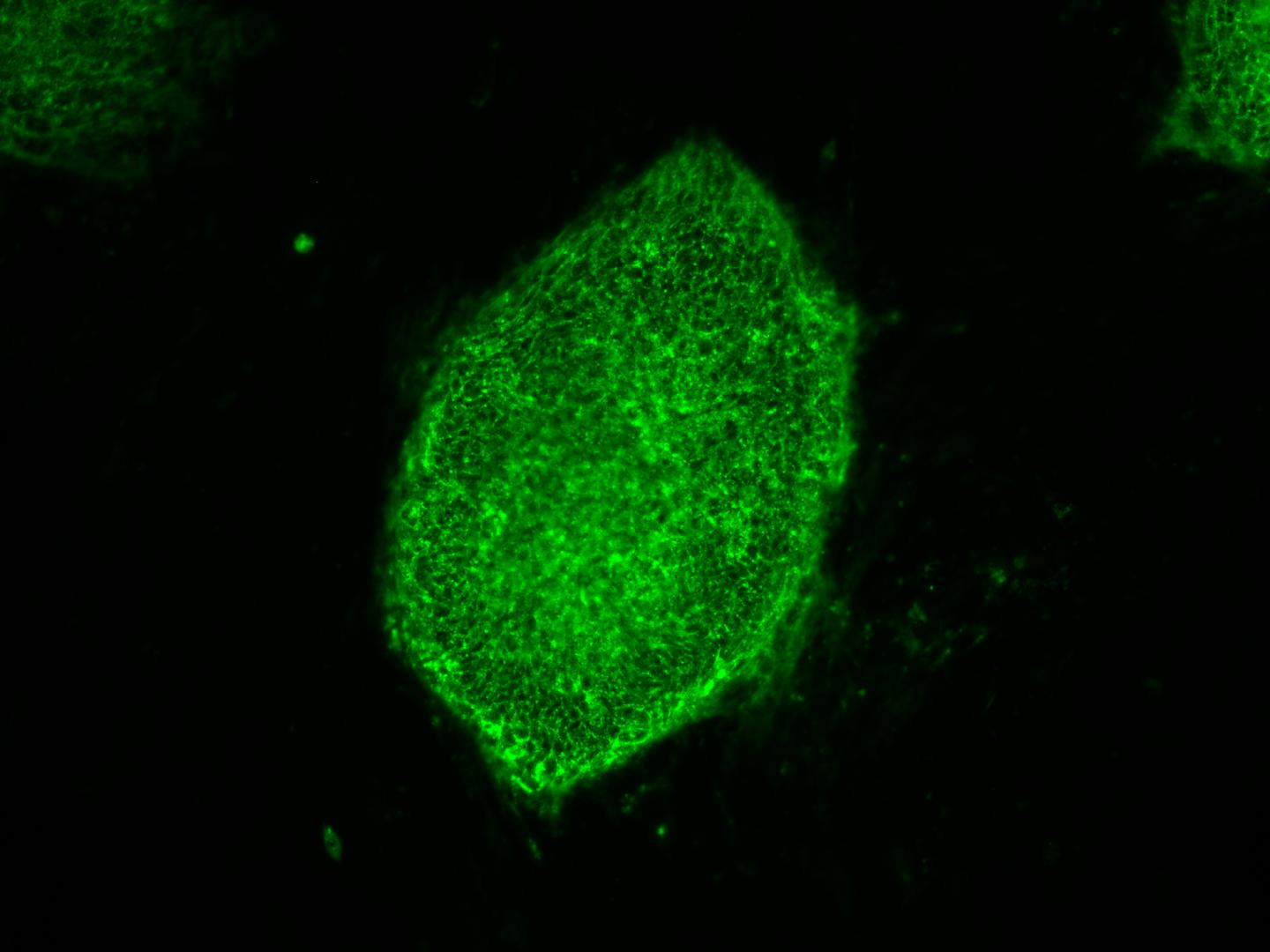
This image shows induced pluripotent stem cells expressing a characteristic cell surface protein called SSEA4 (green). A research team including developmental biologist Stephen A. Duncan, D. Phil., SmartStateTM Chair of Regenerative Medicine at the Medical University of South Carolina (MUSC), has found a better way to purify liver cells made from induced pluripotent stem cells (iPSCs). Their efforts, published August 25, 2016 in Stem Cell Reports, will aid studies of liver disease for the National Heart, Lung, and Blood Institute (NHLBI)'s $80 million Next Generation Genetic Association Studies (Next Gen) Program. The University of Minnesota (Minneapolis) and the Medical College of Wisconsin (Milwaukee) contributed to the study.
| Full story | 0 Comments | 58915 views |

| Stem Cell Research | August 24, 2016 07:26 PM |
In a very severe, genetic form of microcephaly, stem cells in the brain fail to divide, according to a new Columbia University Medical Center study that may provide important clues to understanding how the Zika virus affects the developing brain.
| Full story | 0 Comments | 58018 views |

| Microbiology | August 24, 2016 07:26 PM |
Infection by the Zika virus diverts a key protein necessary for neural cell division in the developing human fetus, thereby causing the birth defect microcephaly, a team of Yale scientists reported Aug. 24 in the journal Cell Reports.
| Full story | 0 Comments | 68484 views |

| Molecular & Cell Biology | August 24, 2016 07:26 PM |
Biomedical investigators at Cedars-Sinai have identified an enzyme found in all human cells that alerts the body to invading bacteria and jump-starts the immune system.
| Full story | 0 Comments | 39860 views |

| Environment | August 24, 2016 07:26 PM |
96 percent of marine species, and 70 percent of terrestrial life died off in the Permian-Triassic extinction event, as geologists know it. It is also known as The Great Dying Event for obvious reasons.
| Full story | 0 Comments | 44727 views |
| Molecular & Cell Biology | August 24, 2016 07:26 PM |
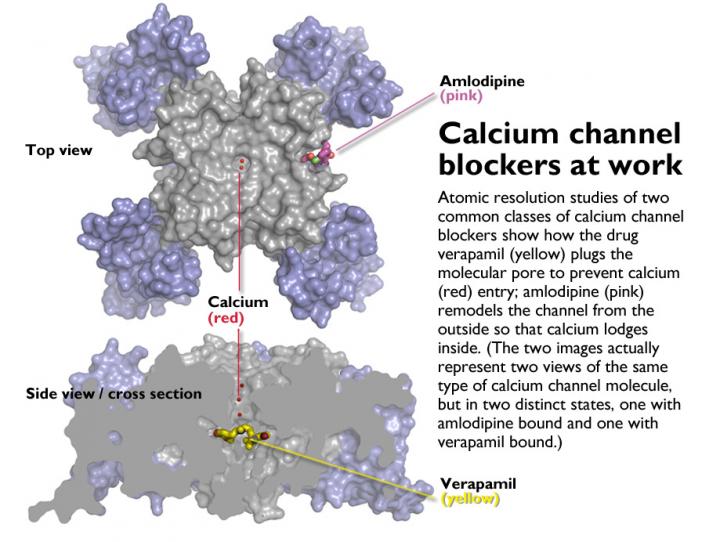
Atomic resolution studies of two common calcium channel blockers, one that treats irregular heart beats, and another that controls high blood pressure and angina An atomic level analysis has revealed how two classes of calcium channel blockers, widely prescribed for heart disease patients, produce separate therapeutic effects through their actions at different sites on the calcium channel molecule.
| Full story | 0 Comments | 42336 views |
| Bioinformatics | August 23, 2016 06:09 PM |
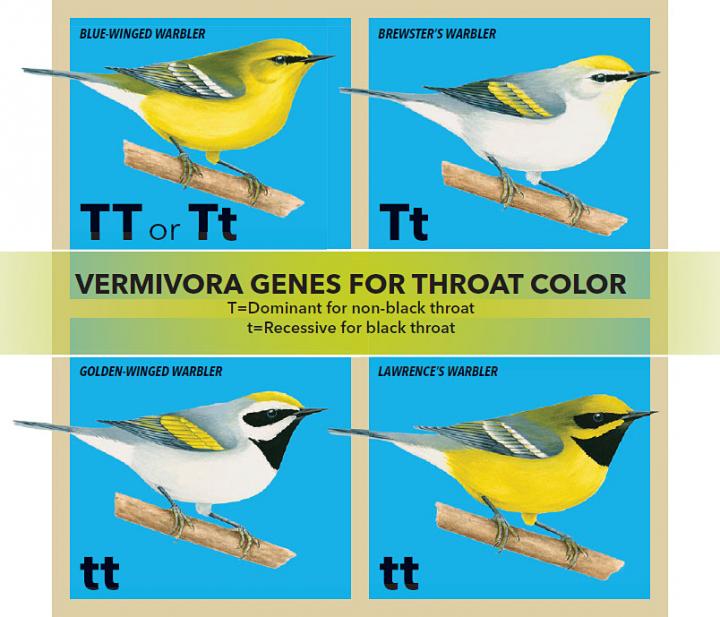
This is an illustration of warbler. For decades, conservationists have considered blue-winged warblers to be a threat to golden-winged warblers, a species being considered for federal Endangered Species protection. Blue-winged warbler populations have declined 66 percent since 1968, according to the North American Breeding Bird Survey.
| Full story | 0 Comments | 20739 views |
| Biotechnology | August 23, 2016 06:09 PM |
Often described as the blueprint of life, DNA contains the instructions for making every living thing from a human to a house fly.
| Full story | 0 Comments | 30130 views |
| Biology | August 22, 2016 06:24 PM |
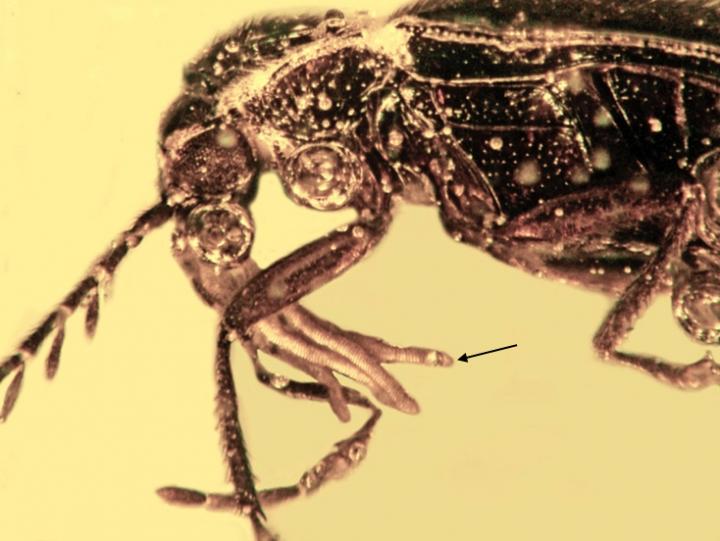
This is a fossil ptilodactyline beetle found in amber from Mexico. The black arrow points to pollinia attached to the beetle's mouthparts. When most people hear the word "pollinator," they think of bees and butterflies. However, certain beetles are known to pollinate plants as well, and new fossil evidence indicates that they were doing so 20 million years ago.
| Full story | 0 Comments | 22876 views |
| Biology | August 22, 2016 06:24 PM |
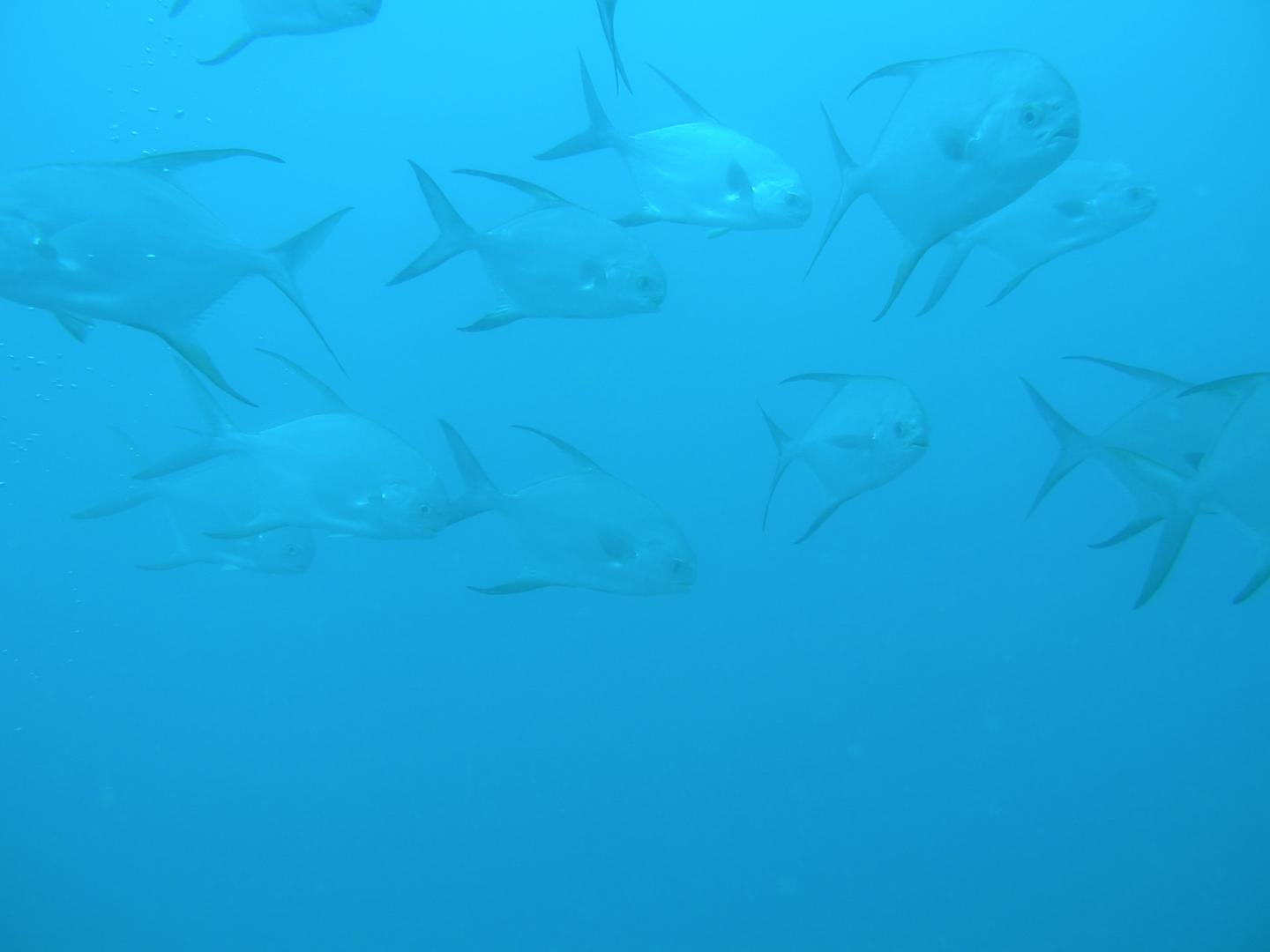
Squinting won't help you spot the fish in this photo. These snub-nosed darts blend seamlessly into their watery surroundings with help from their silvery reflective skin. In a matchup of animal superpowers, a clever form of camouflage might beat super sight -- at least in the ocean.
| Full story | 0 Comments | 22063 views |
| Molecular & Cell Biology | August 22, 2016 06:24 PM |
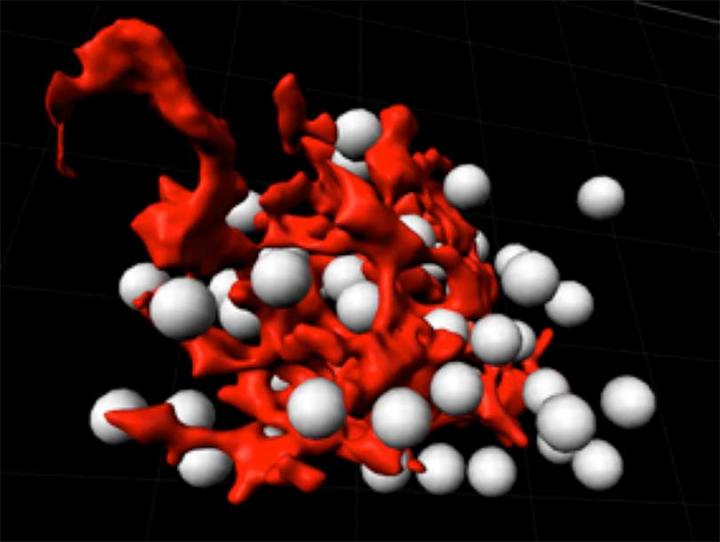
A single thymic epithelial cell (red) in contact with developing T cells (white). Researchers at the universities of Basel and Oxford have for the first time identified all genes regulated by the protein Foxn1. The results show that Foxn1 not only plays a crucial role in development of the thymus in the embryo, but it also regulates vital functions in the developed, postnatal organ. The decryption of the protein's functions is important in the understanding and treatment of autoimmune diseases, vaccination responses in old age and defense against tumor cells. The study was published in the journal Nature Immunology.
| Full story | 0 Comments | 20972 views |
| Microbiology | August 22, 2016 06:24 PM |
Microsporidia cause diarrhea, an illness called microsporidiosis and even death in immune-compromised individuals.
| Full story | 0 Comments | 37177 views |

| Health & Medicine | August 22, 2016 06:24 PM |
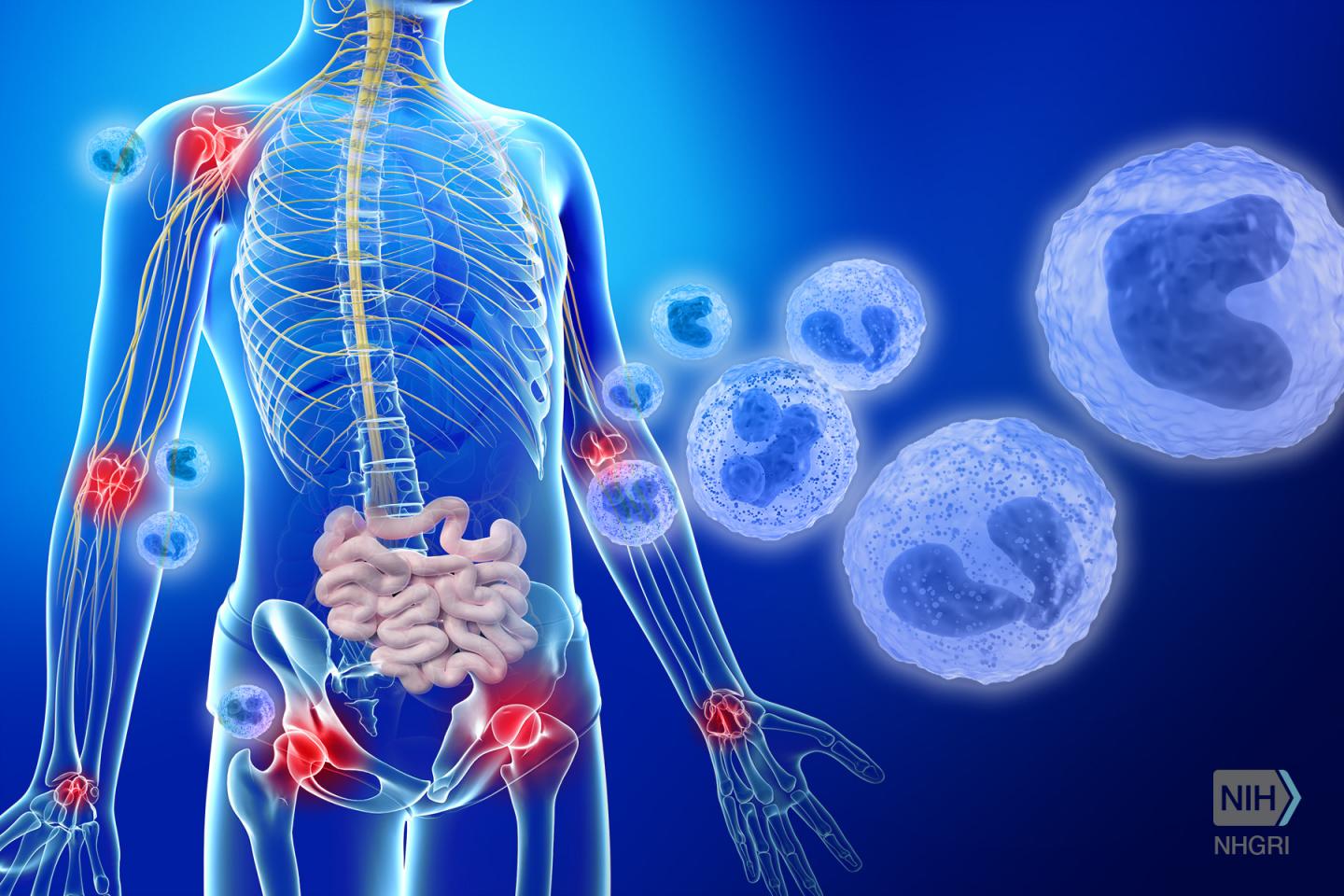
The just-discovered disease is a rare and sometimes lethal inflammatory disease that causes fever, skin rashes, diarrhea and joint pain in young children. National Institutes of Health researchers have discovered a rare and sometimes lethal inflammatory disease - otulipenia - that primarily affects young children. They have also identified anti-inflammatory treatments that ease some of the patients' symptoms: fever, skin rashes, diarrhea, joint pain and overall failure to grow or thrive.
| Full story | 0 Comments | 11996 views |
| Health & Medicine | August 18, 2016 06:02 PM |
In a new study, Yale researchers demonstrate Zika virus infection of cells derived from human placentas. The research provides insight into how Zika virus may be transmitted from expectant mother to fetus, resulting in infection of the fetal brain.
| Full story | 0 Comments | 14684 views |
| Molecular & Cell Biology | August 18, 2016 06:02 PM |
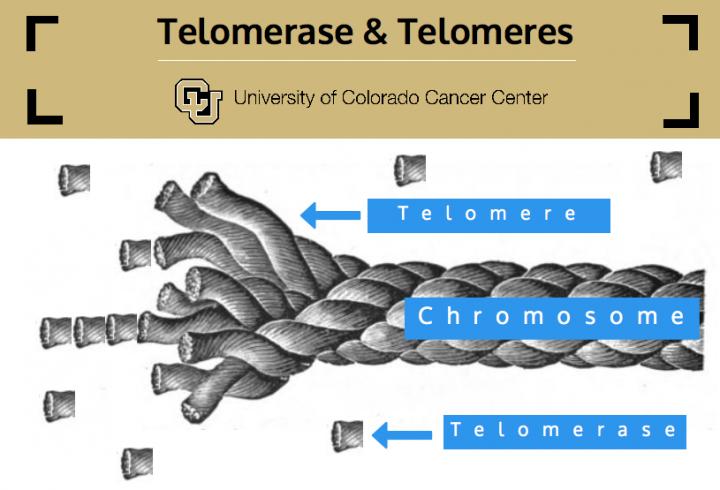
Protective telomeres are augmented by freely diffusing telomerase. As the rope of a chromosomes replicates, it frays at the ends. No problem: A chromosome's ends have extra twine so that fraying doesn't reach into the body of the rope where the important information resides. This extra twine is called a "telomere". Over time and across replications, this telomere twine breaks down until the chromosome loses its protective ends and this "fraying" reaches into the rope, wrecking the chromosome and resulting in the death of the cell.
| Full story | 0 Comments | 21722 views |
| Microbiology | August 18, 2016 06:02 PM |
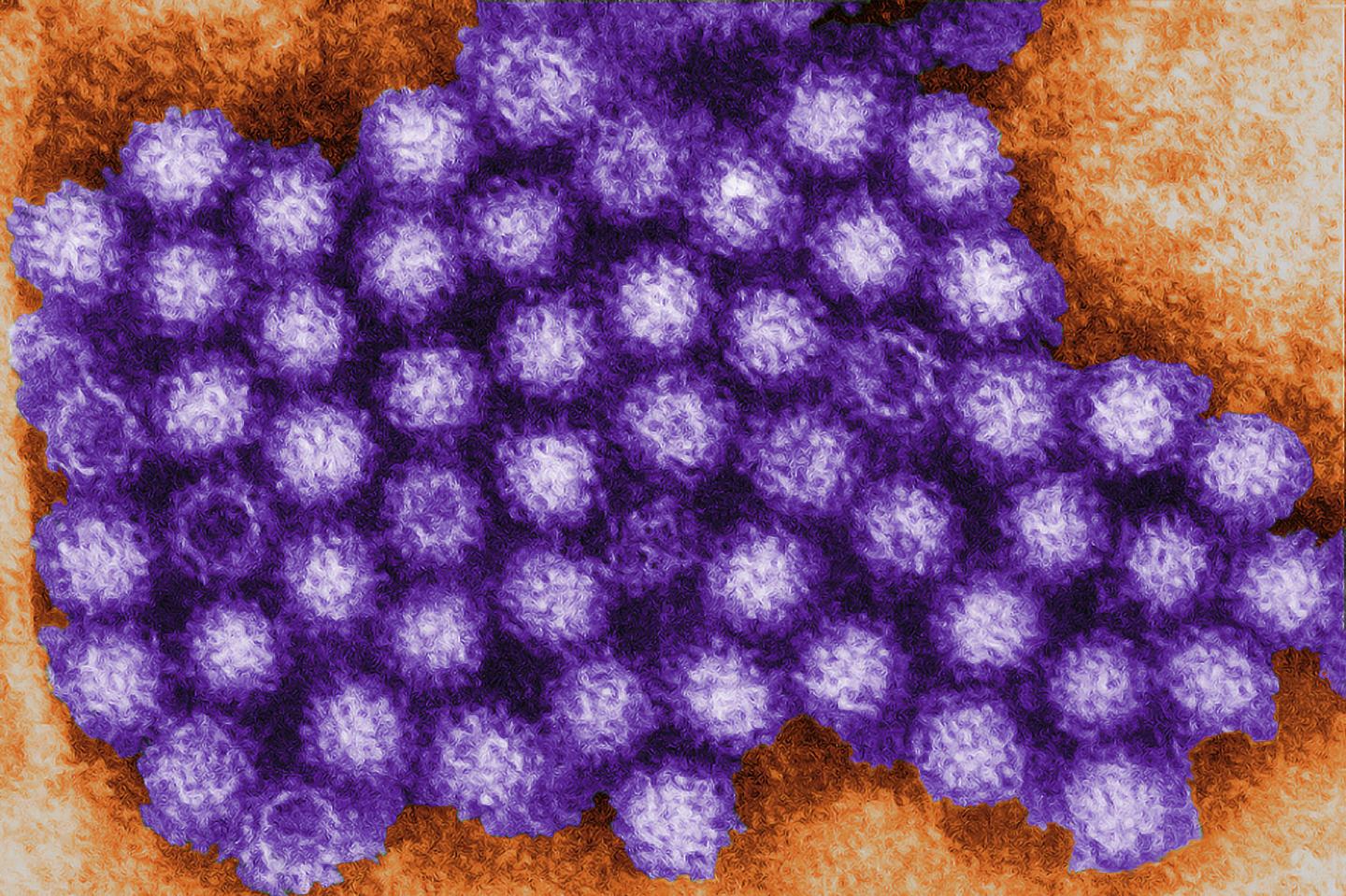
Researchers at Washington University School of Medicine in St. Louis have identified the protein that norovirus -- shown here in a colored transmission electron micrograph -- uses to invade cells. Norovirus is the most common viral cause of diarrhea worldwide, but scientists still know little about how it infects people and causes disease. Research has been hindered by an inability to grow the virus in the lab.
| Full story | 0 Comments | 38637 views |
| Biotechnology | August 17, 2016 06:43 PM |
CRISPR-Cas9 is the go-to technique for knocking out genes in human cell lines to discover what the genes do, but the efficiency with which it disables genes can vary immensely.
| Full story | 0 Comments | 15768 views |
| Health & Medicine | August 17, 2016 06:43 PM |
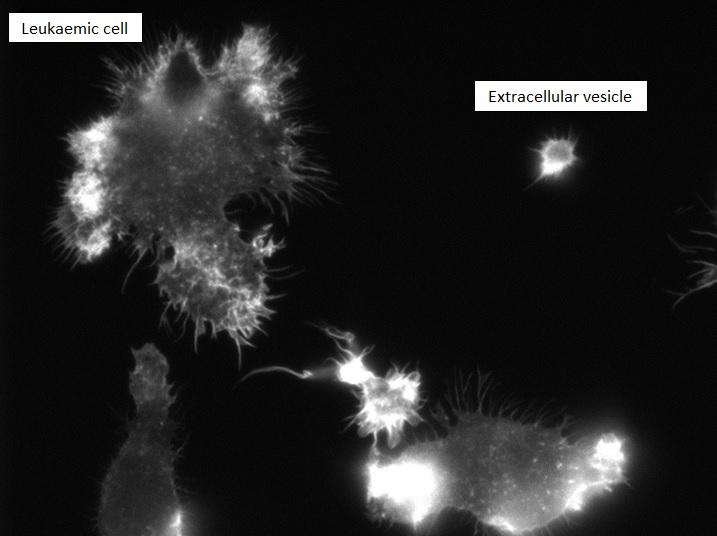
This image shows the presence of an extracellular vesicle. Researchers at The University of Manchester have unlocked the potential of a new test which could revolutionise the way doctors diagnose and monitor a common childhood Leukaemia.
| Full story | 0 Comments | 10245 views |
| Molecular & Cell Biology | August 17, 2016 06:43 PM |
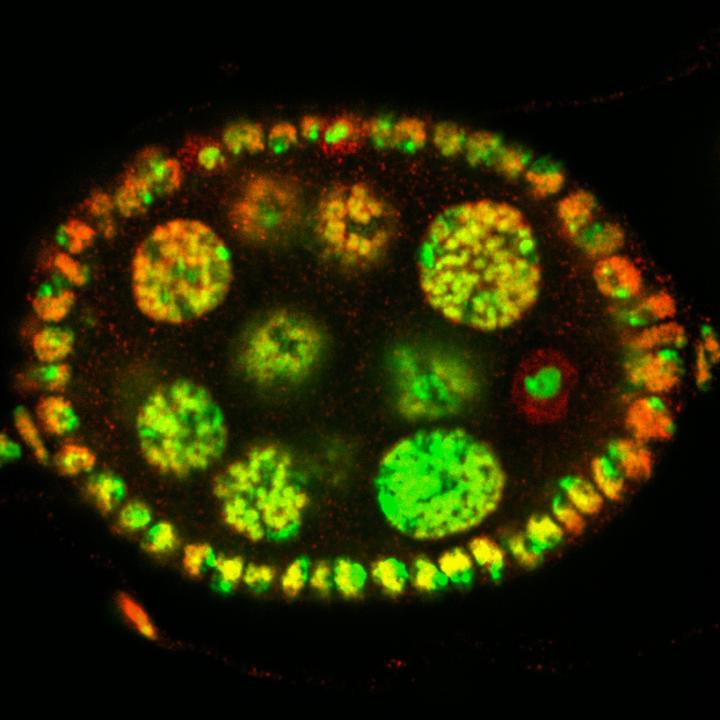
Ovarian follicle of fruit fly, with chromosomes stained in green and dKDM5 protein stained in red. At the start of reproductive life an ovary contains, on average, several thousands of immature ovules in a resting state that can last for several decades. But how does each resting ovule know that it is time to prepare for ovulation? In a study published in the latest issue of Nature Communications*, researchers at Instituto Gulbenkian de Ciencia (IGC; Portugal), at University of Algarve (Portugal), and at University at Albany (USA) discovered in the fruit fly a molecular "alarm clock" that tells resting ovules when is the right time to wake up. Defects in this alarm clock result in female fertility problems.
| Full story | 0 Comments | 19654 views |
| Bioinformatics | August 15, 2016 06:29 PM |
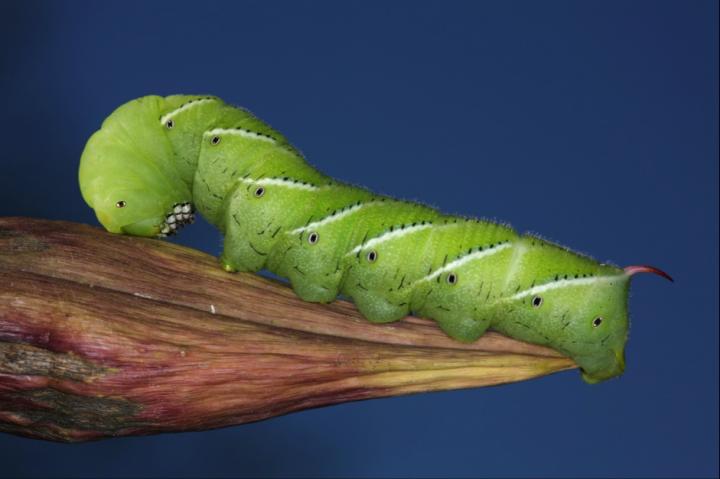
Manduca sexta caterpillars can grow up to 10 cm long making them ideal for laboratory experiments to investigate their biochemistry and physiology. "Whooo ... are ... you?" asked the hookah-smoking caterpillar of Alice, in Wonderland. Asking the question of the caterpillar instead, an international team of scientists have published their findings from the sequencing, annotation, and exploration of the genome of the tobacco hornworm moth. The project involved 114 scientists from 50 research institutions worldwide, including from the SIB Swiss Institute of Bioinformatics and the University of Geneva (UNIGE). This remarkable moth and strikingly beautiful and very large caterpillar are known by the Latin name, Manduca sexta, but also as the tobacco hornworm, Carolina sphinx moth, goliath worm, or 'Le sphinx du tabac'. The giant caterpillars are a favourite childhood pet, but they are considered serious agricultural pests as they feed voraciously on tobacco, potato, tomato, and pepper plants. The large size of the caterpillars means that this moth has become one of the most important model species for studying insect physiology, biochemistry, and molecular biology, and sequencing its genome opens many new research avenues.
| Full story | 0 Comments | 17426 views |
| Biotechnology | August 15, 2016 06:29 PM |
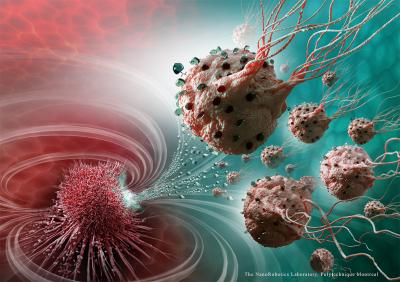
The legions of nanorobotic agents are actually composed of more than 100 million flagellated bacteria Researchers from Polytechnique Montréal, Université de Montréal and McGill University have just achieved a spectacular breakthrough in cancer research. They have developed new nanorobotic agents capable of navigating through the bloodstream to administer a drug with precision by specifically targeting the active cancerous cells of tumours. This way of injecting medication ensures the optimal targeting of a tumour and avoids jeopardizing the integrity of organs and surrounding healthy tissues. As a result, the drug dosage that is highly toxic for the human organism could be significantly reduced.
| Full story | 0 Comments | 15939 views |
| Biotechnology | August 15, 2016 06:29 PM |
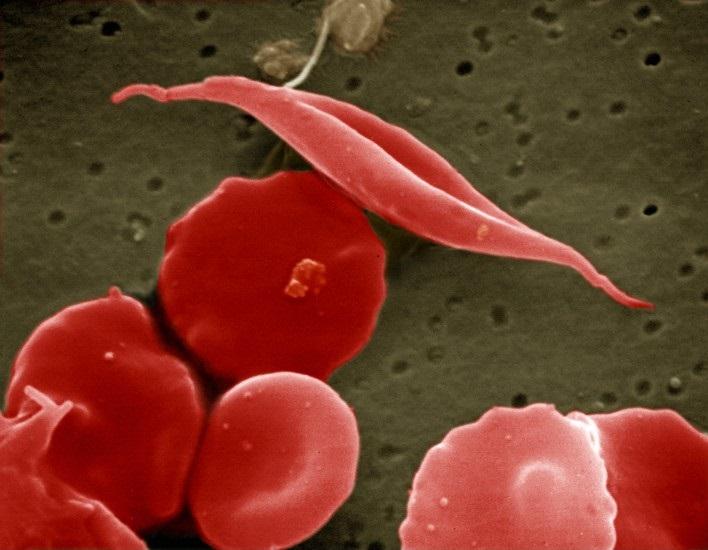
This is a scanning electron micrograph of sickled and other red blood cells. An international team of scientists led by researchers at St. Jude Children's Research Hospital has found a way to use CRISPR gene editing to help fix sickle cell disease and beta-thalassemia in blood cells isolated from patients. The study, which appears online today in Nature Medicine, provides proof-of-principle for a new approach to treat common blood disorders by genome editing.
| Full story | 0 Comments | 17114 views |
| Health & Medicine | August 11, 2016 06:30 PM |
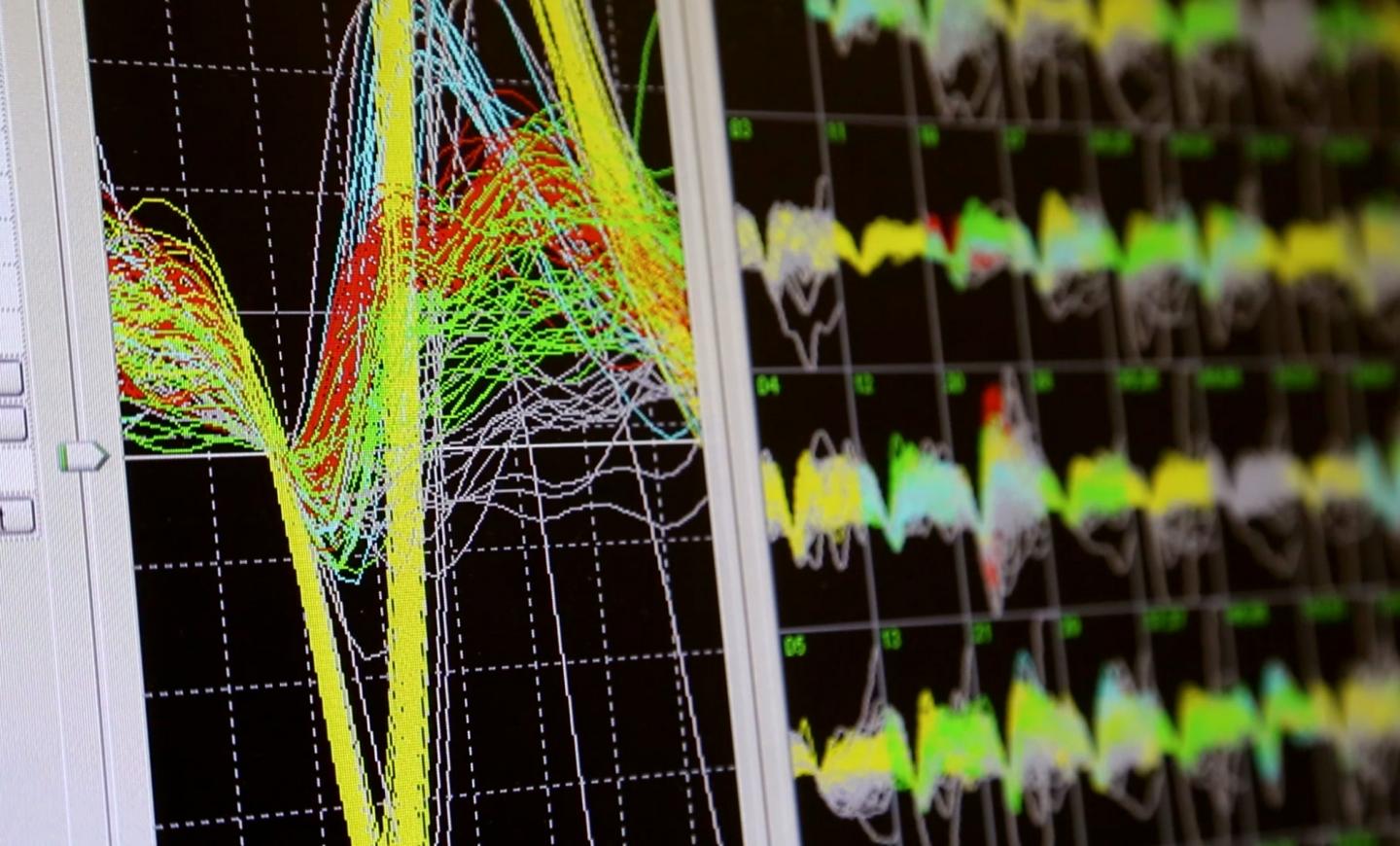
A computer monitor in the lab of Miguel Nicolelis, M.D., Ph.D., shows the brain activity of a monkey using a brain-machine interface. Eight people who have spent years paralyzed from spinal cord injuries have regained partial sensation and muscle control in their lower limbs after training with brain-controlled robotics, according to a study published Aug. 11 in Scientific Reports.
| Full story | 0 Comments | 12309 views |
| Biology | August 11, 2016 06:30 PM |
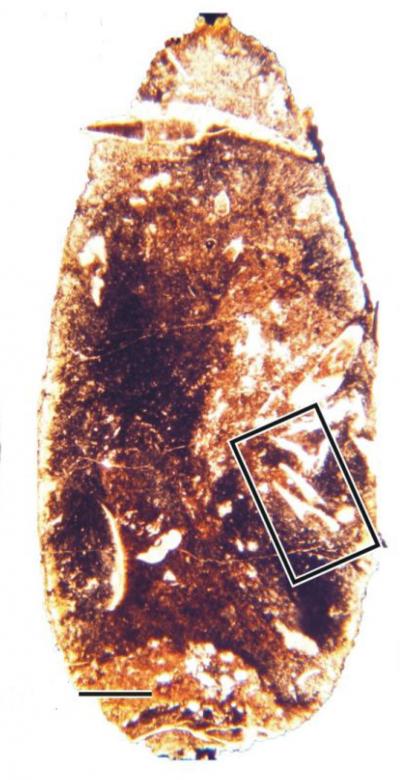
Image of a thin-section through an Orthacanthus coprolite with a black box indicating the tooth of an Orthacanthus. Scientists have discovered macabre fossil evidence suggesting that 300 million-year-old sharks ate their own young, as fossil poop of adult Orthacanthus sharks contained the tiny teeth of juveniles. These fearsome marine predators used protected coastal lagoons to rear their babies, but it seems they also resorted to cannibalising them when other food sources became scarce.
| Full story | 0 Comments | 20904 views |
| Health & Medicine | August 11, 2016 06:30 PM |
USC researchers have tracked down two Zika proteins potentially responsible for thousands of microcephaly cases in Brazil and elsewhere -- taking one small step toward preventing Zika-infected mothers from birthing babies with abnormally small heads.
| Full story | 0 Comments | 14478 views |
| Biotechnology | August 11, 2016 06:30 PM |
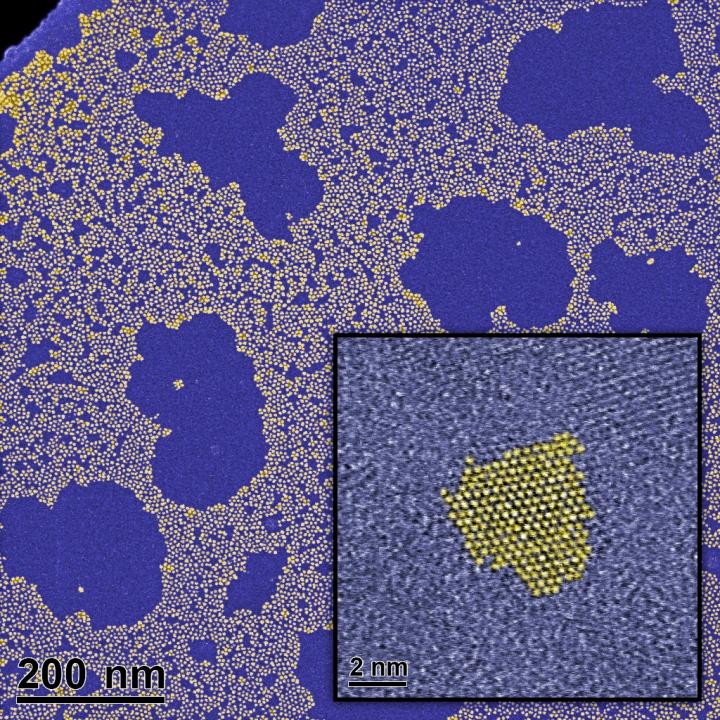
Images of ZnO quantum dots prepared by the Institute of Physical Chemistry of the Polish Academy of Sciences in Warsaw, taken by transmission electron microscopy. False colors. Unique optical features of quantum dots make them an attractive tool for many applications, from cutting-edge displays to medical imaging. Physical, chemical or biological properties of quantum dots must, however, be adapted to the desired needs. Unfortunately, up to now quantum dots prepared by chemical methods could be functionalized using copper-based click reactions with retention of their luminescence. This obstacle can be ascribed to the fact that copper ions destroy the ability of quantum dots to emit light. Scientists from the Institute of Physical Chemistry of the Polish Academy of Sciences (IPC PAS) in Warsaw and the Faculty of Chemistry of the Warsaw University of Technology (FC WUT) have shown, however, that zinc oxide (ZnO) quantum dots prepared by an original method developed by them, after modification by the click reaction with the participation of copper ions, fully retain their ability to emit light.
| Full story | 0 Comments | 15483 views |
| Biotechnology | August 11, 2016 06:30 PM |
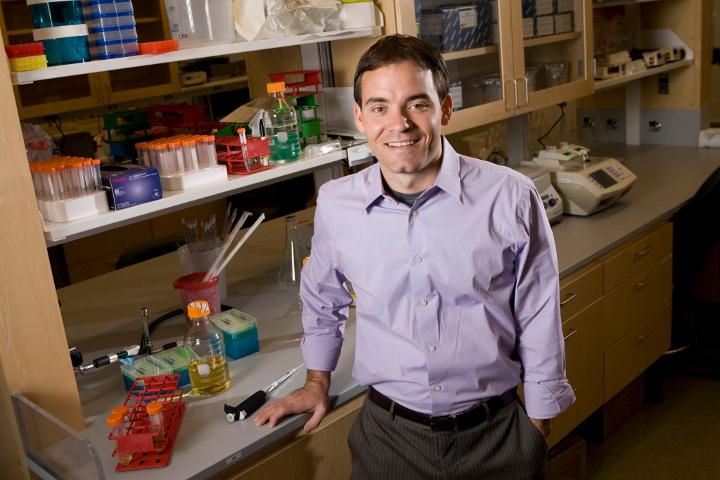
Charles Gersbach, the Rooney Family Associate Professor of Biomedical Engineering and director for the Center of Biomolecular and Tissue Engineering at Duke University. Researchers have used CRISPR -- a revolutionary new genetic engineering technique -- to convert cells isolated from mouse connective tissue directly into neuronal cells.
| Full story | 0 Comments | 14329 views |
| Environment | August 10, 2016 05:54 PM |
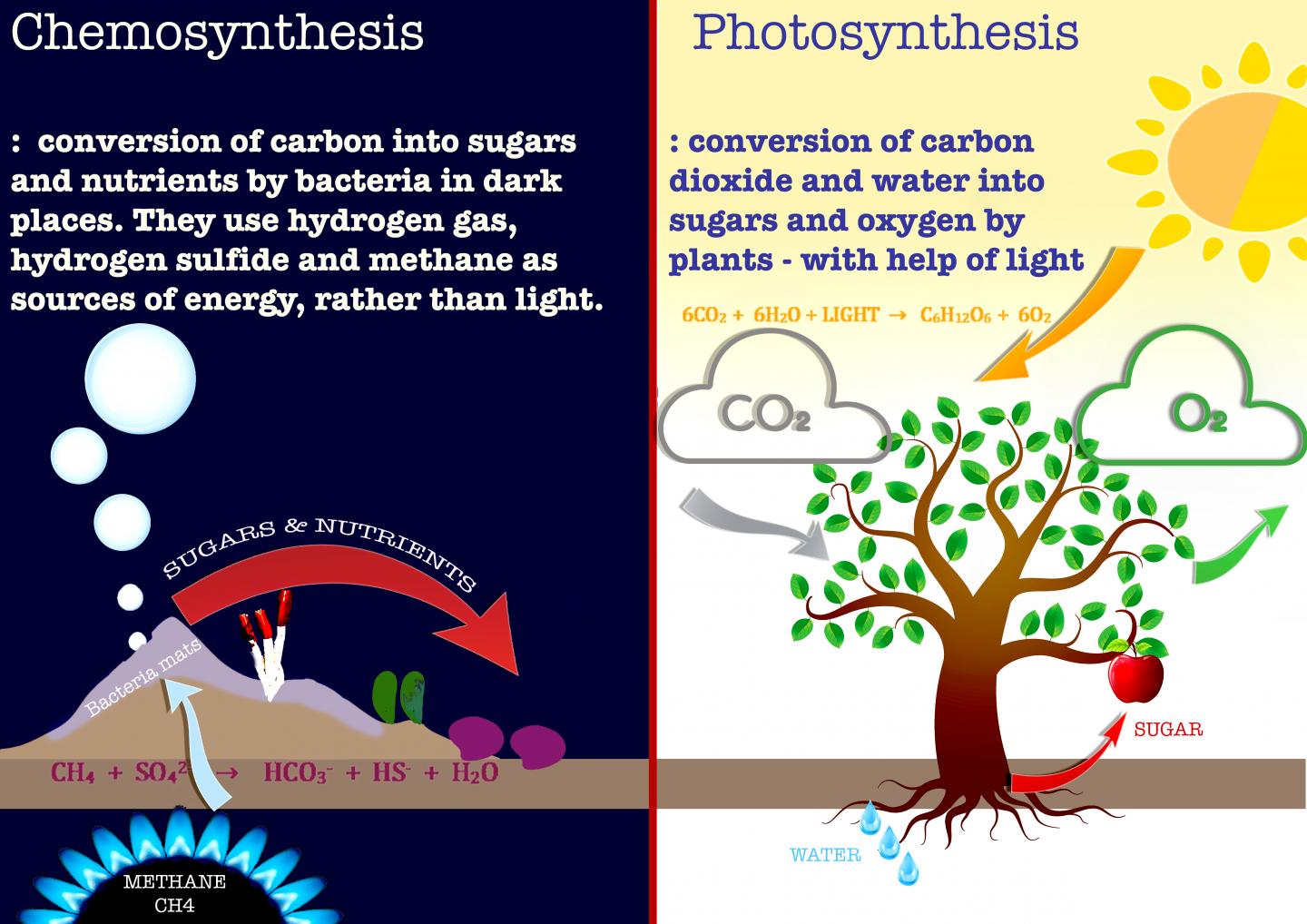
This image shows chemosynthesis vs photosynthesis. Cold seeps are places where hydrocarbons, mostly methane, emanate from the sea floor. Unlike the hydrothermal vents, the fluids and bubbles are no hotter than the surrounding seawater, thus the name.
| Full story | 0 Comments | 13812 views |
| Biology | August 10, 2016 05:54 PM |
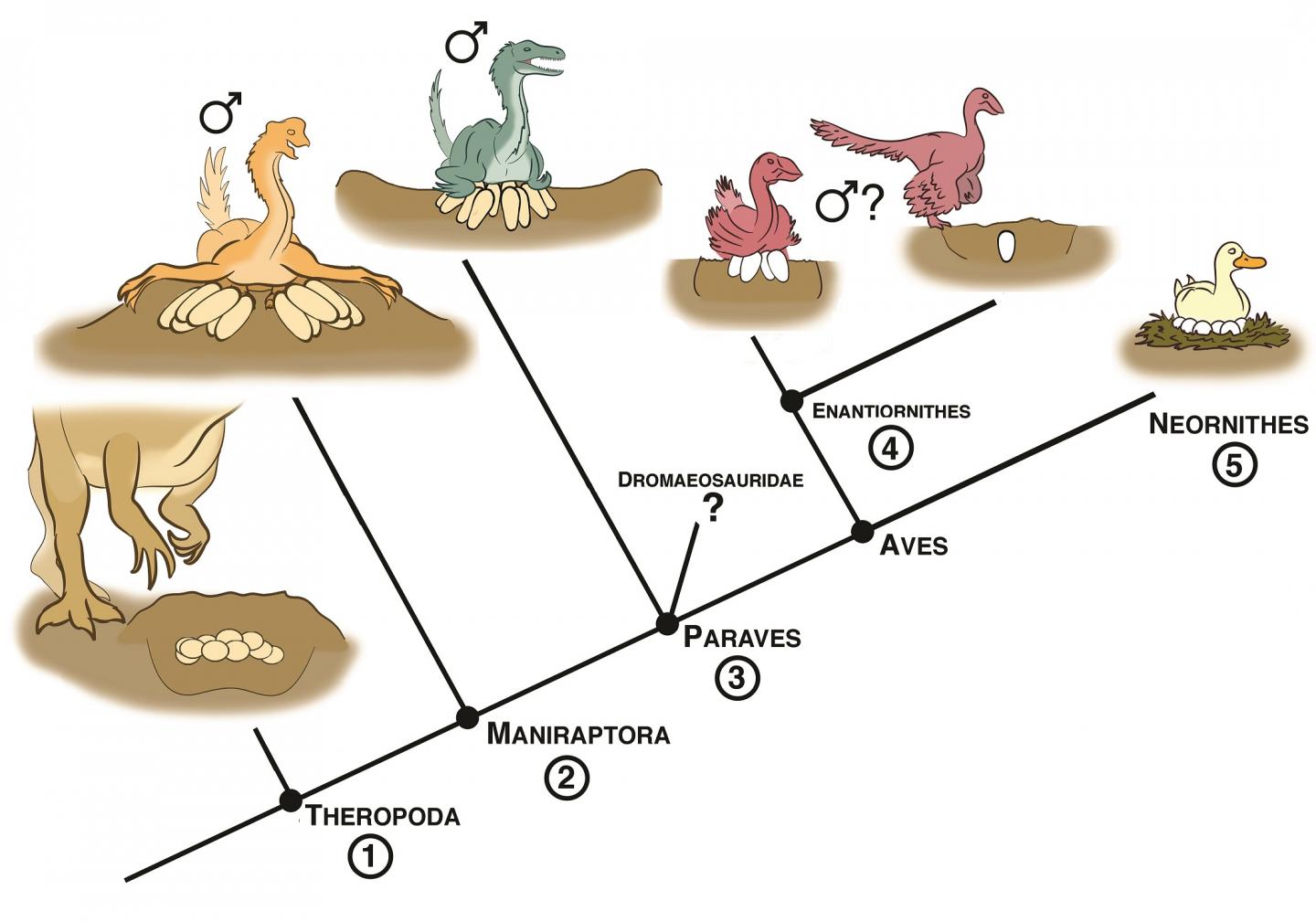
Birds' reproductive strategies have gone through a series of stages, from dinosaurs to today. What really did come first--the chicken or the egg? Birds' reproductive biology is dramatically different from that of any other living vertebrates, and ornithologists and paleontologists have long wondered how and when the unique features of bird reproduction originated. A new Review in The Auk: Ornithological Advances examines answers from three sources--modern birds, fossils of primitive birds, and fossils of the dinosaurs from which birds are descended--to shed new light on the subject.
| Full story | 0 Comments | 22110 views |
| Molecular & Cell Biology | August 10, 2016 05:54 PM |
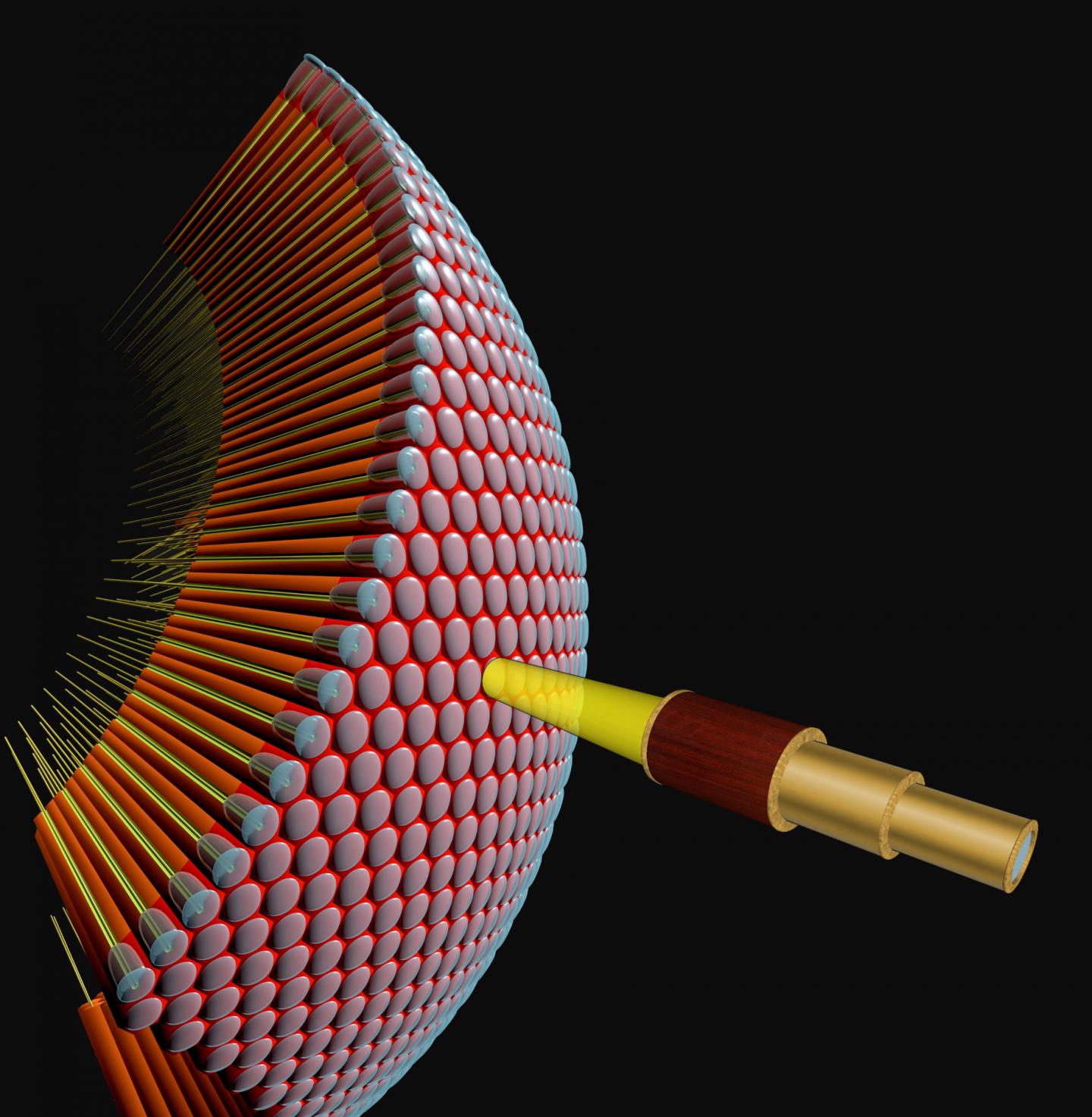
The fly brain recognizes and processes movements very quickly and accurately. As indicated by their name, photoreceptor cells in the eye respond to light: is an image point bright or dark? They do not indicate the direction of a movement. This perception only arises in the brain through the comparative computations of light signals coming from adjacent image points. Engineers, physicists and neurobiologists have been debating the exact nature of these computations for around 50 years. Scientists from the Max Planck Institute of Neurobiology have now combined two theories about these computations, which were previously considered to be alternative hypotheses - and discovered that they are carried out in a single neuron.
| Full story | 0 Comments | 18212 views |
| Biology | August 8, 2016 05:16 PM |
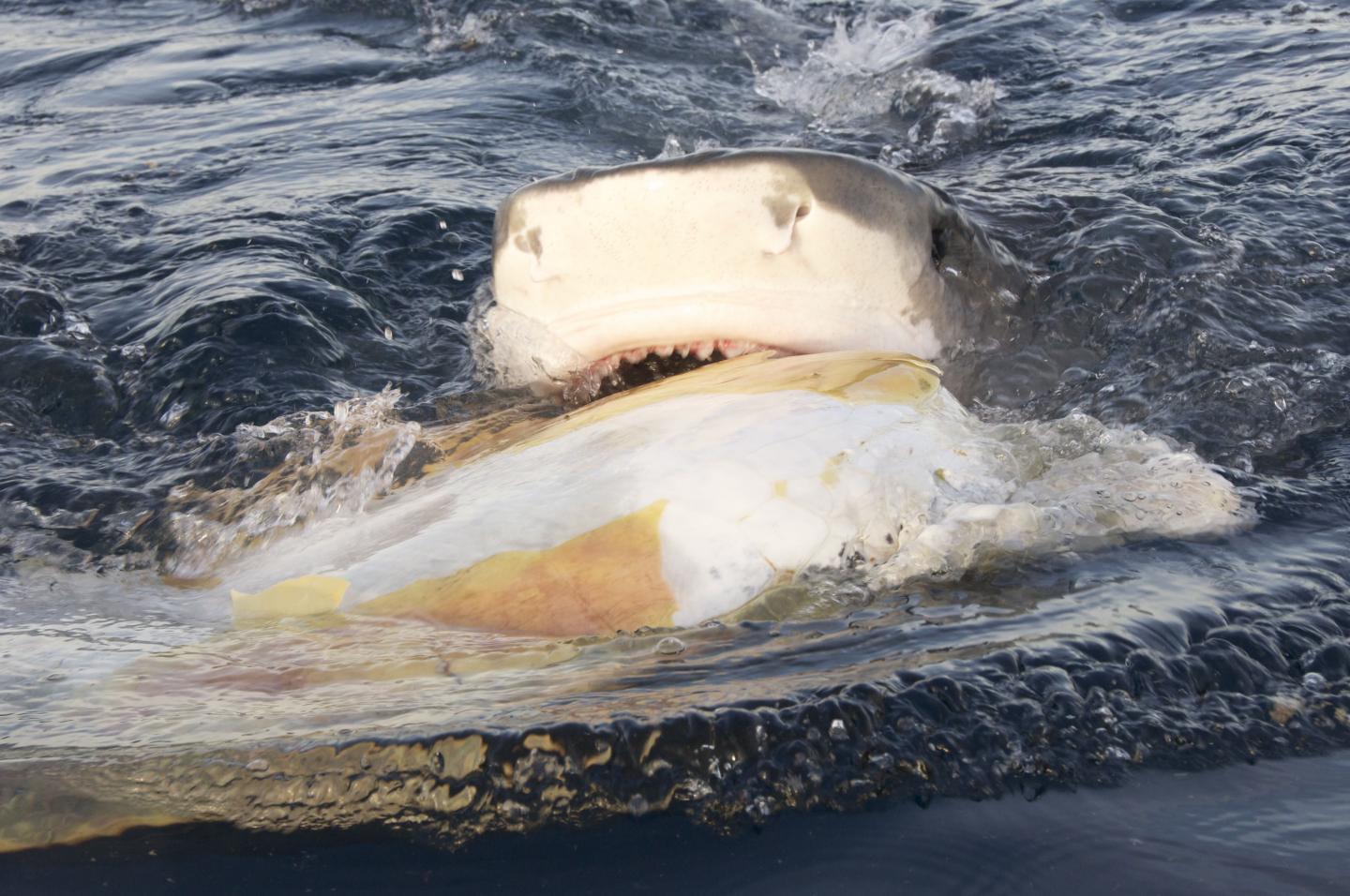
Tiger shark eating a turtle, Tiger sharks are known as impressive predators that hunt and consume almost anything from birds to sea turtles. But when the opportunity presents itself, these sharks easily convert into the role of marine scavengers. This behavior was reported¹ in Springer's journal Behavioral Ecology and Sociobiology by a team of American, Australian and British researchers led by Neil Hammerschlag of the University of Miami Rosenstiel School of Marine and Atmospheric Science in the US. They re-evaluated satellite tracking data collected from tiger sharks and green turtles off the Great Barrier Reef's Raine Island, which is home to the world's largest concentration of nesting green turtles.
| Full story | 0 Comments | 20989 views |
| Molecular & Cell Biology | August 8, 2016 05:16 PM |

3-D reconstruction of a GluMI cell at the ultrastructural level showing its input (magenta puncta) and output (yellow puncta) obtained using serial block face scanning electron microscopy. In the retina of mice, a new type of neuron that falls outside century-old classifications has been discovered.
| Full story | 0 Comments | 18111 views |
| Biotechnology | August 8, 2016 05:16 PM |
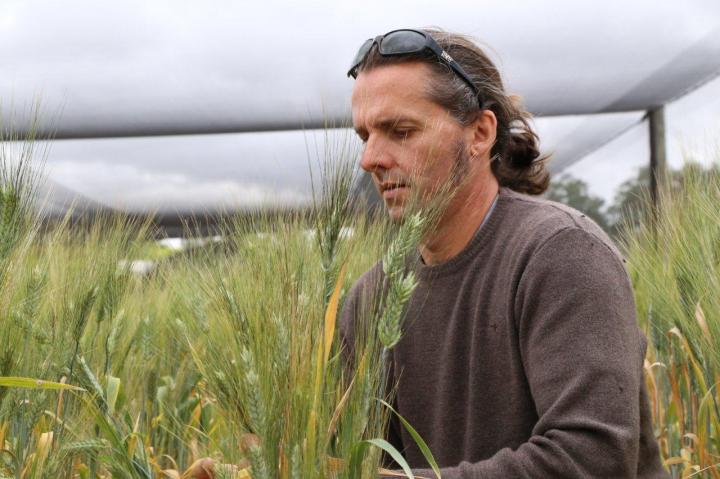
Associate Professor Jason Able with durum wheat in plant breeding trials. University of Adelaide researchers are rethinking plant breeding strategies to improve the development of new high-yielding, stress-tolerant cereal varieties.
| Full story | 0 Comments | 12801 views |

| AIDS & HIV | August 8, 2016 05:16 PM |
After fully sequencing the latent HIV "provirus" genomes from 19 people being treated for HIV, scientists at Johns Hopkins Medicine report that even in patients who start treatment very early, the only widely available method to measure the reservoir of dormant HIV in patients is mostly counting defective viruses that won't cause harm, rather than those that can spring back into action and keep infections going.
| Full story | 0 Comments | 30846 views |
| Environment | August 4, 2016 06:02 PM |
Because the oceans absorb man-made carbon dioxide (CO2) from the atmosphere, its pH declines. Effects of this chemical change on tropical coral reefs can be examined in laboratory or short-term field experiments. However, a team led by Dr. Marlene Wall, marine biologist at GEOMAR Helmholtz Centre for Ocean Research Kiel, chose a different approach: In the framework of the German research network BIOACID (Biological Impacts of Ocean Acidification), they examined corals of the genus Porites, which grow at volcanic carbon dioxide vents in Papua New Guinea and have become a dominant species there.
| Full story | 0 Comments | 12786 views |
| Molecular & Cell Biology | August 4, 2016 06:02 PM |
Duke Health-led researchers have discovered new information about the signaling mechanism of cells that could one day help guide development of more specific drug therapies.
| Full story | 0 Comments | 18620 views |

- In some genetic cases of microcephaly, stem cells fail to launch
- Yale team discovers how Zika virus causes fetal brain damage
- Scientists uncover the way a common cell enzyme alerts the body to invading bacteria
- Arctic gives clues on worst mass extinction of life
- Calcium channel blockers caught in the act at atomic level
Search Bio News Net
Free Biology Newsletter
- Flexibility That A.C.A. Lent to Work Force Is Threatened by...International Herald Tribune
- Bacteria Behind Legionnaires’ Disease Found at New York Police StationInternational Herald Tribune
- Prescription Price Crisis? 28 Million Americans See Spike in Drug...MSNBC.com: Health
- Seizing on Opioid Crisis, a Drug Maker Lobbies Hard for...International Herald Tribune
- Republicans are taking a big political risk on health careAP Health News
- Why We're So Divided Over Saving WolvesNational Geographic News