

Nanotechnology and Functional Materials, Uppsala University have developed a paper filter, which can remove virus particles with the efficiency matching that of the best industrial virus filters. The paper filter consists of 100 percent high purity cellulose nanofibers, directly derived from nature.

| Stem Cell Research | March 31, 2014 05:12 PM |
Scientists at The University of Nottingham have developed a new substance which could simplify the manufacture of cell therapy in the pioneering world of regenerative medicine.
| Full story | 0 Comments | 11681 views |

| Molecular & Cell Biology | March 31, 2014 05:12 PM |
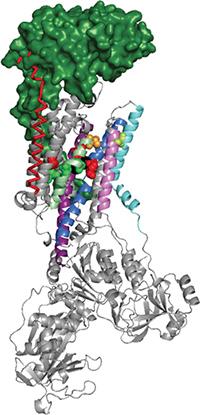
This image shows the structure of the sodium pump, which researchers reveal to be more versatile than previously thought. A study in The Journal of General Physiology provides new evidence that the ubiquitous sodium pump is more complex—and more versatile—than we thought.
| Full story | 0 Comments | 6264 views |
| Molecular & Cell Biology | March 31, 2014 05:12 PM |
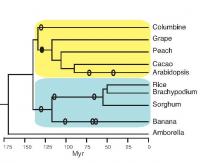
This image shows the evolutionary relationships among the species analyzed for conserved non-coding sequences. 'Myr' stands for million years ago. Ellipses are approximate times of whole-genome duplications. DNA is the molecule that encodes the genetic instructions enabling a cell to produce the thousands of proteins it typically needs. The linear sequence of the A, T, C, and G bases in what is called coding DNA determines the particular protein that a short segment of DNA, known as a gene, will encode. But in many organisms, there is much more DNA in a cell than is needed to code for all the necessary proteins. This non-coding DNA was often referred to as "junk" DNA because it seemed unnecessary. But in retrospect, we did not yet understand the function of these seemingly unnecessary DNA sequences.
| Full story | 0 Comments | 7944 views |

| Bioinformatics | March 27, 2014 05:47 PM |
A group of scientists from Children's Hospital Oakland Research Institute and UC Berkeley report the first mapping of genome methylation in the fruit-fly Drosophila melanogaster in their paper "Genome methylation in D. melanogaster is found at specific short motifs and is independent of DNMT2 activity," published this month in Genome Research.
| Full story | 0 Comments | 6621 views |

| Biotechnology | March 26, 2014 05:57 PM |
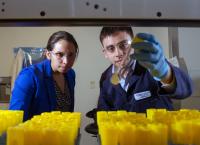
Georgia Tech researchers examine the production of the hydrocarbon pinene in a series of laboratory test tubes. Researchers at the Georgia Institute of Technology and the Joint BioEnergy Institute have engineered a bacterium to synthesize pinene, a hydrocarbon produced by trees that could potentially replace high-energy fuels, such as JP-10, in missiles and other aerospace applications. With improvements in process efficiency, the biofuel could supplement limited supplies of petroleum-based JP-10, and might also facilitate development of a new generation of more powerful engines.
| Full story | 0 Comments | 8921 views |

| Health & Medicine | March 25, 2014 06:26 PM |
The team of Julia Bandow, who heads the RUB's Junior Research Group Microbial Antibiotic Research, has been studying the MP196 peptide as a representative of a group of very small positively charged peptides that consist of some four to ten amino acids. Earlier studies had shown that MP196 is efficient against various bacteria, including particularly problematic multi-resistant pathogens that frequently cause sepsis. How MP196 kills bacteria remained unclear. However, in order for a new substance to be approved as a drug, its mechanism of action has to be fully understood.
| Full story | 0 Comments | 7530 views |

| Biology | March 25, 2014 06:26 PM |
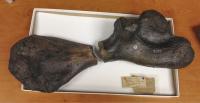
The two partial limb fossils from the ancient sea turtle Atlantochelys mortoni fit together perfectly, leaving little room for doubt that they are from the same bone. "As soon as those two halves came together, like puzzle pieces, you knew it," said Ted Daeschler, PhD, associate curator of vertebrate zoology and vice president for collections at the Academy of Natural Sciences of Drexel University.
| Full story | 0 Comments | 7586 views |
| Biotechnology | March 24, 2014 09:25 PM |
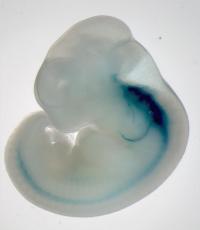
With the new SIF-seq technique, mouse embryonic stem cells can be used to identify human embryonic stem cell enhancers even when the human enhancers are not present in the mouse. An international team led by researchers with the Lawrence Berkeley National Laboratory (Berkeley Lab) has developed a new technique for identifying gene enhancers - sequences of DNA that act to amplify the expression of a specific gene – in the genomes of humans and other mammals. Called SIF-seq, for site-specific integration fluorescence-activated cell sorting followed by sequencing, this new technique complements existing genomic tools, such as ChIP-seq (chromatin immunoprecipitation followed by sequencing), and offers some additional benefits.
| Full story | 0 Comments | 10248 views |
| Molecular & Cell Biology | March 24, 2014 09:25 PM |
Case Western Reserve University researchers have discovered a novel population of neutrophils, which are the body's infection control workhorses. These cells have an enhanced microbial killing ability and are thereby better able to control infection.
| Full story | 0 Comments | 6464 views |
| Molecular & Cell Biology | March 24, 2014 09:25 PM |
Research from the Oklahoma Medical Research Foundation reveals a new complexity to nerve cells in the brain that could affect future therapies aimed at altering mood and memory in humans.
| Full story | 0 Comments | 5841 views |
| Biology | March 24, 2014 09:25 PM |
How does the Arctic tern (a sea bird) fly more than 80,000 miles in its roundtrip North Pole-to-South Pole migration? How does the Emperor penguin incubate eggs for months during the Antarctic winter without eating? How does the Rufous hummingbird, which weighs less than a nickel, migrate from British Columbia to Mexico? These physiological gymnastics would usually be influenced by leptin, the hormone that regulates body fat storage, metabolism and appetite. However, leptin has gone missing in birds - until now.
| Full story | 0 Comments | 7184 views |
| Bioinformatics | March 20, 2014 06:55 PM |
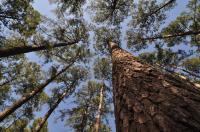
Conifers are the predominant members of the 300 million year old Gymnosperm clade. Conifers are also distinguished by their leviathan genomes. The massive genome of the loblolly pine—around seven times bigger than the human genome—is the largest genome sequenced to date and the most complete conifer genome sequence ever published. This achievement marks the first big test of a new analysis method that can speed up genome assembly by compressing the raw sequence data 100-fold.
| Full story | 0 Comments | 7022 views |
| Biology | March 20, 2014 06:55 PM |
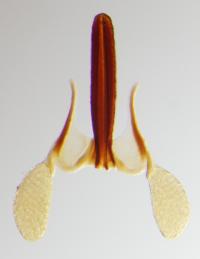
This is an example of the horned pollinaria found in South American milkweed. Rutting stags and clawing bears are but two examples of male animals fighting over a mate, but research in New Phytologist has uncovered the first evidence of similar male struggles leading to the evolution of weaponry in plants.
| Full story | 0 Comments | 6870 views |
| Biology | March 20, 2014 06:55 PM |
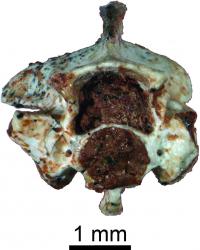
Ohio University scientists have found the oldest definitive fossil evidence of modern, venomous snakes in Africa, according to a new study published March 19 in the journal PLOS ONE Ohio University scientists have found the oldest definitive fossil evidence of modern, venomous snakes in Africa, according to a new study published March 19 in the journal PLOS ONE.
| Full story | 0 Comments | 7200 views |
| Bioinformatics | March 20, 2014 06:55 PM |
Although genome-wide association studies have linked DNA variants in the gene SCN10A with increased risk for cardiac arrhythmia, efforts to determine the gene's direct influence on the heart's electrical activity have been unproductive. Now, scientists from the University of Chicago have discovered that these SCN10A variants regulate the function of a different gene, SCN5A, which appears to be the primary gene responsible for cardiac arrhythmia risk. The SCN10A gene itself plays only a minimal role in the heart, according to the study, published in the Journal of Clinical Investigation on March 18.
| Full story | 0 Comments | 5529 views |
| Biotechnology | March 19, 2014 08:10 PM |
Small protein fragments, also called peptides, are promising as drugs because they can be designed for very specific functions inside living cells. Insulin and the HIV drug Fuzeon are some of the earliest successful examples, and peptide drugs are expected to become a $25 billion market by 2018.
| Full story | 0 Comments | 7824 views |
| Bioinformatics | March 19, 2014 08:10 PM |
A study by Curtin University researchers and colleagues from Denmark and New Zealand strengthens the case for human involvement in the disappearance of New Zealand's iconic megaherbivore, the moa - a distant relative of the Australian Emu.
| Full story | 0 Comments | 5825 views |
| Biology | March 19, 2014 08:10 PM |
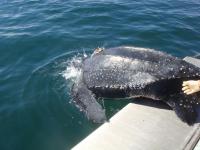
A leatherback turtle equipped with a satellite tag crawls off the tagging vessel, the F/V Sea Holly A first-of-its-kind satellite tagging study of migrating New England leatherback turtles in the North Atlantic offers a greatly improved understanding of their seasonal high-use habitats, diving activity and response to key ocean and environmental features in relation to their search behavior. Leatherbacks are considered endangered species in all the world's oceans.
| Full story | 0 Comments | 6831 views |
| Bioinformatics | March 18, 2014 07:04 PM |
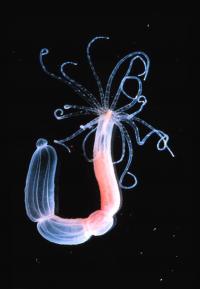
This photo shows Nematostella vectensis. The team led by evolutionary and developmental biologist Ulrich Technau at the University of Vienna discovered that sea anemones display a genomic landscape with a complexity of regulatory elements similar to that of fruit flies or other animal model systems. This suggests, that this principle of gene regulation is already 600 million years old and dates back to the common ancestor of human, fly and sea anemone. On the other hand, sea anemones are more similar to plants rather to vertebrates or insects in their regulation of gene expression by short regulatory RNAs called microRNAs. These surprising evolutionary findings are published in two articles in the journal Genome Research.
| Full story | 0 Comments | 9054 views |
| Molecular & Cell Biology | March 18, 2014 07:04 PM |
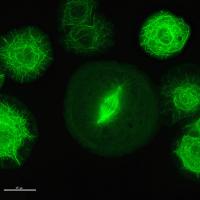
This is an image of a stained Drosophila cell. Scientists from Indiana University are part of a consortium that has described the transcriptome of the fruit fly Drosophila melanogaster in unprecedented detail, identifying thousands of new genes, transcripts and proteins. In the new work, published Sunday in the journal Nature, scientists studied the transcriptome -- the complete collection of RNAs produced by a genome -- at different stages of development, in diverse tissues, in cells growing in culture, and in flies stressed by environmental contaminants. To do so, they used contemporary sequencing technology to sequence all of the expressed RNAs in greater detail than ever before possible.
| Full story | 0 Comments | 32616 views |
| Health & Medicine | March 17, 2014 07:19 PM |
In response to drug-resistant "superbugs" that send millions of people to hospitals around the world, scientists are building tiny, "molecular drill bits" that kill bacteria by bursting through their protective cell walls. They presented some of the latest developments on these drill bits, better known to scientists as antimicrobial peptides (AMPs), at the 247th National Meeting & Exposition of the American Chemical Society (ACS), the world's largest scientific society.
| Full story | 0 Comments | 6325 views |

| Microbiology | March 17, 2014 07:19 PM |
Using genome sequencing, National Institutes of Health (NIH) scientists and their colleagues have tracked the evolution of the antibiotic-resistant bacterium Klebsiella pneumoniae sequence type 258 (ST258), an important agent of hospital-acquired infections. While researchers had previously thought that ST258 K. pneumoniae strains spread from a single ancestor, the NIH team showed that the strains arose from at least two different lineages. The investigators also found that the key difference between the two groups lies in the genes involved in production of the bacterium's outer coat, the primary region that interacts with the human immune system. Their results, which appear online in Proceedings of the National Academy of Sciences, promise to help guide the development of new strategies to diagnose, prevent and treat this emerging public health threat.
| Full story | 0 Comments | 6759 views |
| Health & Medicine | March 12, 2014 04:24 PM |
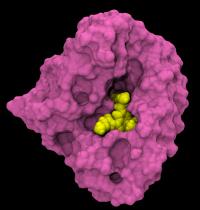
This is a modeled representation of an inhibitory molecule (yellow) in a "pocket " of the HSP90 protein of the parasite (pink). The malaria parasite is particularly pernicious since it is built to develop resistance to treatments. The lack of new therapeutic approaches also contributes to the persistence of this global scourge. A study led by Didier Picard, professor at the Faculty of Sciences of the University of Geneva (UNIGE), Switzerland, describes a new class of molecules targeting the two problems at the same time. Using ultra sophisticated computerised modelling tools, the researchers were successful in identifying a type of candidate molecules toxic for the pathogen, but not for the infected human red blood cells. The study, led in collaboration with researchers from the Geneva-Lausanne School of Pharmacy (EPGL) and the University of Basel, has been published in the Journal of Medicinal Chemistry.
| Full story | 0 Comments | 8231 views |
| Molecular & Cell Biology | March 12, 2014 04:24 PM |
Multiple regions in the human genome are reported to be linked to musical aptitude, according to a study published this week in Molecular Psychiatry. The function of the candidate genes implicated in the study ranges from inner-ear development to auditory neurocognitive processes, suggesting that musical aptitude is affected by a combination of genes involved in the auditory pathway. The research was funded by the Academy of Finland.
| Full story | 0 Comments | 10755 views |
| Microbiology | March 12, 2014 04:24 PM |

Dr. David Coil, a microbiologist at UC Davis and Project MERCCURI team member, gathers microbial samples from the Sacramento Kings basketball court in the Sleep Train Arena. Microbes collected from Northern California and throughout the nation will soon blast into orbit for research and a microgravity growth competition on the International Space Station (ISS).
| Full story | 0 Comments | 9768 views |
| Health & Medicine | March 11, 2014 05:36 PM |
Melbourne scientists are a step closer to creating a new drug to stop a heart attack in its tracks and reduce the damage caused, without any side effects.
| Full story | 0 Comments | 8526 views |
| Health & Medicine | March 11, 2014 05:36 PM |
A short-term study found that oral glucosamine supplementation is not associated with a lessening of knee cartilage deterioration among individuals with chronic knee pain. Findings published in Arthritis & Rheumatology, a journal of the American College of Rheumatology (ACR) journal, indicate that glucosamine does not decrease pain or improve knee bone marrow lesions—more commonly known as bone bruises and thought to be a source of pain in those with osteoarthritis (OA).
| Full story | 0 Comments | 5648 views |
| Biology | March 11, 2014 05:36 PM |
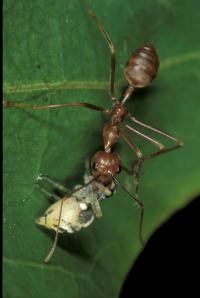
The protector species, the weaver ant Oecophylla smaragdina, can also turn predator of the associate species, the jumping spider Phintella piatensis. A timid jumping spider uses the scent of ants as a secret weapon to save itself from becoming the somewhat soggy prey of the predatory spitting spider. The downside to this plan is that jumping spiders are also a favorite snack of its very own saviors. To overcome this additional hazard, the spider has made yet another plan in the form of an ant-proof nest, writes Ximena Nelson of the University of Canterbury in New Zealand and Robert Jackson of the University of Canterbury and the International Centre of Insect Physiology and Ecology in Kenya, in Springer's journal Behavioral Ecology and Sociobiology.
| Full story | 0 Comments | 8413 views |
| Biotechnology | March 11, 2014 05:36 PM |
Sometimes it only takes a quick jolt of electricity to get a swarm of cells moving in the right direction.
| Full story | 0 Comments | 6392 views |
| Microbiology | March 10, 2014 06:17 PM |
The gut microbiota contains a vast number of microorganisms from all three domains of life, including bacteria, archaea and fungi, as well as viruses. These interact in a complex way to contribute towards both health and the development of disease — interactions that are only now being elucidated thanks to the application of advanced DNA sequencing technology in this field.
| Full story | 0 Comments | 7699 views |
| Health & Medicine | March 6, 2014 05:16 PM |
Researchers have debated for more than two decades the likely impacts, if any, of global warming on the worldwide incidence of malaria, a mosquito-borne disease that infects more than 300 million people each year.
| Full story | 0 Comments | 8355 views |
| Molecular & Cell Biology | March 6, 2014 05:16 PM |
Our DNA and its architecture are duplicated every time our cells divide. Histone proteins are key building blocks of this architecture and contain crucial information that regulates our genes. Danish researchers show how an enzyme controls reliable and high-speed delivery of histones to DNA copying hubs in our cells. This shuttling mechanism is crucial to maintain normal function of our genes and prevent disease. The results are published in the journal Nature Communications.
| Full story | 0 Comments | 7492 views |
| Biology | March 6, 2014 05:16 PM |
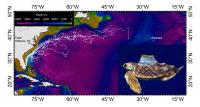
This shows the North Atlantic tracking routes of 17 juvenile loggerhead sea turtles. A new study satellite tracked 17 young loggerhead turtles in the Atlantic Ocean to better understand sea turtle nursery grounds and early habitat use during the 'lost years.' The study, conducted by a collaborative research team, including scientists from the University of Miami (UM) Rosenstiel School of Marine and Atmospheric Science, was the first long-term satellite tracking study of young turtles at sea.
| Full story | 0 Comments | 7379 views |
| Biology | March 5, 2014 05:59 PM |
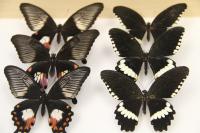
Papilio polytes, an Asian swallowtail butterfly species also known as the Common Mormon, possesses distinctive mimicry patterns (left). The same species also has non-mimetic forms (right). A single gene regulates the complex wing patterns, colors and structures required for mimicry in swallowtail butterflies, report scientists from the University of Chicago, March 5 in Nature. Surprisingly, the gene described, doublesex, is already well-known for its critical role in sexual differentiation in insects.
| Full story | 0 Comments | 7436 views |
| Biotechnology | March 4, 2014 03:50 PM |
Lentiviruses, which belong to the family of retroviruses, are used as vectors to exchange genetic material in cells and can be used to replace a defective gene as defined by gene therapy. Increasing the efficiency of such a treatment poses a major medical challenge: the virus should specifically track the target cells, but the number of virus used should be as low as possible.
| Full story | 0 Comments | 7802 views |
| Molecular & Cell Biology | March 4, 2014 03:50 PM |
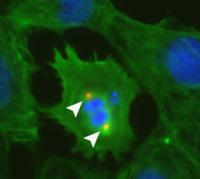
In the heart muscle cell above, the arrows show an early sign of replication. In a study that began in a pair of infant siblings with a rare heart defect, Johns Hopkins researchers say they have identified a key molecular switch that regulates heart cell division and normally turns the process off around the time of birth. Their research, they report, could advance efforts to turn the process back on and regenerate heart tissue damaged by heart attacks or disease.
| Full story | 0 Comments | 7666 views |
| Molecular & Cell Biology | March 3, 2014 04:56 PM |
Researchers at Columbia University have made a significant step toward visualizing small biomolecules inside living biological systems with minimum disturbance, a longstanding goal in the scientific community. In a study published March 2nd in Nature Methods, Assistant Professor of Chemistry Wei Min's research team has developed a general method to image a broad spectrum of small biomolecules, such as small molecular drugs and nucleic acids, amino acids, lipids for determining where they are localized and how they function inside cells.
| Full story | 0 Comments | 6477 views |
| Molecular & Cell Biology | March 3, 2014 04:56 PM |
A new way of measuring how much light a plant can tolerate could be useful in growing crops resilient to a changing climate, according to scientists from Queen Mary University of London.
| Full story | 0 Comments | 8411 views |

- In some genetic cases of microcephaly, stem cells fail to launch
- Yale team discovers how Zika virus causes fetal brain damage
- Scientists uncover the way a common cell enzyme alerts the body to invading bacteria
- Arctic gives clues on worst mass extinction of life
- Calcium channel blockers caught in the act at atomic level
Search Bio News Net
Free Biology Newsletter
- Flexibility That A.C.A. Lent to Work Force Is Threatened by...International Herald Tribune
- Bacteria Behind Legionnaires’ Disease Found at New York Police StationInternational Herald Tribune
- Prescription Price Crisis? 28 Million Americans See Spike in Drug...MSNBC.com: Health
- Seizing on Opioid Crisis, a Drug Maker Lobbies Hard for...International Herald Tribune
- Republicans are taking a big political risk on health careAP Health News
- Why We're So Divided Over Saving WolvesNational Geographic News