

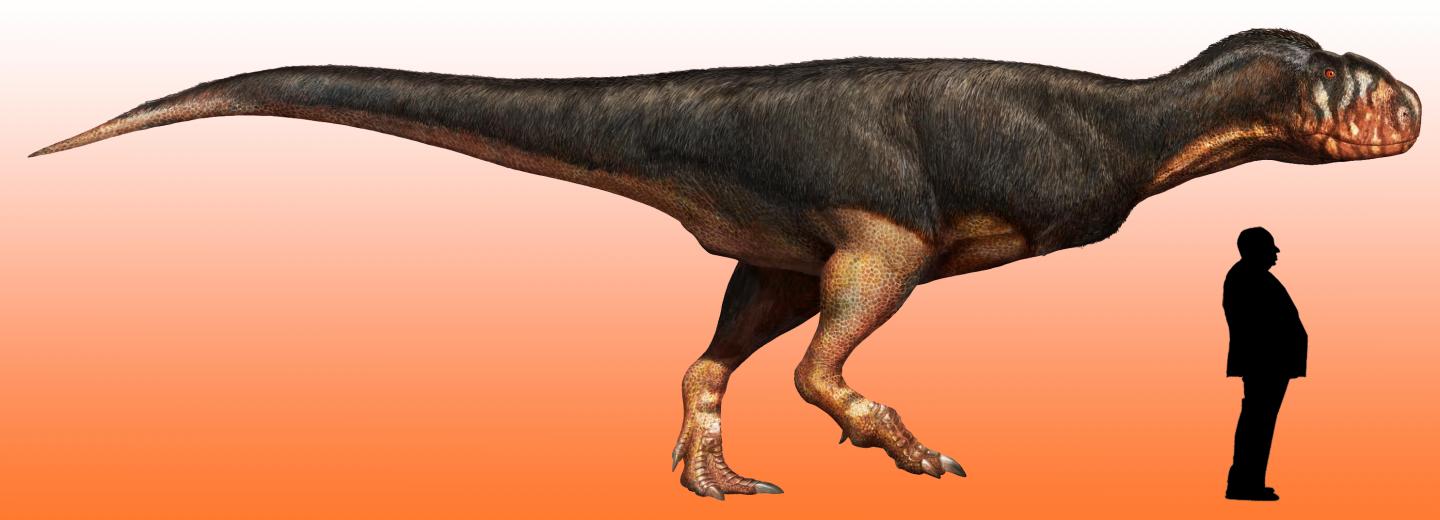
Here is an artist's drawing of the abelisaur. An unidentified fossilised bone in a museum has revealed the size of a fearsome abelisaur and may have solved a hundred-year old puzzle.

| Biology | February 29, 2016 06:43 PM |
| Full story | 0 Comments | 12059 views |

| Molecular & Cell Biology | February 29, 2016 06:43 PM |
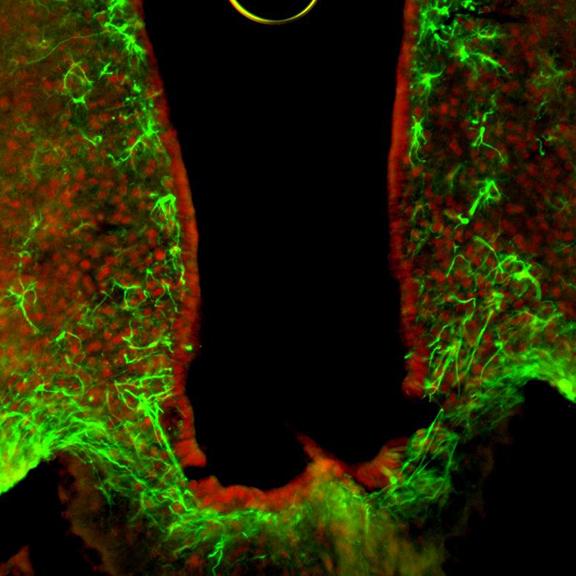
HDAC5 (red) is a key factor in neurons for the control of food intake, astrocytes are stained in green. Why do we get fat and why is it so difficult for so many people to keep off excess weight? Researchers in the Reseach Unit Neurobiology of Diabetes led by Dr. Paul Pfluger and at the Institute for Diabetes and Obesity led by Prof. Dr. Matthias Tschöp have now identified a new component in the complex fine-tuning of body weight and food intake. They found that the enzyme histone deacetylase 5 (HDAC5) has a significant influence on the effect of the hormone leptin*. This hormone plays a crucial role in triggering satiety and thus on how the body adapts to a changing food environment.
| Full story | 0 Comments | 5983 views |
| Biology | February 29, 2016 06:43 PM |
Sometimes evolution proceeds much more rapidly than we might think. Genetic analysis makes it possible to detect the earliest stages of species formation and to gain a better understanding of speciation processes. For example, a study just published in PLOS Genetics by researchers from Eawag and the University of Bern - investigating rapid speciation in threespine stickleback in and around Lake Constance - shows that a species can begin to diverge very rapidly, even when the two daughter species breed alongside one another simultaneously.
| Full story | 0 Comments | 6722 views |

| Biotechnology | February 29, 2016 06:43 PM |
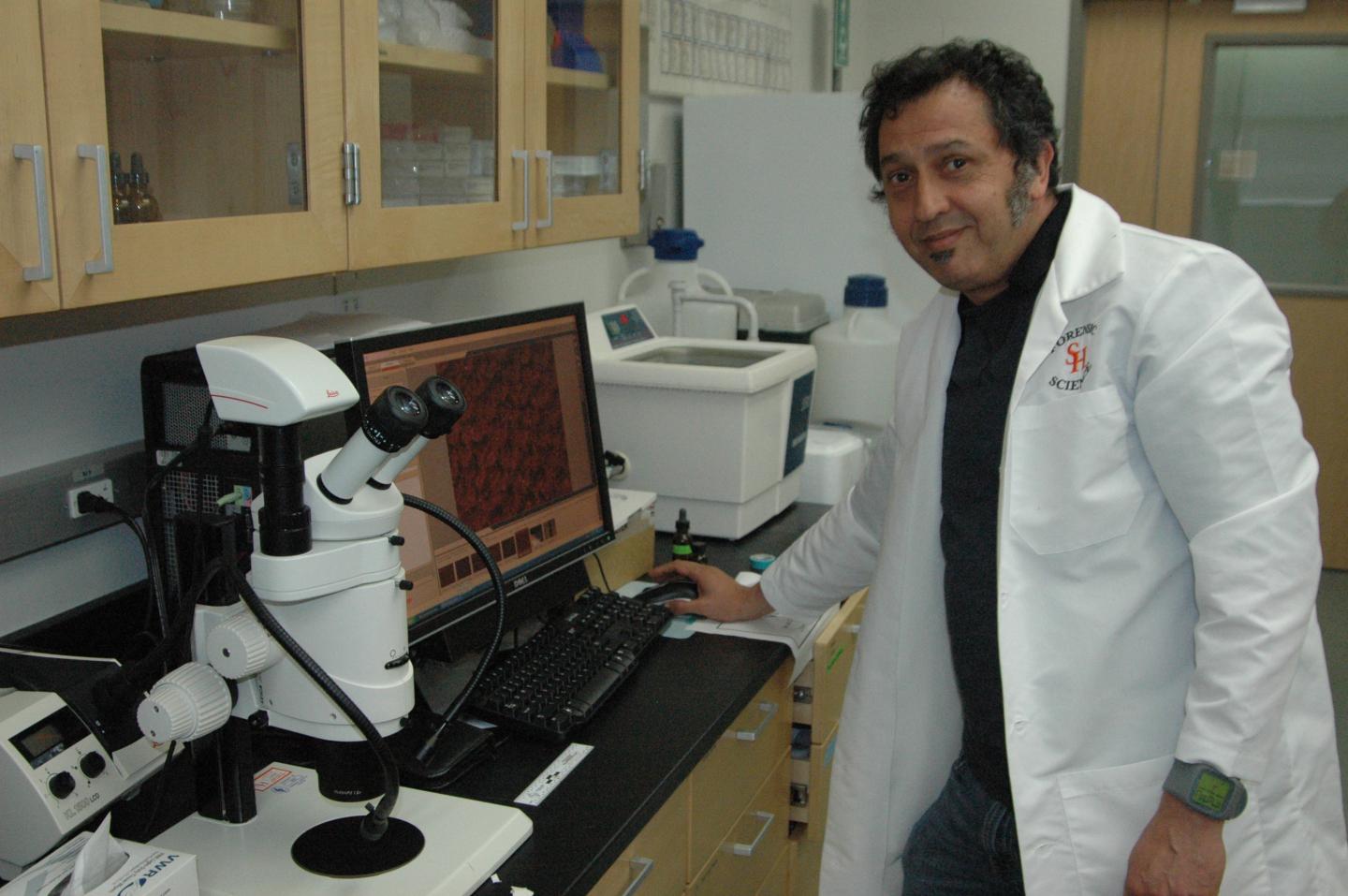
Dr. David Gangitano is an associate professor in the Department of Forensic Science at Sam Houston State University. Sam Houston State University is advancing the field of forensic botany with the publication of two recent studies that use marijuana DNA to link drug supplies and pollen DNA to aid in forensic investigations.
| Full story | 0 Comments | 7731 views |

- In some genetic cases of microcephaly, stem cells fail to launch
- Yale team discovers how Zika virus causes fetal brain damage
- Scientists uncover the way a common cell enzyme alerts the body to invading bacteria
- Arctic gives clues on worst mass extinction of life
- Calcium channel blockers caught in the act at atomic level
Search Bio News Net
Free Biology Newsletter
- Flexibility That A.C.A. Lent to Work Force Is Threatened by...International Herald Tribune
- Bacteria Behind Legionnaires’ Disease Found at New York Police StationInternational Herald Tribune
- Prescription Price Crisis? 28 Million Americans See Spike in Drug...MSNBC.com: Health
- Seizing on Opioid Crisis, a Drug Maker Lobbies Hard for...International Herald Tribune
- Republicans are taking a big political risk on health careAP Health News
- Why We're So Divided Over Saving WolvesNational Geographic News