

Proteins inside bacteria cells engage in "search-and-rescue"-type behavior to ferret out mismatched DNA and fix it to thwart dangerous mutations that can be associated with certain cancers, a University of Michigan study found.

| Health & Medicine | November 9, 2015 06:23 PM |
Genetic mutations in a gene called REST have been shown to cause Wilms tumour, a rare kidney cancer that occurs in children.
| Full story | 0 Comments | 6722 views |
| Health & Medicine | November 9, 2015 06:23 PM |
The continued marketing and use of experimental stem cell-based interventions inside and outside the United States is problematic and unsustainable, according to a new paper by science policy and bioethics experts at Rice University's Baker Institute for Public Policy and Wake Forest University. Disillusioned patients, tired of waiting for the cures they were promised, are seeking unproven stem cell-based treatments that are causing more harm than good, said the experts, who argue that public policy is needed to reduce this form of "stem cell tourism."
| Full story | 0 Comments | 5524 views |

| Stem Cell Research | November 9, 2015 06:23 PM |
Blastocysts in this study were immunostained to show pluripotency factor NANOG localised to the inner cell mass, primitive endoderm specifier GATA6, outer trophectoderm marker CDX2 and nuclei. Researchers at EMBL's European Bioinformatics Institute (EMBL-EBI) and the Wellcome Trust- Medical Research Council Cambridge Stem Cell Institute at the University of Cambridge have identified factors that spark the formation of pluripotent cells. Their findings, published in Developmental Cell, shed light on human embryonic development and help research into cell reprogramming and assisted conception.
| Full story | 0 Comments | 6505 views |

| Molecular & Cell Biology | November 9, 2015 06:23 PM |
Scientists at the Institute of Molecular Biology (IMB) have been able to see, for the first time, the dramatic changes that occur in the DNA of cells that are starved of oxygen and nutrients. This starved state is typical in some of today's most common diseases, particularly heart attacks, stroke and cancer. The findings provide new insight into the damage these diseases cause and may help researchers to discover new ways of treating them.
| Full story | 0 Comments | 5033 views |

| Biotechnology | November 9, 2015 06:23 PM |
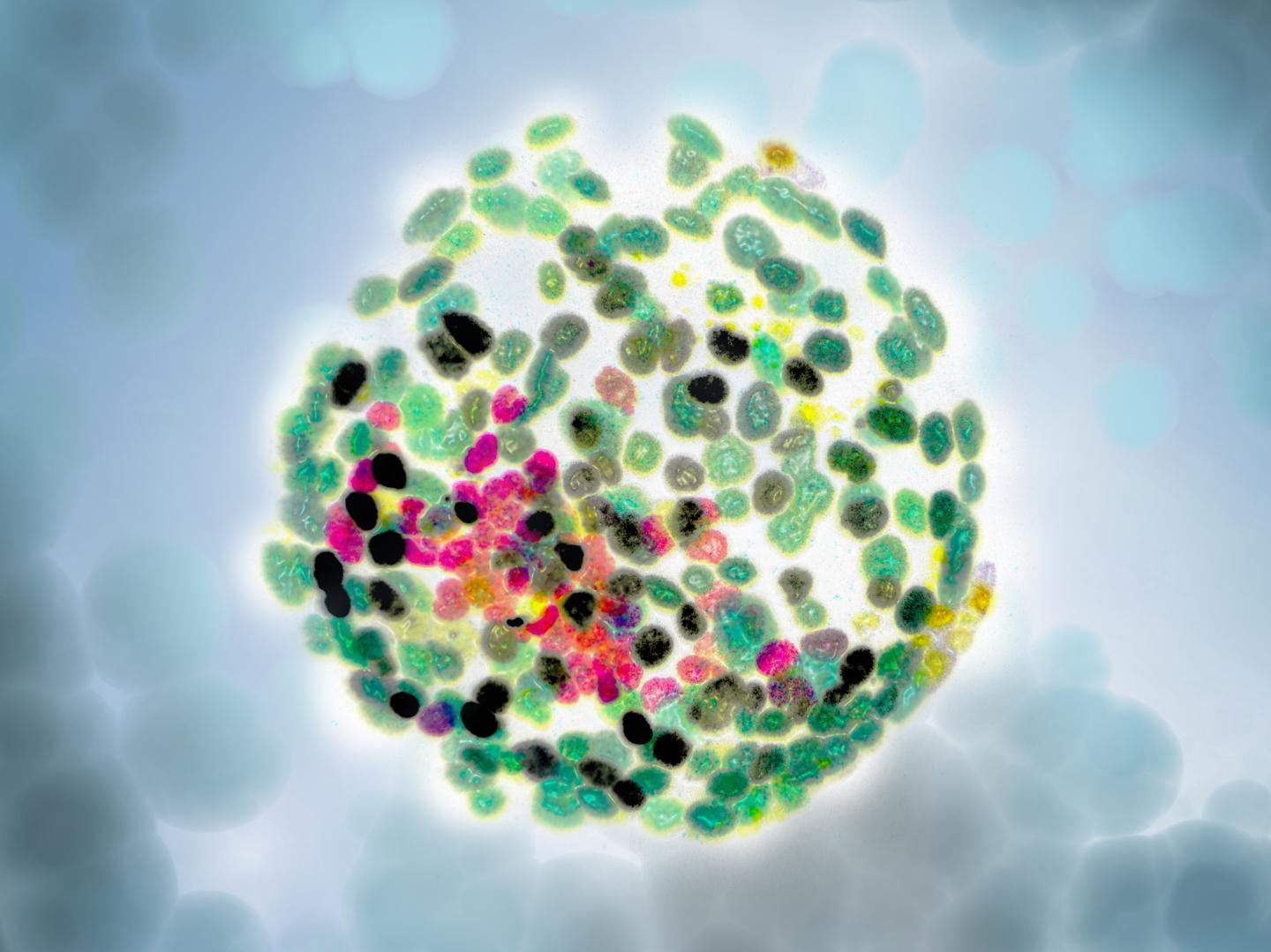
While there are no cures for neurological diseases such as Alzheimer's and Parkinson's, many researchers believe that one could be found in neural stem cells. Unfortunately, scientists do not yet have a full understanding of how these cells behave and differentiate, which has put a roadblock in the path to potential life-saving treatments.
| Full story | 0 Comments | 6797 views |

- In some genetic cases of microcephaly, stem cells fail to launch
- Yale team discovers how Zika virus causes fetal brain damage
- Scientists uncover the way a common cell enzyme alerts the body to invading bacteria
- Arctic gives clues on worst mass extinction of life
- Calcium channel blockers caught in the act at atomic level
Search Bio News Net
Free Biology Newsletter
- Flexibility That A.C.A. Lent to Work Force Is Threatened by...International Herald Tribune
- Bacteria Behind Legionnaires’ Disease Found at New York Police StationInternational Herald Tribune
- Prescription Price Crisis? 28 Million Americans See Spike in Drug...MSNBC.com: Health
- Seizing on Opioid Crisis, a Drug Maker Lobbies Hard for...International Herald Tribune
- Republicans are taking a big political risk on health careAP Health News
- Why We're So Divided Over Saving WolvesNational Geographic News