


A biosensor made from an array of silver nanoparticles deposited on glass. Nanotechnology is now available in a store near you. Valued for it’s antibacterial and odor-fighting properties, nanoparticle silver is becoming the star attraction in a range of products from socks to bandages to washing machines. But as silver’s benefits propel it to the forefront of consumer nanomaterials, scientists are recommending a closer examination of the unforeseen environmental and health consequences of nanosilver.

| Biotechnology | April 6, 2008 11:10 PM |
| Full story | 0 Comments | 5775 views |
| Biotechnology | April 6, 2008 11:10 PM |
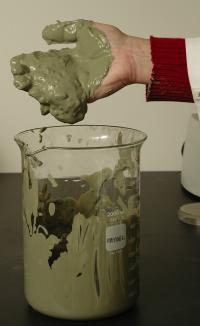
Minerals from clay could provide a source of powerful antimicrobials for fighting deadly MRSA infections and other diseases. Mud may be coming to a medicine cabinet or pharmacy near you. Scientists in Arizona report that minerals from clay could form the basis of a new generation of inexpensive, highly-effective antimicrobials for fighting MRSA infections that are moving out of health care settings and into the community. These “superbugs” are increasingly resistant to multiple antibiotics and cause thousands of deaths each year.
| Full story | 0 Comments | 6913 views |

| Biology | April 6, 2008 11:10 PM |
Having a lower social standing increases the likelihood that a monkey faced with a stressful situation will choose cocaine over food, according to a study at Wake Forest University School of Medicine. More dominant monkeys undergoing the same stressful situation had fewer changes in brain activity in areas of the brain involved in stress and anxiety and were less likely to choose cocaine.
| Full story | 0 Comments | 5316 views |

| Molecular & Cell Biology | April 6, 2008 11:10 PM |
Scientists are beginning to develop a clearer picture of what makes some people stand head and shoulders above the rest. A team of researchers who last year identified the first common version of a gene influencing height has now identified a further twenty regions of the genome which together can make a height difference of up to 6cm.
| Full story | 0 Comments | 6018 views |
| Biology | April 6, 2008 11:10 PM |

Alligator blood could provide a powerful new source of antibiotics for fighting deadly "superbugs " and other infections, researchers say. Despite their reputation for deadly attacks on humans and pets, alligators are wiggling their way toward a new role as potential lifesavers in medicine, biochemists in Louisiana reported today at the 235th national meeting of the American Chemical Society. They described how proteins in gator blood may provide a source of powerful new antibiotics to help fight infections associated with diabetic ulcers, severe burns, and “superbugs” that are resistant to conventional medication.
| Full story | 0 Comments | 10573 views |

- In some genetic cases of microcephaly, stem cells fail to launch
- Yale team discovers how Zika virus causes fetal brain damage
- Scientists uncover the way a common cell enzyme alerts the body to invading bacteria
- Arctic gives clues on worst mass extinction of life
- Calcium channel blockers caught in the act at atomic level
Search Bio News Net
Free Biology Newsletter
- Flexibility That A.C.A. Lent to Work Force Is Threatened by...International Herald Tribune
- Bacteria Behind Legionnaires’ Disease Found at New York Police StationInternational Herald Tribune
- Prescription Price Crisis? 28 Million Americans See Spike in Drug...MSNBC.com: Health
- Seizing on Opioid Crisis, a Drug Maker Lobbies Hard for...International Herald Tribune
- Republicans are taking a big political risk on health careAP Health News
- Why We're So Divided Over Saving WolvesNational Geographic News