


Swedish drilling vessel, Vidar Viking, led the Arctic Coring Expedition, when scientists set out to retrieve subseafloor sediment records to support their investigations into climate change.A group of ocean-drilling research scientists that explored the Arctic Ocean subseafloor in Fall 2004 have released new findings in a report to be published in Nature on June 1. The report, supported by Integrated Ocean Drilling Program (IODP) research operations, contains analyses of subseafloor sediment samples gathered from 430 meters beneath the Arctic Ocean, near the North Pole. To recover the sediments that yielded the prehistoric climate records, the research team needed to manage three ice-breakers, one of which was equipped with a drill rig. The sediment records were recovered from the Lomonsov Ridge, in water about 1000 meters deep.

| Environment | May 31, 2006 11:40 PM |
| Full story | 0 Comments | 6470 views |
| Environment | May 31, 2006 10:40 PM |
Ecosystems containing many different plant species are not only more productive, they are also better able to withstand and recover from climate extremes, pests and disease over long periods of time.
| Full story | 0 Comments | 6005 views |

| Biology | May 31, 2006 09:19 PM |
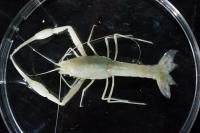
Closeup of one of the crustaceans found in cave near Ramle, IsraelDiscovery of eight previously unknown, ancient animal species within "a new and unique underground ecosystem" in Israel was revealed today by Hebrew University of Jerusalem researchers.
| Full story | 1 Comment | 8401 views |

| Molecular & Cell Biology | May 31, 2006 08:19 PM |
Researchers found that they could eliminate the rewarding effect of cocaine on mice by genetically manipulating a key target of the drug in the animal's brain.
| Full story | 0 Comments | 9818 views |
| Biology | May 31, 2006 07:40 PM |
Comfortable living is not why so many different life forms seem to converge at the warmer areas of the planet.
| Full story | 0 Comments | 5723 views |
| Biology | May 31, 2006 06:40 PM |
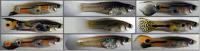
Guppies are small tropical fish native to Trinidad and other areas of the Caribbean. They are characterized by sexual dimorphism in size and color patterns. The color pattern variation of the males (left and right columns) is mostly genetic variation, not environmental. New data indicates that rare-colored males not only attract females (center column), they are also more likely to survive predation.Any owner of a freshwater aquarium likely has had guppies (Poecilia reticulata), those small brightly colored fish with a propensity for breeding. Now guppy populations manipulated in natural habitats in Trinidad have taught researchers an evolutionary lesson on the survival of a rare genetic trait.
| Full story | 0 Comments | 8515 views |

| Biotechnology | May 31, 2006 05:39 PM |
Researchers have discovered the genetic controls which cause trees to stop growing and go dormant in the fall, as well as the mechanism that causes them to begin flowering and produce seeds – a major step forward in understanding the basic genetics of tree growth.
| Full story | 0 Comments | 6264 views |

| Microbiology | May 30, 2006 11:00 PM |
A new study suggests that the risk of transmitting the virus that causes most cases of genital herpes could be cut in half by more testing and informing sexual partners of infection. The study is published in the July 1 issue of The Journal of Infectious Diseases, now available online.
| Full story | 0 Comments | 8581 views |
| Molecular & Cell Biology | May 30, 2006 10:00 PM |
A potentially ground-breaking treatment for nerve damage caused by diabetes has shown promising results in preclinical and early patient trials.
| Full story | 0 Comments | 6780 views |
| Molecular & Cell Biology | May 30, 2006 09:00 PM |
The researcher Zafira Castaño has discovered that the loss of a protein in the early phases of lung cancer favors tumor growth. This was the conclusion that the Doctor in Biochemistry reached in the dissertation which she defended at the University of Navarra.
| Full story | 0 Comments | 6806 views |

| Health & Medicine | May 30, 2006 08:00 PM |
Using small molecules containing platinum, Virginia Commonwealth University Massey Cancer Center researchers have created a process to inhibit a class of proteins important in HIV and cancer.
| Full story | 0 Comments | 7463 views |
| Health & Medicine | May 30, 2006 07:00 PM |
Neurochem Inc. (NASDAQ: NRMX; TSX: NRM) is pleased to announce that Neurobiology of Aging, one of the world's leading peer-reviewed medical journals in the fields of gerontology and neuroscience, has published an online version of a publication on the preclinical development of tramiprosate (3-amino-1-propanesulfonic acid; Alzhemed™), including efficacy results in a mouse model of brain amyloidosis. Tramiprosate (Alzhemed™) represents a potential new class of therapeutic agent and is Neurochem's investigational product candidate for the treatment of Alzheimer's disease (AD). The results presented in this paper include the amyloid binding and neuroprotective characteristics of tramiprosate (Alzhemed™) and provide evidence for the potential disease-modifying effect of this product candidate to slow or arrest the progression of AD.
| Full story | 0 Comments | 7502 views |
| Health & Medicine | May 30, 2006 05:00 PM |
Non-traumatic amputations – those caused by arterial blockages related to diabetes, smoking, obesity and vascular system complications – are occurring at an alarming rate. Yet physicians may be too quick to amputate as 85 percent of them may be preventable, according to the International Diabetes Foundation.
| Full story | 0 Comments | 7035 views |
| Environment | May 30, 2006 02:02 PM |
Reflooding of Iraq's destroyed Mesopotamian marshes since 2003 has resulted in a "remarkable rate of reestablishment" of native invertebrates, plants, fish, and birds, according to an article in the June issue of BioScience.
| Full story | 0 Comments | 6568 views |
| Molecular & Cell Biology | May 30, 2006 12:03 PM |
Methylphenidate (Ritalin) elevates norepinephrine levels in the brains of rats to help focus attention while suppressing nerve signal transmissions in the sensory pathways to make it easier to block out extraneous stimuli, a Philadelphia research team has found.
| Full story | 0 Comments | 6561 views |
| Health & Medicine | May 30, 2006 10:03 AM |
-A new imaging method has revealed early signs of emphysema in smokers with no external symptoms of the disease, according to a study published in the June issue of Radiology. The study, supported by the National Institutes of Health, details a new magnetic resonance imaging (MRI) technique that appears to be much more sensitive to lung changes than even the current modality of choice, computed tomography (CT).
| Full story | 0 Comments | 6413 views |
| Microbiology | May 29, 2006 09:49 PM |
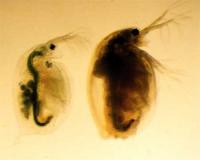
Exposing Daphnia host clones to spores from the castrating bacterium Pasteuria ramosa provides experimental evidence that parasite fitness is maximized at intermediate levels of virulence.
When horror-movie writers run out of ideas, they can always turn to parasites. Imagine the possibilities with flesh-eating bacteria, suicide-inducing hairworms, scalp burrowing botflies--and castrating parasites. Such debilitating effects are an inevitable consequence of infection, but it is in the parasite's interest to avoid killing the host until it can transmit a new crop of pathogens. In the "tradeoff hypothesis" for the evolution of virulence--how quickly a parasite kills its host--host exploitation and parasite reproduction are balanced to maximize the parasite's lifetime transmission success. But lifetime transmission success, an indicator of parasite fitness, has proven difficult to measure, leaving scant direct evidence for an optimal level of virulence. In a new study, Knut Helge Jensen, Dieter Ebert, and colleagues now provide empirical evidence that such a trade-off exists.
| Full story | 0 Comments | 9127 views |
| Microbiology | May 29, 2006 08:19 PM |
Tuberculosis remains one of the deadliest threats to public health. Every year two million people die of the disease, which is caused by the microorganism Mycobacterium tuberculosis. Roughly one third of the world's population is infected and more and more bacterial strains have developed resistance to drugs. Researchers from the Hamburg Outstation of the European Molecular Biology Laboratory (EMBL) and the Max Planck Institute for Infection Biology (MPIIB) in Berlin have now obtained a structural image of a protein that the bacterium needs for survival in human cells. This image reveals features of the molecule that could be targeted by new antibiotic drugs. The results appear in this week's online issue of the Proceedings of the National Academy of Sciences (PNAS).
| Full story | 0 Comments | 7575 views |
| Biology | May 29, 2006 07:19 PM |
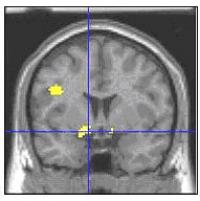
The left amygdala and related structures (yellow area where lines intersect) are part of an emotion-regulating brain circuit where children with bipolar disorder showed greater activation than controls when rating their fear of neutral faces. Structural MRI image with functional MRI data superimposed.Youth with bipolar disorder misread facial expressions as hostile and show heightened neural reactions when they focus on emotional aspects of neutral faces, researchers at the National Institutes of Health's (NIH) National Institute of Mental Health (NIMH) have discovered. The study provides some of the first clues to the underlying workings of the episodes of mania and depression that disrupt friendships, school, and family life in up to one percent of children.
| Full story | 0 Comments | 8598 views |
| Health & Medicine | May 29, 2006 06:16 PM |
ISN's immediate response to this latest quake - to strike the Indonesian island of Java - was to call once again on its Renal Disaster Task Force (RDRTF). Under the leadership of Dr. Raymond Vanholder, the Task Force acted rapidly by sending two scouts to join a team from Médecins Sans Frontières (MSF).
| Full story | 0 Comments | 5749 views |
| Health & Medicine | May 29, 2006 04:16 PM |
A rare genetic defect that can trigger a host of diseases from type 1 diabetes to alopecia has helped explain the imbalance of immune regulator and killer cells in autoimmune disease.
| Full story | 0 Comments | 5822 views |
| Molecular & Cell Biology | May 29, 2006 01:34 PM |
COX-1 and COX-2 enzymes may be blocked by pain medications such as Advil and Vioxx in a more complex manner than was previously understood, a Queen's University study has found.
| Full story | 0 Comments | 5057 views |
| Molecular & Cell Biology | May 29, 2006 12:34 PM |
Working with colleagues from Denmark, Canada, China, and the U.S.A., the scientists have shown how cutting-edge methods can be used to catalogue the entire inventory of active proteins in cell organelles at a particular moment. Their work sheds considerable light on how cells use proteins. The work is published in the journal Cell (Cell 125, 1-13).
| Full story | 0 Comments | 5476 views |
| Molecular & Cell Biology | May 29, 2006 11:34 AM |
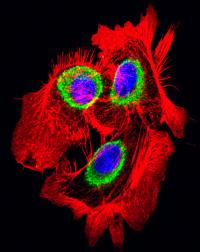
Activity of a tumour suppressor in skin cells. A microscopic image shows three skin cells. In each of them the Cyld protein (green) is situated around the nucleus (blue) and prevents oncogene Bcl-3 from entering. The red structure is the cell's cytoskeleton.Reinhard Fässler led a team which has published an article on this topic in the latest edition of Cell. A protein called Cyld controls Bcl-3 - and thus protects mice from tumour growth. The researchers were able to describe the cellular signalling path which causes uncontrolled growth when the Cyld gene is defective. Furthermore, there is evidence that such a defective Cyld gene may be the root cause of kidney, liver, uterus, and large intestine tumours. Cyld could possibly be one of Bcl-3's most important opponents - in mice and men (Cell, May 19 2006).
| Full story | 0 Comments | 5899 views |

| AIDS & HIV | May 27, 2006 08:58 PM |
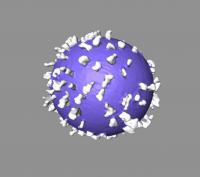
Envelope Spikes on Surface of HIV-1 virus.As the world marks the 25th year since the first diagnosed case of AIDS, groundbreaking research by scientists at Florida State University has produced remarkable three-dimensional images of the virus and the protein spikes on its surface that allow it to bind and fuse with human immune cells.
| Full story | 0 Comments | 6007 views |
| Health & Medicine | May 27, 2006 07:58 PM |
The prevalence of diagnosed diabetes in U.S. adults age 20 and older has risen from about 5.1 percent to 6.5 percent, according to researchers at the National Institutes of Health (NIH) and the Centers for Disease Control and Prevention (CDC), who analyzed national survey data from two periods--1988 to 1994 and 1999 to 2002. However, the percentage of adults with undiagnosed diabetes did not change significantly over the years studied. About 2.8 percent of U.S. adult--one-third of those with diabete--still don't know they have it. The study, published in the June 2006 issue of Diabetes Care, notes that type 2 diabetes accounts for up to 95 percent of all diabetes cases and virtually all undiagnosed diabetes cases. Diabetes is a group of diseases marked by high levels of blood glucose resulting from defects in insulin production, insulin action, or both. It is the most common cause of blindness, kidney failure, and amputations in adults and a major cause of heart disease and stroke.
| Full story | 0 Comments | 6165 views |
| Microbiology | May 27, 2006 06:58 PM |
For Dr. Sydney Finegold, research is like reading a really good mystery or detective story.
| Full story | 0 Comments | 6703 views |
| Microbiology | May 27, 2006 04:58 PM |
Despite lack of a key component of the immune system, a line of genetically engineered mice can control chronic herpes virus infections, researchers at Washington University School of Medicine in St. Louis have found.
| Full story | 0 Comments | 7116 views |
| Molecular & Cell Biology | May 27, 2006 02:58 PM |

The beating flagella of a Volvox colony creates a flow of water around it, visible here through the use of miniscule, illuminated plastic beads.When single-celled organisms such as sperm crack their whip-like appendages called flagella, the beating sets them in motion. But in certain colonies of green algae, flagella also boost nutrient uptake, according to surprising new research.
| Full story | 0 Comments | 6648 views |
| Molecular & Cell Biology | May 27, 2006 12:58 PM |
Dartmouth researchers, working with scientists at the University of Arizona and at the Department of Natural Resources in Sonora, Mexico, have published a study on the impact of arsenic exposure on DNA damage. They have determined that arsenic in drinking water is associated with a decrease in the body's ability to repair its DNA.
| Full story | 0 Comments | 6176 views |
| Microbiology | May 27, 2006 10:58 AM |
Two wildly different pathogens – one that infects vegetables, the other infecting humans - essentially use the same protein code to get their disease-causing proteins into the cells of their respective hosts.
| Full story | 0 Comments | 7017 views |
| AIDS & HIV | May 27, 2006 01:11 AM |
An international team of scientists, led by researchers at the University of Alabama at Birmingham (UAB), has discovered a crucial missing link in the search for the origin of HIV-1, the virus responsible for human AIDS. That missing link is the natural reservoir of the virus, which the team has found in wild-living chimpanzees in southern Cameroon. The findings provide important clues to how the disease migrated from non-human to human primates, and will be released Thursday (May 25) in ScienceExpress [http://www.sciencemag.org/sciencexpress/recent.dtl] and will be published in an upcoming issue of Science magazine.
| Full story | 0 Comments | 6597 views |
| Microbiology | May 26, 2006 10:48 PM |
The ubiquitous bacteria E. coli rank among nature's most successful species for lots of reasons, to which biologists at the University of Southern California have added another: in a pinch, E. coli can feast on the DNA of their dead competitors.
| Full story | 0 Comments | 6377 views |
| Molecular & Cell Biology | May 26, 2006 08:48 PM |
An improved technique for culturing cells, developed at the National Institute of Standards and Technology (NIST), may enable new, fundamental insights into the behavior of neuronal cells.
| Full story | 0 Comments | 5168 views |
| Microbiology | May 26, 2006 06:48 PM |
Although most of us cringe at the sound of the words "parasitic worms," it's a fact that some of these creatures are actually good for us.
| Full story | 0 Comments | 7504 views |
| Microbiology | May 26, 2006 04:48 PM |
A recent scientific discovery could herald the introduction of fast, effective treatments for cancer and viruses.
| Full story | 0 Comments | 6826 views |
| Environment | May 26, 2006 01:48 PM |
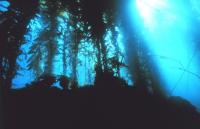
A California kelp forest creates a cathedral effect as the sun shines
through the blades of the kelp.Kelp forest ecosystems that span the West Coast –– from Alaska to Mexico's Baja Peninsula –– are at greater risk from overfishing than from the effects of run-off from fertilizers or sewage on the shore, say scientists at the University of California, Santa Barbara. The findings have important implications for the design of California's Marine Protected Areas.
| Full story | 0 Comments | 9521 views |

| General | May 25, 2006 11:50 PM |
Sorry for the slow news update - I'm currently at the CAHR (Canadian Association for HIV Research) meeting in Quebec City. The situation will last throught Sunday; after that, I'll be back to provide you the most interesting biology-related news I can find!
| 1 Comment | 12667 views |
| Microbiology | May 25, 2006 11:48 PM |
"Harmless" bacteria in the digestive tracts of dairy cows, may not be so harmless after all. They may be a reservoir for antibiotic resistance genes that can be transferred to more harmful, disease-causing bacteria, according to research presented today at the 106th General Meeting of the American Society for Microbiology in Orlando, Florida.
| Full story | 0 Comments | 9804 views |
| Molecular & Cell Biology | May 25, 2006 06:46 PM |
New research sheds light on the molecular mechanisms underlying axon growth and synapse formation in the nematode worm C.elegans. In a study published today in the open access journal Journal of Biology, researchers have characterised a new protein, UNC-69, required for proper locomotion . They show that UNC-69 interacts with UNC-76 in a protein complex likely to be involved in the trafficking of vesicles along axons - a process that drives axon growth and helps synapse formation. The research also shows that UNC-69 is directly involved in the formation of new synapses.
| Full story | 0 Comments | 7019 views |

- In some genetic cases of microcephaly, stem cells fail to launch
- Yale team discovers how Zika virus causes fetal brain damage
- Scientists uncover the way a common cell enzyme alerts the body to invading bacteria
- Arctic gives clues on worst mass extinction of life
- Calcium channel blockers caught in the act at atomic level
Search Bio News Net
Free Biology Newsletter
- Flexibility That A.C.A. Lent to Work Force Is Threatened by...International Herald Tribune
- Bacteria Behind Legionnaires’ Disease Found at New York Police StationInternational Herald Tribune
- Prescription Price Crisis? 28 Million Americans See Spike in Drug...MSNBC.com: Health
- Seizing on Opioid Crisis, a Drug Maker Lobbies Hard for...International Herald Tribune
- Republicans are taking a big political risk on health careAP Health News
- Why We're So Divided Over Saving WolvesNational Geographic News