
Biology News Net
RSS 2.0 Feed
General

Two weeks ago I realized something : 90% of the news posted here come from 3-4 news source, and posting involve multiple copy/paste operations. So I decided to let the computer do its magic : automated news parsing! I quickly learned Perl (which I must say, is very easy to use / powerful) and coded a parser; right now, I just have to paste interesting urls and 90% of the tiresome job is done! I just need to assign categories, do some editing, check if everything went right, and it's done! Which leave me with more time to work on the site... now if only people would post comments / start threads, we could chat about biology ;) Seriously, I'm puzzled : people register in the forum, but don't post. Is there some problem I'm not aware of? If so, there's a contact email at the very bottom of the page, feel free to contact me!

Some interesting links :

- Nanoparticles Pass Muster as Vectors for Gene Therapy
- Skin Cells Converted to Stem Cells
- DNA Sequencing Speeds Up
- HAART reduces AIDS rates by 86%
- Researchers Pinpoint Source of Poison Frogs' Deadly Defenses
- Primordial soup where life began on earth was hot and not cold

8 Comments 8528 views
Biology

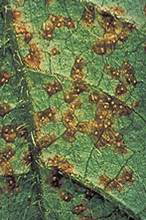
vtech082205.2.jpgVirginia Tech scientists say that there has been a change in the status of the fungus causing Asian Soybean Rust but that the new information is still too preliminary for any action on the part of the Commonwealth's soybean producers.

A single cluster of six urediniospores found at Virginia Tech's Tidewater Agricultural Research and Extension Center in Suffolk was identified by morphological characteristics as matching the description of the fungus.

Bioinformatics

The world's three leading public repositories for DNA and RNA sequence information have reached 100 gigabases [100,000,000,000 bases; the 'letters' of the genetic code] of sequence. Thanks to their data exchange policy, which has paved the way for the global exchange of many types of biological information, the three members of the International Nucleotide Sequence Database Collaboration [INSDC, http://www.insdc.org] - EMBL Bank [Hinxton, UK], GenBank [Bethesda, USA] and the DNA Data Bank of Japan [Mishima, Japan] all reached this milestone together.

Molecular & Cell Biology

In a step that advances our ability to discern the ancient evolutionary relationships between different genes and their biological functions, researchers have provided insight into the present-day outcome of a single gene duplication that occurred over a hundred million years ago in an ancestor of modern plants. The work is reported in Current Biology by a team led by Brendan Davies of the University of Leeds, England.

Health & Medicine

A compound that kills cancer can sneak past the blood brain barrier, which protects the brain from foreign substances, to do its work in fighting a particularly invasive brain cancer, according to a new Saint Louis University animal study published in the Proceedings of the National Academy of Sciences Online Early Edition the week of Aug. 22.

Molecular & Cell Biology

Malfunctioning bone marrow cells that produce insulin appear to cause a dangerous nerve condition called neuropathy that disables many people with diabetes, said a research team led by Baylor College of Medicine in Houston.

Microbiology

French scientists have learned how Listeria monocytogenes, which causes a major food-borne illness, commandeers cellular transport machinery to invade cells and hide from the body's immune system. They believe that other infectious organisms may use the same mechanism.

Molecular & Cell Biology

National Institute on Aging (NIA) researchers have discovered a new gene, FANCM, which sheds light on an important pathway involved in the repair of damaged DNA. Specifically, mutation in this gene is responsible for one of the forms of Fanconi anemia (FA), a rare genetic disorder that primarily affects children. Like many rare, inherited diseases, understanding this gene's role in the development of FA provides insights into other medical problems -- in this case, age-related conditions including ovarian and pancreatic cancers, as well as leukemia, the researchers said. Discovery of this gene and its protein provides a potential target for the development of drugs that can prevent or alleviate FA and a variety of cancers.

Biology

Humans are not alone in their desire to conform to cultural norms, according to new study findings that confirm, for the first time, chimpanzees share the same conformist tendencies. Researchers, in determining how chimpanzee communities share and maintain traditions, discovered they possess a natural motivation to copy their peers well into adulthood and say that although other species show some cultural behaviors, the level of cultural variation shown by chimpanzees is exceeded only by humans. The study, conducted at the Yerkes National Primate Research Center of Emory University by a collaborative team of scientists from the United States and the United Kingdom, is published in the current online edition of Nature.

Biology

32% increase of African fish supply needed by 2020 just to maintain consumption levels

Calling fisheries critical for nourishing the poor and for helping Africa cope with the health, economic and social devastation of problems like HIV and AIDS, the New Partnership for Africa's Development (NEPAD), the WorldFish Center and partners are making an urgent appeal to boost the continent's fish production and strengthen the contribution of fisheries to economic growth and food security.