


Protein microarrays like this allow the investigation of thousands of proteins in a single experiment. Microarrays are only a few centimeters in size and host thousands of individual test spots... Since the completion of the human genome an important goal has been to elucidate the function of the now known proteins: a new molecular method enables the investigation of the function for thousands of proteins in parallel. Applying this new method, an international team of researchers with leading participation of the Technical University of Munich (TUM) was able to identify hundreds of previously unknown interactions among proteins.

| Biotechnology | June 30, 2016 05:30 PM |
| Full story | 0 Comments | 7330 views |

| Health & Medicine | June 30, 2016 05:30 PM |
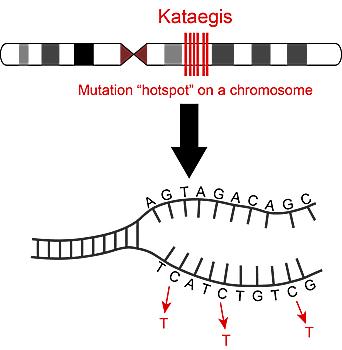
In kataegis, multiple mutations cluster in a few hotspots in a cancer genome. Here, cytosine (C) bases are commonly substituted with thymine (T) in the DNA strand. Kataegis is a recently discovered phenomenon in which multiple mutations cluster in a few hotspots in a genome. The anomaly was previously found in some cancers, but it has been unclear what role kataegis plays in tumor development and patient outcomes. Using a database of human tumor genomic data, researchers at the University of California San Diego School of Medicine and Moores Cancer Center have discovered that kataegis is actually a positive marker in breast cancer -- patients with these mutation hotspots have less invasive tumors and better prognoses.
| Full story | 0 Comments | 6109 views |

| Biology | June 30, 2016 05:30 PM |
An international team of scientists from Oxford University, UK, and Tel-Hai College, Israel, has shown that pea plants can demonstrate sensitivity to risk - namely, that they can make adaptive choices that take into account environmental variance, an ability previously unknown outside the animal kingdom.
| Full story | 0 Comments | 7464 views |
| Health & Medicine | June 30, 2016 05:30 PM |
Oral multikinase inhibitor regorafenib achieves significantly improved survival rates compared to placebo in patients with hepatocellular carcinoma, according to data from the phase III RESORCE trial (1), presented at the ESMO 18th World Congress of Gastrointestinal Cancer in Barcelona, Spain.
| Full story | 0 Comments | 5794 views |

| Environment | June 29, 2016 04:50 PM |
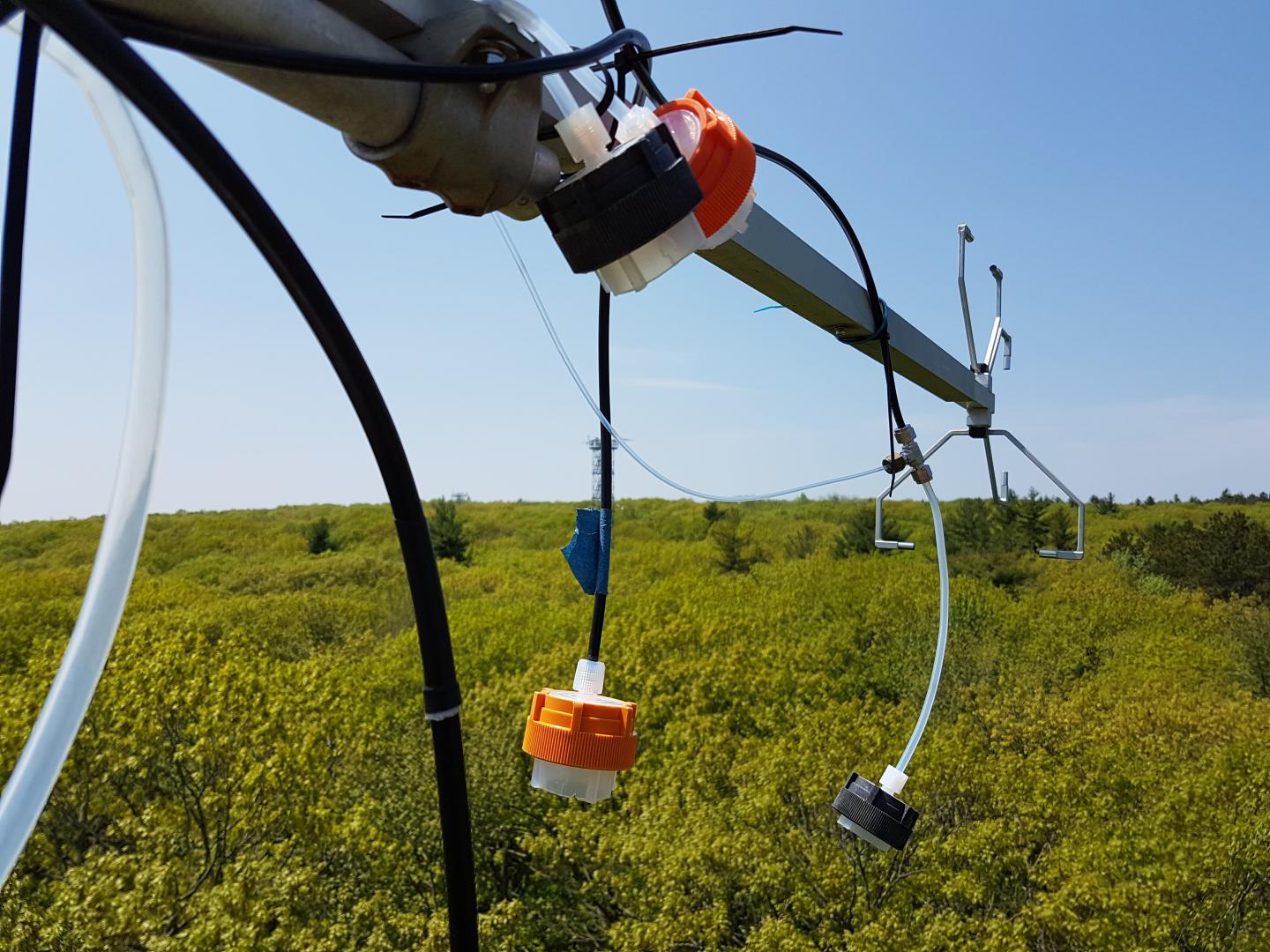
Flux towers are equipped with inlets for "sniffing the air " above the forest, in addition to other instruments such as sonic anemometers for measuring wind. For the first time, scientists have been successful in measuring the processes by which an entire forest "breathes," using sophisticated technology involving flux towers and new instrumentation that can precisely measure two different types (isotopes) of carbon dioxide in the air. A team led by Richard Wehr and Scott Saleska at the University of Arizona obtained detailed long-term measurements of the respiration and photosynthesis rates of a temperate deciduous forest during the day and the night.
| Full story | 0 Comments | 10721 views |
| Biotechnology | June 29, 2016 04:50 PM |
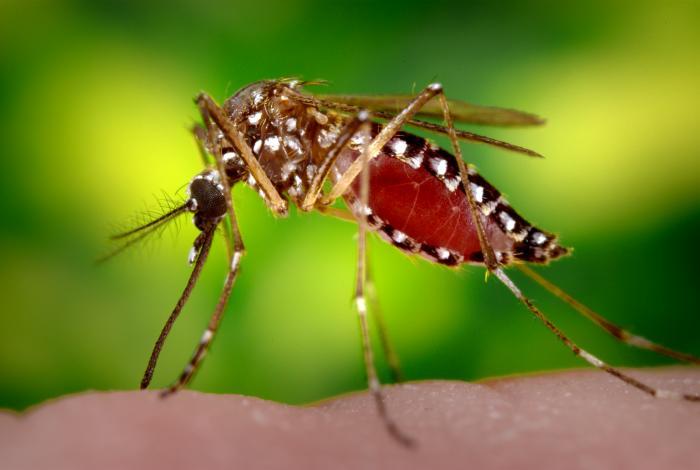
Gene drive technologies may one day help alleviate the burden caused by diseases transmitted by mosquitoes and other animal vectors. The BioScience Talks podcast features discussions of topical issues related to the biological sciences.
| Full story | 0 Comments | 6533 views |

| Bioinformatics | June 29, 2016 04:50 PM |
Tumor DNA is cluttered with genomic alterations, the vast majority of which have little or no functional or clinical relevance. This means that even when cancer researchers discover an alteration in a tumor or a line of cancer cells, the alteration may or may not be relevant to the progression of the disease - chances are good (and history has shown) that many alterations that are correlated with cancer are not causative of cancer; many alterations are "passengers" rather than "drivers". A University of Colorado Cancer Center study published in the journal Cancer Research demonstrates a novel method for sorting passenger from driver alterations, and uses this method to pinpoint a new driver and potential therapeutic target in cancer progression, GON4L.
| Full story | 0 Comments | 13037 views |
| Biotechnology | June 27, 2016 05:29 PM |
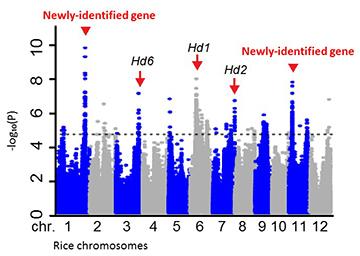
The GWAS results for genes that influence flowering dates. The known genes Hd1, Hd2, and Hd6 were located, together with two newly-identified genes that also affect flowering dates. A Japanese research team have applied a method used in human genetic analysis to rice and rapidly discovered four new genes that are potentially significant for agriculture. These findings could influence crop breeding and help combat food shortages caused by a growing population. The paper was published on June 21, 2016 (Japan Standard Time) in the online edition of Nature Genetics.
| Full story | 0 Comments | 6324 views |

| Molecular & Cell Biology | June 27, 2016 05:29 PM |
Infertility affects about 15 percent of couples around the world. A couple's fertility depends on both the female's and male's ability to reproduce, which relies on thousands of genes working properly. In the male mouse, more than 1,000 genes are predominantly expressed in the testis, but their particular functions in reproduction are still a mystery. In a report published today in the Proceedings of the National Academy of Sciences, researchers from Baylor College of Medicine, Osaka University, University of Oulu and the Wellcome Trust Sanger Institute have discovered that 54 of the mouse testis-enriched genes, that also are expressed in humans, are not necessary for male fertility.
| Full story | 0 Comments | 5724 views |
| Health & Medicine | June 27, 2016 05:29 PM |
Physicians have been mystified by chronic fatigue syndrome, a condition where normal exertion leads to debilitating fatigue that isn't alleviated by rest. There are no known triggers, and diagnosis requires lengthy tests administered by an expert.
| Full story | 0 Comments | 6874 views |
| Bioinformatics | June 27, 2016 05:29 PM |
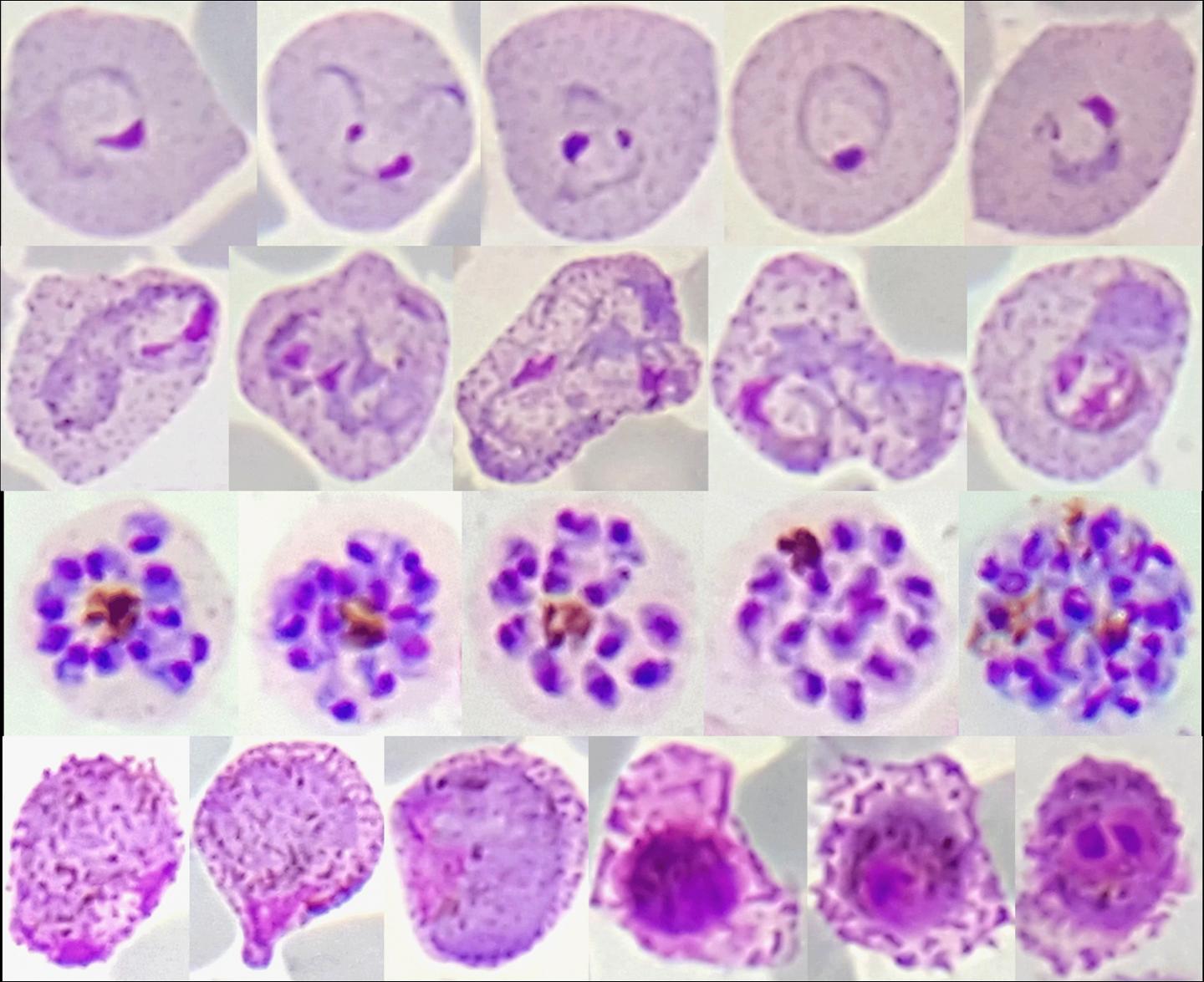
Red blood cell stages of Plasmodium vivax from malaria patients in Thailand. Plasmodium vivax (P. vivax) parasites, which cause a debilitating form of malaria, are yielding their secrets to an international team of researchers funded by the National Institute of Allergy and Infectious Diseases (NIAID), part of the National Institutes of Health. In the largest such effort to date, the team determined complete genomes of nearly 200 P. vivax strains that recently infected people in eight countries. Comparative analysis showed the parasites clustered into four genetically distinct populations that provide insights into the movement of P. vivax over time and suggest how it is still adapting to regional variations in both the mosquitoes that transmit it and the humans it infects.
| Full story | 0 Comments | 8211 views |
| Environment | June 23, 2016 04:55 PM |
A new study by Simon Fraser University marine ecologists Jessica Schultz, Ryan Cloutier and Isabelle Côté has discovered that a mass mortality of sea stars resulted in a domino effect on B.C.'s West Coast Howe Sound marine ecology.
| Full story | 0 Comments | 10866 views |
| Molecular & Cell Biology | June 23, 2016 04:55 PM |
A molecule that enables strong communication between our brain and muscles appears to also aid essential communication between our neurons, scientists report.
| Full story | 0 Comments | 5998 views |
| Biology | June 23, 2016 04:55 PM |

Male and female of the beautiful demoiselle (Calopteryx virgo) in the so-called "mating wheel". Traditionally, the evolutionary development of an insect species has been explained by the notion that the female insect chooses her male partner based on size and other factors, so-called assortative mating. These mating patterns have also been believed to partially explain how the isolation between different species is maintained.
| Full story | 0 Comments | 7305 views |
| Biotechnology | June 23, 2016 04:55 PM |
The new stem cell-containing bio ink allows 3D printing of living tissue, known as bio-printing.
| Full story | 0 Comments | 6477 views |
| Bioinformatics | June 21, 2016 03:52 PM |

CRG scientists of the Barcelona Metasub Team at the Global Sampling Day. Barcelona takes part in the international research project Metasub, which aims to map the microbiome of public transit systems in 54 cities worldwide, including New York, Hong Kong, Paris or Sydney.
| Full story | 0 Comments | 7405 views |

| Microbiology | June 21, 2016 03:52 PM |
Scientists at the University of Massachusetts Medical School (UMMS) have performed the first CRISPR/Cas9 screen to discover human proteins that Zika virus needs for replication. This work, led by Abraham Brass, MD, PhD, assistant professor in microbiology & physiological systems, reveals new leads that may be useful for halting Zika, dengue and other emerging viral infections. The study appears online in the journal Cell Reports.
| Full story | 0 Comments | 6554 views |
| Microbiology | June 20, 2016 05:52 PM |
Cold viruses cause us irritation by penetrating into our cells and transporting their RNA into the cytoplasma of the infected cells. This is the only way they can multiply. The details of how the transfer of the RNA from within the virus occurs are difficult to study. However, a new method has been developed at TU Wien that can be used to analyse this process. It was developed from the combination of two established procedures - 'molecular beacons' and capillary electrophoresis in chip format. The new method has now been published and the article's title adorns the cover of the scientific journal Analytical and Bioanalytical Chemistry.
| Full story | 0 Comments | 6526 views |
| Biotechnology | June 20, 2016 05:52 PM |
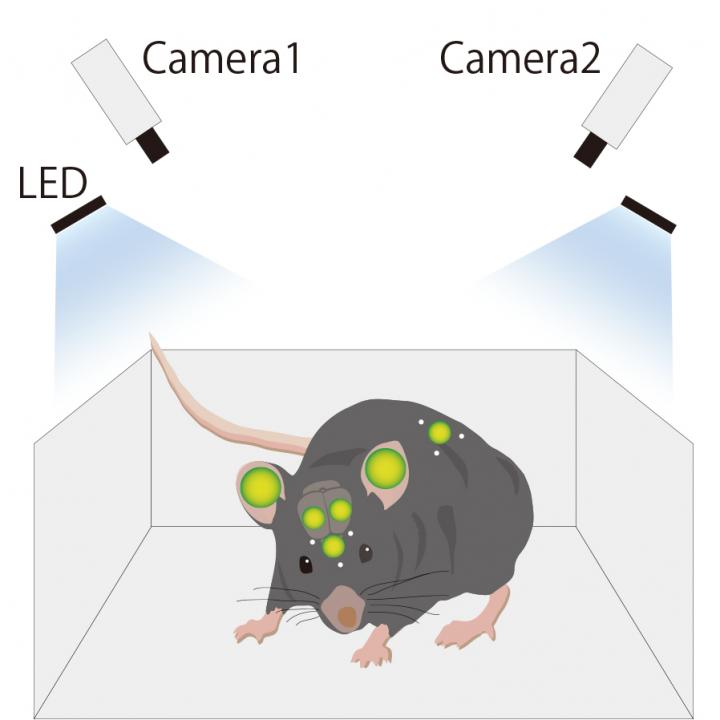
The system consists of two newly developed programs that automatically identify the 3-D positions of target areas based on the signals from the scintillators (shown as white dots), and determine... "Clock genes" turn on and off, or "Express", in rhythmic patterns throughout the body to regulate physiological conditions and behaviour. When and how these genes express, especially in tissues outside the brain, is still poorly understood. Until now, scientists have lacked sufficient means to simultaneously monitor gene rhythms in specific tissues in freely moving subjects.
| Full story | 0 Comments | 6686 views |
| Biotechnology | June 20, 2016 05:52 PM |
Lychnopholide, a substance isolated from a Brazilian plant, and formulated as part of "nanocapsules" cured more than half of a group of mice that had been infected experimentally with Chagas disease parasites. "Chagas disease affects millions of people, mainly in poor rural areas of 21 Latin American countries," said Marta de Lana, PhD. The research is published in online ahead of print June 20 in Antimicrobial Agents and Chemotherapy, a journal of the American Society for Microbiology.
| Full story | 0 Comments | 6007 views |
| Health & Medicine | June 20, 2016 05:52 PM |
When we smoke cigarettes, dozens of genes important for immune defense are altered in the epithelial cells that line the respiratory tract. Several of these changes likely increase the risk of bacterial infections, viruses, and inflammation. Now, UNC School of Medicine scientists report that vaping electronic cigarettes alters those same genes and hundreds more that are important for immune defense in the upper airway.
| Full story | 0 Comments | 6356 views |
| Health & Medicine | June 20, 2016 05:52 PM |
The incidence of Parkinson's disease and parkinsonism increased significantly in 30 years from 1976 to 2005, Mayo Clinic researchers reported today in a study in JAMA Neurology. This trend was noted in particular for men age 70 and older. According to the researchers, this is the first study to suggest such an increasing trend.
| Full story | 0 Comments | 5889 views |

| Stem Cell Research | June 16, 2016 04:49 PM |
A new procedure developed at Massachusetts General Hospital (MGH) may revolutionize the culturing of adult stem cells. In their report that has been published online prior to its appearance in the August 6 issue of Cell Stem Cell, the team describes generating and expanding airway stem cells from the sorts of tissue samples collected during routine treatment of lung disorders. The overall approach appears applicable to several other tissue types, including skin and the linings of the gastrointestinal and reproductive tracts.
| Full story | 0 Comments | 8604 views |
| Stem Cell Research | June 16, 2016 04:49 PM |
Bethesda, MD (June 16, 2016) -- Basic and translational research paves the way for breakthroughs that can ultimately change patient care. Three new studies from Cellular and Molecular Gastroenterology and Hepatology (CMGH) -- AGA's basic and translational open-access journal -- provide a glimpse into future treatment strategies for stomach ulcers, inflammatory bowel disease and alcoholic liver disease. Please find summaries below. To speak with the journal authors, please email media@gastro.org.
| Full story | 0 Comments | 8091 views |
| Microbiology | June 15, 2016 05:37 PM |
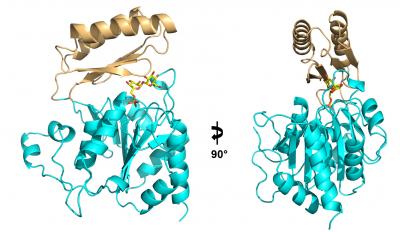
This ribbon diagram shows two views of the structure of the enzyme Tps2 as it removes a phosphate from a sugar molecule (yellow, orange and red). DURHAM, N.C. -- Fungal infections can be devastating to human health, killing approximately 150 people every hour, resulting in over a million deaths every year, more than malaria and tuberculosis combined.
| Full story | 0 Comments | 5884 views |
| Health & Medicine | June 15, 2016 05:37 PM |

A piece of art created by a study participant using both markers and modeling clay. Whether you're Van Gogh or a stick-figure sketcher, a new Drexel University study found that making art can significantly reduce stress-related hormones in your body.
| Full story | 0 Comments | 5924 views |
| Health & Medicine | June 15, 2016 05:37 PM |
In late 2015, former President Jimmy Carter announced that he was free of the metastatic melanoma that had spread to his liver and brain. In addition to surgery and radiation, Carter was treated with an immunotherapy drug, a new approach in cancer treatment that has a promising outlook.
| Full story | 0 Comments | 6069 views |
| Health & Medicine | June 14, 2016 06:03 PM |
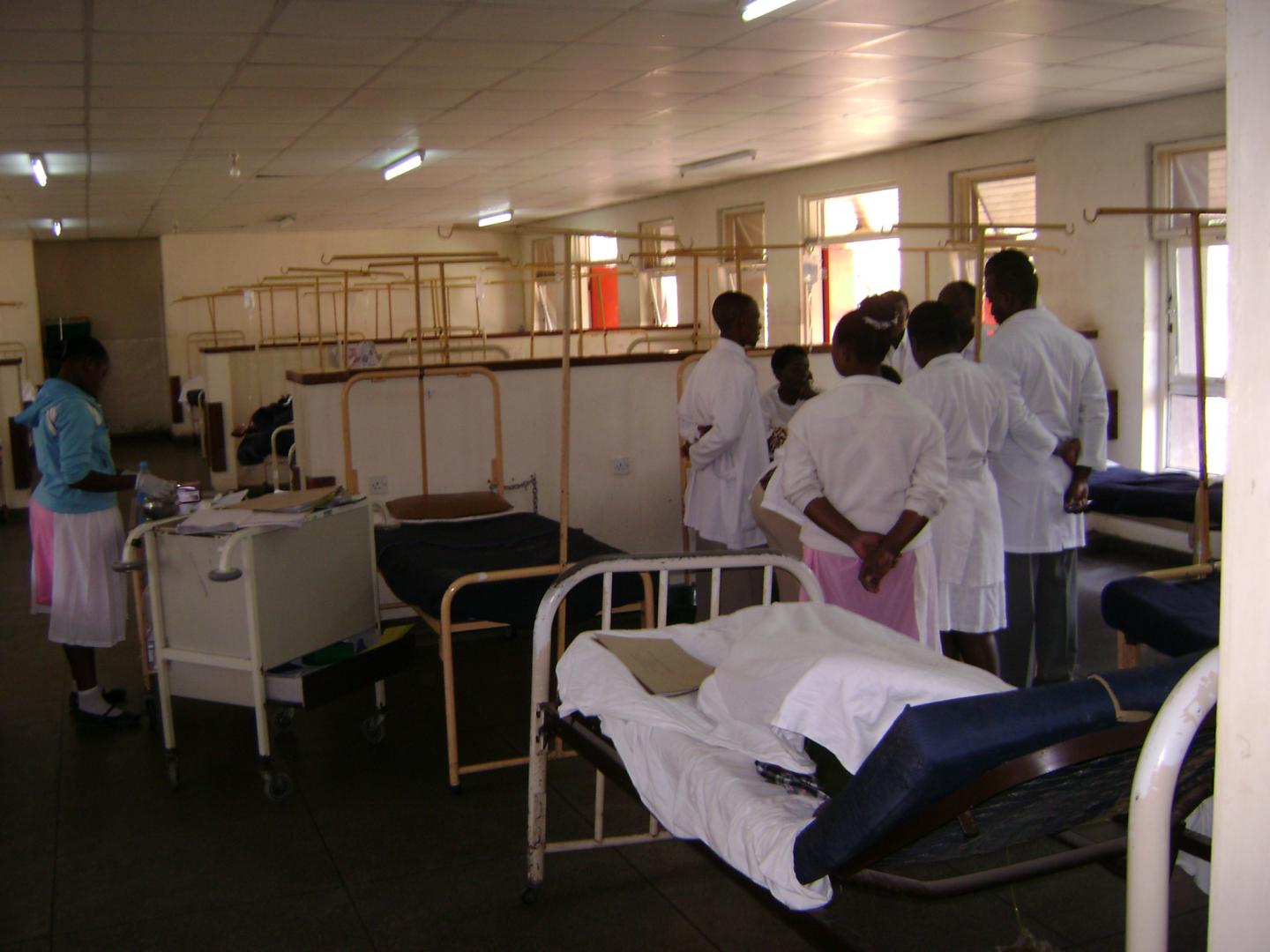
Hospital in Mbeya, Tanzania. The first days after HIV infection are very important because sexual partners are exposed to extremely high risks of infection due to the subsequent high viral load in the infected person. Additionally, this period of time determines the further course of HIV infection. DZIF scientists from the Department of Infectious Diseases and Tropical Medicine at the Medical Center of the University of Mu-nich (LMU) and DZIF African partner institutions in Tanzania participated in a pro-spective, multinational study which investigated virological and immunological changes due to HIV - prior to the onset of clinical symptoms and commercial HIV testing windows.
| Full story | 0 Comments | 7509 views |
| Biology | June 14, 2016 06:03 PM |

Damien Esquerre with a python. A new study into pythons and boas has for the first time found the two groups of snakes evolved independently to share similar traits, shedding new light on how the reptiles evolved.
| Full story | 0 Comments | 6741 views |
| Microbiology | June 14, 2016 06:03 PM |
A virus that infects major freshwater bacteria appears to use stolen bits of immune system DNA to highjack their hosts' immune response.
| Full story | 0 Comments | 6698 views |
| Molecular & Cell Biology | June 13, 2016 05:20 PM |
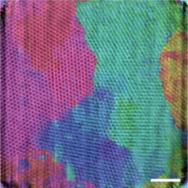
When you look very close up at a butterfly wing, you can see this patchwork map of lattices with slightly different orientations (colors added to illustrate the domains). Scientists used X-rays to discover what creates one butterfly effect: how the microscopic structures on the insect's wings reflect light to appear as brilliant colors to the eye.
| Full story | 0 Comments | 6874 views |
| Molecular & Cell Biology | June 13, 2016 05:20 PM |
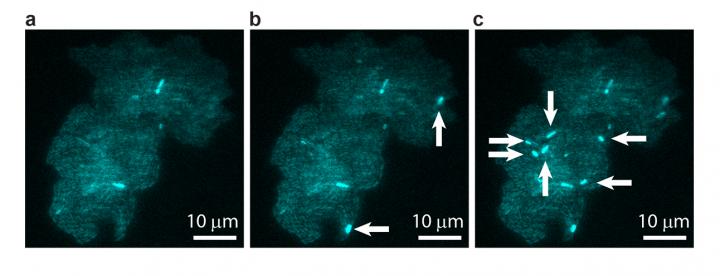
A bacterial colony showing individual cells undergoing transposable element events, resulting in blue fluorescence. "Jumping genes" are ubiquitous. Every domain of life hosts these sequences of DNA that can "jump" from one position to another along a chromosome; in fact, nearly half the human genome is made up of jumping genes. Depending on their specific excision and insertion points, jumping genes can interrupt or trigger gene expression, driving genetic mutation and contributing to cell diversification. Since their discovery in the 1940s, researchers have been able to study the behavior of these jumping genes, generally known as transposons or transposable elements (TE), primarily through indirect methods that infer individual activity from bulk results. However, such techniques are not sensitive enough to determine precisely how or why the transposons jump, and what factors trigger their activity.
| Full story | 0 Comments | 5818 views |
| Molecular & Cell Biology | June 13, 2016 05:20 PM |
Biologically speaking, we carry the outside world within us. The food we ingest each day and the trillions of microbes that inhabit our guts pose a constant risk of infection--and all that separates us from these foreign entities is a delicate boundary made of a single layer of cells.
| Full story | 0 Comments | 6083 views |
| Molecular & Cell Biology | June 10, 2016 05:04 PM |
Northwestern Medicine and University of Wisconsin-Madison (UW) scientists have identified a gene that causes severe glaucoma in children. The finding, published in The Journal of Clinical Investigation, validates a similar discovery made by the scientists in mice two years ago and suggests a target for future therapies to treat the devastating eye disease that currently has no cure.
| Full story | 0 Comments | 6520 views |
| Health & Medicine | June 10, 2016 05:04 PM |

Dr. Douglas Antczak with Cayenne, who is not afflicted with sarcoid tumors. Sarcoid skin tumors are the most common form of cancer in horses, but little is known about why the papillomavirus behind them strikes some horses and not others. A new study by an international research group led by scientists at the Baker Institute for Animal Health at Cornell's College of Veterinary Medicine shows genetic differences in immune function between horses partly accounts for these differences. The study, published in the International Journal of Cancer, mirrors findings in humans, as some people have a genetic susceptibility to human papillomavirus, which can cause cervical and other cancers.
| Full story | 0 Comments | 5775 views |
| Health & Medicine | June 9, 2016 09:56 PM |
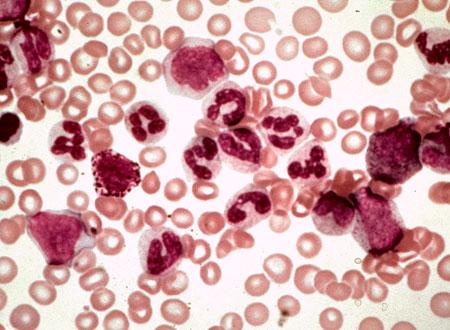
Chronic myeloid leukemia blood cells. Cancer stem cells are like zombies -- even after a tumor is destroyed, they can keep coming back. These cells have an unlimited capacity to regenerate themselves, making more cancer stem cells and more tumors. Researchers at University of California San Diego School of Medicine have now unraveled how pre-leukemic white blood cell precursors become leukemia stem cells. The study, published June 9 in Cell Stem Cell, used human cells to define the RNA editing enzyme ADAR1's role in leukemia, and find a way to stop it.
| Full story | 0 Comments | 7428 views |
| Biotechnology | June 9, 2016 09:56 PM |
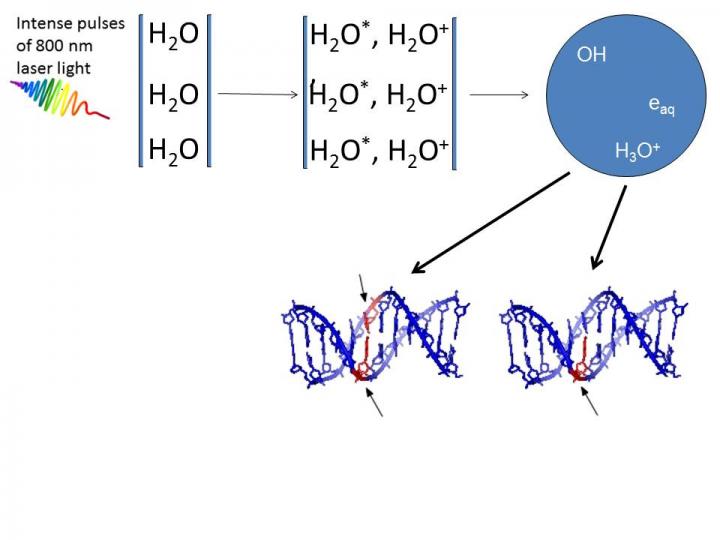
DNA damage caused by very low-energy electrons and OH-radicals formed upon irradiation of water by ultrashort pulses of very intense laser light. In a recent development, scientists at the Tata Institute of Fundamental Research report that damage to DNA can be induced by ultrashort pulses of high intensity laser light. Published in Scientific Reports, these findings have important implications in clinical conditions, especially in reducing collateral damage to tissues surrounding the real target of conventional radiotherapy.
| Full story | 0 Comments | 6563 views |

| AIDS & HIV | June 9, 2016 09:56 PM |
By watching brightly glowing HIV-infected immune cells move within mice, researchers at the Icahn School of Medicine at Mount Sinai have shown how infected immune cells latch onto an uninfected sister cell to directly transmit newly minted viral particles. These interactions allow HIV to spread efficiently between these immune cells, known as CD4+ helper T cells. The research, published online today in Cell Reports, challenges the long-held perception that the primary route of HIV infection of immune cells is from free-floating viral particles that move within tissue and blood fluids.
| Full story | 0 Comments | 29908 views |
| Microbiology | June 6, 2016 05:46 PM |
Human well being often flourishes under conditions of cooperation with others and flounders during periods of external conflict and strife.
| Full story | 0 Comments | 6830 views |
| Biotechnology | June 6, 2016 05:46 PM |
As a new tool in CRISPR genome editing, Cpf1 has sparked an explosion of interest for its attributes that differ from Cas9: It requires only a single RNA that CRISPR RNA assembly is simpler; its staggered cleavage patterns may facilitate substituting existing DNA with desired sequences; and it recognizes thymidine-rich DNA sequences, which has been less explored than the guanosine-rich sequences recognized by Cas9. In sum, Cpf1 is expected to broaden the scope of CRISPR genome editing target sites with enhanced efficiency. Despite Cpf1's vast potential as a powerful genome editing tool, little has been demonstrated as to how, specifically, the new tool finds its targets. In a series of two papers published online on June 6 in Nature Biotechnology, researchers at the IBS Center for Genome Editing in South Korea showed Cpf1 as a highly specific programmable tool that is suitable for precision genome editing and reported generation of mutant mice using CRISPR-Cpf1.
| Full story | 0 Comments | 7167 views |

- In some genetic cases of microcephaly, stem cells fail to launch
- Yale team discovers how Zika virus causes fetal brain damage
- Scientists uncover the way a common cell enzyme alerts the body to invading bacteria
- Arctic gives clues on worst mass extinction of life
- Calcium channel blockers caught in the act at atomic level
Search Bio News Net
Free Biology Newsletter
- Flexibility That A.C.A. Lent to Work Force Is Threatened by...International Herald Tribune
- Bacteria Behind Legionnaires’ Disease Found at New York Police StationInternational Herald Tribune
- Prescription Price Crisis? 28 Million Americans See Spike in Drug...MSNBC.com: Health
- Seizing on Opioid Crisis, a Drug Maker Lobbies Hard for...International Herald Tribune
- Republicans are taking a big political risk on health careAP Health News
- Why We're So Divided Over Saving WolvesNational Geographic News