

At the University of Cologne, biophysicists in the lab of Professor Berenike Maier were now able to show how differential mechanical forces can lead to cell sorting in biofilms, thereby determining their architecture. In their publication in the journal eLife, the team headed by the biophysicist Enno Oldewurtel showed how specific mechanical forces can be the key to the structure of a biofilm. Bacteria with different surface structures organized themselves in a "tug of war": the cells actively moved in the direction in which they could pull the strongest onto neighboring bacteria.

| Biology | October 30, 2015 07:15 PM |
Alligators and the Everglades go hand-in-hand, and as water conditions change in the greater Everglades ecosystem, gators are one of the key species that could be affected.
| Full story | 0 Comments | 6125 views |
| Biology | October 29, 2015 06:00 PM |
Previously, giant sharks had only been recovered from rock dating back 130 million years, during the age of the dinosaurs. The largest shark that ever lived, commonly called "Megalodon", is much younger, with an oldest occurrence at about 15 million years ago. This means the new fossils from Texas indicate giant sharks go much further back into the fossil record.
| Full story | 0 Comments | 7173 views |

| Stem Cell Research | October 29, 2015 06:00 PM |
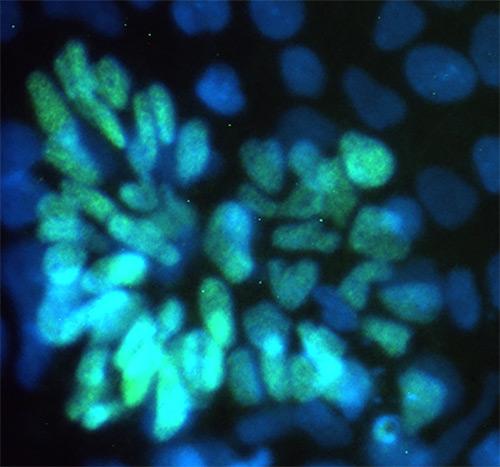
HSCI researchers made artificial stem cells, or induced pluripotent stem cells (iPSCs), from embryonic stem cells, then turned them into the neural cells pictured here. Harvard Stem Cell Institute (HSCI) researchers at Massachusetts General Hospital and Harvard Medical School have found new evidence suggesting some human induced pluripotent stem cells are the 'functional equivalent' of human embryonic stem cells, a finding that may begin to settle a long running argument.
| Full story | 0 Comments | 6837 views |

| Molecular & Cell Biology | October 29, 2015 06:00 PM |
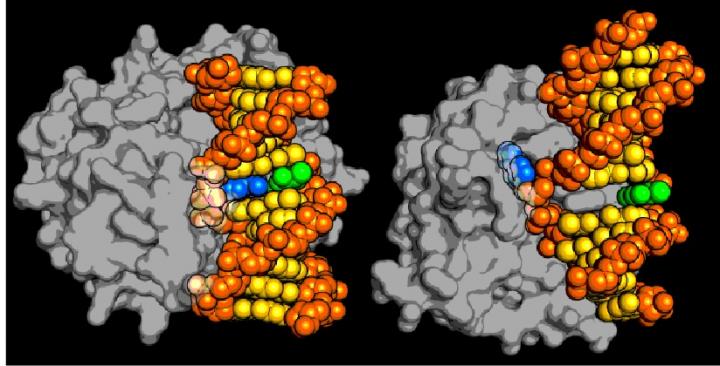
The new type of DNA repair enzyme, AlkD on the left, can identify and remove a damaged DNA base without forcing it to physically "flip" to the outside of the DNA backbone, which is how all the other DNA repair enzymes in its family work, as illustrated by the human AAG enzyme on the right. The enzymes are shown in grey, the DNA backbone is orange, normal DNA base pairs are yellow, the damaged base is blue and its pair base is green. This year's Nobel Prize in chemistry was given to three scientists who each focused on one piece of the DNA repair puzzle. Now a new study, reported online Oct. 28 in the journal Nature, reports the discovery of a new class of DNA repair enzyme.
| Full story | 0 Comments | 6088 views |

| Health & Medicine | October 28, 2015 07:29 PM |

In a new study from the University of Montreal, infants remained calm twice as long when listening to a song. In a new study from the University of Montreal, infants remained calm twice as long when listening to a song, which they didn't even know, as they did when listening to speech. "Many studies have looked at how singing and speech affect infants' attention, but we wanted to know how they affect a baby's emotional self-control," explained Professor Isabelle Peretz, of the university's Center for Research on Brain, Music and Language. "Emotional self-control is obviously not developed in infants, and we believe singing helps babies and children develop this capacity." The study, recently published in Infancy, involved thirty healthy infants aged between six and nine months.
| Full story | 0 Comments | 6516 views |

| Bioinformatics | October 28, 2015 07:29 PM |

This is the world's first NGS bioinformatics processor Bio-IT Processor. TGAC's high performance computing (HPC) infrastructure will benefit from the addition of Edico Genome's DRAGEN™, the world's first processor designed to analyse specific sequencing data tasks. DRAGEN will be used to accelerate TGAC's next-generation sequencing workflows.
| Full story | 0 Comments | 6656 views |
| Biology | October 28, 2015 07:29 PM |
Electric eels temporarily paralyze their prey by shocking them with electricity using a series of brief, high-voltage pulses, much as a Taser would do. Now, a researcher reporting in the Cell Press journal Current Biology on October 28 has discovered that the eels can at least double the power of their electrical discharge by curling up their bodies. In bringing their tail up and around, the eels sandwich prey between the two poles of their electric organ, which runs most of the length of their long, flexible bodies.
| Full story | 0 Comments | 6314 views |
| Bioinformatics | October 28, 2015 07:29 PM |
700 million year-old DNA sequences from ancient animals have been unearthed by researchers at the Universities of Leicester and Warwick, shedding new light on our earliest animal ancestors and how they influenced modern species - including the sponge.
| Full story | 0 Comments | 6494 views |
| Health & Medicine | October 28, 2015 07:29 PM |
As the days get colder and shorter, we carve jack-o-lanterns and drink pumpkin spice lattes. But one fall tradition can actually keep you healthy: getting your flu shot. Like all vaccines, the flu shot trains the immune system to fend off infection, but some need help to produce the full effect. Today, in ACS Central Science, researchers report a new way to help improve vaccines using molecules that more effectively direct the immune system.
| Full story | 0 Comments | 4887 views |
| Biology | October 28, 2015 07:29 PM |
While the anthropogenic impact on global species diversity is clear, the role of ancient human populations in causing extinctions is more controversial. New data presented at the Society of Vertebrate Paleontology meetings in Dallas, Texas, implicates early humans in the extinction of large mammals, birds and lizards in Australia. More precise dating of these extinction events places them 10 thousand years after the first arrival of humans in Australia, suggesting human predation was the most likely cause.
| Full story | 0 Comments | 4802 views |
| Biology | October 28, 2015 07:29 PM |
In 2001, a paleontology field crew from Burpee Museum of Natural History (Rockford, IL) were prospecting for dinosaur fossils near Ekalaka, Montana, when they discovered bones of a half-grown T. rex weathering out from exposures of the Hell Creek Formation. "Jane", as she was later named, turned out to be the most complete adolescent T. rex ever discovered, filling a critical gap between juvenile and adult that had caused decades of scientific debate.
| Full story | 0 Comments | 5005 views |

| Microbiology | October 28, 2015 07:29 PM |
A consortium of 48 scientists from 50 institutions in the United States - including Pamela Silver, Ph.D., a Core Faculty member at the Wyss Institute for Biologically Inspired Engineering at Harvard University - are calling for a Unified Microbiome Initiative that would span national cross-institutional and cross-governmental agency support. The group, called the Unified Microbiome Initiative Consortium (UMIC), envisions that a coordinated effort would drive forward cutting edge microbiome research, enabling breakthrough advances across medicine, ecosystem management, sustainable energy and production of commodities. Their proposal was published online in the journal Science on October 28.
| Full story | 0 Comments | 5697 views |
| Microbiology | October 27, 2015 06:05 PM |
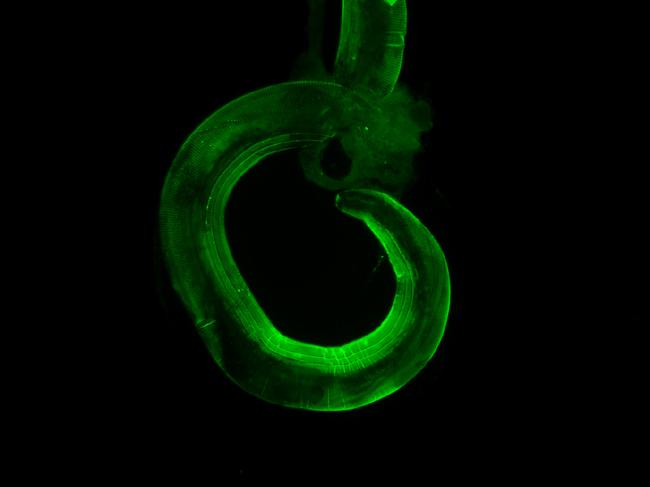
This is the helminth Heligmosomoides polygyrus bakeri (Hpb), which infects rodents. Here seen under fluorescent staining. Hpb was used in the mouse part of this study. EPFL researchers have discovered how intestinal worm infections cross-talk with gut bacteria to help the immune system.
| Full story | 0 Comments | 6726 views |
| Biology | October 27, 2015 06:05 PM |
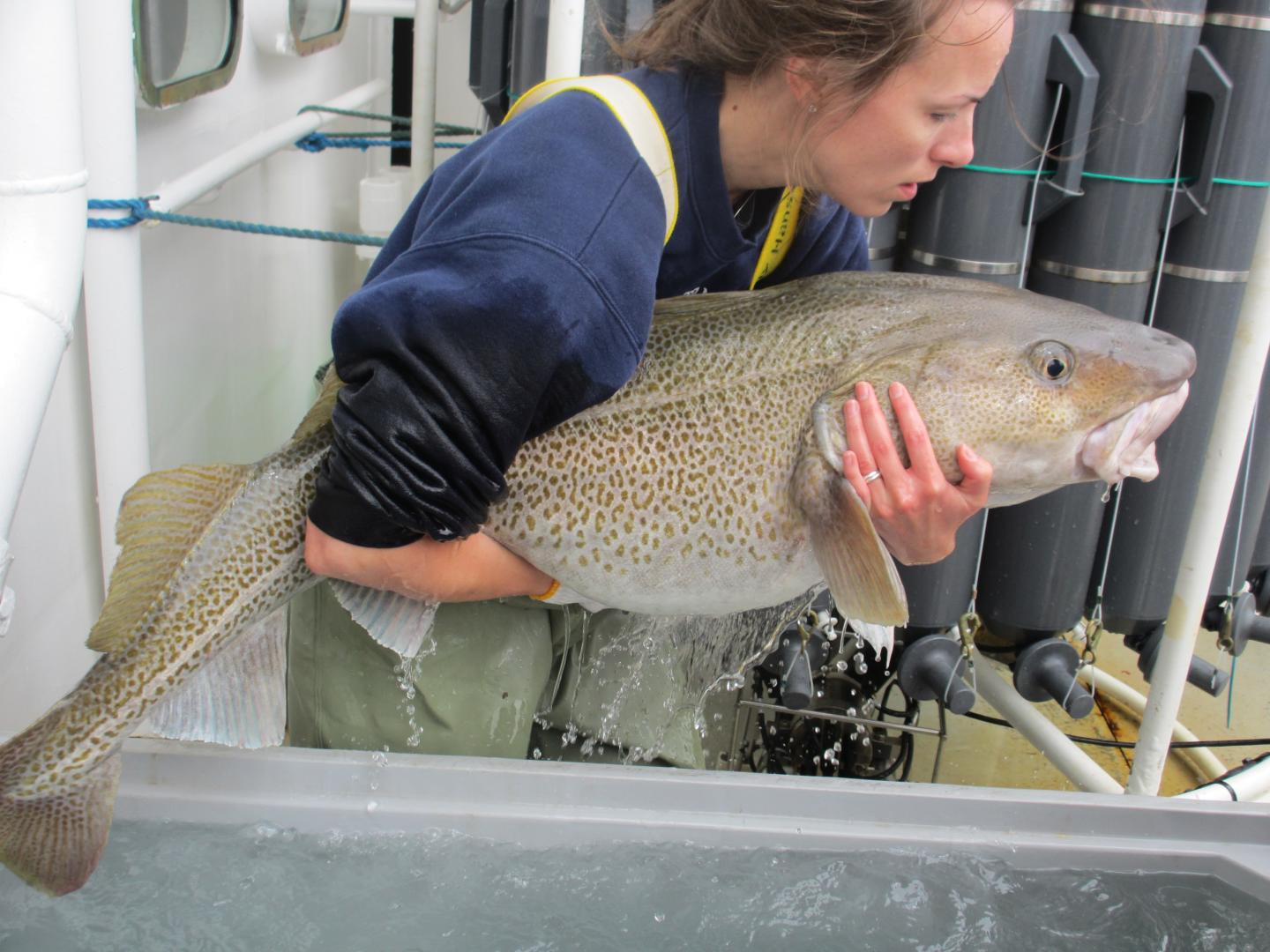
This is Dr. Rowe with a large cod to be tagged and released in Bonavista Corridor. Once an icon of overfishing, mismanagement, and stock decline, the northern Atlantic cod is showing signs of recovery according to new research published today in the Canadian Journal of Fisheries and Aquatic Sciences.
| Full story | 0 Comments | 4699 views |

| Biotechnology | October 26, 2015 06:39 PM |
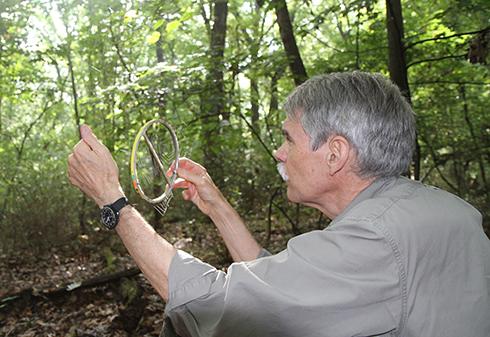
Brent Opell, a professor of biological sciences in the College of Science and a Fralin Life Science Institute affiliate, collects a portion of a spider web. A taut tug on the line signals the arrival of dinner, and the leggy spider dashes across the web to find a tasty squirming insect. The spider, known as an orb weaver, must perfectly execute this moment, from a lightning-fast reaction to an artfully spun web glistening with sticky glue.
| Full story | 0 Comments | 6168 views |
| Biotechnology | October 26, 2015 06:39 PM |
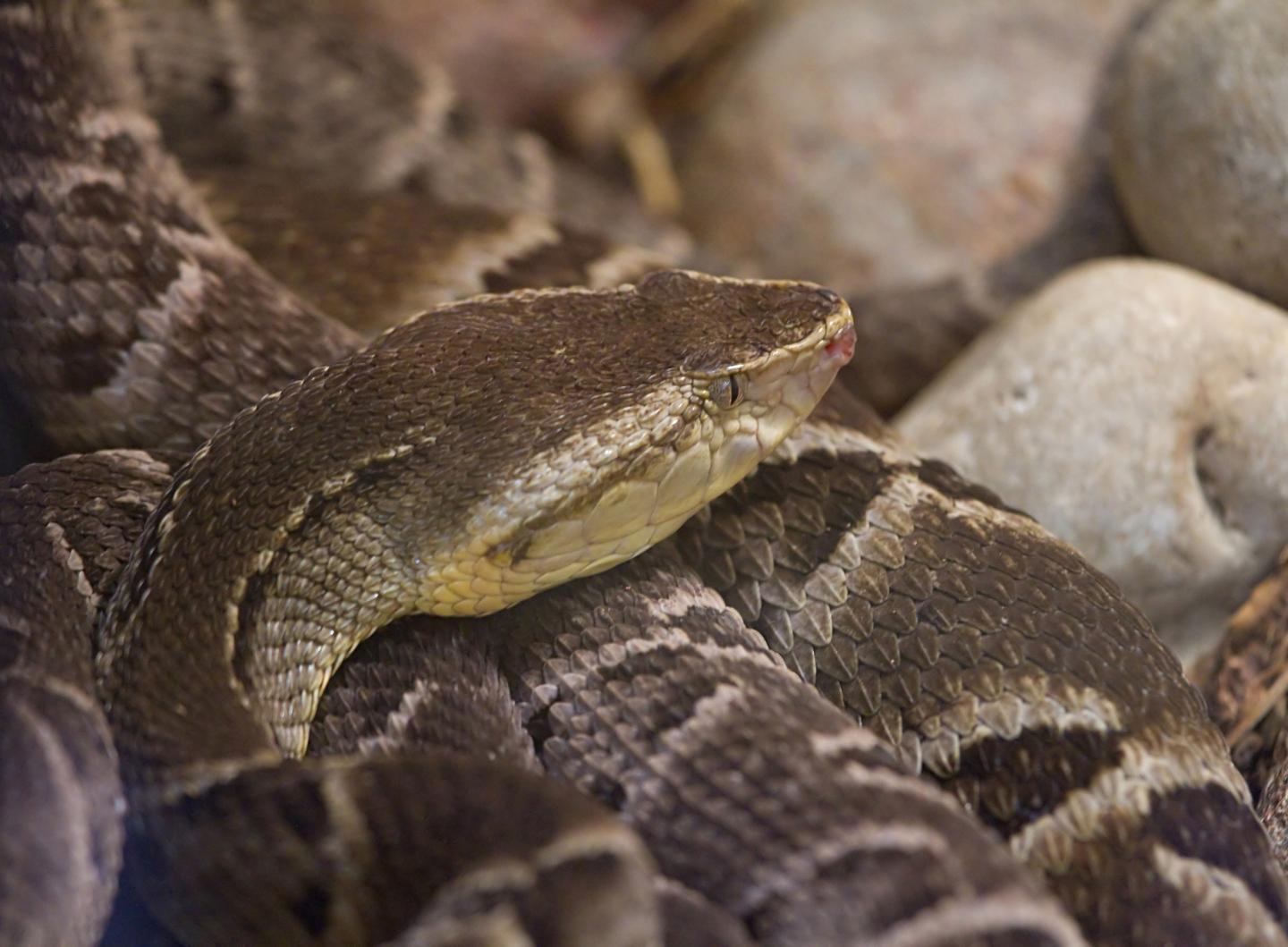
The Brazilian lancehead is one of several South American pit vipers that produce venom that has proven to be a powerful blood coagulant. A nanofiber hydrogel infused with snake venom may be the best material to stop bleeding quickly, according to Rice University scientists.
| Full story | 0 Comments | 5940 views |
| Molecular & Cell Biology | October 26, 2015 06:39 PM |
Motor proteins that pause at the ends of microtubules and produce pushing forces can also stimulate their growth, according to researchers at Penn State. The proteins' function could be a critical component in understanding cell division and nerve branching and growth.
| Full story | 0 Comments | 4934 views |

| Environment | October 26, 2015 06:39 PM |
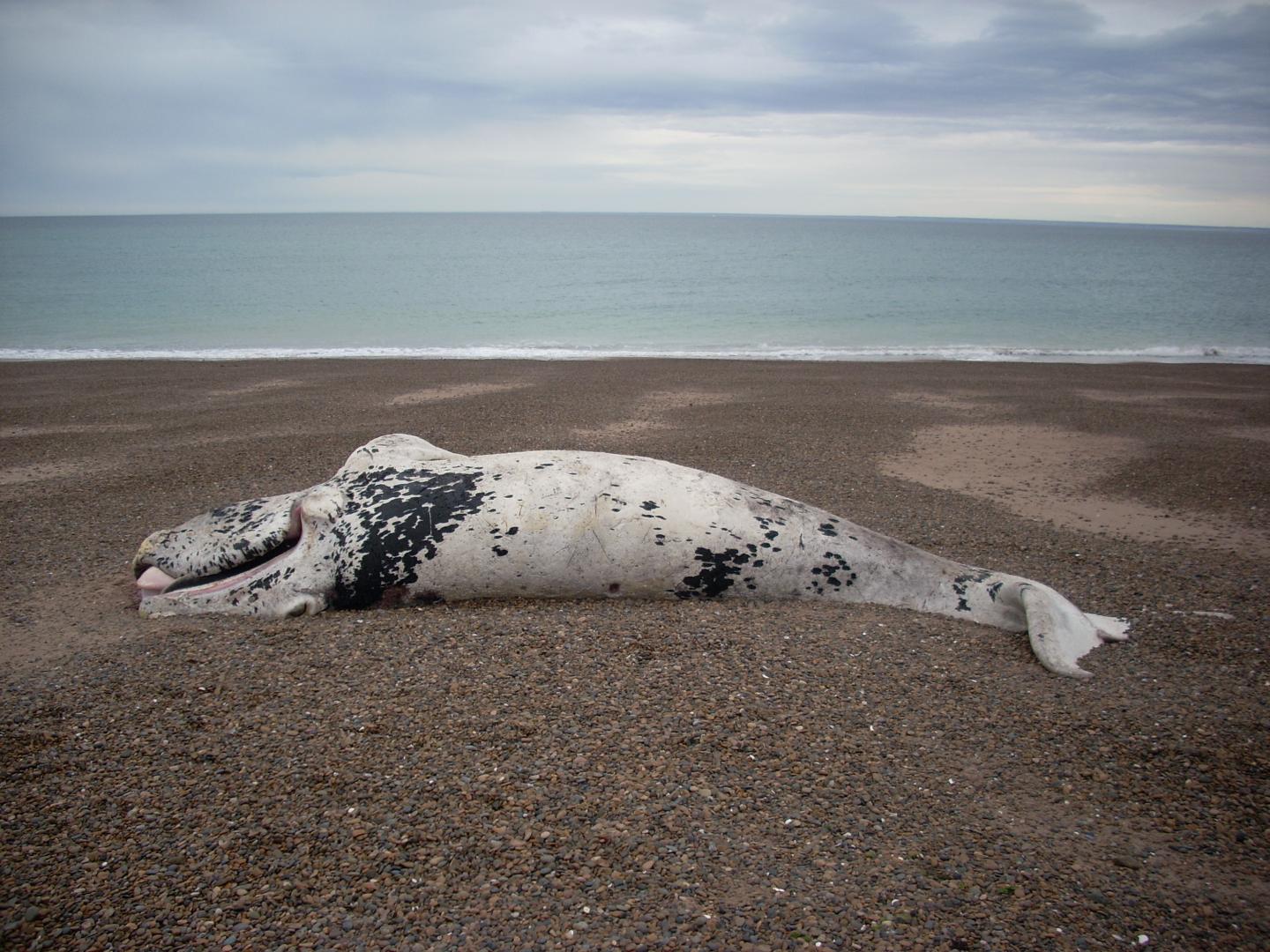
This is a right whale calf washed up at Peninsula Valdes, Argentina. New research indicates a likely connection between the deaths of hundreds such calves starting in the mid-2000s and... The baby whales suddenly began dying in 2005. And continued for several years running.
| Full story | 0 Comments | 6232 views |
| Biotechnology | October 26, 2015 06:39 PM |
In a novel use of the CRISPR/Cas9 system, which can be deployed to switch genes off, researchers from Germany, the UK and Spain have developed a multiplexed screening approach to study and model cancer development in mice. The scientists mutated genes in the adult mouse liver uncovering their cancer-causing roles and determining which combinations of genes cooperate to cause liver cancer.
| Full story | 0 Comments | 4860 views |
| Molecular & Cell Biology | October 23, 2015 04:11 PM |
Basic research into the mechanisms of cell division, using eggs and embryos from frogs and starfish, has led researchers to an unexpected discovery about how animal cells control the forces that shape themselves.
| Full story | 0 Comments | 5645 views |
| Bioinformatics | October 23, 2015 04:11 PM |
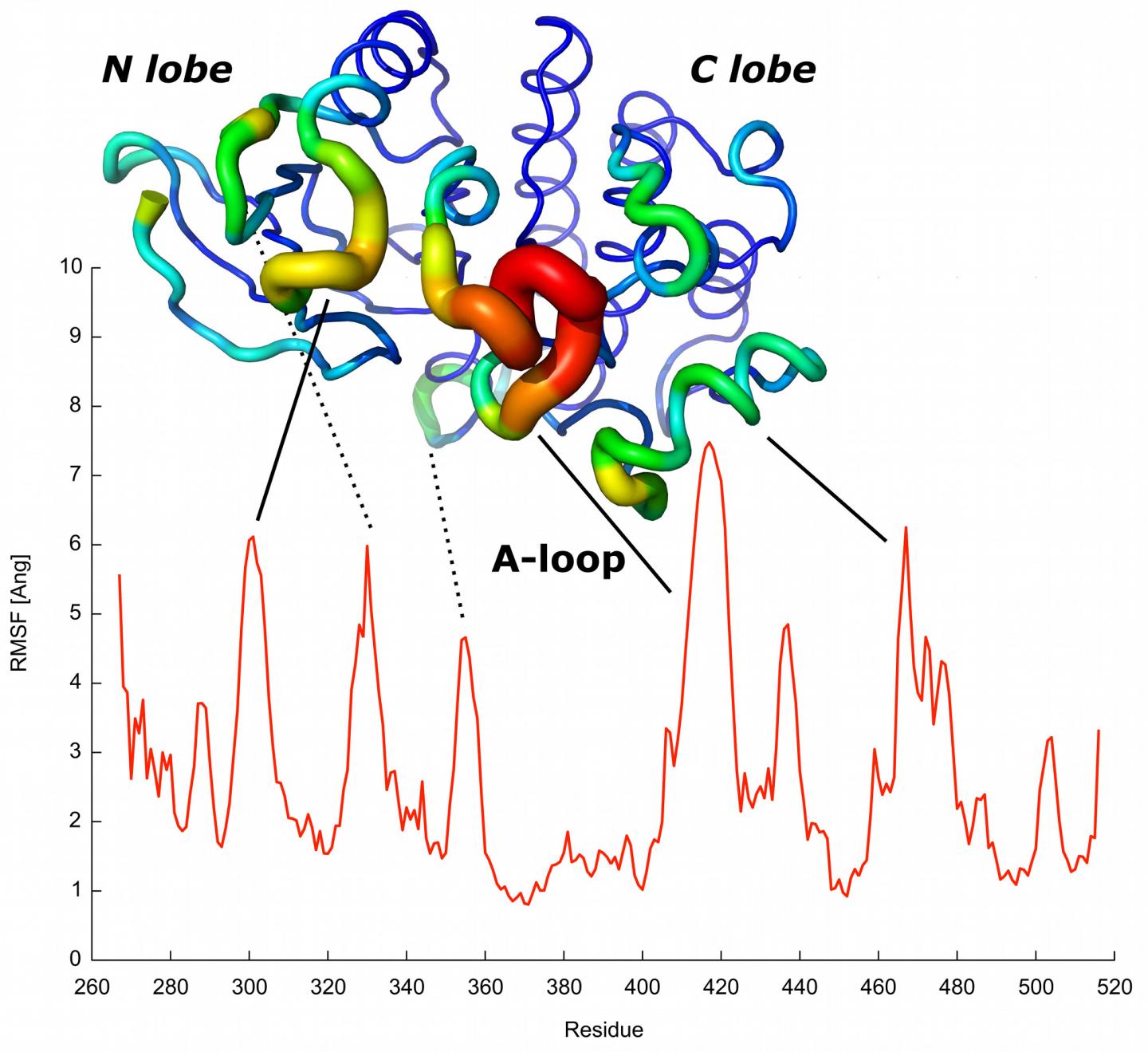
The predicted profile for the conformational dynamics of the tyrosine kinase family is shown. Regions highlighted in red correspond to important structural elements involved in protein activation. Researchers from the Structural Biology Computational Group of the Spanish National Cancer Research Centre (CNIO), led by Alfonso Valencia, in collaboration with a group headed by Francesco Gervasio at the University College London (UK), have developed the first computational method based on evolutionary principles to predict protein dynamics, which explains the changes in the shape or dimensional structure that they experience in order to interact with other compounds or speed up chemical reactions. The study constitutes a major step forward in the computational study of protein dynamics (i.e. their movement), which is crucial for the design of drugs and for the research on genetic diseases, such as cancer, resulting in higher levels of complexity than allowed by current methods. The results have been published this week in the journal Proceedings of the National Academy of Sciences (PNAS).
| Full story | 0 Comments | 6143 views |
| Environment | October 23, 2015 04:11 PM |
Food waste is today's hot topic. In fact, according to scientific surveys in Switzerland, 300 kg of perfectly good food ends up in the bin per person each year. However, this number encompasses the entire shopping basket, from yoghurt to drinkable leftover wine and two-day-old bread.
| Full story | 0 Comments | 5370 views |
| Molecular & Cell Biology | October 23, 2015 04:11 PM |
New research has shed light on the molecular changes that occur in our bodies as we age.
| Full story | 0 Comments | 4915 views |
| Microbiology | October 22, 2015 03:41 PM |
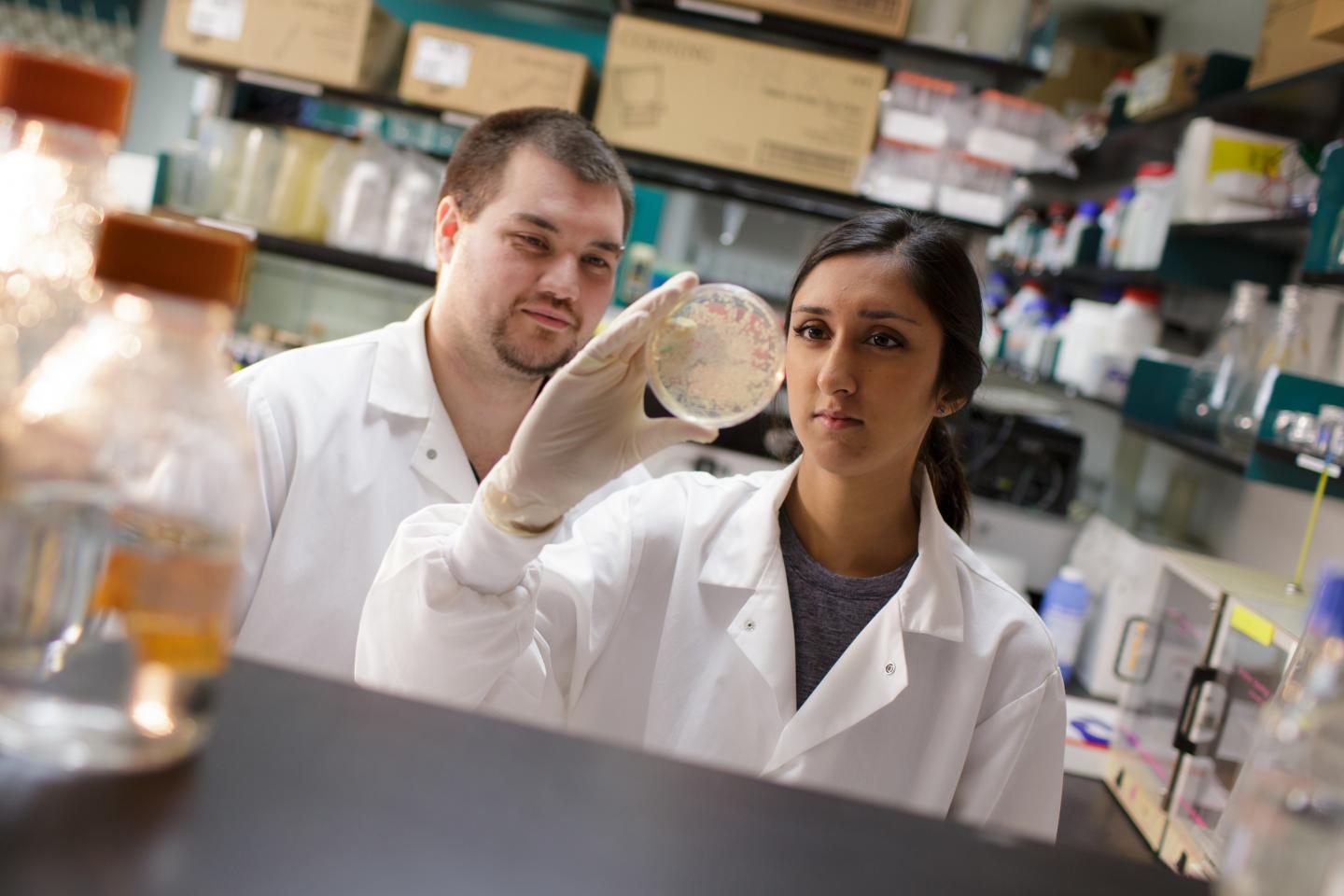
Brian Mahon and Avni Bhatt, graduate research assistants in the department of biochemistry and molecular biology, inspect a bacterium that is used to produce carbonic anhydrase. A type of bacteria plucked from the bottom of the ocean could be put to work neutralizing large amounts of industrial carbon dioxide in the Earth's atmosphere, a group of University of Florida researchers has found.
| Full story | 0 Comments | 8012 views |

| Gene Therapy | October 22, 2015 03:41 PM |
Muscular dystrophy, which affects approximately 250,000 people in the U.S., occurs when damaged muscle tissue is replaced with fibrous, fatty or bony tissue and loses function. For years, scientists have searched for a way to successfully treat the most common form of the disease, Duchenne Muscular Dystrophy (DMD), which primarily affects boys. Now, a team of University of Missouri researchers have successfully treated dogs with DMD and say that human clinical trials are being planned in the next few years.
| Full story | 0 Comments | 9066 views |
| Health & Medicine | October 22, 2015 03:41 PM |
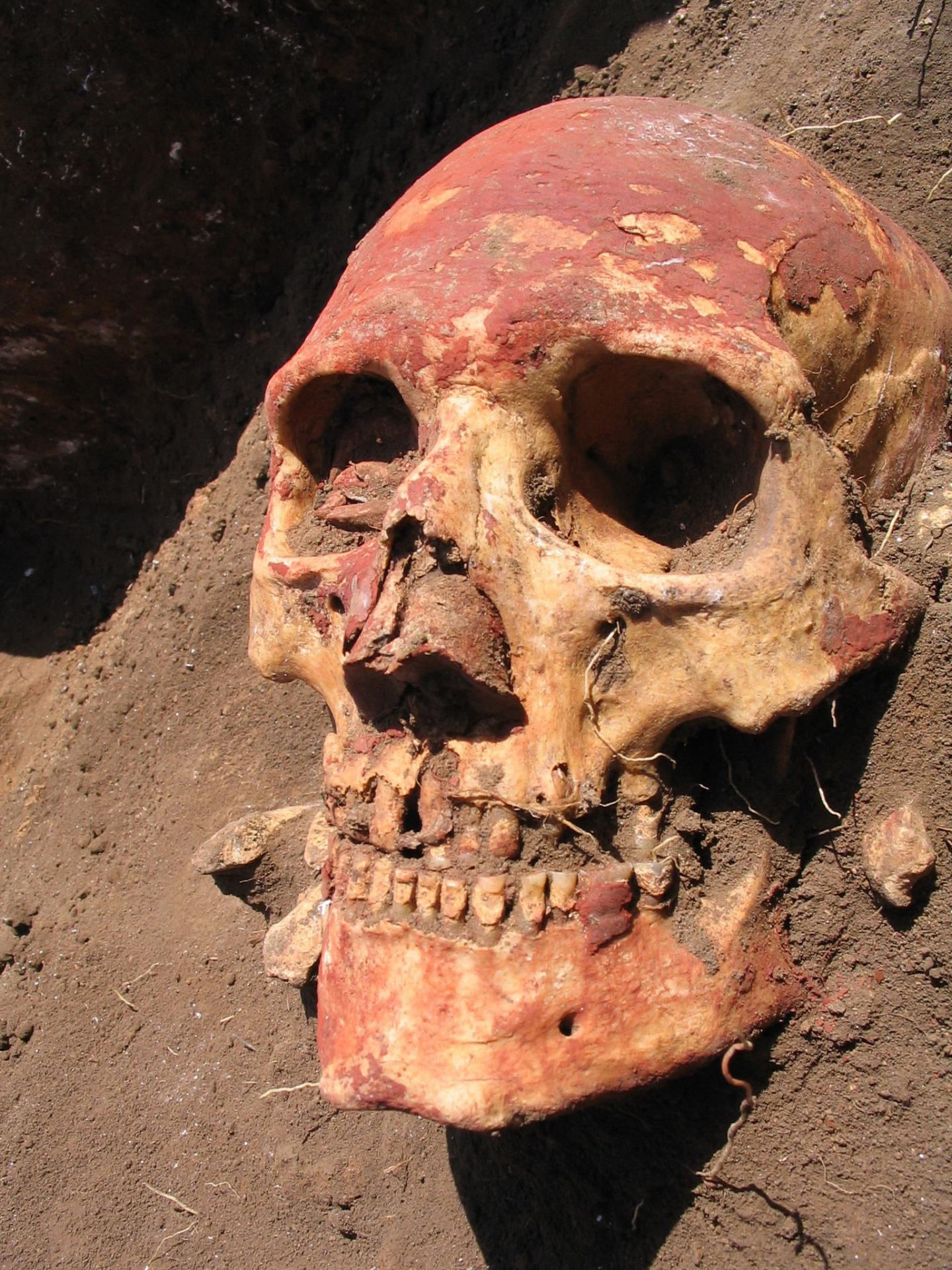
The photo shows a Bronze Age human skull from the Yamnaya culture painted with red ochre. Plague infections were common in humans 3,300 years earlier than the historical record suggests, reports a study published October 22 in Cell. By sequencing the DNA of tooth samples from Bronze Age individuals from Europe and Asia, the researchers discovered evidence of plague infections roughly 4,800 years ago. But it was at least another thousand years until the bacterium that causes the disease, Yersinia pestis, acquired key changes in virulence genes, allowing it to spread via fleas and evade the host immune system.
| Full story | 0 Comments | 6065 views |
| Molecular & Cell Biology | October 22, 2015 03:41 PM |
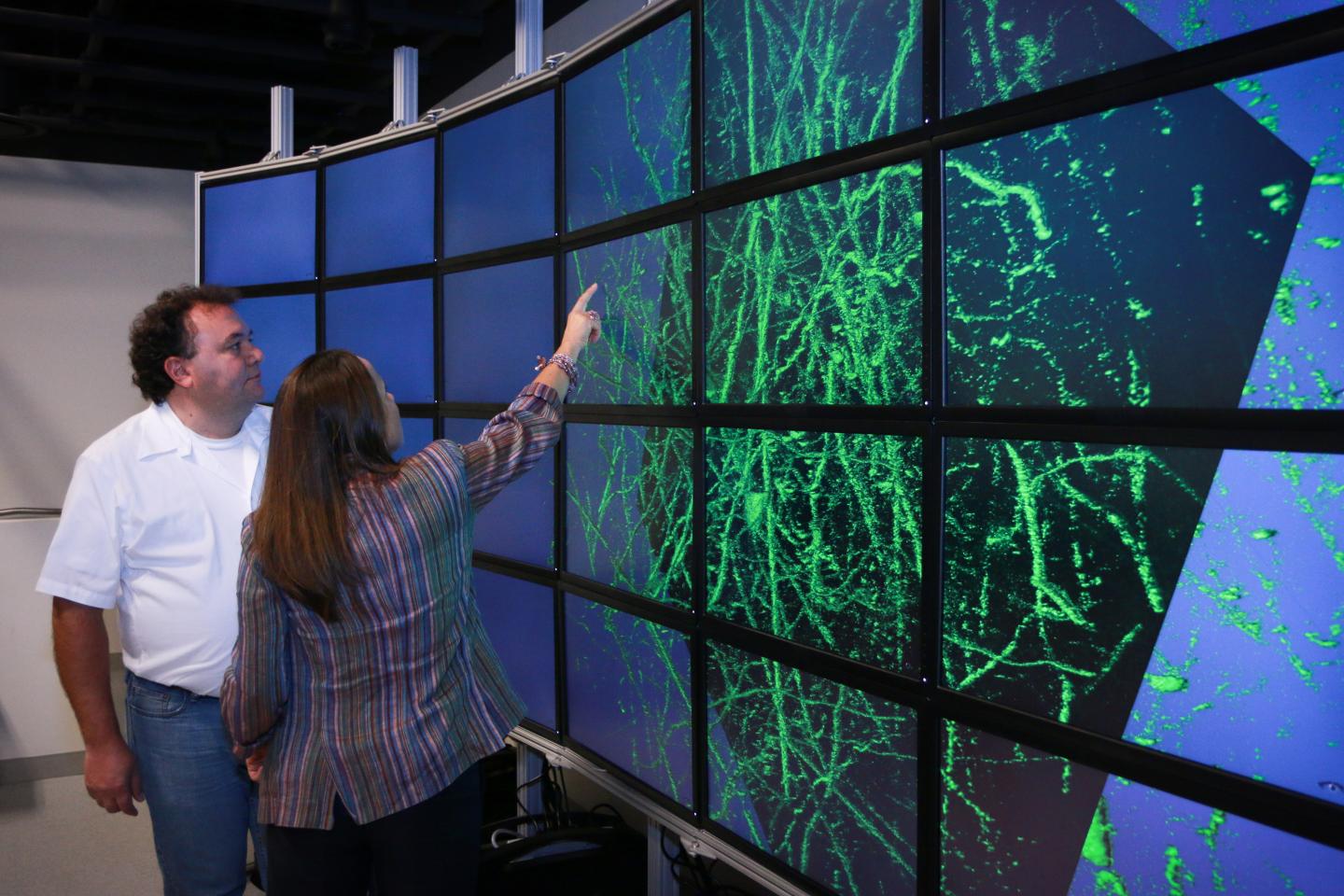
Alessandra Angelucci (right), a University of Utah professor of ophthalmology and visual science, and University of Utah computer science professor Valerio Pascucci stand in front of a computer model The animal brain is so complex, it would take a supercomputer and vast amounts of data to create a detailed 3-D model of the billions of neurons that power it.
| Full story | 0 Comments | 5146 views |
| Health & Medicine | October 21, 2015 03:43 AM |
Vaccines help prevent disease by inducing immunological memory, the ability of immune cells to remember and respond more quickly when re-exposed to the same pathogen. While certain phases of the pathway are well understood, little is known about the role of helper T cells, a "master orchestrator" of the immune response that send signals to activate the immune system.
| Full story | 0 Comments | 8394 views |

| AIDS & HIV | October 21, 2015 03:43 AM |
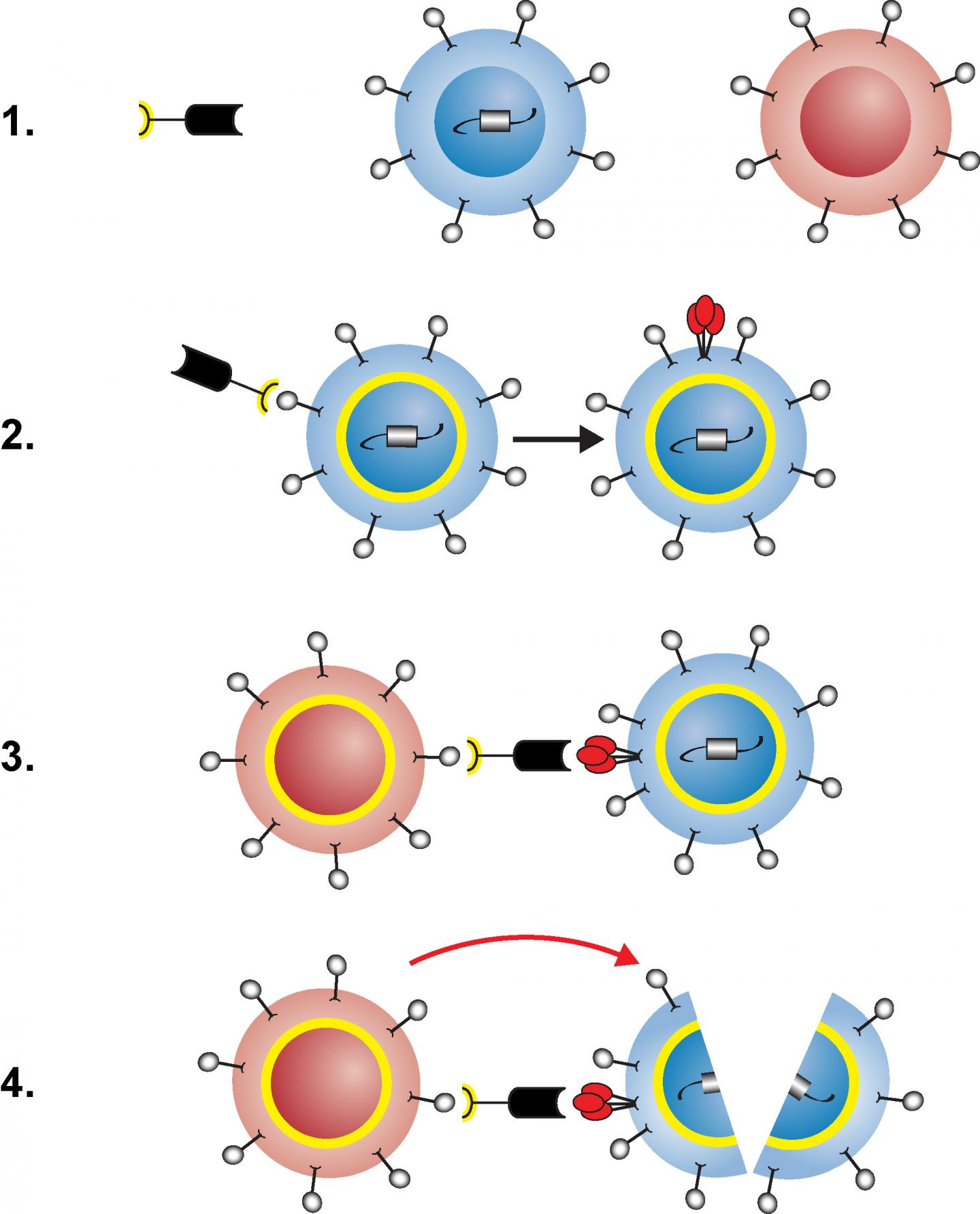
This is an illustration of how the engineered protein facilitates destruction of latently HIV-infected immune cells. Scientists at the National Institutes of Health (NIH) have created a protein that awakens resting immune cells infected with HIV and facilitates their destruction in laboratory studies. The protein potentially could contribute to a cure for HIV infection by helping deplete the reservoir of long-lived, latently HIV-infected cells that can start making the virus when a person stops taking anti-HIV drugs. Further studies in animals and people are needed to determine the viability of this approach.
| Full story | 0 Comments | 7724 views |
| Bioinformatics | October 21, 2015 03:43 AM |

The largest genetic study of atopic dermatitis ever performed permitted a team of international researchers to identify ten previously unknown genetic variations that contribute to the development of the condition. The largest genetic study of atopic dermatitis ever performed permitted a team of international researchers to identify ten previously unknown genetic variations that contribute to the development of the condition. The researchers also found evidence of genetic overlap between atopic dermatitis and other illnesses, including inflammatory bowel disease. The results was published in Nature Genetics online on Oct. 19.
| Full story | 0 Comments | 6655 views |
| Biology | October 21, 2015 03:43 AM |
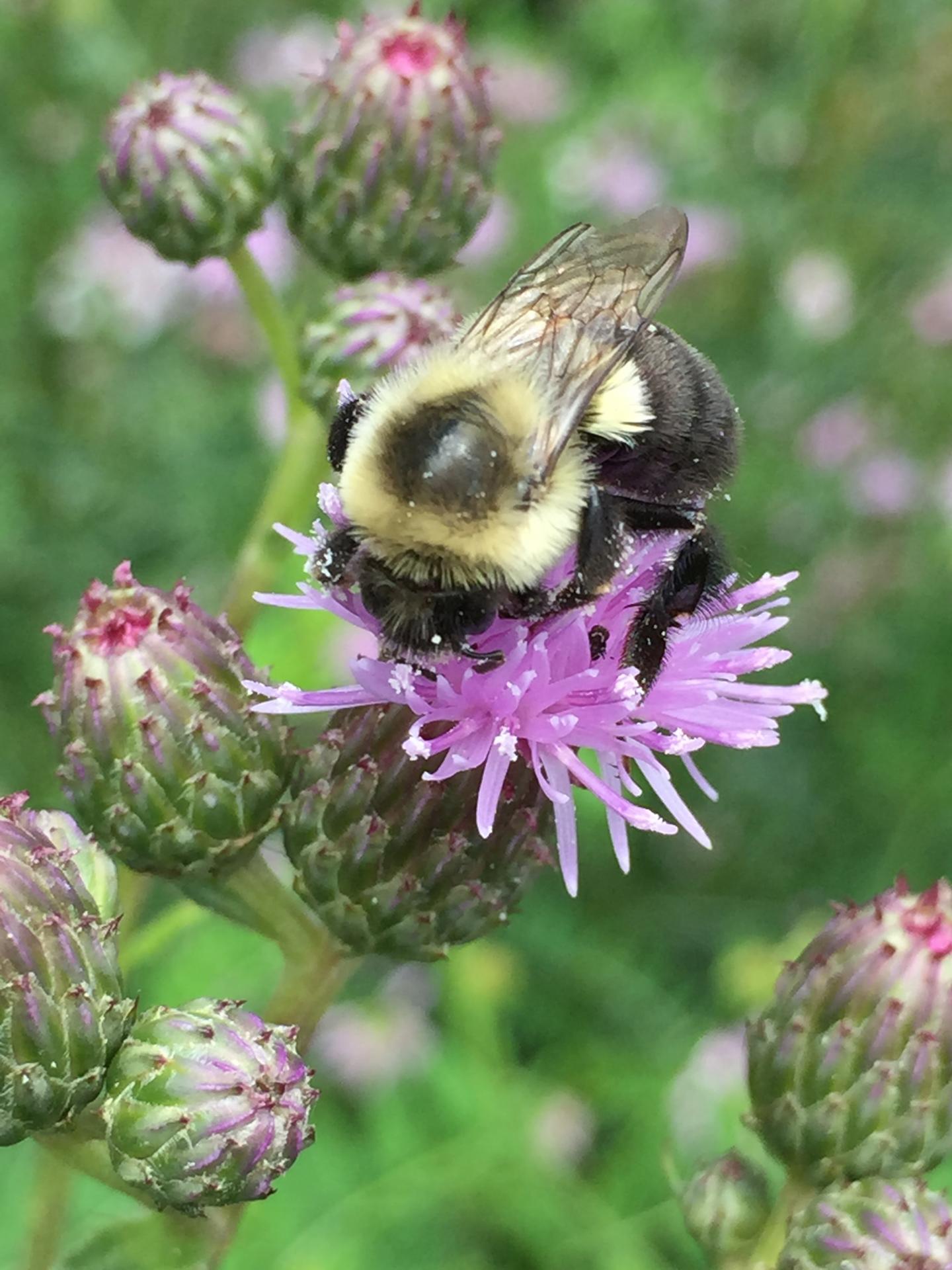
The researchers demonstrated that social insects, including bees, ants and wasps, are more complex than previously was thought. Chemical signaling among social insects, such as bees, ants and wasps, is more complex than previously thought, according to researchers at Penn State and Tel Aviv University, whose results refute the idea that a single group of chemicals controls reproduction across numerous species.
| Full story | 0 Comments | 7122 views |
| Bioinformatics | October 21, 2015 03:43 AM |
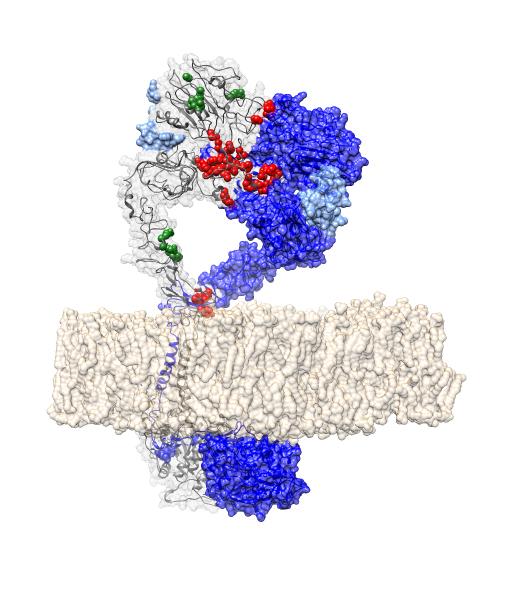
This is a structure showing EGFR -- a cancer driver -- in it's active dimer conformation. Red indicates mutations that destroy the protein-protein interface La Jolla, Calif., October 20, 2015 - In a collaborative study led by Sanford Burnham Prebys Medical Discovery Institute (SBP), researchers have combined two publicly available 'omics' databases to create a new catalogue of 'cancer drivers'. Cancer drivers are genes that when altered, are responsible for cancer progression. The researchers used cancer mutation and protein structure databases to identify mutations in patient tumors that alter normal protein-protein interaction (PPI) interfaces. The study, published today in PLoS Computational Biology, identified more than 100 novel cancer driver genes and helps explain how tumors driven by the same gene may lead to different patient outcomes.
| Full story | 0 Comments | 7675 views |
| Health & Medicine | October 21, 2015 03:43 AM |
Researchers who combed YouTube for videos regarding peripheral neuropathy, or nerve damage that causes weakness, numbness, and pain in the hands and feet, found 200 videos, but only about half of them were from healthcare professionals, mostly chiropractors. Alternative medicine was cited most frequently among the treatment discussions, followed by devices and pharmacological treatments. Only a minority of treatment discussions were based on recommendations by the American Academy of Neurology.
| Full story | 0 Comments | 5845 views |
| Environment | October 16, 2015 09:08 AM |
A small freshwater plant that has evolved to live in harsh seawater is giving scientists insight into how living things adapt to changes in their environment.
| Full story | 0 Comments | 9335 views |
| Health & Medicine | October 16, 2015 09:08 AM |
A suspected case of sexual transmission of Ebola virus disease (EVD) in Liberia was confirmed using genomic analysis, thanks to in-country laboratory capabilities established by U.S. Army scientists in collaboration with the Liberian Institute for Biomedical Research (LIBR).
| Full story | 0 Comments | 7099 views |
| Molecular & Cell Biology | October 16, 2015 09:08 AM |
Using a sensitive new technology called single-cell RNA-seq on cells from mice, scientists have created the first high-resolution gene expression map of the newborn mouse inner ear. The findings provide new insight into how epithelial cells in the inner ear develop and differentiate into specialized cells that serve critical functions for hearing and maintaining balance. Understanding how these important cells form may provide a foundation for the potential development of cell-based therapies for treating hearing loss and balance disorders. The research was conducted by scientists at the National Institute on Deafness and Other Communication Disorders (NIDCD), part of the National Institutes of Health.
| Full story | 0 Comments | 7465 views |
| Molecular & Cell Biology | October 16, 2015 09:08 AM |
Johannes Reiter, former PhD student in the group of Krishnendu Chatterjee at the Institute of Science and Technology Austria (IST Austria), is co-author of a Nature paper on genetic alterations that drive the progression and relapse of cancer. An international team of scientists from the US, Germany and Austria identified novel genes associated with chronic lymphocytic leukemia through the analysis of high-throughput sequencing data.
| Full story | 0 Comments | 8448 views |
| Molecular & Cell Biology | October 12, 2015 05:40 PM |
Using a multidisciplinary approach, researchers, led by those at Baylor College of Medicine, revealed in unprecedented detail the three-dimensional structure of biologically active DNA. A report on their work appears online in the journal Nature Communications.
| Full story | 0 Comments | 9267 views |
| Environment | October 12, 2015 05:40 PM |
A world-first global analysis of marine responses to climbing human CO2 emissions has painted a grim picture of future fisheries and ocean ecosystems.
| Full story | 0 Comments | 9172 views |

- In some genetic cases of microcephaly, stem cells fail to launch
- Yale team discovers how Zika virus causes fetal brain damage
- Scientists uncover the way a common cell enzyme alerts the body to invading bacteria
- Arctic gives clues on worst mass extinction of life
- Calcium channel blockers caught in the act at atomic level
Search Bio News Net
Free Biology Newsletter
- Flexibility That A.C.A. Lent to Work Force Is Threatened by...International Herald Tribune
- Bacteria Behind Legionnaires’ Disease Found at New York Police StationInternational Herald Tribune
- Prescription Price Crisis? 28 Million Americans See Spike in Drug...MSNBC.com: Health
- Seizing on Opioid Crisis, a Drug Maker Lobbies Hard for...International Herald Tribune
- Republicans are taking a big political risk on health careAP Health News
- Why We're So Divided Over Saving WolvesNational Geographic News