


In a new study, Yale researchers demonstrate Zika virus infection of cells derived from human placentas. The research provides insight into how Zika virus may be transmitted from expectant mother to fetus, resulting in infection of the fetal brain.

| Molecular & Cell Biology | August 18, 2016 06:02 PM |
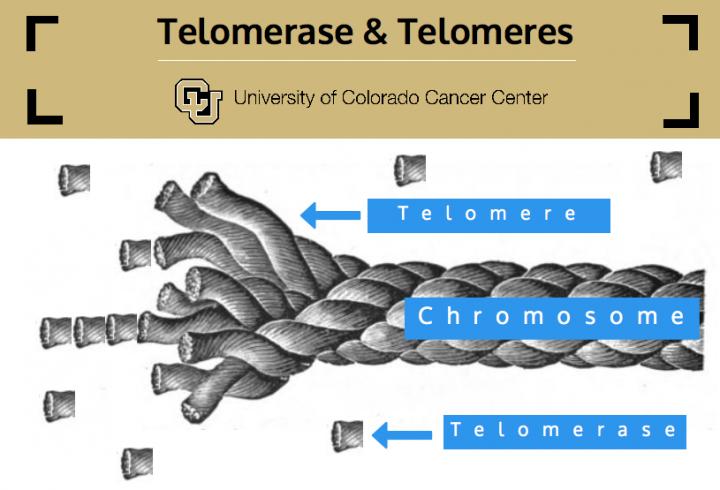
Protective telomeres are augmented by freely diffusing telomerase. As the rope of a chromosomes replicates, it frays at the ends. No problem: A chromosome's ends have extra twine so that fraying doesn't reach into the body of the rope where the important information resides. This extra twine is called a "telomere". Over time and across replications, this telomere twine breaks down until the chromosome loses its protective ends and this "fraying" reaches into the rope, wrecking the chromosome and resulting in the death of the cell.
| Full story | 0 Comments | 21464 views |

| Microbiology | August 18, 2016 06:02 PM |
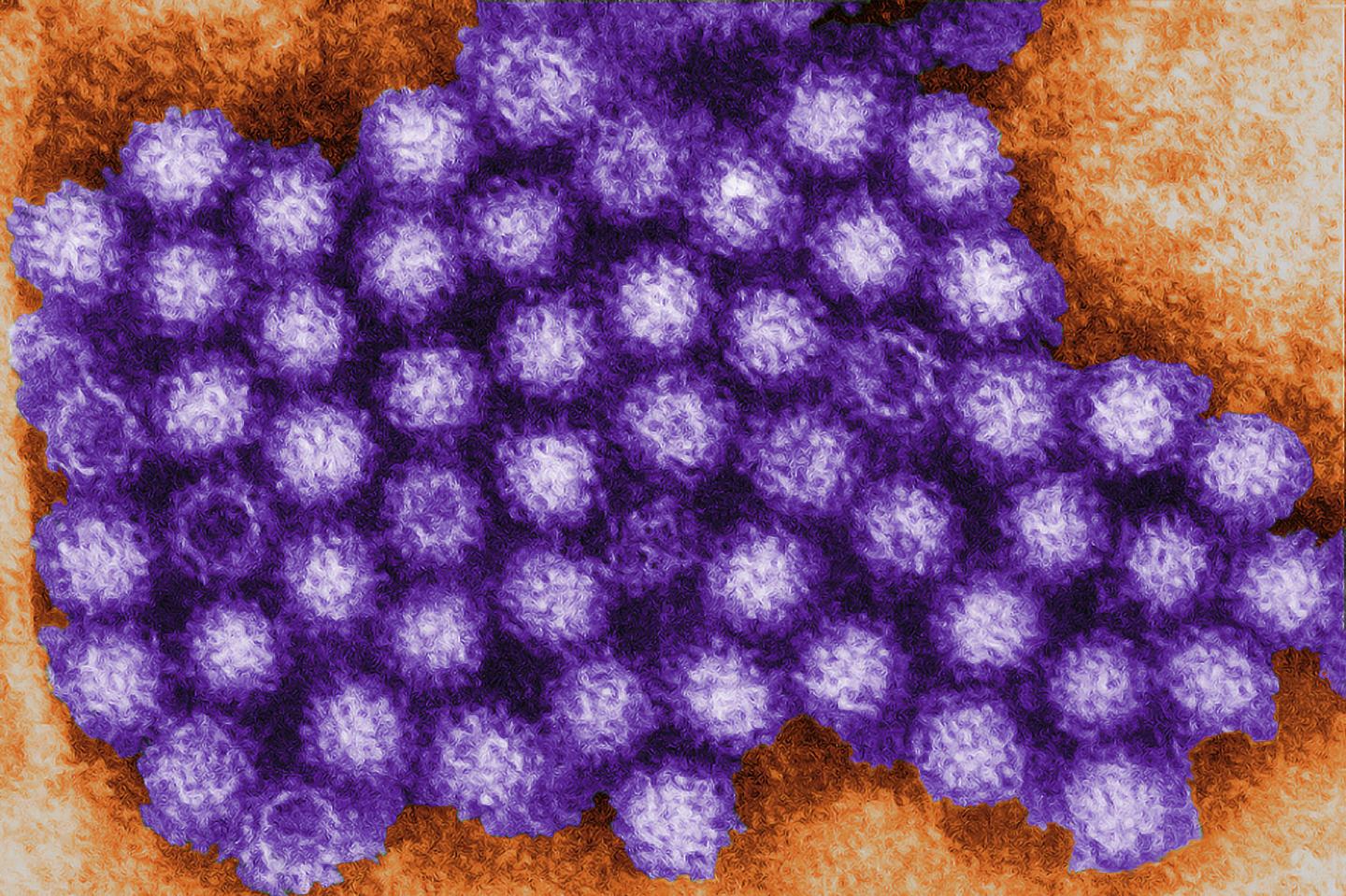
Researchers at Washington University School of Medicine in St. Louis have identified the protein that norovirus -- shown here in a colored transmission electron micrograph -- uses to invade cells. Norovirus is the most common viral cause of diarrhea worldwide, but scientists still know little about how it infects people and causes disease. Research has been hindered by an inability to grow the virus in the lab.
| Full story | 0 Comments | 38519 views |

- In some genetic cases of microcephaly, stem cells fail to launch
- Yale team discovers how Zika virus causes fetal brain damage
- Scientists uncover the way a common cell enzyme alerts the body to invading bacteria
- Arctic gives clues on worst mass extinction of life
- Calcium channel blockers caught in the act at atomic level
Search Bio News Net
Free Biology Newsletter
- Flexibility That A.C.A. Lent to Work Force Is Threatened by...International Herald Tribune
- Bacteria Behind Legionnaires’ Disease Found at New York Police StationInternational Herald Tribune
- Prescription Price Crisis? 28 Million Americans See Spike in Drug...MSNBC.com: Health
- Seizing on Opioid Crisis, a Drug Maker Lobbies Hard for...International Herald Tribune
- Republicans are taking a big political risk on health careAP Health News
- Why We're So Divided Over Saving WolvesNational Geographic News