


People abuse #Imodium as an opiate substitute. It is dangerous and potentially deadly. Annals of Emergency Medicine. WASHINGTON --T he over-the-counter anti-diarrhea medication Imodium®, or its key ingredient loperamide, is increasingly being abused by people attempting to self-treat their opioid addiction, with sometime fatal results. Two case studies outlining the phenomenon were published online Friday in Annals of Emergency Medicine ("Loperamide Abuse Associated with Cardiac Dysrhythmia and Death").

| Health & Medicine | May 3, 2016 05:58 PM |
| Full story | 0 Comments | 6678 views |

| Biology | May 3, 2016 05:58 PM |
In December 2015 an international group of scientists convened in Austria to discuss the imminent extinction of the northern white rhinoceros and the possibility of bringing the species back from brink of extinction. The discussions of this historic meeting appear in the international Journal Zoo Biology. The publication of this work is designed as part of the ongoing effort to raise awareness for the extinction crisis facing rhinos and many other species while also reaching out to the scientific community to share and gather information.
| Full story | 0 Comments | 7519 views |

| Molecular & Cell Biology | May 3, 2016 05:58 PM |
RNA polymerase II (Pol II), a key enzyme in our gene expression, is responsible for transcribing DNA into messenger RNA. Errors in transcription can cause deleterious effect upon repeated translation of erroneous mRNA into protein. Transcription infidelity may result in aging and human diseases such as cancer. During transcription, Pol II can detect the mis-incorporated RNA and backtrack to correct errors to ensure that each messenger RNA created will match with template DNA. However, it remains largely a mystery how Pol II controls the fidelity of gene transcription.
| Full story | 0 Comments | 5556 views |
| Health & Medicine | May 3, 2016 05:58 PM |
Autism and cancer share more than 40 risk genes, suggesting that common mechanisms underlying the functions of some of these genes could conceivably be leveraged to develop therapies not just for cancer but for autism as well, an extensive assessment by researchers with the UC Davis MIND Institute and Comprehensive Cancer Center has found.
| Full story | 0 Comments | 5390 views |

| Microbiology | May 3, 2016 05:58 PM |
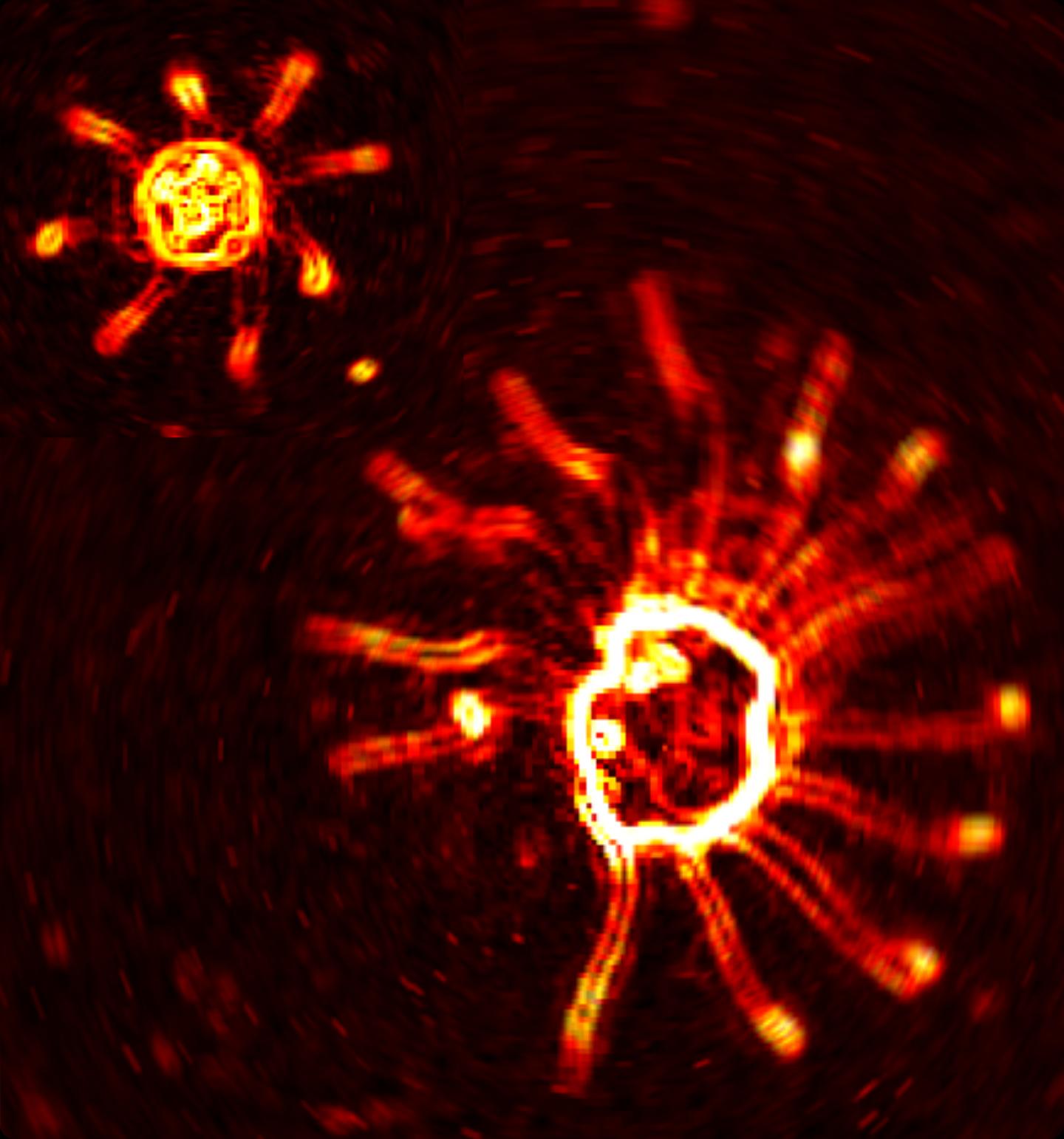
These are microscope images showing two species of algae which swim using tiny appendages known as flagella. Long before there were fish swimming in the oceans, tiny microorganisms were using long slender appendages called cilia and flagella to navigate their watery habitats. Now, new research reveals that species of single-celled algae coordinate their flagella to achieve a remarkable diversity of swimming gaits.
| Full story | 0 Comments | 5540 views |

- In some genetic cases of microcephaly, stem cells fail to launch
- Yale team discovers how Zika virus causes fetal brain damage
- Scientists uncover the way a common cell enzyme alerts the body to invading bacteria
- Arctic gives clues on worst mass extinction of life
- Calcium channel blockers caught in the act at atomic level
Search Bio News Net
Free Biology Newsletter
- Flexibility That A.C.A. Lent to Work Force Is Threatened by...International Herald Tribune
- Bacteria Behind Legionnaires’ Disease Found at New York Police StationInternational Herald Tribune
- Prescription Price Crisis? 28 Million Americans See Spike in Drug...MSNBC.com: Health
- Seizing on Opioid Crisis, a Drug Maker Lobbies Hard for...International Herald Tribune
- Republicans are taking a big political risk on health careAP Health News
- Why We're So Divided Over Saving WolvesNational Geographic News