


CRISPR/Cas9 is a gene-editing tool that can target a particular segment of DNA in living cells and replace it with a new genetic sequence. Researchers at Harvard University and the University of California, San Diego, have developed a new user-friendly resource to accompany the powerful gene editing tool called CRISPR/Cas9, which has been widely adopted to make precise, targeted changes in DNA. This breakthrough has the potential to facilitate new discoveries in gene therapies and basic genetics research. The research was published in the July 13 issue of Nature Methods.

| Biotechnology | July 16, 2015 06:43 PM |
| Full story | 0 Comments | 7713 views |

| Health & Medicine | July 16, 2015 06:42 PM |
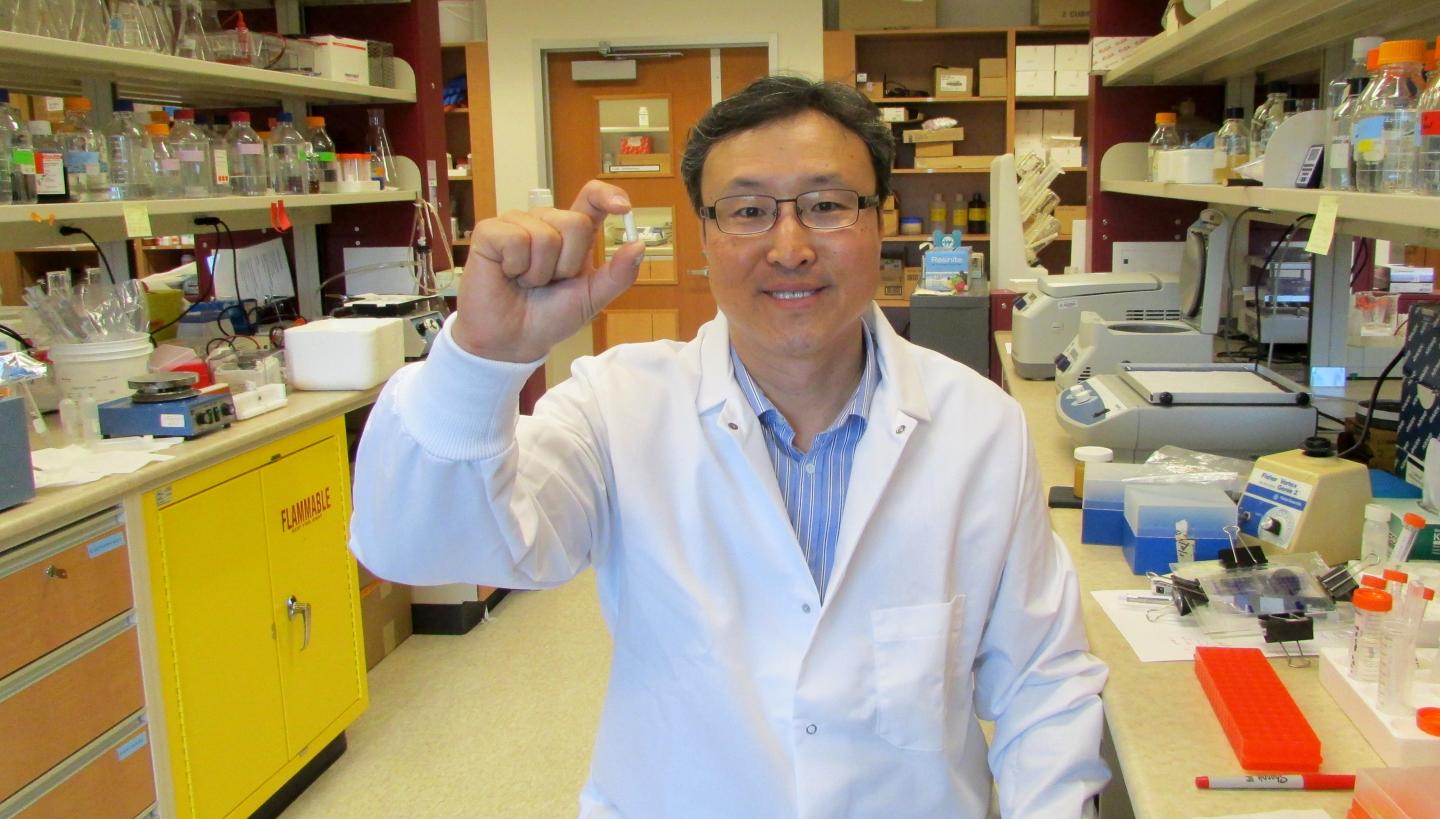
Hoon Sunwoo holds a sample of the antibody supplement he developed with colleague Jeong Sim. University of Alberta researchers may have found a way to help people with celiac disease enjoy the wide variety of foods they normally have to shun.
| Full story | 0 Comments | 11772 views |
| Biotechnology | July 16, 2015 06:42 PM |
A simple, lower-cost new method for DNA profiling of human hairs developed by the University of Adelaide should improve opportunities to link criminals to serious crimes.
| Full story | 0 Comments | 7693 views |
| Health & Medicine | July 16, 2015 06:42 PM |
Previously identified associations between TV viewing and a less healthful diet may stem from exposure to advertisements of high calorie foods and 'distracted eating' rather than the activity of sitting itself, although sitting time remains an independent risk factor requiring public health focus. These findings are according to a new study by American Cancer Society investigators conducted in collaboration with the Gretchen Swanson Center for Nutrition and the University of Texas School of Public Health. For their study, published in Preventive Medicine, researchers examined sedentary time based on data using an objective measure (accelerometers), and found that sedentary time was not linked to poorer diets among US adults.
| Full story | 0 Comments | 5562 views |

| Biology | July 16, 2015 06:42 PM |
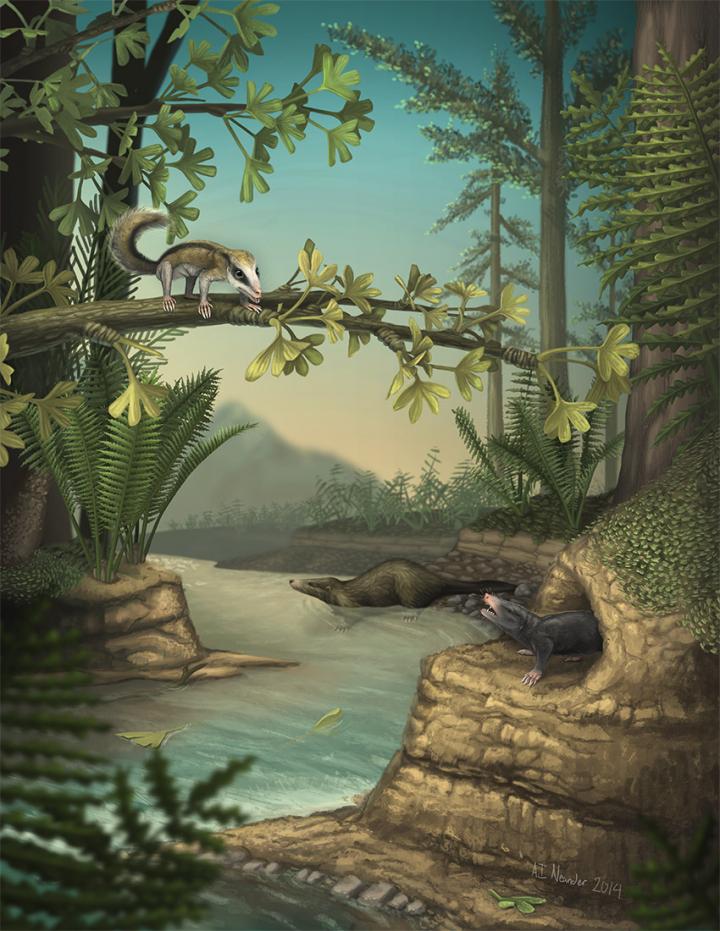
Research led by Oxford University scientists shows that mammals were evolving up to ten times faster in the middle of the Jurassic Mammals were evolving up to ten times faster in the middle of the Jurassic than they were at the end of the period, coinciding with an explosion of new adaptations, new research shows.
| Full story | 0 Comments | 6586 views |

- In some genetic cases of microcephaly, stem cells fail to launch
- Yale team discovers how Zika virus causes fetal brain damage
- Scientists uncover the way a common cell enzyme alerts the body to invading bacteria
- Arctic gives clues on worst mass extinction of life
- Calcium channel blockers caught in the act at atomic level
Search Bio News Net
Free Biology Newsletter
- Flexibility That A.C.A. Lent to Work Force Is Threatened by...International Herald Tribune
- Bacteria Behind Legionnaires’ Disease Found at New York Police StationInternational Herald Tribune
- Prescription Price Crisis? 28 Million Americans See Spike in Drug...MSNBC.com: Health
- Seizing on Opioid Crisis, a Drug Maker Lobbies Hard for...International Herald Tribune
- Republicans are taking a big political risk on health careAP Health News
- Why We're So Divided Over Saving WolvesNational Geographic News