


This image shows two hands manipulating an IV for chemotherapy administration to a patient. A new study published in IOP Publishing's journal 2D Materials has proposed using graphene as an alternative coating for catheters to improve the delivery of chemotherapy drugs.

| Biotechnology | June 2, 2015 06:32 PM |
| Full story | 0 Comments | 6029 views |

| AIDS & HIV | June 2, 2015 06:32 PM |
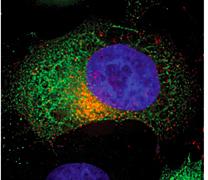
Probing HIV Env's incorporation into viral particles could inform design of virus-like particle vaccines. Virologists at Emory University School of Medicine, Yerkes National Primate Research Center, and Children's Healthcare of Atlanta have uncovered a critical detail explaining how HIV assembles its infectious yet stealthy clothing.
| Full story | 0 Comments | 5563 views |

| Environment | June 2, 2015 06:32 PM |
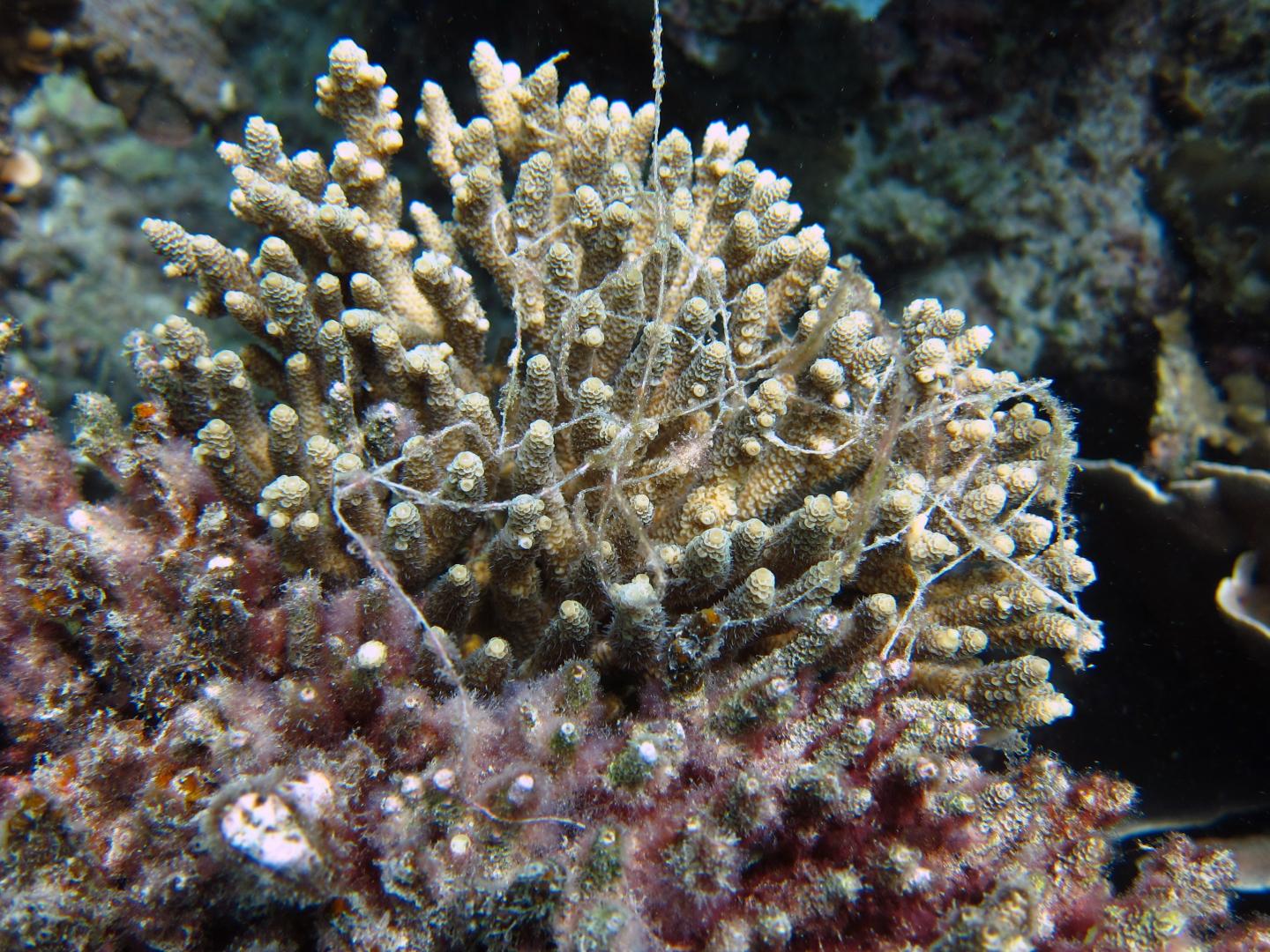
Abandoned fishing line can injure corals. A new and significant role for marine reserves on the Great Barrier Reef has been revealed, with researchers finding the reserves reduce the prevalence of coral diseases.
| Full story | 0 Comments | 5349 views |

| Microbiology | June 2, 2015 06:32 PM |
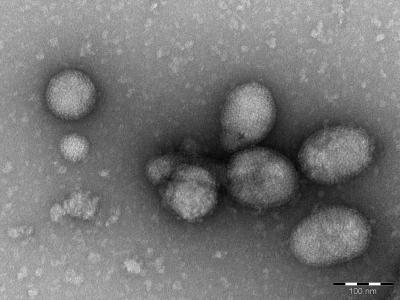
Ferak is a fantasy figure, a plant/animal hybrid creature. The genome of the virus has similarities to bunyaviruses from both plants and animals. Researchers at the University of Bonn and the German Center for Infection Research (DZIF) have discovered two new groups of viruses within the Bunyavirus family in the tropical forest of Ivory Coast. Previously only five groups responsible for serious illnesses in humans and animals were known. Most are spread through blood-feeding insects. Based on the discovered viruses researchers conclude that the ancester to all bunyaviruses must have existed in arthropods such as insects. The results are now being published in the "Proceedings of the National Academy of Sciences" (PNAS).
| Full story | 0 Comments | 5418 views |

| Biology | June 2, 2015 06:32 PM |
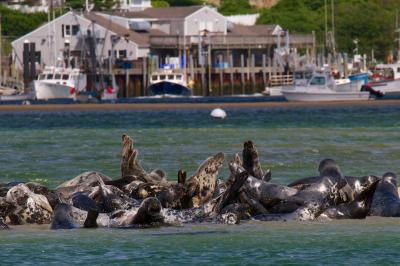
The restoration of formerly endangered species is raising conflict in some places. A study of marine mammals and other protected species finds that several once endangered species, including the iconic humpback whale, the northern elephant seal and green sea turtles, have recovered and are repopulating their former ranges.
| Full story | 0 Comments | 6601 views |

| Molecular & Cell Biology | June 2, 2015 06:32 PM |
Senescence, a phenomenon in which cells cease to divide and grow, can be caused by everything from natural DNA damage to treatment with chemotherapy. However, several mechanisms allow for cells to bypass senescence and grow out of control, eventually becoming cancerous. Now, scientists at The Wistar Institute have identified how a specific variant of a key protein complex found in human cells called condensin can reorganize a cell's genetic architecture in such a way as to promote senescence, making it an important facilitator in a cell's anticancer ability.
| Full story | 0 Comments | 4449 views |

- In some genetic cases of microcephaly, stem cells fail to launch
- Yale team discovers how Zika virus causes fetal brain damage
- Scientists uncover the way a common cell enzyme alerts the body to invading bacteria
- Arctic gives clues on worst mass extinction of life
- Calcium channel blockers caught in the act at atomic level
Search Bio News Net
Free Biology Newsletter
- Flexibility That A.C.A. Lent to Work Force Is Threatened by...International Herald Tribune
- Bacteria Behind Legionnaires’ Disease Found at New York Police StationInternational Herald Tribune
- Prescription Price Crisis? 28 Million Americans See Spike in Drug...MSNBC.com: Health
- Seizing on Opioid Crisis, a Drug Maker Lobbies Hard for...International Herald Tribune
- Republicans are taking a big political risk on health careAP Health News
- Why We're So Divided Over Saving WolvesNational Geographic News