

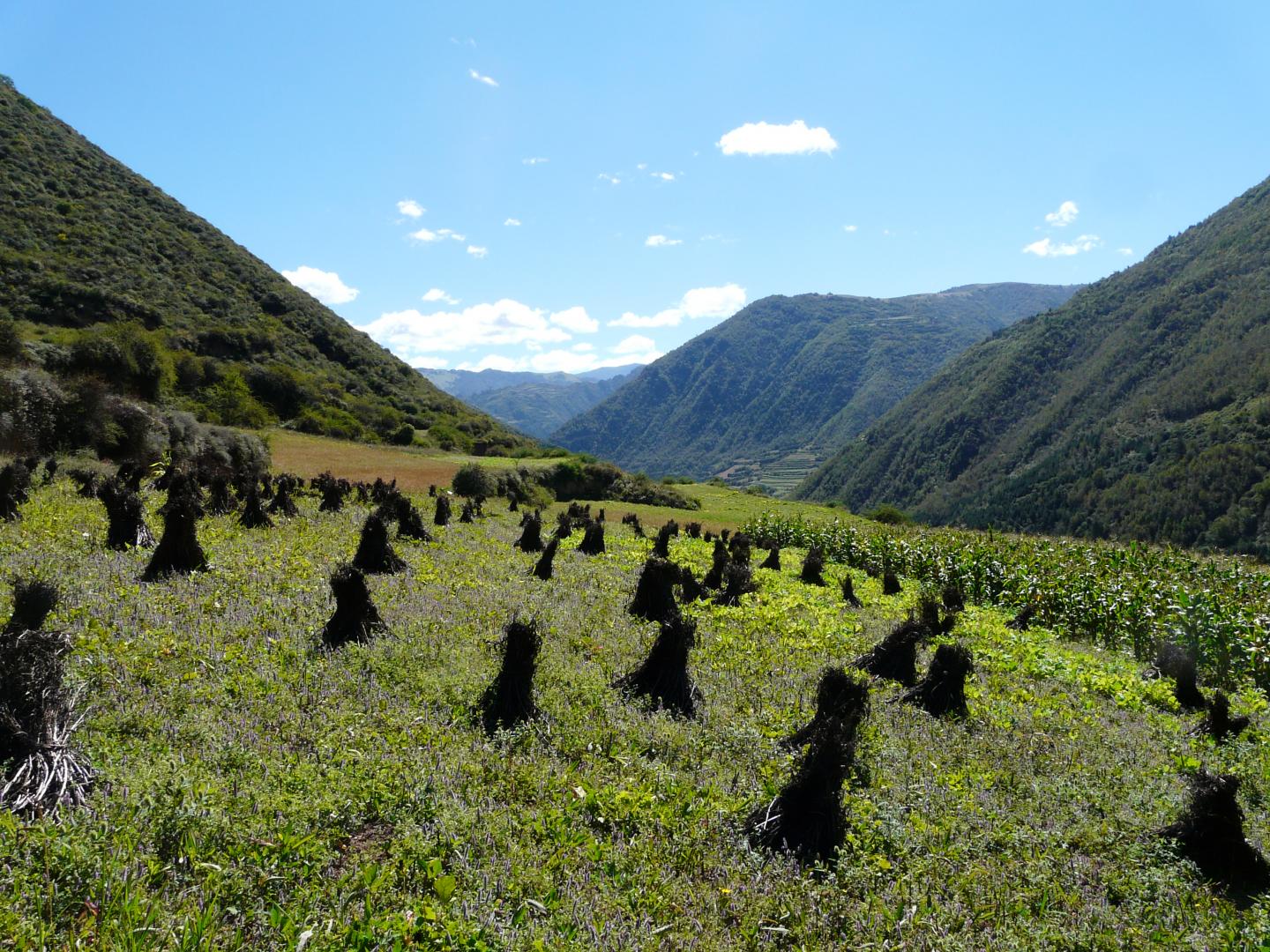
Barley cultivation in Jiuzhaigou National Park hasn't changed much in nearly 2,000 years. Climate change may be responsible for the abrupt collapse of civilization on the fringes of the Tibetan Plateau around 2000 B.C.

| Environment | April 29, 2015 07:13 PM |
| Full story | 0 Comments | 6290 views |

| Biology | April 29, 2015 07:13 PM |
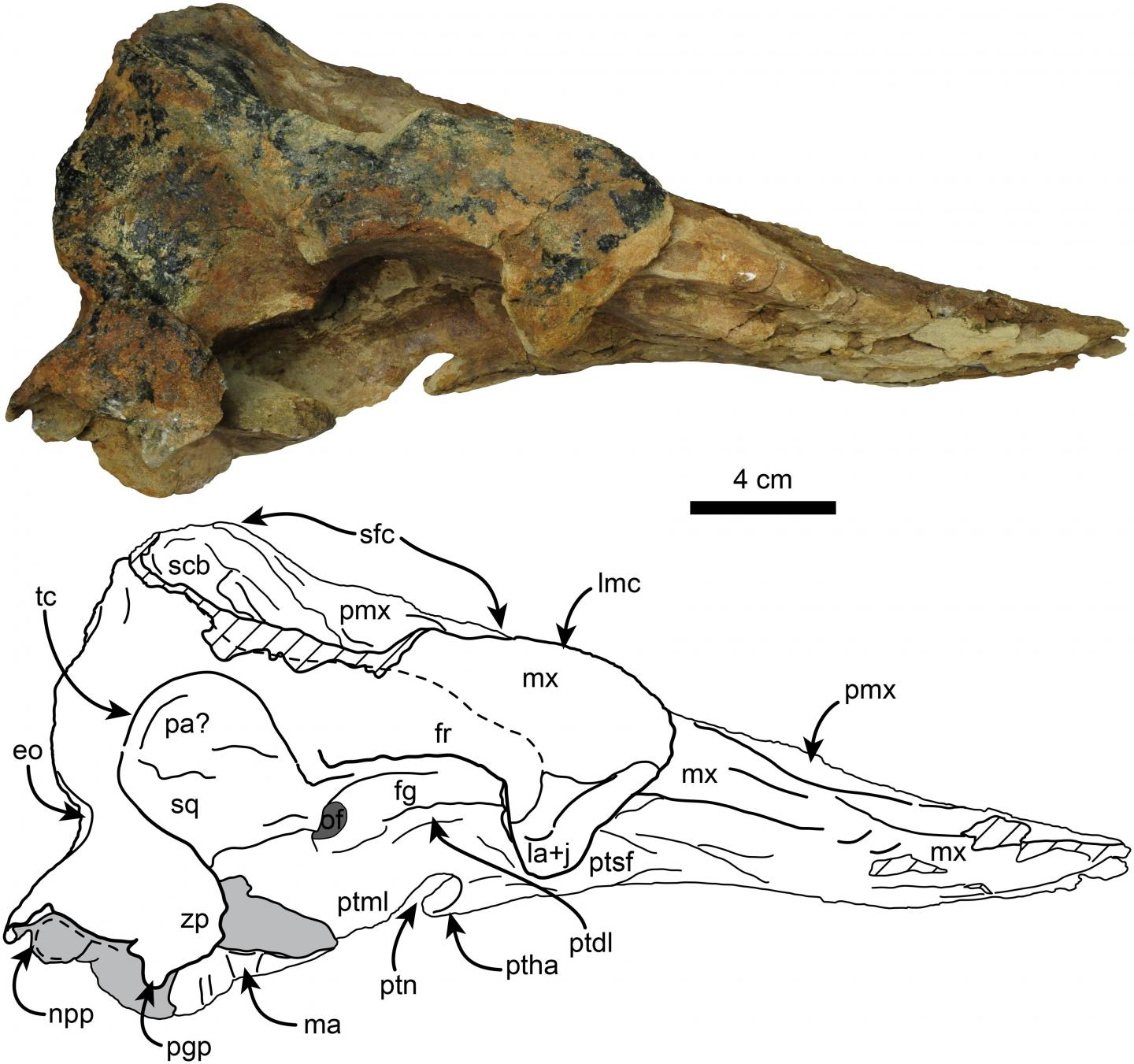
Rare fossils from extinct pygmy sperm whales found in Panama indicate the bone involved in sound generation and echolocation, the spermaceti organ, reduced in size throughout the whales' evolution, according to a study published April 29, 2015 in the open-access journal PLOS ONE by Jorge Velez-Juarbe from Natural History Museum of Los Angeles County and colleagues.
| Full story | 0 Comments | 7738 views |

| Gene Therapy | April 29, 2015 07:13 PM |
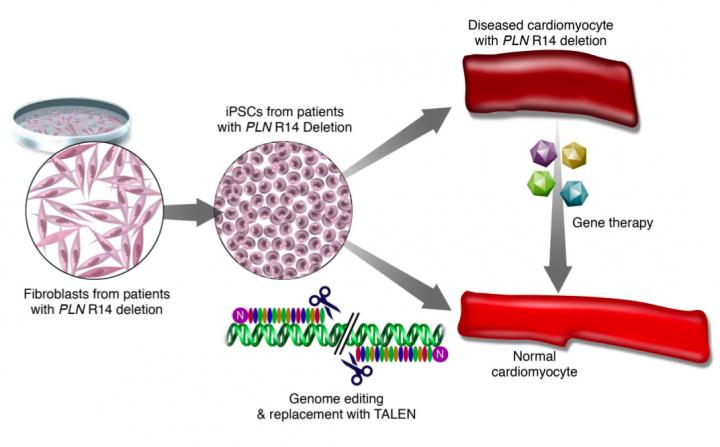
This image shows the heart failure gene editing process. Gene therapy can clip out genetic material linked to heart failure and replace it with the normal gene in human cardiac cells, according to a study led by researchers from the Cardiovascular Research Center at Icahn School of Medicine at Mount Sinai. The study is published in the April 29 edition of Nature Communications.
| Full story | 0 Comments | 10013 views |

| Molecular & Cell Biology | April 29, 2015 07:13 PM |

Rice University researchers Peter Wolynes, left, and Bin Zhang are working to formulate an energy-landscape theory for chromosomes. The theory could help scientists understand the genomic roots of gene regulation,... Human chromosomes are much bigger and more complex than proteins, but like proteins, they appear to fold and unfold in an orderly process as they carry out their functions in cells.
| Full story | 0 Comments | 5491 views |
| Biology | April 29, 2015 07:13 PM |
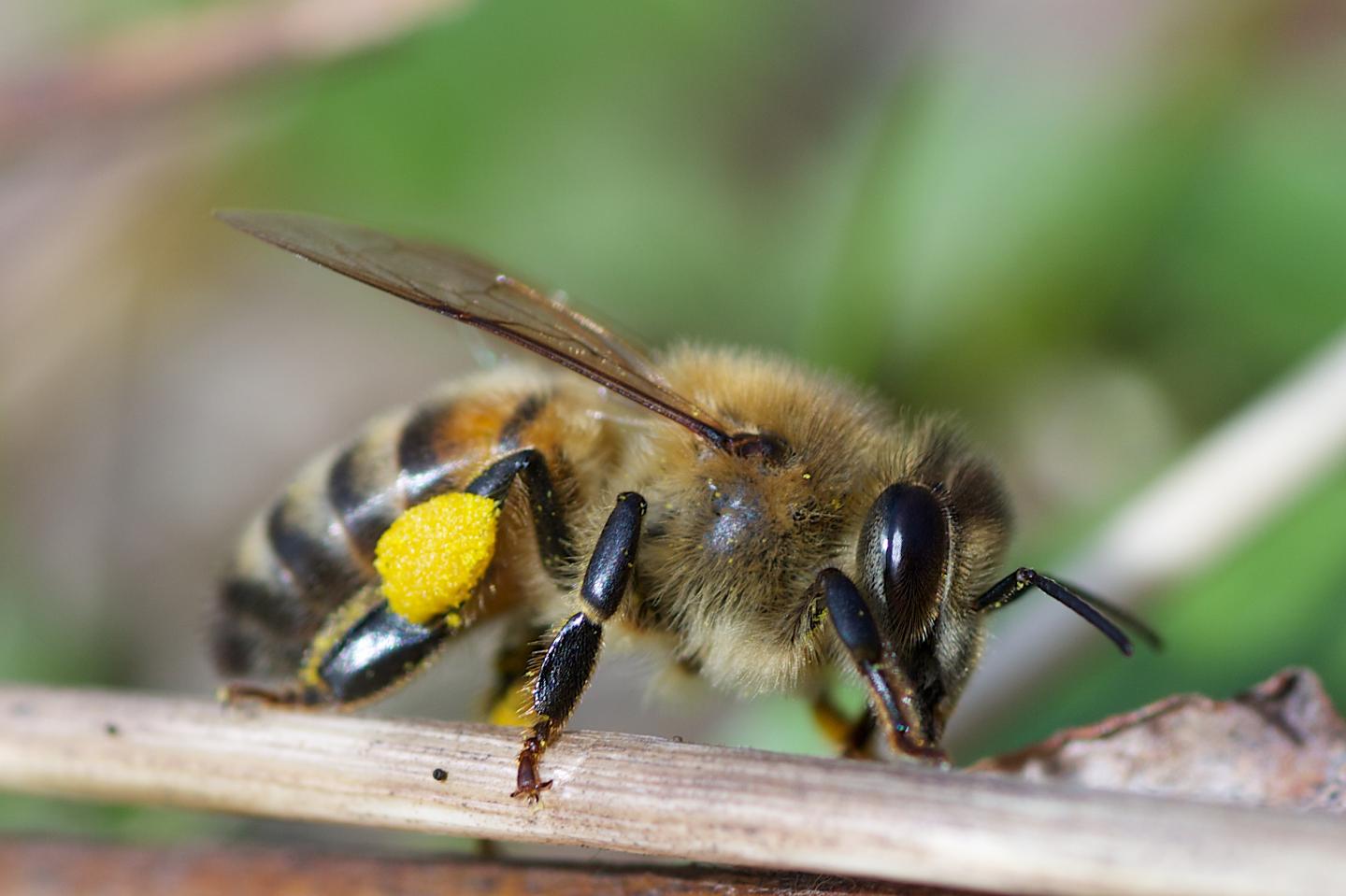
Matthew Webster and Andreas Wallberg at Uppsala University, have studied recombination in honeybees. Recombination, or crossing-over, occurs when sperm and egg cells are formed and segments of each chromosome pair are interchanged. This process plays an crucial role in the maintanance of genetic variation. Matthew Webster and Andreas Wallberg at the Biomedical Centre, Uppsala University, have studied recombination in honeybees. The extreme recombination rates found in this species seem to be crucial for their survival.
| Full story | 0 Comments | 5558 views |
| Environment | April 29, 2015 07:13 PM |
Casting a large interdisciplinary research net has helped Simon Fraser University archaeologist Dana Lepofsky and 10 collaborators dig deeper into their findings about ancient clam gardens in the Pacific Northwest to formulate new perspectives.
| Full story | 0 Comments | 5198 views |
| Biology | April 29, 2015 07:13 PM |
Genetic testing of Iñupiat people currently living in Alaska's North Slope is helping Northwestern University scientists fill in the blanks on questions about the migration patterns and ancestral pool of the people who populated the North American Arctic over the last 5,000 years.
| Full story | 0 Comments | 5115 views |

| Health & Medicine | April 29, 2015 07:13 PM |
The Public Health Agency of Sweden has developed a method of typing that can allow laboratories to faster establish the presence of hospital outbreaks of the intestinal bacterium Clostridium difficile. The findings are now published in PLOS ONE.
| Full story | 0 Comments | 4253 views |

- In some genetic cases of microcephaly, stem cells fail to launch
- Yale team discovers how Zika virus causes fetal brain damage
- Scientists uncover the way a common cell enzyme alerts the body to invading bacteria
- Arctic gives clues on worst mass extinction of life
- Calcium channel blockers caught in the act at atomic level
Search Bio News Net
Free Biology Newsletter
- Flexibility That A.C.A. Lent to Work Force Is Threatened by...International Herald Tribune
- Bacteria Behind Legionnaires’ Disease Found at New York Police StationInternational Herald Tribune
- Prescription Price Crisis? 28 Million Americans See Spike in Drug...MSNBC.com: Health
- Seizing on Opioid Crisis, a Drug Maker Lobbies Hard for...International Herald Tribune
- Republicans are taking a big political risk on health careAP Health News
- Why We're So Divided Over Saving WolvesNational Geographic News