

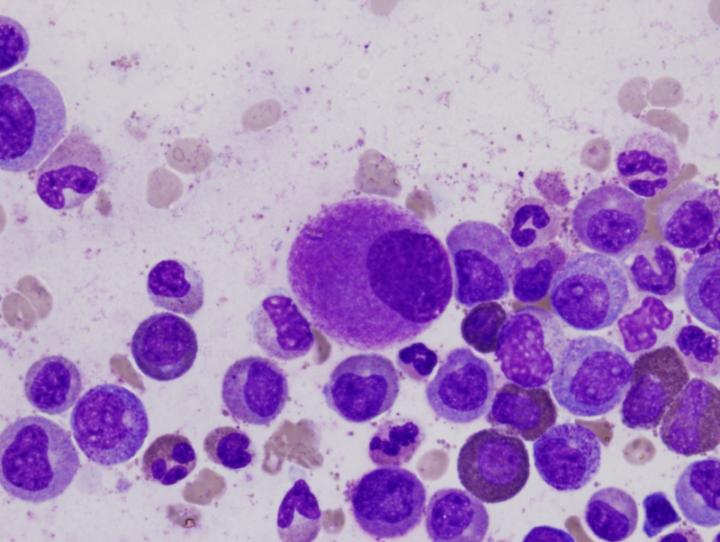
An oversized bone marrow cell, typical of chronic myeloid leukemia, is shown. An international team of scientists, headed by researchers at UC San Diego School of Medicine and UC San Diego Moores Cancer Center, report that decreases in a specific group of proteins trigger changes in the cancer microenvironment that accelerate growth and development of therapy-resistant cancer stem cells (CSCs).

| Stem Cell Research | November 30, 2015 07:03 PM |
| Full story | 0 Comments | 9749 views |

| Bioinformatics | November 30, 2015 07:03 PM |
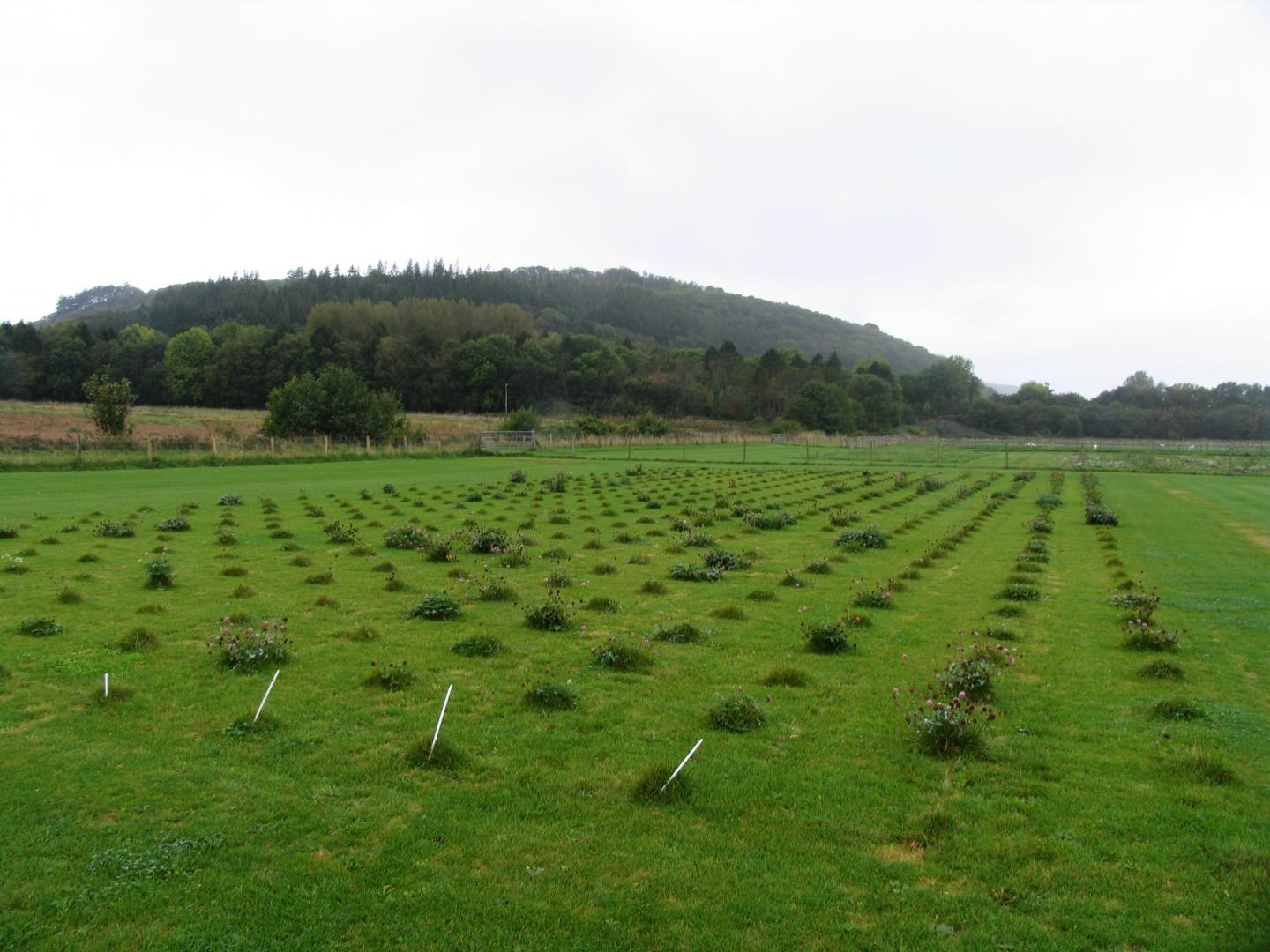
Six red clover varieties with diverse architectures and traits have recently been selected as parents of the next year generation. The Genome Analysis Centre (TGAC) in collaboration with IBERS, has sequenced and assembled the DNA of red clover to help breeders improve the beneficial traits of this important forage crop. The genome is published in Scientific Reports, a journal from the Nature publishing group.
| Full story | 0 Comments | 8850 views |

| Biotechnology | November 30, 2015 07:03 PM |
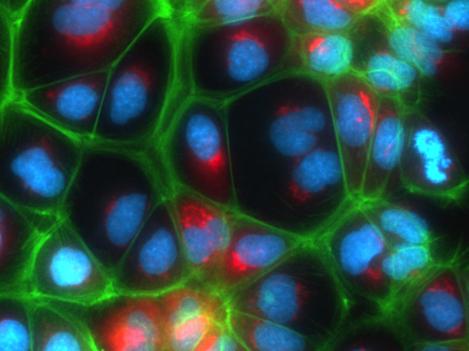
These are fluorescently labeled polarized Upcyte hepatocytes. In new research appearing in the prestigious journal Nature Biotechnology, an international research team led by The Hebrew University of Jerusalem describes a new technique for growing human hepatocytes in the laboratory. This groundbreaking development could help advance a variety of liver-related research and applications, from studying drug toxicity to creating bio-artificial liver support for patients awaiting transplantations.
| Full story | 0 Comments | 8809 views |
| Stem Cell Research | November 26, 2015 07:05 PM |
Stem cells that have been specifically developed for use as clinical therapies are fit for use in patients, an independent study of their genetic make-up suggests.
| Full story | 0 Comments | 9894 views |

| Environment | November 26, 2015 07:05 PM |
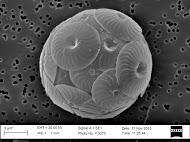
This is a scanning electron microscope image of a coccolithophore, which can measure from 5 to 15 microns across, less than a fifth the width of a human hair. A microscopic marine alga is thriving in the North Atlantic to an extent that defies scientific predictions, suggesting swift environmental change as a result of increased carbon dioxide in the ocean, a study led a by Johns Hopkins University scientist has found.
| Full story | 0 Comments | 8932 views |
| Bioinformatics | November 25, 2015 06:55 PM |
Scientists have mapped out the genes that keep our cells alive, creating a long-awaited foothold for understanding how our genome works and which genes are crucial in disease like cancer.
| Full story | 0 Comments | 9792 views |

| Molecular & Cell Biology | November 25, 2015 06:55 PM |
A particular location in DNA, called the Dlk1-Gtl2 locus, plays a critical role in protecting hematopoietic, or blood-forming, stem cells--a discovery revealing a critical role of metabolic control in adult stem cells, and providing insight for potentially diagnosing and treating cancer, according to researchers from the Stowers Institute for Medical Research.
| Full story | 0 Comments | 5789 views |

| Health & Medicine | November 25, 2015 06:55 PM |
The mosquito-borne virus chikungunya may lead to severe brain infection and even death in infants and people over 65, according to a new study that reviewed a chikungunya outbreak on Reunion Island off the coast of Madagascar in 2005-2006. The study is published in the November 25, 2015, online issue of Neurology®, the medical journal of the American Academy of Neurology. Many cases have occurred in the United States in people who acquired the virus while traveling, but the first locally transmitted case in the U.S. occurred in Florida in July.
| Full story | 0 Comments | 6905 views |

| AIDS & HIV | November 25, 2015 06:55 PM |
Nearly 37 million people worldwide are living with HIV. When the virus destroys so many immune cells that the body can't fight off infection, AIDS will develop. The disease took the lives of more than a million people last year.
| Full story | 0 Comments | 7112 views |
| Molecular & Cell Biology | November 24, 2015 07:18 PM |
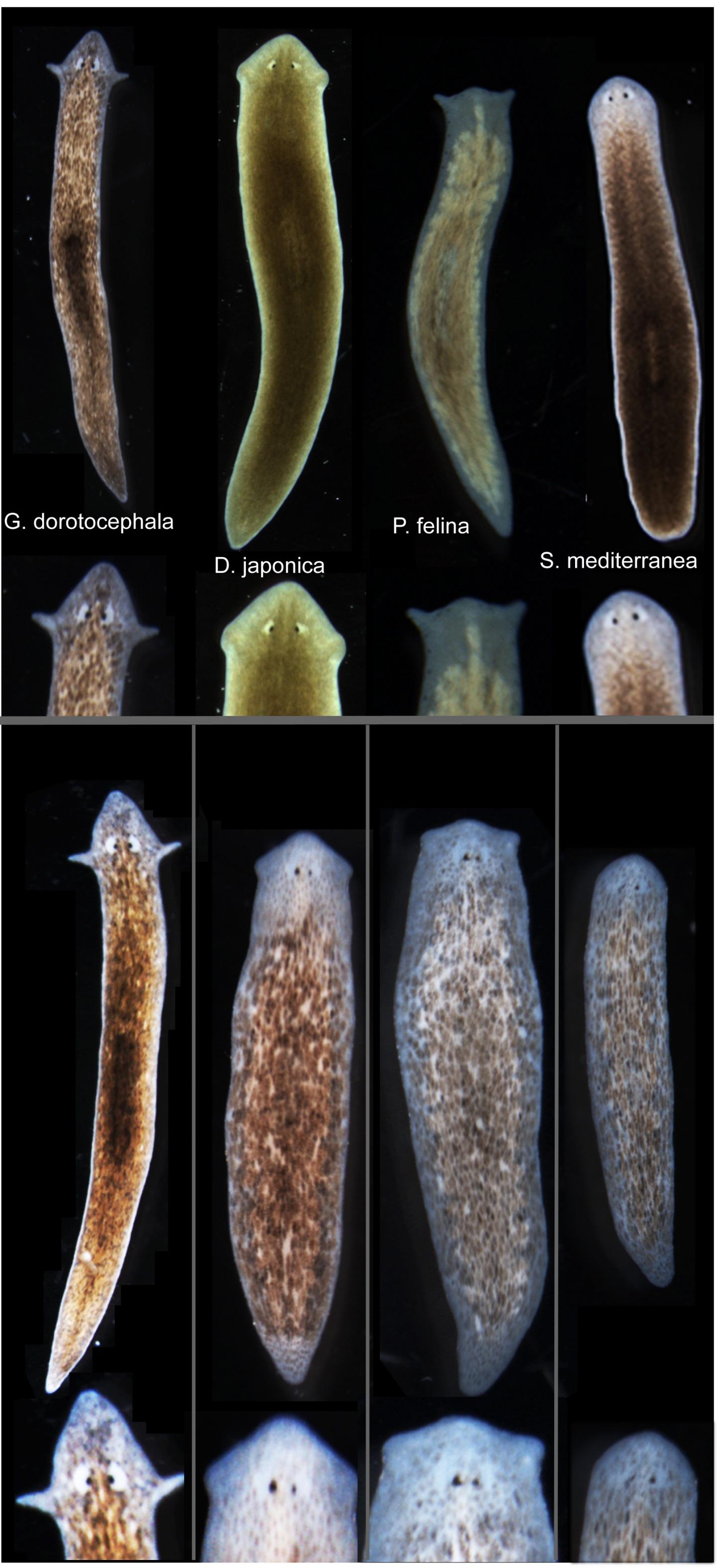
Tufts biologists induced one species of flatworm -- G. dorotocephala, top left -- to grow heads and brains characteristic of other species of flatworm, top row, without altering genomic sequence. MEDFORD/SOMERVILLE, Mass. (November 24, 2015)--Biologists at Tufts University have succeeded in inducing one species of flatworm to grow heads and brains characteristic of another species of flatworm without altering genomic sequence. The work reveals physiological circuits as a new kind of epigenetics - information existing outside of genomic sequence - that determines large-scale anatomy.
| Full story | 0 Comments | 5582 views |
| Bioinformatics | November 24, 2015 07:18 PM |
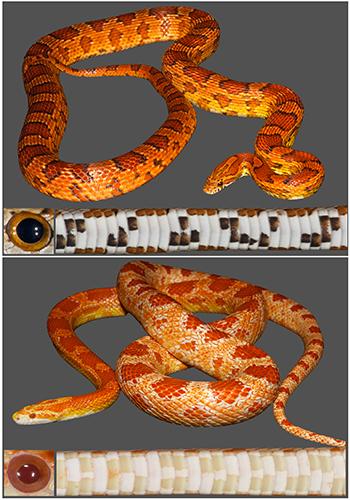
Wild-type corn snakes typically exhibit, over a light orange background coloration, a pattern of dark orange dorsal saddles and lateral blotches that are outlined with black Among the 5 000 existing species of mammals, more than 100 have their genome sequenced, whereas the genomes of only 9 species of reptiles (among 10 000 species) are available to the scientific community. This is the reason why a team at the University of Geneva (UNIGE), Switzerland, has produced a large database including, among others, the newly-sequenced genome of the corn snake, a species increasingly used to understand the evolution of reptiles. Within the same laboratory, the researchers have discovered the exact mutation that causes albinism in that species, a result published today in Scientific Reports.
| Full story | 0 Comments | 6837 views |
| Health & Medicine | November 24, 2015 07:18 PM |
Researchers at The Tisch Cancer Institute at the Icahn School of Medicine at Mount Sinai have discovered a key mechanism by which radiation treatment (radiotherapy) fails to completely destroy tumors. And, in the journal Nature Immunology, they offer a novel solution to promote successful radiotherapy for the millions of cancer patients who are treated with it.
| Full story | 0 Comments | 5679 views |

| Biology | November 24, 2015 07:18 PM |
Columns of workers penetrate the forest, furiously gathering as much food and supplies as they can. They are a massive army that living things know to avoid, and that few natural obstacles can waylay. So determined are these legions that should a chasm or gap disrupt the most direct path to their spoils they simply build a new path -- out of themselves.
| Full story | 0 Comments | 6806 views |
| Molecular & Cell Biology | November 23, 2015 06:00 PM |
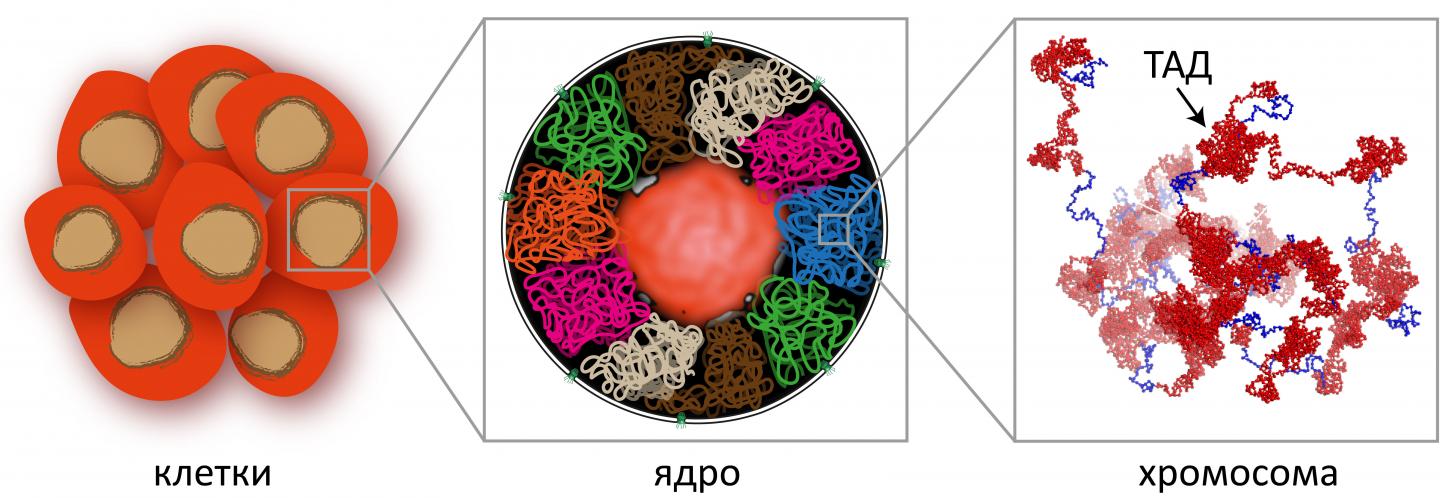
Location of topologically associated domains (TAD) in the cell nucleus is shown. Chromosome is a structure inside the cell nucleus that carries a large part of the genetic information and is responsible for its storage, transfer and implementation. Chromosome is formed from a very long DNA molecule - a double chain of a plurality of genes. Given that the diameter of the cell nucleus is usually around hundredth of a millimeter or even less, while the total length of DNA constituting human genome is about two meters, it is clear that DNA must be packaged very tightly.
| Full story | 0 Comments | 6363 views |

| Microbiology | November 23, 2015 11:20 AM |
Migration between different communities of bacteria is the key to the type of gene transfer that can lead to the spread of traits such as antibiotic resistance, according to researchers at Oxford University.
| Full story | 0 Comments | 5914 views |
| Biology | November 23, 2015 11:20 AM |
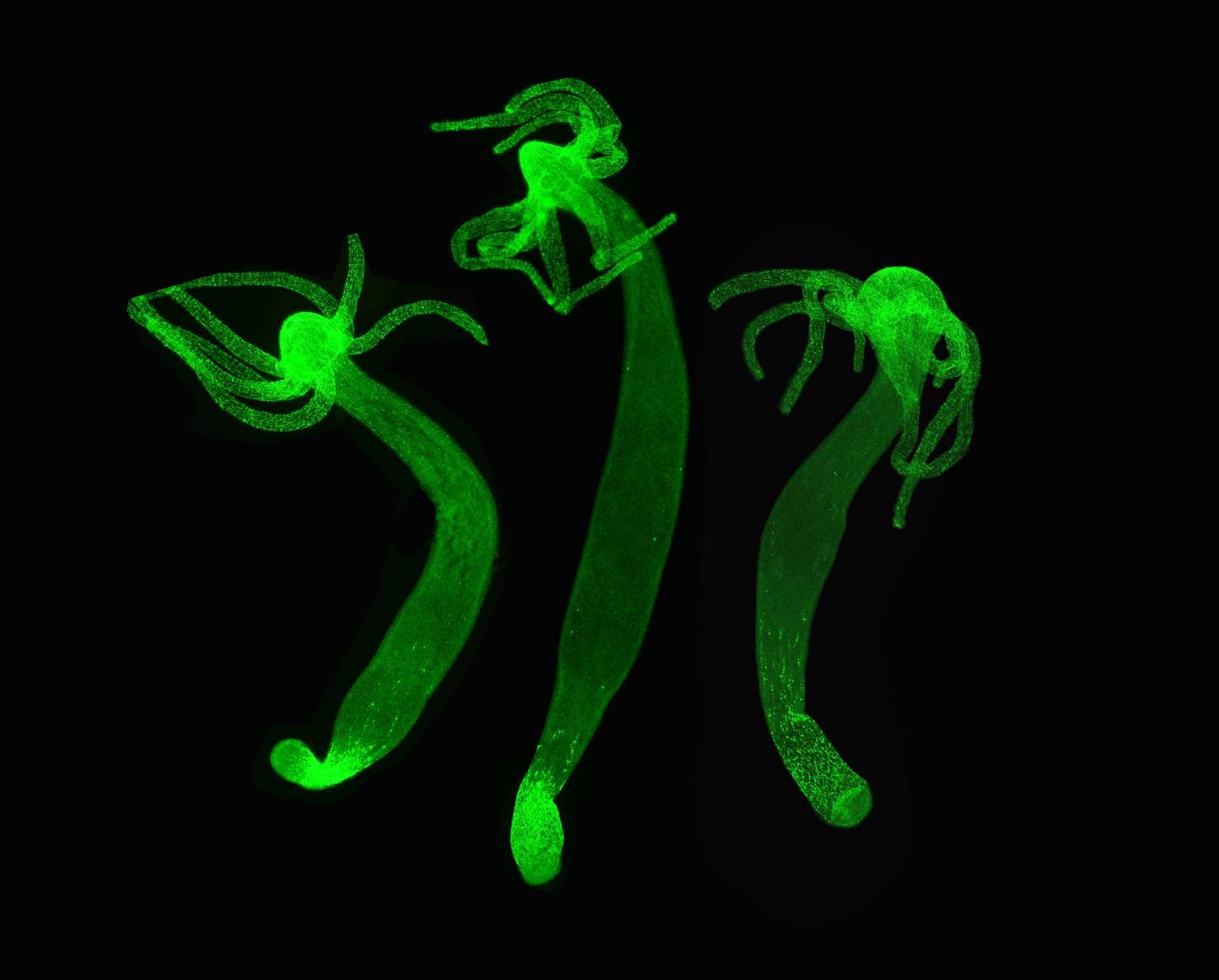
This image shows the nervous system of about 1 cm-long Hydra revealed here with a fluorescent green marker. Champion of regeneration, the freshwater polyp Hydra is capable of reforming a complete individual from any fragment of its body. It is even able to remain alive when all its neurons have disappeared. Researcher the University of Geneva (UNIGE), Switzerland, have discovered how: cells of the epithelial type modify their genetic program by overexpressing a series of genes, among which some are involved in diverse nervous functions. Studying Hydra cellular plasticity may thus influence research in the context of neurodegenerative diseases. The results are published in Philosophical Transactions of the Royal Society.
| Full story | 0 Comments | 7603 views |
| Biology | November 19, 2015 07:38 PM |
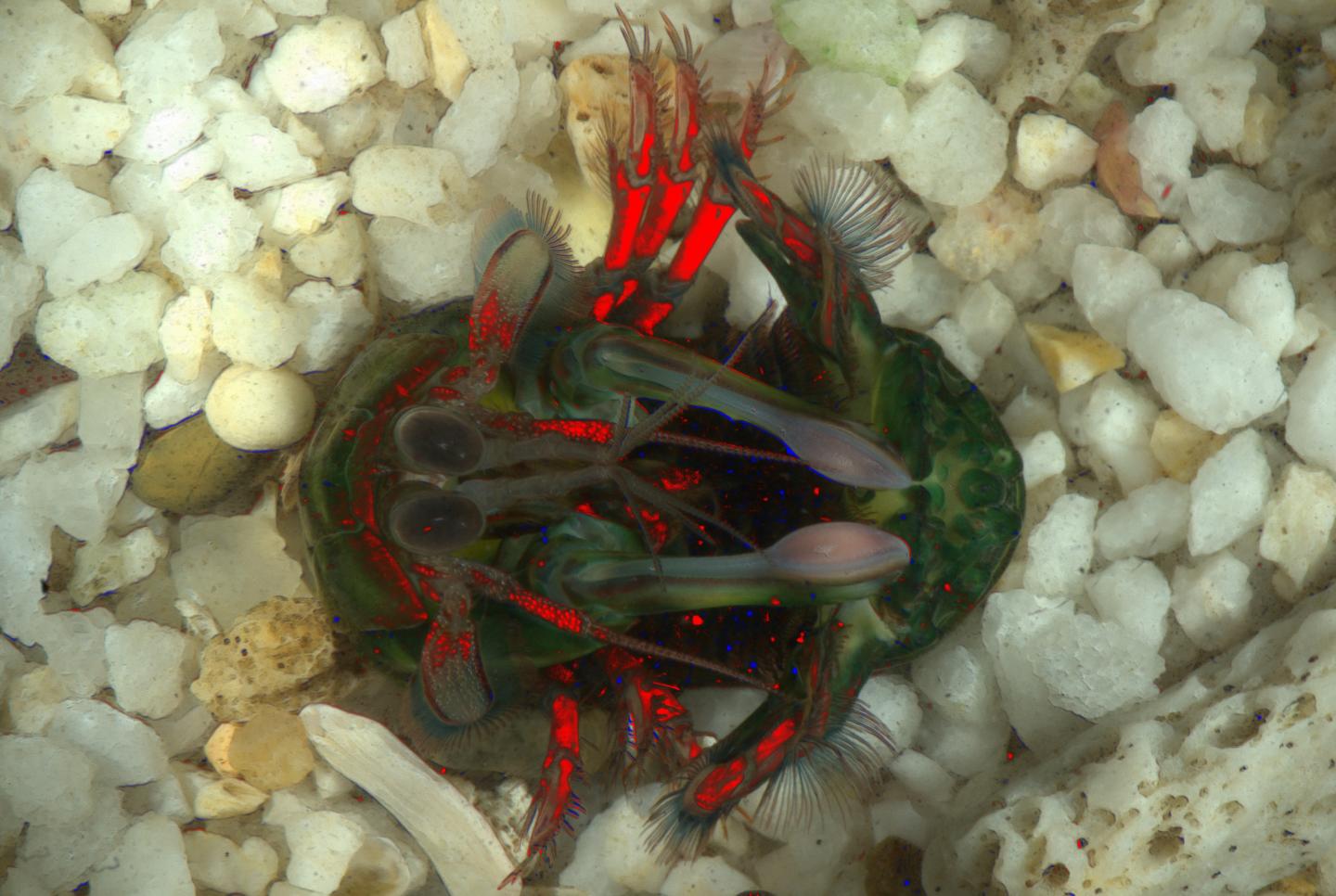
This image shows a mantis shrimp in a defensive position, on its back with its legs, head and heavily armored tail closed over. Researchers from the Queensland Brain Institute at The University of Queensland have uncovered a new form of secret light communication used by marine animals.
| Full story | 0 Comments | 10102 views |
| Bioinformatics | November 19, 2015 07:38 PM |
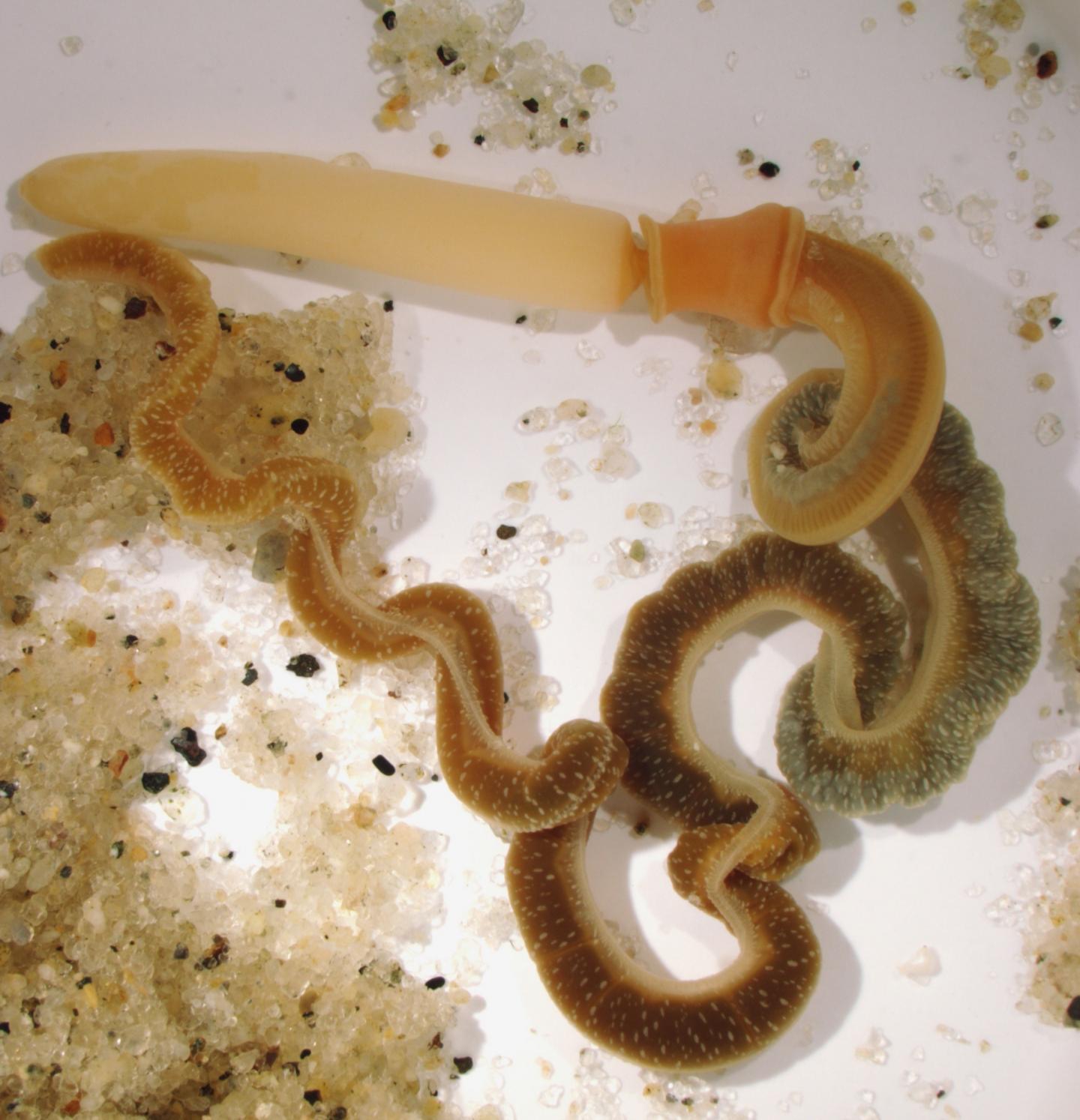
The acorn worm Saccoglossus kowalevskii is common in brackish, shallow water on the Atlantic coast. Its newly sequenced genome is telling biologists about the genes responsible for pharyngeal gills The newly sequenced genomes of two marine worms are shedding light on the 570 million-year evolution of gills into the pharynx that today gives humans the ability to bite, chew, swallow and speak.
| Full story | 0 Comments | 7435 views |
| Biology | November 19, 2015 07:38 PM |
Scientists have solved a longstanding mystery about how some fish seem to disappear from predators in the open waters of the ocean, a discovery that could help materials scientists and military technologists create more effective methods of ocean camouflage.
| Full story | 0 Comments | 8751 views |
A new injectable 'biogel' is effective in delivering anti-cancer agents directly into cancerous tumours and killing them. This technology, developed by researchers at the University of Montreal Hospital Research Centre (CRCHUM), has already been successfully tested in the laboratory. If it works in patients, the therapy could one day revolutionize treatment for many forms of cancer.
| Full story | 0 Comments | 6192 views |
| Biotechnology | November 19, 2015 07:38 PM |
RMIT University in Melbourne has worked with a medical device company and a neurosurgeon to successfully create a 3D printed vertebral cage for a patient with severe back pain.
| Full story | 0 Comments | 10933 views |
| Biology | November 18, 2015 06:36 PM |
In the animal world, if several males mate with the same female, their sperm compete to fertilize her limited supply of eggs. Longer sperm often seem to have a competitive advantage. However, a study conducted by researchers from the Universities of Zurich and Stockholm now reveals that the size of the animals also matters. The larger the animal, the more im-portant the number of sperm is relative to sperm length. That's why elephants have smaller sperm than mice.
| Full story | 0 Comments | 8540 views |
| Molecular & Cell Biology | November 18, 2015 06:36 PM |
Scientists at the Institute of Molecular Biology (IMB) in Mainz have unraveled a complex regulatory mechanism that explains how a single gene can drive the formation of brain cells. The research, published in The EMBO Journal, is an important step towards a better understanding of how the brain develops. It also harbors potential for regenerative medicine.
| Full story | 0 Comments | 6427 views |

| Gene Therapy | November 16, 2015 09:05 PM |
An improved gene therapy treatment can cure mice with cystic fibrosis (CF). Cell cultures from CF patients, too, respond well to the treatment. Those are the encouraging results of a study presented by the Laboratory for Molecular Virology and Gene Therapy at KU Leuven, Belgium.
| Full story | 0 Comments | 12539 views |
| Biology | November 16, 2015 09:05 PM |
New research reveals that two different evolutionary shifts toward camouflage investment occurred in the the charismatic horned praying mantises. The most recent shift in increased accumulation of numerous cryptic features occurred only after the re-evolution of important leg lobes that help disguise the appearance of the mantis from predators.
| Full story | 0 Comments | 8550 views |
| Biology | November 16, 2015 09:05 PM |
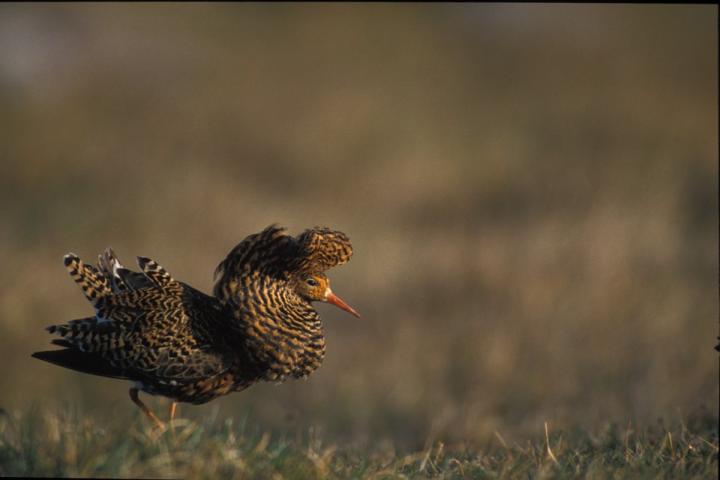
Independent male ruff at lek with colourful ruff and head tuft. The ruff is a Eurasian shorebird that has a spectacular lekking behaviour where highly ornamented males compete for females. Now two groups report that males with alternative reproductive strategies carry a chromosomal rearrangement that has been maintained as a balanced genetic polymorphism for about 4 million years.
| Full story | 0 Comments | 7247 views |
| Biology | November 16, 2015 09:05 PM |
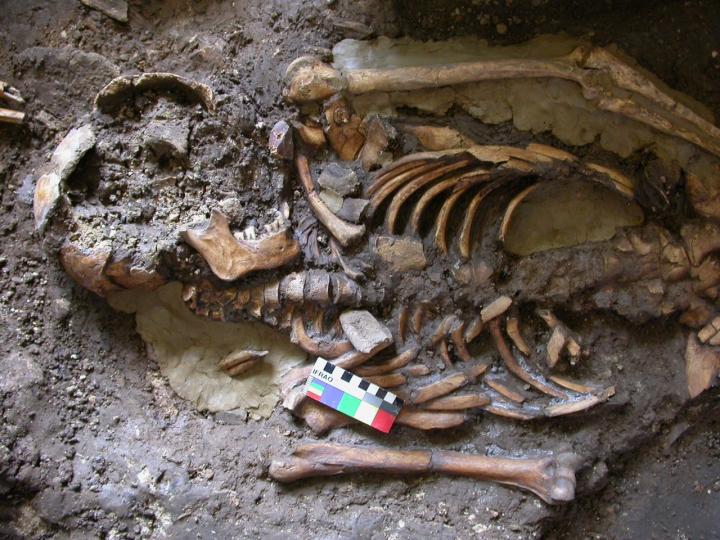
DNA was extracted from the molar teeth of this skeleton, dating from almost 10,000 years ago and found in the Kotias Klde rockshelter in Western Georgia. The first sequencing of ancient genomes extracted from human remains that date back to the Late Upper Palaeolithic period over 13,000 years ago has revealed a previously unknown "fourth strand" of ancient European ancestry.
| Full story | 0 Comments | 7429 views |
| Biotechnology | November 12, 2015 07:51 PM |
Cornell biomedical engineers have developed specialized white blood cells - dubbed "super natural killer cells" - that seek out cancer cells in lymph nodes with only one purpose: destroy them. This breakthrough halts the onset of metastasis, according to a new Cornell study published this month in the journal Biomaterials.
| Full story | 0 Comments | 13043 views |
| Stem Cell Research | November 12, 2015 07:51 PM |
Researchers from the Morgridge Institute for Research and the Murdoch Children's Research Institute (MCRI) in Australia have devised a way to dramatically cut the time involved in reprogramming and genetically correcting stem cells, an important step to making future therapies possible.
| Full story | 0 Comments | 10848 views |
| Stem Cell Research | November 10, 2015 06:01 PM |
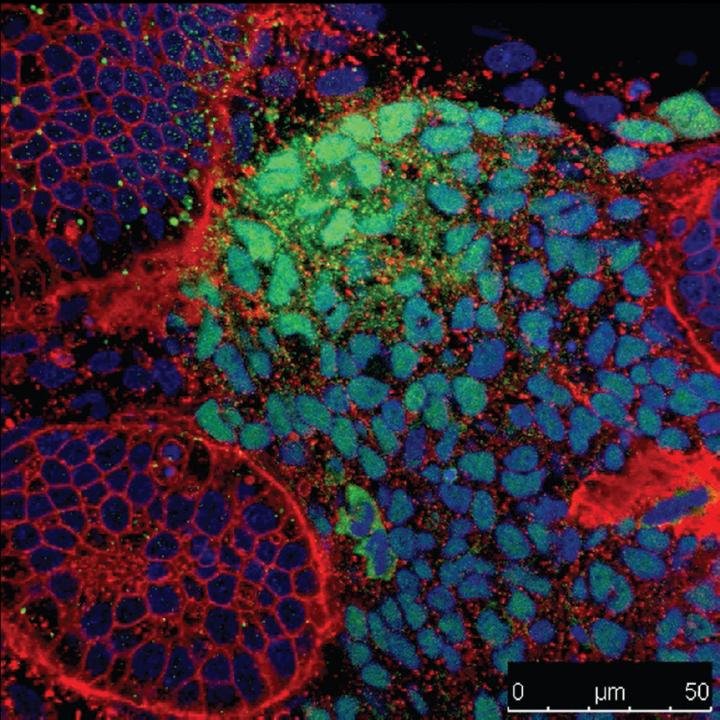
In this micrograph, embryonic rat kidney cell aggregates are colored red. Differentiated human cells incorporated into these aggregates are colored green. Blue marks DNA in all cells. Human pluripotent stem cells (hPSC) can become any type of cell in the adult body, offering great potential in disease modeling, drug discovery and creating replacement cells for conditions ranging from cardiovascular to Alzheimer's disease.
| Full story | 0 Comments | 9008 views |
| Biotechnology | November 10, 2015 06:01 PM |

Plant Breeding Institute's Principal Research Fellow, Associate Professor Harbans Bariana, is demonstrating the issue of wheat rust. A gene that can prevent some of the most important wheat diseases has been identified--creating the potential to save more than a billion dollars in lost production in Australia alone each year.
| Full story | 0 Comments | 9369 views |
| Environment | November 10, 2015 06:01 PM |
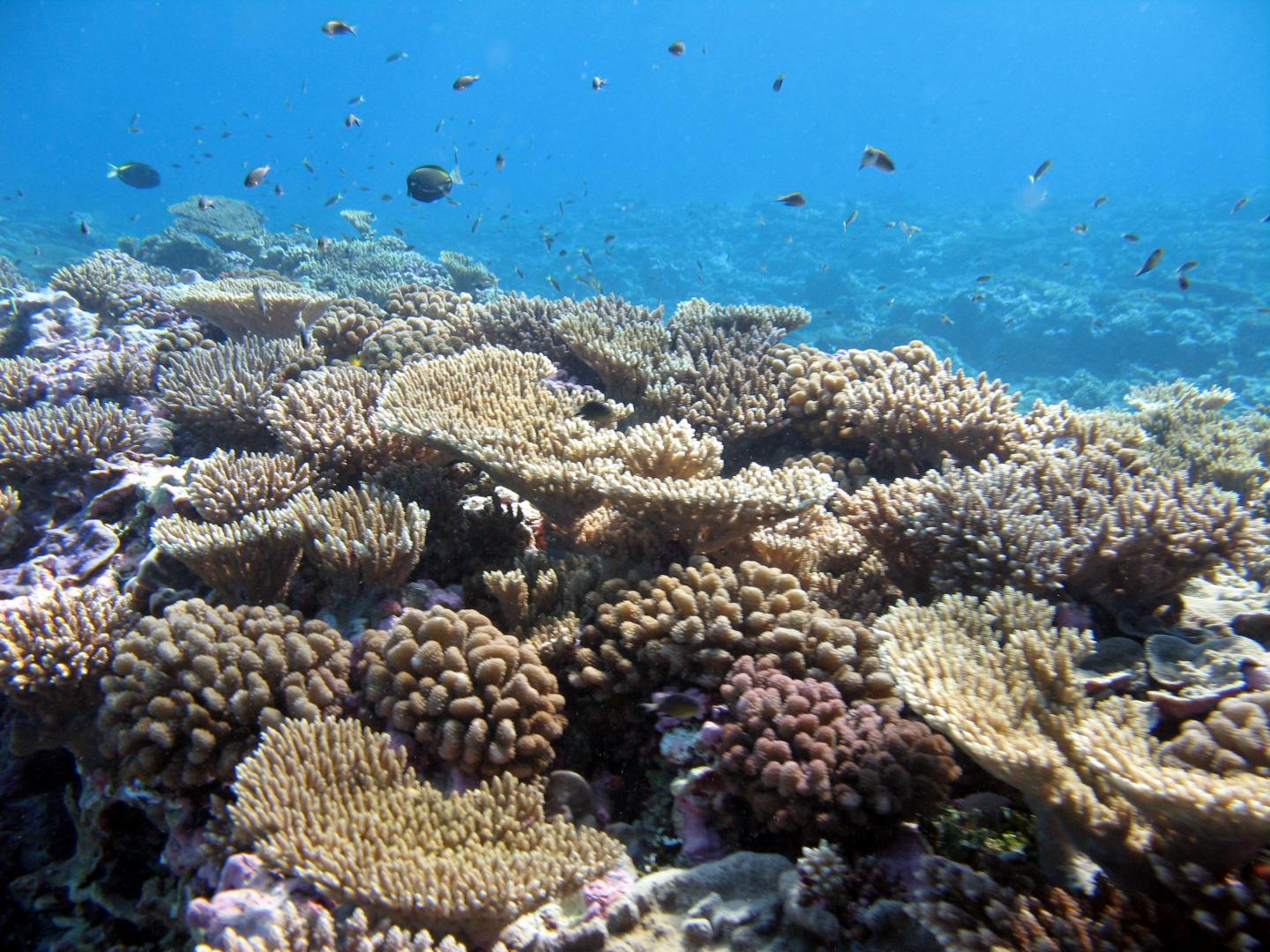
This is an example of a healthy reef. Almost every person has an appreciation for natural environments. In addition, most people find healthy or pristine locations with high biodiversity more beautiful and aesthetically pleasing than environmentally degraded locations. In a study which computed 'aesthetics' as it relates to coral reefs, a multidisciplinary group of researchers have shown that an objective computational analysis of photographic images can be used to assess the health of a coral reef.
| Full story | 0 Comments | 7796 views |
| Health & Medicine | November 10, 2015 06:01 PM |
Researchers from the University of North Carolina at Chapel Hill have discovered a new bat SARS-like virus that can jump directly from its bat hosts to humans without mutation. However, researchers point out that if the SARS-like virus did jump, it is still unclear whether it could spread from human to human.
| Full story | 0 Comments | 6423 views |
| Health & Medicine | November 10, 2015 06:01 PM |
Scientists at the Institut Pasteur in Cambodia, the Institut Pasteur in Paris and the CNRS provided proof that people infected by dengue virus but showing no clinical symptoms can actually infect mosquitoes that bite them. It appears that these asymptomatic people - who, together with mildly symptomatic patients, represent three-quarters of all dengue infections - could be involved in the transmission chain of the virus. These findings, published in the journal PNAS, on the 9 of November, question established theories concerning the epidemiology of dengue.
| Full story | 0 Comments | 6406 views |
| Molecular & Cell Biology | November 9, 2015 06:23 PM |
Proteins inside bacteria cells engage in "search-and-rescue"-type behavior to ferret out mismatched DNA and fix it to thwart dangerous mutations that can be associated with certain cancers, a University of Michigan study found.
| Full story | 0 Comments | 6528 views |
| Health & Medicine | November 9, 2015 06:23 PM |
Genetic mutations in a gene called REST have been shown to cause Wilms tumour, a rare kidney cancer that occurs in children.
| Full story | 0 Comments | 6666 views |
| Health & Medicine | November 9, 2015 06:23 PM |
The continued marketing and use of experimental stem cell-based interventions inside and outside the United States is problematic and unsustainable, according to a new paper by science policy and bioethics experts at Rice University's Baker Institute for Public Policy and Wake Forest University. Disillusioned patients, tired of waiting for the cures they were promised, are seeking unproven stem cell-based treatments that are causing more harm than good, said the experts, who argue that public policy is needed to reduce this form of "stem cell tourism."
| Full story | 0 Comments | 5447 views |
| Stem Cell Research | November 9, 2015 06:23 PM |
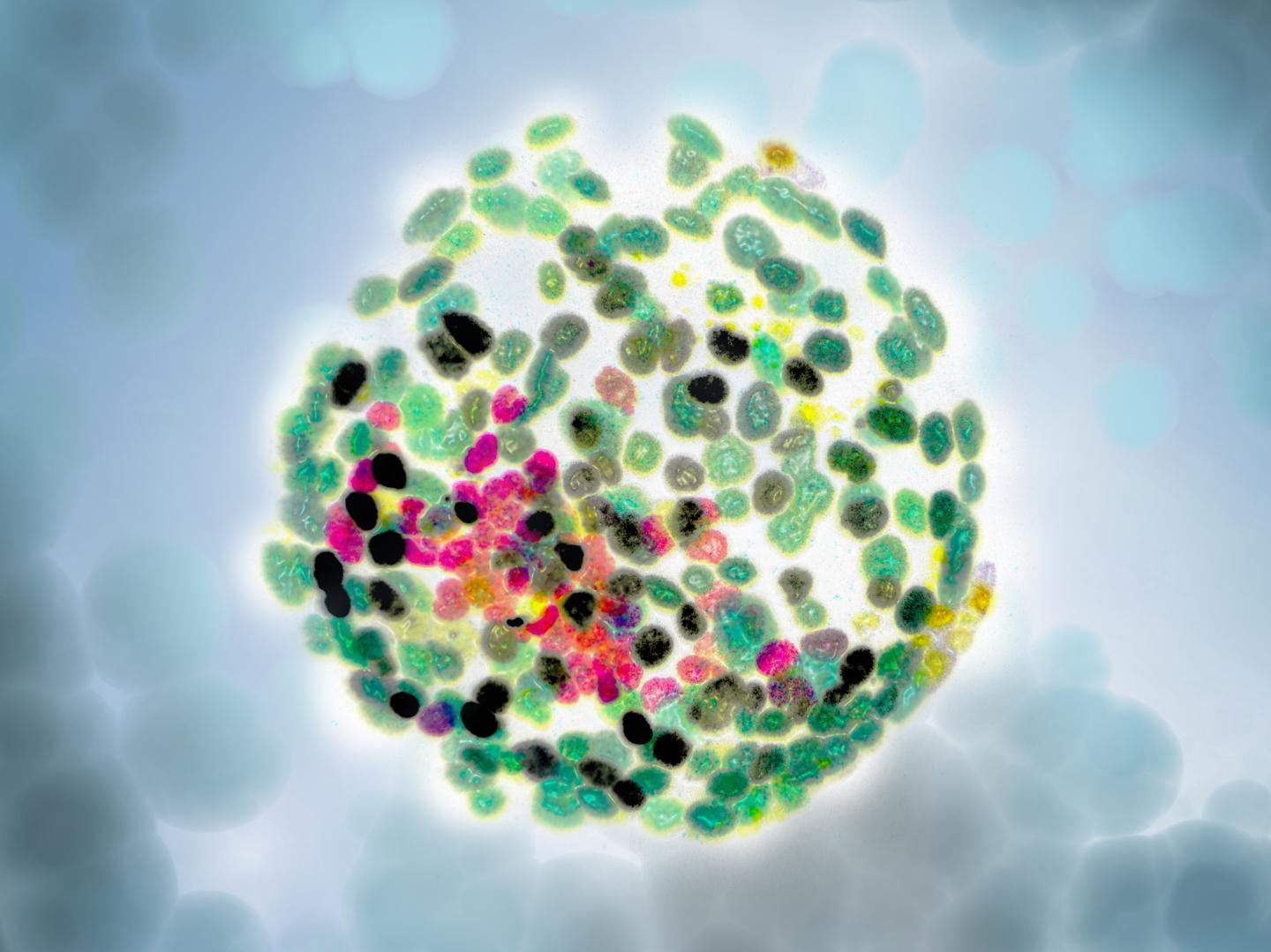
Blastocysts in this study were immunostained to show pluripotency factor NANOG localised to the inner cell mass, primitive endoderm specifier GATA6, outer trophectoderm marker CDX2 and nuclei. Researchers at EMBL's European Bioinformatics Institute (EMBL-EBI) and the Wellcome Trust- Medical Research Council Cambridge Stem Cell Institute at the University of Cambridge have identified factors that spark the formation of pluripotent cells. Their findings, published in Developmental Cell, shed light on human embryonic development and help research into cell reprogramming and assisted conception.
| Full story | 0 Comments | 6418 views |
| Molecular & Cell Biology | November 9, 2015 06:23 PM |
Scientists at the Institute of Molecular Biology (IMB) have been able to see, for the first time, the dramatic changes that occur in the DNA of cells that are starved of oxygen and nutrients. This starved state is typical in some of today's most common diseases, particularly heart attacks, stroke and cancer. The findings provide new insight into the damage these diseases cause and may help researchers to discover new ways of treating them.
| Full story | 0 Comments | 4978 views |
| Biotechnology | November 9, 2015 06:23 PM |
While there are no cures for neurological diseases such as Alzheimer's and Parkinson's, many researchers believe that one could be found in neural stem cells. Unfortunately, scientists do not yet have a full understanding of how these cells behave and differentiate, which has put a roadblock in the path to potential life-saving treatments.
| Full story | 0 Comments | 6743 views |

- In some genetic cases of microcephaly, stem cells fail to launch
- Yale team discovers how Zika virus causes fetal brain damage
- Scientists uncover the way a common cell enzyme alerts the body to invading bacteria
- Arctic gives clues on worst mass extinction of life
- Calcium channel blockers caught in the act at atomic level
Search Bio News Net
Free Biology Newsletter
- Flexibility That A.C.A. Lent to Work Force Is Threatened by...International Herald Tribune
- Bacteria Behind Legionnaires’ Disease Found at New York Police StationInternational Herald Tribune
- Prescription Price Crisis? 28 Million Americans See Spike in Drug...MSNBC.com: Health
- Seizing on Opioid Crisis, a Drug Maker Lobbies Hard for...International Herald Tribune
- Republicans are taking a big political risk on health careAP Health News
- Why We're So Divided Over Saving WolvesNational Geographic News