


There are thousands of scientific papers dedicated to a particular type of tumor, a particular gene, a type of specific molecular lesion or the effect of a particular drug. However, there are very few examples of publications that integrate these four concepts (type of tumor, gene alteration and drug) in a significant amount of samples. An article published in Cell, in collaboration with the group of Dr. Manel Esteller, Director of the Epigenetics and Cancer Biology Program at the Bellvitge Biomedical Research Institute (IDIBELL), ICREA researcher and Professor of Genetics at the University of Barcelona, provides us with this important source of information.

| Biology | July 8, 2016 06:38 PM |
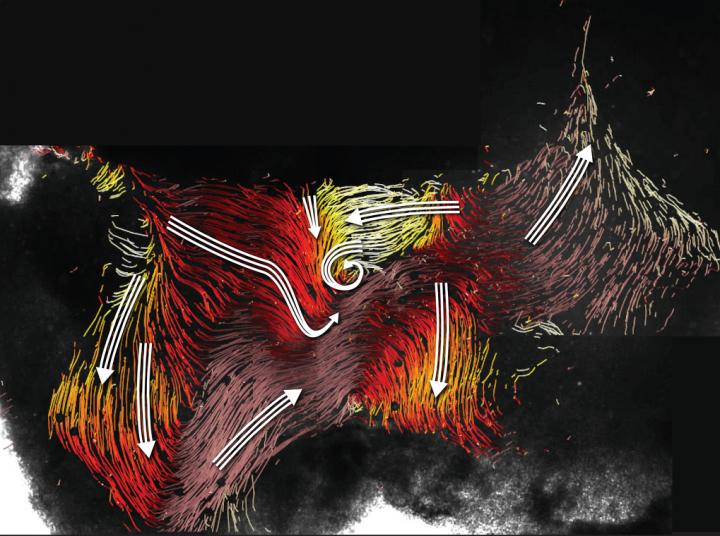
Flow map in the third ventricle of the mouse brain. We have all bumped our heads at some point, and such incidents are usually harmless. This is thanks to fluid-filled chambers in our brain that offset minor knocks and jolts and provide padding for sensitive components of our nervous system. Cerebral fluid, however, has more than just a protective function: It removes cellular waste, supplies our nervous tissue with nutrients, and transports important messenger substances. How these messenger substances are actually being delivered to their destination in the brain, however, was unclear until now. Göttingen-based Max Planck researchers have now discovered that tiny cilia on the surface of specialized cells could lead the way. Through synchronized beating movements, they create a complex network of dynamic flows that act like conveyor belts transporting molecular "freight". The results obtained by the scientists suggest that these flows send messenger substances directly to where they are needed.
| Full story | 0 Comments | 7209 views |

| Health & Medicine | July 8, 2016 06:38 PM |
When cells die, whether through apoptosis or necrosis, the DNA and other molecules found in those cells don't just disappear. They wind up in the blood stream, where degraded bits and pieces can be extracted.
| Full story | 0 Comments | 5576 views |
| Health & Medicine | July 8, 2016 06:38 PM |
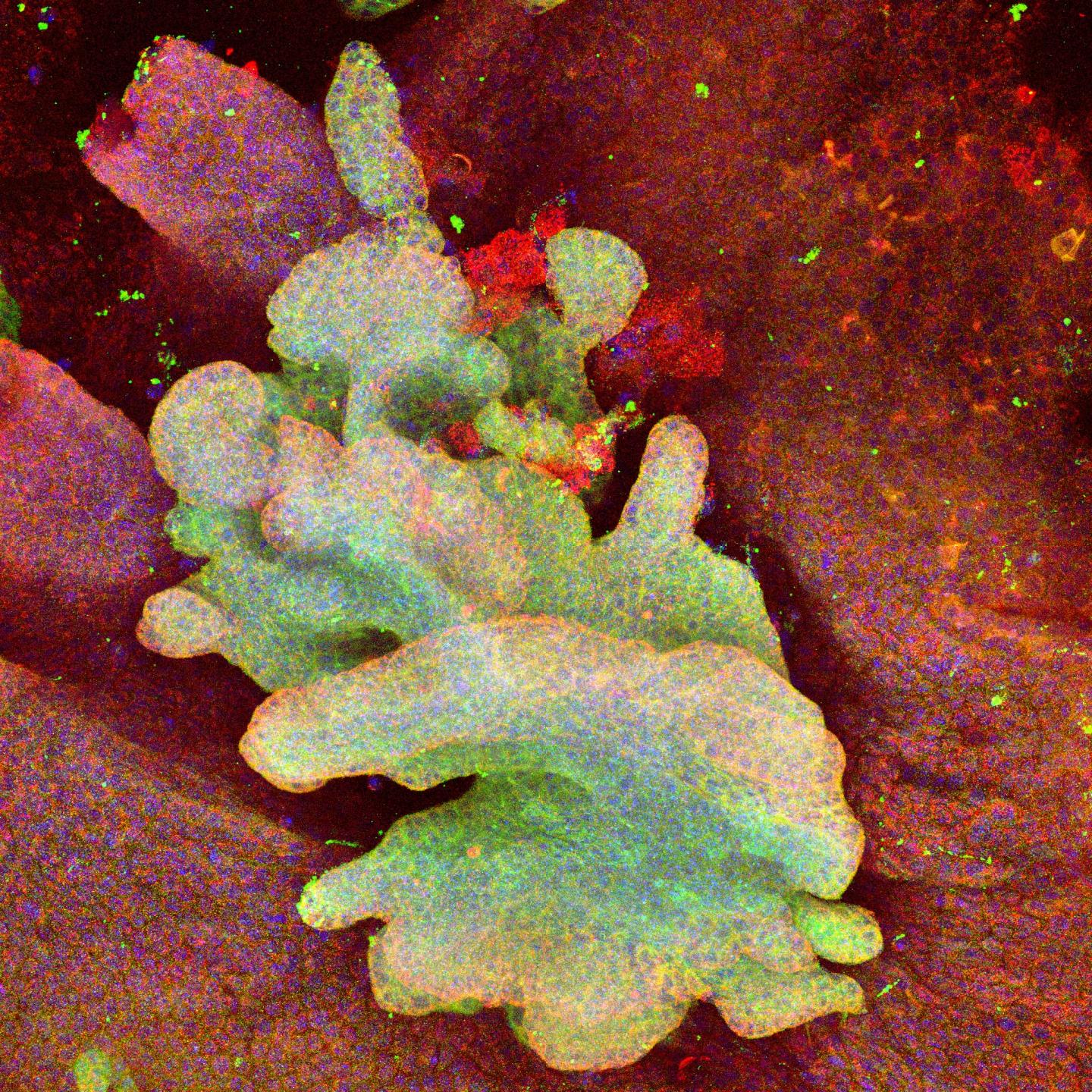
The green-labelled cells show a basal cell carcinoma in mouse tail epidermis derived from a single mutant stem cell and expanding out of the normal epidermis stained in red. Scientists have identified for the first time the 'cell of origin' - in other words, the first cell from which the cancer grows - in basal cell carcinoma, the most common form of skin cancer, and followed the chain of events that lead to the growth of these invasive tumours.
| Full story | 0 Comments | 6224 views |

- In some genetic cases of microcephaly, stem cells fail to launch
- Yale team discovers how Zika virus causes fetal brain damage
- Scientists uncover the way a common cell enzyme alerts the body to invading bacteria
- Arctic gives clues on worst mass extinction of life
- Calcium channel blockers caught in the act at atomic level
Search Bio News Net
Free Biology Newsletter
- Flexibility That A.C.A. Lent to Work Force Is Threatened by...International Herald Tribune
- Bacteria Behind Legionnaires’ Disease Found at New York Police StationInternational Herald Tribune
- Prescription Price Crisis? 28 Million Americans See Spike in Drug...MSNBC.com: Health
- Seizing on Opioid Crisis, a Drug Maker Lobbies Hard for...International Herald Tribune
- Republicans are taking a big political risk on health careAP Health News
- Why We're So Divided Over Saving WolvesNational Geographic News