


If you're fat, can you blame it on your genes? The answer is a qualified yes. Maybe. Under certain circumstances. Researchers are moving towards a better understanding of some of the roots of obesity.

| Environment | February 9, 2016 07:45 PM |
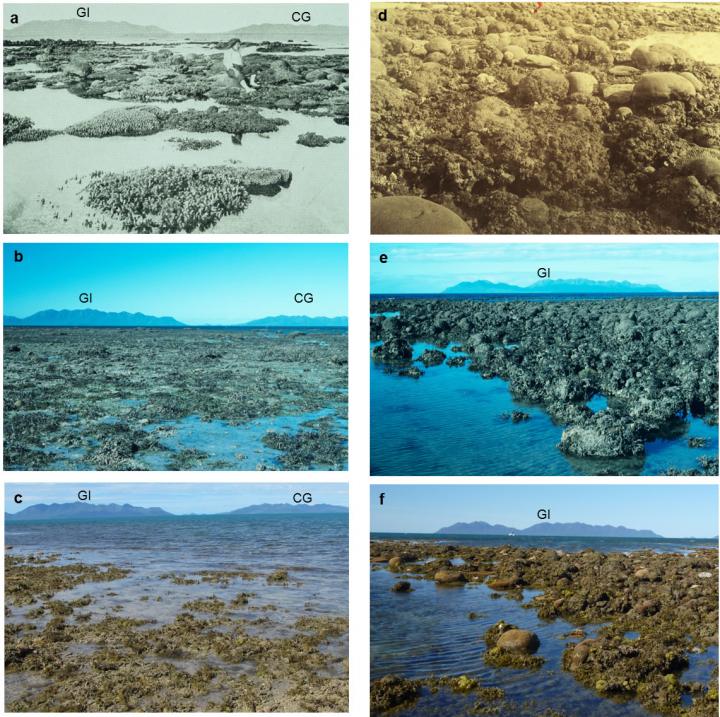
Historical and modern photographs of Stone Island taken in a) 1915 (photographer unknown); b) 1994 (photographer A. Elliot © Commonwealth of Australia GBRMPA); c) 2012 (photographer H. Markham); and Bramston Reef taken in d) c.1890 (W. Saville-Kent); e) 1994 (photographer A. Elliot © Commonwealth of Australia GBRMPA); f) 2012 (photographer T. Clark). Landscape features in the background of the images helped to locate the same sites: Gloucester Island (GI) and Cape Gloucester (CG).
Credit
Source: Clark et al. 2016. The timing of significant Great Barrier Reef coral loss captured by a series of historical photos has been accurately determined for the first time by a University of Queensland)-led study.
| Full story | 0 Comments | 7460 views |

| Bioinformatics | February 9, 2016 07:45 PM |
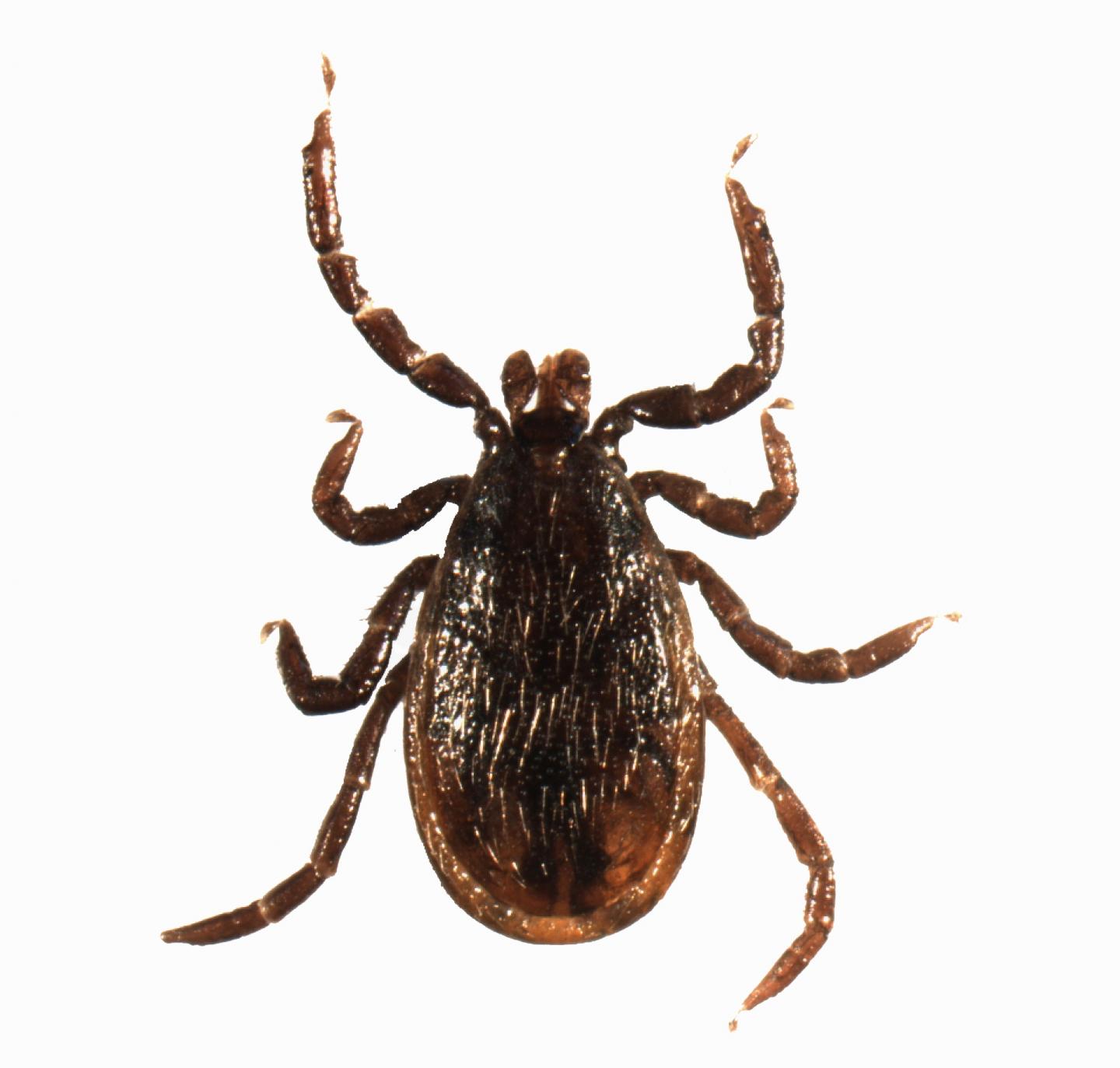
Researchers sequence the genome of the Lyme-disease-causing tick and find lots of duplicative elements. Researchers have sequenced the genetic blueprint of one of the most prolific pathogen-transmitting agents on the planet - the Lyme-disease-spreading tick (Ixodes scapularis) that bites humans. The findings could lead to advances in not only disrupting the tick's capacity to spread diseases but also in eradicating the pest.
| Full story | 0 Comments | 7607 views |

| Biology | February 9, 2016 07:45 PM |
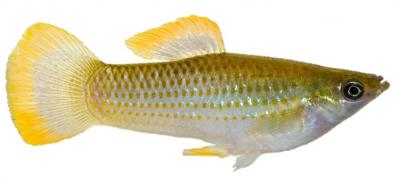
Biologists have found genetic mechanisms that let the Atlantic molly live in toxic, acidic water. A Washington State University biologist has found the genetic mechanisms that lets a fish live in toxic, acidic water. The discovery opens the door to new insights into the functioning of other "extremophiles" and how they adapt to their challenging environments.
| Full story | 0 Comments | 7211 views |

- In some genetic cases of microcephaly, stem cells fail to launch
- Yale team discovers how Zika virus causes fetal brain damage
- Scientists uncover the way a common cell enzyme alerts the body to invading bacteria
- Arctic gives clues on worst mass extinction of life
- Calcium channel blockers caught in the act at atomic level
Search Bio News Net
Free Biology Newsletter
- Flexibility That A.C.A. Lent to Work Force Is Threatened by...International Herald Tribune
- Bacteria Behind Legionnaires’ Disease Found at New York Police StationInternational Herald Tribune
- Prescription Price Crisis? 28 Million Americans See Spike in Drug...MSNBC.com: Health
- Seizing on Opioid Crisis, a Drug Maker Lobbies Hard for...International Herald Tribune
- Republicans are taking a big political risk on health careAP Health News
- Why We're So Divided Over Saving WolvesNational Geographic News