

From the smell of flowers to the taste of wine, our perception is strongly influenced by prior knowledge and expectations, a cognitive process known as top-down control.

| Molecular & Cell Biology | July 13, 2015 07:06 PM |

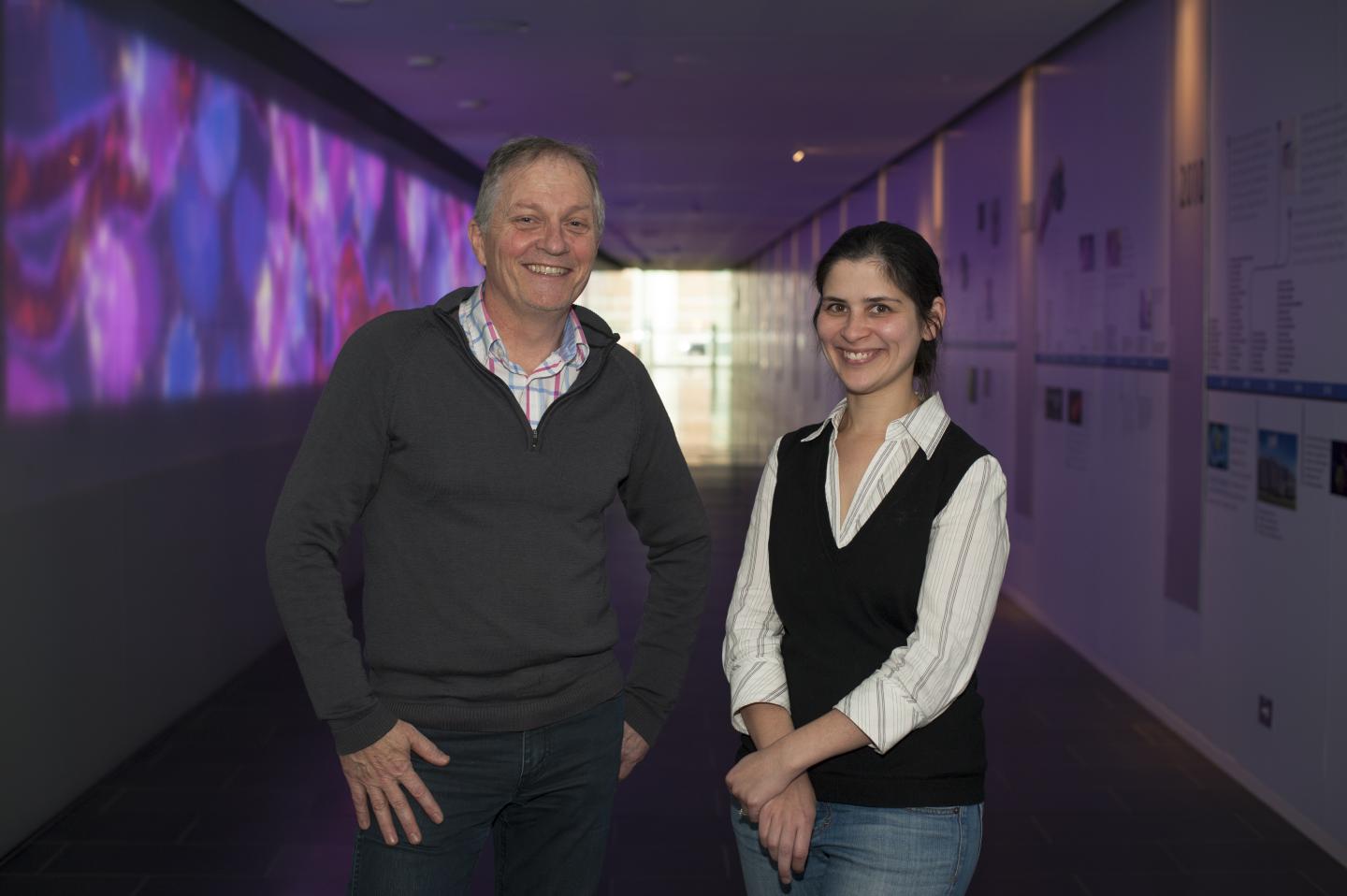
From left: Peter Facchini, professor in biological sciences, Jill Hagel, research associate, and Scott Farrow, PhD student. Many people who live in developing countries do not have access to the pain relief that comes from morphine or other analgesics. That's because opiates are primarily derived from the opium poppy plant (Papaver somniferum) and are dependent on the plant health and supply around the world.
| Full story | 0 Comments | 4375 views |

| Biology | July 13, 2015 07:06 PM |
The world's rarest ape has an increased chance of survival after a team led by international conservation charity the Zoological Society of London (ZSL) found a new family group of Hainan gibbons (Nomascus hainanus).
| Full story | 0 Comments | 5142 views |
| Molecular & Cell Biology | July 13, 2015 07:06 PM |
Canadian and British researchers have discovered that chromosomes play an active role in animal cell division. This occurs at a precise stage - cytokinesis - when the cell splits into two new daughter cells. It was observed by a team of researchers including Gilles Hickson, an assistant professor at the University of Montreal's Department of Pathology and Cell Biology and researcher at the CHU Sainte-Justine Research Centre, his assistant Silvana Jananji, in collaboration with Nelio Rodrigues, a PhD student, and Sergey Lekomtsev, a postdoc, working in the group led by Buzz Baum of the MRC Laboratory for Molecular Cell Biology at University College London. Their findings were published today in Nature.
| Full story | 0 Comments | 5015 views |

| Gene Therapy | July 13, 2015 07:06 PM |
Korean researchers have described a novel control system to regulate the expression of a therapeutic transgene by targeting the passenger strand of a microRNA (miR-122) linked to the transgene. The researchers report that a control system based on targeting the passenger strand of miR-122 rather than the guide strand can regulate expression of an exogenous, therapeutic gene, while not affecting the expression of endogenous genes, in an article in Nucleic Acid Therapeutics. The article is available free on the Nucleic Acid Therapeutics website until August 13, 2015.
| Full story | 0 Comments | 8587 views |
| Molecular & Cell Biology | July 13, 2015 07:06 PM |
Australian researchers have identified a protein responsible for preserving the antibody-producing cells that lead to long-term immunity after infection or vaccination. Melbourne researchers have identified a protein responsible for preserving the antibody-producing cells that lead to long-term immunity after infection or vaccination.
| Full story | 0 Comments | 4534 views |
| Molecular & Cell Biology | July 13, 2015 07:06 PM |
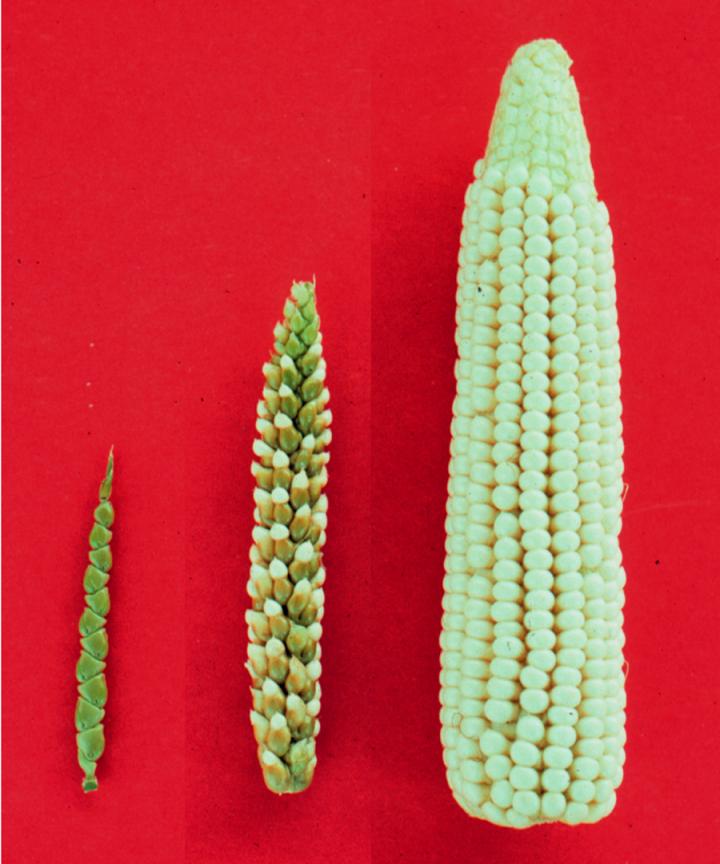
Left: Teosinte ear; right: corn ear; center: ear from the first generation hybrid of a cross between teosinte and corn. If not for a single genetic mutation, each kernel on a juicy corn cob would be trapped inside a inedible casing as tough as a walnut shell. The mutation switches one amino acid for another at a specific position in a protein regulating formation of these shells in modern corn's wild ancestor, according to a study published in the July 2015 issue of GENETICS, a publication of the Genetics Society of America.
| Full story | 0 Comments | 4494 views |
| Molecular & Cell Biology | July 13, 2015 07:06 PM |
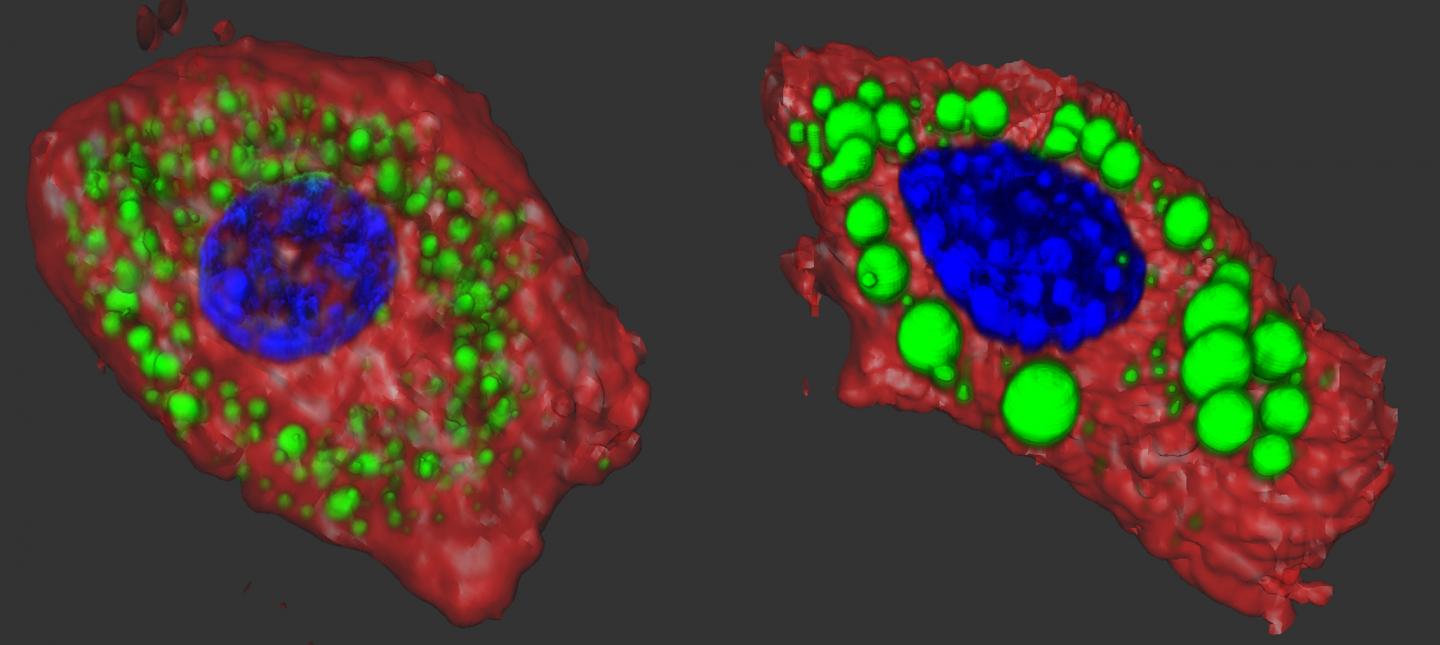
Fat cells with the R1788W ankyrin-B mutation (shown on the right) have enlarged lipid droplets. The green color highlights the sites of fat storage in mouse adipose cells. Practically everyone gets fatter as they get older, but some people can blame their genes for the extra padding. Researchers have shown that two different mutations in a gene called ankyrin-B cause cells to suck up glucose faster than normal, fattening them up and eventually triggering the type of diabetes linked to obesity.
| Full story | 0 Comments | 3994 views |

- In some genetic cases of microcephaly, stem cells fail to launch
- Yale team discovers how Zika virus causes fetal brain damage
- Scientists uncover the way a common cell enzyme alerts the body to invading bacteria
- Arctic gives clues on worst mass extinction of life
- Calcium channel blockers caught in the act at atomic level
Search Bio News Net
Free Biology Newsletter
- Flexibility That A.C.A. Lent to Work Force Is Threatened by...International Herald Tribune
- Bacteria Behind Legionnaires’ Disease Found at New York Police StationInternational Herald Tribune
- Prescription Price Crisis? 28 Million Americans See Spike in Drug...MSNBC.com: Health
- Seizing on Opioid Crisis, a Drug Maker Lobbies Hard for...International Herald Tribune
- Republicans are taking a big political risk on health careAP Health News
- Why We're So Divided Over Saving WolvesNational Geographic News