

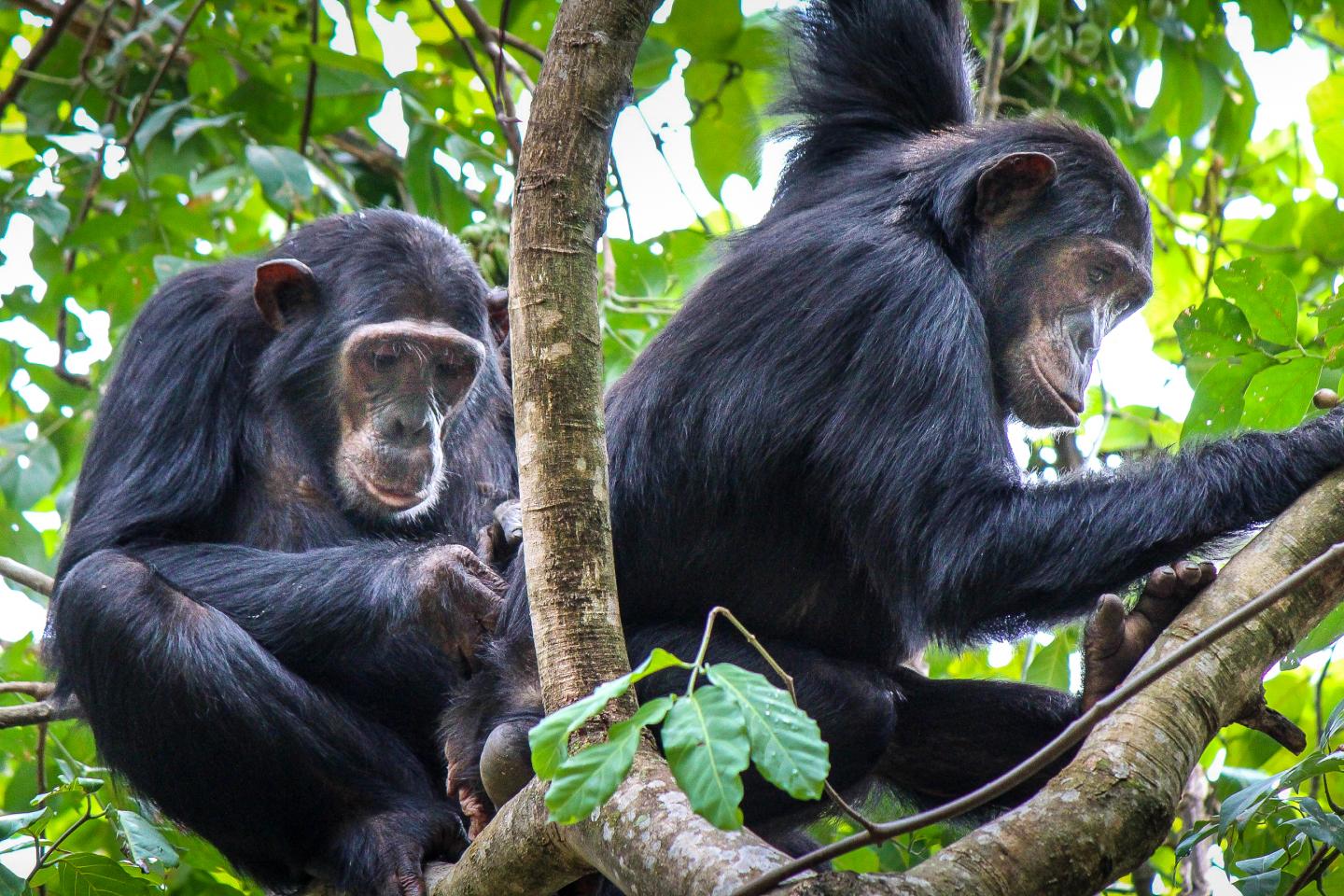
Chema and Rumumba, two low-ranking immigrant female chimpanzees, take turns grooming each other in Gombe National Park, Tanzania. Low-ranking "new girl" chimpanzees seek out other gal pals with similar status, finds a new study of social relationships in the wild apes.

| Biology | May 21, 2015 06:51 PM |
| Full story | 0 Comments | 8648 views |
| Biology | May 21, 2015 06:51 PM |
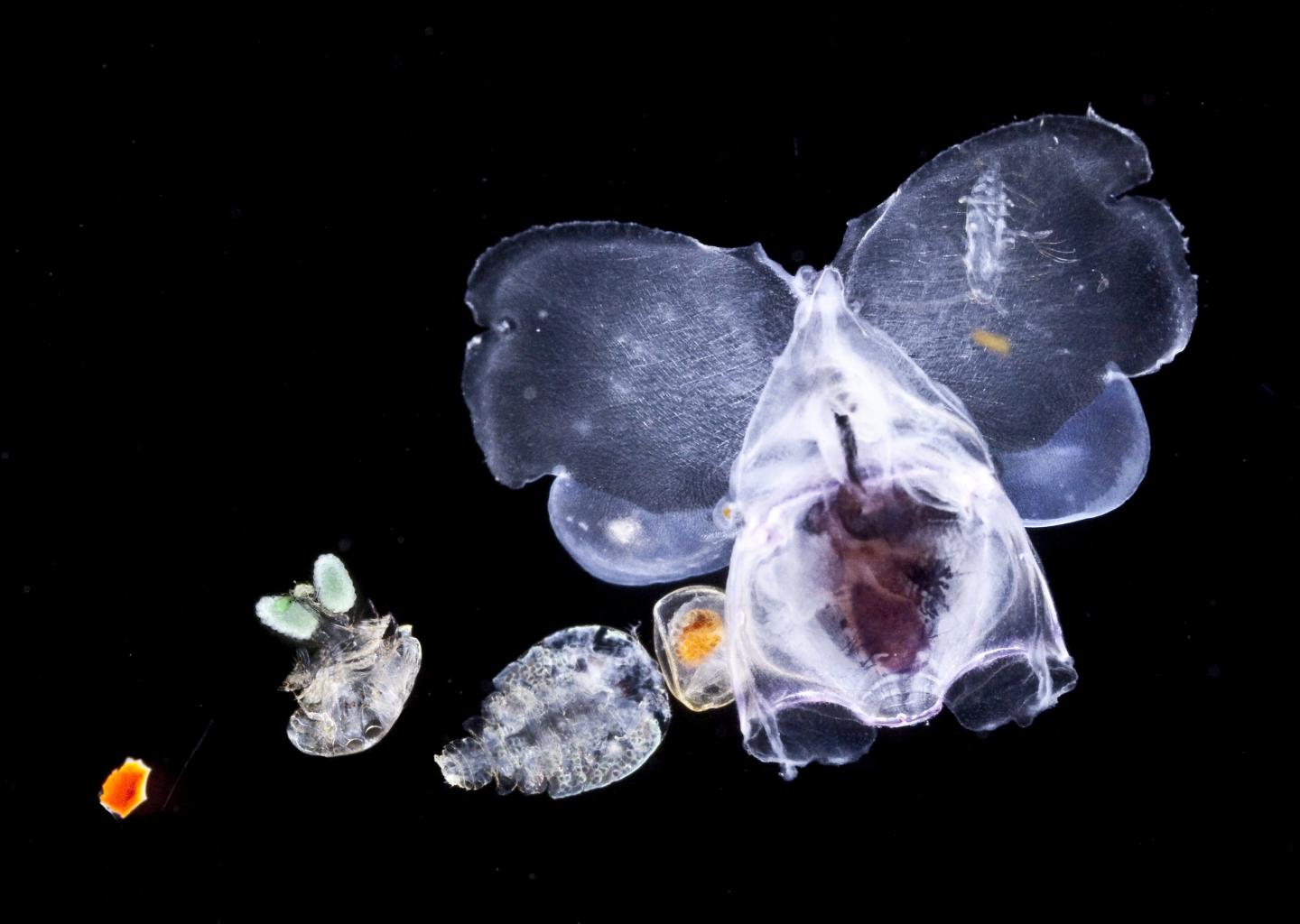
The Tara Oceans expedition collected these small zooplanktonic animals in the Indian Ocean: a molluscan pteropod on the right, and 2 crustacean copepods. On the left is a fragment of... In five related reports in this issue of the journal Science, a multinational team of researchers who spent three and a half years sampling the ocean's sunlit upper layers aboard the schooner Tara unveil the first officially reported global analyses of the Tara Oceans consortium. Planktonic life in the ocean is far more diverse than scientists knew, these reports show. They provide new resources for cataloguing the ocean's numerous planktonic organisms, which -- though critical to life on Earth, providing half the oxygen generated annually through photosynthesis, for example -- have largely been uncharacterized. The reports also reveal how planktonic life is distributed and how planktonic species interact, and they suggest that these organisms' interactions, more so than environmental conditions, help explain their community structures.
| Full story | 0 Comments | 6727 views |

| Microbiology | May 21, 2015 06:51 PM |
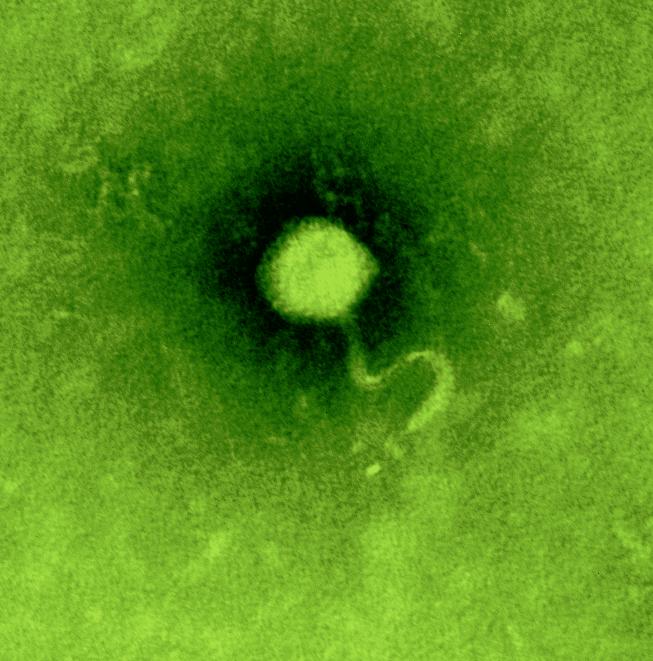
Phages infect bacteria and are able to transfer genes during this process. Bacteria resistant to antibiotics are on the rise. There are different explanations for how resistances are transferred. Researchers from the Vetmeduni Vienna found phages in chicken meat that are able to transfer antimicrobial resistance to bacteria. Phages are viruses that exclusively infect bacteria. They can contribute to the spread of antimicrobial resistance. The findings may also be relevant for clinical settings. The study was published in the journal Applied and Environmental Microbiology.
| Full story | 0 Comments | 6880 views |
| Biology | May 21, 2015 06:51 PM |
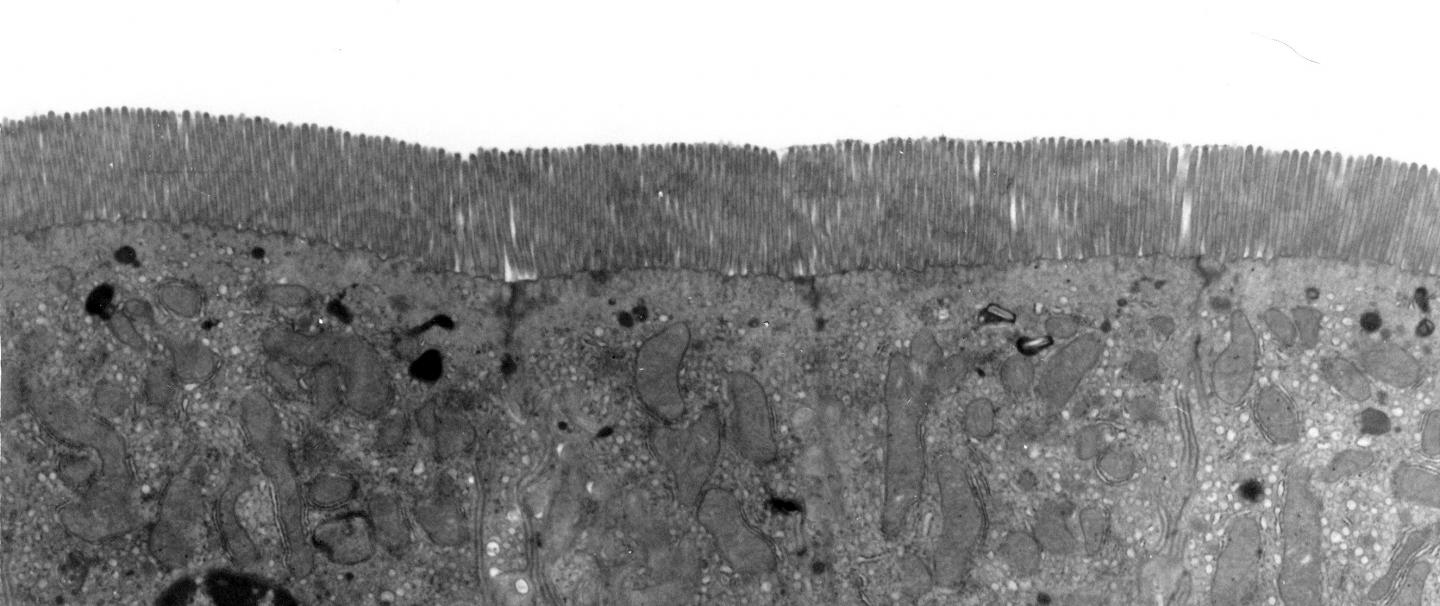
This image shows the epithelial lining of the gut. Scientists and clinicians on the Norwich Research Park have carried out the first detailed study of how our intestinal tract changes as we age, and how this determines our overall health.
| Full story | 0 Comments | 6387 views |
| Biology | May 21, 2015 06:51 PM |
A cartwheeling spider, a bird-like dinosaur and a fish that wriggles around on the sea floor to create a circular nesting site are among the species identified by the SUNY College of Environmental Science and Forestry (ESF) as the Top 10 New Species for 2015.
| Full story | 0 Comments | 5655 views |

- In some genetic cases of microcephaly, stem cells fail to launch
- Yale team discovers how Zika virus causes fetal brain damage
- Scientists uncover the way a common cell enzyme alerts the body to invading bacteria
- Arctic gives clues on worst mass extinction of life
- Calcium channel blockers caught in the act at atomic level
Search Bio News Net
Free Biology Newsletter
- Flexibility That A.C.A. Lent to Work Force Is Threatened by...International Herald Tribune
- Bacteria Behind Legionnaires’ Disease Found at New York Police StationInternational Herald Tribune
- Prescription Price Crisis? 28 Million Americans See Spike in Drug...MSNBC.com: Health
- Seizing on Opioid Crisis, a Drug Maker Lobbies Hard for...International Herald Tribune
- Republicans are taking a big political risk on health careAP Health News
- Why We're So Divided Over Saving WolvesNational Geographic News