


For the first time, a research team, led by a UC San Francisco biologist, has isolated energy-burning "beige" fat from adult humans, which is known to be able to convert unhealthy white fat into healthy brown fat. The scientists also found new genetic markers of this beige fat.

| Bioinformatics | April 1, 2015 07:10 PM |
The term "single-nucleotide polymorphism" (SNP) refers to a single base change in DNA sequence between two individuals. SNPs are the most common type of genetic variation in plant and animal genomes and are, thus, an important resource to biologists. The ubiquity of these markers and the fact that these polymorphisms show variation at such a fine scale (i.e., at the individual level) makes them ideal markers for many applications, such as population-level genetic diversity studies and genetic mapping in plants.
| Full story | 0 Comments | 5989 views |

| Biology | April 1, 2015 07:10 PM |
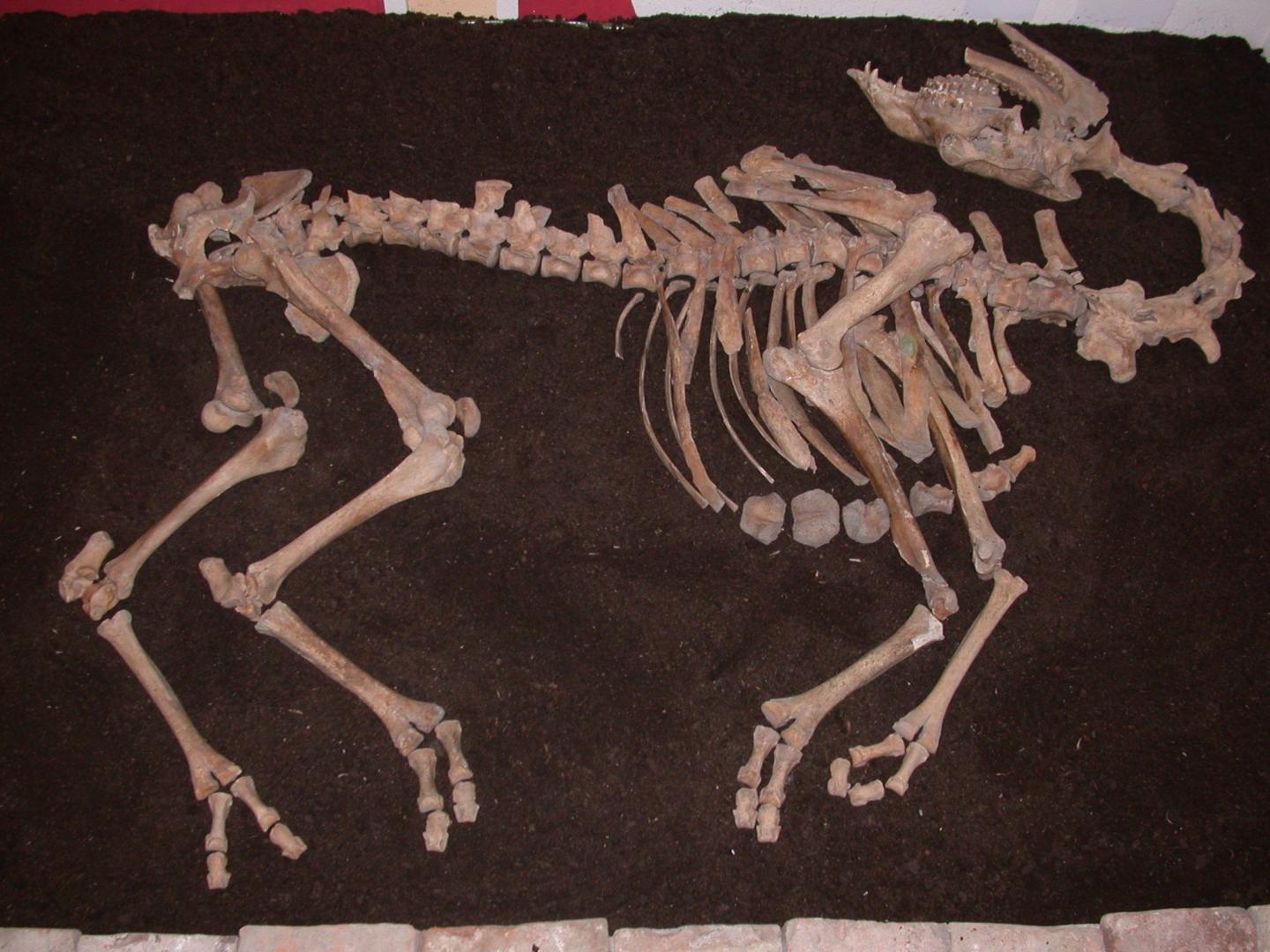
The camel skeleton was unearthed near the river Danube in Lower Austria, Tulln. In 2006 construction began on a new shopping centre in Tulln. The works unearthed various archaeologically valuable objects that were salvaged during rescue excavations. Among these objects was also the complete skeleton of a large mammal.
| Full story | 0 Comments | 7784 views |
| Bioinformatics | April 1, 2015 07:10 PM |
Many microbes cannot be cultivated in a laboratory setting, hindering attempts to understand Earth's microbial diversity. Since microbes are heavily involved in, and critically important to environmental processes from nutrient recycling, to carbon processing, to the fertility of topsoils, to the health and growth of plants and forests, accurately characterizing them, as a basis for understanding their activities, is a major goal of the Department of Energy (DOE). One approach has been to study collected DNA extracted from the complex microbial community, or the metagenome, in order to describe its DNA-coded "parts" catalog and understand how microbes respond and adapt to environmental changes. Studying a population rather than an individual raises different obstacles on the path to knowledge. The challenges of assembling genes and genomic fragments into meaningful sequence information for an unknown microbe has been likened to putting together a jigsaw puzzle without knowing what the final picture should look like, or even if you have all the pieces.
| Full story | 0 Comments | 6574 views |

- In some genetic cases of microcephaly, stem cells fail to launch
- Yale team discovers how Zika virus causes fetal brain damage
- Scientists uncover the way a common cell enzyme alerts the body to invading bacteria
- Arctic gives clues on worst mass extinction of life
- Calcium channel blockers caught in the act at atomic level
Search Bio News Net
Free Biology Newsletter
- Flexibility That A.C.A. Lent to Work Force Is Threatened by...International Herald Tribune
- Bacteria Behind Legionnaires’ Disease Found at New York Police StationInternational Herald Tribune
- Prescription Price Crisis? 28 Million Americans See Spike in Drug...MSNBC.com: Health
- Seizing on Opioid Crisis, a Drug Maker Lobbies Hard for...International Herald Tribune
- Republicans are taking a big political risk on health careAP Health News
- Why We're So Divided Over Saving WolvesNational Geographic News