

Within all our cells lies two meters of DNA, highly ordered in a structure of less than 10 micro meters in diameter. Special proteins called histones act as small building bricks, organising our DNA in this structure. Preservation of the structure is necessary to maintain correct function of our genes, making histones detrimental for maintaining a healthy and functional body. The research group of Associate Professor Anja Groth from BRIC, University of Copenhagen, has just elucidated a function of the protein Codanin-1, shedding light on the rare anemic disease CDAI where development of the red blood cells is disturbed. The new results also contribute with important knowledge on how our DNA-structure is maintained and how our genes are regulated.

| Biology | March 12, 2012 05:12 PM |
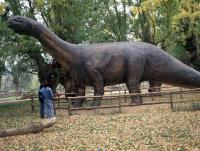
Aragosaurus is the oldest of its kind and could even be a common ancestor. The research group from Aragon that has the same name as the first Aragosaurus ischiaticus dinosaur discovered 25 years ago in Teruel reveals that it is 15 million years younger than originally believed. Its new dating now means that it was the ancestor of the Titanosauriforms, which includes the biggest dinosaurs.
| Full story | 0 Comments | 9718 views |

| Molecular & Cell Biology | March 12, 2012 05:12 PM |
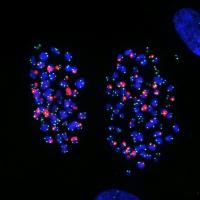
This microscope image shows chromosomes in human lung cells exhibiting telomere damage caused by colcemid, a drug that arrests cell division. The well-being of living cells requires specialized squads of proteins that maintain order. Degraders chew up worn-out proteins, recyclers wrap up damaged organelles, and-most importantly-DNA repair crews restitch anything that resembles a broken chromosome. If repair is impossible, the crew foreman calls in executioners to annihilate a cell. As unsavory as this last bunch sounds, failure to summon them is one aspect of what makes a cancer cell a cancer cell.
| Full story | 0 Comments | 7657 views |

| Health & Medicine | March 12, 2012 05:12 PM |
A new study from Harvard School of Public Health (HSPH) researchers has found that red meat consumption is associated with an increased risk of total, cardiovascular, and cancer mortality. The results also showed that substituting other healthy protein sources, such as fish, poultry, nuts, and legumes, was associated with a lower risk of mortality.
| Full story | 0 Comments | 9583 views |

- In some genetic cases of microcephaly, stem cells fail to launch
- Yale team discovers how Zika virus causes fetal brain damage
- Scientists uncover the way a common cell enzyme alerts the body to invading bacteria
- Arctic gives clues on worst mass extinction of life
- Calcium channel blockers caught in the act at atomic level
Search Bio News Net
Free Biology Newsletter
- Flexibility That A.C.A. Lent to Work Force Is Threatened by...International Herald Tribune
- Bacteria Behind Legionnaires’ Disease Found at New York Police StationInternational Herald Tribune
- Prescription Price Crisis? 28 Million Americans See Spike in Drug...MSNBC.com: Health
- Seizing on Opioid Crisis, a Drug Maker Lobbies Hard for...International Herald Tribune
- Republicans are taking a big political risk on health careAP Health News
- Why We're So Divided Over Saving WolvesNational Geographic News