

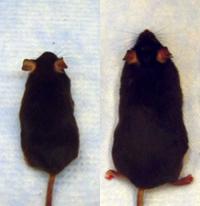
Investigators at Georgetown University Medical Center have been able to use simple, nontoxic chemical injections to add and remove fat in targeted areas on the bodies of laboratory animals. In what they call a “stunning research advance,” investigators at Georgetown University Medical Center have been able to use simple, non-toxic chemical injections to add and remove fat in targeted areas on the bodies of laboratory animals. They say the discovery, published online in Nature Medicine on July 1, could revolutionize human cosmetic and reconstructive plastic surgery and treatment of diseases associated with human obesity.

| Molecular & Cell Biology | July 1, 2007 10:59 PM |
| Full story | 0 Comments | 4781 views |

| Biotechnology | July 1, 2007 09:59 PM |
Researchers at the Salk Institute for Biological Studies have developed a novel strategy to expand the natural repertoire of 20 amino acids in mammalian cells, including neurons, and successfully inserted tailor-made amino acids into proteins in these cells. In a powerful demonstration of the method’s versatility, they then used unnatural amino acids to determine the operating mechanism of the “molecular gates” that regulate the movement of potassium ions in and out of nerve cells.
| Full story | 0 Comments | 4932 views |
| Molecular & Cell Biology | July 1, 2007 08:59 PM |
As a fertilized egg develops into a full grown adult, mammalian cells make many crucial decisions — closing doors of opportunity as they adopt careers as liver cells, skin cells, or neurons. One of the most fundamental mysteries in biomedicine is how cells make such different career decisions despite having exactly the same DNA. By using a new kind of genomic technology, a new study unveils a special code — not within DNA, but within the so-called “chromatin” proteins surrounding it — that could unlock these mysterious choices underlying cell identity.
| Full story | 0 Comments | 7865 views |

| Health & Medicine | July 1, 2007 07:59 PM |
In a study of more than 100,000 patients treated for depression, suicide attempts declined during the first month of treatment—whether that treatment consisted of medication, psychotherapy, or both. The findings, published by Group Health researchers in the July American Journal of Psychiatry, show a similar pattern for populations of adolescents and young adults (up to age 24) as for older adults.
| Full story | 0 Comments | 6017 views |

- In some genetic cases of microcephaly, stem cells fail to launch
- Yale team discovers how Zika virus causes fetal brain damage
- Scientists uncover the way a common cell enzyme alerts the body to invading bacteria
- Arctic gives clues on worst mass extinction of life
- Calcium channel blockers caught in the act at atomic level
Search Bio News Net
Free Biology Newsletter
- Flexibility That A.C.A. Lent to Work Force Is Threatened by...International Herald Tribune
- Bacteria Behind Legionnaires’ Disease Found at New York Police StationInternational Herald Tribune
- Prescription Price Crisis? 28 Million Americans See Spike in Drug...MSNBC.com: Health
- Seizing on Opioid Crisis, a Drug Maker Lobbies Hard for...International Herald Tribune
- Republicans are taking a big political risk on health careAP Health News
- Why We're So Divided Over Saving WolvesNational Geographic News