

Widespread failure to reproduce research results has triggered a crisis of confidence in research findings, eroding public trust in scientific methodology. In response, PLOS Biology is launching on January 4th, 2016, a new Meta-Research Section devoted to research on research.

| Biology | January 4, 2016 04:01 PM |
Chameleons are known for sticking their tongues out at the world fast and far, but until a new study by Brown University biologist Christopher Anderson, the true extent of this awesome capability had been largely overlooked. That's because the smallest species hadn't been measured.
| Full story | 0 Comments | 8334 views |

| Health & Medicine | January 4, 2016 04:01 PM |
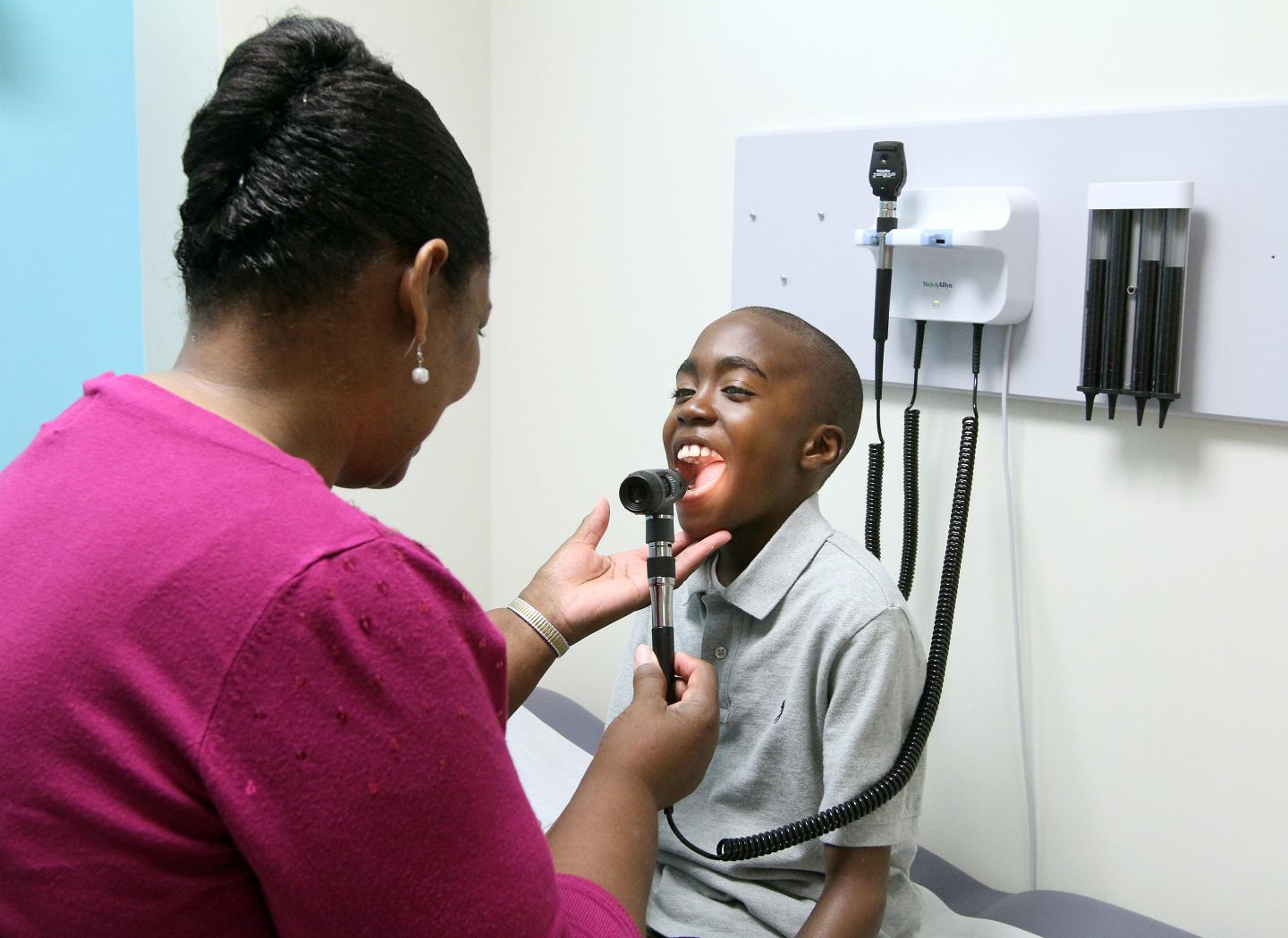
Pediatric/hematologist Dr. Sherron Jackson of the Medical University of South Carolina examines a patient with sickle cell disease. "It was a privilege to be a part of this well-designed and executed study. Russell Ware presented the results at the ASH meeting, and 18 years ago, almost to the day, I presented the STOP study results to the same meeting," said Robert J. Adams, M.D., study principal investigator, MUSC professor of neurosciences and director of the South Carolina Stroke Center of Economic Excellence. "That study showed how effective transcranial Doppler risk stratification, followed by regular red cell transfusions in those with high risk blood flow, can be in the prevention of stroke in these children. This became known as the STOP protocol and its wide adoption has been associated with a sharp drop in ischemic strokes in children with sickle cell disease. The drawback of indefinite transfusions however, was a limitation to wider use of the STOP protocol. This study shows that some children can be moved from transfusion to medication after at least a year. The combined understanding and evidence from these two studies brings us closer to achieving the National Institutes' goal of a 'stroke free generation' in sickle cell disease."
| Full story | 0 Comments | 6576 views |

- In some genetic cases of microcephaly, stem cells fail to launch
- Yale team discovers how Zika virus causes fetal brain damage
- Scientists uncover the way a common cell enzyme alerts the body to invading bacteria
- Arctic gives clues on worst mass extinction of life
- Calcium channel blockers caught in the act at atomic level
Search Bio News Net
Free Biology Newsletter
- Flexibility That A.C.A. Lent to Work Force Is Threatened by...International Herald Tribune
- Bacteria Behind Legionnaires’ Disease Found at New York Police StationInternational Herald Tribune
- Prescription Price Crisis? 28 Million Americans See Spike in Drug...MSNBC.com: Health
- Seizing on Opioid Crisis, a Drug Maker Lobbies Hard for...International Herald Tribune
- Republicans are taking a big political risk on health careAP Health News
- Why We're So Divided Over Saving WolvesNational Geographic News