

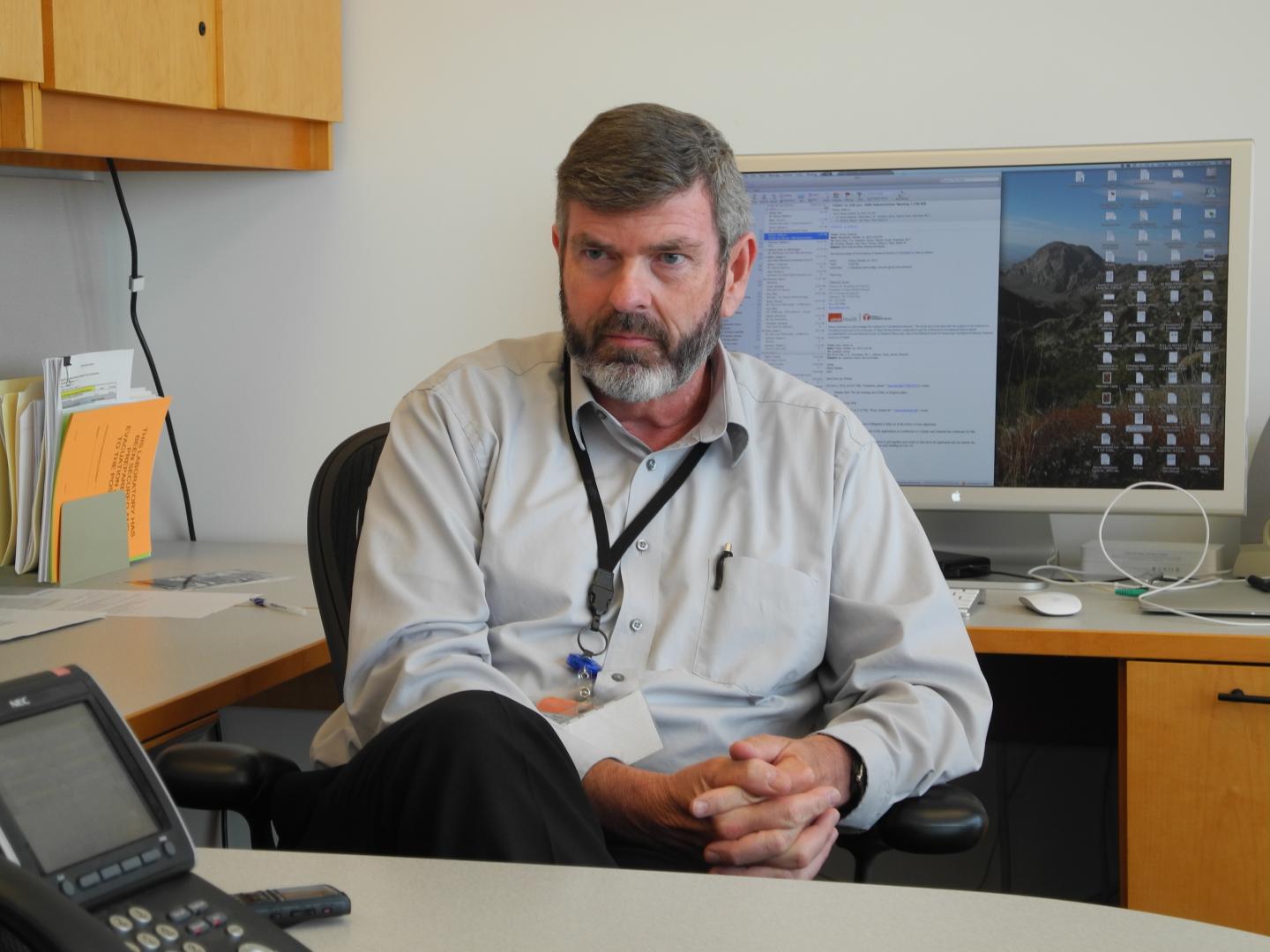
The University of Texas Medical Branch at Galveston's Scott Weaver, globally recognized for his expertise in mosquito-borne diseases, has been studying chikungunya for more than 15 years. The mosquito-borne chikungunya virus has been the subject of increasing attention as it spreads throughout South America, Central America, the Caribbean and Mexico. This painful and potentially debilitating disease is predicted to soon spread to the U.S.

| Health & Medicine | March 26, 2015 07:53 PM |
| Full story | 0 Comments | 8162 views |

| Molecular & Cell Biology | March 26, 2015 07:53 PM |
Scientists have revealed a brand new function for one of the first cancer genes ever discovered - the retinoblastoma gene - in a finding that could open up exciting new approaches to treatment.
| Full story | 0 Comments | 6722 views |

| AIDS & HIV | March 26, 2015 07:53 PM |
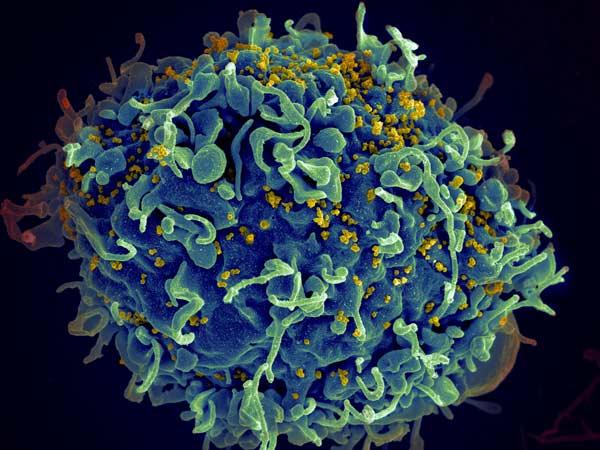
This photo shows HIV, the AIDS virus (yellow), infecting a human immune cell. The AIDS virus can genetically evolve and independently replicate in patients' brains early in the illness process, researchers funded by the National Institutes of Health have discovered. An analysis of cerebral spinal fluid (CSF), a window into brain chemical activity, revealed that for a subset of patients HIV had started replicating within the brain within the first four months of infection. CSF in 30 percent of HIV-infected patients tracked showed at least transient signs of inflammation - suggesting an active infectious process - or viral replication within the first two years of infection. There was also evidence that the mutating virus can evolve a genome in the central nervous system that is distinct from that in the periphery.
| Full story | 0 Comments | 8190 views |

| Biology | March 26, 2015 07:53 PM |
Foraging bats obey their own set of 'traffic rules', chasing, turning and avoiding collisions at high speed according to new research publishing in PLOS Computational Biology.
| Full story | 0 Comments | 6498 views |
| Molecular & Cell Biology | March 26, 2015 07:53 PM |
New research shows bacteria can use tiny magnetic particles to effectively create a 'natural battery.' According to work published in journal Science on 27 March, the bacteria can load electrons onto and discharge electrons from microscopic particles of magnetite. This discovery holds out the potential of using this mechanism to help clean up environmental pollution, and other bioengineering applications. The European Association of Geochemistry is highlighting this work as especially interesting.
| Full story | 0 Comments | 5769 views |
| Biology | March 26, 2015 07:53 PM |
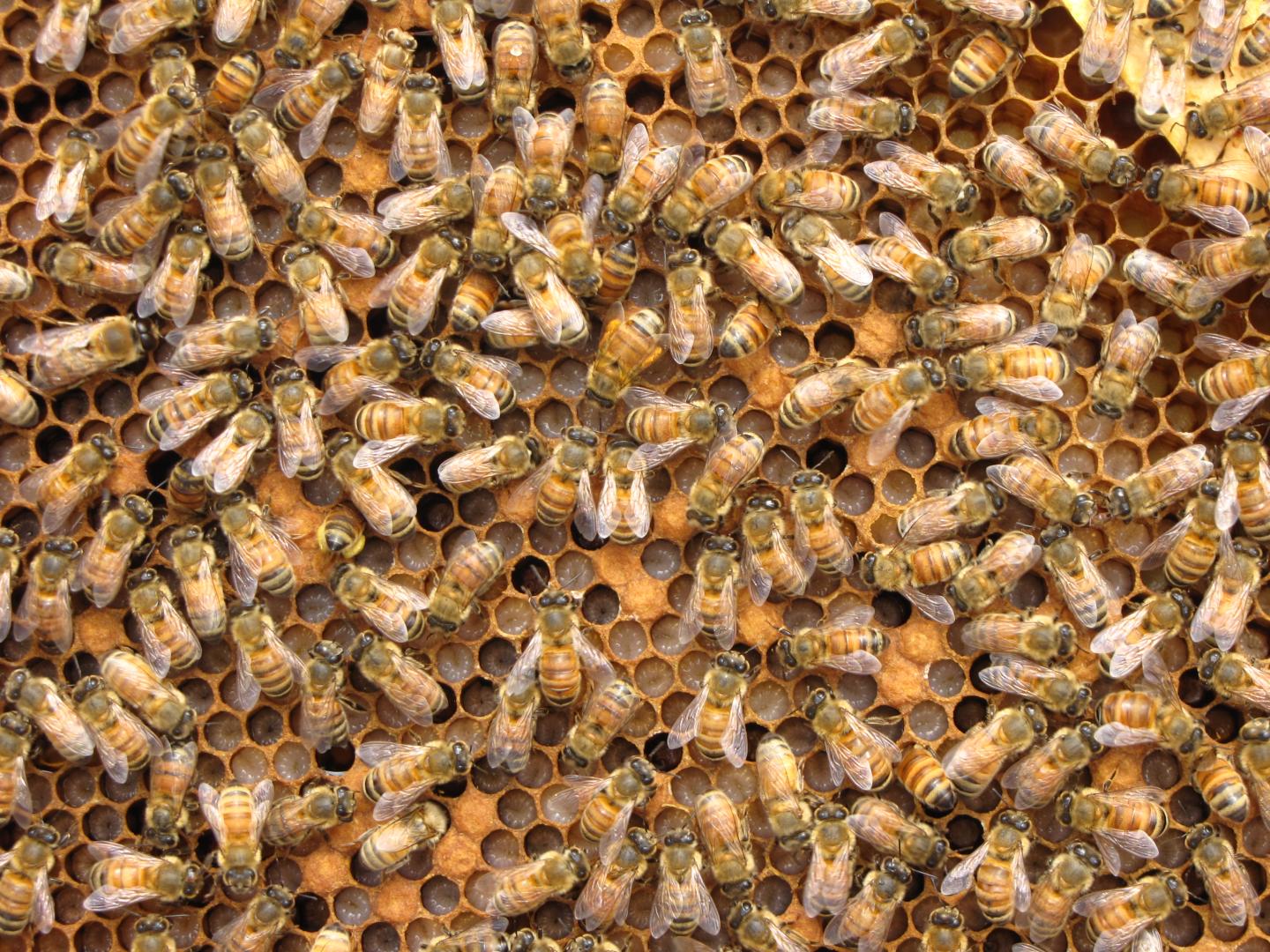
These are bees on a hive. Honey bees use different sets of genes, regulated by two distinct mechanisms, to fight off viruses, bacteria and gut parasites, according to researchers at Penn State and the Georgia Institute of Technology.
| Full story | 0 Comments | 6461 views |

- In some genetic cases of microcephaly, stem cells fail to launch
- Yale team discovers how Zika virus causes fetal brain damage
- Scientists uncover the way a common cell enzyme alerts the body to invading bacteria
- Arctic gives clues on worst mass extinction of life
- Calcium channel blockers caught in the act at atomic level
Search Bio News Net
Free Biology Newsletter
- Flexibility That A.C.A. Lent to Work Force Is Threatened by...International Herald Tribune
- Bacteria Behind Legionnaires’ Disease Found at New York Police StationInternational Herald Tribune
- Prescription Price Crisis? 28 Million Americans See Spike in Drug...MSNBC.com: Health
- Seizing on Opioid Crisis, a Drug Maker Lobbies Hard for...International Herald Tribune
- Republicans are taking a big political risk on health careAP Health News
- Why We're So Divided Over Saving WolvesNational Geographic News